Cold Weather May Bring Arizona Javelinas Out In Daylight, While Garden Damage Is a Risk You Can Manage
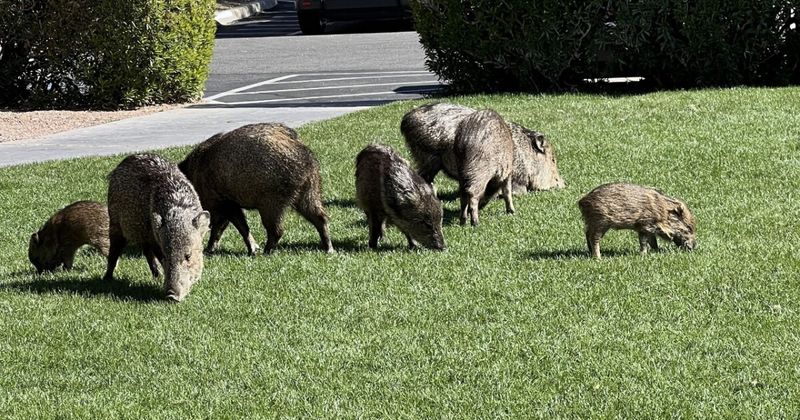
Seeing a javelina trotting through your yard at noon can feel strange, since these wild pigs are known for night visits. Cold weather may change their schedule, but a daytime sighting does not tell you what will happen to your plants.
Garden damage is a separate problem, and you can lower the risk all year. Here is how to read javelina behavior calmly and protect the beds that matter most.
Cold weather can bring javelina into daylight
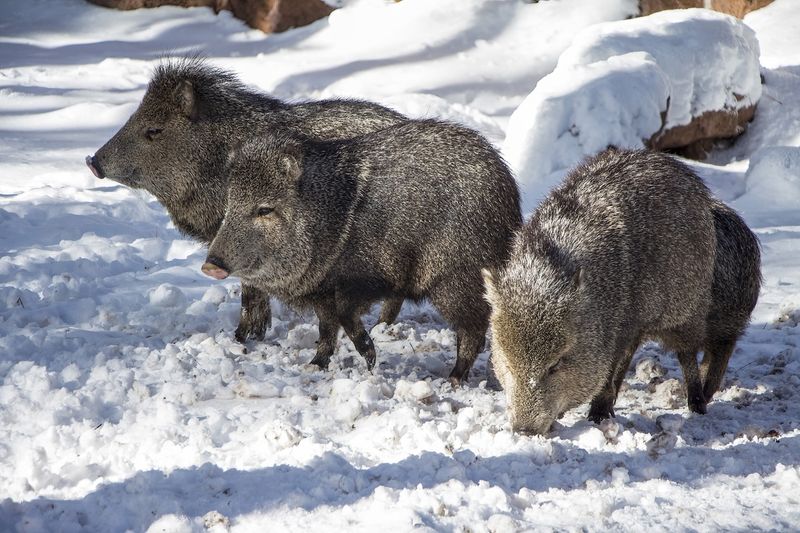
Javelina are common across much of central and southern Arizona, and they live in herds. According to Arizona Game and Fish guidance, they are most active at night but may be active during the day when it is cold.
That wording matters. The guidance says “when it is cold,” and it does not name a temperature or say that a dip in nighttime lows is the trigger.
A single afternoon sighting is not a sign that something unusual is going on.
A long-standing desert field study, published in Ecology in 1973, adds some context. The collared peccaries it observed were more active by day in winter and relatively inactive at night.
Still, no source sets a start or end date for daytime sightings, and Arizona has no fixed fall schedule for javelina. Think of cold weather as one factor that can make daylight visits more likely, then focus on what you can control around your own yard.
A disturbed bed does not mean every plant was food
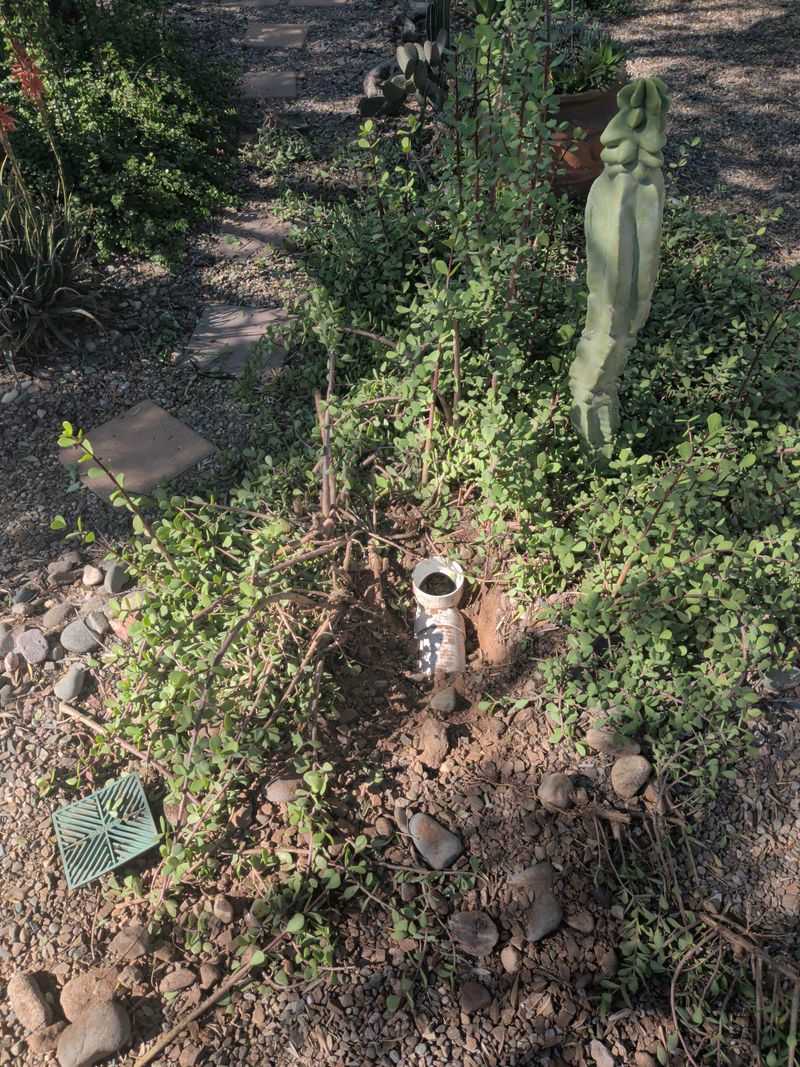
Walk out to a torn-up bed and it is easy to assume javelina ate everything. The real picture is more mixed.
University of Arizona Cooperative Extension notes that javelina eat roots and may also dig up plants they do not eat.
So a bed with holes and tipped-out plants may include some food targets and some plants that were simply pulled out. Not every disturbed plant was a meal, and not every bit of digging is rooting for roots.
Clues can help you sort it out. Look for plants with missing root balls, which suggest feeding.
Look for intact plants lying on top of the soil, which suggest digging without eating.
Either way, the bed needs protection if you want to keep it. Counting what was eaten matters less than deciding which beds are worth guarding and how.
Remove the rewards that draw javelina to yards
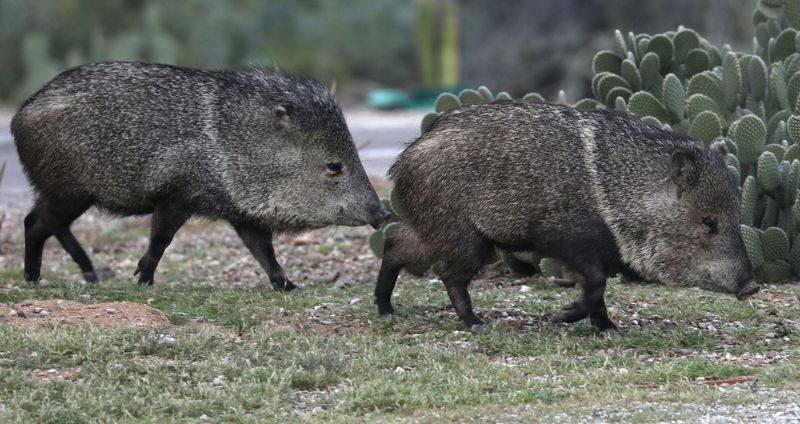
Javelina come to homes for food, water, or shelter. Take away the easy meals and your property becomes a less rewarding stop.
Arizona Game and Fish lists several steps worth building into your routine.
Never feed them. Bring pet food indoors, and sweep up spilled birdseed under feeders.
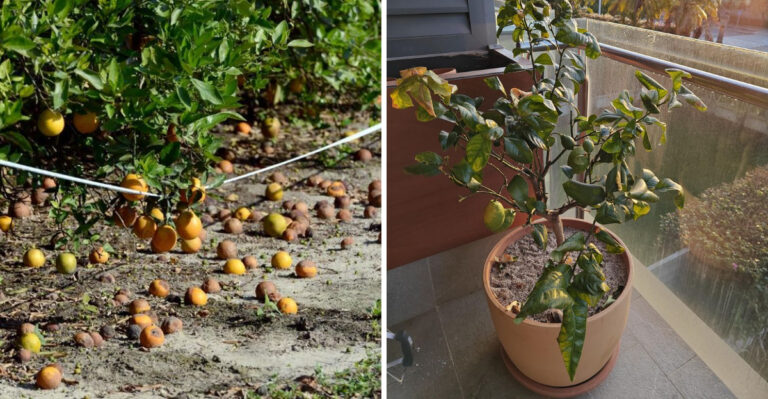
Keep garbage secured, cover or enclose compost, and pick up fallen fruit and nuts promptly, such as citrus or mesquite pods and pecans.
A quick evening walk through the yard can catch most of these. Check around the patio, the dog’s feeding spot, and under fruit trees.
Repellents, noise, and gadgets are tempting, but they are shaky substitutes. University of Arizona guidance says repellents are not continuously effective, animals can get used to some deterrents, and ultrasonic devices are ineffective for most intended uses.
Your Arizona Garden Changes Every Week. Your Plan Should Too.
Gardening in Arizona changes quickly throughout the season. Every Friday you’ll receive a simple weekly plan showing exactly what to plant, prune, fertilize, harvest, and protect so you never miss the right timing.
Removing attractants lowers the odds of visits, though it cannot promise that javelina will stay away.
Use a suitable barrier to protect valuable beds
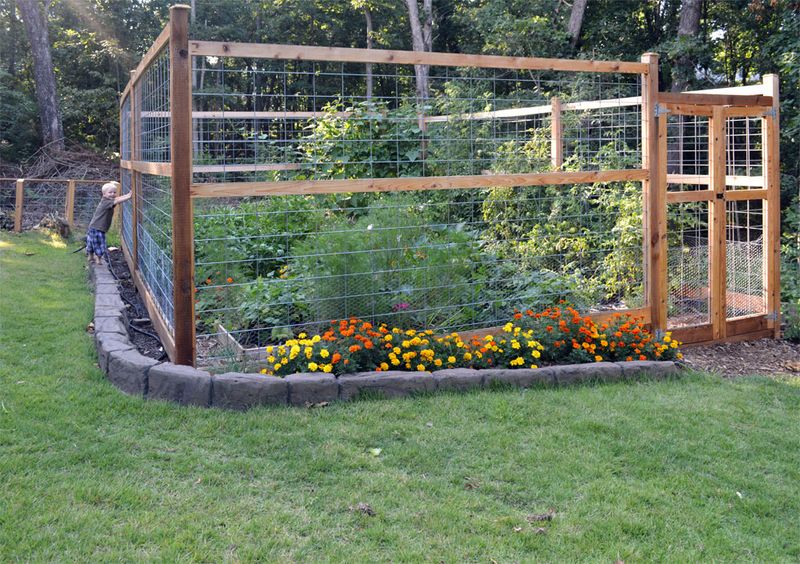
For beds you really care about, a barrier is the clearest protection. The two scales of advice are different, so match the fix to the job.
For a garden, Game and Fish recommends a single electric strand about 8 to 10 inches above the ground. For a whole yard, it suggests a 4-foot block wall or chain-link fence with a buried concrete footer 8 to 12 inches deep to discourage digging underneath.
Guidance from University of Arizona Cooperative Extension points the same way: fences or walls at least 4 feet high and buried at least 8 inches make a long-term barrier. It also stresses that fencing is not foolproof.
Where you can, fence only the area that needs protection rather than the whole property. Before you install anything electric, check your local rules and requirements.
Treat plant-resistance ratings as a guide
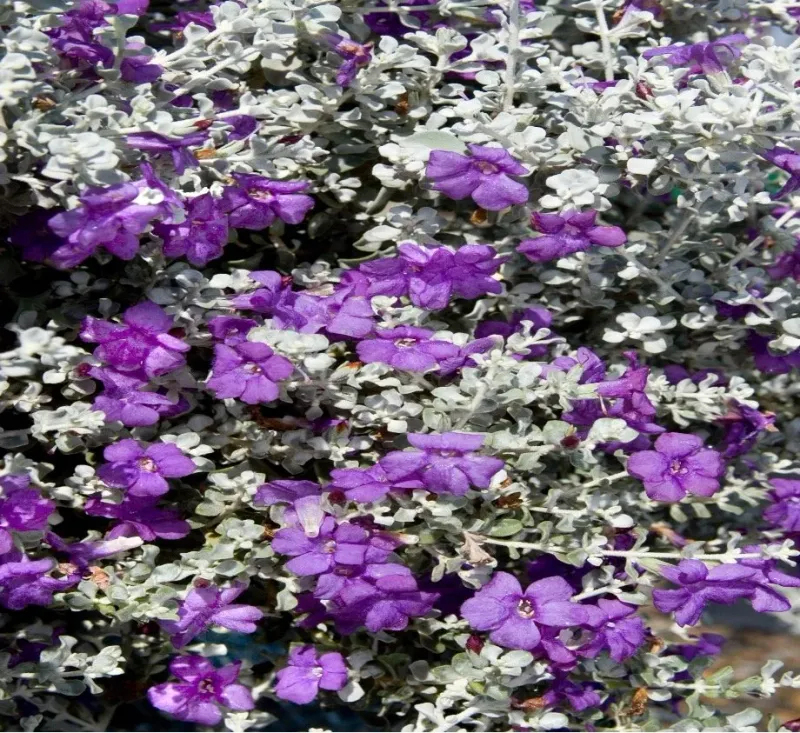
Plant lists can help you choose what goes in the ground. The University of Arizona’s 2025 javelina plant resistance ratings give probabilities based on literature and reports from residents and businesses.
The amount of information behind each rating varies. Some plants have many reports, while others have only a few, so a rating is a hint rather than a verdict.
Javelina diets also shift. Behavior can change with conditions such as temperature and rainfall, and no list guarantees that a plant will be left alone.
A smart approach is to use the ratings to tilt your choices, especially for outer edges and spots that are hard to fence. Then keep your most valued plants, such as vegetables or new transplants, behind a barrier.
The same source says exclusion is the way to be certain plants are protected. Ratings help with planning, and fencing does the guarding.
Keep dogs back and give javelina room
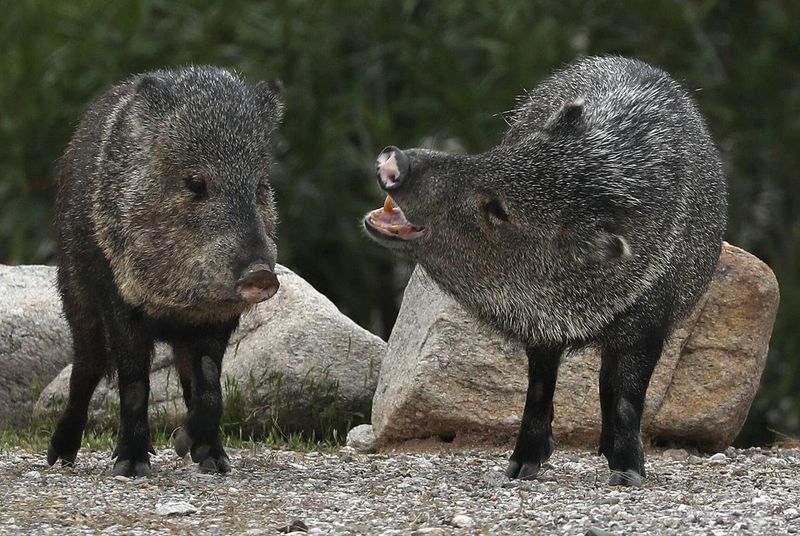
If you meet javelina, keep your distance and do not approach them. They can act defensively, particularly around dogs and young, and they should never be cornered or handled.
Per Arizona Game and Fish, dogs should be kept leashed or behind a fence. If you run into javelina on a walk, move away with your dog, and never let the dog go investigate.
A bite requires immediate medical attention.
Before letting a dog out in the yard, take a quick look around, especially at dawn and dusk. A secure fence helps, and so does keeping dog food inside.
None of this needs a countdown. You can remove easy attractants and protect the beds that matter with a suitable barrier in any month of the year.
A calm yard with nothing to snack on and a sturdy fence around the tomatoes makes for a quiet neighborhood.