10 Arizona Native Groundcovers And Shrubs That Turn A Bare Side Yard Green On Rainfall Alone
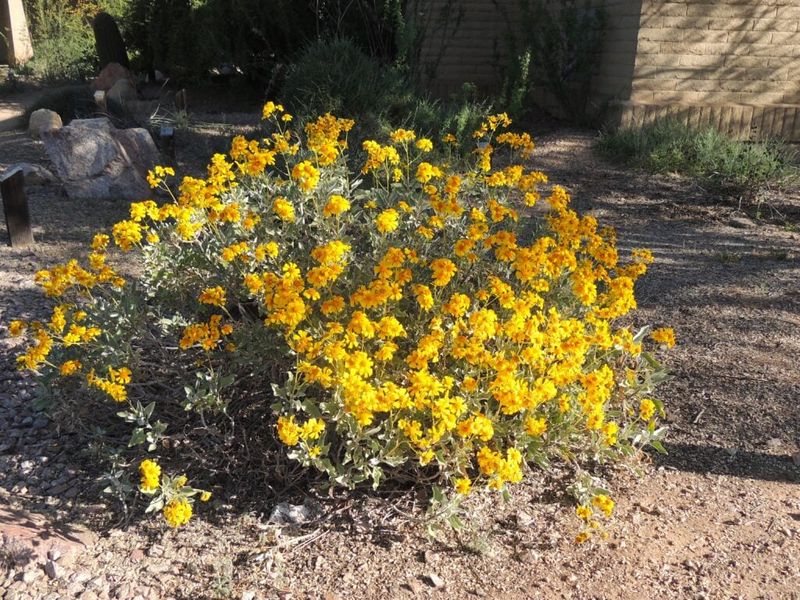
Most Arizona side yards are a strip of hot gravel that nobody wants to water or walk through. The good news is that a handful of tough desert natives can cover that ground with leaves and flowers using little more than winter rain and summer monsoon storms once they settle in.
Many of them also feed bees, butterflies, hummingbirds, and seed-eating birds, so the space starts working as habitat instead of sitting empty. Here are ten plants worth tucking into that forgotten corner this fall.
1. Desert Marigold
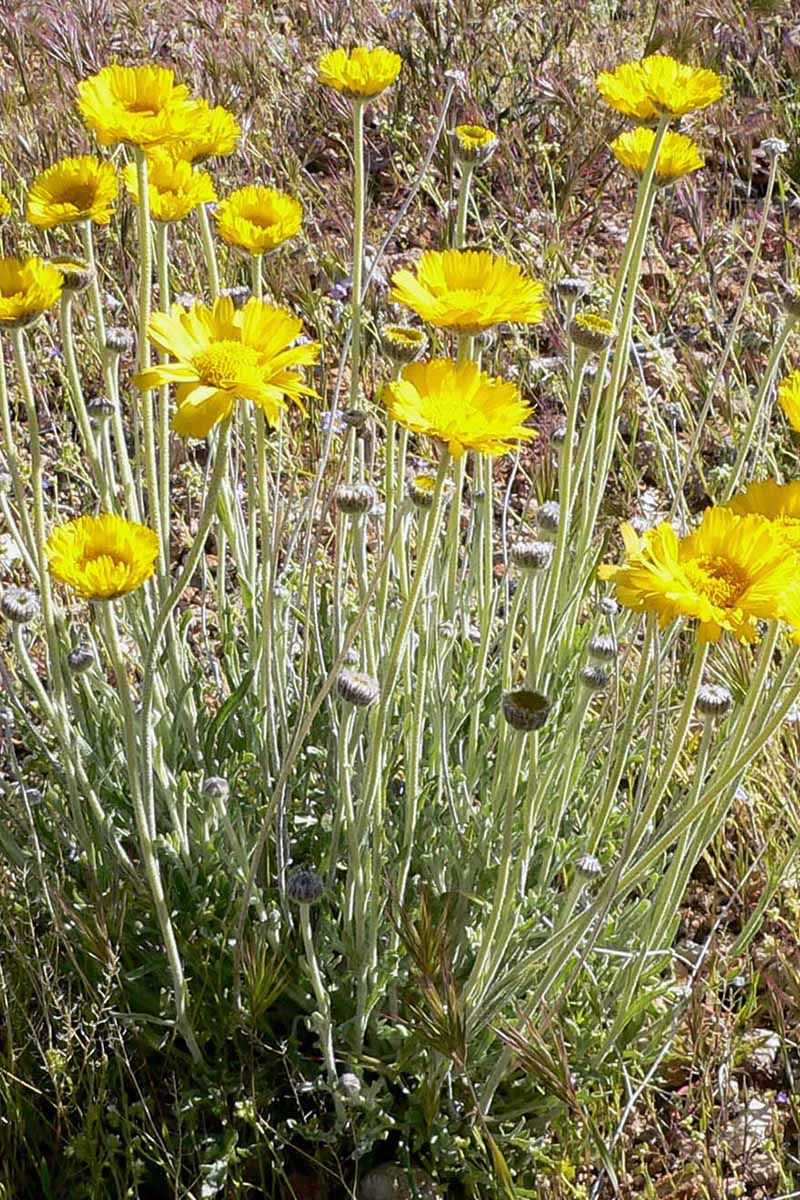
Drive past almost any vacant lot in Tucson after a wet winter and you will spot glowing yellow pom-poms waving above silvery leaves. Desert marigold is one of the most generous bloomers in the low desert, and it can flower nearly year-round when rain cooperates.
Its woolly gray foliage helps reflect harsh sun, which is a big reason it shrugs off 110-degree afternoons along a west-facing wall. Plants stay about a foot tall and spread by reseeding, so a few starts can slowly fill a narrow side yard without any help from you.
Wildlife loves it too. Bees and butterflies visit the flowers, and once the blooms fade, the seeds can draw doves, sparrows, and finches down to forage.
Leaving spent flower heads in place a little longer may help keep those birds coming back.
Plant from seed or small pots in October or November so roots can grow during cool months. Lean, rocky soil suits it best, and rich soil or frequent watering tends to shorten its life.
Treat it as a short-lived perennial that renews itself, and you will rarely see that patch go bare again.
2. Blackfoot Daisy
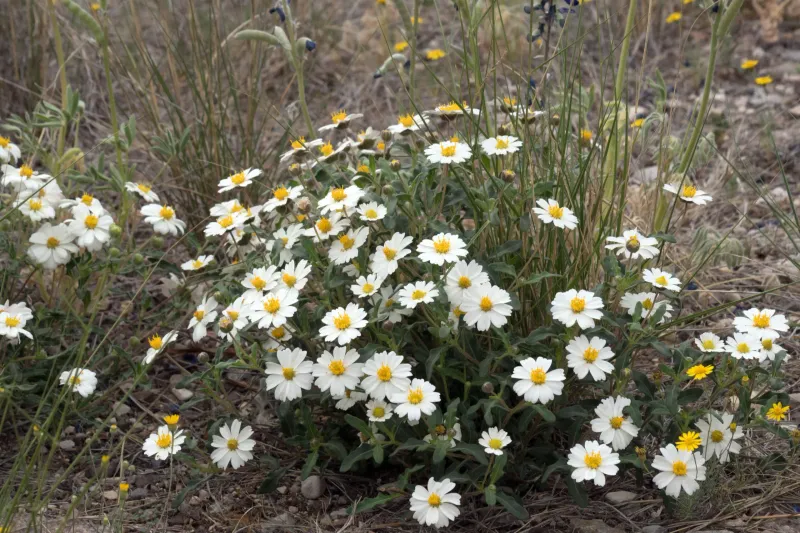
Picture a tidy white pillow sitting on blazing gravel in July, still covered in flowers. Blackfoot daisy pulls off that trick, holding its honey-scented blooms from spring through fall in low-desert gardens.
Plants form neat mounds about a foot high and up to two feet wide, which makes them ideal for edging a narrow path between the house and the block wall. The white petals with golden centers stay bright even under reflected heat that would scorch thirstier flowers.
Bees and small butterflies drift from mound to mound all season.
The biggest mistake people make is loving it with water. Soggy soil is far more likely to cause trouble than drought, so skip it near drippy irrigation lines or lawn sprinklers.
Fast-draining, gravelly ground and full sun are what it really wants.
Set transplants in fall, give them a few deep soaks through the first winter, and then let the rain take over. A light trim in late winter keeps mounds compact and encourages a fresh flush of growth.
For a crisp, clean look that reads almost formal yet asks for nearly nothing, few natives match it.
3. Damianita
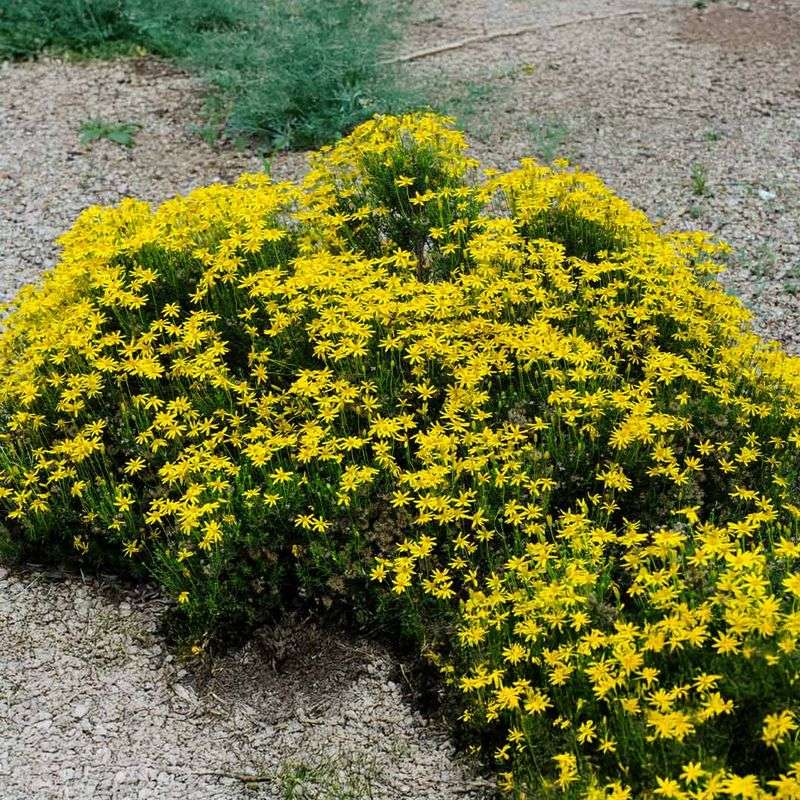
Brush your hand across damianita and you will catch a spicy, resin-like scent that lingers on your fingers. That aromatic foliage is part of its charm, and it can make the plant less appealing to browsing rabbits than softer groundcovers.
Your Arizona Garden Changes Every Week. Your Plan Should Too.
Gardening in Arizona changes quickly throughout the season. Every Friday you’ll receive a simple weekly plan showing exactly what to plant, prune, fertilize, harvest, and protect so you never miss the right timing.
Small, needle-like leaves stay deep green through most of the year, giving a bare strip of gravel a solid carpet of color even when nothing is blooming. In spring and again in fall, the whole mound lights up with bright yellow daisies that bring in native bees and other pollinators.
Damianita is happiest in the sunniest, hottest spot you have. A south side yard with reflected light off stucco is perfect, and rocky or caliche-laced soil is fine as long as water drains away quickly.
Mounds stay under a foot tall, so they will not block windows or crowd walkways.
Plant in October so roots establish before summer, then water deeply every couple of weeks the first season. After that, winter rains and monsoon storms usually carry it.
A quick shearing after spring bloom keeps it dense and prevents the woody, open centers that older plants sometimes develop.
4. Goodding’s Verbena
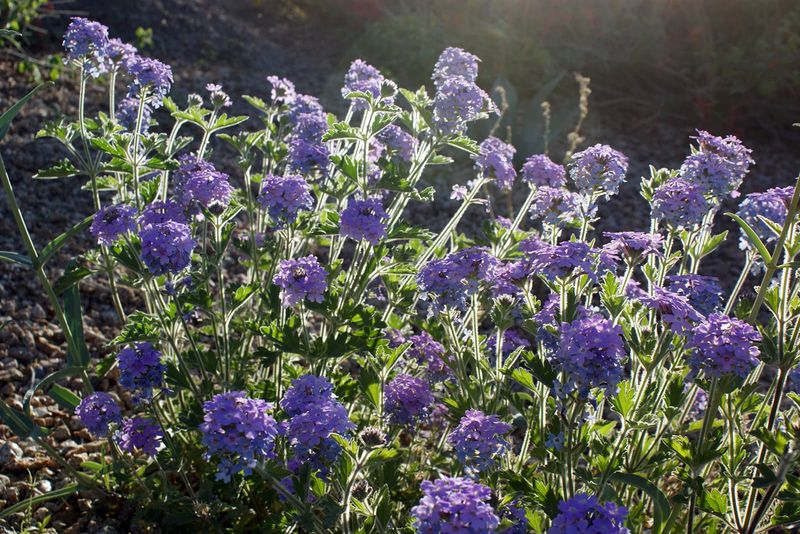
Want butterflies right outside a side window? Goodding’s verbena is one of the quickest ways to make it happen.
Its rounded clusters of lavender to soft pink flowers act like landing pads for swallowtails, painted ladies, and plenty of native bees.
Plants spread loosely to about two or three feet wide, knitting together into a soft, sprawling cover that hides bare dirt fast. In spring the show is at its peak, and a good monsoon can coax out another wave of blooms in late summer.
Poor soil does not bother it one bit. Rocky fill, gravel, and the compacted ground often found along foundations are all workable, as long as the site gets full sun or light afternoon shade.
Overly rich soil and constant water usually lead to floppy, short-lived plants.
Fun detail: this verbena reseeds itself, so you may find little volunteers popping up in cracks and corners after rain. Leave a few to replace older plants, which tend to fade after a few years.
Sow seed or set out small plants in fall, and you will likely have color by the following March.
5. Desert Zinnia
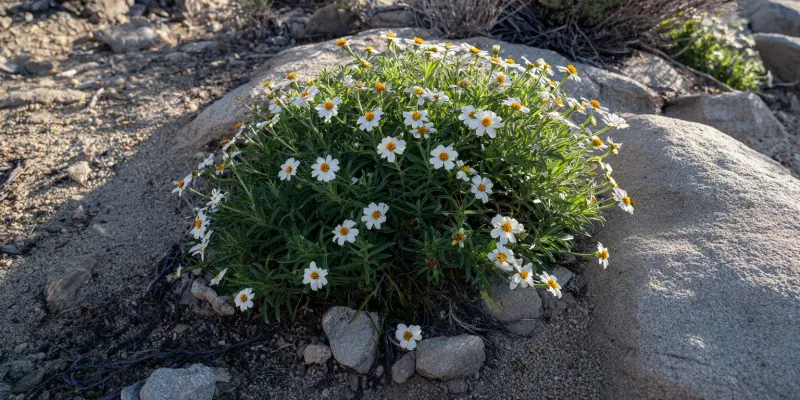
Small but mighty is the best way to sum up desert zinnia. At just six to ten inches tall and about a foot wide, it is the plant you tuck into the toughest pocket of your side yard, the one next to the AC unit or the corner that bakes all afternoon.
Wiry stems and tiny needle-like leaves help it hold moisture, so it handles long dry spells without wilting dramatically. From spring into fall, especially after summer storms, it covers itself with whitish to creamy yellow flowers that look like little stars scattered across the gravel.
Because it stays so low and compact, desert zinnia works nicely in groups of five or seven, spaced about a foot apart. Over a couple of years they can join up into a low, textured mat that keeps dust down and shades the soil surface.
Plant in fall in well-drained, rocky ground with full sun. Skip fertilizer entirely, since these plants evolved on lean desert soils and can grow weak when pampered.
Small pollinators visit the flowers, and lizards often hunt among the stems, adding a bit of natural insect patrol to that once-empty strip.
6. Trailing Dalea
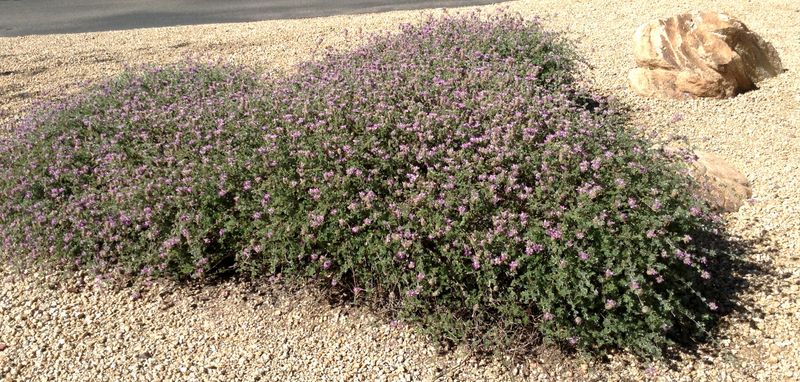
If your side yard is wide and empty, trailing dalea might be the single best plant for covering serious ground. One plant can spread six feet or more across, forming a soft, silvery-green carpet that hugs the soil just a few inches high.
In spring it dots itself with tiny purple pea-shaped flowers. They are small, yet bees seem to find every last one.
As a member of the legume family, it can also help add nitrogen to poor desert soils over time, quietly improving the ground it covers.
Heat and drought are no problem once roots are established. Many Phoenix-area homeowners use it to blanket slopes and long, narrow side strips because it fills space fast without needing a mower or regular trimming.
The trailing stems also look lovely spilling over the edge of a low wall or raised bed.
The main thing to watch is drainage, since heavy, wet clay can cause root problems. Plant in fall about four to six feet apart and water deeply until spring.
After that, an occasional soak during a long dry summer is usually all it asks.
7. Angelita Daisy
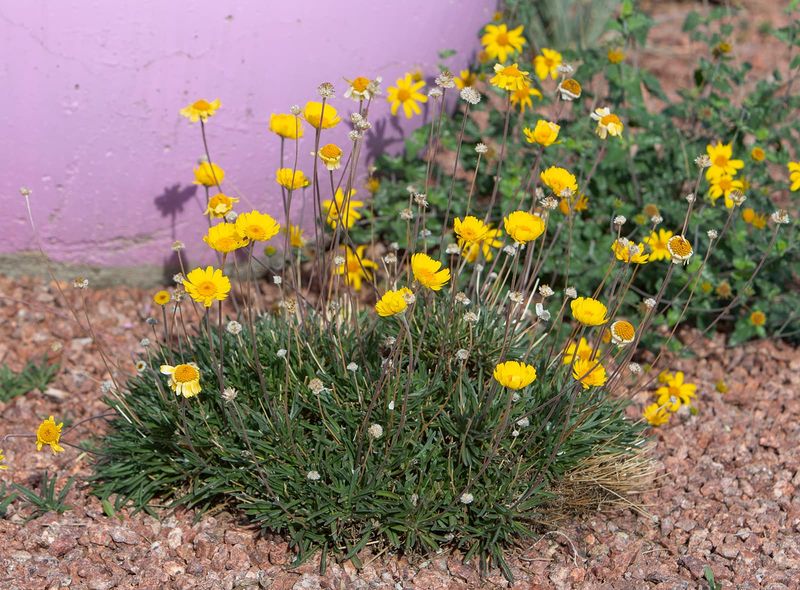
Cheerful and nearly unstoppable, angelita daisy is the kind of plant that makes beginners look like experts. Tidy grassy tufts sit low to the ground, and slender stems hold up bright yellow daisies for much of the year in warm low-desert spots.
That long bloom season is the real reason it earns a place here. When other plants pause for summer or winter, angelita often keeps a few flowers going, giving bees and butterflies a dependable snack between bigger bloom events.
Plants stay around a foot tall and wide, which makes them easy to line along a walkway or slip between larger shrubs. They tolerate cold snaps well, so they are a smart pick for side yards that see frost pockets in winter.
Full sun and well-drained soil keep them healthiest.
Once established, angelita can get by on rainfall in many years, though a deep drink during long dry stretches will keep the flowers coming. Snip off old flower stems now and then for a neater look, or leave them and let seed-eating birds pick through.
Either way, expect steady sunshine-yellow color with almost zero effort.
8. Brittlebush
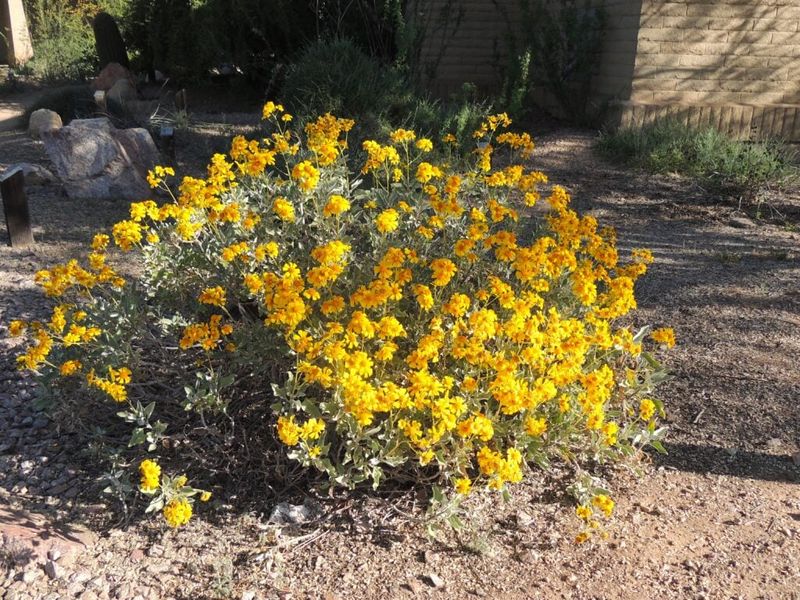
Hike any trail around Phoenix in March and the hillsides glow gold with brittlebush. Bringing that same view into a side yard is easy, because few shrubs are better suited to life on rainfall alone.
Silver-gray, fuzzy leaves reflect sunlight and cut water loss, letting the plant thrive in places that bake all summer. In late winter and spring, rounded mounds about three feet tall disappear under bright yellow daisies held above the foliage on long stems.
Bees and other pollinators crowd in during peak bloom.
Here is a fun bit of history: the stems ooze a fragrant resin that people in the region once used as glue and even chewing gum, and it was burned as incense in old mission churches. That resin is also part of why the plant handles stress so well.
During extreme drought, brittlebush may drop leaves to save energy, then leaf out quickly after the next good rain. Plant in fall in full sun, and cut it back by about a third after spring bloom to keep it tidy.
Finches and sparrows often visit for the seeds afterward.
9. Chuparosa
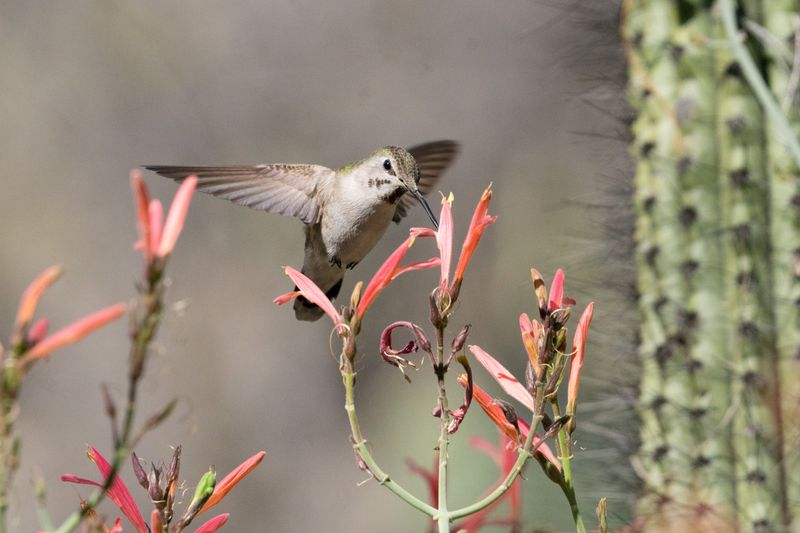
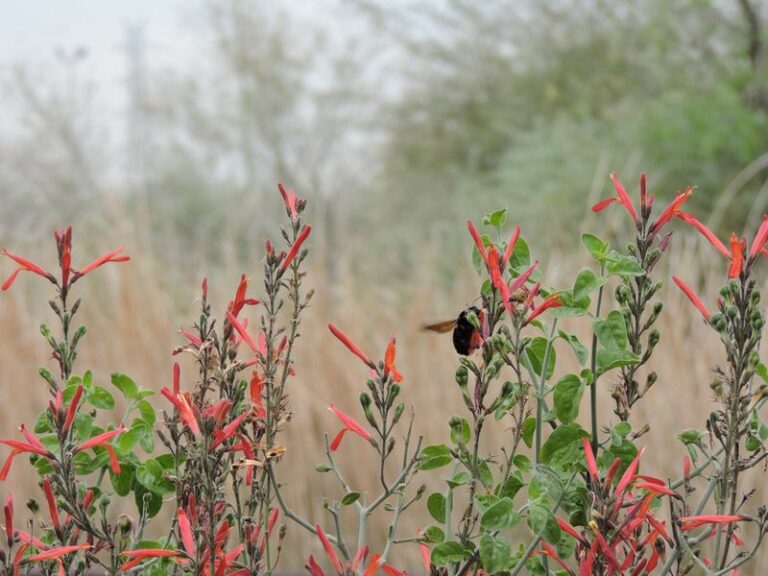
Ask any Arizona birder which shrub brings hummingbirds closest to the house, and chuparosa will come up fast. Its name even comes from a Spanish word for hummingbird, and its tubular red to orange flowers are built for those long beaks.
Bloom time is a big part of its value. Flowers often start in fall, continue through winter, and return in spring into early summer, feeding hummingbirds during months when little else is open.
Some of these birds also snack on small insects while they visit, adding a bit of pest patrol to the visit.
Plants can grow up to six feet tall and wide, forming a dense, green-stemmed mound that gives birds and lizards shelter from heat. During drought, chuparosa may drop most of its leaves, yet the green stems keep the shrub looking alive and lush from a distance.
Give it full sun or partial shade, so it works well even on an east-facing side yard. Poor, rocky soil is fine.
Set plants in fall, water deeply through the first year, and then let rain and monsoon storms handle most of the work.
10. Fairy Duster
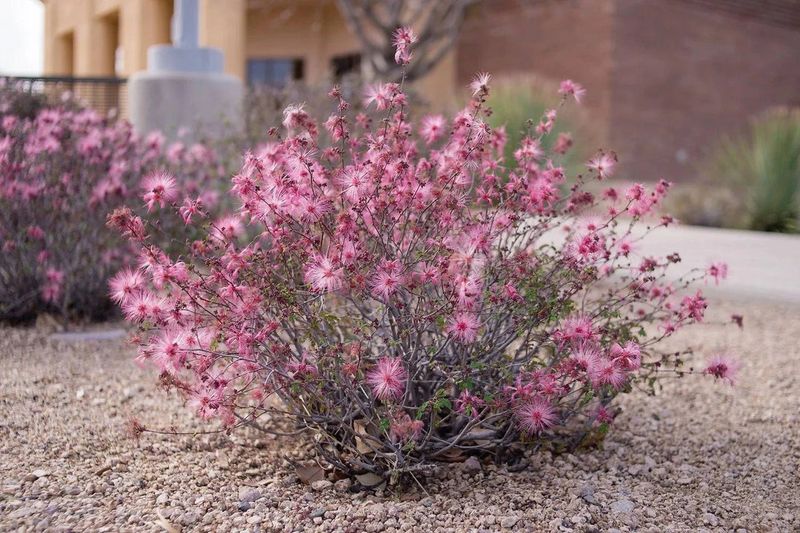
Kids usually stop in their tracks the first time they see fairy duster in bloom. Instead of petals, each flower is a fluffy puff of pink stamens that looks like a tiny feather duster or a bit of cotton candy perched on the branch.
Those puffs are more than cute. They offer nectar to hummingbirds and butterflies, and the seed pods that follow can feed quail and other birds.
Fine, fern-like leaves give the plant a soft, airy texture that contrasts nicely with spiky desert plants like agave.
Fairy duster stays low and open, usually one to three feet tall and a bit wider, so it fits easily under windows or along a narrow walkway without crowding anything. Its deep roots help it tough out heat and drought once established, and it handles chilly desert nights better than many showy shrubs.
Spring is the main flower show, with scattered blooms after summer storms. Plant in fall in full sun and well-drained soil, then water deeply until the following summer.
After that, rainfall usually carries it. To round out a side yard, pair a few fairy dusters with groundcovers like trailing dalea for layered habitat.