Missouri Houseplants Can Thrive Through Short Winter Days Without A Sunny Window
Missouri winters arrive with gray skies, chilly drafts, and sunsets that seem to show up before supper. Your leafy roommates notice the change too, and many of them start sulking on the windowsill by November.
That sulking has a cause, and it starts earlier than most people expect. Early October is a smart moment to act, while the afternoon light still feels warm and golden.
When the clocks fall back, those cozy rays shrink fast, and your plants feel the squeeze right away. Pale new leaves, stretched stems, and stalled growth are common complaints from indoor gardeners across Missouri each winter.
Many people blame watering or fertilizer for those changes, but the real culprit often hides in plain sight overhead. Fixing it does not take a greenhouse, a big budget, or a magical green thumb.
Plants cannot complain about an early sunset, so they simply lean toward the nearest window. A few of the dramatic ones lean so far that the whole pot looks ready to follow.
A Small Daily Dose Of Extra Brightness Keeps Growth Steady
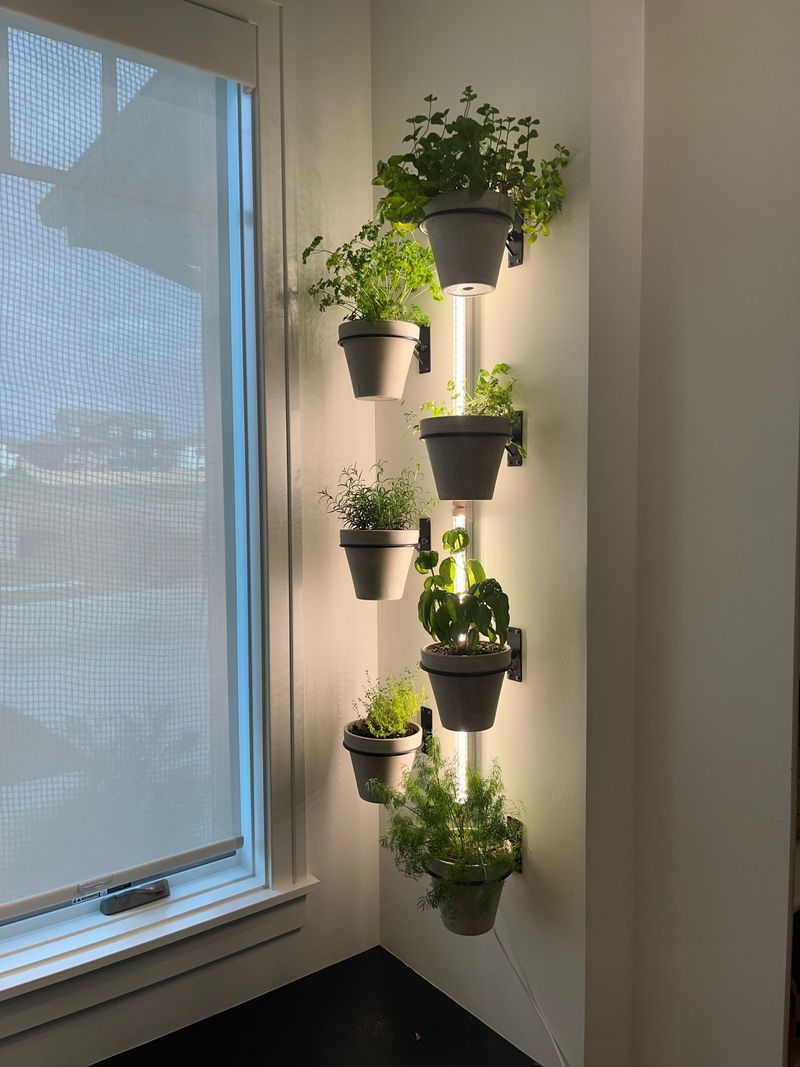
Picture a pothos in late October, stretching toward a window like a kid reaching for the cookie jar. That lean is a quiet request for more light, and you can answer it with surprisingly little effort.
Missouri days in December can drop below ten hours of daylight, and much of that sunshine arrives weak. Cloudy stretches make it even harder, since thick gray skies can block a large share of usable light.
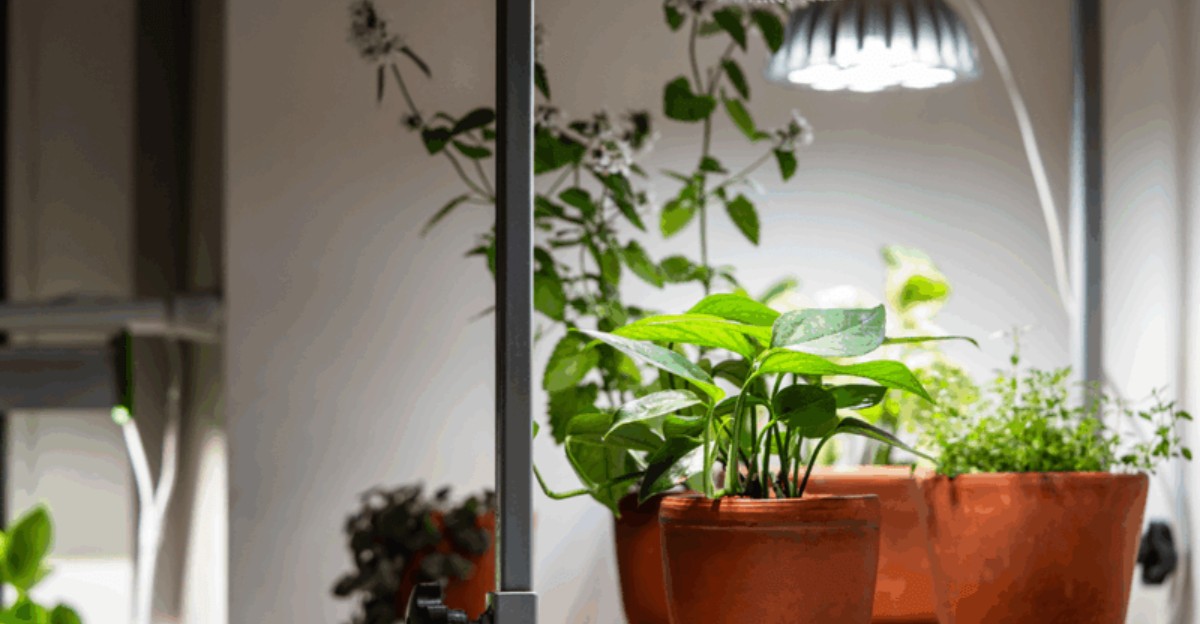
Adding a grow light for a few hours each day fills that gap and keeps leaves producing food. Plants turn light into energy through photosynthesis, so steady light usually means steady, healthy growth all season.
You do not need to recreate a summer afternoon in your living room to see real results. Even a modest boost in the morning or evening can stretch a short day into something more useful.
Start now, in early fall, so your plants adjust gradually before the shortest days of winter roll in. Sudden changes can stress foliage, while a slow introduction lets leaves adapt without any dramatic sulking or drooping.
A simple outlet timer makes the whole routine easy, since it switches lights on and off for you. Consistency matters as much as intensity, and plants seem to appreciate a predictable schedule as much as people do.
Watch for fresh leaves unfurling in January, which is a cheerful sign your extra brightness is working well. Those little green flags show that short Missouri days do not have to mean a slow, sleepy season.
The Right Bulb Type For Indoor Foliage Plants
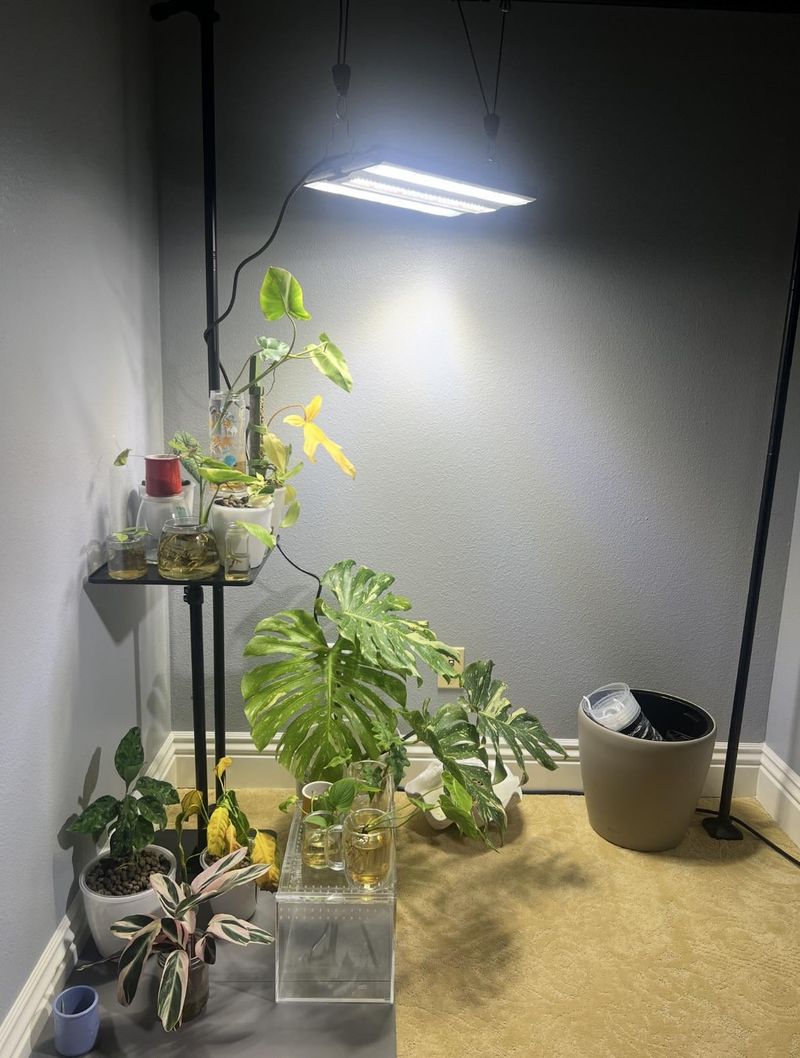
Walk down a hardware store aisle and you will spot plenty of bulbs promising to make plants thrive. Sorting through the choices can feel like reading a menu in another language, but the basics are simple.
LED grow lights are the top pick for most homes because they run cooler than other bulbs and sip electricity. They also last for years, which means fewer trips up a step stool to swap out burned bulbs.
Your Missouri Garden Changes Every Week. Your Plan Should Too.
Gardening in Missouri changes quickly throughout the season. Every Friday you’ll receive a simple weekly plan showing exactly what to plant, prune, fertilize, harvest, and protect so you never miss the right timing.
Look for full-spectrum LEDs, which give off a balanced white glow similar to natural daylight coming through glass. Foliage plants like philodendrons, snake plants, and ferns respond well to this steady, even type of light.
Those purple and pink bulbs work too, but they can make your room look like a sci-fi movie set. White light is easier on the eyes and helps you spot pests or yellowing leaves more easily.
Fluorescent tubes, especially T5 models, were the classic choice for decades and still do a solid job. They use a bit more energy than LEDs, though, and the tubes slowly lose strength over time.
Skip regular incandescent bulbs, since they give off lots of heat and very little of the useful light. Leaves placed close to them can scorch, while leaves placed far away barely notice they are even on.
Check the packaging for a color temperature between 5000 and 6500 Kelvin, which suits leafy growth nicely. A single screw-in LED grow bulb can upgrade an ordinary desk lamp into a helpful winter plant station.
Distance Between Light Source And Leaves That Prevents Scorching
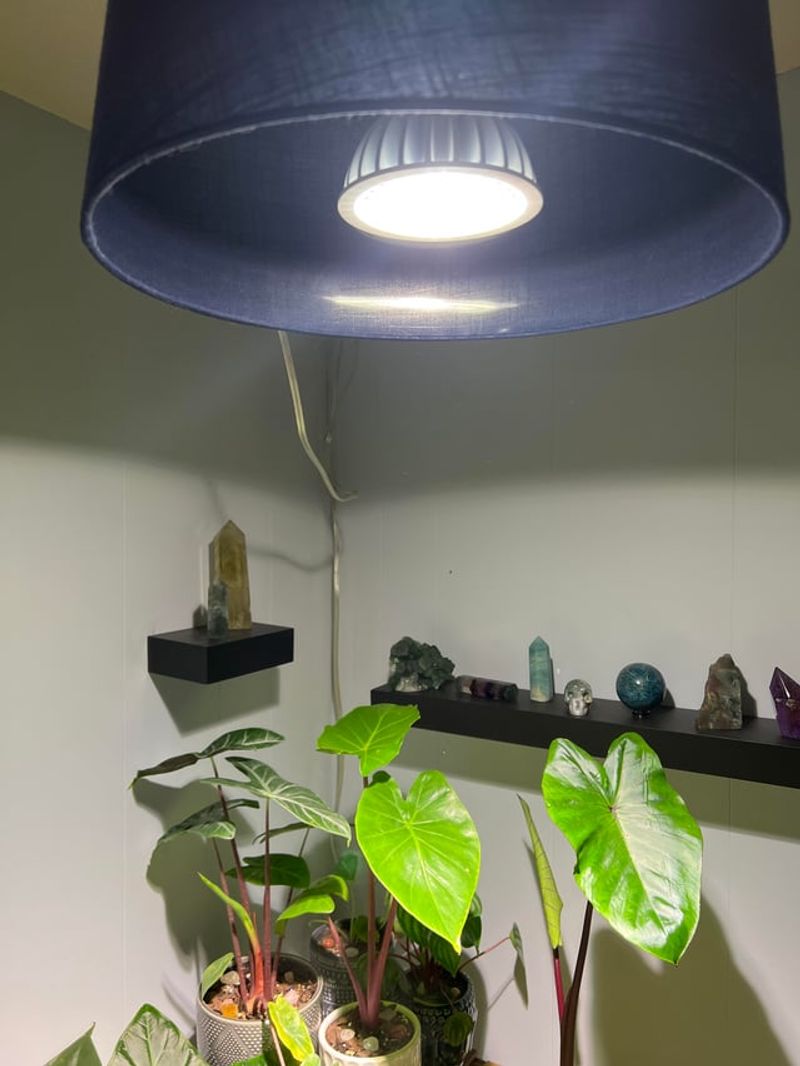
Crispy brown patches on the top leaves often mean a grow light is hanging just a bit too low. Plants cannot step away from heat or glare, so they rely on you to find the sweet spot.
For most LED grow lights, a distance of about 12 to 24 inches above the foliage works well. Low-light plants like pothos and ZZ plants can sit near the farther end of that range comfortably.
Fluorescent tubes run gentler, so you can usually place them closer, around 6 to 12 inches away. Seedlings and herbs on a kitchen counter often enjoy that closer setup during the chilly Missouri months ahead.
A quick hand test can help, and it takes less than a minute to try at home. Hold your palm at leaf level for thirty seconds, and if it feels warm, raise the light.
Too much distance causes problems of its own, like leggy stems that stretch and flop over the pot. Plants reaching hard toward a bulb are basically raising a hand and politely asking you to bring it closer.
Adjustable hanging kits with pulley cords make it easy to raise or lower lights as plants grow taller. Clip-on lamps with bendable necks also give you flexibility without drilling any holes in walls or shelves.
Check the manufacturer label too, since stronger fixtures often list a recommended hanging height for best results. A little measuring now can spare your favorite fiddle leaf fig from sunburn later this winter season.
Daily Hours Of Light Matched To Each Plant Type
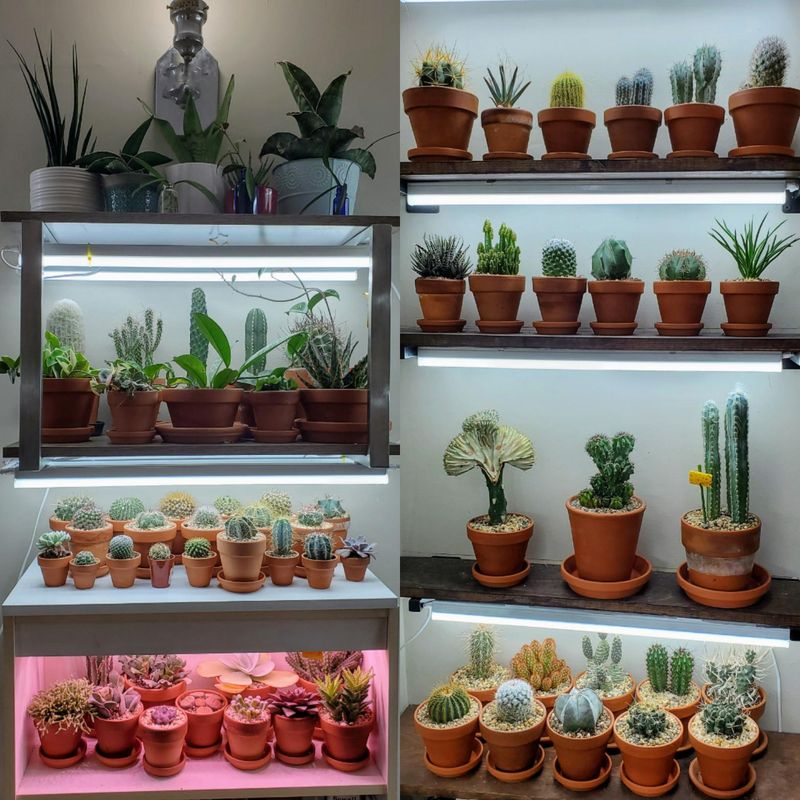
Just like people, plants have different bedtimes, and some need far more light than others to feel happy. Matching hours to each plant type keeps everyone on your shelf growing at a comfortable, natural pace.
Low-light favorites like snake plants, ZZ plants, and cast iron plants do fine with eight to ten hours. Such tough characters handle dim corners well, so a modest boost is usually plenty for them.
Medium-light plants such as pothos, philodendrons, and peace lilies prefer around ten to twelve hours each day. Their leaves stay fuller and their vines grow thicker when the schedule stays steady through the winter.
Sun lovers like succulents, herbs, and citrus trees want twelve to fourteen hours to stay compact. Without enough light, succulents often stretch out and lose their tight, colorful rosette shape over a few weeks.
Remember to count natural daylight from the window when you set your timer for the day. If the sun gives about nine hours, a pothos might only need two or three extra hours.
Darkness matters too, because plants use nighttime hours to process the sugars they made during the day. Running lights around the clock can stress them, so aim for at least eight hours of real darkness.
Grouping plants with similar needs under the same light makes scheduling much simpler for busy households. Fun fact: holiday cacti need long nights in fall to set buds, so keep them away from evening grow lights until buds form.
Shelf Setups For Rooms With No Window Space
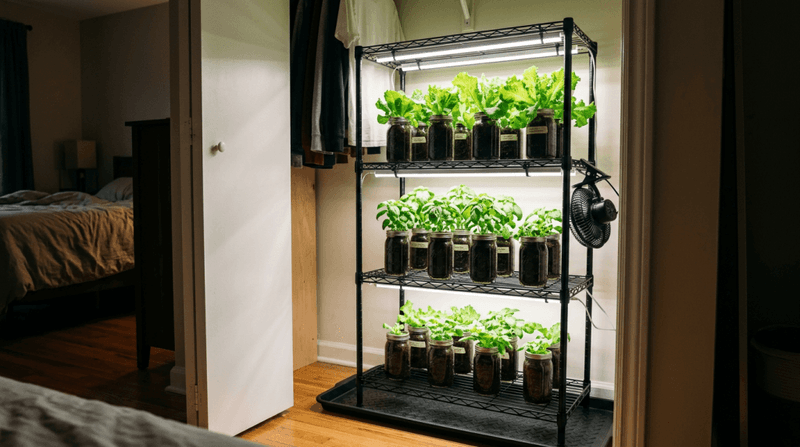
Basement apartments and windowless home offices are common across Missouri, but they can still host healthy plants. All it takes is a sturdy shelf, some grow lights, and a little creative planning on a weekend afternoon.
Wire shelving units work wonderfully because you can attach LED strip lights under each shelf with zip ties. Each level then becomes its own mini garden, with light shining down on the plants sitting below it.
Place taller plants on the bottom shelf, where you often have more headroom between leaves and the light. Shorter plants like African violets, baby tears, and small succulents fit nicely on the upper levels instead.
Bookshelves and cube organizers can work too, especially when you stick slim LED panels to the ceiling of each cube. Painting the inside walls white or lining them with reflective film helps bounce extra light back onto the leaves.
Airflow matters in closed spaces, so a small clip-on fan keeps air moving and discourages mold or fungus gnats. Missouri furnaces dry out indoor air, so a pebble tray or small humidifier nearby can help tropical plants.
Keep a waterproof tray or boot mat under the bottom shelf to catch drips during watering day. Plug every light into one power strip with a timer, and the whole shelf follows a single steady schedule.
A windowless room might seem like a plant desert at first, but it offers one sneaky advantage. You control every hour of light, so your plants get the same steady care on sunny days and gray ones.
Leaf Changes That Signal A Needed Adjustment
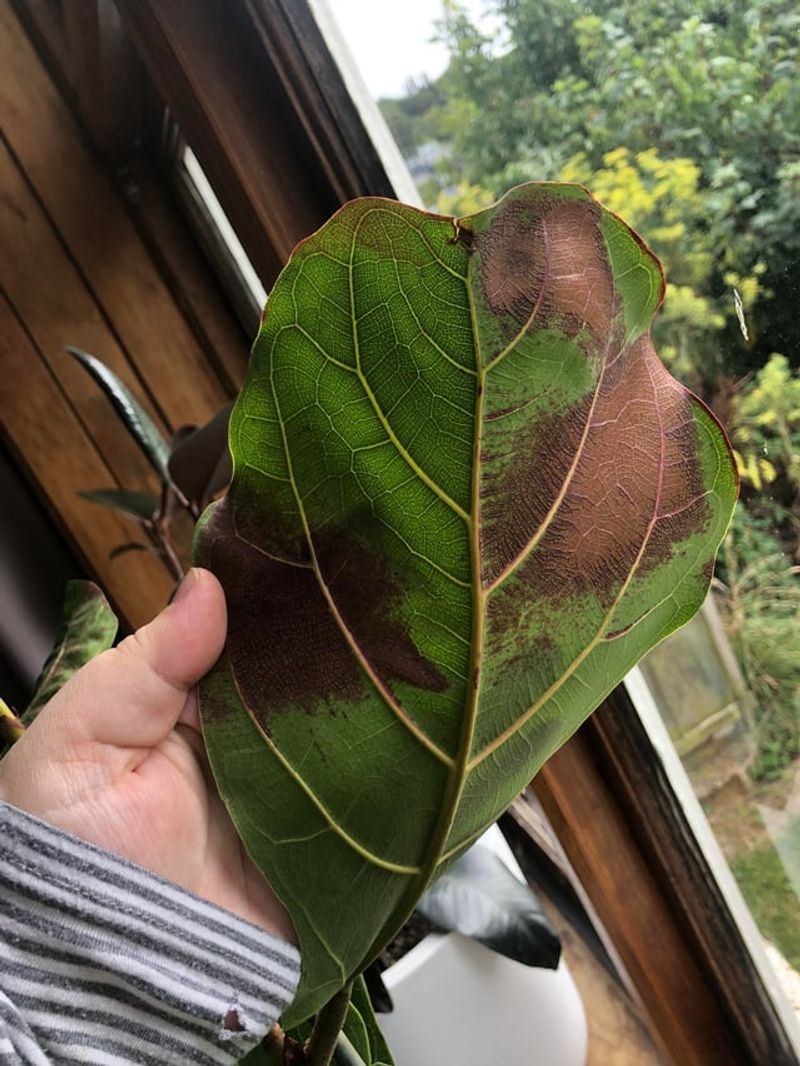
Plants cannot text you when something feels wrong, but their leaves send clear messages if you know what to watch. Think of yourself as a leaf detective, checking for clues every few days during the dim winter months.
Pale, washed-out new growth usually means your plant wants more light, either longer hours or a closer bulb. Small leaves spaced far apart on a long, skinny stem tell the same story in a different way.
Brown, crispy edges or bleached spots on the top leaves suggest the light is too strong or close. Raise the fixture a few inches or trim an hour from the timer, then watch how new leaves respond.
Leaves curling upward like little taco shells can also point to too much light or heat nearby. Leaves tilting sharply in one direction usually mean the plant is chasing a light source that sits off to the side.
Yellowing lower leaves are trickier, since they can signal low light, overwatering, or simple old age. Check the soil first, because plants under weak winter light drink much less and stay soggy longer.
Make only one change at a time, then give your plant two or three weeks to show results. Changing light, water, and location all at once makes it hard to figure out what actually helped.
Snapping a quick phone photo each week helps you spot slow changes that are easy to miss otherwise. By the time Missouri redbuds bloom again, you may be reading your plants’ signals with ease.