The California Shrubs Gardeners Plant Along Fences To Keep Rats Away
Fence lines across California often carry more than shrubs and shade. Thick, low greenery along a back boundary can quietly create a private hallway for unwanted nighttime visitors. Few homeowners notice until the signs start appearing.
The right shrubs, though, can do the opposite. Their shape, height, and habit leave little room for hiding, while still giving the yard a lush, green edge.
Some bring fragrant leaves, others carry berries or spring blossoms, and several handle long, dry summers with ease.
Each one shines brightest with a bit of smart placement and an occasional trim.
Choosing well turns a vulnerable fence into an open, airy border that looks beautiful by day and feels far less welcoming after dark.
1. Toyon Trains Easily Into An Open Multi-Trunk Screen
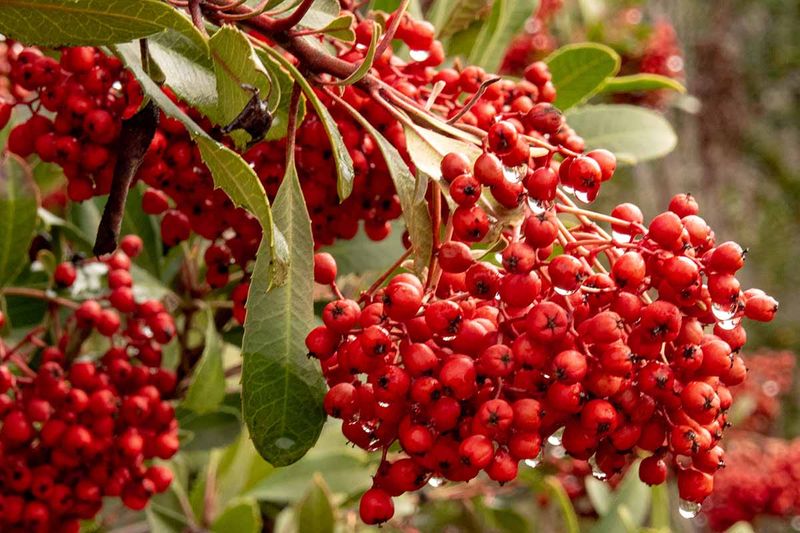
Bright red winter berries and glossy evergreen leaves make toyon a California favorite. Along a fence, its real value comes from how easily it trains into an open, multi-trunk form.
Young plants respond well to pruning. Selecting three to five strong stems and removing the rest creates a small tree shape with clear space underneath.
UC IPM Pest Notes explain that roof rats seek dense vegetation close to the ground. A toyon lifted into tree form leaves that space bright and exposed instead.
Mature plants can reach 6 to 15 feet tall. That height delivers privacy up top while the base stays open enough to see the fence boards behind it.
Toyon handles clay soil, drought, and full sun to part shade once established. It needs little summer water after the first couple of years.
Spacing matters along the fence. UC IPM recommends at least 2 feet of open ground between shrubs and between shrubs and buildings, measured from the edge of the mature canopy.
The berries feed robins, cedar waxwings, and mockingbirds through winter. Any that pile up under the shrub deserve a quick rake, since fallen fruit can draw rodents.
Branches that drift toward the roof or utility lines benefit from regular trimming. Several feet of clearance keeps rats from using limbs as bridges.
Shaped thoughtfully, toyon becomes a handsome fence-line screen that offers rats very little shelter.
2. Coffeeberry Takes A High Skirt Gracefully
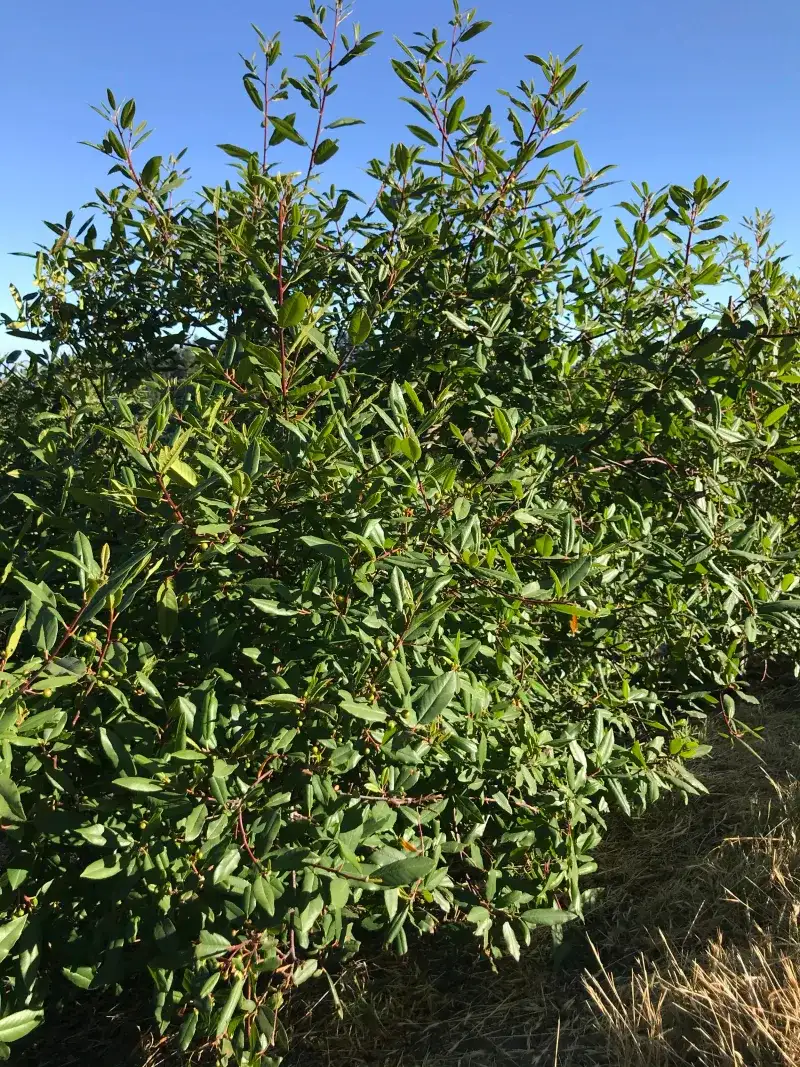
Glossy green leaves and berries that ripen from red to nearly black give coffeeberry year-round appeal. Its bigger advantage along a fence lies in how well it accepts having its lower branches removed.
Gardeners call this raising the skirt. UC IPM advises trimming the bottoms of shrubs up off the ground, and 12 to 18 inches of open space beneath the lowest branches works well.
Coffeeberry handles that treatment gracefully. Clean cuts back to a main stem or strong side branch keep the plant balanced and healthy.
Upright selections like ‘Eve Case’ suit fence lines best, usually growing 4 to 8 feet tall and wide. Low, spreading types such as ‘Mound San Bruno’ form dense mats closer to the ground, so they work better elsewhere.
Bare soil beneath a raised skirt dries quickly in the sun. That dry, open ground discourages burrows and makes droppings or fresh holes easy to spot.
Your California Garden Changes Every Week. Your Plan Should Too.
Gardening in California changes quickly throughout the season. Every Friday you’ll receive a simple weekly plan showing exactly what to plant, prune, fertilize, harvest, and protect so you never miss the right timing.
Leaf piles that collect underneath deserve a monthly rake. Old leaves can rebuild cover and supply nesting material.
Coffeeberry grows well in sun or part shade and tolerates clay. Established plants need only occasional summer water.
Birds enjoy the berries, which usually get eaten right off the branch. Any that drop are worth sweeping up.
With its skirt lifted and its interior thinned now and then, coffeeberry stays lush on top and refreshingly open below, right where rats would rather hide.
3. Tree-Form Manzanita Shows Off Bare Trunks
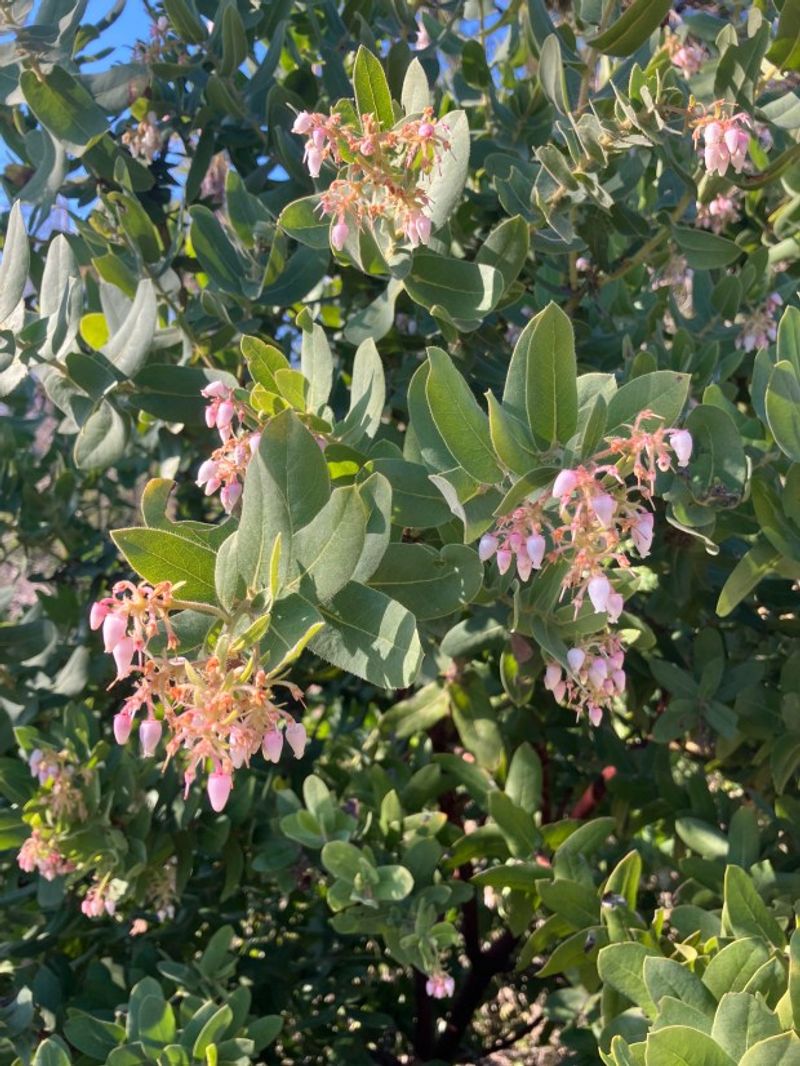
Twisting mahogany trunks with smooth, polished bark give tall manzanitas a sculptural look. Upright selections like ‘Dr. Hurd’ grow into small, tree-like shrubs around 10 to 15 feet tall.
That shape suits fence lines beautifully. The lower trunks stay bare with age, leaving open ground and a clear view of the fence boards behind them.
Rats prefer cover they can travel through unseen, especially along fences. A manzanita with exposed trunks offers little of that, especially when its lowest branches are thinned away.
Pruning works best during the dry season, when fungus risks run lower. Removing no more than about a third of the plant in one year keeps it healthy.
Drainage matters more than anything else. Manzanitas need fast-draining soil and very little summer water once established.
A gentle slope or raised mound helps in heavy clay. Spots near lawns and sprinklers are best avoided.
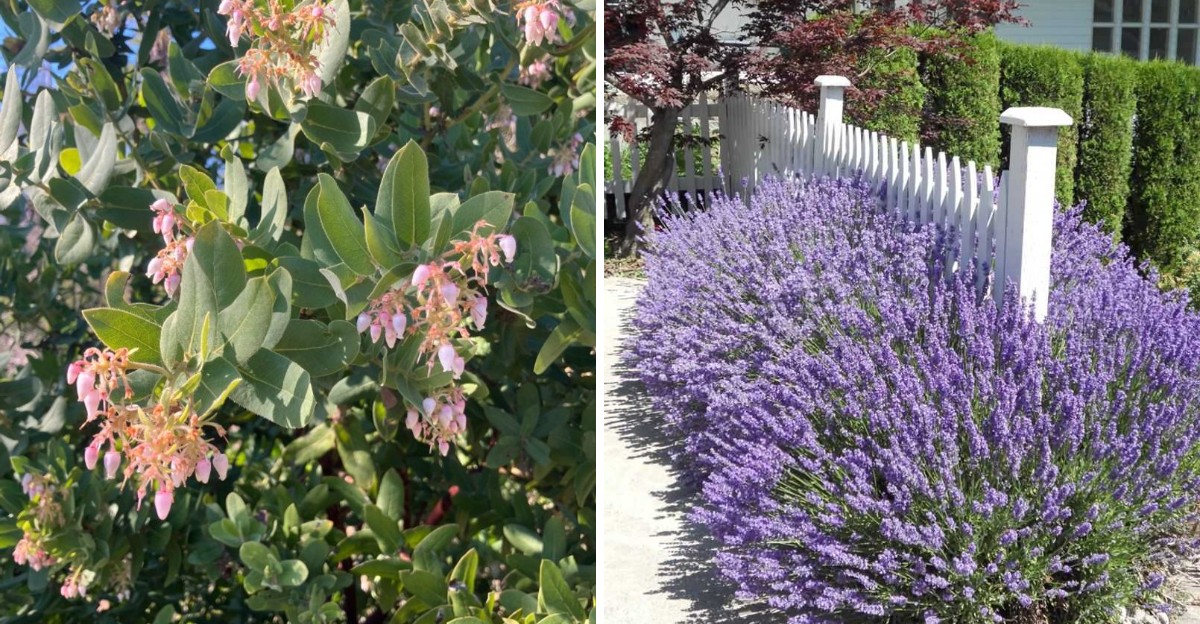
Tiny pink or white bell flowers appear in winter, feeding early hummingbirds and native bees. Small berries follow, though birds usually take most of them.
Spacing deserves attention as the plant matures. Leaving at least 2 feet between the outer canopy and neighboring shrubs, walls, or sheds keeps open strips easy to inspect.
A layer of coarse mulch or decomposed granite in those strips looks tidy and reveals burrows quickly. Thick groundcover in the gaps would rebuild the hiding spots manzanita naturally avoids.
4. ‘Ray Hartman’ Ceanothus Rises Into A Small Tree
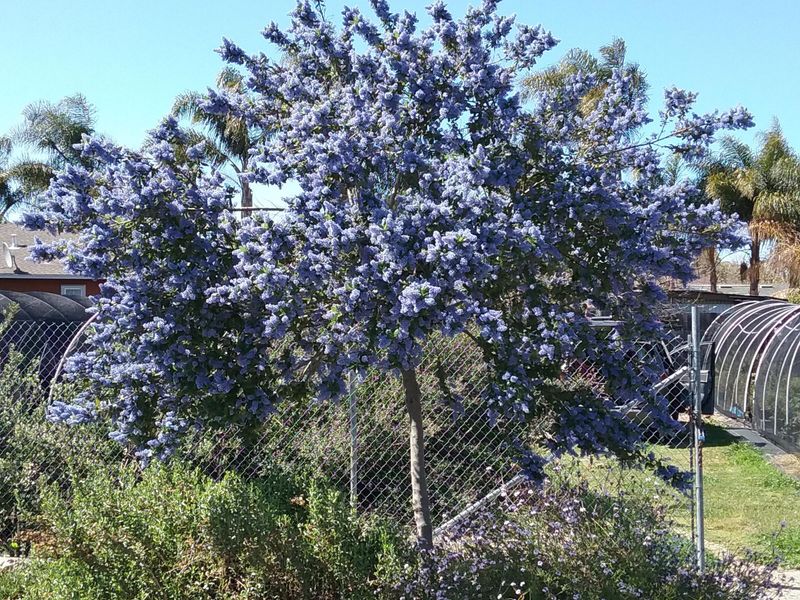
Clouds of blue spring flowers drift over many California fences thanks to large ceanothus selections. ‘Ray Hartman’ ranks among the most popular, growing 12 to 20 feet tall and nearly as wide.
Its size makes it ideal for training into a small tree. Removing lower branches over a few seasons leaves a canopy of blue overhead and open ground below.
That open base matters for rat control. EPA pest management guidance notes that rats are wary of crossing open ground where hawks, owls, and cats can spot them.
Pruning works best in the dry season, after bloom, when disease risk drops. Gradual shaping, rather than heavy cuts all at once, keeps the plant vigorous.
Height brings one responsibility, though. Tall ceanothus can reach roof edges, fence tops, and utility lines within a few seasons.
UC IPM recommends pruning limbs back from roofs and lines so rats can’t use them as bridges. Several feet of clearance works best, since rats can leap farther than expected.
Branches near power lines are best left to the utility company, which often trims around its lines at no charge. Service lines to the house may call for a qualified line-clearance tree worker.
‘Ray Hartman’ prefers full sun, good drainage, and little summer water once established. Bees swarm the spring flowers, adding life to the fence line.
With its trunk exposed and its branches kept clear of the house, this ceanothus offers privacy without a rat runway.
5. Upright Rosemary Brings Scent And An Airy Base
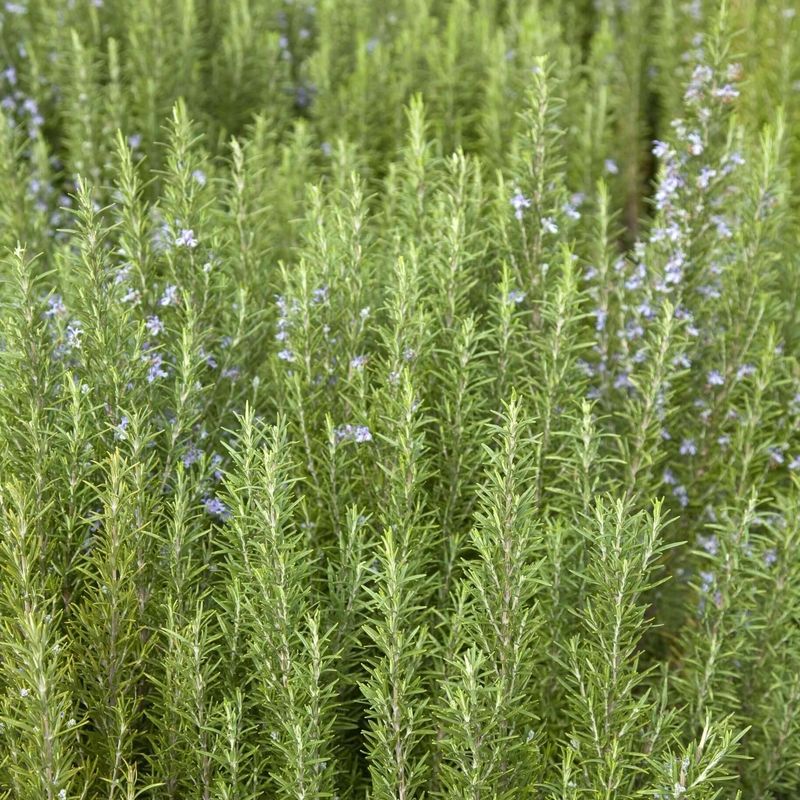
A brush against upright rosemary releases a sharp, piney fragrance that lingers on the hands. Selections like ‘Tuscan Blue’ grow 4 to 6 feet tall with stiff, vertical stems.
Upright forms suit fence lines far better than trailing types. Trailing rosemary forms dense mats along the ground, while upright varieties stay airy near the base.
Many gardeners favor rosemary along fences for its pungent oils, which give the planting a strong herbal presence. Its bigger contribution, though, comes from structure.
Woody stems rise from a narrow base, leaving space beneath that’s easy to see and keep clear. Lower shoots trimmed away every so often keep that base open.
Rosemary thrives in full sun and fast-draining soil. Once established, it needs very little summer water, making it a natural fit for water-wise yards.
Spacing keeps the planting healthy. Groups of two or three plants with open gaps of 3 to 4 feet between them break up any continuous cover along the fence.
EPA guidance notes that rats are wary of crossing open space without cover. Those gaps force a nervous dash rather than an easy stroll.
Pale blue flowers appear in winter and spring, drawing bees when little else blooms. Fresh sprigs also flavor roasts, breads, and vegetables.
Light shearing after bloom keeps plants compact, though cuts into old bare wood are best avoided. A tidy rosemary planting with open gaps keeps the fence line fragrant and exposed.
6. Lavender Fills Gaps Without New Hiding Spots
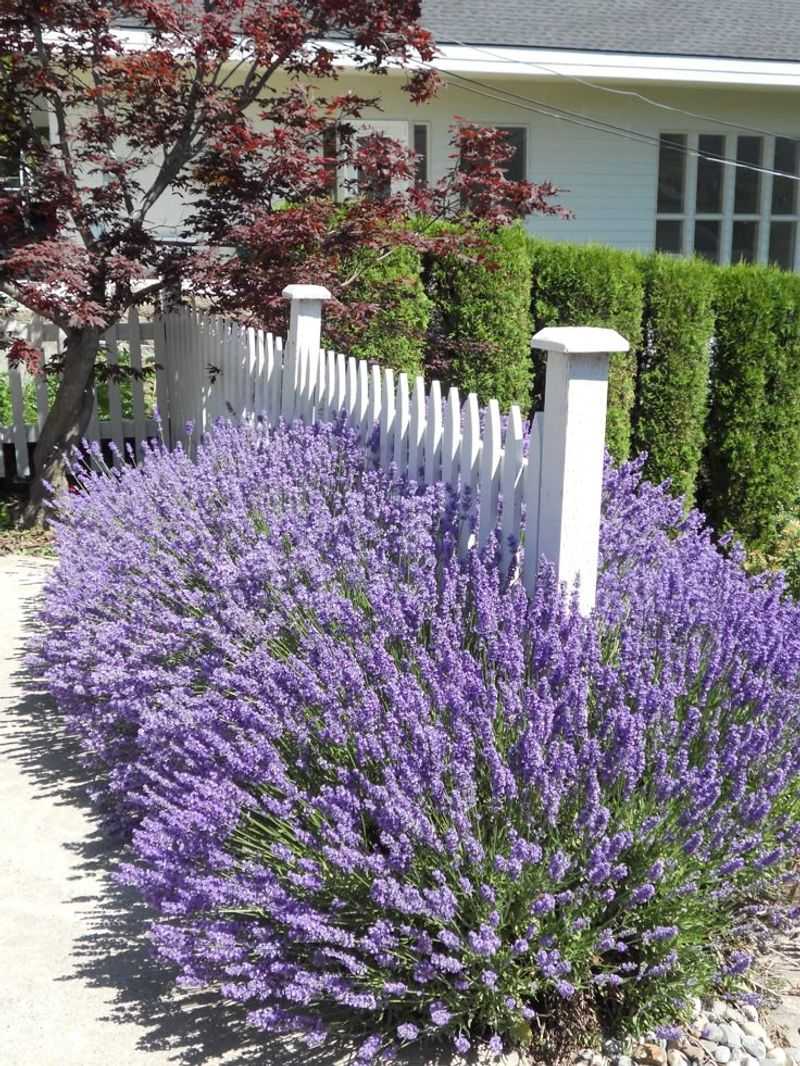
Silvery mounds topped with purple wands make lavender a fence-line favorite across sunny California yards. Its compact size and woody base make it especially useful in the open gaps between taller shrubs.
Most English and Spanish lavenders stay around 2 to 3 feet tall. As plants mature, the lower stems turn woody and bare, leaving the ground beneath visible.
That open base works well in the strips between shrub groups. Lavender softens those gaps visually without rebuilding the dense cover rats seek.
Fragrance adds to the appeal. The strong scent delights people and pollinators alike, and many gardeners enjoy brushing past it on the way to the garden.
Full sun and excellent drainage keep lavender happy. Heavy clay or frequent summer water can lead to root rot, so raised beds or gentle mounds help in slow-draining soil.
Spacing still matters here. Plants set about 3 feet apart, with mulch or gravel between them, keep each mound separate and easy to inspect.
A light trim after the first bloom often encourages a second flush. Cuts into old bare wood are best avoided, since lavender rarely regrows from it.
Bees, butterflies, and hummingbirds visit the flowers all summer. Cut stems also dry beautifully for sachets and wreaths.
Paired with taller shrubs set back in groups, lavender completes a fence line that looks full and colorful while leaving rats few comfortable places to linger.
7. Cleveland Sage Stays Airy Along Sunny Fences
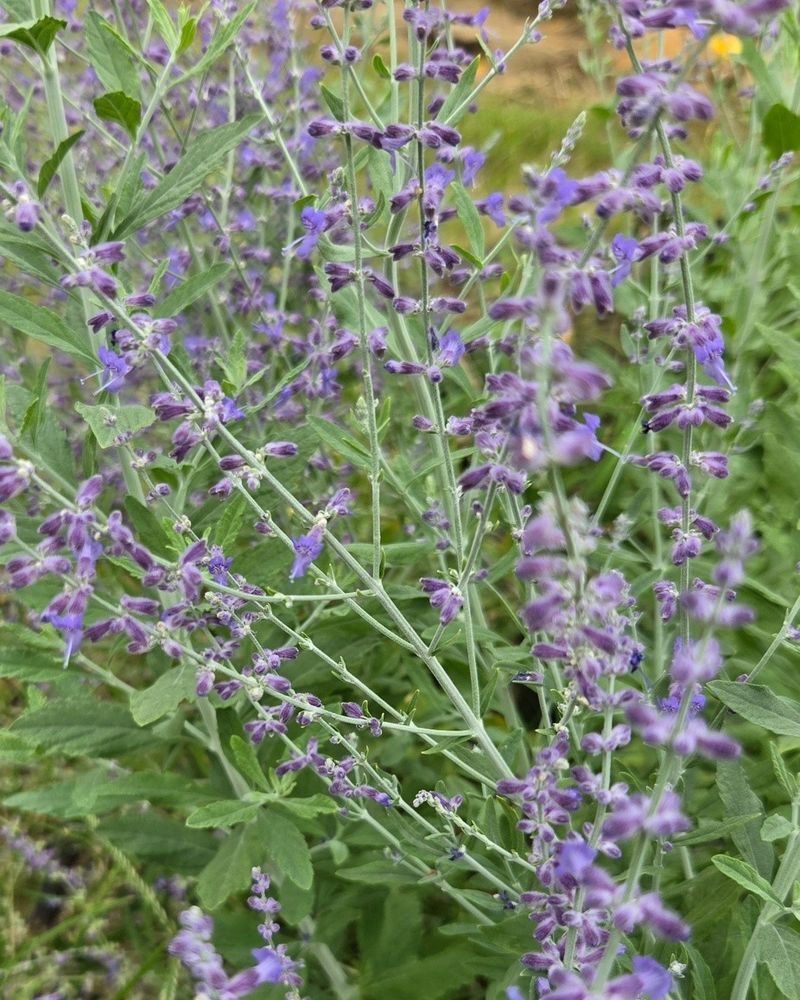
Gray-green leaves packed with a sweet, resinous scent make Cleveland sage one of California’s most fragrant natives. It forms a loose, rounded shrub about 3 to 5 feet tall and wide.
That loose habit offers a real advantage along fences. Stems branch openly rather than knitting into a solid mass, so light reaches the ground beneath.
Rats look for dark, sheltered runways near the ground, especially along fences. An airy sage planting, with lower stems thinned as needed, offers little of that.
Native to Southern California and northern Baja California, Cleveland sage thrives in full sun and well-drained soil. It needs only occasional deep watering once established.
Too much summer water can make it floppy and short-lived. A lean, dry spot keeps it compact, open, and long-lived.
Tall stems carry round whorls of purple-blue flowers in late spring and summer. Native bees, honeybees, butterflies, and hummingbirds all visit eagerly.
A light trim of spent flower stems after bloom keeps the plant tidy. Heavy cuts into old wood are best skipped, since growth returns slowly from bare stems.
Fallen leaves and spent stems underneath deserve a regular sweep. That small habit keeps nesting material from building up.
Popular selections like ‘Winifred Gilman’ offer deeper flower color. Planted in groups with open gaps between them, Cleveland sage brings fragrance, pollinators, and an exposed fence line that rats find far less appealing.
8. Western Redbud Leaves The Ground Wide Open
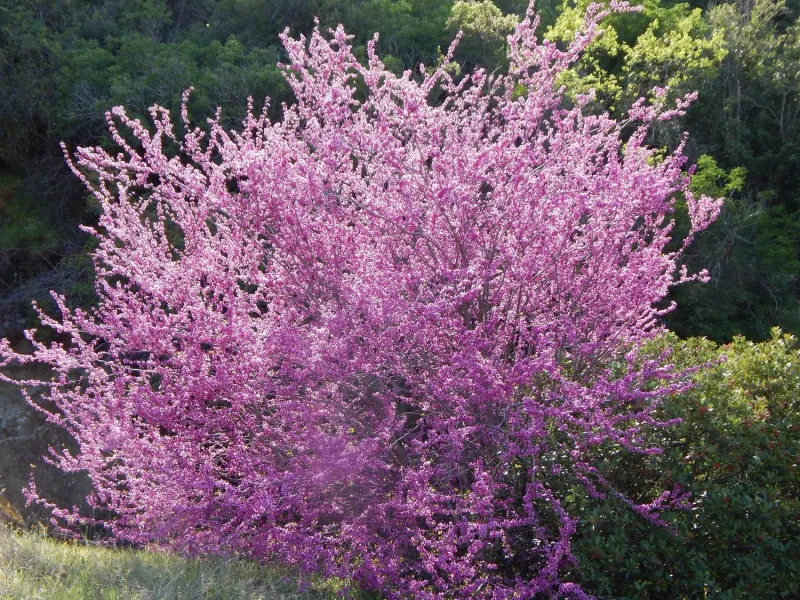
Magenta-pink blossoms burst from bare branches in early spring, long before a single leaf appears. Western redbud grows as a large shrub or small multi-trunk tree, often 10 to 20 feet tall.
That multi-trunk form makes it a natural fit along fences. Lower limbs removed over time leave clean stems and wide-open ground beneath the canopy.
Deciduous habits add another advantage. Leaves drop in fall, so winter brings a clear view straight through to the fence boards.
Fallen leaves deserve a prompt rake, though, since piles can rebuild cover. Heart-shaped leaves return in spring, followed by flat seed pods.
Redbud handles many soils as long as they drain reasonably well. Full sun to part shade works, with afternoon shade helpful in hot inland valleys.
Branches stretching toward the roof or utility lines benefit from regular checks. Keeping several feet of clearance prevents rats from using limbs as aerial bridges.
Climbing vines are best kept off the fence nearby. UC IPM names ivy, star jasmine, and honeysuckle as vines worth thinning or removing, since they create hidden ladders and nest sites.
Shrubs work best as one part of a larger plan. Sealed entry points, tight trash lids, prompt fruit cleanup, and snap traps placed in covered boxes along fence lines help keep rats out and handle any already present.
Together with an open, well-spaced row of shrubs like redbud, those steps turn a hidden rat highway into exposed, uncomfortable ground.