What To Do If You See A Bald-Faced Hornet Nest In Your Virginia Yard
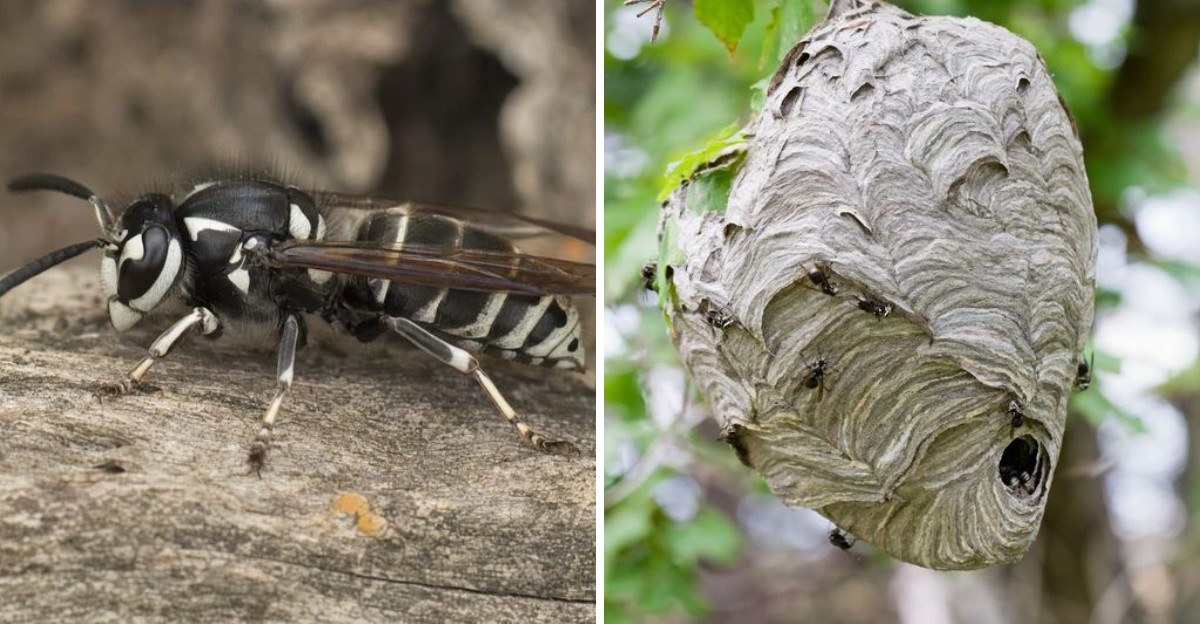
A gray paper lantern swaying in your maple looks almost decorative, until you hear it hum. Your stomach drops a little, and that reaction makes sense.
Bald-faced hornets are bold, loud, and fiercely loyal to their home. Across Virginia, these insects turn up in yards each summer and fall, often right where you least expect them.
A nest doesn’t have to ruin your season. With a calm head and a smart plan, you can keep your family safe and let the first hard frost do much of the work.
Some nests need a professional, while others just need patience and a little distance. The right call depends on where the nest hangs and how many people pass by.
1. Confirm They’re Bald-Faced Hornets First
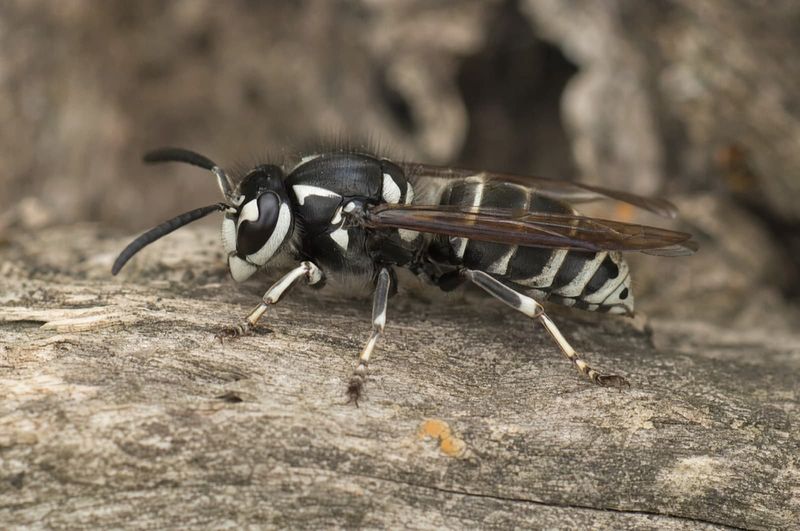
Picture a tiny tuxedo with wings, and you have the bald-faced hornet. Its black body and creamy white face make it stand out from other buzzing neighbors.
Before you make any plans, take a careful look from a safe spot. Knowing exactly what you are facing shapes every decision that follows.
Size is one helpful clue for quick identification. Adults usually measure between half an inch and three quarters of an inch long.
Here is a fun twist that surprises plenty of folks. Despite the name, bald-faced hornets are actually a type of aerial yellowjacket, not true hornets.
Real hornets in Virginia, like the European hornet, look quite different. They wear yellow and reddish brown colors instead of crisp black and white.
Paper wasps can confuse people too, especially from far away. Their bodies are slimmer, and their long legs dangle noticeably while they fly.
Honeybees are fuzzy, golden, and much calmer around people. If the insect looks hairy and round, you are probably not dealing with hornets at all.
A pair of binoculars makes this job easier and safer. You can study markings closely without stepping anywhere near the busy flight path.
2. A Gray Paper Football Shape Is The Giveaway
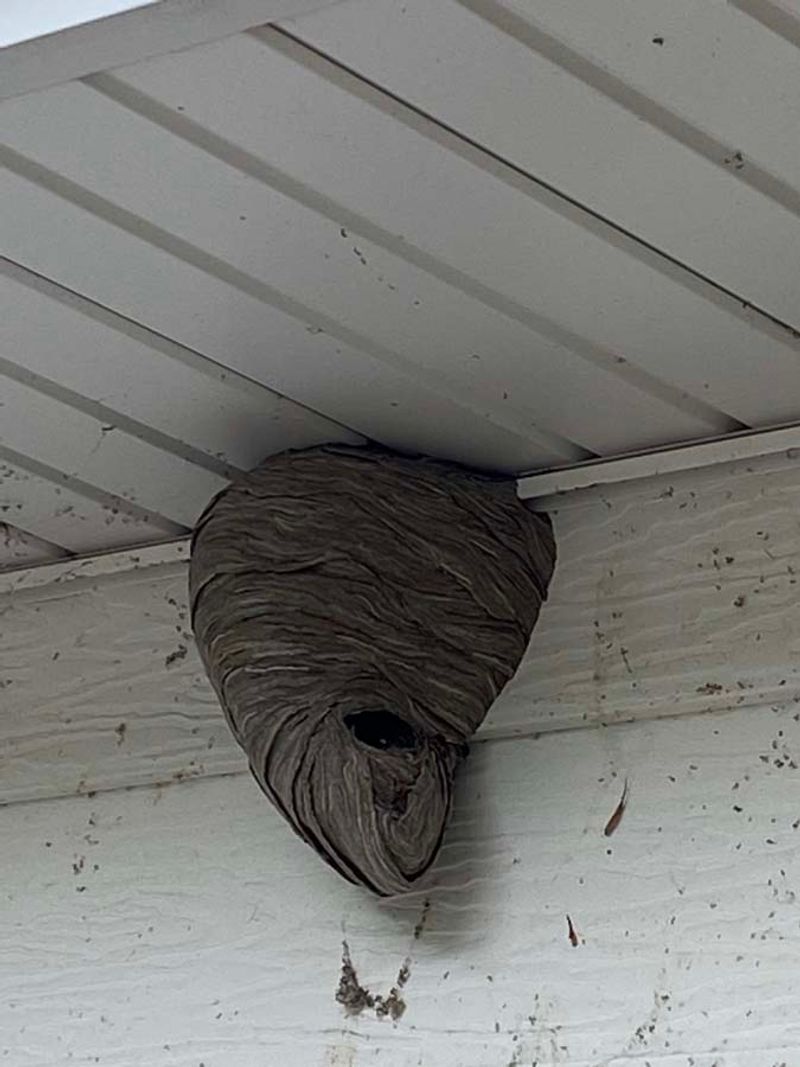
Some insects hide their homes, but bald-faced hornets show theirs off proudly. Their nests look like gray paper footballs dangling from a branch or eave.
Workers build these nests by chewing wood fibers and mixing them with saliva. The result is a swirled, layered paper that feels surprisingly sturdy.
Shapes can range from round to oval to teardrop. Early summer nests may be softball sized, while late season ones can rival a basketball.
Look near the bottom for one small, round opening. Guards often hover at that doorway, keeping an eye on anything that wanders close.
Around Virginia, these nests turn up in many spots. Tree limbs, thick shrubs, porch overhangs, sheds, and even utility poles are common choices.
Shrub nests deserve extra attention because they hide so easily. Folks trimming hedges sometimes bump one before noticing it was there at all.
Ground nests, by comparison, usually belong to eastern yellowjackets. If insects are popping out of a hole in the lawn, you have a different visitor.
Your Virginia Garden Changes Every Week. Your Plan Should Too.
Gardening in Virginia changes quickly throughout the season. Every Friday you’ll receive a simple weekly plan showing exactly what to plant, prune, fertilize, harvest, and protect so you never miss the right timing.
Snap a zoomed photo if you are unsure what you are seeing. Local extension offices or pest pros can confirm the nest type quickly.
3. Keep Everyone A Safe Distance Back
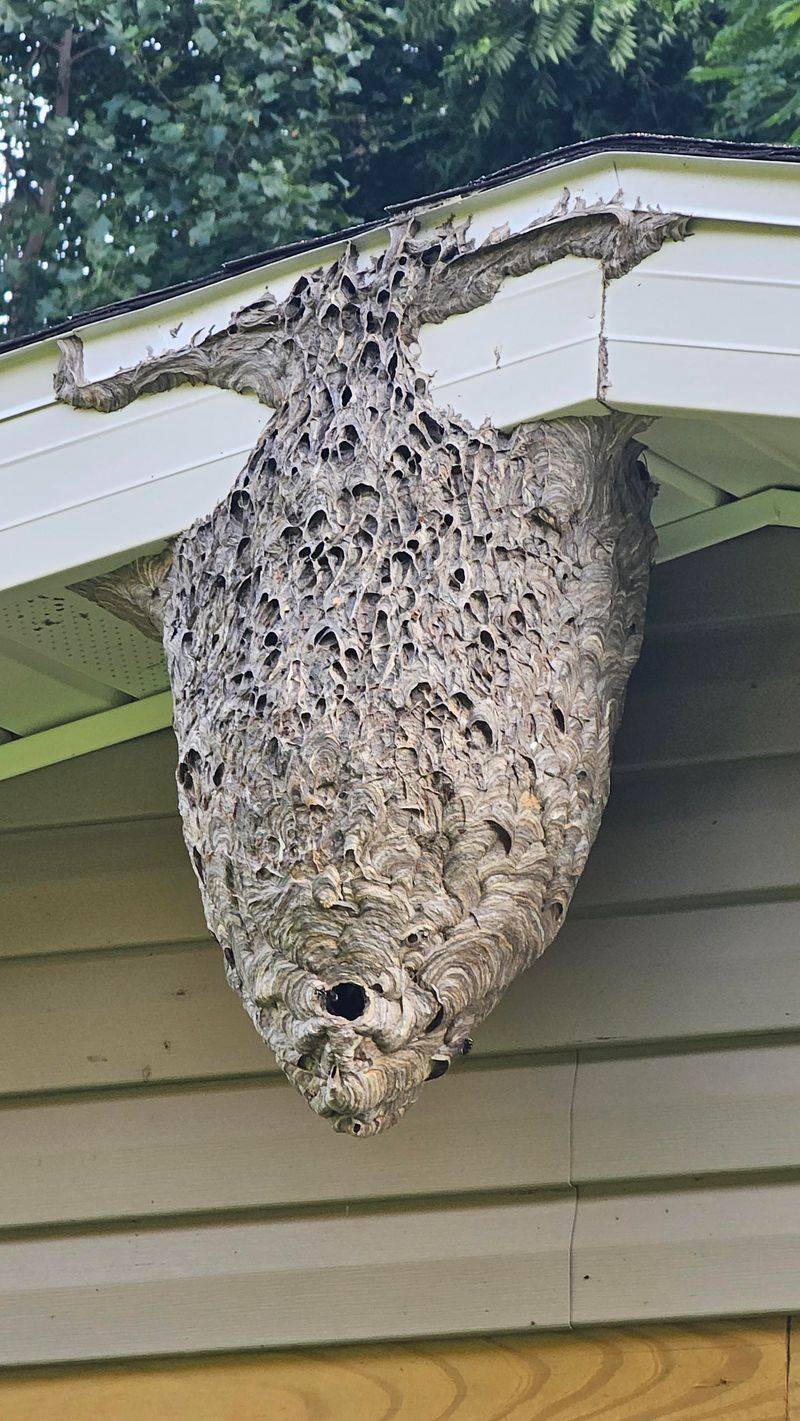
Think of the nest as a fortress with a very grumpy security team. Bald-faced hornets defend their home hard when they sense any threat.
Unlike honeybees, they can sting more than once. Their smooth stingers slide right back out, ready for another round.
Things can escalate fast once one hornet gets upset. An alarm scent signals nearby workers, and a crowd can join the defense within seconds.
Most experts suggest staying at least 10 to 16 feet away. Getting within about three feet raises the odds of a painful encounter quite a bit.
Here is a strange but real detail worth knowing. These hornets can squirt venom toward the eyes, causing stinging irritation and blurry vision for a while.
Talk with kids about the nest in simple, calm words. Show them where it hangs and mark a clear no-go zone around it.
Pets need protection too, since curious dogs love to sniff and snap. Keep them leashed near that part of the yard until the problem is handled.
Guests and delivery drivers may not know the nest exists. A quick heads-up or a small sign can save someone from an unpleasant surprise.
4. Never Throw Rocks Or Spray Water At It
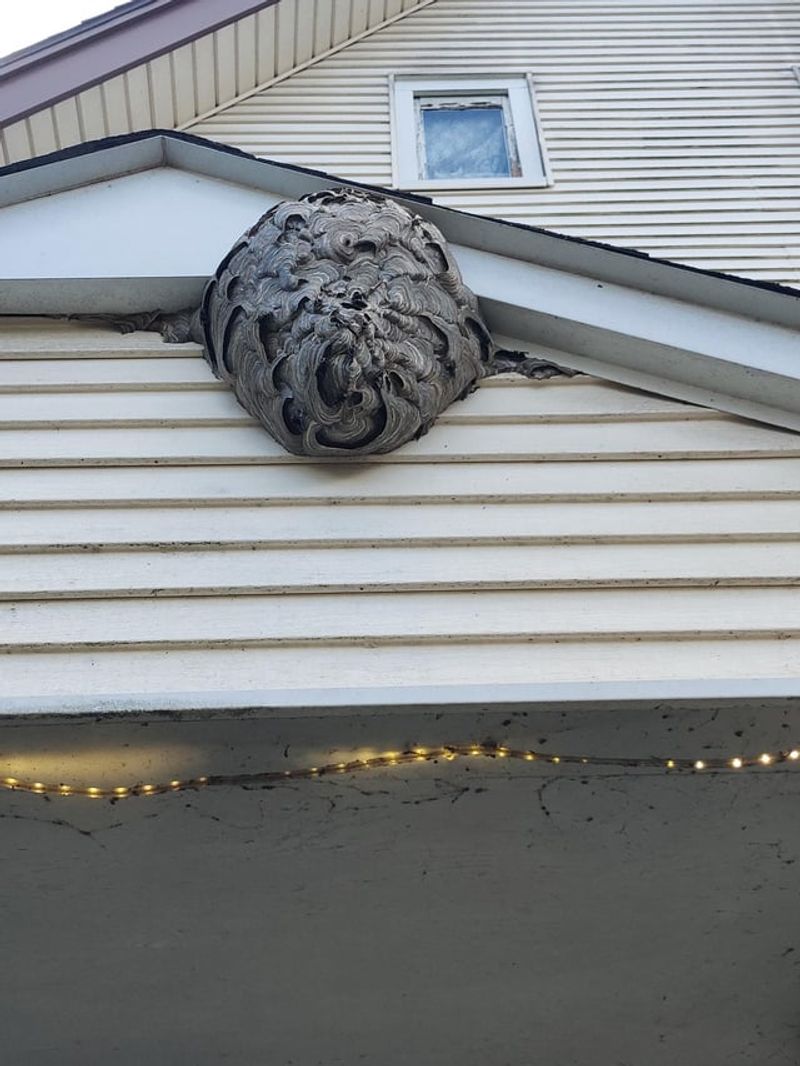
Every neighborhood seems to have a story about the kid who threw a rock at a nest. Those stories rarely end well for the rock thrower.
Hitting the nest with stones, sticks, or a hose blast feels like an attack to the colony. Dozens of angry hornets may pour out looking for the culprit.
Water does not wash the insects away or calm them down. It mostly soaks the paper and fires up their defensive instincts.
Spraying only the outside with store-bought products can backfire as well. The workers inside stay safe and can grow even more protective afterward.
Fireworks, flames, and smoke are terrible ideas too. Besides angering the hornets, they can spark yard fires, especially during dry summers.
Remember that stings add up quickly during a swarm. Even people without allergies can feel sick after many stings at once.
Teens and curious adults sometimes treat nests like a dare. A friendly chat about real risks can stop a bad idea before it starts.
Keeping your hands, tools, and toys away from the nest is the smartest move. Calm behavior around it keeps the colony calm in return.
5. Don’t Block The Entrance
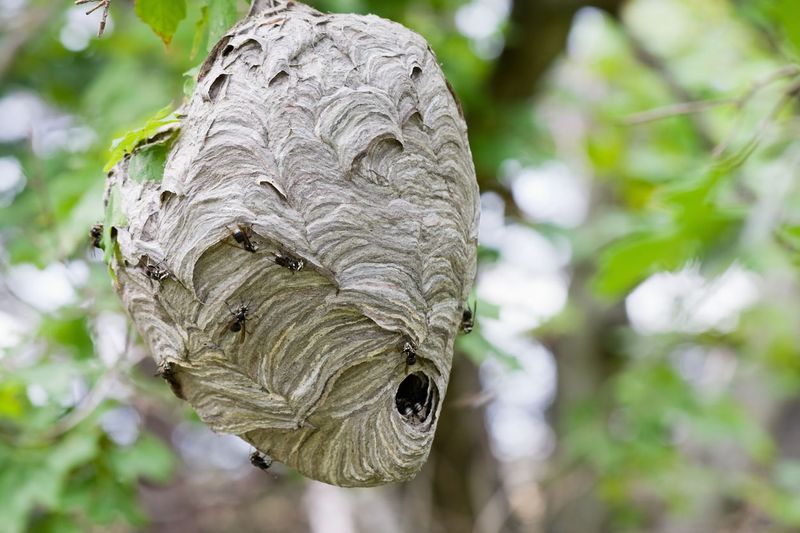
Plugging the hole might sound clever, like locking the bad guys inside. Sadly, hornets rarely cooperate with that plan.
Each nest relies on one main opening for coming and going. Workers guard it closely and get upset when anything gets in their way.
Sometimes the nest hides inside a wall, attic, or shed rather than out in the open. You may only notice hornets slipping through a gap in siding.
Stuffing that gap with caulk, foam, or tape can create a bigger mess. Trapped hornets may chew through drywall and wander into your living space.
Picture a crowd of hornets popping out near a bedroom light fixture. Nobody wants that kind of indoor surprise on a quiet evening.
Covering an outdoor nest with a bag or bucket is risky too. Getting that close usually triggers stings long before the job is finished.
Instead, leave the opening clear and watch where traffic flows. Noting the exact spot helps a professional plan the safest treatment.
Once the colony is gone for good, you can seal gaps properly. Sturdy repairs later help keep next year’s queens from moving into the same space.
6. Watch From Afar To Judge How Busy It Is
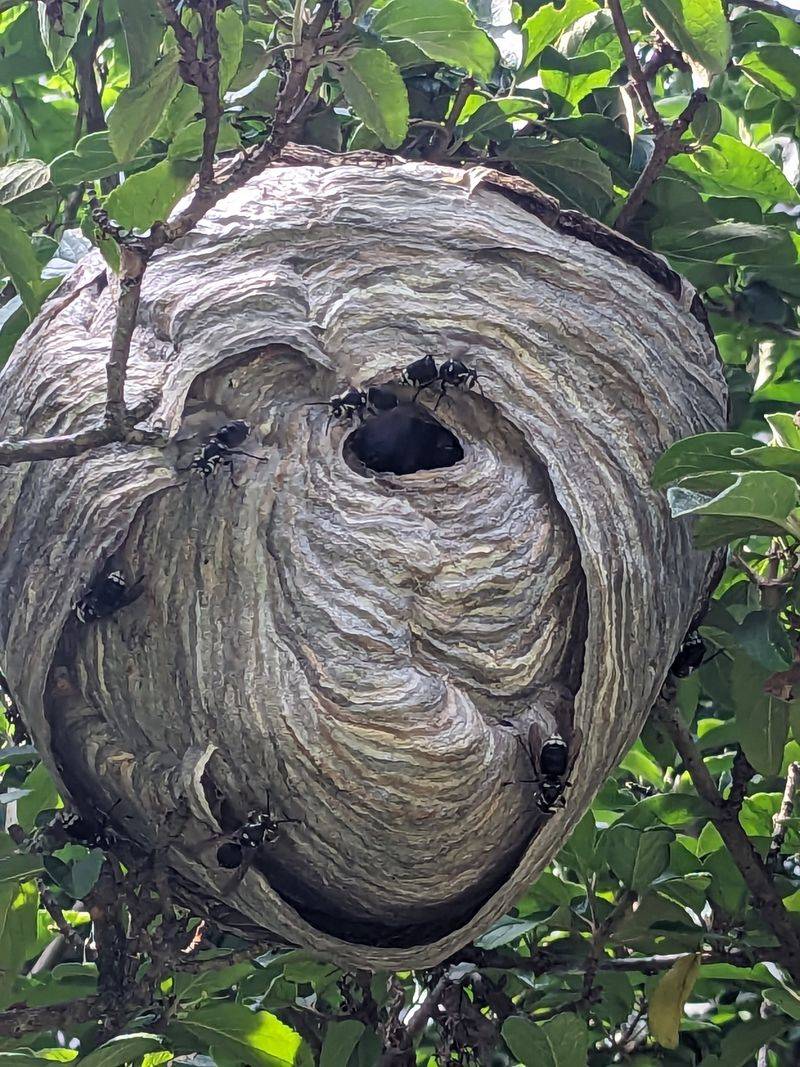
Grab a lawn chair, a cold drink, and maybe some binoculars. A little quiet observation tells you a lot about your new neighbors.
Count how many hornets enter or leave the nest in one minute. A few visitors suggests a young colony, while steady streams mean a big one.
Bald-faced hornets work mostly during daylight hours. They hunt insects, gather wood fiber, and expand their paper walls all day long.
In Virginia, activity usually peaks from July through October. Colonies can hold several hundred workers by late summer.
Bigger colonies tend to be more defensive, which matters for planning. A busy nest near a path needs faster action than a quiet one far away.
Watch where the hornets fly after leaving. If their route crosses your driveway or garden, you may need to adjust your daily habits.
Early season nests in spring may only hold a queen and a few helpers. Spotting one then gives you more choices and lower risk.
Keep notes or photos over a week or two. Patterns in activity help you or a pro decide what to do next.
7. Leave It Alone If It’s Far From Doors And Walkways
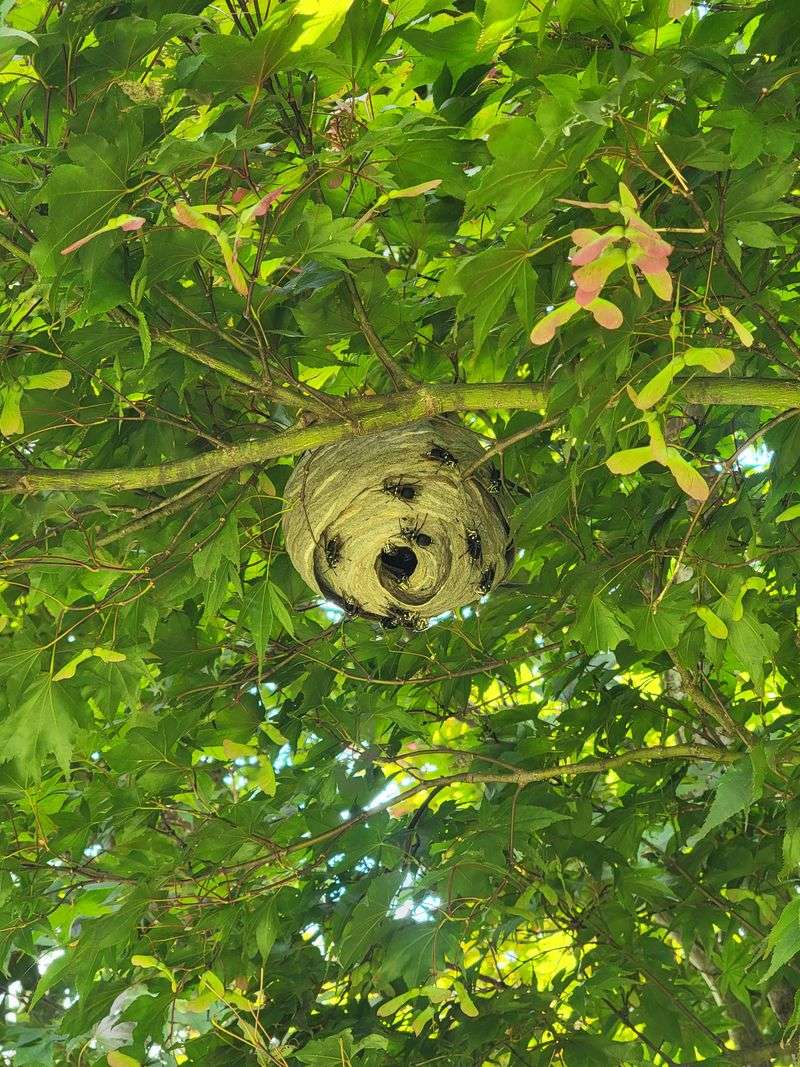
Here is some welcome news for nature lovers. A nest high in a back corner tree may be perfectly fine to ignore.
Bald-faced hornets are helpful hunters in the garden. They snatch flies, caterpillars, and other pests that munch on plants.
Gardeners sometimes notice fewer leaf chewers when hornets patrol nearby. Think of them as free, slightly scary pest control.
They also visit flowers for nectar and move a bit of pollen around. That makes them minor but real helpers for local plants.
Many large lots have wooded edges where people rarely walk. Nests tucked into those quiet areas usually cause little trouble.
Hornets mostly attack when someone disturbs the nest or blocks their path. Leaving them space often means a peaceful summer for everyone.
Still, think about seasonal chores before deciding. Mowing, leaf blowing, or tree trimming near the nest can stir up big problems.
Plan those jobs for later in the year or skip that area for now. A small patch of tall grass is a fair trade for avoiding stings.
8. Call A Professional If It Hangs Near A Door Or Play Area
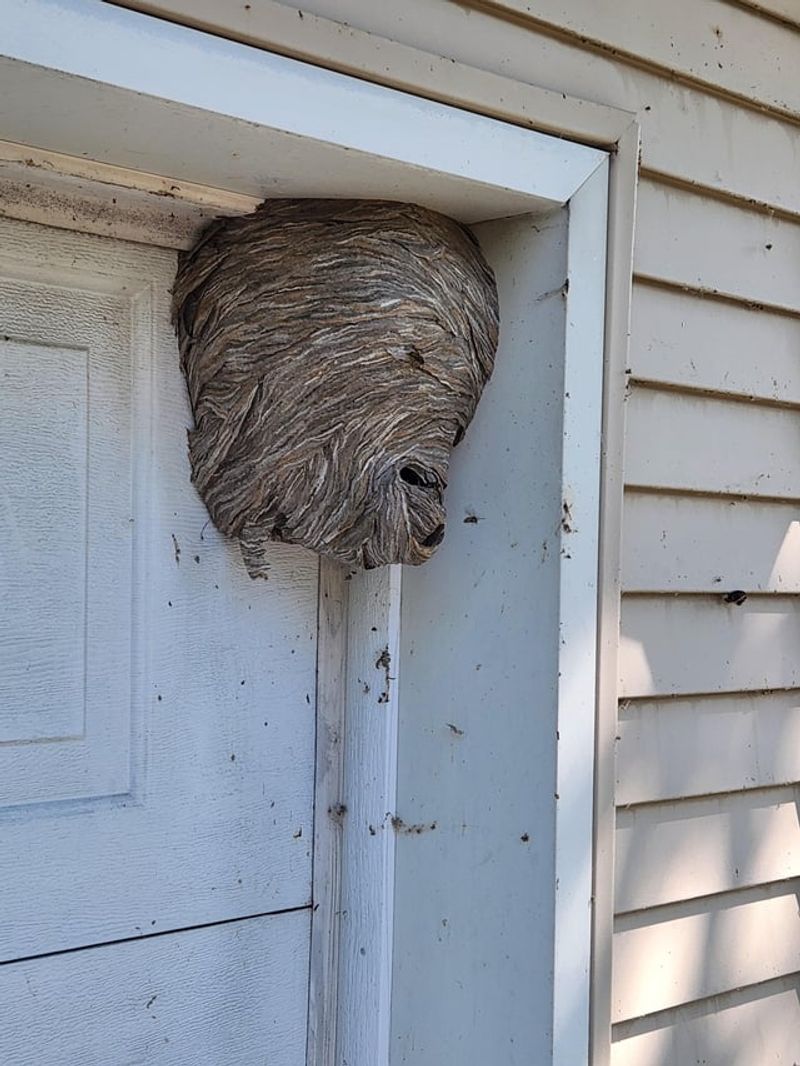
A nest beside the front door is like a bouncer who never takes a break. Every trip outside becomes a nervous little gamble.
Nests near doors, windows, patios, decks, or swing sets need expert attention. Busy spots mean more chances for someone to bump or startle the colony.
Kids playing tag can run right under a low branch without looking. Pets may also wander close and trigger a sudden defense.
Professionals bring full bee suits, face shields, and the right products. They also know how to work safely at heights or in tight spots.
Many pros treat nests at dusk or after dark. Most hornets are home by then and move more slowly in cooler air.
Allergies change everything, so take them seriously. If anyone in your home reacts badly to stings, call for help right away.
Ask a few questions before hiring a pest company. Find out how they treat nests and whether they remove the paper afterward.
Costs vary by nest size and height, but safety is worth the price. A quick visit can turn a stressful yard back into a relaxing one.
9. Wait For A Hard Frost To End The Colony
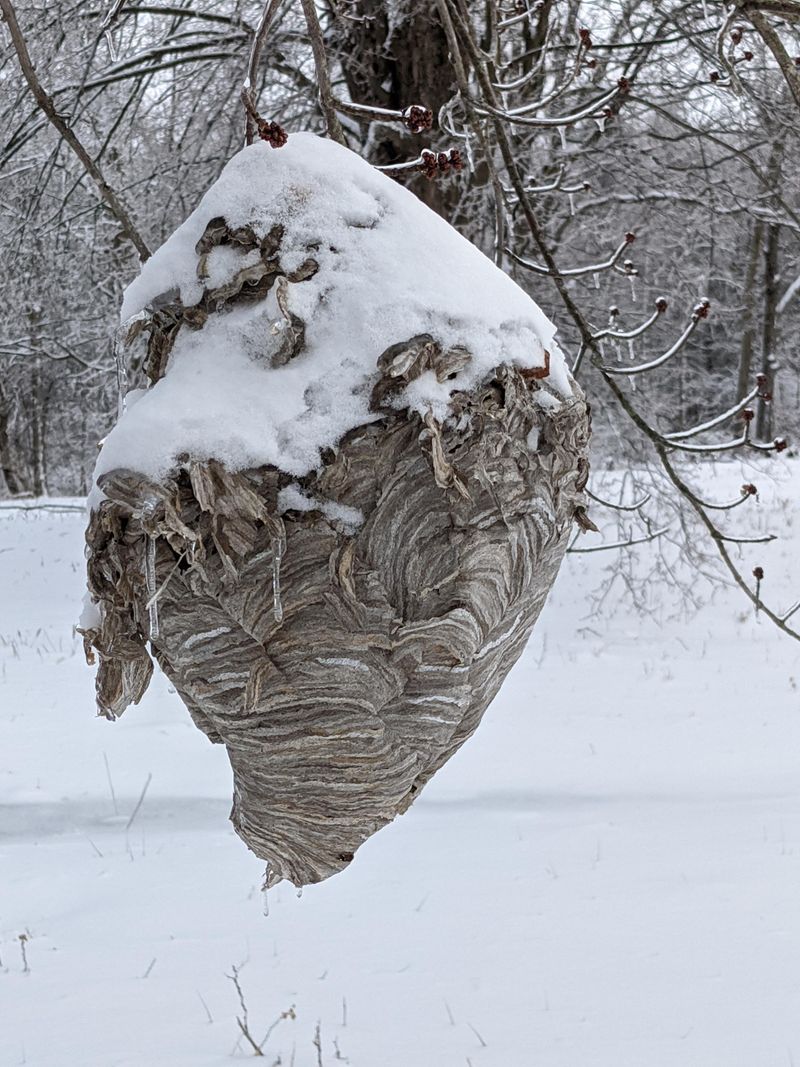
Mother Nature has her own pest control schedule, and it arrives with cold weather. Bald-faced hornet colonies only last a single season.
Once a hard frost hits, the workers and old queen fade away. Their busy summer home goes quiet within days or weeks.
Only newly mated queens make it through the winter. They leave the nest and tuck themselves under bark, logs, or leaf litter.
In much of Virginia, hard frosts arrive between late October and November. Mountain areas usually cool off sooner than the coastal plain.
Activity slows as nights grow chilly. You may notice sluggish hornets crawling instead of zipping around the entrance.
Even slow hornets can still sting, so keep your distance. A cold morning does not mean the colony has given up yet.
Patience works best when the nest sits out of the way. Waiting costs nothing and avoids the risks of a risky removal attempt.
Watch a local weather app for frost alerts. After a few freezing nights in a row, the nest should be finished for the year.
10. Knock It Down After Winter, Not Before
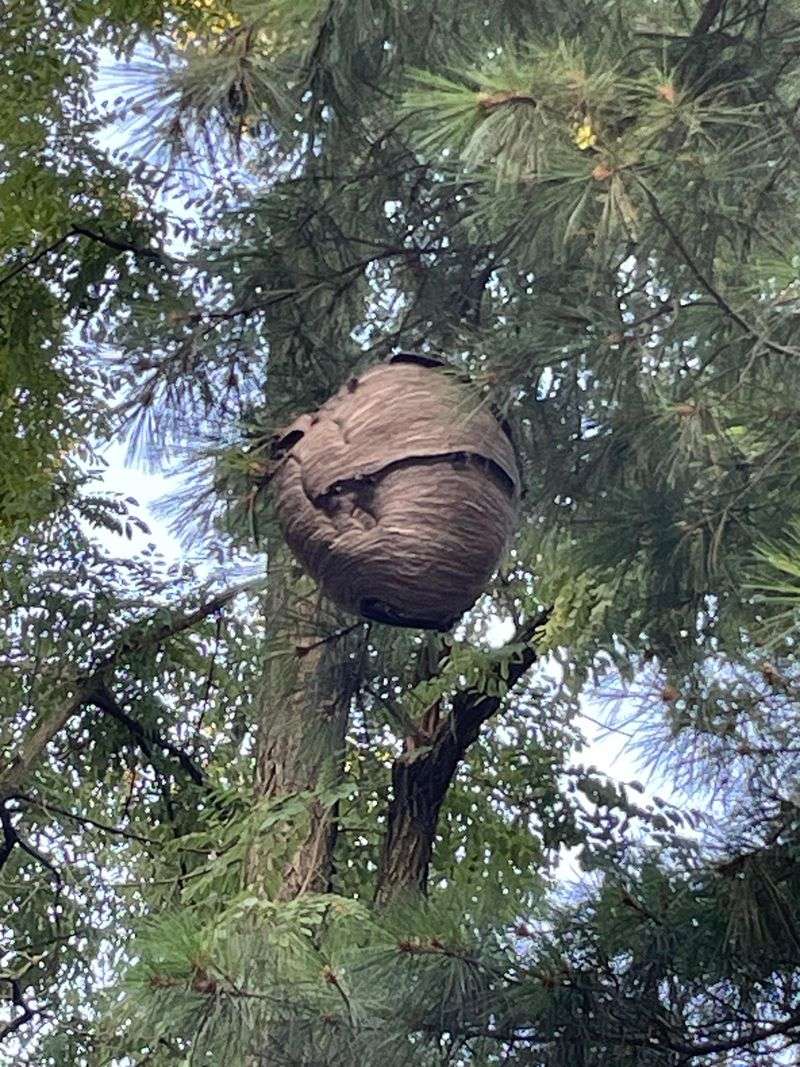
Spring cleanup offers a perfect time to deal with that old paper ball. By then, the nest sits empty and harmless.
Bald-faced hornets do not reuse their nests from last year. New queens build fresh homes in brand new locations each spring.
Wait until winter has fully passed before removing it. Taking it down too early, during warm fall days, could still stir up stragglers.
Gloves and a long pole make the job simple. Knock it loose, bag it, and toss it with your yard waste.
Curious kids may enjoy studying the old nest up close. Peeking at the layered paper and combs makes a neat science lesson.
Some people leave empty nests hanging on purpose. A few believe they discourage new queens from settling nearby, though results vary.
Spring is also a smart time to scan eaves and sheds. Spotting a tiny starter nest early makes control much easier for Virginia homeowners.
Seal gaps in siding and trim overgrown shrubs too. Small chores now can mean a calmer, sting-free summer ahead.