How Often To Water Your Pennsylvania Snake Plant During Fall And Winter
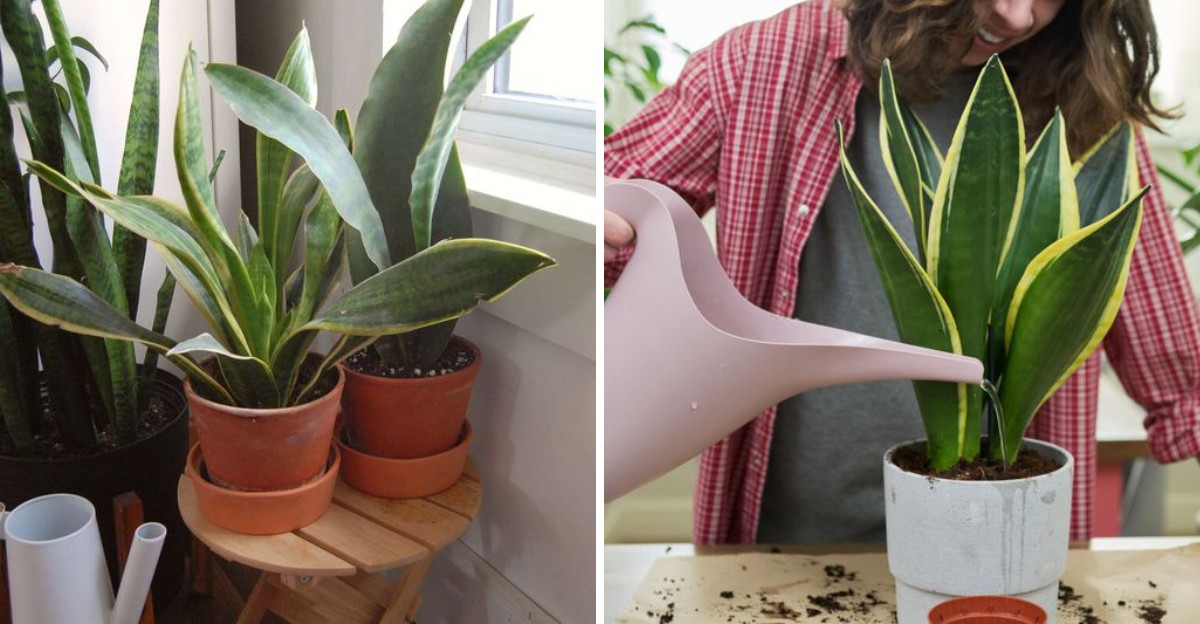
Snake plants originally come from the warm, dry regions of West Africa. A Pennsylvania winter is about as far from home as they can get.
Inside your house, though, they can handle the season just fine, as long as you adjust one simple habit.
As fall settles in, the days get shorter, the light gets weaker, and your snake plant slows way down. It stops pushing out new leaves and starts using far less water.
At the same time, cool windowsills and chilly drafts keep soil from drying as quickly as it did in summer. Cold, wet roots are a recipe for rot, and that’s one of the top reasons these tough plants struggle in winter.
The fix is easier than you’d expect. Getting your watering schedule right can keep your snake plant healthy until warmer days return.
Water About Every 4 To 6 Weeks
Here is a fun surprise for busy plant owners. Your snake plant basically takes a long nap once fall settles over Pennsylvania. Growth slows way down, and so does its need for water.
During summer, you might water every two weeks or so. Fall and winter are a whole different story. Indoors, watering about once every four to six weeks is usually plenty for most snake plants.
Why such a big change? Pennsylvania days get short and cloudy from October through February. Less sunlight means the plant makes less food and uses less water. The roots just sit there, waiting for brighter days.
Plants in cool or dim rooms may go even longer between drinks. Some owners in chilly basements or north-facing rooms water only once every seven or eight weeks. That is perfectly fine for this hardy plant.
A simple trick can help you remember. Mark your watering days on a calendar or set a phone reminder for every five weeks. When the reminder pops up, check the soil before you grab the watering can.
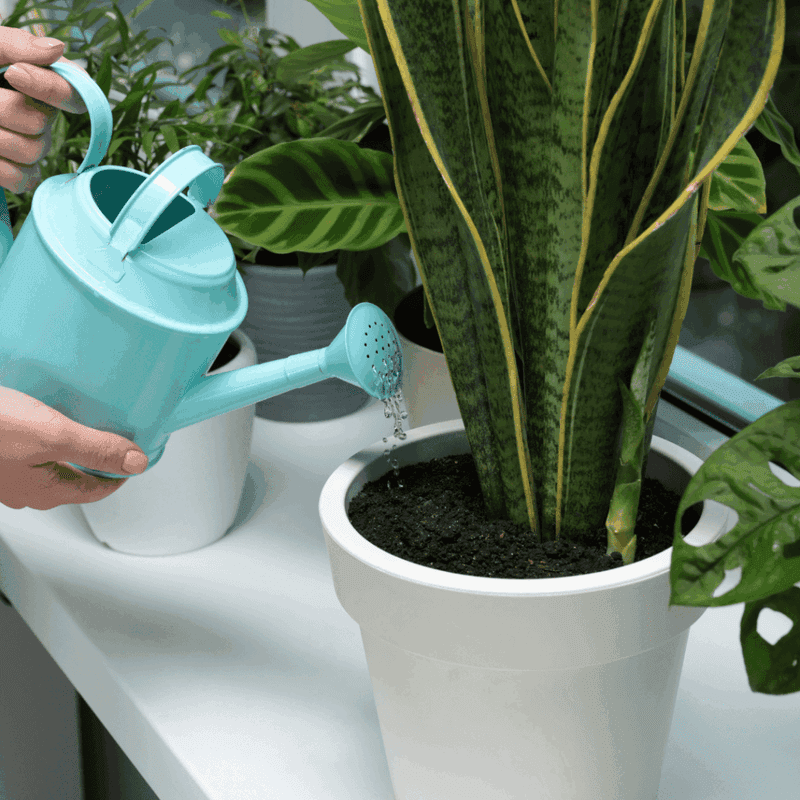
When you do water, do it well. Pour slowly until water runs out of the drainage hole at the bottom. Then let the pot drain completely and empty the saucer so roots never sit in a puddle.
Did you know? Snake plants come from dry parts of West Africa. Their thick leaves store water like a camel stores energy.
That built-in tank is why they can handle long breaks between drinks. So relax and water less. Your plant will thank you by staying firm and green all winter.
Let The Soil Dry Out Completely First
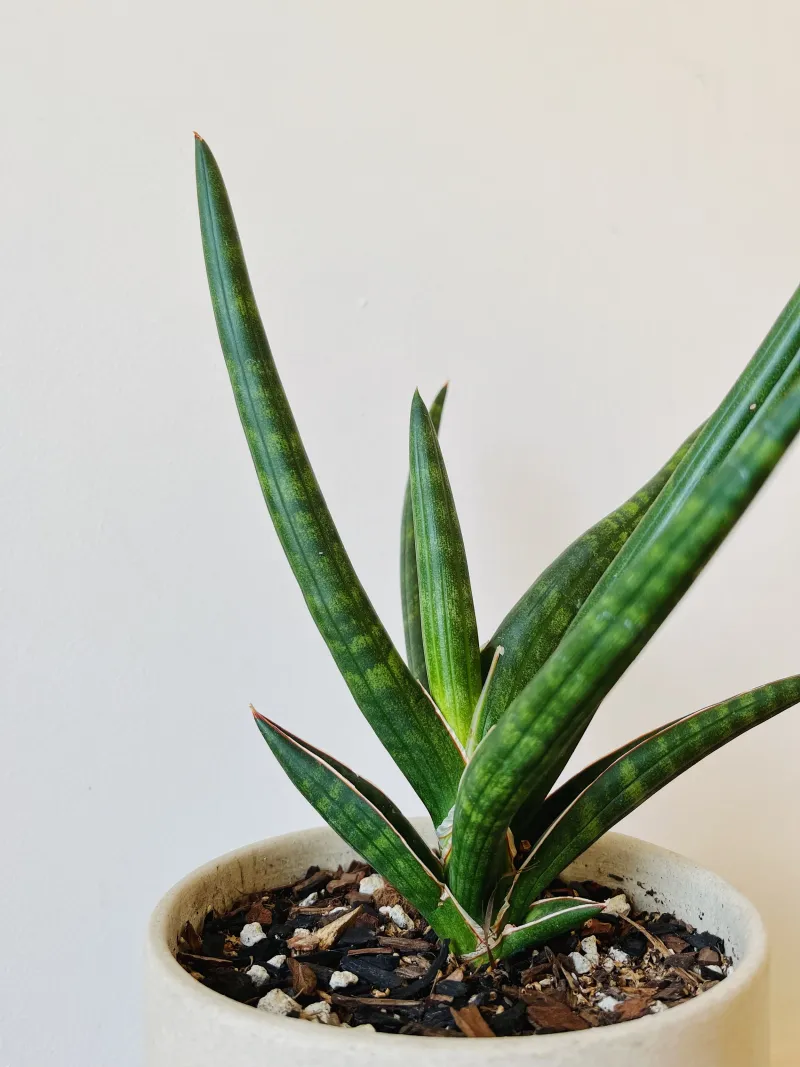
Calendars are helpful, but your plant does not read them. The soil is the real boss here. Water only when it is completely dry, not just dry on top.
Checking is easy and takes about ten seconds. Push your finger two or three inches into the soil. If you feel any coolness or dampness, wait a little longer.
Not a fan of dirty fingers? Grab a wooden skewer or a chopstick instead. Slide it deep into the pot, leave it for a minute, then pull it out.
Your Pennsylvania Garden Changes Every Week. Your Plan Should Too.
Gardening in Pennsylvania changes quickly throughout the season. Every Friday you’ll receive a simple weekly plan showing exactly what to plant, prune, fertilize, harvest, and protect so you never miss the right timing.
Look closely at the stick. If soil clings to it or it looks dark and damp, hold off on watering. If it comes out clean and dry, your plant is ready for a drink.
Deep pots can fool you. The top inch might feel bone dry while the bottom stays soggy for weeks. That hidden moisture near the roots is exactly what causes rot.
Another neat test is lifting the pot. A freshly watered pot feels heavy. A dry one feels much lighter, almost hollow, and you will learn the difference quickly.
Soil type matters too. A gritty cactus or succulent mix dries much faster than regular potting soil. If your snake plant sits in dense soil, consider repotting in spring with a fast-draining blend.
Pots also play a role. Terracotta breathes and lets water escape through its walls. Plastic and glazed ceramic hold moisture longer, so plants in them need extra patience.
When in doubt, wait one more week. A thirsty snake plant bounces back fast, but a waterlogged one has a much harder road to recovery.
Adjust For Light And Room Temperature
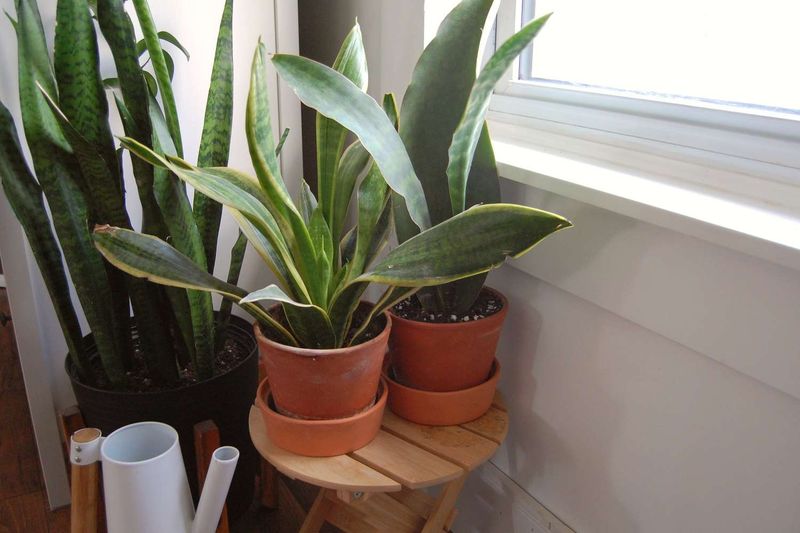
Think about two snake plants living in the same house. One sits in a bright, warm kitchen. The other hides in a chilly spare bedroom with one small window.
Those two plants will need water on very different schedules. The kitchen plant dries out faster because of warmth and light. The bedroom plant may stay damp for twice as long.
Light acts like a fuel pedal for your plant. More light means more growth and more water use. In Pennsylvania winters, a south or west-facing window gives the most sun.
Temperature matters just as much. Snake plants like rooms between 60 and 80 degrees. Below 60, they slow down even more and barely drink at all.
Here is the tricky part. Cool rooms keep soil wet much longer, and cold, wet roots are a recipe for rot. That combo is the biggest threat your plant faces all season.
Many Pennsylvania homes drop to the low 60s at night to save on heating bills. Mudrooms, sunporches, and basements can get even colder. Plants in those spots need extra-long gaps between watering.
A cheap indoor thermometer can be a smart tool. Place it near your plant for a few days. You will know exactly how warm or cool that spot really is.
If your plant lives somewhere cold and dark, consider moving it. A brighter, warmer room gives it more energy and makes watering much easier to manage.
Small adjustments go a long way. Match your watering to the room, not to a rule you read once.
Bring Outdoor Plants In Early
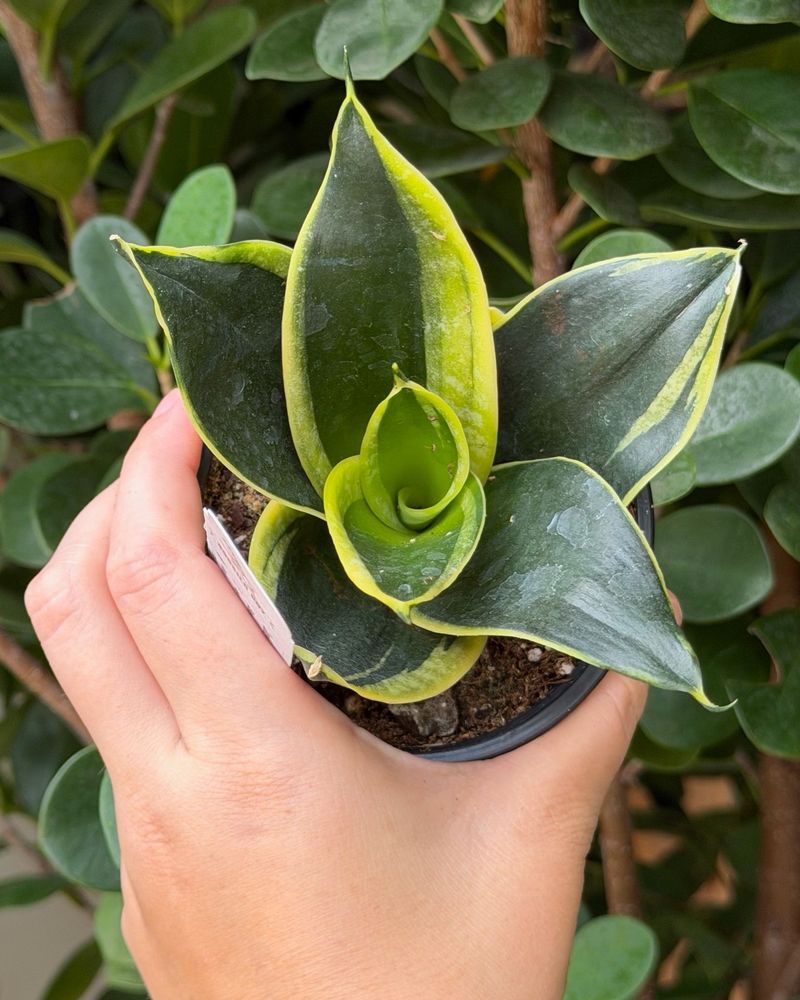
Summer on the porch is a treat for snake plants. They soak up warm air and bright light. But Pennsylvania autumn can sneak up fast.
Snake plants are tropical at heart. Once temperatures dip below about 50 degrees, their leaves can get damaged. Cold spots may turn mushy or develop pale scars that never heal.
Across much of the state, nights often hit 50 degrees by late September or early October. In the Poconos and northern counties, it can happen even sooner. Keep an eye on the forecast as September winds down.
The safest move is to bring plants in before the chill arrives. Do not wait for the first frost warning. By then, damage may already be done.
Before you carry the pot inside, give it a quick inspection. Check leaves and soil for bugs like mealybugs or spider mites. A gentle rinse with a hose a few days earlier can help.
Indoor life feels like a big shift. Light is weaker, air is drier, and temperatures stay steady. Your plant needs some time to adjust to its new home.
During that transition, go easy with the watering can. Outdoor soil may still hold moisture from rain. Let it dry out fully before giving the first indoor drink.
Pick a bright spot near a window for its new home. Avoid moving it around too much during the first few weeks.
Fun fact: in some parts of Africa, people once used snake plant fibers to make bowstrings. That is why one nickname is bowstring hemp. Tough plant, but not cold-proof!
Protect It From Cold Windows And Dry Heat
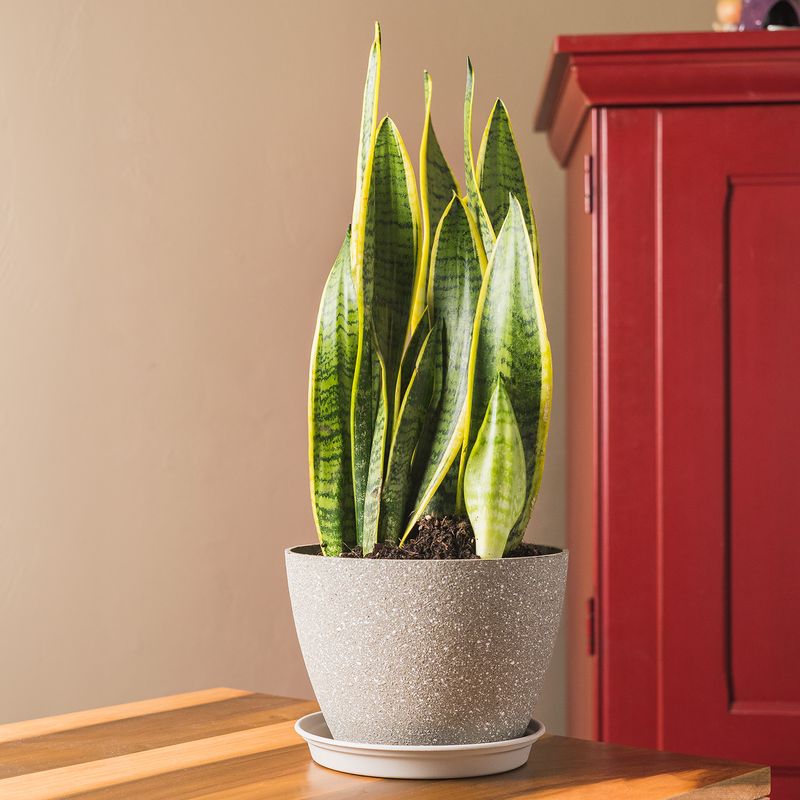
Windows can be sneaky in January. The room may feel cozy, but the glass itself can get icy cold. Leaves pressed against it can chill and get damaged overnight.
Keep your snake plant a few inches back from the window. You still get the light, but the leaves stay safe. Even six inches of space makes a real difference.
Drafts are another hidden problem. Older Pennsylvania homes often have leaky windows and doors. If you feel cold air near your plant, find it a calmer spot.
Heat sources cause trouble from the opposite side. Radiators, baseboard heaters, and floor vents blast warm, dry air. That air dries soil unevenly, leaving one side crispy and the other damp.
Uneven soil confuses watering. You might test one spot, find it dry, and water. Meanwhile, the center stays soggy and roots start to suffer.
Try to keep your plant at least three feet from any heater or vent. A plant stand or small table in a bright corner often works great. Spin the pot a quarter turn every few weeks for even growth.
Dry winter air does not bother snake plants much. Unlike ferns, they do not need misting. In fact, misting can leave water sitting in leaf bases, which invites rot.
Dust can build up on leaves during winter. Wipe them gently with a damp cloth once a month. Clean leaves catch more of that precious winter sunlight.
Find that sweet spot between chilly glass and blasting heat, and your plant will coast through winter with ease.
Know The Signs Of Too Much Or Too Little Water
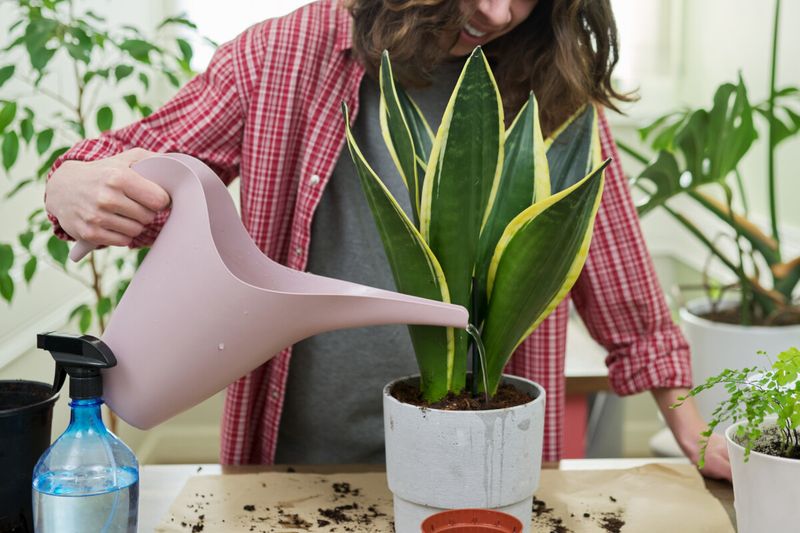
Your snake plant talks to you. It just uses its leaves instead of words. Learning that leaf language helps you catch problems early.
Overwatering is the most common winter mistake by far. Watch for leaves that feel soft or mushy when you squeeze them gently. Yellowing leaves, especially near the base, are another red flag.
A soggy base or a sour, swampy smell from the soil points to root rot. Leaves may also flop over or lean out of the pot. If you see these signs, stop watering right away.
For serious cases, slide the plant out of its pot. Healthy roots look firm and light-colored. Rotten roots look brown, slimy, and smell bad.
Trim away any mushy roots with clean scissors. Repot in fresh, dry cactus mix and skip watering for a week or two. Many plants recover nicely with this rescue plan.
Underwatering looks quite different. Leaves get wrinkled, thin, or start curling inward. Tips may turn brown and crispy.
Good news here! A thirsty snake plant is easy to fix. Give it a deep, thorough drink until water flows from the bottom, then let it drain.
Within a week or so, the leaves should plump back up. If they stay wrinkled, check the roots for damage, since rot can also cause thirsty-looking leaves.
Keep a little plant journal if you like. Note watering dates and how the leaves look. Over time, you will spot patterns and become a true snake plant expert by spring.