Start These Pennsylvania Native Wildflowers From Seed In July For A More Natural-Looking Garden
July is not the month most Pennsylvania gardeners associate with starting seeds, and that assumption is actually worth questioning.
For certain native wildflowers, midsummer is a genuinely useful window, whether that means sowing into protected containers or beginning a cold stratification process ahead of fall.
Other species benefit from a longer establishment period before winter arrives, and getting those started in July gives them a meaningful head start on the season ahead.
Black-eyed Susan, wild columbine, smooth blue aster, these are not fussy plants once they find their footing, but they do appreciate being matched carefully to the right site conditions from the start.
A relaxed, layered wildflower garden is one of the more rewarding things a Pennsylvania yard can offer over time.
Getting there does involve some planning though, and July seeds need a little extra attention to stay protected from the heat during those early weeks.
1. Black-Eyed Susan Brightens Sunny Beds
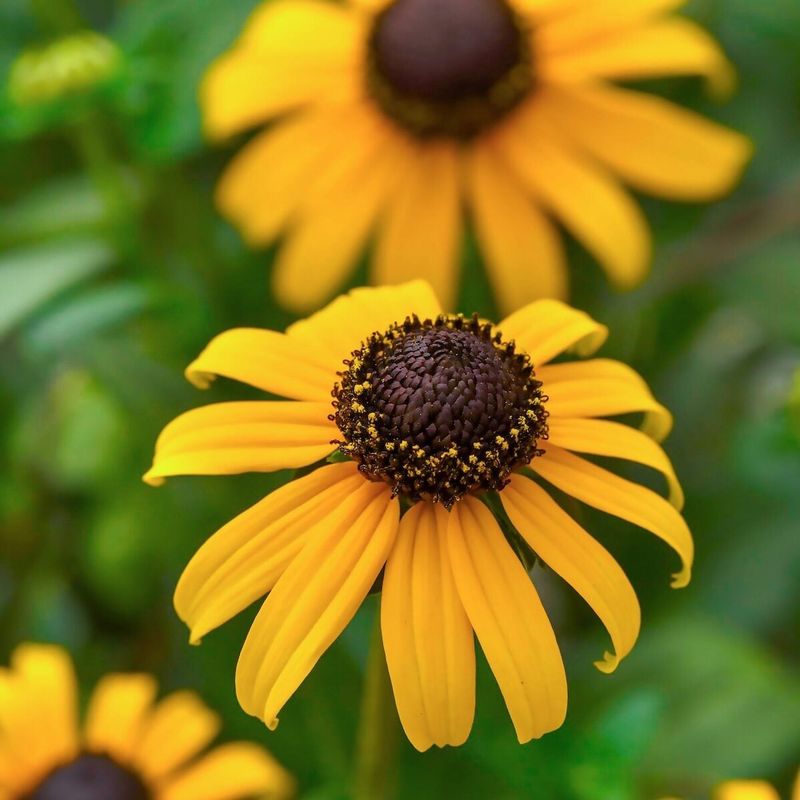
Few wildflowers bring as much cheerful energy to a sunny garden gap as Rudbeckia hirta, commonly known as black-eyed Susan.
This Pennsylvania-native species turns up regularly in pollinator gardens, meadow-style plantings, and naturalistic borders where full sun and reasonable drainage are available.
Its golden-yellow petals surrounding a dark central cone make it easy to spot from across the yard, and bees and butterflies tend to find it quickly once it begins flowering.
Federal propagation records have documented successful container sowing without pretreatment, including sowing during portions of summer, though some growers prefer a short cold treatment to improve germination consistency across a seed lot.
The small seeds should be pressed lightly into the growing medium or covered only minimally, following the directions provided with your purchased seed.
Not every packet will behave identically, so trust the instructions from your seed supplier over any single general recommendation.
Black-eyed Susan may behave as a biennial or short-lived perennial rather than a long-lived perennial in every garden. It can maintain a presence by reseeding into open soil nearby, but that reseeding depends on available bare ground, light, and moisture.
Starting seeds in July in a protected container gives you more control over moisture and seedling identification than direct sowing into hot, crowded summer soil.
2. Wild Columbine Softens Shady Corners
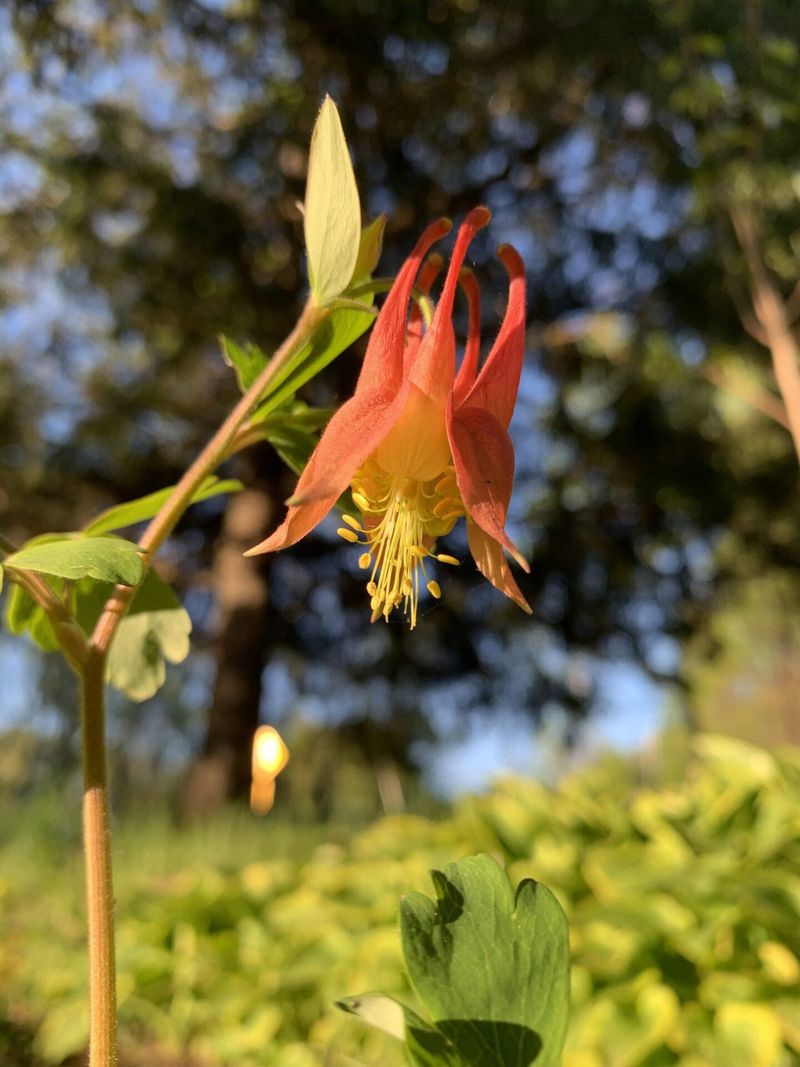
Along woodland edges and rocky slopes where filtered light replaces full sun, Aquilegia canadensis brings a delicate, nodding charm that few other native plants can match.
Wild columbine is a Pennsylvania-native wildflower with distinctive red and yellow flowers that attract hummingbirds and long-tongued bees during spring.
Its finely divided foliage adds texture to partly shaded garden corners even when the plant is not in bloom, making it a useful addition to naturalistic plantings beneath trees or along north-facing walls.
Published propagation protocols vary for this species. Some sources report reasonable germination without any pretreatment, while others recommend a chilling period to improve results.
July is a practical time to either sow seed in a protected container or begin a cold, moist stratification treatment if your seed supplier recommends one.
Your Pennsylvania Garden Changes Every Week. Your Plan Should Too.
Gardening in Pennsylvania changes quickly throughout the season. Every Friday you’ll receive a simple weekly plan showing exactly what to plant, prune, fertilize, harvest, and protect so you never miss the right timing.
Do not assume that every seed lot of wild columbine requires the same number of cold-treatment days, since recommendations can differ between sources and seed populations.
After establishment, wild columbine may reseed gradually into suitable gaps where drainage is good and competition from other plants is limited. That naturalization process tends to be slow and depends on whether mature seed is allowed to develop and fall.
Matching this plant to a well-drained, partly shaded spot gives it the best chance to settle in over time.
3. Smooth Blue Aster Extends The Season
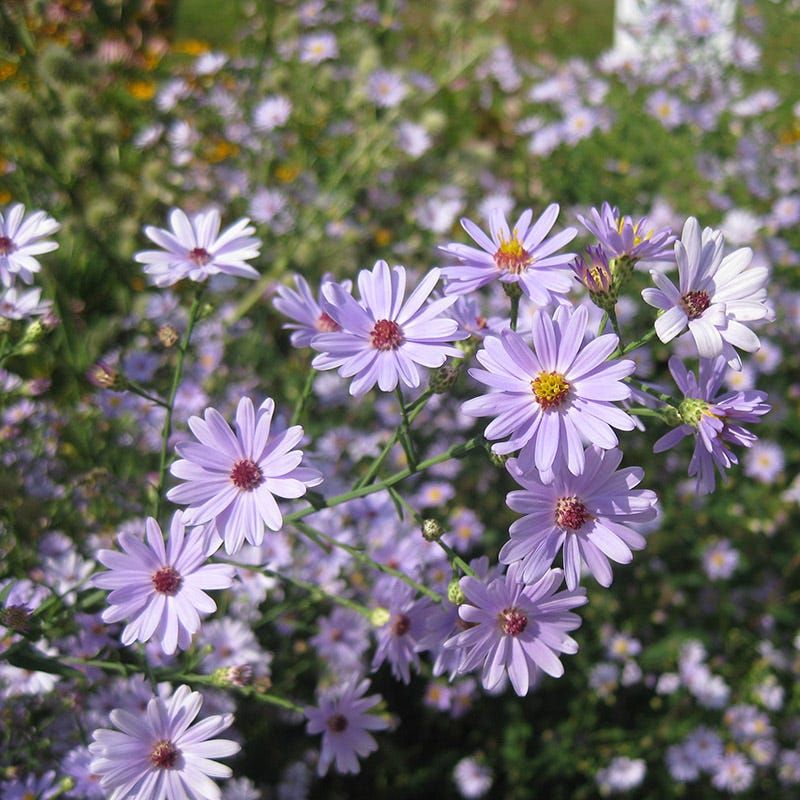
When most spring and early-summer wildflowers have finished blooming, a sunny naturalistic border can feel empty and flat.
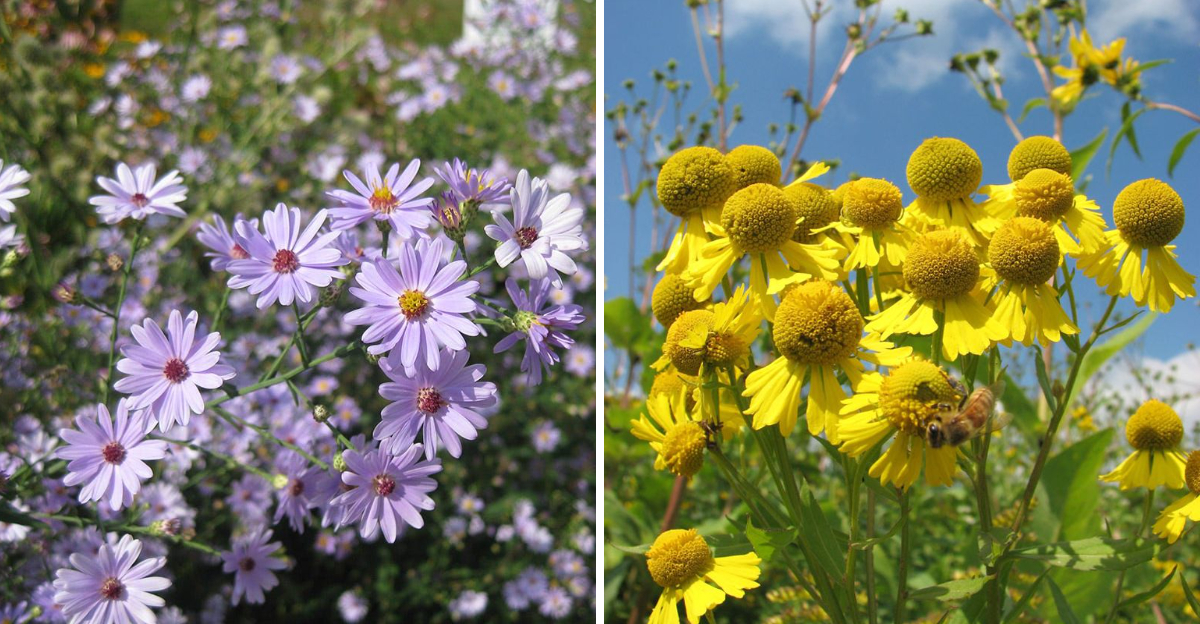
Symphyotrichum laeve, known as smooth blue aster, fills that late-season gap with clusters of soft lavender-blue flowers that appear when many other plants are winding down.
It is native to Pennsylvania and works well in meadow-style gardens, mixed native borders, and open pollinator plantings where it can catch full sun through the growing season.
Propagation records for smooth blue aster differ among seed sources. Some populations have been treated as having little or no dormancy requirement, while others have been propagated successfully after cold, moist stratification.
That variability means you should rely on the directions provided by your specific seed supplier rather than assuming every packet can be handled the same way in July.
Sowing into a clean, well-drained container in a location sheltered from intense afternoon heat gives you better control than direct sowing into summer garden soil.
Smooth blue aster may spread gradually through short rhizomes and seed when site conditions favor it, though it is unlikely to bloom during the same growing season it is started from seed.
First-year plants often focus on developing roots and a low rosette of leaves.
Patience is part of working with native wildflowers started from seed in Pennsylvania summers.
4. Wild Bergamot Builds A Meadow Look
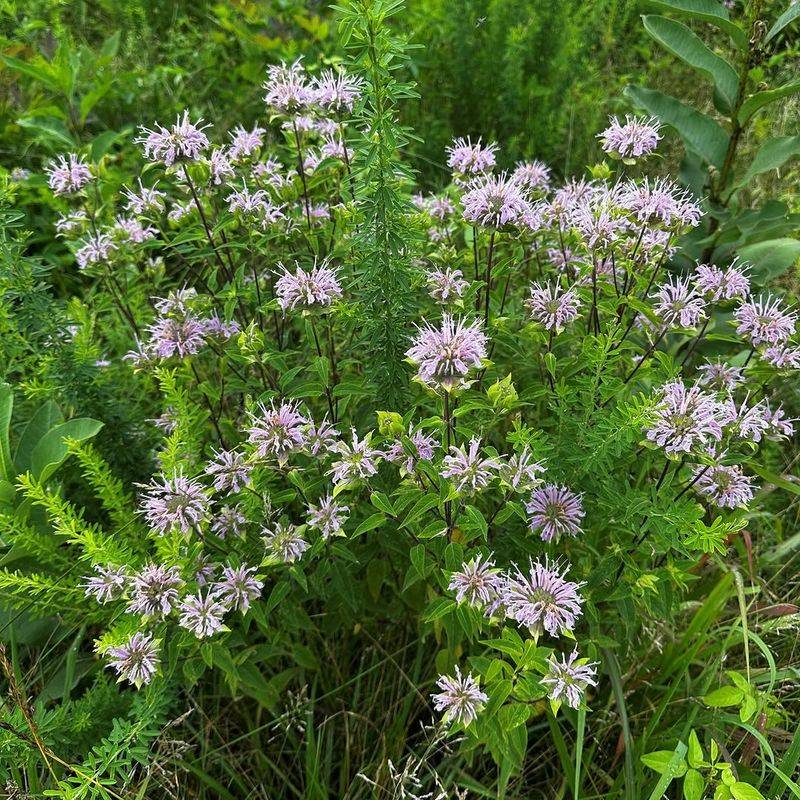
Informal meadow plantings in Pennsylvania often rely on a handful of workhorse natives, and Monarda fistulosa, wild bergamot, earns its place among them.
Its rounded, lavender-pink flower clusters sit atop upright stems with aromatic gray-green foliage, drawing in bumblebees, native bees, and butterflies throughout summer.
The overall effect in a sunny border or open pollinator bed is relaxed and layered, fitting naturally alongside grasses and other meadow-style companions.
Some propagation protocols recommend a short period of cold, moist stratification to improve germination, while other seed lots may germinate without treatment when sown in warm conditions.
July is a reasonable time to begin the treatment listed on your purchased seed packet or to sow directly into containers if your supplier confirms that warm germination is appropriate for that lot.
The small seeds generally need light to germinate and should rest on or very close to the surface of the growing medium rather than being buried.
Wild bergamot may spread over time through rhizomes and seed, though its growth depends heavily on sunlight, drainage, and how much competition surrounds it.
Crowded or shaded conditions tend to limit its spread and can increase susceptibility to powdery mildew on the foliage.
Giving it an open, well-drained spot with good air circulation helps the planting stay healthy and attractive across multiple seasons.
5. Spotted Bee Balm Livens Up Dry Spots
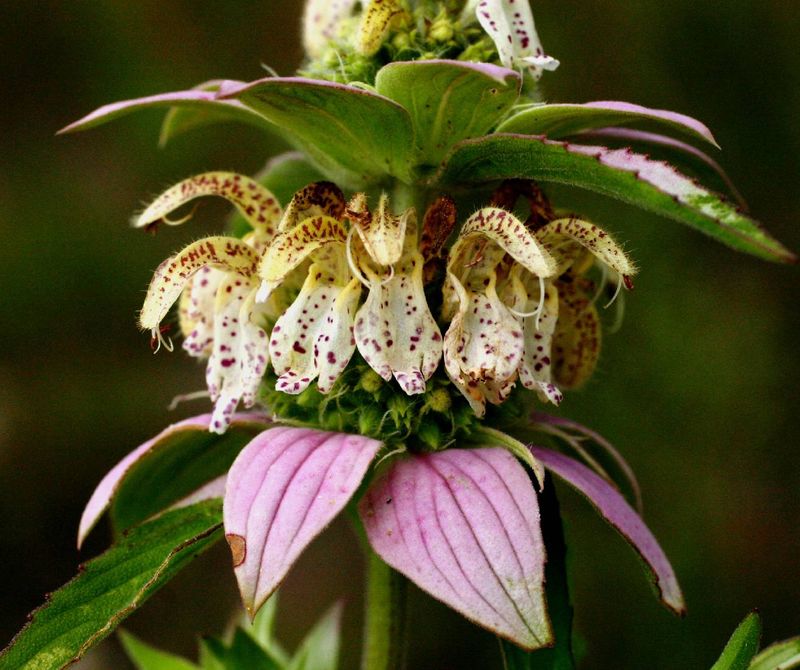
Sandy or gravelly garden spots that drain quickly and bake in the summer sun can be frustrating to plant, but Monarda punctata, spotted bee balm, is one of the natives that genuinely fits those conditions.
This Pennsylvania-native species produces tiered, tubular yellow flowers dotted with purple, surrounded by showy pink to lavender bracts that attract a wide range of native bees and wasps.
Its recorded distribution within Pennsylvania is not uniform across the state, so it is worth confirming that seed comes from a reputable supplier with clear collection and growing information.
Spotted bee balm may behave as a short-lived perennial or biennial, and it can maintain a presence in a planting by reseeding when some open, well-drained ground remains nearby.
July sowing should be limited to purchased seed with clear warm-germination directions from a trusted source, or to beginning whatever seed treatment the packet recommends.
Container media for this species should drain freely and should never remain saturated, since wet conditions do not suit a plant adapted to dry, open habitats.
Avoid placing spotted bee balm in moist, poorly drained beds where it is unlikely to perform well.
Starting it in a small container with dry, gritty mix during July, then moving it to its permanent dry site once it has developed, gives you a much better outcome than trying to direct-sow into hot, weedy summer soil.
6. Common Sneezeweed Adds Color To Moist Areas
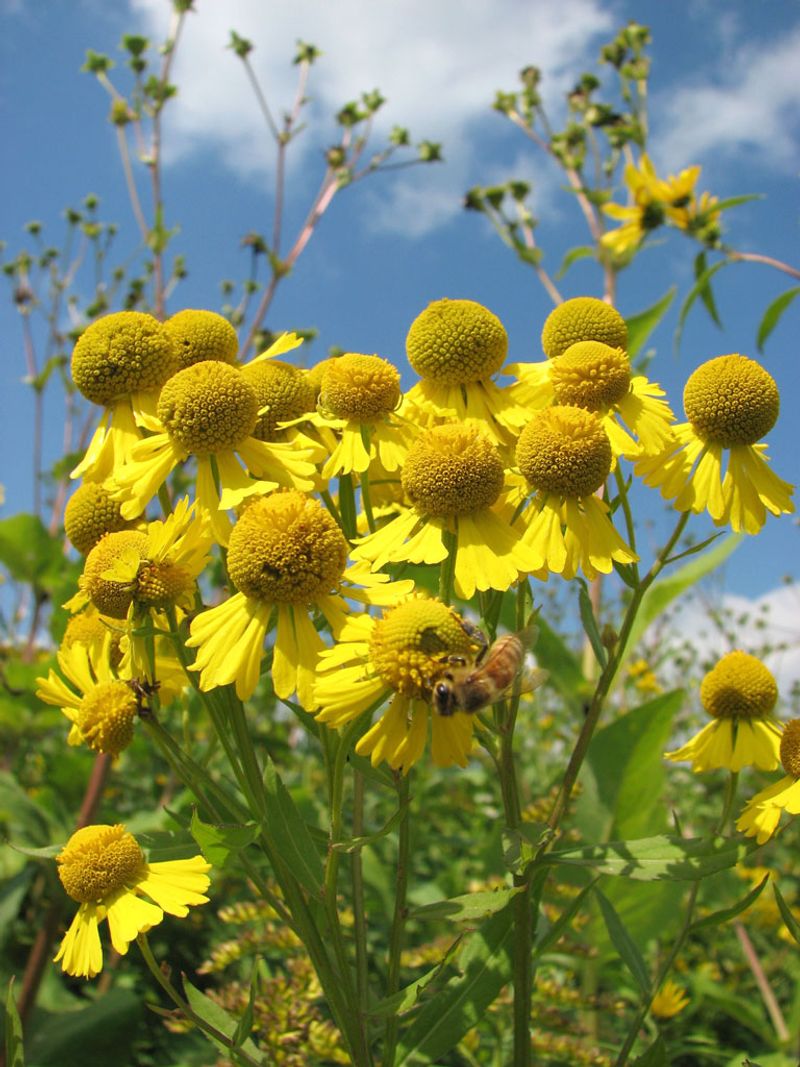
Low spots and rain-garden edges that stay reliably moist through Pennsylvania summers can be tricky to plant attractively.
Helenium autumnale, common sneezeweed, is a Pennsylvania-native species associated with just those kinds of moist habitats, including wet meadows, stream margins, and damp low areas in the landscape.
Its bright yellow, daisy-like flowers with distinctive wedge-shaped, drooping petals appear in late summer and fall, adding warm color when many other plants are finishing up.
Despite the memorable common name, the flowers do not routinely trigger sneezing. The name is thought to relate to historical uses of the dried plant rather than the fresh flowers, though the focus here should stay on propagation and garden placement.
July seed starting for common sneezeweed is most practical in containers when your seed supplier provides warm-germination directions for that specific lot.
Direct sowing into dry midsummer soil is unlikely to produce dependable results, and this species is not a good fit for hot, dry garden areas simply because it can be started during summer.
Container sowing in July allows you to manage moisture levels carefully while protecting young seedlings from heavy downpours and intense heat.
Once established in a consistently moist site, common sneezeweed can contribute to a naturalistic, layered planting alongside other moisture-tolerant Pennsylvania natives.
Plan for flowering in a later season rather than expecting blooms during the first year from seed.
7. Start Seeds In Containers For Better Control
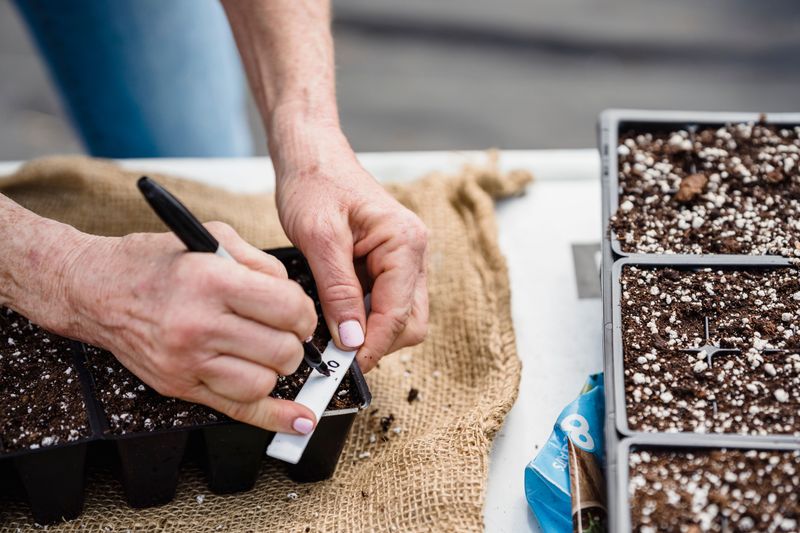
Seed trays and small containers offer a level of control that is hard to achieve when direct sowing into a Pennsylvania garden during July.
Outdoor beds in midsummer come with challenges including uneven moisture, competition from established plants, difficulty spotting tiny seedlings among weeds, and heat stress from afternoon sun.
Moving seed starting indoors or to a sheltered porch or shade structure lets you manage sowing depth, moisture, and light exposure much more precisely.
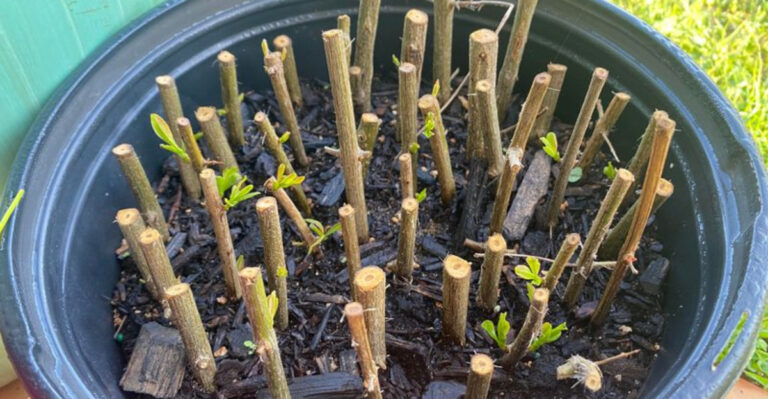
Use a clean, well-drained seed-starting medium and containers with drainage holes to avoid waterlogging. Many native wildflower seeds are very small and may need to be surface-sown or covered only lightly, depending on species-specific instructions.
Pressing tiny seeds gently against the surface of moistened medium, rather than burying them, is appropriate for light-dependent germinators like wild bergamot and black-eyed Susan.
Always follow the instructions provided with your purchased seed rather than applying one method to every species.
Label each container with the botanical name, sowing date, and any treatment used before sowing. Germination may be uneven, and some seeds may remain dormant longer than others within the same container.
Place containers where they receive appropriate light without being exposed to excessive afternoon heat, since intense summer sun can dry out small containers very quickly and stress any seedlings that have just emerged.
8. Match Each Wildflower To The Right Site
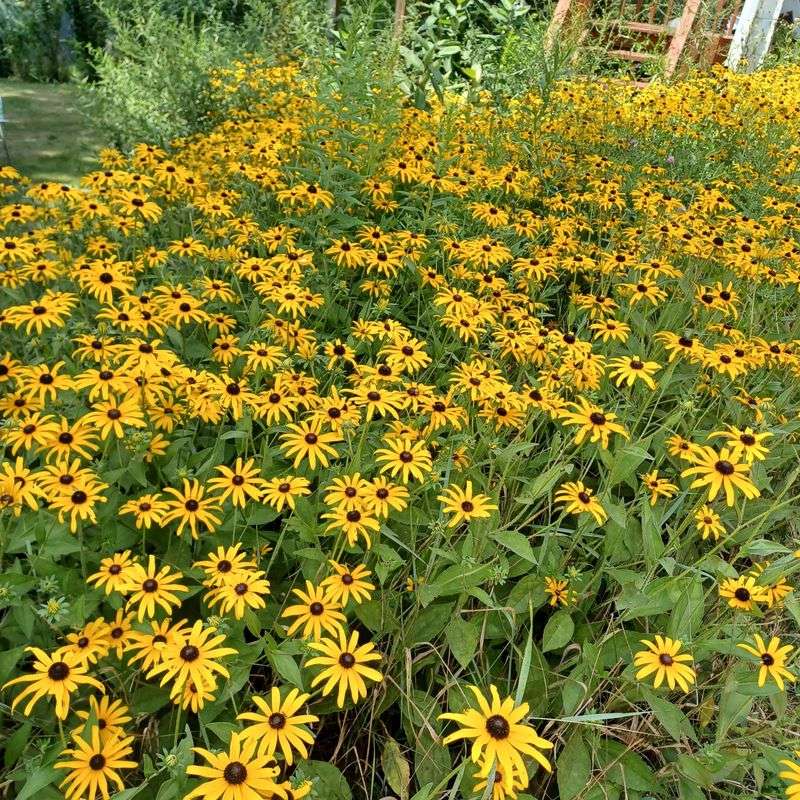
Natural-looking plantings work best when each species is placed in conditions that genuinely suit it rather than where it happens to fit aesthetically.
The six wildflowers covered in this article are not interchangeable, and placing them in the wrong site often leads to poor establishment, weak growth, or plants that simply fade out over time.
Taking time before transplanting to observe light levels, drainage, soil texture, and existing moisture patterns in your Pennsylvania yard will pay off considerably.
Black-eyed Susan, smooth blue aster, wild bergamot, and spotted bee balm all lean toward sites with substantial sunlight, though their moisture and soil preferences differ from one another.
Wild columbine is better suited to partly shaded, well-drained woodland-edge conditions where it can receive morning light without baking in afternoon heat.
Common sneezeweed belongs in a consistently moist area rather than a dry sunny bed, and placing it in the wrong spot will not produce the results you are hoping for.
Combining several compatible native species in one area tends to create a more layered and resilient garden appearance than relying on a single plant.
A mixed planting of natives with overlapping bloom times, varied heights, and different root structures can look naturalistic and support more pollinators than a monoculture.
Keep in mind that even a well-matched native planting will still need weeding, thinning, and occasional editing to stay healthy and attractive.
9. Give Young Seedlings Extra Care In July
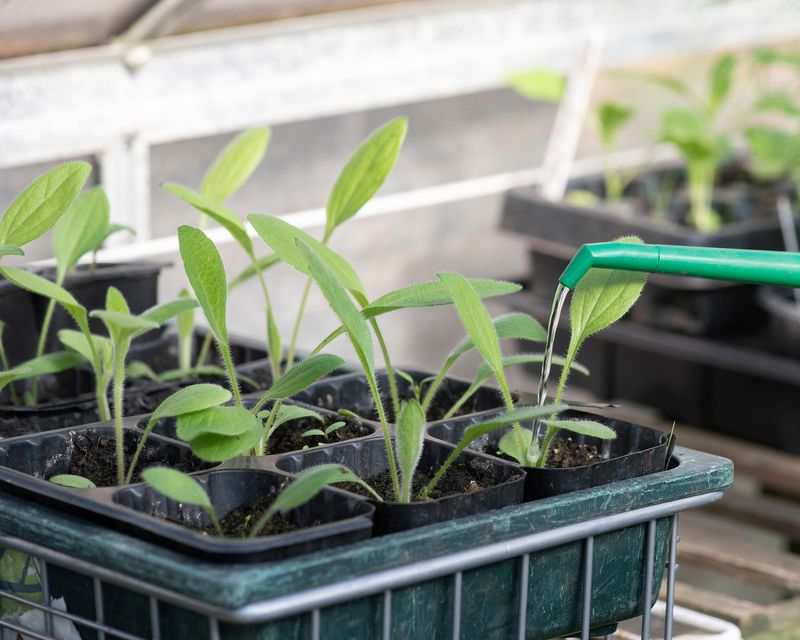
Caring for seedlings that germinate during a Pennsylvania July takes more attention than starting seeds in cooler, more forgiving months.
Intense afternoon sun, drying winds, and rapidly fluctuating temperatures can stress young plants quickly, especially when they are growing in small containers that lose moisture faster than garden beds.
Checking containers regularly and watering when the medium begins to dry out is more effective than following a rigid watering schedule that ignores actual conditions.
The growing medium should stay appropriately moist to support germination and early growth, but it should not be kept excessively wet, since saturated conditions can cause problems for most of these species.
Moisture needs will shift with container size, temperature, sunlight, rainfall, and airflow, so stay observant rather than assuming one approach fits every day.
Placing containers in a spot that receives morning light but avoids the harshest afternoon sun can reduce moisture loss and protect young seedlings from heat stress.
Young plants started in July may be too small for immediate garden installation by fall and may need protected growth or careful overwintering before being planted permanently.
Gradual acclimation to outdoor conditions before transplanting helps reduce transplant stress.
Do not expect flowers during the first season from seed, since most of these native species spend their early months building roots and foliage rather than producing blooms.