Scarlet Patches Along Indiana Roadsides Are Loaded With Fuzzy Red Fruit
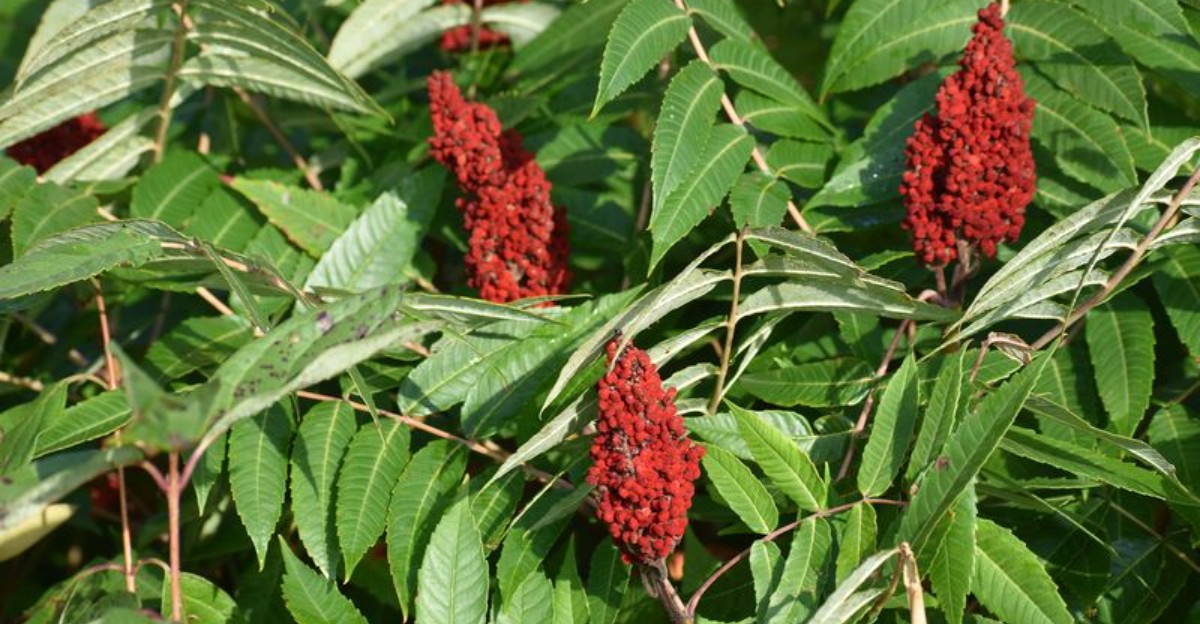
Drive along many Indiana roads this month, and bright red patches seem to glow from the ditches. Those patches are not fire, of course, but leafy shrubs glowing brighter than a stop sign.
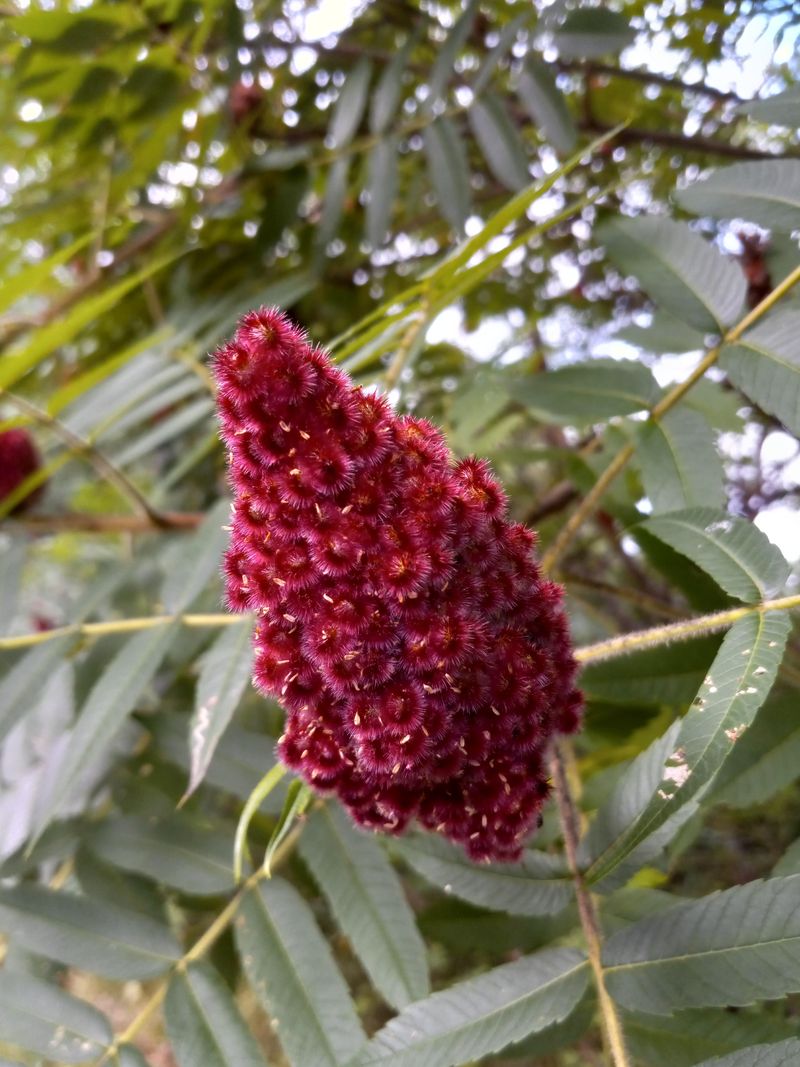
Look closer and you will spot cone-shaped clusters of fuzzy berries poking up like velvet torches. Run a finger over one, and it feels soft and slightly sticky, like fine fuzz.
Plenty of people zip past these patches without a second glance, which feels like a missed chance. The plant shares a long history with Native peoples, hungry songbirds, and curious Midwest home cooks.
It also carries a scary reputation, thanks to a look-alike cousin most folks would rather avoid. Sorting fact from rumor takes only a few minutes after you learn which clues to check.
The Shrub Behind The Roadside Glow
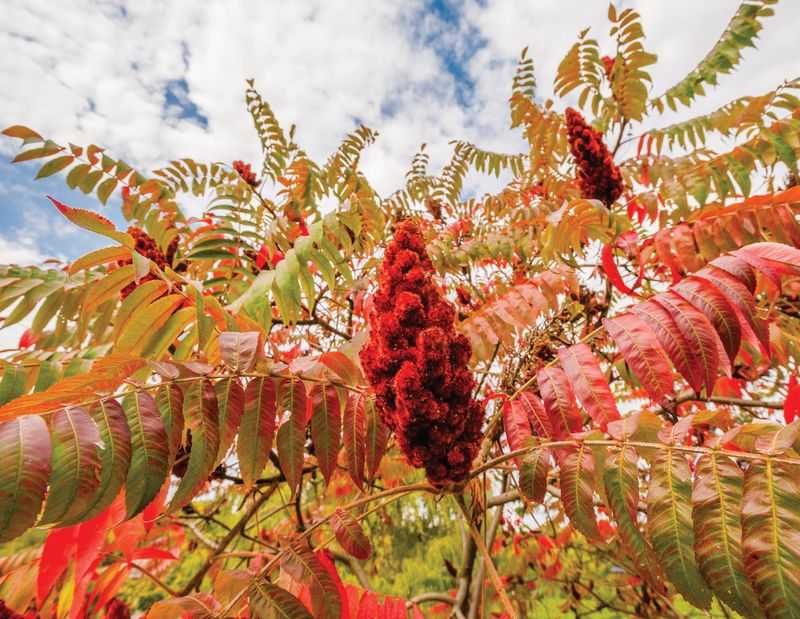
That red glow along Indiana highways comes from sumac, most often smooth sumac, a native shrub called Rhus glabra. It grows in nearly every county of the state, from sandy northern dunes to rocky southern hills.
Most plants reach about nine to fifteen feet tall, though a few stretch higher in rich, sunny soil. Their long leaves are split into many narrow leaflets, giving each branch a feathery, almost tropical look.
The name smooth comes from the hairless stems, which feel slick and waxy compared to its fuzzy cousins. Staghorn sumac, a close relative, wears velvety branches that look a lot like a young deer’s antlers.
Both species carry the same upright clusters of red berries, which botanists call drupes instead of berries. Each tiny fruit holds a single seed inside, covered by a coat of short, sticky red hairs.
Those hairs give the clusters their fuzzy feel and their sour flavor, which comes from natural malic acid. Apples contain the same acid, so a nibble tastes a little like a tart green apple slice.
Sumac spreads by underground runners, so one plant can turn into a wide colony over several years. Tall shrubs sit in the middle, while younger shoots form a sloping edge that looks like a dome.
Next time you pass one of those glowing mounds, you can name it with real confidence. Friends in the car may be impressed when you point out the fuzzy clusters before anyone else.
A Sun-Loving Shrub Built For Open Ground
Picture a plant that loves bulldozers, mowers, and road crews, and you have a pretty good sumac portrait. Disturbed ground gives this shrub a head start, because few tall competitors have settled in there yet.
Roadsides, railroad edges, old fields, and fence lines all offer the bright, open, all-day sunlight sumac craves. In deep forest shade, the shrub tends to struggle and slowly fades as taller trees take over.
Poor soil rarely bothers it, since its tough roots handle gravel, clay, and dry, sandy hillside slopes. Sumac is sometimes planted on steep banks to help hold the soil in place.
Birds also play a big role, carrying seeds to new spots after snacking on the fuzzy fruit. Robins, bluebirds, and wild turkeys often return to the clusters during the lean, chilly weeks of late winter.
Your Indiana Garden Changes Every Week. Your Plan Should Too.
Gardening in Indiana changes quickly throughout the season. Every Friday you’ll receive a simple weekly plan showing exactly what to plant, prune, fertilize, harvest, and protect so you never miss the right timing.
Once a seed sprouts, underground runners take over and send fresh green shoots sideways in every direction. Mowing along the road often trims the top, yet roots stay alive and push up new stems.
Fire works in a similar way, clearing away old growth while the hardy roots wait safely deep underground. Prairie managers in Indiana see sumac bounce back quickly after controlled burns on open native grassland.
So the next time a crew clears a ditch, a red patch may appear there within a few seasons. Sumac simply thrives wherever fresh, bare ground opens up.
Early October As Peak Berry Season
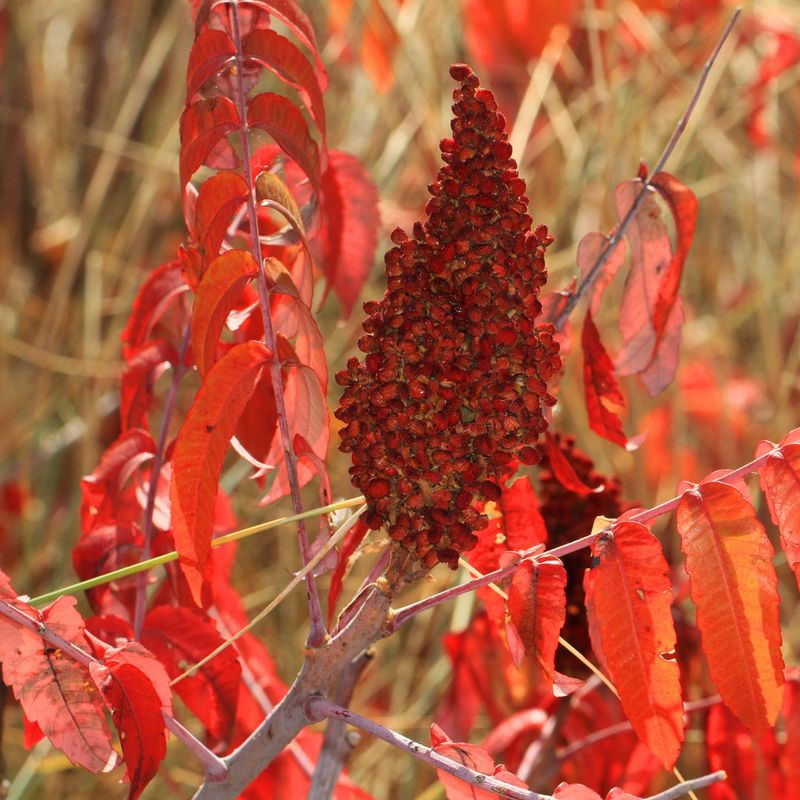
Crisp mornings in early October bring Indiana sumac to one of its showiest stages of the year. Leaves flip from green to orange and deep red, while berry clusters reach their darkest, richest shade.
The fruit first appears weeks earlier, but cooler nights help deepen the color. Clusters picked at different points in the season can vary in how sour they taste.
Timing still matters, because the sour coating on each berry washes away in a heavy autumn rain. Picking after several dry, sunny days gives you the tangiest clusters with the most flavor packed inside.
A quick taste test helps, so touch a cluster and lick your finger to check for tartness. If it tastes like lemon candy, the cluster is ready, but a bland flavor means the rain won.
Clusters hang on the branches well into winter, though they slowly lose their color and sour punch. By December, many clusters look brownish and dusty, more useful to hungry birds than to human cooks.
Bugs like to hide inside older clusters, so give each one a gentle shake before bringing it home. Tiny spiders and beetles often tumble out, which is a normal part of gathering wild food.
Picking during the first two weeks of October usually means bright clusters, cool air, and pleasant walks. Bring a paper bag, a pair of clippers, and maybe a thermos of warm tea for the trip.
The Poison Sumac Mix-Up
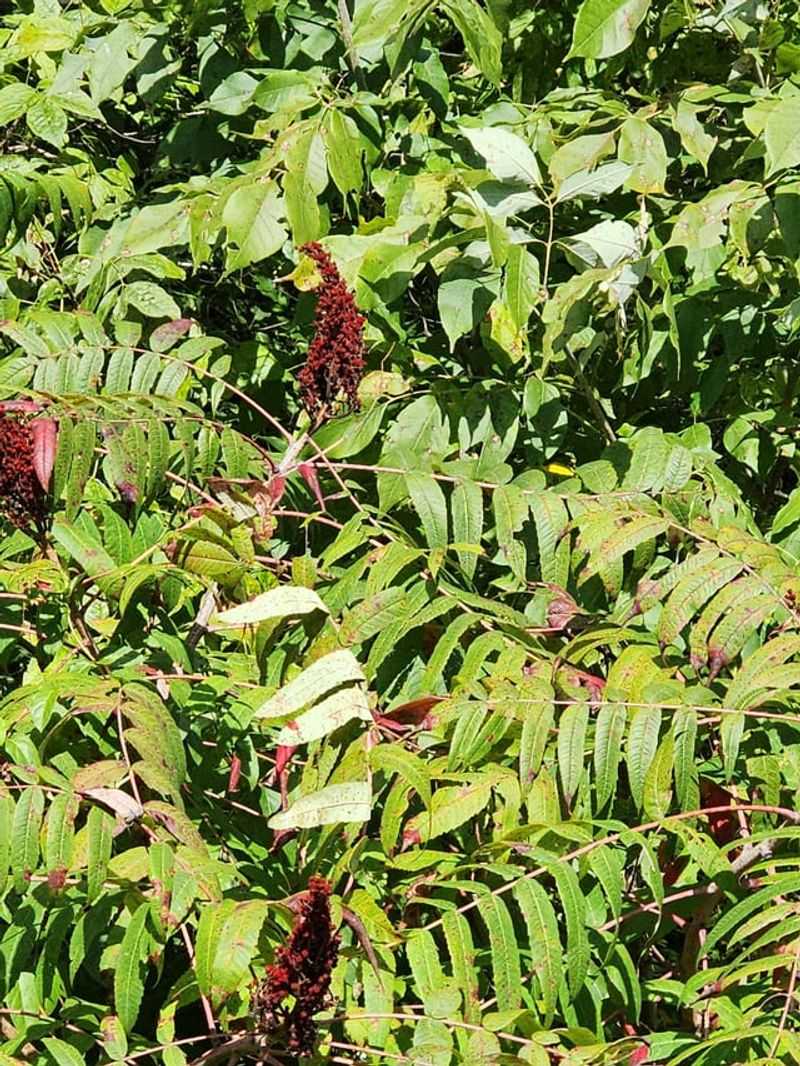
Many hikers spot red sumac and back away fast, worried about an itchy rash for the next week. That fear mostly comes from poison sumac, a different plant that shares part of the same name.
The easiest clue is berry color, because poison sumac produces droopy clusters of pale, whitish gray fruit. Smooth sumac holds its fuzzy red clusters straight up toward the sky, like little cones of flame.
Habitat offers another strong hint, since poison sumac mostly grows in swamps, bogs, and soggy wetland edges. Dry roadside ditches and sunny hillsides in Indiana rarely host it, so roadside red patches are usually safe.
Leaf edges help too, because smooth sumac leaflets have small saw-like teeth running along each side. Poison sumac leaflets have smooth edges and fewer leaflets per leaf, often somewhere between seven and thirteen.
Some people still feel unsure, and that caution is smart whenever you handle any unfamiliar wild plant. A field guide or a plant app can confirm what you see before you pick a single cluster.
Smooth sumac belongs to the cashew family, so folks with cashew or mango allergies should be careful. Talking with a doctor first is a wise move if you have reacted to those foods before.
Once you learn the red-up, white-down rule, the scary mix-up loses most of its power over you. Teach it to kids on your next family drive, and they will start spotting the difference quickly.
A Tangy Pink Drink From Fuzzy Clusters
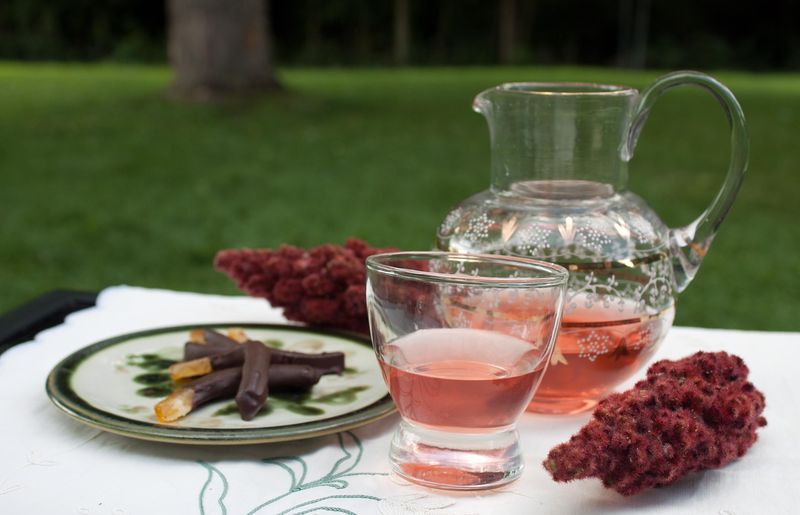
Native peoples and early settlers had a clever trick for turning roadside sumac into a cool, sour drink. Many folks today call it sumac lemonade, even though not a single lemon goes into the pitcher.
Start by snipping five or six bright clusters that pass the lick test for strong, sour flavor. Skip any clusters near busy highways, since road dust and spray can cling to the sticky hairs.
At home, drop the clusters into a big pitcher and pour in about two quarts of cool water. Cold water works best, because hot water pulls bitter tannins from the stems and seeds inside.
Gently squish the berries with clean hands or a wooden spoon to release the tart red coating. Let the pitcher sit for an hour or two, and watch the water slowly turn a rosy pink.
Strain the liquid through a coffee filter or clean cloth to catch every tiny hair and seed. Those little hairs can tickle your throat, so straining twice is a smart idea for picky drinkers.
Stir in a spoonful of honey or maple syrup, then chill it until the glass feels frosty. The flavor lands somewhere between pink lemonade and cranberry juice, with a gentle, earthy finish at the end.
Leftover clusters can be dried, ground, and sifted into a zesty red spice for popcorn or roasted veggies. Cooks across the Middle East have sprinkled a related sumac on kebabs and salads for centuries.
Smart Spread Control In Home Yards
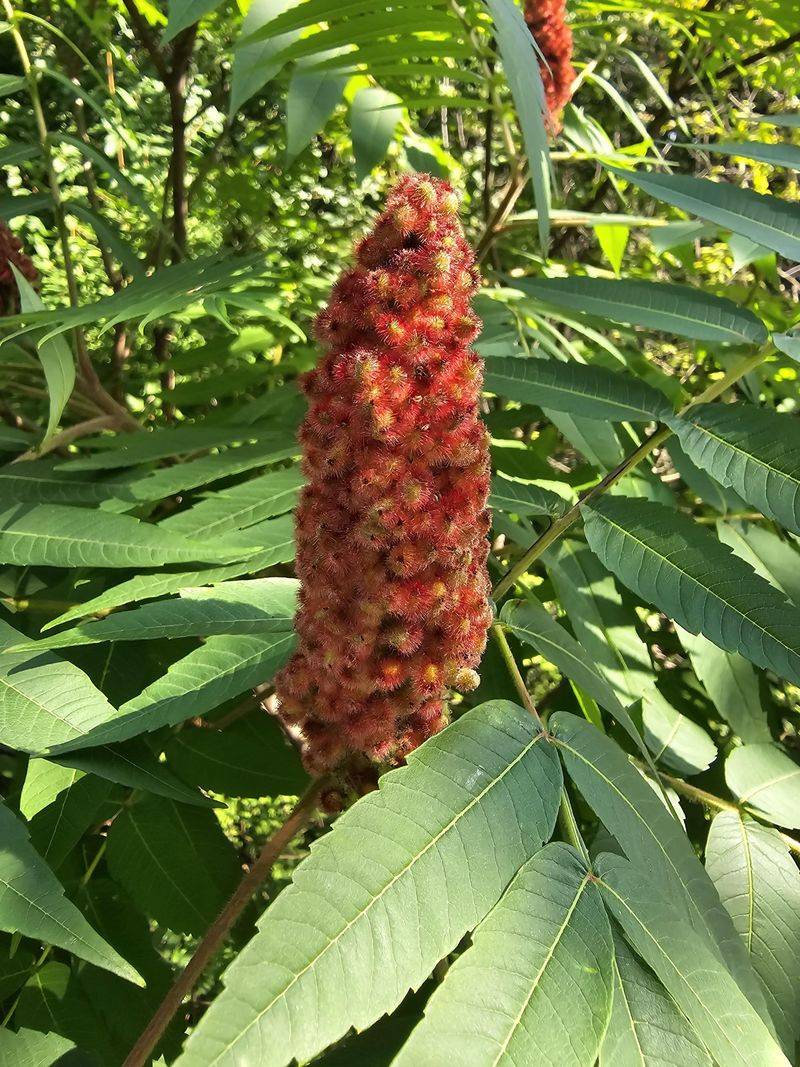
Planting sumac at home can feel like adopting a friendly puppy that grows into a very big dog. Its fall color is stunning, yet those wandering roots can sneak into lawns and flower beds fast.
Early fall is a fine moment to plan, since some Indiana nurseries discount native shrubs this month. Cool soil and steady rain help new roots settle in before the ground freezes.
Choose a spot with room to roam, like a sunny back corner, a slope, or a wild edge. Sumac works beautifully on banks where grass struggles, since the roots help hold loose soil in place.
To keep runners from wandering, mow a wide strip around the patch a few times each season. Regular mowing removes young shoots before they toughen up and turn woody along the sunny lawn edge.
A buried root barrier, about eighteen inches deep, offers another way to control spreading in small yards. Pulling sprouts by hand works too, especially after a soaking rain when the soil feels soft.
Some gardeners pick a female plant on purpose, because only female shrubs carry the fuzzy red clusters. Bees buzz around the small greenish flowers, and the berries later feed birds through the cold months.
With a little planning, your yard can host its own scarlet patch without giving up the whole lawn. Neighbors driving past each October may slow down just to admire that blazing, fuzzy red display.