The St. Louis County Rule Missouri Native Gardeners Should Know
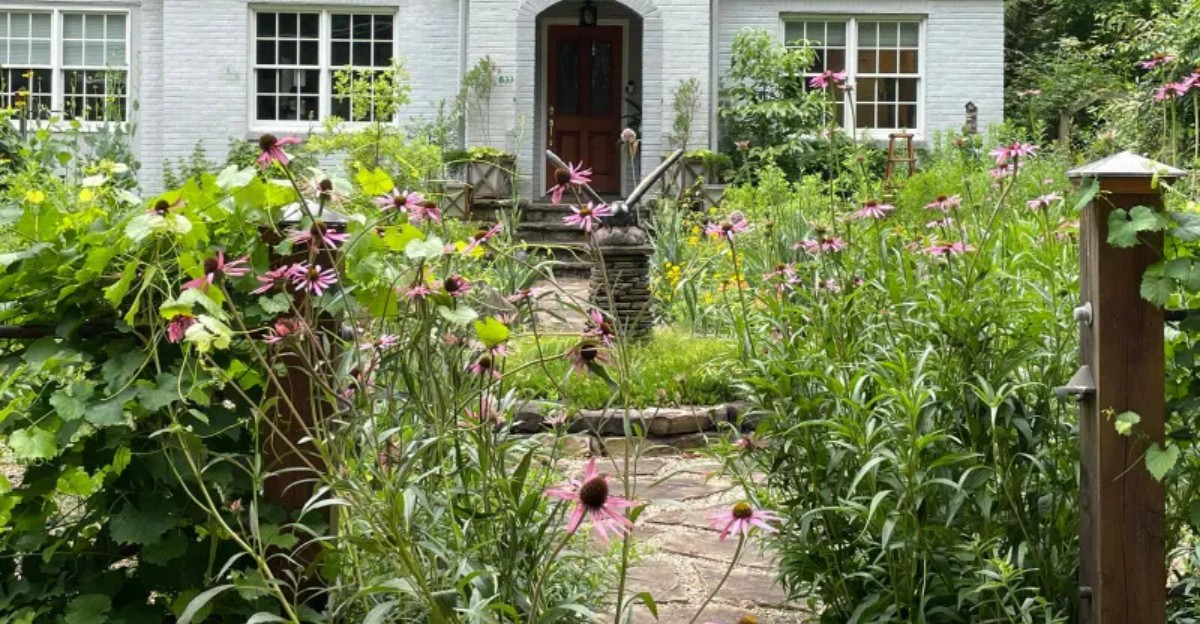
A yard buzzing with bees and glowing gold under the October sun is a lovely thing to own. For years, though, some Missouri neighbors got letters about that exact scene. A few even got fines.
The plants were taller than lawn grass, and that was enough to cause a problem. It felt unfair to people who planted on purpose to help butterflies and birds.
One big county near the Mississippi River has changed how it handles this. The change affects how a yard gets judged, what counts as a weed, and who gets the final say.
Fall is a handy time to catch up on it, since cool Missouri nights make planting easier. Seeds settle in and roots stretch out while the leaves crunch overhead.
A Rule Built For Planned Gardens
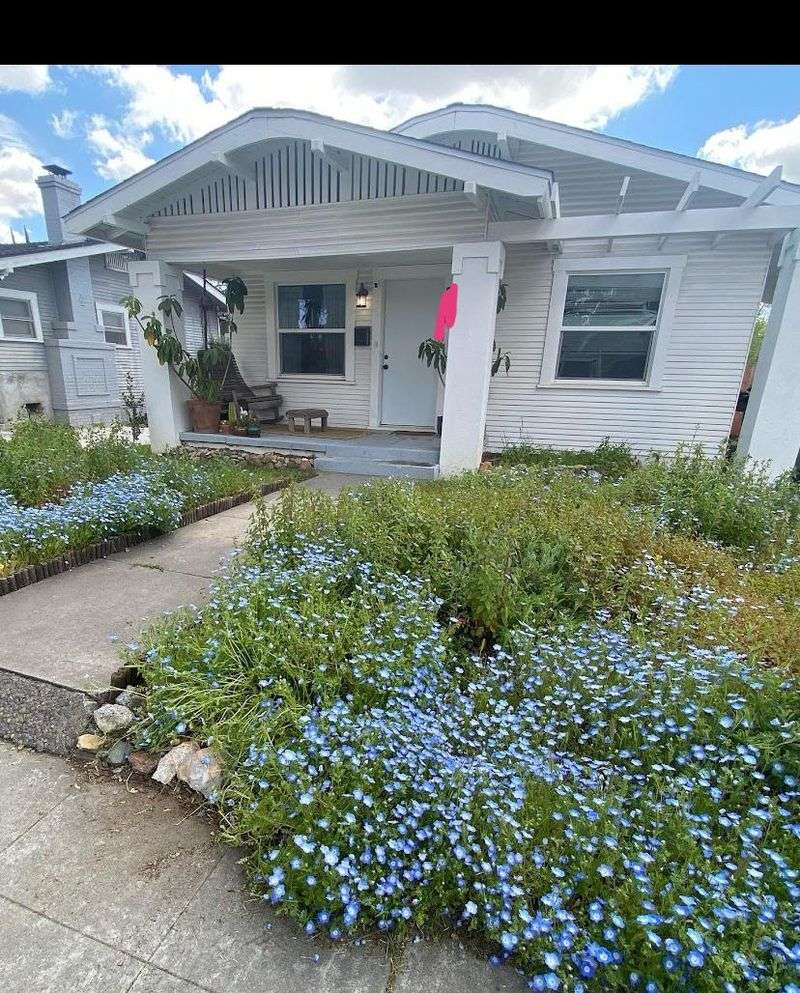
Imagine opening your mailbox in October and finding a friendly flyer instead of a worrying notice from code enforcement. That small shift captures the spirit of the rule the St. Louis County Council in Missouri passed in May 2024.
The county updated its weed ordinance so that managed native meadows, rain gardens, and gardens with native or ornamental plants are exempt from it. In plain terms, tall plants in a maintained garden are no longer treated like a neglected weedy lot.
The key word in the rule is managed. A garden of coneflowers and little bluestem with clear edges and healthy variety reads very differently from a yard full of thistle.
The protection applies mainly to unincorporated parts of the county, since many cities set their own local rules. Kirkwood, Webster Groves, and other towns may follow different codes, so checking with your city hall is smart.
Invasive plants as defined by the Missouri Department of Conservation are not protected, even inside a neat native garden. Bush honeysuckle and Johnsongrass are common examples, and some kinds of thistle are on the noxious weed list too.
Think of the rule as a permission slip, not a free pass to let everything grow wild. Your yard still needs care, but that care can now look like prairie instead of mowed turf.
For many families, the update brings peace of mind and a chance at more birdsong outside the kitchen window. Reading the county code online takes just a few minutes and helps you feel confident about your plans.
The Trouble With Old Weed Rules
Before 2024, the county’s weed ordinance had no exemption for native plants. Anything taller than the set limit could bring a citation, even a carefully planted garden.
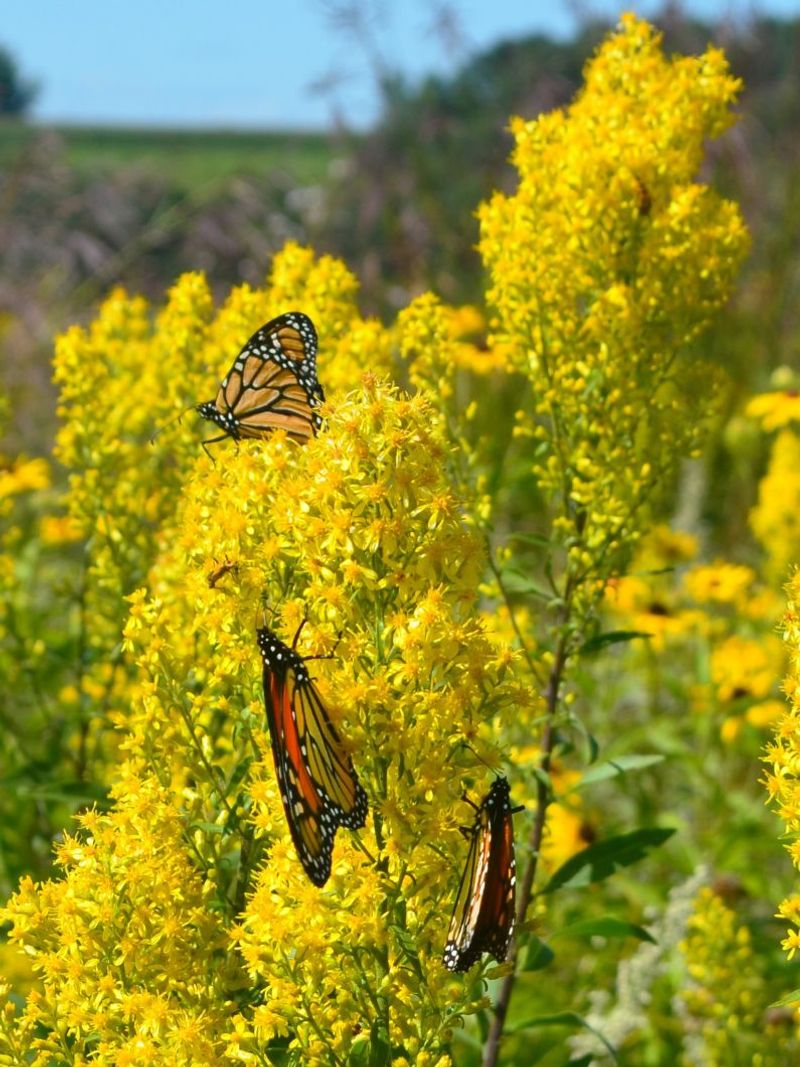
That approach made sense for abandoned lots, where overgrown weeds can hide debris and creep onto neighboring properties. It worked poorly for gardeners who grew milkweed and goldenrod to feed monarchs on their long fall trip.
A ruler cannot tell the difference between a messy yard and a carefully planned pollinator patch. As a result, some residents faced complaints from neighbors who simply did not recognize native plants.
Fun fact, goldenrod often gets blamed for fall allergies, but ragweed is usually the bigger source of sneezing. Mix-ups like that show how easily people misjudge plants that look wild at a quick first glance.
Your Missouri Garden Changes Every Week. Your Plan Should Too.
Gardening in Missouri changes quickly throughout the season. Every Friday you’ll receive a simple weekly plan showing exactly what to plant, prune, fertilize, harvest, and protect so you never miss the right timing.
Conservation groups and gardeners pushed for change, pointing out that native plants soak up stormwater and support insects. Their deep roots can reach three feet or more, helping heavy St. Louis clay drain after a hard rain.
In May 2024, council members voted unanimously to update the code. The change keeps weed control in place while making room for wildlife habitat.
Knowing this history helps you explain your garden calmly if a curious neighbor ever asks about it. A friendly chat over the fence can often clear things up before an official letter is needed.
Fall Timing For Native Planting
October is a good planting month in the St. Louis area of Missouri, since fall gives new plants time to settle in. Warm soil and cool air give new roots a cozy head start before winter settles over the region.
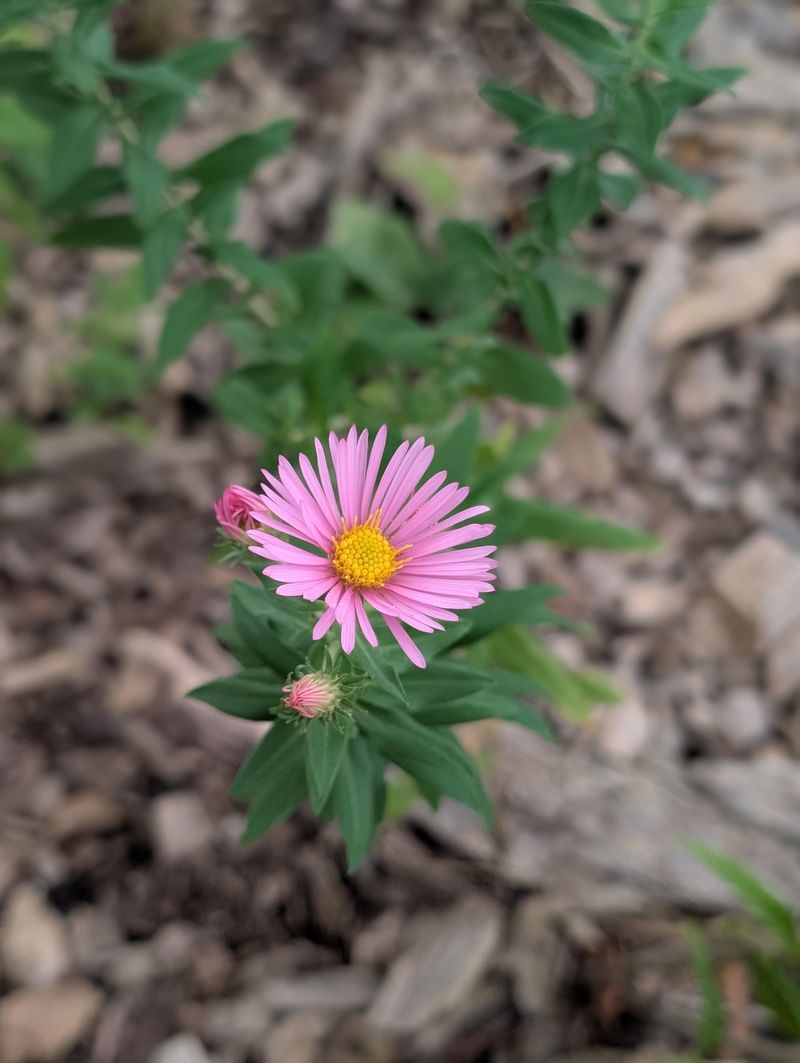
Potted plugs of aster, prairie dropseed, and rattlesnake master can go in the ground now. Water them deeply about once a week during dry stretches until the ground freezes.
Many native seeds need a cold, damp winter before they sprout, a natural process called stratification. Scattering seed in late fall or early winter lets nature handle that chilly step for you.
Fall is also a smart time to tidy edges, since crisp borders can show neighbors and inspectors that your garden is planned. A fresh strip of mulch or a short stone line along the sidewalk makes a big visual difference.
Try to leave seed heads and hollow stems standing through winter, because many birds and native bees use them for food and shelter. Goldfinches enjoy pecking at coneflower heads on frosty mornings, and watching them can brighten a gray day.
Cutting everything to the ground in October may look neat, but it removes valuable winter shelter. A middle path works well, trimming plants near the street while leaving the back beds natural.
Planning now also gives you a quiet winter to sketch next year’s layout with a mug of cocoa. By spring, you will have a clear plan and a few photos to show anyone who asks about your garden.
The Messy Yard Mistake
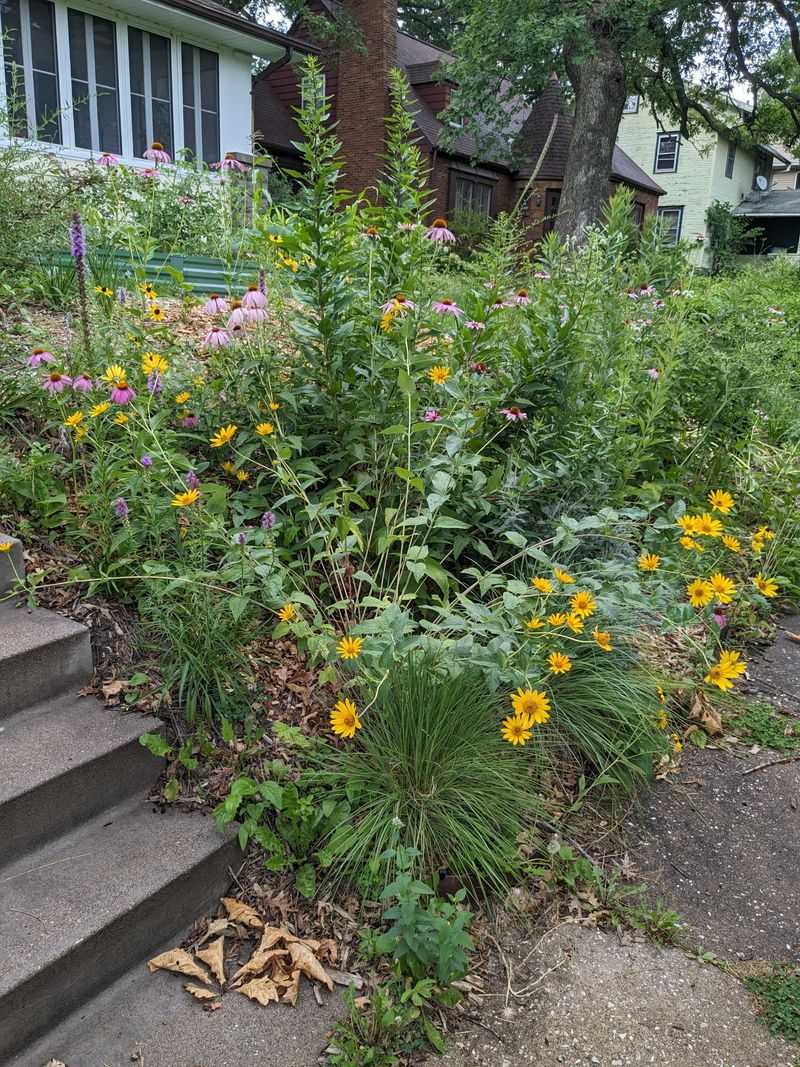
Native does not mean neglected, and that idea catches many new native gardeners by surprise. Some folks hear about the new rule, park the mower, and expect a prairie to appear.
What often shows up instead is a tangle of crabgrass, ragweed, and bindweed that nobody planted on purpose. Inspectors can still cite yards like that, because the rule protects managed gardens, not abandoned ones.
Another common slip is letting plants flop over sidewalks, blocking walkers, strollers, and the view at corners. Rules about clear paths and visibility can still apply, even to the prettiest prairie patch in town.
Ignoring invasive plants is a third mistake, and it can quietly undo much of your hard work over time. Wintercreeper and bush honeysuckle spread quickly, crowding out natives and sometimes catching the attention of a passing inspector.
Skipping communication with neighbors can also cause trouble, since many complaints start with confusion, not anger. A yard that looks wild with no explanation invites questions, and sometimes a phone call to the county.
The fix starts small, with a weekly walk through your beds to pull unwanted sprouts by hand. Fall weeding is often easier than summer weeding, since cooler, damper soil lets roots slide out with less effort.
Think of your garden as a living room for wildlife, cozy and full but still tidy enough for guests. A little regular care helps keep your neighbors comfortable and the butterflies coming back.
Signs Of An Intentional Garden
Imagine a gardener in Oakville, Missouri, who adds one small wooden sign, and the whole street sees her yard differently. Visual cues like that can show inspectors and neighbors that the tall plants are part of a real plan.
Habitat signs from groups like the National Wildlife Federation or Monarch Watch are popular choices. They are affordable, look charming near the sidewalk, and quietly answer questions before anyone needs to ask.
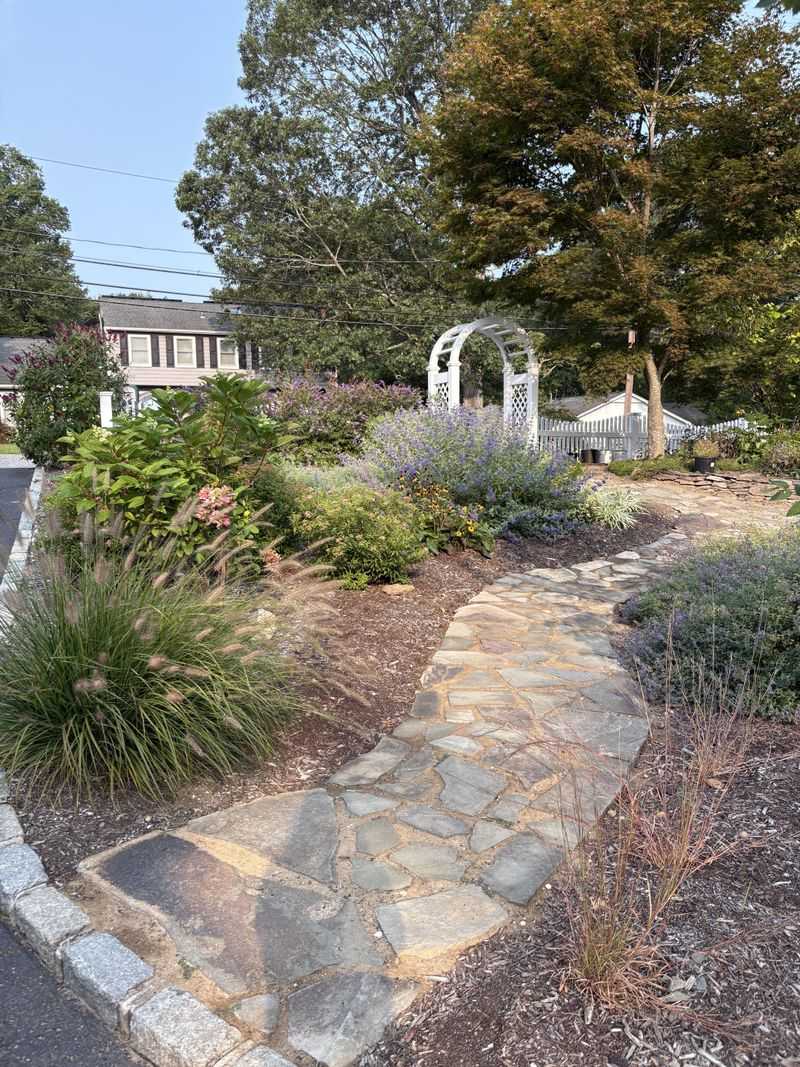
Clean edges make a strong impression, because a crisp border frames wild plants like a picture frame. Try a mowed strip of lawn, a row of bricks, or a low fence along the front.
Paths help too, since a simple mulch trail shows that people actually walk through and care for the space. Add a bench or birdbath, and the garden starts to feel like an outdoor room instead of an overgrown patch.
Grouping plants in clusters of three or five looks more designed than scattering single plants randomly everywhere. Shorter natives like prairie dropseed work nicely along the front, with taller plants stepping up toward the back.
Keeping a simple garden journal with plant lists and receipts can also help if questions ever come up. Photos from each season give you a record that the yard has been planned and tended over time.
None of these touches requires a big budget, just a free weekend and a bit of creativity. Early October weather, with its mild afternoons and golden light, makes the work feel surprisingly pleasant.
Lasting Habits For A Welcome Native Yard

Gardens grow like friendships, slowly and with a little regular attention from the people who care about them. Building good habits now helps your native yard stay welcome on the block for many years ahead.
Start by checking your address on the county website to confirm whether county or city rules apply. Rules can change, and the council even considered repealing this one in 2025 before dropping the idea, so a quick look each fall is worthwhile.
Sharing extra plants is a lovely way to win over neighbors, especially when divisions are easy each autumn. A pot of black-eyed Susans on a neighbor’s porch can turn a skeptic into a curious fan.
Joining local groups, like Wild Ones St. Louis, a Missouri chapter of the national native-plant group, connects you with experienced native gardeners nearby. Members can share seeds, tips about tricky invasives, and advice if a code question arises.
Set a simple yearly calendar, with fall planting, late winter cutbacks, and regular weeding during the growing season. Small tasks spread across the year feel much lighter than one giant cleanup weekend in a panic.
Over time, your yard may attract monarchs, bumblebees, and songbirds that rarely visited a plain lawn before. Those visitors are a nice reminder of why the county updated the rules.
Patience matters most, since native plants often sleep their first year, creep the second, and leap the third. Keep that old garden saying in mind, and your yard can reward you with color for seasons ahead.