This October Mistake Could Leave Georgia Christmas Cactus Owners With Fewer Holiday Blooms
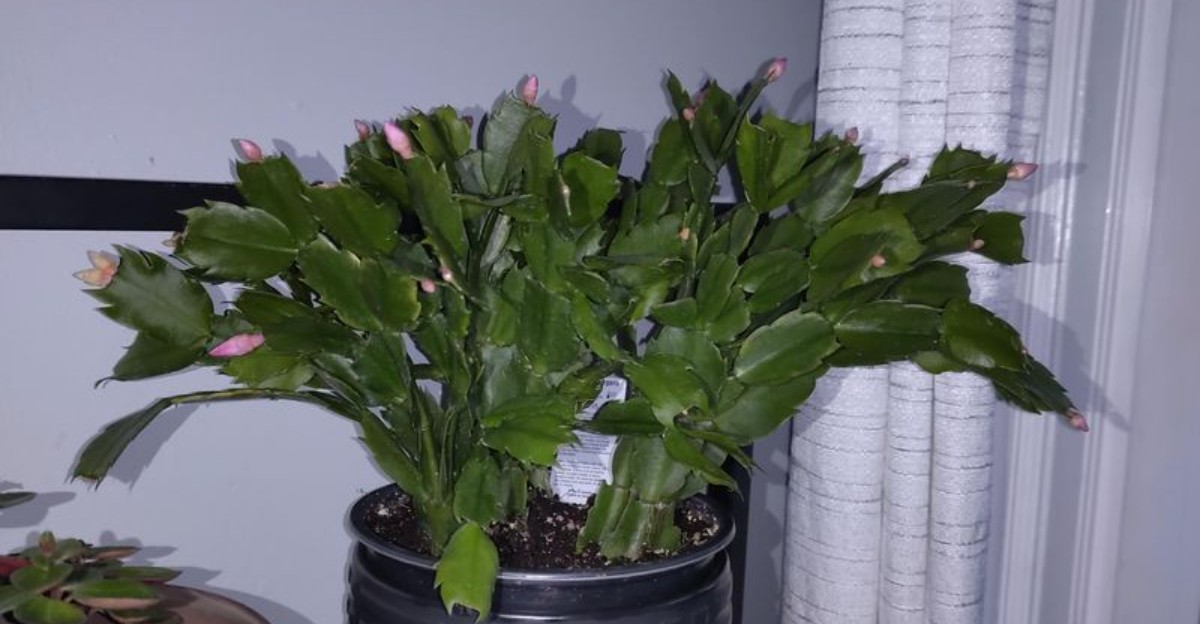
Holiday cactus buds that drop before they ever open are one of the more disappointing surprises of December.
Much of that trouble starts weeks earlier, right around now. October is when these plants begin responding to the changes in light and temperature that trigger flower buds.
Christmas cactus needs long, uninterrupted nights and cooler conditions to set a good, full crop of buds.
One common household habit can quietly interfere with that process, often without anyone noticing until the holidays.
Plenty of plants come back indoors from the porch this month, and where they end up matters. Many homeowners in Georgia set them in the busiest room of the house without a second thought.
Think carefully about where yours sits after dark while the buds are still forming this fall.
1. Healthy Green Stems Can Still Produce Few Or No Flowers
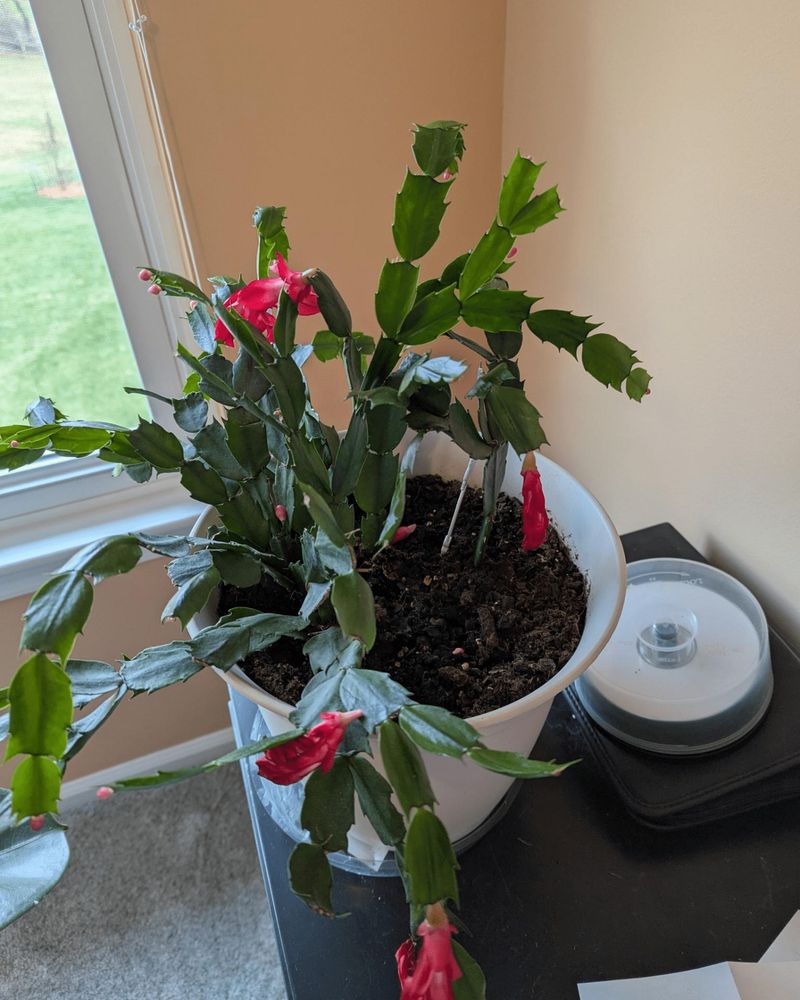
Green, plump stems can fool you. A holiday cactus may look like the healthiest plant in the house and still skip its flower show.
Growth and blooming run on different signals, so good leaves do not promise buds.
In fall, these plants watch the length of the night. If lamps or room lights stay on in the evening during the bud-setting period, the plant may keep growing stems instead of making flowers.
That is the October mistake that catches so many Georgia owners off guard.
Your cactus is not sick or stubborn in that case. It simply has not received the message that the season has changed.
Other factors can play a part too, so it helps to rule them out. Very warm rooms, heavy fertilizer late in the year, or soggy soil can all reduce bud set in some plants.
A quick check of your plant’s spot can tell you a lot.
Notice whether it sits near a lamp, a TV, or a doorway that lets hallway light spill in after dark. Even ordinary household lighting can be enough to interrupt the signal for some plants, though sensitivity varies from one plant to another.
If buds have not shown up by mid to late October, there is still time to adjust. Moving the plant to a darker, cooler place may help it catch up, though results can differ with each plant.
2. Many Holiday Cactus Plants Are Actually Thanksgiving Types
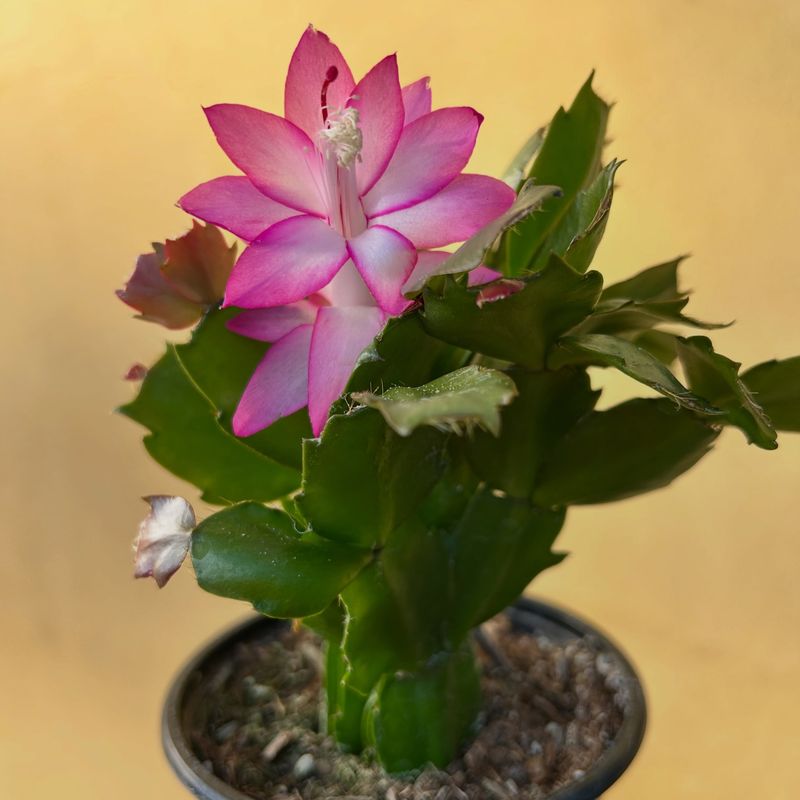
Check the leaf edges before you judge your plant. That cactus labeled Christmas at the store could easily be a Thanksgiving cactus.
Thanksgiving cactus, Schlumbergera truncata, is widely sold during the holidays and often carries a generic label.
Look closely at the flat stem segments. Thanksgiving types have sharp, pointed teeth along the edges that look a bit like small claws.
True Christmas cactus, usually sold as Schlumbergera x buckleyi, has smoother, rounded edges with gentle scallops.
Bloom timing tends to differ between the two. Thanksgiving cactus often flowers from about mid November into early December, while Christmas cactus commonly blooms a few weeks later.
Knowing which one you own changes your planning in a Georgia home.
Your Georgia Garden Changes Every Week. Your Plan Should Too.
Gardening in Georgia changes quickly throughout the season. Every Friday you’ll receive a simple weekly plan showing exactly what to plant, prune, fertilize, harvest, and protect so you never miss the right timing.
A Thanksgiving type usually begins setting buds earlier in fall, so its sensitive period starts sooner. Waiting until late October to fix a lighting problem may leave less time for it to respond.
Both kinds react to long nights and cool temperatures in similar ways. The main difference is the calendar, along with small shape details you can spot in seconds.
Flower shape gives another clue once blooms appear, though it is less reliable for beginners. Stem edges stay the easiest way to tell them apart year round.
Once you know your type, you can match your care schedule to its natural rhythm.
3. Long, Uninterrupted Nights Encourage Flower Buds To Form
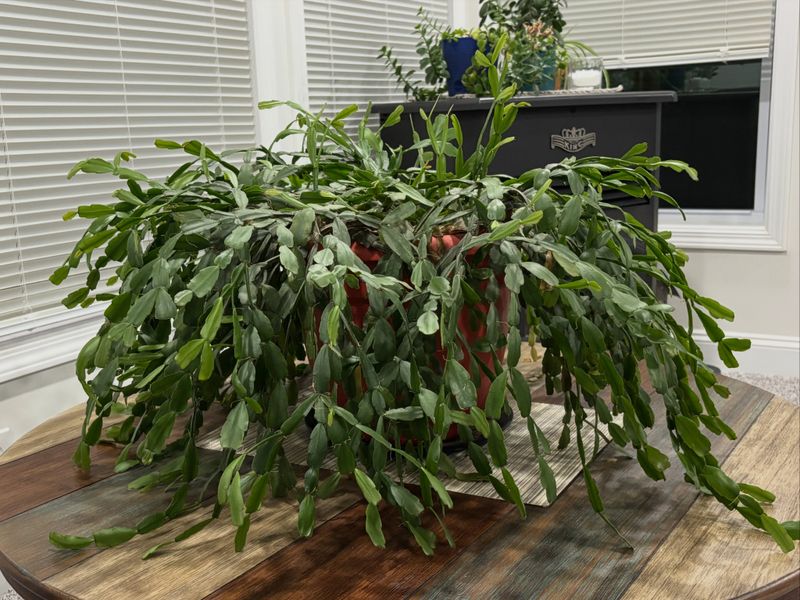
Darkness does real work for this plant. Holiday cacti are short-day plants, which means long nights help trigger flower buds.
University Extension sources commonly suggest giving them roughly 12 to 14 hours of darkness each night for several weeks in fall.
Notice the word uninterrupted. A quick burst of light in the middle of the night may be enough to reset the process for some plants.
Outdoors, nights naturally grow longer as fall moves along. Indoors, though, our homes stay bright well past sunset, which can blur that seasonal change.
Most Georgia households keep lights on until bedtime, and that adds hours of extra brightness.
Daytime light still matters. Bright, indirect light during the day helps the plant stay healthy and store energy for flowering.
Aim for a simple daily routine that copies nature.
Give your cactus good daylight, then let evening darkness take over without lamps or overhead lights. Some gardeners cover the plant with a box each evening, but forgetting to remove it can block needed daytime light.
Results will vary with temperature, plant age, and overall health. Even so, steady long nights are one of the most reliable tools you have for encouraging buds.
Once buds are visible and growing, the strict darkness routine becomes less critical for most plants.
4. Cooler Temperatures Can Also Nudge It Into Blooming
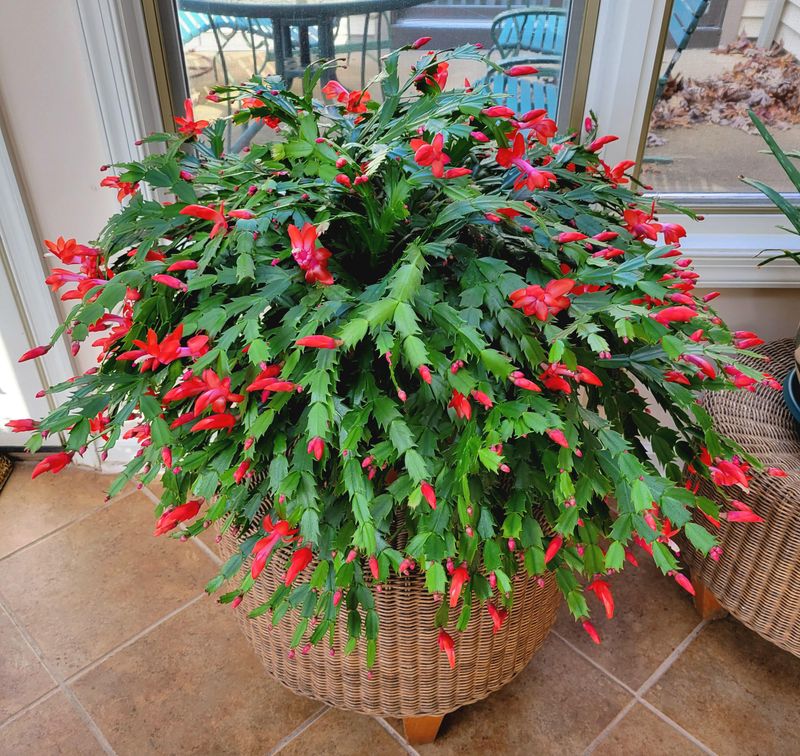
Cool air acts like a second alarm clock. Along with long nights, lower temperatures can push holiday cacti toward bud set.
Extension guidance often points to nighttime temperatures around 50 to 60 degrees Fahrenheit as helpful.
When nights stay cool enough, the plant may set buds even if the light schedule is less than perfect. Warm rooms, on the other hand, can make strict darkness more important.
Fall weather in Georgia can work in your favor here, depending on where you live.
North Georgia and the mountains often cool down sooner, while coastal and southern areas may stay warm deeper into October. A covered porch or patio can offer helpful cool nights for a few weeks in some locations.
Watch the forecast closely if you keep your plant outside.
Holiday cacti are not frost hardy, so bring them in well before nights near freezing. Sudden cold snaps happen in fall, and even a short chilly night can damage tender stems.
Indoors, a cooler room away from heater vents may be enough. Avoid drafty spots where cold blasts and warm air keep swapping places.
Every home and plant reacts a little differently, so think of temperature as a helper rather than a sure fix. Combined with long nights, it gives your cactus a much clearer seasonal message.
5. Evening Lamps In A Busy Room Can Interrupt That Signal
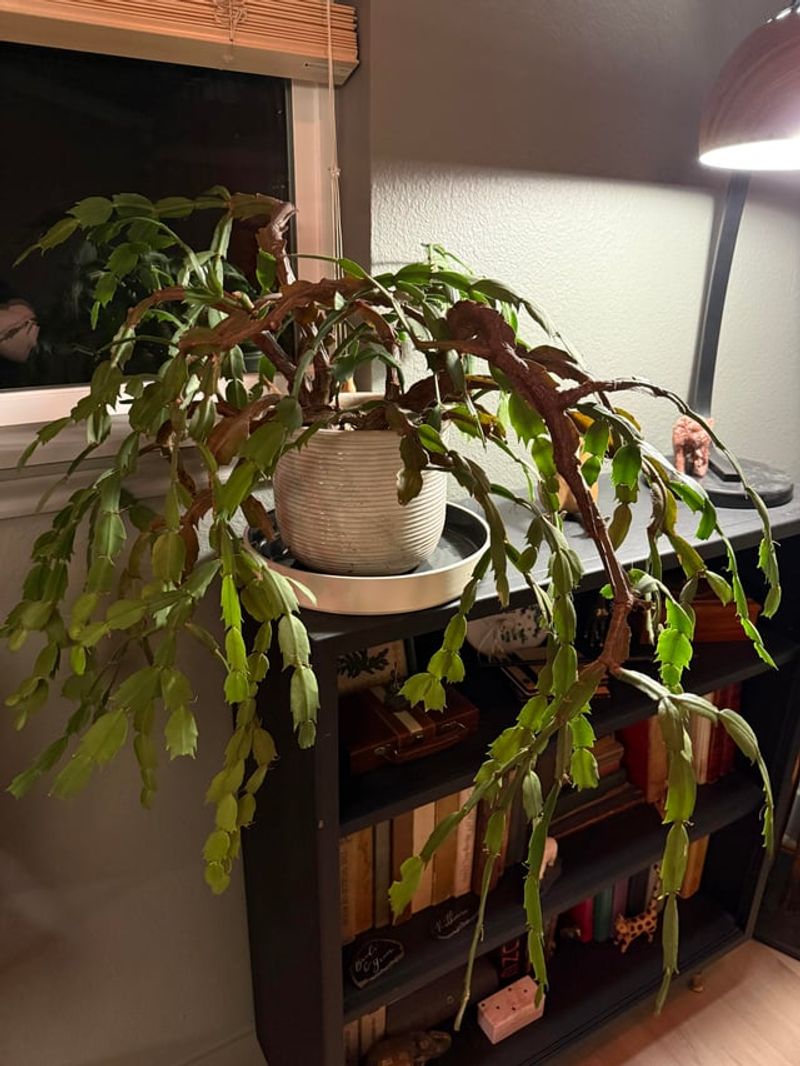
Picture a typical weeknight at home. Kids do homework, someone watches TV, and the lamps glow until bedtime.
Your cactus sits right in the middle of it all, soaking up that light.
Family rooms and kitchens are often the brightest spaces after dark. That makes them handy spots for showing off plants, but tricky places during the fall bud-setting window.
Every extra hour of evening light shortens the night your plant experiences.
Lamps, overhead fixtures, and even porch lights shining through a window can add up. How sensitive a plant is depends on the brightness, distance, and the plant itself.
Small light sources, like a phone screen across the room, are less likely to matter. Strong lamps a few feet away deserve more attention.
In many Georgia homes, the coziest corner is also the brightest one at night.
Try a simple test. Stand where your cactus sits at 9 p.m. and notice how much light reaches it, because if you could easily read a book there, the plant may be getting more than it needs.
You do not need to give up your evening routine. Moving the pot for a few weeks in fall is usually easier than changing how your family lives.
Once buds form, the plant can return to its showy spot with care.
6. A Spare Bedroom Can Offer The Darkness It Needs
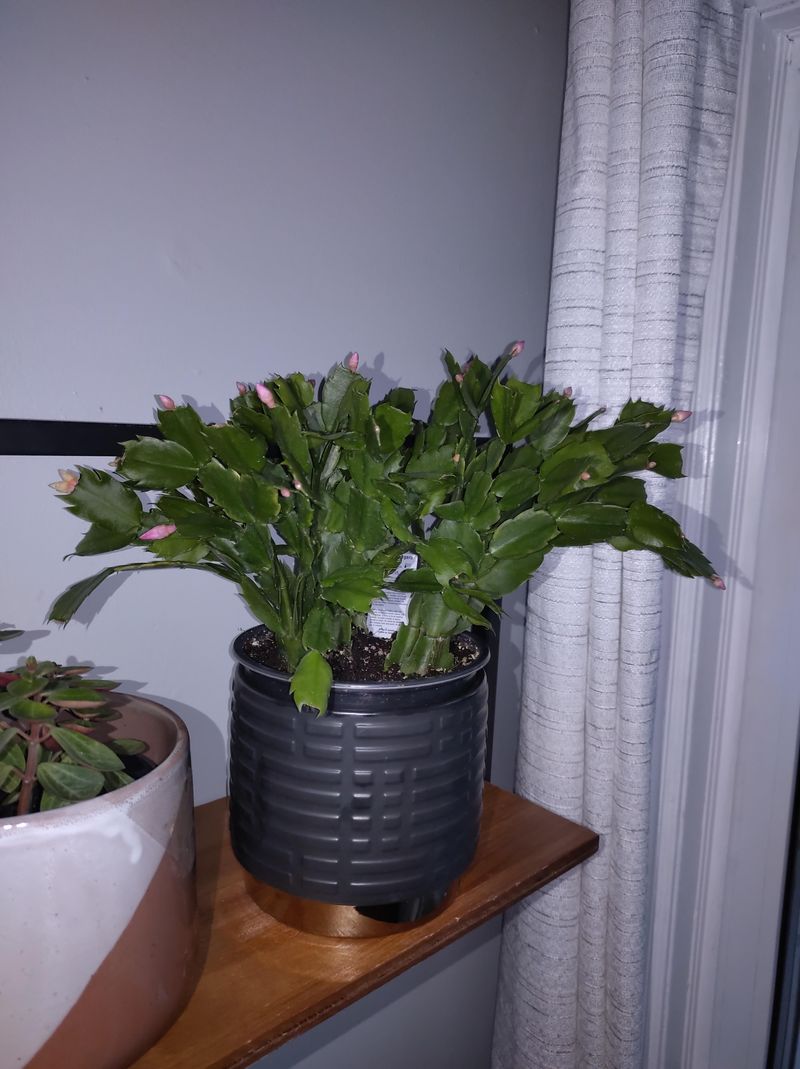
Quiet rooms make great bloom rooms. A guest bedroom that sits unused most evenings can give your cactus exactly the long nights it craves.
Look for a space that gets bright, indirect daylight but stays dark once the sun sets.
An east or north window often works well. Harsh afternoon sun through glass can scorch stems, so filtered light is the safer choice.
Guest rooms are often a bit cooler too, especially when vents are partly closed. That combination of darkness and mild temperatures can be very helpful for bud set.
Remember to keep the door closed in the evening so hallway light stays out.
Watering needs may change in a cooler room. Check the soil with your finger and water when the top inch feels dry, rather than following a fixed schedule.
Laundry rooms, home offices used only in daytime, or a seldom-used dining room can also work in a pinch.
Georgia homes vary widely, from older houses with drafty windows to tightly sealed new builds. Choose whatever space best fits the plant’s need for daylight, dark nights, and steady, cool air.
Plan for the plant to stay there several weeks. Once buds are clearly visible, you can decide whether to move it to a more visible spot or leave it in place.
7. Moving Plants After Buds Form May Cause Them To Drop
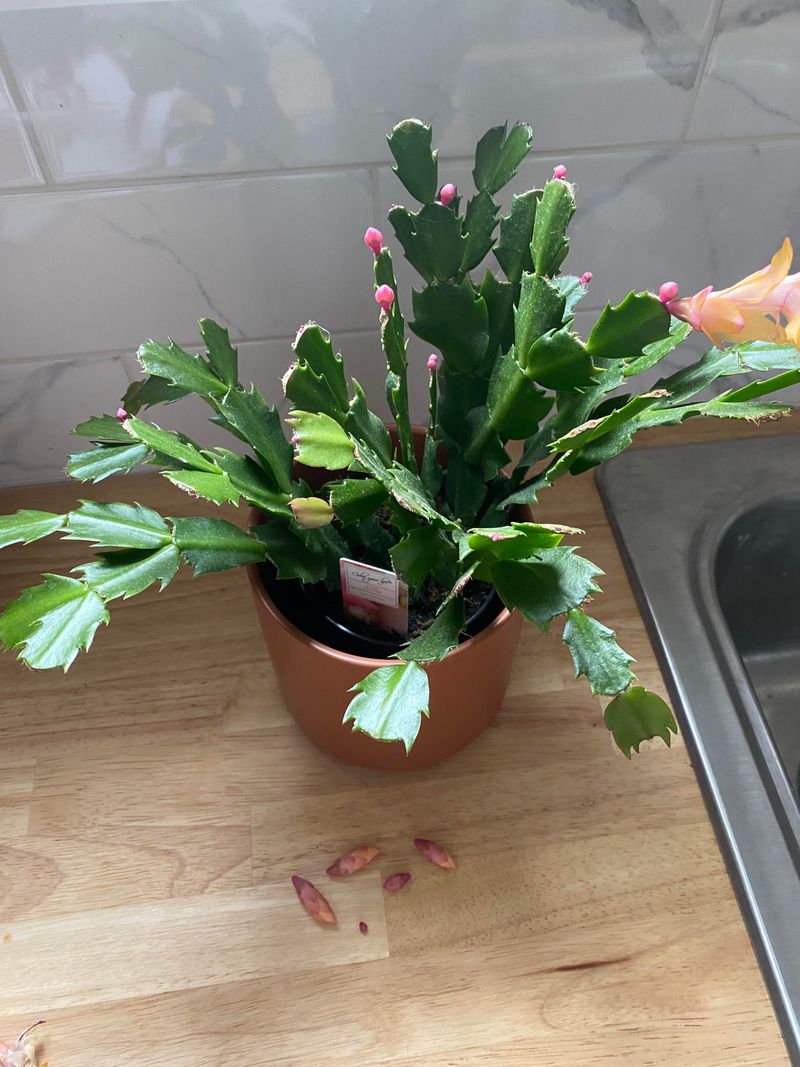
Few things sting like finding buds scattered on the floor. Bud drop is a common frustration with holiday cacti, and sudden changes are a frequent trigger.
Once buds form, these plants tend to prefer staying put.
Big shifts in light, temperature, or humidity can stress a budded plant. Moving it from a cool, dim room straight into a warm, bright spot near a heater may cause some buds to fall.
Watering also plays a role in Georgia homes. Letting the soil go bone dry, or keeping it soggy, can both lead to bud loss in some cases.
Buds may drop for other reasons too, so do not assume one cause right away.
If you want the plant on display, move it gently and gradually when possible. Choose a spot with similar light and temperature to where the buds developed.
Keep it away from heat vents, fireplaces, and drafty doors that open often during holiday gatherings.
Some growers avoid turning or rotating the pot once buds appear. Buds tend to face the light, and changing direction may encourage a few to fall, though not every plant reacts this way.
A little patience in late fall can protect weeks of careful effort and reward you with a fuller holiday display.