Missouri Lawns Browning Overnight May Have Caterpillars Hiding In Them
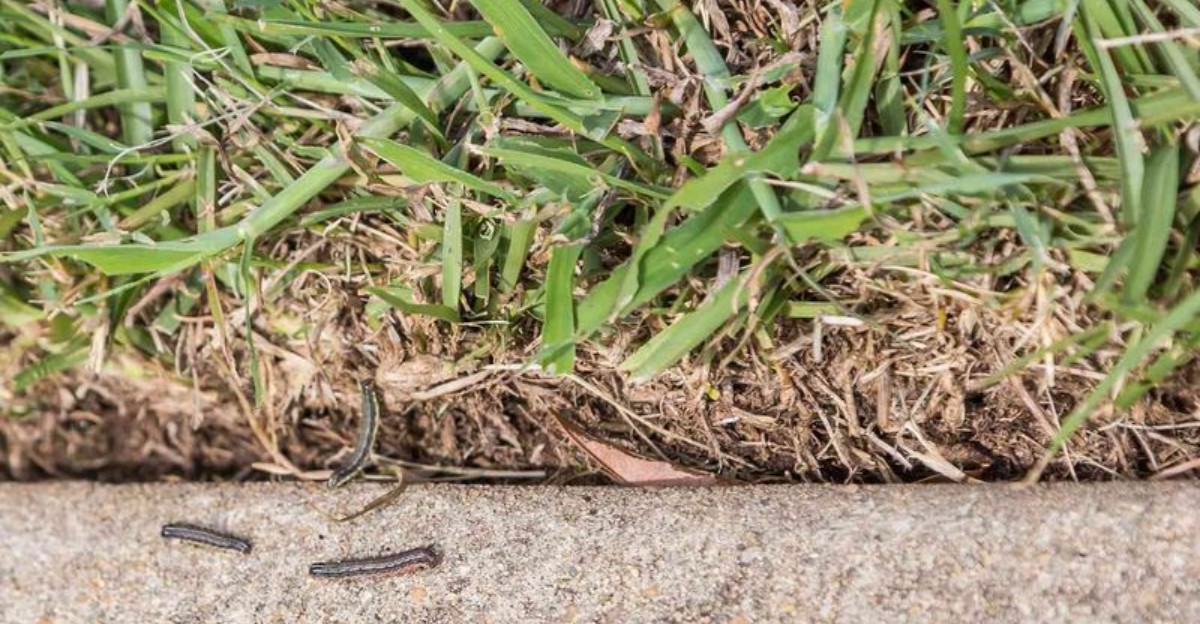
One morning your yard looks like a green carpet, and by the next weekend it resembles burnt toast. Missouri homeowners know that sinking feeling well.
You blame the heat, the sprinkler, maybe the neighbor’s dog. Yet the brown spots keep spreading, one patch after another.
Kneel down and the grass feels crunchy, almost like stepping on cereal. Up close, the blades look ragged, as if the lawn hosted a secret buffet.
Birds seem oddly thrilled with your yard lately, hopping and pecking with real enthusiasm. Across Missouri, flocks of starlings may know something you do not.
The culprit is small, hungry, and very good at hide-and-seek. Your lawn, it turns out, has been catering an all-you-can-eat party without sending you an invitation.
Fall Armyworms Behind The Sudden Brown Patches
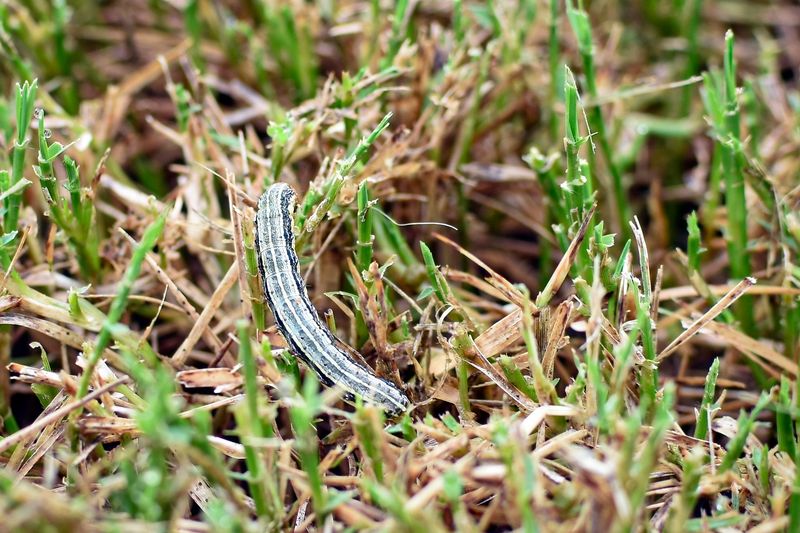
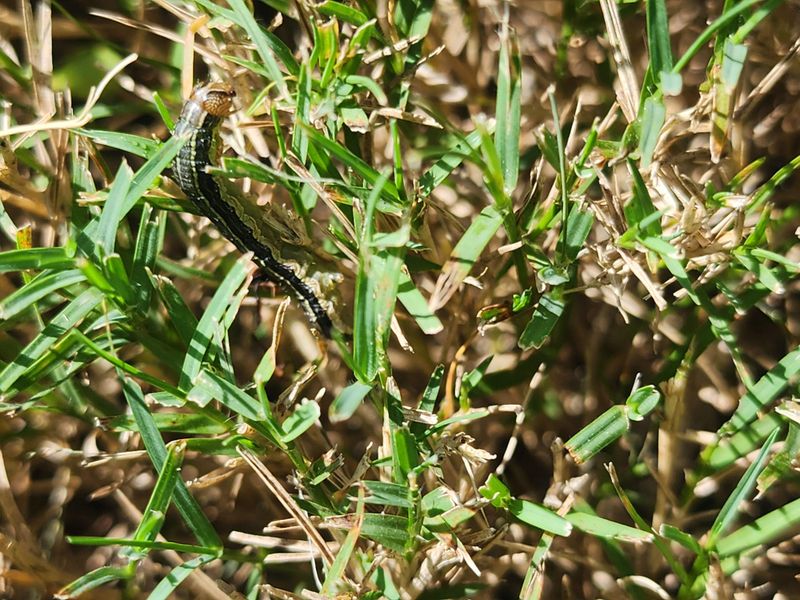
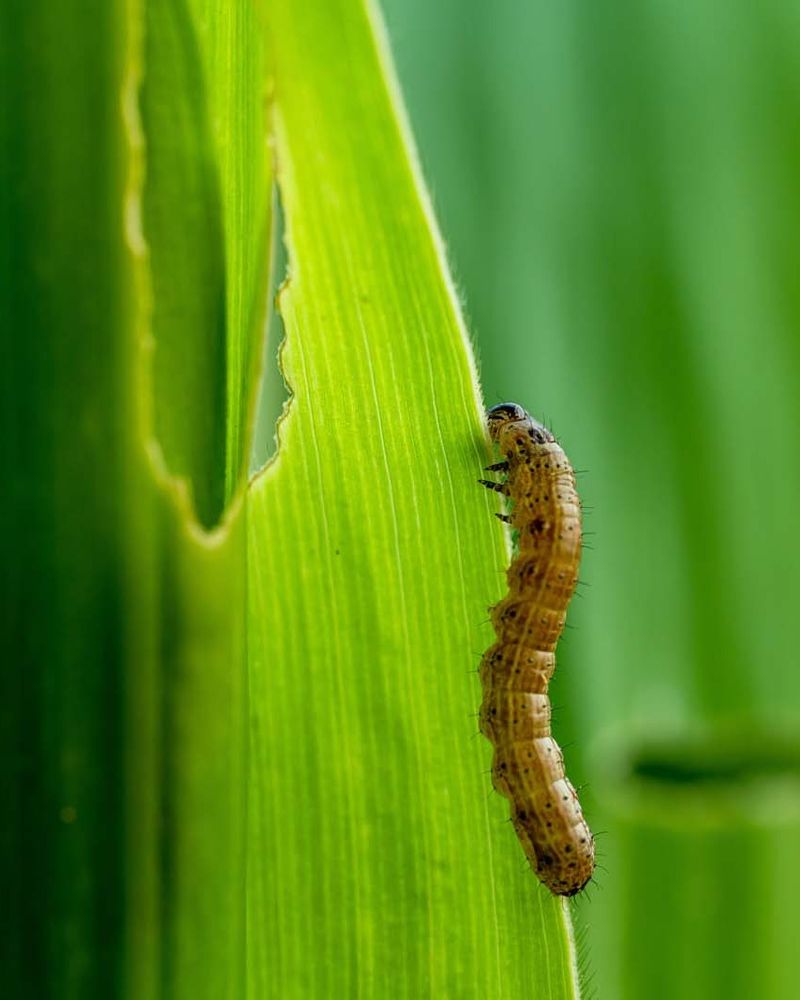
Picture a caterpillar with an upside-down Y on its face, munching grass like a tiny lawnmower with no off switch. That little striped muncher is the fall armyworm, and it can strip a yard in days.
These pests do not spend winter in Missouri because the cold is too harsh for them. Instead, moths ride warm southern winds north each summer and lay eggs on grass, fences, and even house siding.
Once the eggs hatch, the young caterpillars start small and eat lightly. Over two to three weeks, they grow to about an inch and a half and eat far more.
Most of the damage happens in the final few days of their growth. A lawn can look fine on Monday and patchy brown by Friday, which explains the overnight surprise.
The caterpillars chew leaf blades down to the stems, leaving grass that looks scorched or ragged. They often travel in groups, moving across a yard side by side in a hungry crowd.
Their name comes from that group-feeding habit, which farmers noticed long ago in crop fields. Hayfields, pastures, and golf courses in Missouri get hit too, so your lawn is in big company.
Look closely for green, brown, or nearly black caterpillars with light stripes along their sides. Four dark dots forming a square near the tail end is another handy clue.
They tend to hide near the soil during hot afternoons, so a quick glance at noon may miss them. Early morning or evening checks give you a much better shot at spotting the crew.
Late Summer Timing In The Show-Me State
Late August through early October is prime feeding season for these caterpillars across Missouri. By September, moth flights from the South have often already arrived in many parts of the state.
Wet summers can make things worse because lush, green grass is what hungry larvae prefer. A rainy stretch followed by warm nights sets the table for a big outbreak.
Southern Missouri tends to see activity first, since the moths reach the Bootheel before Kansas City or Hannibal. Still, any part of the state can be hit during a heavy year.
Some years bring barely any trouble, while others bring heavy outbreaks across whole neighborhoods. Extension offices across the Midwest tend to get a surge of calls in the worst seasons.
Your Missouri Garden Changes Every Week. Your Plan Should Too.
Gardening in Missouri changes quickly throughout the season. Every Friday you’ll receive a simple weekly plan showing exactly what to plant, prune, fertilize, harvest, and protect so you never miss the right timing.
More than one generation can hatch in a single season, so a lawn might get visited more than once. A yard that survived August could still face a fresh wave in late September.
The first hard frost finally ends the feast, since these pests cannot handle freezing temperatures. Until then, keep an eye on your grass every few days during warm spells.
Newly seeded lawns deserve extra attention because tender young grass is an easy target. If you overseeded in early fall, those fresh sprouts are basically salad for caterpillars.
Mark your calendar with a reminder to scout around Labor Day each year. That small habit can save you a lot of frustration and money down the road.
Neighbors are helpful here too, since outbreaks often hit a whole street at once. A quick chat over the fence might warn you before the first brown patch appears.
The Costly Mistake Of Blaming Drought
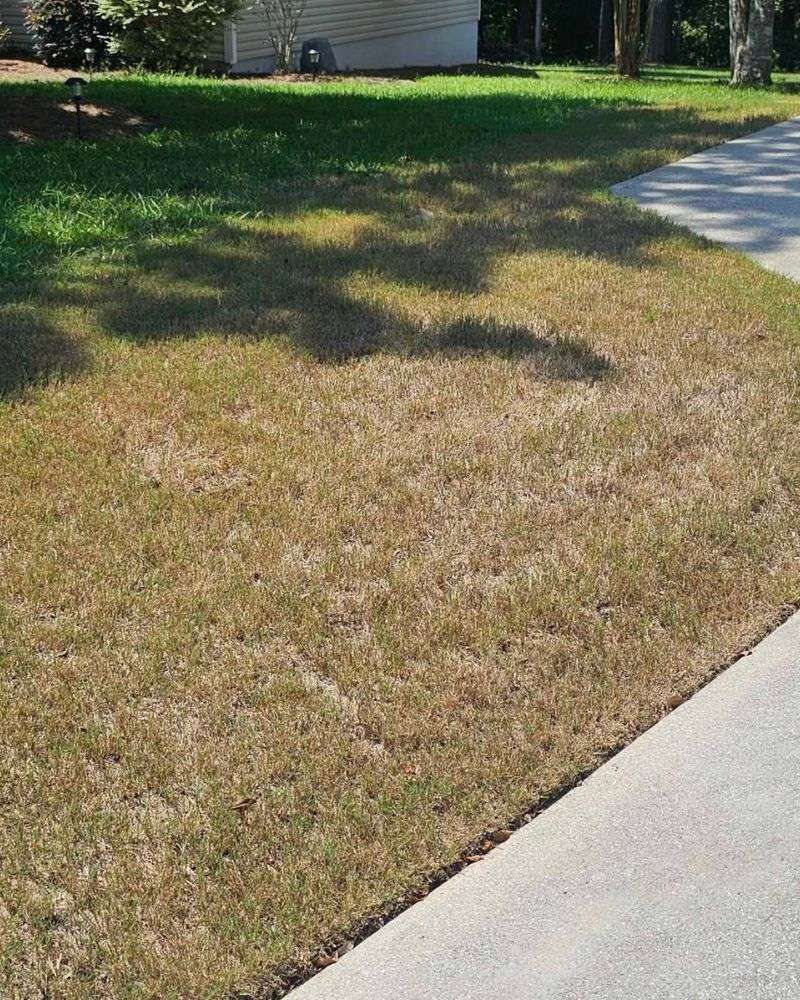
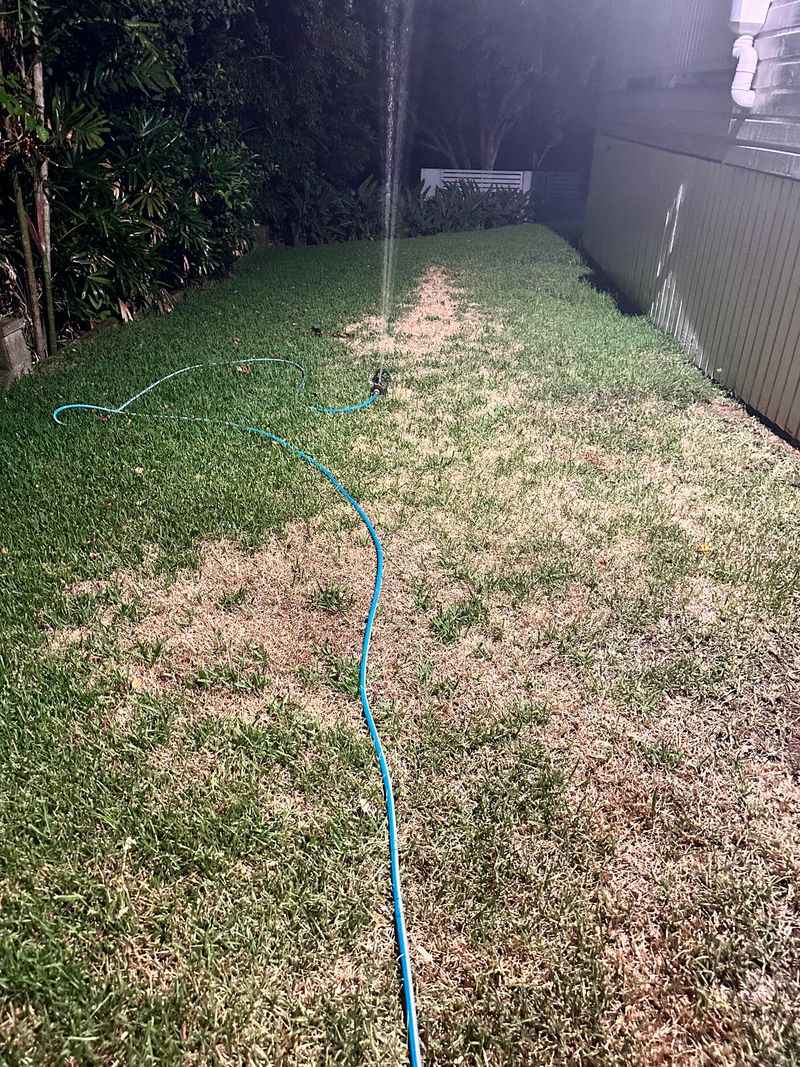
Grabbing the garden hose feels like the right move when grass turns brown in late summer. Unfortunately, extra water does nothing to stop caterpillars that are busy chewing your lawn.
Many Missouri homeowners assume heat stress or drought is the problem, and who could blame them? Brown grass after a hot August looks pretty much the same no matter the cause.
Drought damage usually shows up slowly and evenly, often starting on slopes or sunny spots. Armyworm damage, on the other hand, appears fast and seems to spread outward from one area.
Another clue is the blades themselves, which look chewed or see-through instead of just dry. Drought-stressed grass tends to fold and turn bluish gray before browning.
Watering a caterpillar problem wastes time, money, and a surprising amount of water. Worse, those precious days let the larvae keep eating until little green is left.
Some people also mistake the damage for fungus and spray the wrong product. Fungicides will not bother a caterpillar one bit, so the problem carries on.
Before treating anything, take a few minutes to kneel down and part the grass at the edge of a brown patch. Look for green frass, which is a polite word for caterpillar droppings.
Flocks of birds pecking at your lawn are another hint worth noticing. Starlings, blackbirds, and robins love a free snack and often find armyworms before people do.
Getting the diagnosis right first saves you from buying three products when you only needed one. Your wallet and your weekend will both thank you.
A Soap Flush Test Followed By Smart Treatment
Dish soap is a handy tool for finding hidden caterpillars, and it costs almost nothing. Mix about two tablespoons of lemon dish soap into a gallon of water.
Pour the mixture over a square foot or two of grass along the edge of a brown patch. Within a few minutes, any armyworms will wiggle up to the surface to escape the soapy water.
Seeing three or more caterpillars per square foot usually means it is time to act. Fewer than that, and a healthy lawn can often handle the feeding on its own.
Treatment works best when the larvae are small, less than about three-quarters of an inch long. Bigger caterpillars are nearly done eating, so spraying them may not help much.
Garden centers sell insecticides labeled for armyworms, including products with bifenthrin or chlorantraniliprole. Read the label closely and follow the directions for mixing and timing.
Gentler choices exist too, such as products containing Bt or spinosad, which target caterpillars. They work best on young larvae. Bt is gentle on most helpful insects, and spinosad is safest for bees once it has dried.
Apply treatments in the late afternoon or evening, when the caterpillars come out to feed. Check the label for watering instructions, since some products need a day to dry while others should be watered in.
Check again with the soap test a few days later to see if the numbers dropped. A second round may help if new eggs hatch nearby.
Keep kids and pets off treated areas until the product dries. That simple pause keeps everyone safe while the lawn gets its much-needed break.
Grass Recovery After The Feeding Frenzy
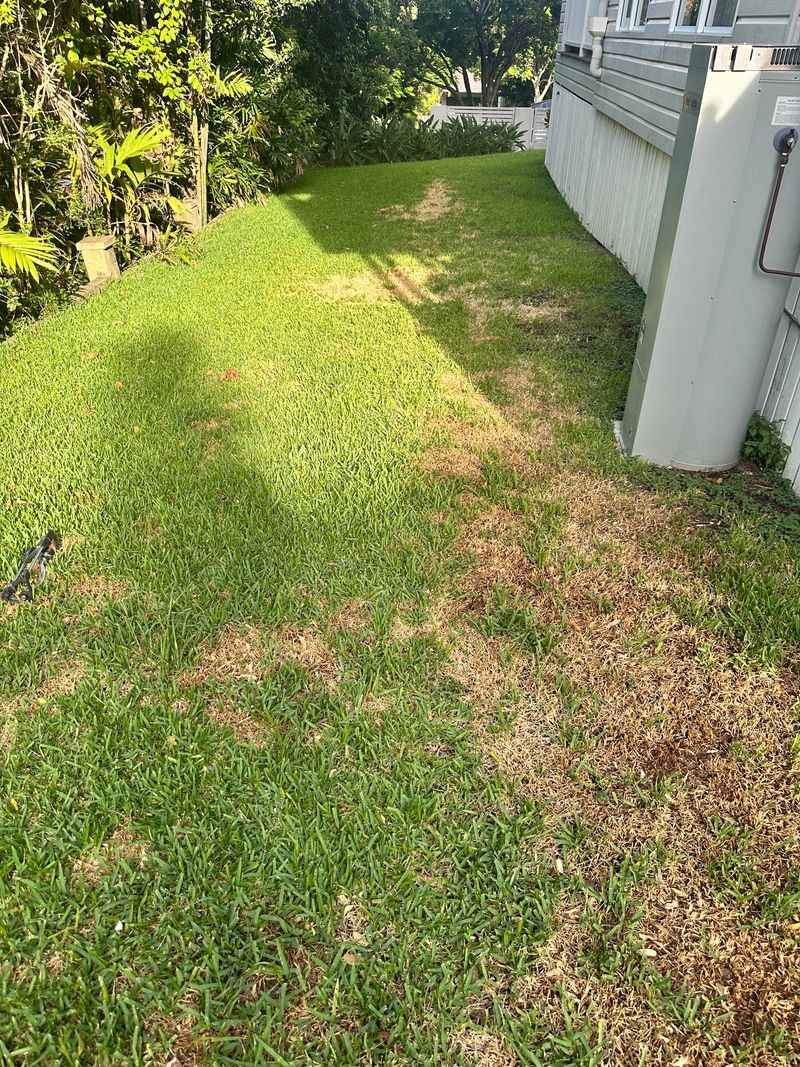
The outlook is better than it appears, especially for cool-season lawns. Grass that looks toasted often has living crowns and roots hiding just below the damage.
Tall fescue, one of the most common lawn grasses in Missouri, usually bounces back within a few weeks. Armyworms mostly eat the leaves and leave the growing points alone.
Zoysia and Bermuda lawns can recover too, though they may stay brown until spring green-up. Those warm-season grasses start slowing down in fall anyway, so patience is key.
Give recovering grass a helping hand with steady watering, about an inch per week. Once the caterpillars are gone, a light feeding of fertilizer on fescue can push out fresh blades faster.
Try a simple tug test to check for life in the damaged patches. Grass that stays firmly rooted is likely fine, while blades that pull out easily may need reseeding.
Early fall happens to be the best time to overseed fescue in Missouri. Cool nights and warm soil help new seed sprout quickly and settle in before winter.
Wait until caterpillar activity stops before spreading seed, or the newcomers may become dessert. A soap test showing zero larvae is a good green light.
Mowing a little higher than usual helps too, since taller grass shades the soil and holds moisture. Raising the mower deck to around three and a half inches works well for fescue.
Within a month, many yards look close to normal again. The scare fades, and you are left with a sharper eye for spotting trouble next time.
Early Scouting For Next Year
Think of prevention as a regular stroll with a purpose. Walking your yard every few days from mid-August to frost is one of the best ways to catch an outbreak early.
Watch the edges of your lawn where it meets fields, ditches, or wooded areas. Armyworms often crawl in from these spots after feeding on nearby grass or weeds.
Porch lights and outdoor fixtures attract the moths, which sometimes lay egg masses on siding or fences. Scrape off any fuzzy, grayish clusters you find and toss them in the trash.
Heavy nitrogen feeding in late summer can create extra lush grass that moths love. Hold off on heavy fertilizer until caterpillar season has wrapped up in early fall.
Birds, ground beetles, and tiny parasitic wasps are natural helpers in the lawn. Avoiding broad sprays when there is no real problem helps keep these helpers around.
Signing up for pest alerts from the University of Missouri Extension is another smart move. Their updates often warn homeowners when moth counts spike across the state.
Keep a bottle of dish soap in the garage so you can run a quick test anytime. Catching young larvae early means smaller treatments and less damage overall.
Some homeowners even jot notes on a calendar about when outbreaks appeared in past years. Over time, that record becomes your own personal forecast for next season.
A healthy, well-mowed lawn with deep roots handles light feeding much better than a stressed one. With a little attention each fall, those overnight brown surprises can become a thing of the past.