A Plump Burrower Feasting On Indiana Gardens Is Fattening Up For Hibernation

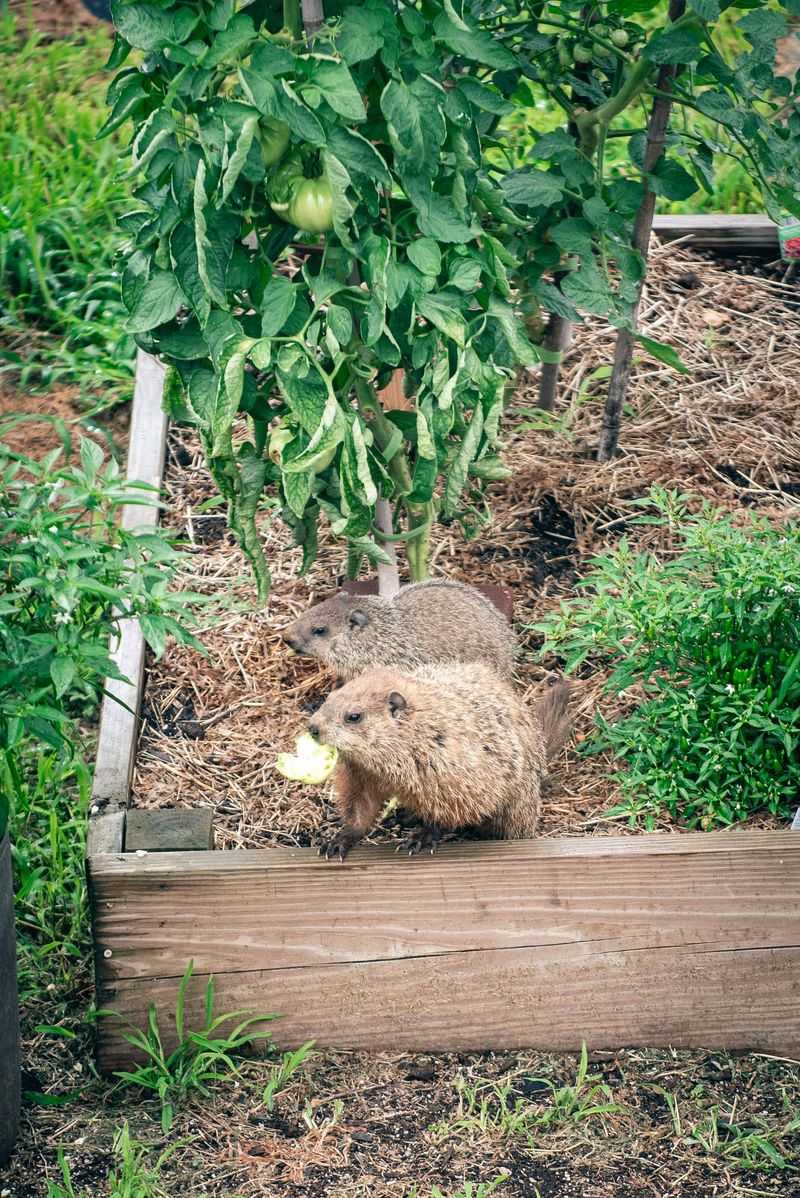
Something chubby has been sampling your late tomatoes, leaving neat bite marks in the ripe ones. Across Indiana, gardeners find half-eaten squash and fresh dirt piles on crisp October mornings this fall.
The culprit waddles more than it runs, and its round belly grows bigger every single week. It munches clover, beans, and fallen apples with the focus of a kid at a buffet.
That eating spree is not random, because this furry digger is racing against the autumn calendar. Soon it will vanish underground for months, living mostly on the fat it packs on now.
Learning its fall habits helps you protect your garden without harming a creature with a real role. Its old tunnels even shelter rabbits, foxes, and other Indiana wildlife during the long, chilly winter months.
The Groundhog Storing Fat For Winter Sleep

Picture a furry backpack stuffed with snacks, because that is basically what a groundhog becomes by early October. Your garden visitor, also called a woodchuck, is a true hibernator that spends winter sealed inside a burrow.
During hibernation, its heart rate drops from about 80 beats per minute to roughly five beats per minute. Its body temperature also falls sharply, sometimes sinking to near 40 degrees Fahrenheit in the deep chamber.
With its body slowed so much, the animal burns stored fat instead of eating any food at all. That is why every bean, clover leaf, and squash bite in your yard matters so much this month.
A healthy adult may gain roughly a third of its body weight between midsummer and late fall. Some Indiana groundhogs approach twelve pounds, which explains that wobbly, rolling walk across the lawn.
Without enough fat, a groundhog may wake up weak in late winter with little energy left to search for food. Nature pushes these animals hard to fill up now, and gardens offer an easy, tasty shortcut.
Fun fact for curious readers: the woodchuck name likely comes from a Native American word, not from chucking wood. Groundhogs rarely touch wood at all, preferring soft greens, garden vegetables, and the occasional sweet fallen pear.
Knowing the reason behind the visits makes the damage feel a little less personal and a lot more understandable. Your visitor is simply following an ancient survival plan, one plump mouthful of your kale at a time.
The October Feeding Rush Before Burrow Season
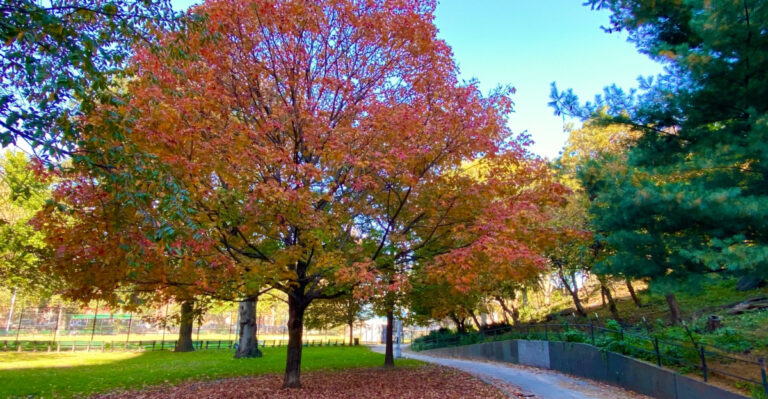
Gardeners in Indianapolis often notice the same pattern each year, with groundhog damage spiking right as leaves turn gold. That timing is no coincidence, since early fall marks the final stretch of heavy eating before winter.
Most Indiana groundhogs head underground sometime between late October and mid-November, depending on weather and food supply. Shorter days and the first frosty nights act like an alarm clock telling them time is running short.
You may spot them feeding most in early morning and again in late afternoon, when the air feels cool. Midday is usually quieter, because groundhogs like to rest in their dens while the sun sits high.
Fall crops like pumpkins, late beans, lettuce, and fresh broccoli shoots make especially tempting targets right now. Clover patches in the lawn also draw them out, since the leaves stay green and juicy after frost.
Your Indiana Garden Changes Every Week. Your Plan Should Too.
Gardening in Indiana changes quickly throughout the season. Every Friday you’ll receive a simple weekly plan showing exactly what to plant, prune, fertilize, harvest, and protect so you never miss the right timing.
Once hard frosts blacken tender plants, many groundhogs eat a few last meals and then disappear. They seal the burrow entrance from inside with dirt and grass, creating a snug winter bedroom.
Keep a simple notebook or phone log of when you see your visitor and which plants it nibbles. Those notes help you predict next year’s visits and plan your protections before the feeding rush begins.
Patience helps too, since the nibbling will likely slow on its own within a few short weeks. Covering your best late crops with row cloth can buy you time until the sleepy guest settles in.
The Costly Mistake Of Waiting Until Spring
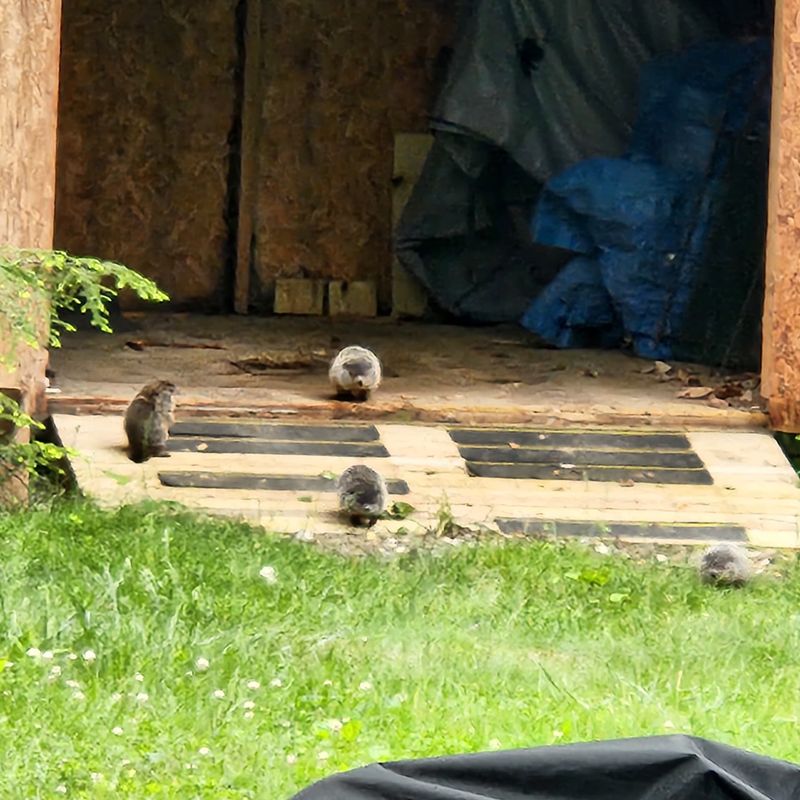
A small hole by a shed often looks harmless, so many gardeners figure the problem will fade with winter. By April, that same hole can turn into a busy nursery, and new pea seedlings may vanish within a couple of nights.
Ignoring a groundhog in fall often leads to bigger problems the following spring. A burrow that hosts a hibernating adult often becomes the birthplace for a litter come spring.
Groundhogs usually mate soon after waking, and a mother can raise up to six hungry babies by early summer. Suddenly one plump visitor has turned into a whole family with growing appetites and sharp front teeth.
Another mistake is trying to remove a groundhog after it has sealed itself underground for the cold season. Traps catch little once the animal is asleep, and blocking the hole at that stage can shut an animal inside its den.
Early October offers a narrow but useful window, since the animal is active, visible, and focused on food. Acting now lets you guide it elsewhere before it commits to spending months beneath your garden shed.
Watch for fresh dirt mounds, flattened grass paths, and holes about ten to twelve inches wide near cover. Those clues often point to a groundhog settling in, and they deserve attention long before the first snowflakes fall.
A little effort this month can save you a full season of frustration, replanting, and chewed leaves. Think of it as raking up a problem now instead of shoveling a bigger one next spring.
Humane Fixes For Fall Garden Visits
Few smells bother a groundhog more than a strong whiff of something it finds sharp or threatening. Sprinkling human hair or a commercial predator-scent repellent near a burrow entrance may make the den feel unsafe.
Garlic sprays, hot pepper mixes, and store-bought castor oil repellents also discourage nibbling on leaves and stems. Reapply them after rain, because fall showers can wash away the scent quickly.
Motion-activated sprinklers offer another gentle surprise, giving the visitor a cold splash whenever it wanders too close. Shiny pinwheels, wind chimes, or a radio left playing near the burrow can add extra noise and movement.
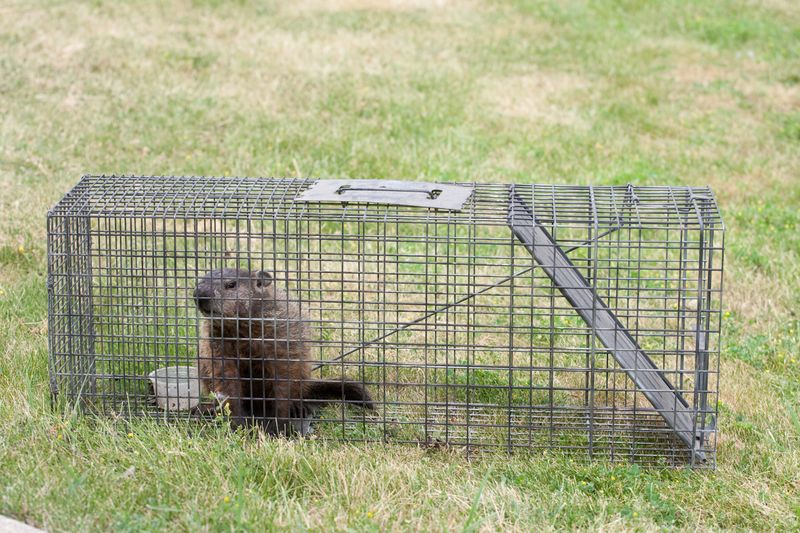
Live trapping is another option, but rules about trapping and moving wildlife vary, so check with the Indiana DNR first. Indiana limits where captured animals can be released, and a licensed nuisance wildlife operator can handle removal the proper way.
Cantaloupe slices or fresh apple chunks make excellent bait, especially when the animal is hungry this time of year. Place the trap near the main burrow, and check it often so a captured groundhog does not overheat.
Once you believe the den is empty, loosely stuff the hole with crumpled newspaper and wait two days. If the paper stays untouched, you can fill the hole with soil and rocks to close it.
Combining two or three methods usually works better than relying on a single trick all by itself. Groundhogs are clever, but even clever animals often move along when a yard feels noisy and uncomfortable.
Hidden Burrow Damage Beneath Garden Structures
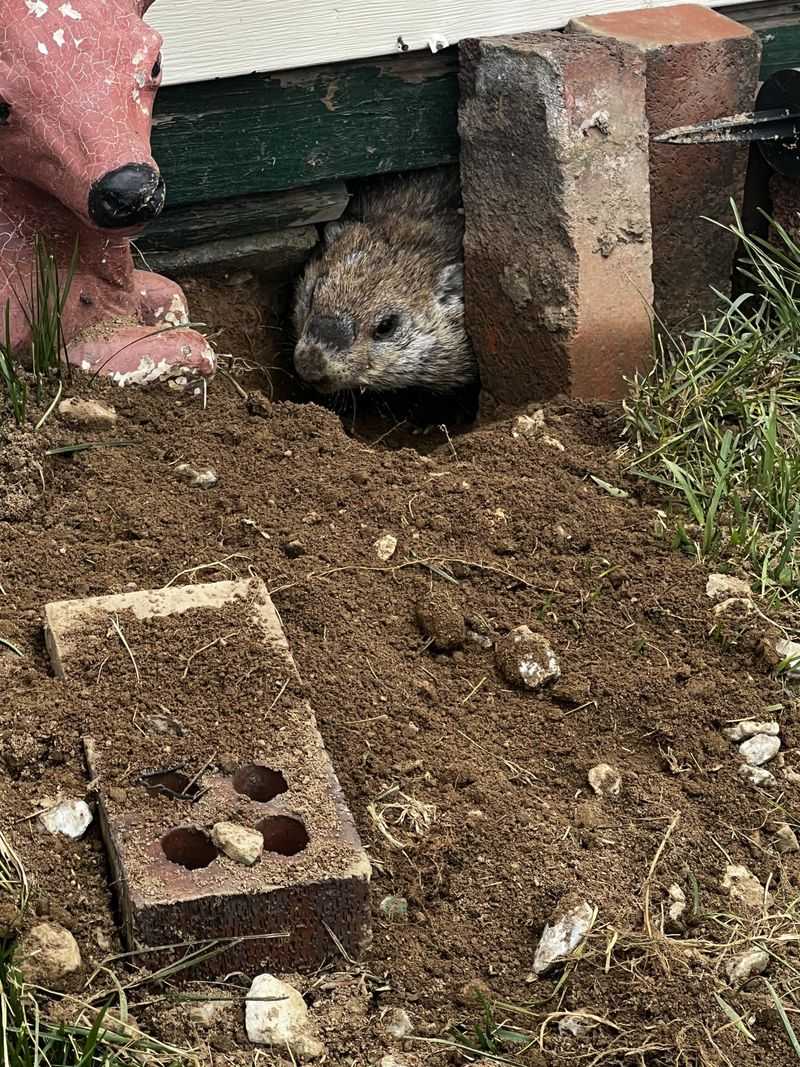
Did you know a single groundhog can move around 700 pounds of soil while digging one burrow system? Those tunnels can stretch up to forty feet long, with several rooms and multiple exits hidden under your yard.
Groundhogs love digging beneath sheds, decks, porches, and stone walls, since those spots feel safe and stay dry. Over time, the hollow spaces underneath can weaken foundations and cause floors or concrete slabs to sag.
Farmers across Indiana also worry about tractors and mowers tipping when a wheel drops into a hidden hole. Even a backyard riding mower can jolt hard enough to hurt the driver or bend a blade.
Fall is a smart time to inspect your property, since fading plants make burrow openings easier to spot. Walk slowly around each structure and look closely for fan-shaped dirt piles near the main entrance holes.
Smaller holes without dirt piles are often escape exits, which groundhogs use when danger appears suddenly nearby. Marking every opening with a small flag helps you track activity and plan repairs later this season.
Garden beds suffer too, because tunnels can loosen roots and leave raised beds lumpy, sunken, and uneven. Perennials planted near a burrow may struggle through winter if their root zones dry out underground.
Catching structural damage early usually means cheaper fixes, like filling gaps rather than replacing a sinking patio. A careful October walk around the yard could save you a pricey, stressful repair bill next year.
Sturdy Fencing Plans For Next Year’s Garden
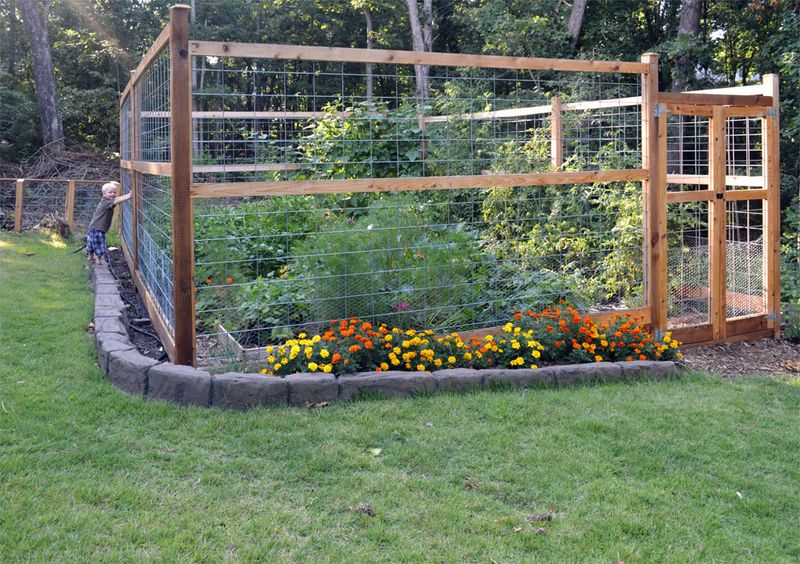
Many experienced Indiana gardeners name a sturdy fence as the most reliable fix for groundhogs. Building one in fall, after the harvest winds down, lets you start spring with protection already in place.
Groundhogs climb and dig surprisingly well, so a short chicken wire fence rarely stops a determined one. Choose sturdy welded wire or hardware cloth that stands at least three to four feet tall above ground.
Bury the bottom edge about twelve inches deep, then bend it outward in an L shape underground. A digging groundhog hits that buried shelf and usually gives up instead of tunneling under your beds.
Leave the top fifteen inches of fencing loose and floppy, rather than pulling it tight against the posts. When the climber reaches that wobbly section, it bends backward and often sends the animal sliding down again.
Some gardeners add a single strand of electric wire about four inches above ground along the outside. That quick zap teaches groundhogs to stay away, though you should follow safety rules if children play nearby.
Clearing brush piles, tall weeds, and woodpiles near the garden also removes the cover these animals prefer. Groundhogs feel nervous crossing open ground, so a tidy yard edge makes your plot less inviting overall.
With the right fence installed this October, next summer’s tomatoes might finally make it to your kitchen table. Meanwhile, your chubby neighbor can snooze peacefully somewhere else, dreaming of clover patches far from your vegetables.