These Pennsylvania Plants Look Beautiful With Pumpkins
Come October, front porches across Pennsylvania start filling up with pumpkins. Big orange ones, tiny white ones, bumpy heirlooms, and stacks of gourds in every shape imaginable.
They look great on their own. Add the right plants, though, and your fall display goes from nice to absolutely stunning.
The best pairings bring in contrasting colors and textures that make those pumpkins pop. Deep purples and burgundies create rich, moody combinations.
Soft grasses add movement and height. Frilly leaves and late-season blooms fill in the gaps and soften all those round shapes.
Many of these plants also handle chilly nights and light frosts, so your arrangement stays fresh well into November.
Best of all, a lot of them can move from porch pots into the garden once the season ends. A few well-chosen plants are all it takes to make your porch the prettiest on the block.
1. Garden Mums
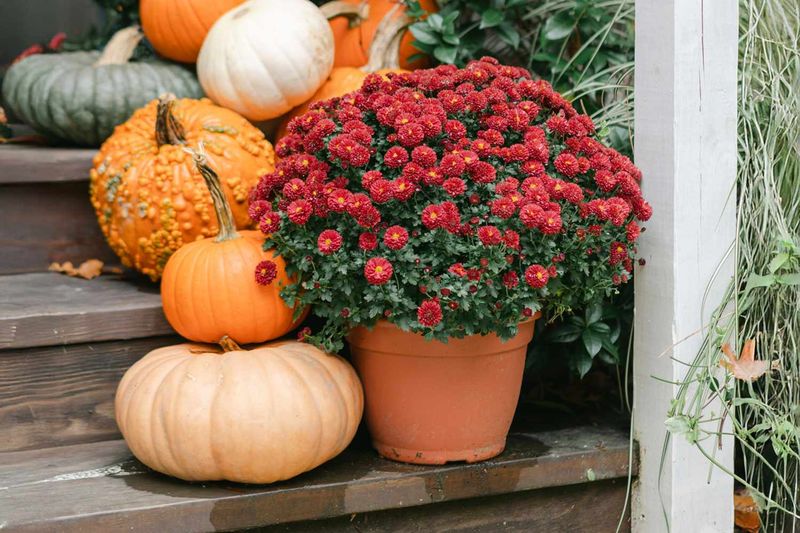
Ask any Pennsylvania grandma what goes with a pumpkin, and she will probably say mums. Garden mums have been the go-to fall flower for generations. Their round mounds of blooms look like little pillows of color.
You can find them in gold, bronze, burgundy, and white. Gold and bronze mums blend right in with orange pumpkins for a cozy, matching look. Burgundy and white mums give more contrast, so your pumpkins really stand out.
Here is something many people do not know. Mums bought in full bloom in September or October often struggle to survive our cold winters.
That happens because they put all their energy into flowers instead of growing strong roots. Lots of folks simply enjoy them as seasonal decor, the same way they enjoy a pumpkin.
Want them to come back next year? Plant them in the ground as early in fall as you can. Choose a sunny spot with soil that drains well.
After the first hard frost, leave the old stems in place and pile on a few inches of mulch or straw. This little blanket helps protect the roots until spring.
When you shop, pick plants with lots of tight buds and only a few open flowers. They will bloom longer at home. Water mums often, because they dry out fast in pots. A thirsty mum will droop quickly, but it usually perks up after a good drink.
For a fun display, set a tall mum in the back, a big pumpkin in front, and a few small gourds around the edges. Try mixing two mum colors for extra interest. It is a simple setup, but it always looks welcoming.
2. Ornamental Kale And Cabbage
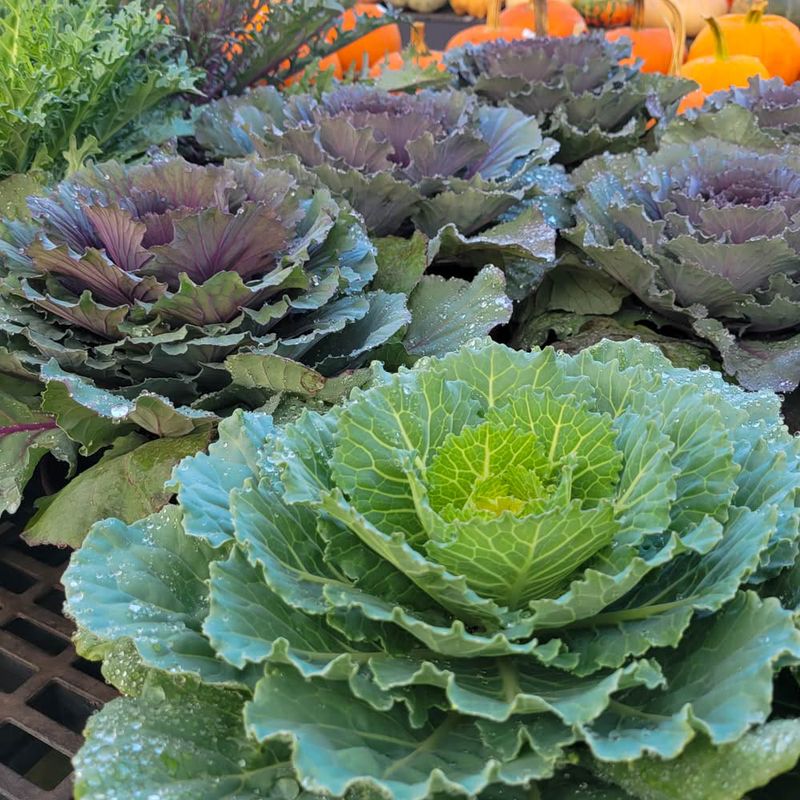
Frosty mornings are bad news for most flowers. Ornamental kale and cabbage, on the other hand, seem to love them. Their colors actually get brighter as the nights turn colder.
These leafy plants grow in big rosettes that look a lot like giant flowers. The centers come in purple, pink, and creamy white.
The outer leaves are usually blue-green or deep green. Next to an orange pumpkin, the effect is bold and a little bit unexpected.
Your Pennsylvania Garden Changes Every Week. Your Plan Should Too.
Gardening in Pennsylvania changes quickly throughout the season. Every Friday you’ll receive a simple weekly plan showing exactly what to plant, prune, fertilize, harvest, and protect so you never miss the right timing.
Fun fact: these plants are close cousins of the kale and cabbage you eat. You technically can eat them, but they taste bitter. Most people keep them for looks instead of salads.
Kale often has frilly or feathery leaves. Cabbage tends to have smoother, rounder leaves. Both work well, so pick whichever shape you like best. Some people even use both in one pot for extra texture.
Color needs cool weather to show up. Temperatures below about 55 degrees help the centers turn bright.
Buy plants that already have good color if you want an instant display. They handle light frosts and even short dips into the 20s without much trouble.
Give them full sun or part shade and keep the soil a bit moist. Pull off any yellow lower leaves to keep them tidy. They look great in pots, window boxes, or tucked along a walkway.
For a striking look, place one large purple kale on each side of your door. Then set a stack of pumpkins between them.
Add a white pumpkin or two to echo the creamy centers. The display can last right through Thanksgiving and sometimes into December.
3. New England Aster
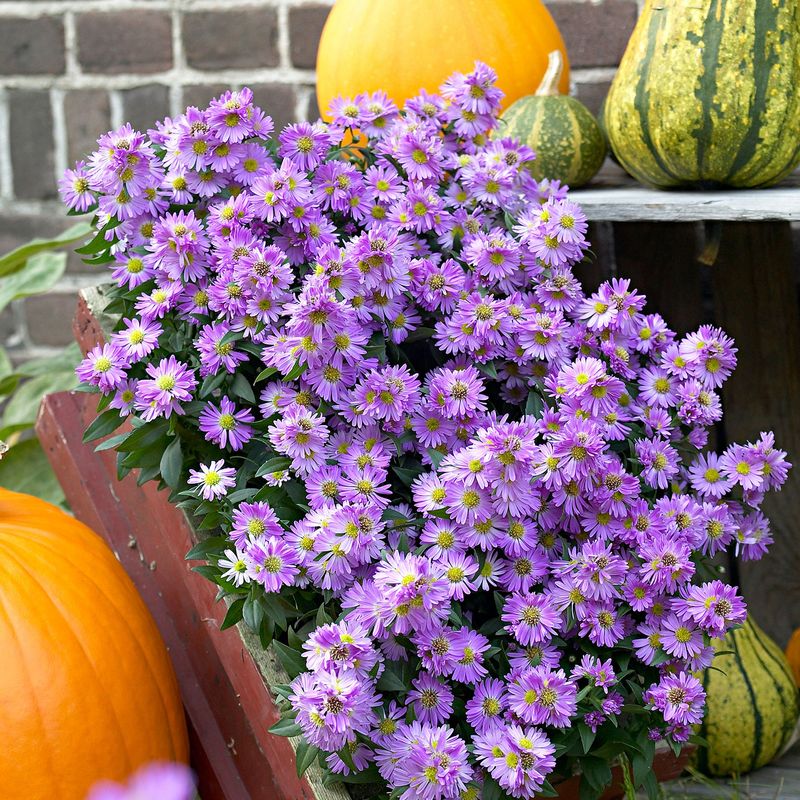
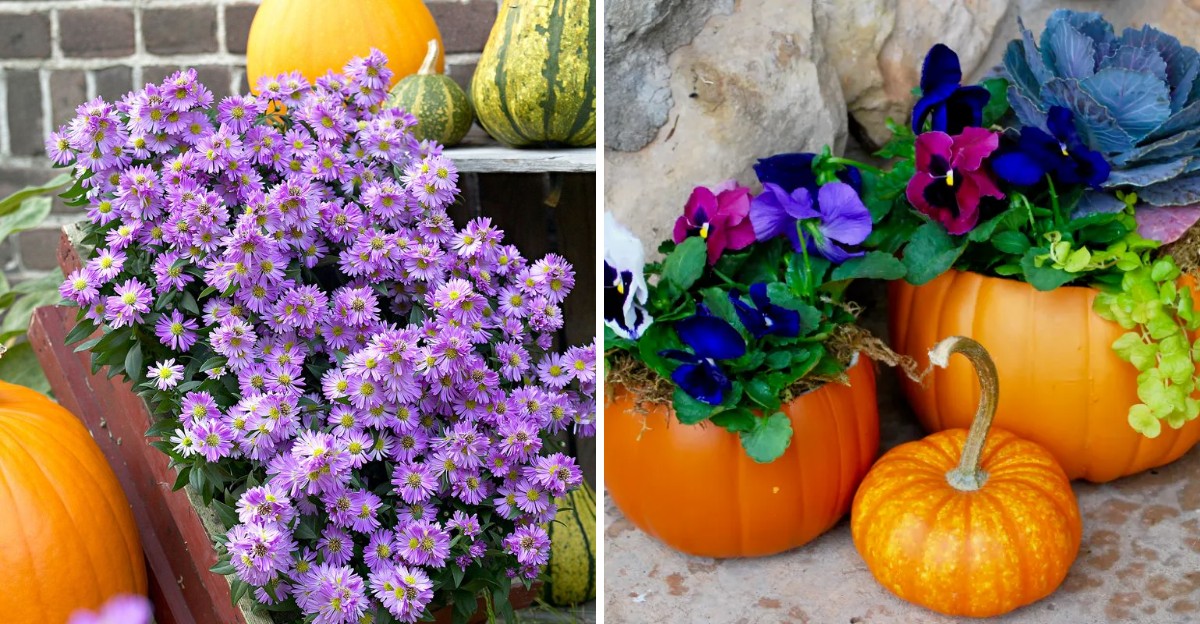
Monarch butterflies have a long trip ahead of them each fall. On their way to Mexico, they need plenty of nectar to fuel up. New England aster is one of the best snack stops they can find in Pennsylvania.
This native wildflower blooms from late summer into fall. It makes clouds of purple flowers with sunny yellow centers.
Purple and orange sit across from each other on the color wheel, so asters make pumpkins pop like nothing else.
Bees love them too. Bumblebees and other late-season pollinators crowd the blooms on warm afternoons. Planting asters is an easy way to help wildlife while your yard looks pretty.
The plants can grow three to six feet tall. That is great height for the back of a garden bed. If you want shorter, bushier plants, cut the stems back by about half in early June. They will still bloom, just on a more compact plant.
Asters like full sun and do fine in average soil. Once they are settled, they need little care. Because they are native, they are used to our winters and come back year after year. They may also spread a little by seed, which gives you free plants.
For a porch display, look for potted asters at native plant sales or garden centers in late summer.
Pair them with a large orange pumpkin and a few smaller warty gourds. In the garden, set pumpkins right at the base of the plants.
Leave the stems standing after the flowers fade. Birds like goldfinches will pick at the seeds, and the stems give shelter to tiny insects over winter.
4. Little Bluestem
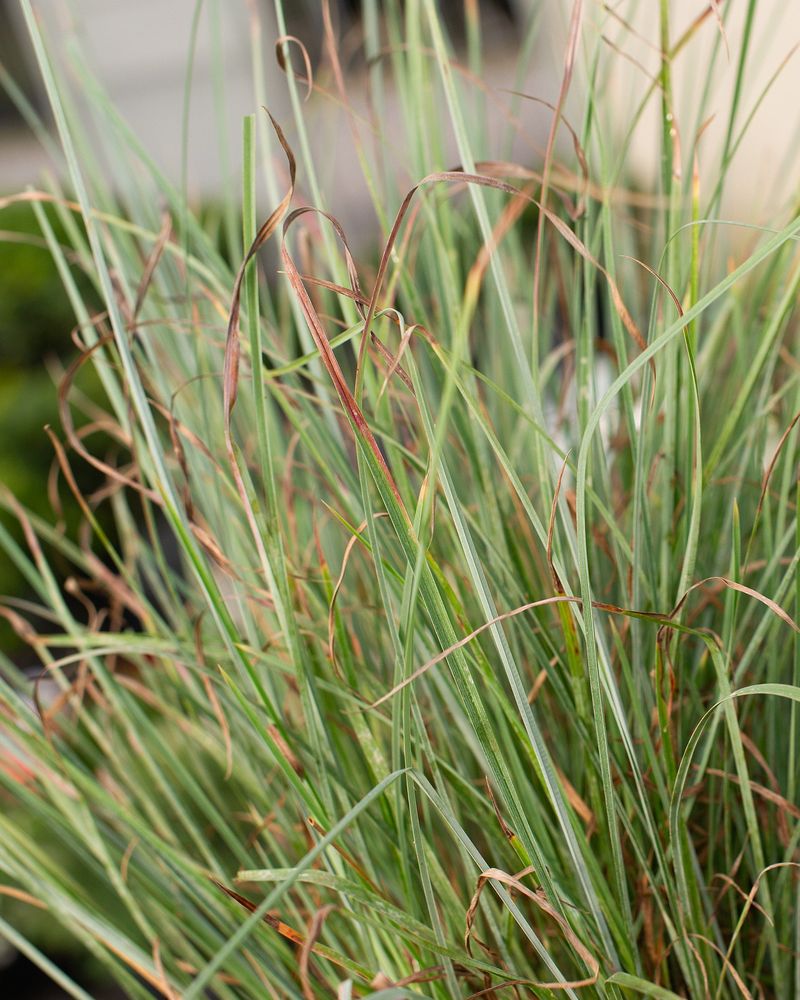
Some plants save their best show for the end of the year. Little bluestem is one of them. All summer it looks like a neat, blue-green grass, and then fall arrives and everything changes.
The blades turn shades of copper, orange, and deep red. Those warm tones match pumpkins and gourds almost perfectly. It is like the grass dressed up for the harvest season on purpose.
Little bluestem is native to Pennsylvania. Long ago, it covered large parts of the prairies and open meadows across America. Today, gardeners love it because it is tough, tidy, and easy to grow.
The grass grows in an upright clump about two to three feet tall. Its airy, see-through look adds height without feeling heavy. In late fall, fluffy silver seed heads catch the sunlight and sparkle.
Plant it in full sun. It actually prefers poor, dry soil, so skip the fertilizer. Too much food and water can make it flop over. Once it settles in, it handles drought like a champ.
Little bluestem works well in porch containers. Use it as the tall center plant. Then tuck a low trailing plant around the edges and set a pumpkin at the base of the pot.
In garden beds, plant several clumps together and scatter pumpkins between them for a meadow-style look.
Wait until early spring to cut it back. The dried grass looks lovely in snow and gives small birds cover in winter.
Trim it down to a few inches in March, and fresh blue-green growth will pop up soon after. One plant can bring you years of color.
5. Coral Bells
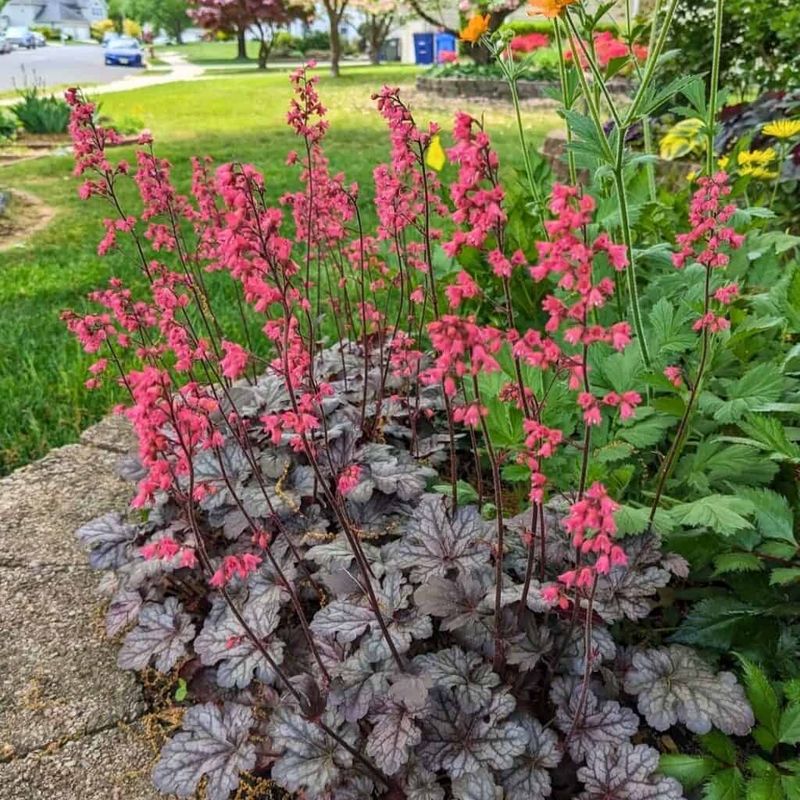
Leaves can be just as exciting as flowers. Coral bells prove it every single fall. Their foliage comes in colors you might not expect from a plant.
You can find coral bells with deep purple, caramel, peach, silver, and bright lime green leaves.
Some have ruffled edges, and others show pretty veins. Mixing a few colors together looks like a box of crayons spilled on your steps.
One kind, Heuchera americana, grows wild in Pennsylvania woods. Many garden varieties come from this native plant or its relatives.
They got the name coral bells from the tiny bell-shaped flowers they make on tall stems in late spring.
Coral bells stay low, usually under a foot tall. That makes them a perfect filler around pumpkins. Use caramel leaves to match orange pumpkins.
Choose deep purple for a moody, dramatic look. Lime green brightens up shady corners.
These plants like part shade, especially in the afternoon. Hot sun can scorch the leaves. Give them soil that drains well, because soggy roots cause trouble. In pots, water when the top inch of soil feels dry.
Here is a money-saving tip. After fall ends, move your coral bells from containers into a garden bed. They are perennials, so they can return year after year. Many keep their leaves through much of the winter.
For a front-step display, line each step with a small pumpkin and a pot of coral bells. Alternate the leaf colors as you go up. It looks planned and polished, but it only takes a few minutes to set up.
6. Pansies
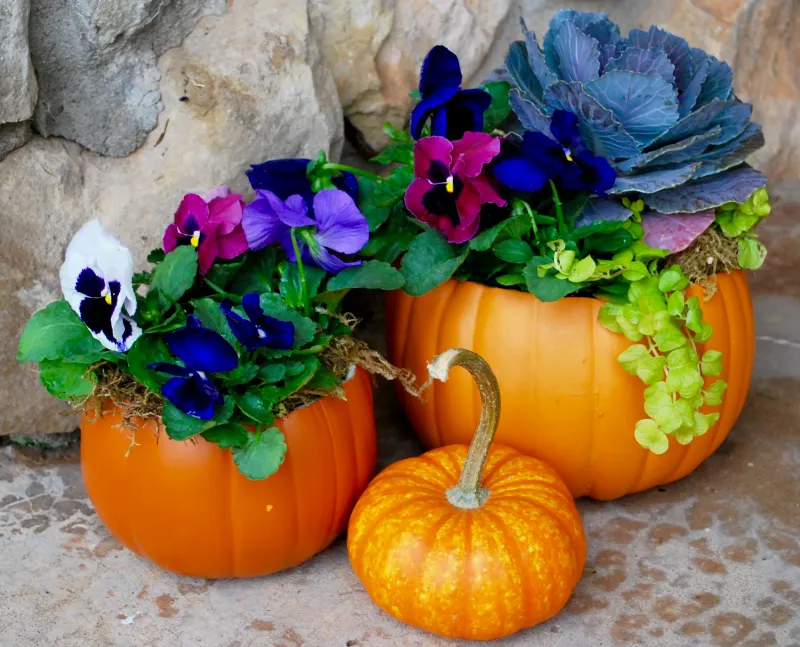
Look closely at a pansy, and you might see a little face staring back. Those dark markings in the center make the flowers seem like they are smiling. It is hard not to smile back.
Pansies come in a huge range of colors. Orange and yellow pansies blend right in with pumpkins. Purple and deep burgundy ones add rich contrast. Some even have two or three colors on a single bloom.
Many people think of pansies as spring flowers. Fall is actually a great time to plant them in Pennsylvania. They love cool weather and can handle frost with no problem. Even after snow, they often bounce right back.
Better yet, fall-planted pansies often survive the winter. When spring comes, they wake up and bloom again. That means you get two seasons of color from one planting.
Plant them in sun or light shade. Set them in the ground or in pots by early October so the roots can grow before it gets very cold. A thin layer of mulch around plants in the ground helps them through winter.
To keep flowers coming, pinch off faded blooms. This is called deadheading, and it tells the plant to make more flowers. Water when the soil feels dry, but do not drown them.
Pansies are small, so they work best up front. Fill a window box with orange and purple pansies and set mini pumpkins along the edge.
Or tuck them into the gaps of a bigger pot with a mum. Kids love helping with pansies because they are easy to plant and fun to pick.
7. Winterberry Holly Lights Up The Season
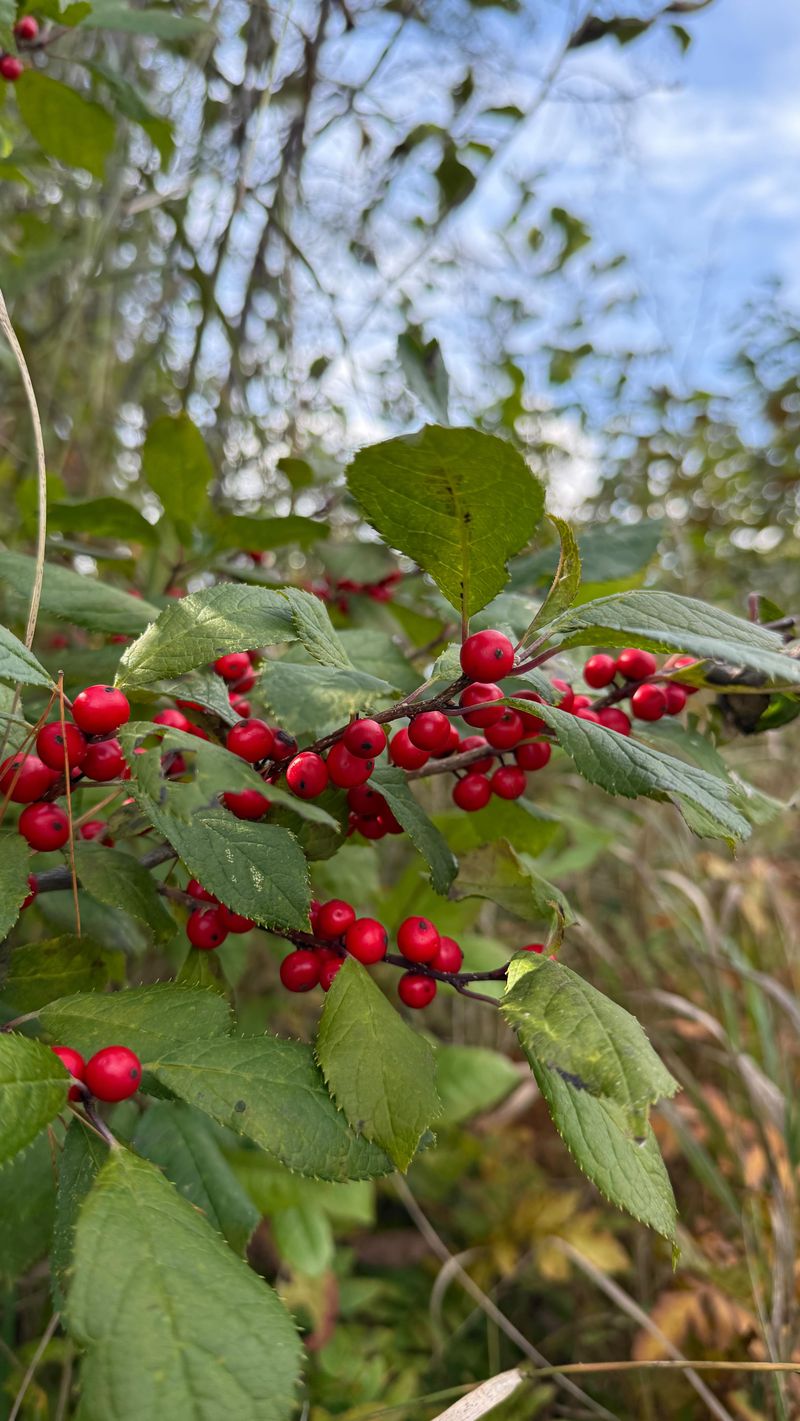
Once the leaves fall, most shrubs fade into the background. Winterberry holly does the opposite. Its bare branches suddenly reveal clusters of glowing red berries.
This shrub is native to Pennsylvania. You can often spot it in wet woods and along swamps in the wild.
Unlike the holly most people know, it loses its leaves in fall, which makes the berries shine even brighter.
Red and orange are both warm colors, but they create a lively mix. A pile of pumpkins next to a winterberry shrub looks rich and festive. The berries also attract birds like robins and cedar waxwings later in winter.
Here is an important tip before you buy. Winterberry plants are either male or female. Only females make berries.
You need at least one male plant nearby so the females can produce fruit. Nurseries usually label them, so ask for a matching male.
Plant winterberry in sun or part shade. It handles wet soil better than many shrubs, which makes it great for soggy spots in your yard. Slightly acidic soil keeps it happiest.
Cut branches are a porch decorating secret. Snip a few stems and stand them in a tall urn or bucket. Surround the base with pumpkins and gourds. The branches stay bright for weeks without water.
Even better, the display carries you into the holidays. After Thanksgiving, swap the pumpkins for pinecones and evergreen boughs.
Keep the winterberry branches right where they are. They work for fall and winter, so one plant gives you months of color and plenty of happy birds.