The Shiny Blue Berries Along New Jersey Fence Lines Belong To A Vine That Can Grow Up To Six Inches A Day
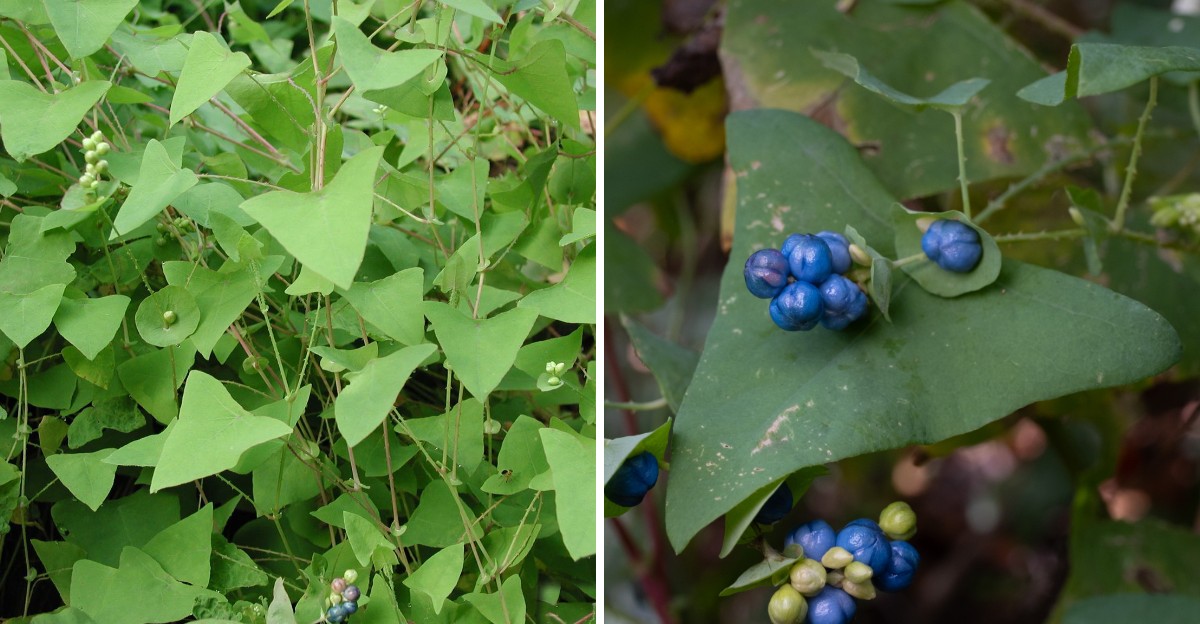
You spot blue beads glittering along a New Jersey fence this October. Lean closer and curved barbs snag your sleeve like small hooks.
Those triangle leaves look polite, yet you hold an invasive plant. This vine adds inches daily, and you can track its climb.
Back in June, you could pluck its sprouts with your fingertips. Now you face tangles covering shrubs, mailboxes, and sheds.
Seeds ripen now, and you can carry them home on your boots. Birds feast on those berries, so you face new patches next season.
Gloves protect your wrists, and long sleeves help you stay unscratched. Pull stems at the soil line, and you reduce seed production.
Bag the vines, because you want no seeds scattering across New Jersey. Act this weekend and start reclaiming that fence. Trust your eyes, since you caught the sparkle early.
An Asian Import Called Mile-A-Minute Weed
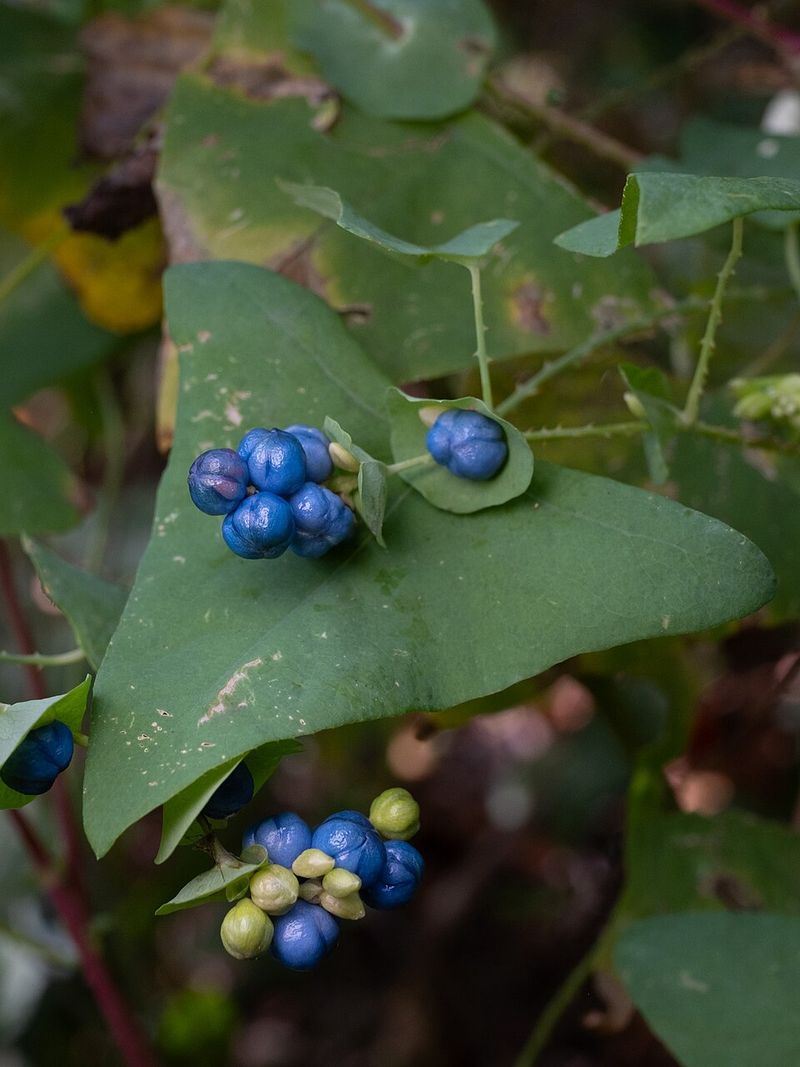
Those glossy berries belong to mile-a-minute weed, a vine scientists call Persicaria perfoliata. It earned that nickname for fast growth that can reach six inches in a single summer day.
The plant first landed in Pennsylvania during the 1930s, likely hiding among holly seeds at a nursery. From there, it spread to nearby states and settled into New Jersey woods and roadsides.
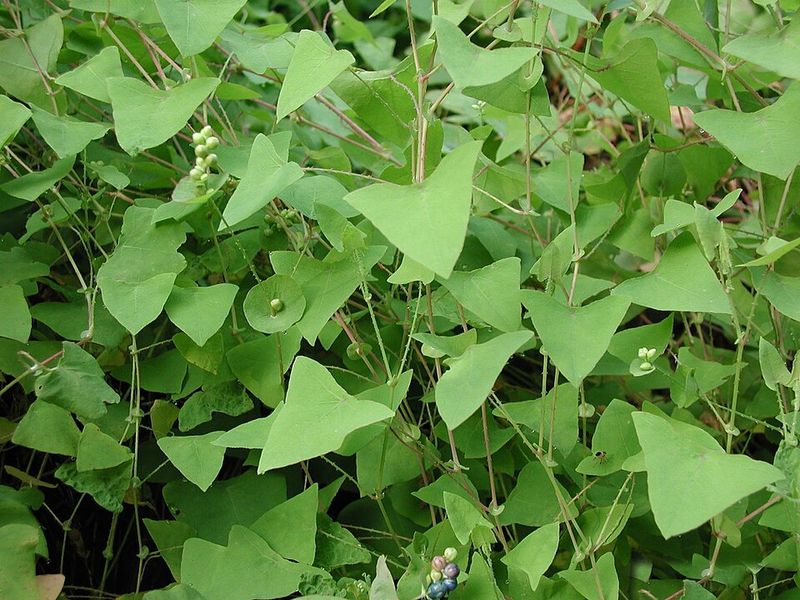
Spotting it is easy once you know the clues. Look for pale green leaves shaped like triangles, plus small backward hooks along the stems.
Another clue is a round, saucer-like leaf that wraps around the stem like a tiny collar. Flowers are small and plain, so most people only notice the vine once berries appear.
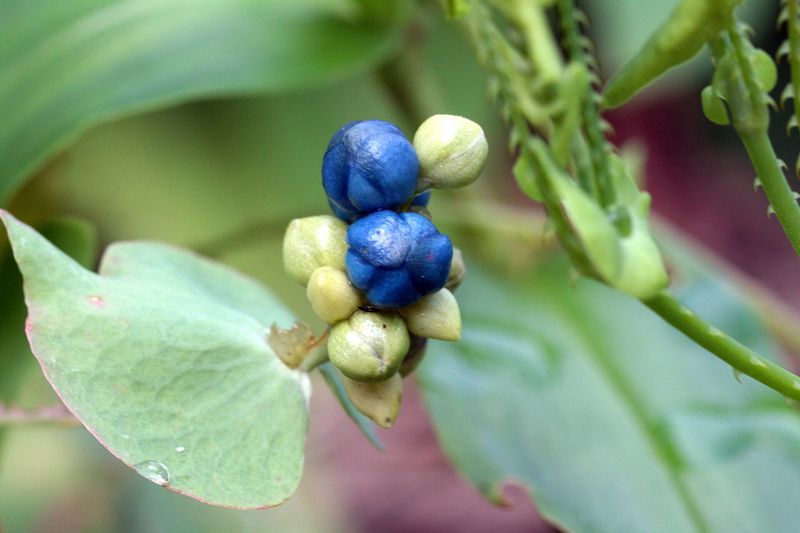
Those berries start green, blush pink, and finish a bright metallic blue. Each one holds a single hard black seed, which is how the plant spreads.
Birds and even ants carry those seeds to new places. Streams help too, since the seeds can float for days before washing ashore somewhere fresh.
So the pretty fence decoration is not a native berry bush at all. It is a non-native invasive plant found in New Jersey.
Calling it by name helps you report it, and that tiny step matters more than you might think. Park staff and county groups track sightings to plan their cleanup work.
October Berries And The Seed Clock
Picture a ticking clock hidden inside every blue berry on your fence. By October, most of those clocks have already finished winding.
Mile-a-minute sprouts early, often in March or April, before many native plants wake up. That head start lets it grab sunlight while its neighbors are still yawning.
Flowers show up around June, and berries begin ripening by July. From then until the first hard frost, the vine continues producing fruit.
A single plant can make hundreds of seeds in one season. Many fall right below the vine, while birds scatter others across fields and backyards. Those seeds are durable. Some can wait in the soil for up to six years before sprouting.
October brings a strange double message for New Jersey gardeners. Cold nights will soon turn the vines brown and limp, but the seeds are already settled in.
Your New Jersey Garden Changes Every Week. Your Plan Should Too.
Gardening in New Jersey changes quickly throughout the season. Every Friday you’ll receive a simple weekly plan showing exactly what to plant, prune, fertilize, harvest, and protect so you never miss the right timing.
Since this is an annual plant, frost ends this year’s growth. It does not end next year’s crop, which is quietly waiting underground.
Mark your calendar with this timing in mind. Early spring and early summer are the golden windows for stopping the vine before berries ever form.
Right now, though, there is still useful work to do. Grabbing ripe berries before they drop keeps hundreds of seeds out of next year’s soil.
The Compost Pile Problem
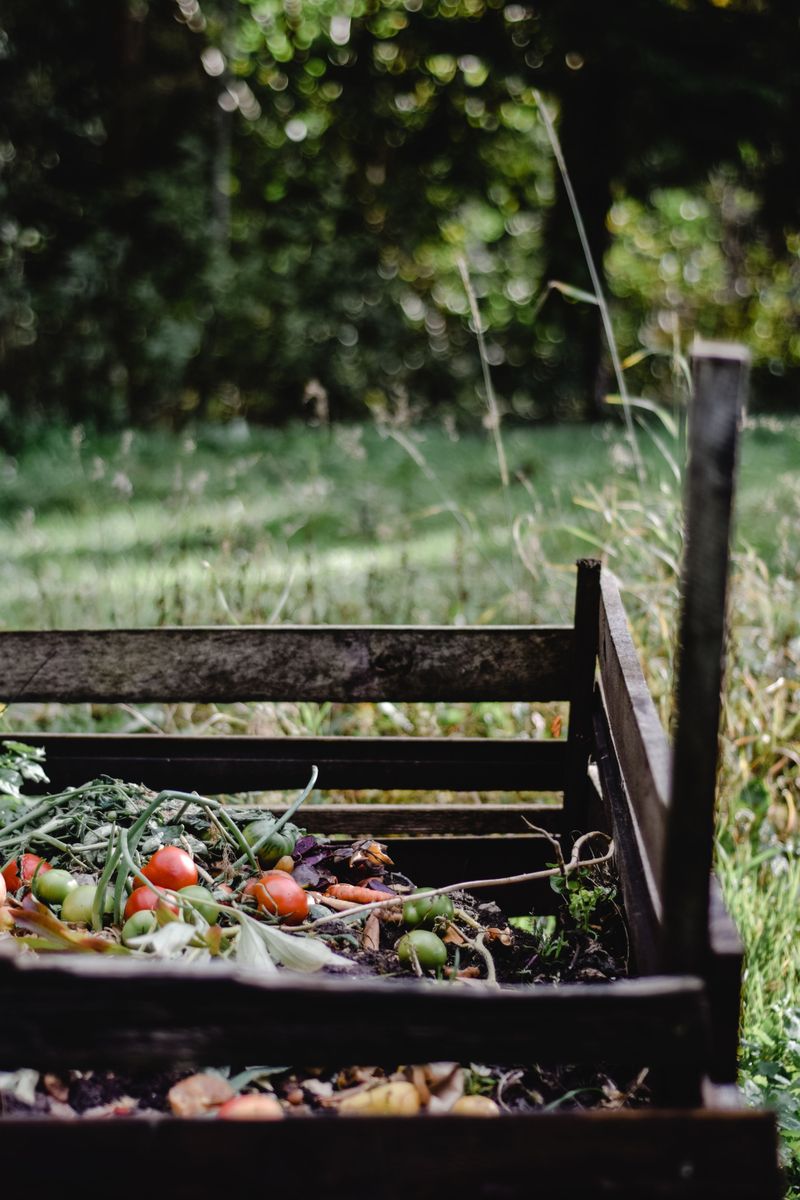
Imagine tossing an armload of berry-covered vines onto your compost heap. By next summer, that heap could look like a green haystack covered in hooks.
Home compost piles seldom get hot enough to break down tough seeds. Mile-a-minute seeds simply rest inside the warm, rich mix and wait for spring.
Then you spread that compost across your vegetable beds and flower borders. Without meaning to, you have planted a fresh crop of the vine everywhere.
Mowing ripe vines can cause a similar problem. Mower blades can fling berries across the yard like tiny blue marbles, so cut earlier, before berries form.
Another common slip is pulling vines with bare hands. Those backward barbs leave scratches that sting and itch for days.
Some folks also wait for frost to handle the job for them. Brown, crispy vines look harmless, but their dropped seeds are very much alive.
Leaving the vines piled near the fence is risky as well. Birds will happily snack on any berries still hanging from the heap.
Think of every berry as a tiny seed packet with a long shelf life. Treat it like trash, not like garden gold.
Keep the berries away from compost, mulch piles, and yard waste bins that feed town compost programs. Your future self will thank you during a calm, weed-free June.
Gloved Hands And Sealed Trash Bags
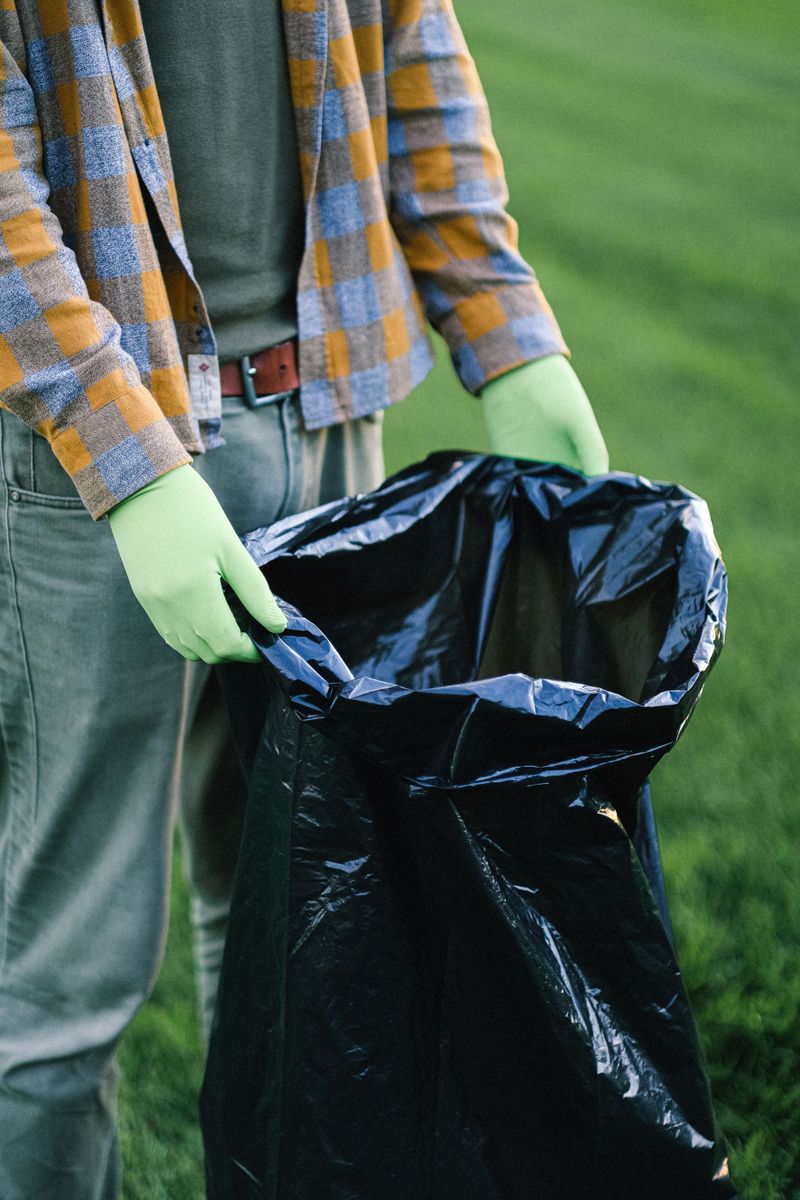
Ready to start clearing this weekend? Grab thick leather gloves, long sleeves, and a roll of heavy black trash bags.
Start by holding a bag open under clusters of ripe berries. Gently snip or strip them so they fall inside instead of onto the ground.
Next, follow each vine back to its base near the soil. The roots are shallow, so a firm, steady tug usually pulls the whole plant free.
Work slowly around fences and shrubs, since the stems tangle around everything. Small pruning shears help cut the vine loose from branches you want to keep.
Wear eye protection when you cut overhead stems, since barbed tips whip back. Lay a tarp under the work area to catch loose berries, then fold it inward and shake it into a bag.
Stuff the vines into bags and tie them tightly. Keep the bags sealed so no berries or seeds escape.
After that, place the sealed bags out with regular household trash. Check local rules first, because some towns ask for special handling of invasive plants.
Before heading inside, look at the ground beneath the vines. Rake up fallen berries and add them to the bag as well.
Brush off your clothes, shoes, and tools before walking to another part of the yard. Seeds love hitching rides in boot treads and pant cuffs. Wash your gloves afterward too.
A large patch might take a few afternoons. Splitting the job into smaller chunks keeps your arms and your patience in good shape.
Seed Banks That Shrink Over Several Seasons
Patience pays off with this vine. Each season you stop berries from dropping, the hidden seed supply in your soil gets smaller.
Expect plenty of sprouts next spring, even after a careful fall cleanup. Those seedlings come from older seeds, not from your hard work going to waste.
Pull them early, and the numbers often drop over the first few seasons. Stragglers can still appear for years, so keep checking.
Help also comes from a surprising little ally. A tiny black weevil from Asia, about the size of a sesame seed, feeds mainly on mile-a-minute.
Scientists released these weevils in New Jersey after years of testing to make sure they ignore other plants. Adults munch leaves, and their young tunnel inside the stems.
The weevils do not clear the vine on their own. They do slow it down, giving native plants a fighting chance to fill in. Agencies and land managers typically handle their release.
As the vine fades, cleared fence lines start welcoming goldenrod, asters, and native grasses. Pollinators and songbirds may return to the friendlier menu.
Keep simple notes or photos each year to track your progress. Watching a dense thicket turn back into a tidy fence row feels like a real victory.
Celebrate small wins along the way. Each pulled seedling in May means fewer berries by October.
Spring Patrols Along The Property Edge
Prevention starts long before the berries turn blue each fall. Think of it as a friendly springtime walk with a purpose.
Beginning in late March, stroll along fences, ditches, and wood edges every couple of weeks. Look for tiny seedlings with triangle leaves and that little round collar.
Young plants pull up easily before the hooks toughen. A quick tug in April saves an hour of removal work in August.
Shade is another quiet helper, since this vine loves full sun and open edges. Planting native shrubs like elderberry or arrowwood can crowd it out over time.
A thick layer of mulch also blocks light from reaching buried seeds. Keep bare patches covered so sprouts struggle to find an opening.
Be choosy about soil, mulch, and plants brought in from elsewhere. Seeds can hide in delivered dirt and arrive like uninvited party guests.
Talk with neighbors, too, because vines ignore property lines. A shared cleanup day turns a frustrating chore into a friendly block event.
Report large patches on public land to your county parks office or a local conservation group. Many towns welcome volunteers for organized pull days each summer.
Stay steady with these habits for a few years. Those shiny blue berries along your fence will slowly become an old neighborhood story.