Grow These 8 New Jersey Farm Stand Crops In Your Own Garden
There’s a particular smell that fills a New Jersey backyard in July. Warm soil, fresh basil leaves, and the green scent of a tomato vine near your arm.
Ask anyone who grew up here and they’ll tell you the same thing. Nothing from a grocery store comes close.
New Jersey earned its “Garden State” nickname honestly. The reason isn’t some marketing trick. The soil along the coastal plain is loose and sandy. It warms up quickly in spring.
Humid summers push growth fast, and cool, wet springs round out the mix. This state is built for backyard harvests. You don’t need acres to get in on this. A few raised beds will do the job.
So will a sunny patch by the garage, or a row of containers on a patio. The eight crops below aren’t rare or fussy.
They’re the same ones filling roadside stands from Cape May to Sussex County. Every one of them will thrive right outside your door.
1. Tomatoes
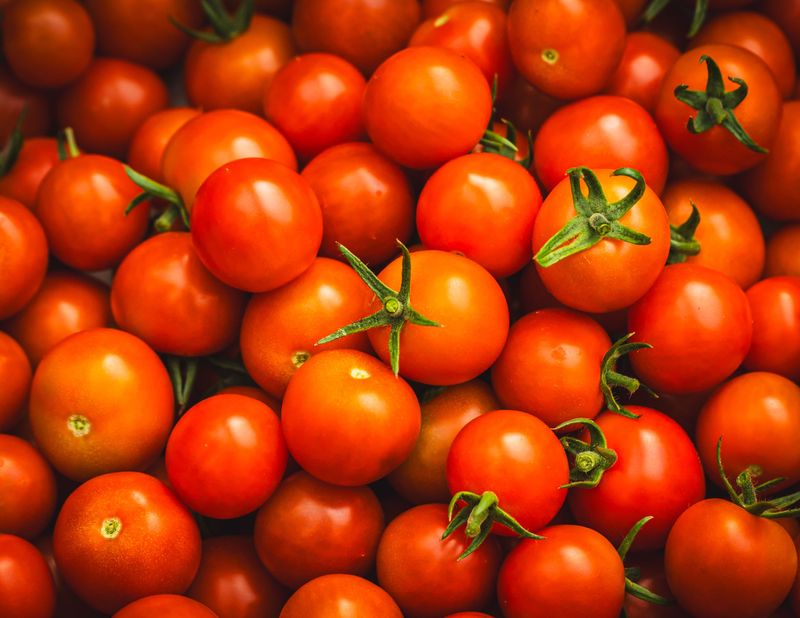
Nothing says summer like biting into a tomato still warm from the sun. Tomatoes are among the most popular crops at New Jersey farm stands.
Start seeds indoors about six to eight weeks before your last frost date. Transplant seedlings outside once nighttime temps stay above 50 degrees, usually early April in South Jersey and closer to early May in the north.
Pick a sunny spot that gets at least eight hours of direct light each day. Tomatoes are sun-lovers, and shady conditions will leave you with thin plants and disappointing yields.
Use a sturdy cage or stake system early, before the plant gets heavy. Waiting too long means wrestling with a sprawling vine that snaps under its own weight.
Water deeply two to three times per week rather than giving shallow sips every day. Consistent moisture prevents blossom end rot, one of the most common backyard tomato problems.
Feed with a balanced vegetable fertilizer every two weeks once flowers appear. Overfeeding nitrogen too early pushes leafy growth instead of fruit, so timing really matters here.
Varieties like Rutgers, Jersey Devil, and Big Boy are well suited to this region. Growing New Jersey farm stand crops like these connects you to a long, proud local food tradition.
Harvest when the fruit gives slightly under gentle pressure and the color is deep and rich. Your patience will be rewarded with flavor that store-bought tomatoes simply cannot match.
2. Sweet Corn
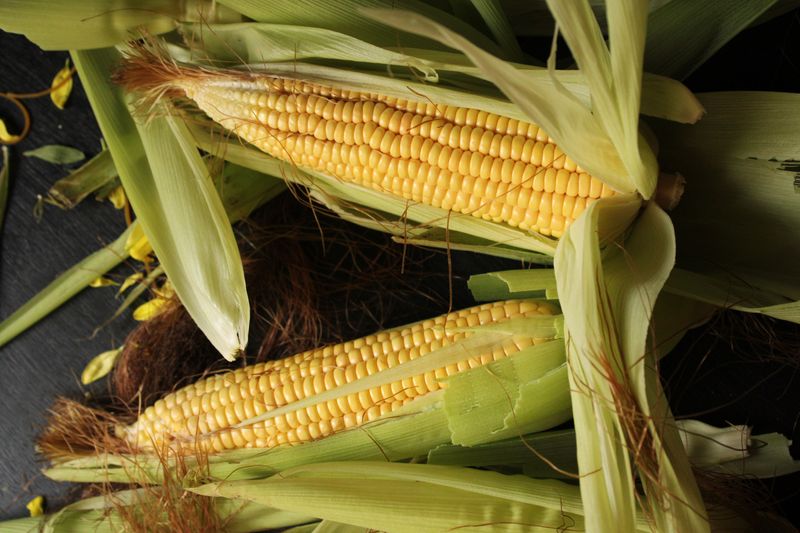
Sweet corn has one quirk worth knowing: it starts converting sugar to starch the moment it leaves the stalk. That is why farm stand corn always tastes better than anything from a grocery store shelf.
Growing your own means you can sprint from garden to boiling water in under five minutes. That short trip makes all the difference in sweetness and texture.
Corn needs full sun and warm soil, so wait until the ground reaches at least 60 degrees before planting. Cold soil causes seeds to rot before they ever sprout.
Your New Jersey Garden Changes Every Week. Your Plan Should Too.
Gardening in New Jersey changes quickly throughout the season. Every Friday you’ll receive a simple weekly plan showing exactly what to plant, prune, fertilize, harvest, and protect so you never miss the right timing.
Plant in blocks of at least four rows rather than a single long row. Corn is wind-pollinated, and blocks ensure good kernel development across every ear.
Space seeds about nine to twelve inches apart within rows set eighteen inches from each other. Crowding cuts airflow and invites fungal problems that spread fast in humid summer weather.
Side-dress plants with nitrogen fertilizer when they reach knee height, then again when tassels emerge. Corn is a heavy feeder and will stall out without that nutritional boost at the right moments.
Watch for corn earworms by checking silks regularly as ears develop. A few drops of mineral oil applied to fresh silks can deter them without harsh chemicals.
Harvest when silks turn brown and kernels squirt milky juice when pierced. Pull back the husk just enough to peek, then cook immediately for the full farm stand experience.
3. Blueberries
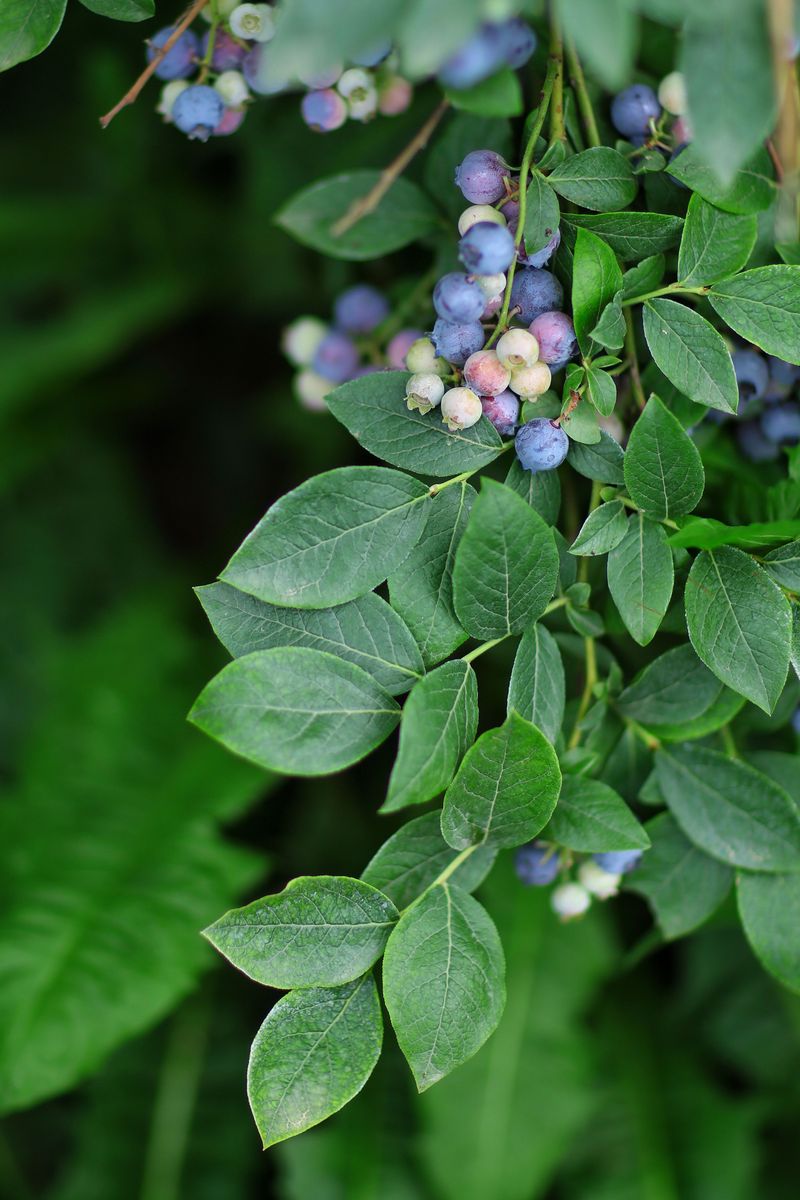
Blueberries are the slow-burn success story of the home garden world. They take a couple of years to hit full production, but once they do, you will be harvesting quarts of fruit every summer.
New Jersey is actually one of the top blueberry-producing states in the country, and the sandy, acidic soils here suit them perfectly. Backyard gardeners benefit from that same regional advantage.
Soil pH is the most critical factor for blueberry success. Aim for a pH between 4.5 and 5.0, and amend with sulfur if your native soil runs too alkaline.
Plant at least two different varieties for cross-pollination, which dramatically boosts berry size and total yield. Good pairings include Bluecrop with Blueray or Duke with Chandler.
Mulch heavily with pine bark or wood chips to conserve moisture and keep weeds down. Blueberry roots are shallow and dry out faster than most gardeners expect during heat waves.
Prune out old canes every late winter to encourage fresh, productive wood. Leaving too many old stems reduces airflow and pushes energy into wood instead of berries.
Fertilize with an acid-forming formula like ammonium sulfate in early spring before new growth starts. Skip lime-based fertilizers entirely, as they will swing your pH in the wrong direction fast.
Protect ripening clusters with bird netting, because robins and starlings will strip a bush overnight. A little preparation keeps this New Jersey farm stand crop all to yourself.
4. Cucumbers
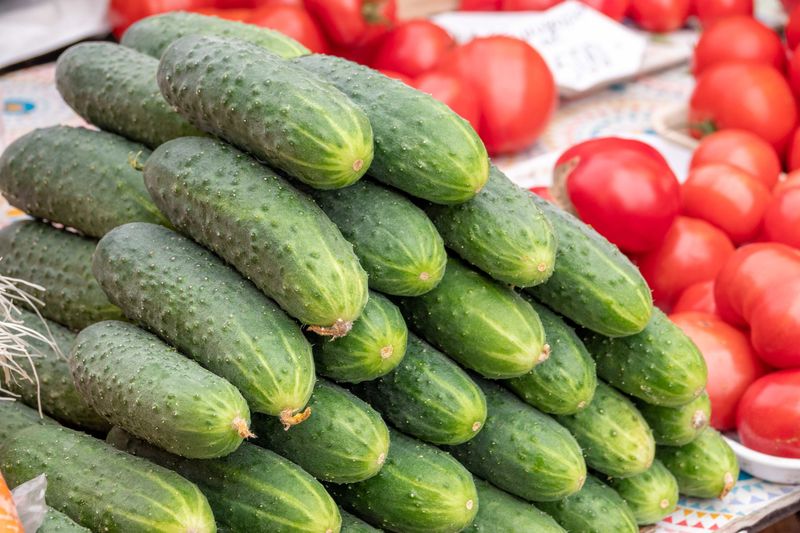
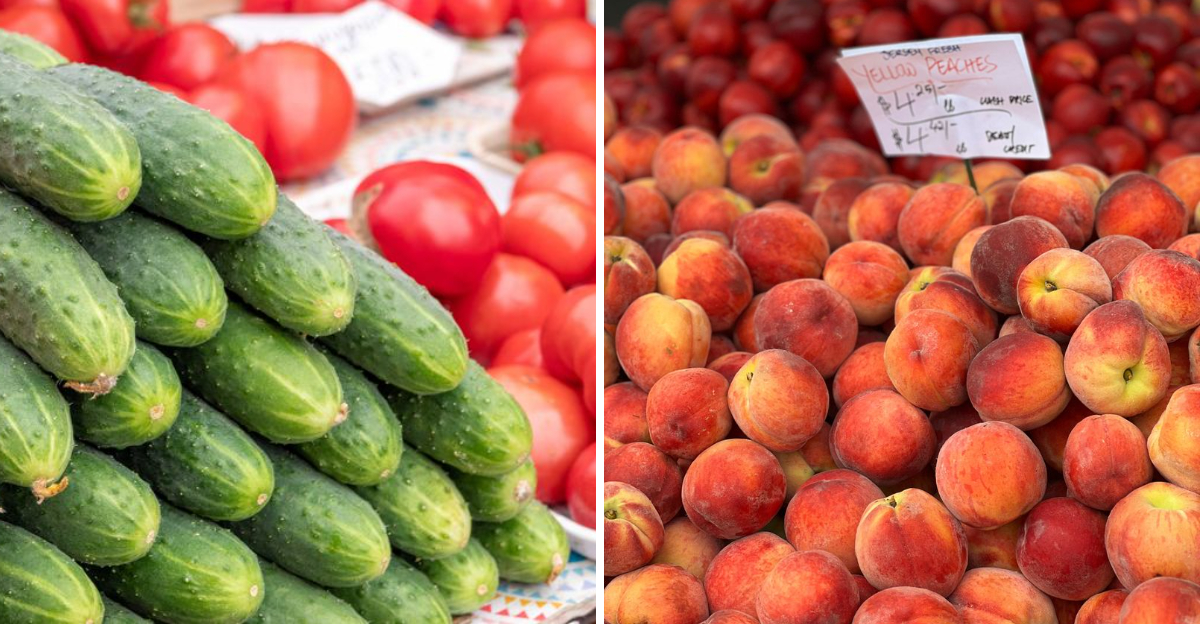
Cucumbers grow so fast in summer heat that checking them daily becomes genuinely exciting. Skip a day and a finger-sized fruit becomes a baseball bat overnight.
These vines love warm weather and will sulk if transplanted too early. Wait until all frost risk has passed and soil temps have climbed above 65 degrees before putting them in the ground.
Train cucumbers up a trellis or wire fence to save space and improve air circulation. Vertical growing also keeps fruit clean, straight, and much easier to spot at harvest time.
Bush varieties like Spacemaster work well in containers or small raised beds. Vining types like Straight Eight or Marketmore produce heavily when given room to climb and spread.
Water consistently and deeply, aiming for about one inch per week. Uneven watering causes bitter flavor in the fruit and can trigger blossom drop before cucumbers even form.
Mulch around the base of each plant to hold soil moisture and moderate ground temperature. Hot, dry soil stresses cucumber roots quickly and slows production during peak summer weeks.
Harvest cucumbers while they are still firm and dark green, before seeds inside become large and tough. Leaving overripe fruit on the vine signals the plant to stop producing entirely.
Powdery mildew is the most common problem late in the season. Choosing resistant varieties from the start gives your plants a much better shot at a long, productive run through fall.
5. Peaches
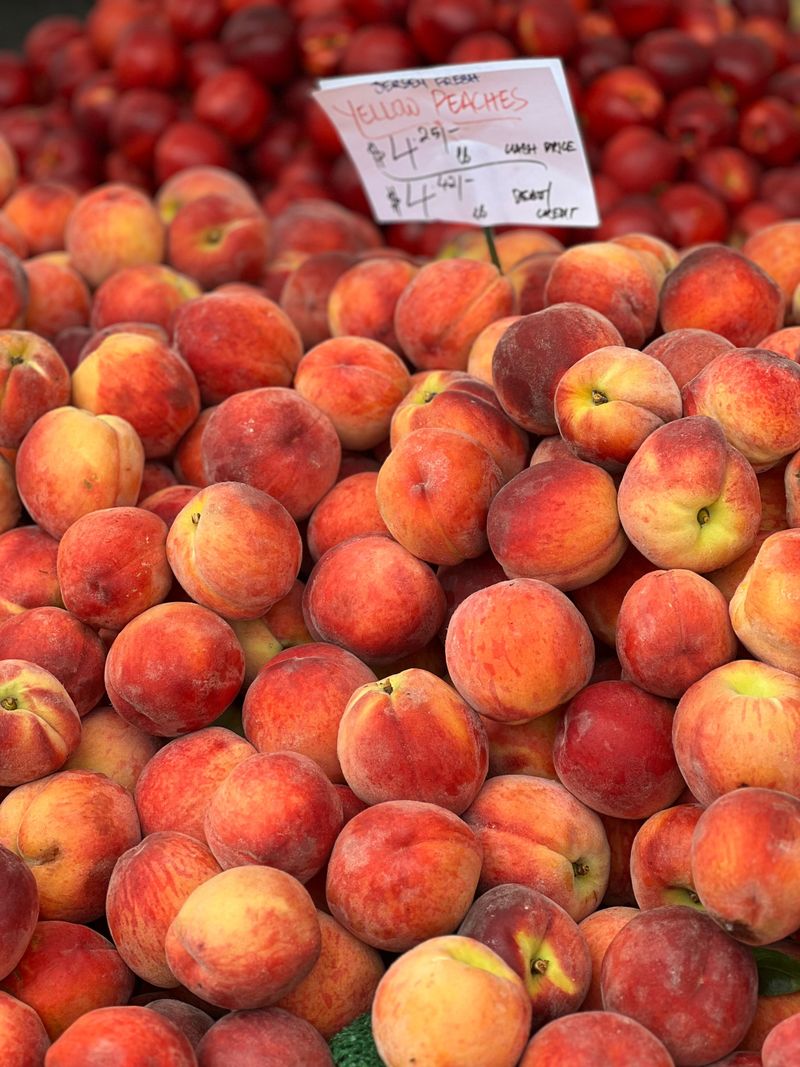
There’s a reason peaches from a local farm stand smell so different from the ones in a supermarket bin. Tree-ripened fruit develops a fragrance and sweetness that cold-chain shipping fades quickly.
Peach trees actually do very well in New Jersey’s climate, given enough chill hours in winter. Most standard varieties need between 750 and 1,000 hours below 45 degrees, which the state delivers reliably.
Choose a semi-dwarf variety if space is limited, since these top out around ten to twelve feet. Reliance, Contender, and Redhaven are proven performers that handle late spring frosts better than most.
Plant in a spot with full sun and excellent drainage, as peach roots are extremely sensitive to waterlogged soil. Raised beds or gentle slopes work well for improving drainage in heavier clay soils.
Thin fruit aggressively when peaches are about the size of a marble. Leaving too many on each branch results in small, flavorless fruit and can cause branch breakage under heavy loads.
Prune every late winter into an open vase shape to let light reach the center of the tree. Good light penetration improves fruit color, sugar content, and overall quality at harvest.
Peach leaf curl is the most common fungal problem, and a single dormant copper spray in late winter prevents most cases. Staying ahead of it is far easier than treating an infected tree mid-season.
Harvest when fruit gives slightly to pressure and pulls free with a gentle twist. Growing New Jersey farm stand crops like peaches at home is one of summer’s rewards.
6. Hot Peppers
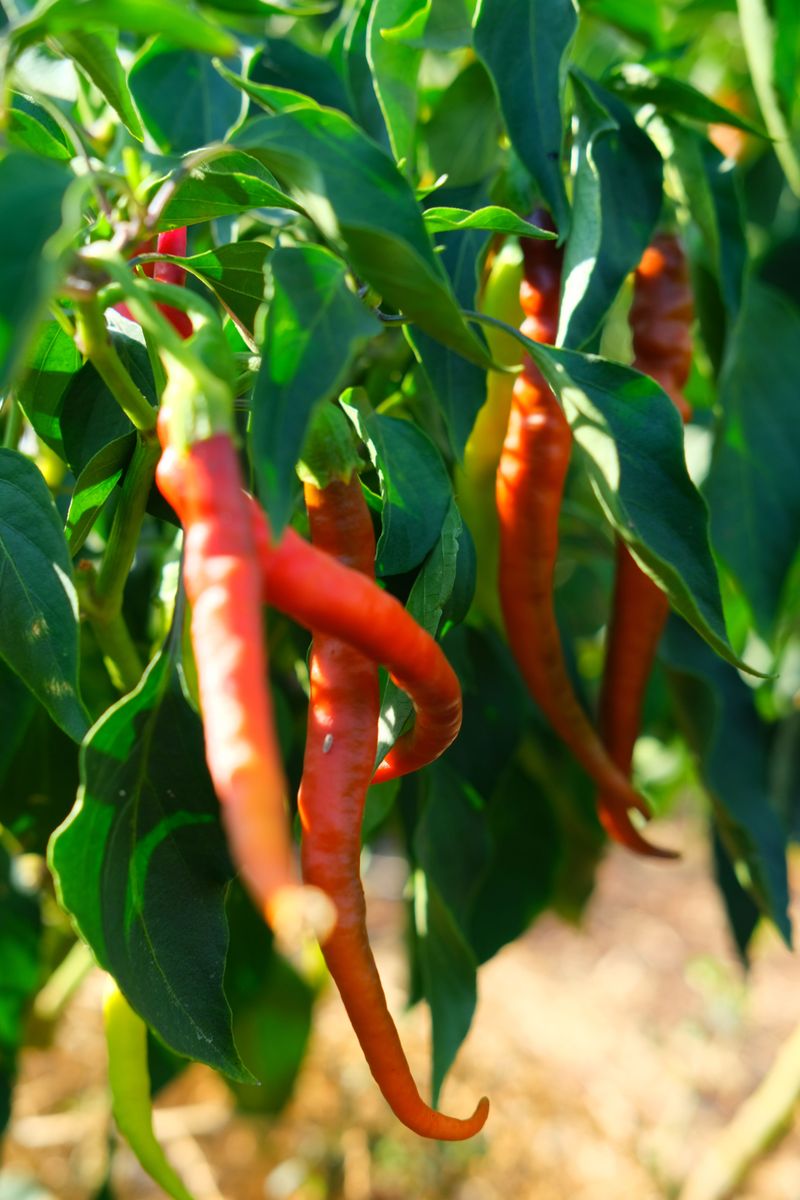
Hot peppers bring serious personality to the garden, and they ask for almost nothing in return. Once established in warm soil, they practically take care of themselves all summer long.
Start seeds indoors eight to ten weeks before your last frost date, since peppers are slow to germinate. Keep soil temperature at 80 degrees or above using a heat mat for the fastest, most reliable sprouting.
Transplant seedlings outside after nighttime temperatures consistently stay above 55 degrees. Cold nights stunt pepper growth and can cause leaves to turn yellow even on otherwise healthy plants.
Full sun is non-negotiable for hot peppers. Less than six hours of direct light per day leads to leggy plants and a much smaller, less flavorful harvest.
Jalapeños, cayennes, habaneros, and banana peppers all perform beautifully in this region’s summer heat. Mixing a few varieties gives you a range of heat levels and colors that make the garden look stunning.
Water moderately and allow the soil to dry slightly between sessions. Overwatering is actually more damaging to peppers than mild drought stress, so err on the side of less moisture.
Fertilize with a low-nitrogen, high-phosphorus formula once plants begin to flower. Too much nitrogen at this stage pushes leafy growth at the expense of the spicy fruit you actually want.
Harvest peppers at any stage, from green to fully ripe red, depending on your heat preference. Riper fruit is hotter and sweeter, making the waiting game genuinely worth every extra day.
7. Apples
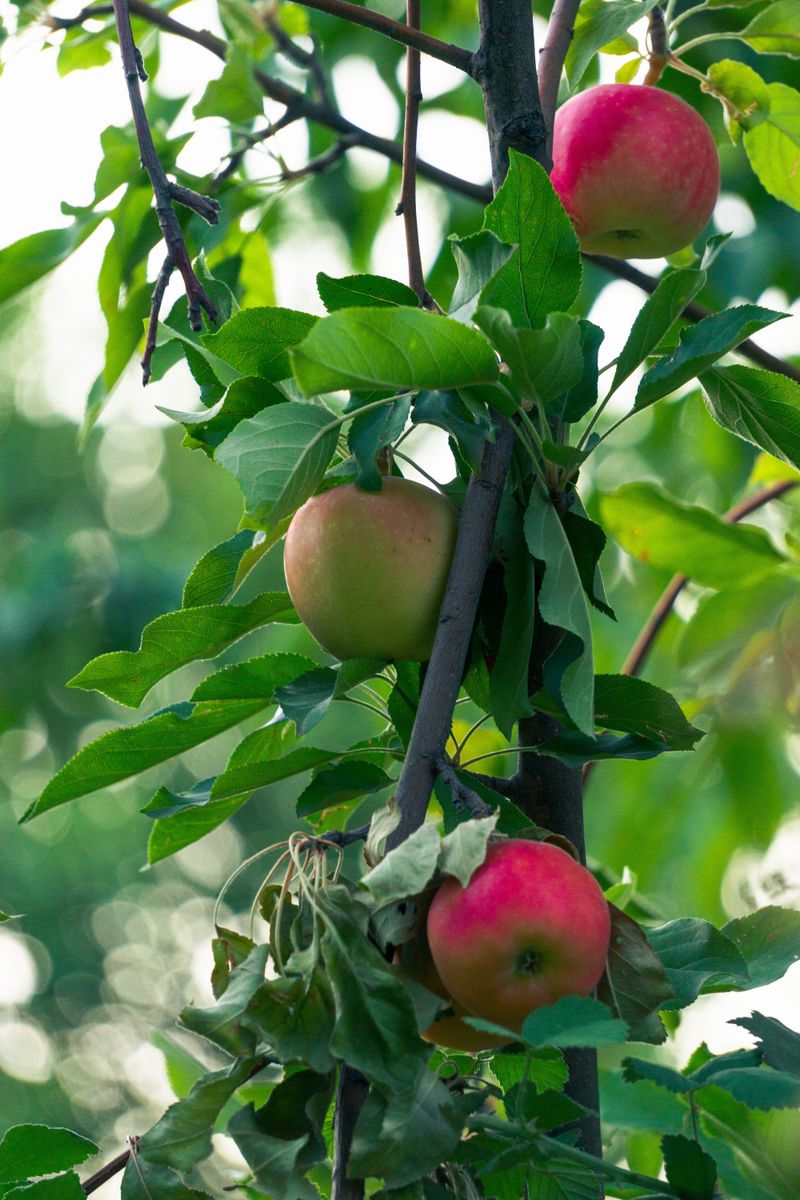
An apple tree in the backyard is a long-term investment that keeps producing for years. Plant one this season and your grandchildren might still be picking fruit from it someday.
New Jersey’s four-season climate suits apple growing surprisingly well, with cold winters providing the chill hours most varieties require.
Choose disease-resistant varieties like Liberty and Enterprise to reduce your workload significantly. Honeycrisp is prized for flavor, but it needs more spray attention since it isn’t especially disease-resistant.
Most apple trees require a pollinating partner nearby to set fruit reliably. Plant two different varieties that bloom around the same time, and bees will handle the rest.
Prune every late winter while the tree is still dormant to shape the canopy and remove crossing branches. Good structure early on sets up decades of easier management and healthier harvests.
Thin fruit clusters to one or two apples per cluster when they reach marble size. Thinning feels counterintuitive, but it produces larger, better-tasting fruit and reduces stress on branches.
Watch for apple scab and fire blight, the two most common problems in humid eastern climates. Selecting resistant varieties and raking up fallen leaves in autumn cuts down most of the risk right there.
Harvest when fruit separates easily from the branch with a gentle upward twist. Home-grown apples, like all great New Jersey farm stand crops, taste best within hours of picking.
8. Zucchini
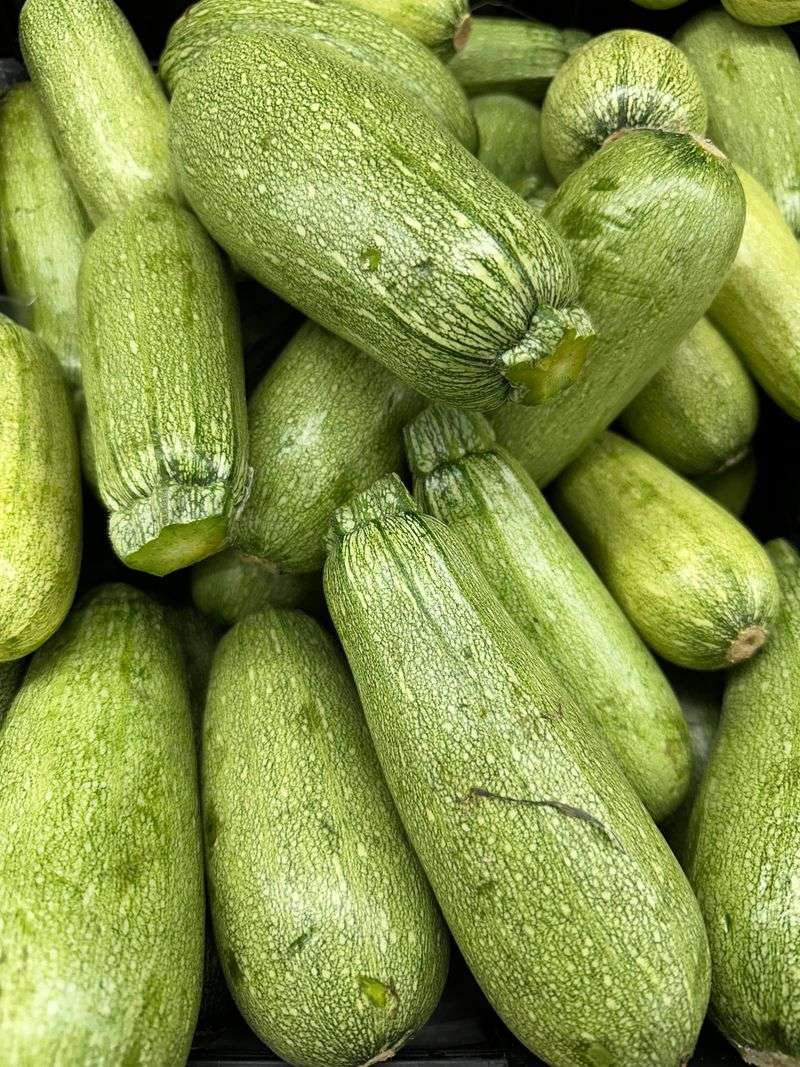
Zucchini is famous for one thing above all else: producing more than any single household can possibly eat. First-time growers are often surprised by just how fast this plant delivers.
One or two plants is genuinely enough for most families. Three or more will have you leaving bags of squash on your neighbors’ doorsteps by mid-July.
Direct sow seeds in the garden after your last frost, since zucchini grows so quickly that starting indoors offers little advantage. Warm soil around 70 degrees gets seeds sprouting within a week.
Space plants about three feet apart to allow for their enormous, sprawling leaves. Crowding zucchini leads to poor airflow, which invites powdery mildew to take hold fast.
Water at the base of the plant rather than overhead to keep foliage dry. Wet leaves in humid summer weather are basically an open invitation for fungal problems.
Harvest zucchini when fruits are six to eight inches long for the best flavor and texture. Smaller squash is more tender and flavorful than the giant clubs that hide under leaves undetected.
Check plants every single day during peak season, without exception. A zucchini missed for two days can balloon into a tough, overgrown squash that signals the plant to slow production.
Zucchini blossoms are also edible and prized in cooking, so nothing from this plant goes to waste. Growing New Jersey farm stand crops like zucchini proves that abundance and simplicity can absolutely coexist.