Why Aging Ash Trees Are Becoming A Growing Risk In New Jersey, And What You Can Do About It
Notice how quiet your street sounds this September afternoon lately? Your favorite shade tree could be hiding a serious secret this year. Bark disguises more drama than you might ever guess.
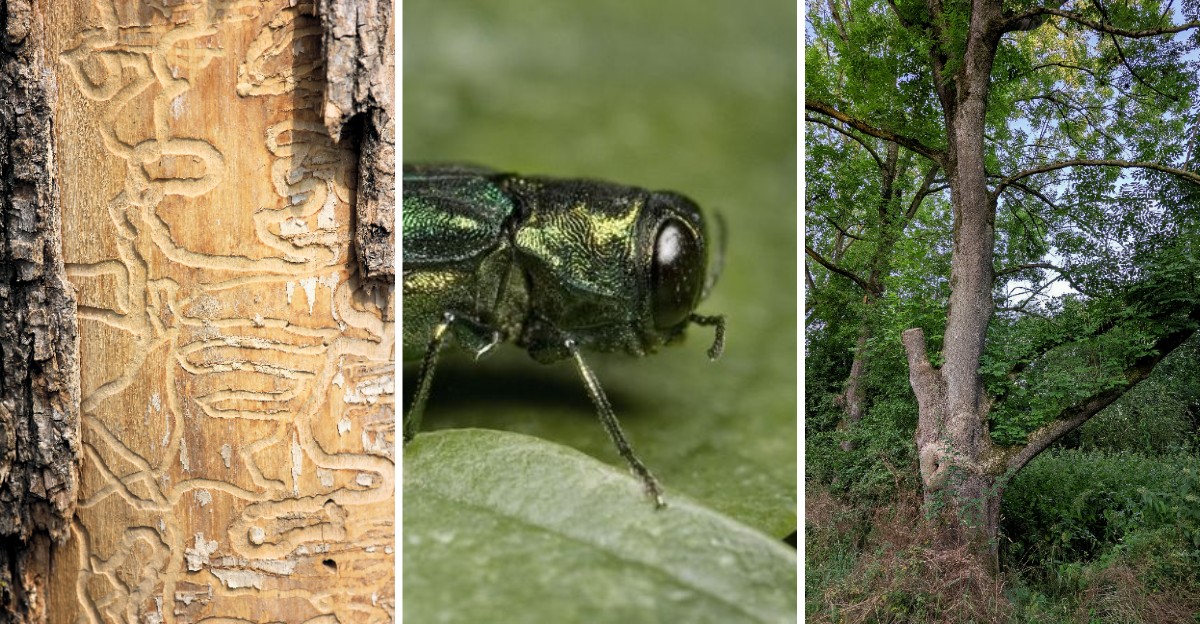
Beneath that rough surface, insects have been tunneling through your favorite tree for years. New Jersey yards like yours already show unmistakable warning signs. Thinning canopies and pale leaves in your New Jersey yard tell an urgent story.
Ash trees near your home carry a hidden clock ticking down. Emerald ash borer could be spreading through your New Jersey property right now.
You might not notice real damage until weakened branches give way. Older trees on your property absorb that hit far harder. A single strong gust could send weakened limbs crashing onto your driveway.
Real practical solutions exist, and you can act on them now. This guide hands you the power to reclaim control of the trees on your property.
1. Decades Of Growth Add Up Overhead
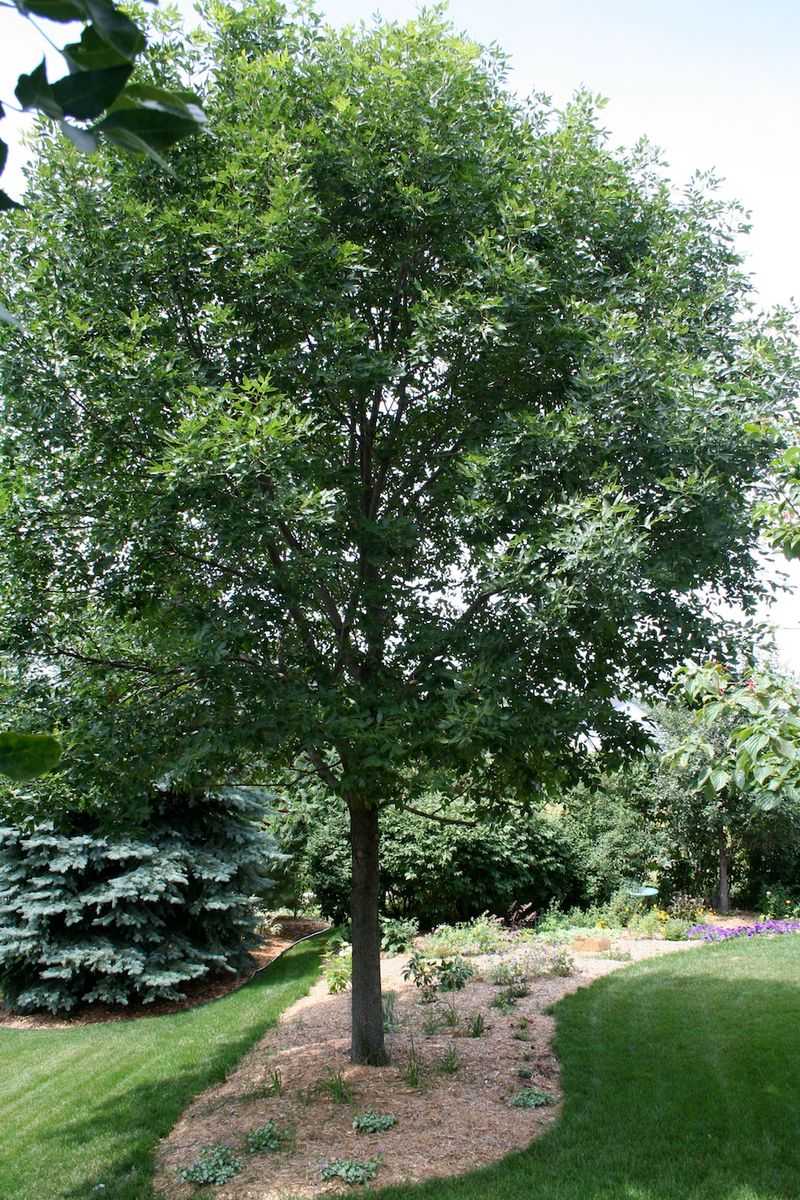
Picture the ash tree that shaded your driveway back when you were learning to ride a bike. It has likely added significant height and weight since then.
Ash trees grow fast, and fast growth builds long, heavy side branches that reach out over roofs, fences, and sidewalks.
A mature specimen can grow quite tall, with limbs stretching well beyond the trunk. Each of those limbs acts like a lever, and gravity pulls on it day and night.
Age changes the math. Young wood flexes in wind, while older wood holds more rot pockets, old pruning wounds, and cracks that let moisture settle in.
Add a hollow spot near a branch union, and the same limb that held up fine for thirty summers can let go during an ordinary gust.
Roots matter too. Homeowners often pave, trench, or pile soil near trunks over the years, and ash roots do not recover quickly from that kind of disturbance.
A tree can look full and green on top while its anchor system quietly shrinks below the lawn.
Utility lines complicate things as well. Limbs that grew into the wires over two decades can cause outages long before anything falls.
Take a walk around yours this week with fresh eyes. Note how far the canopy leans over the house, where children play, and whether the trunk has a noticeable tilt.
Those observations become useful later when you talk with a tree professional about priorities and budget.
2. A Tiny Metallic Beetle Changed The Story
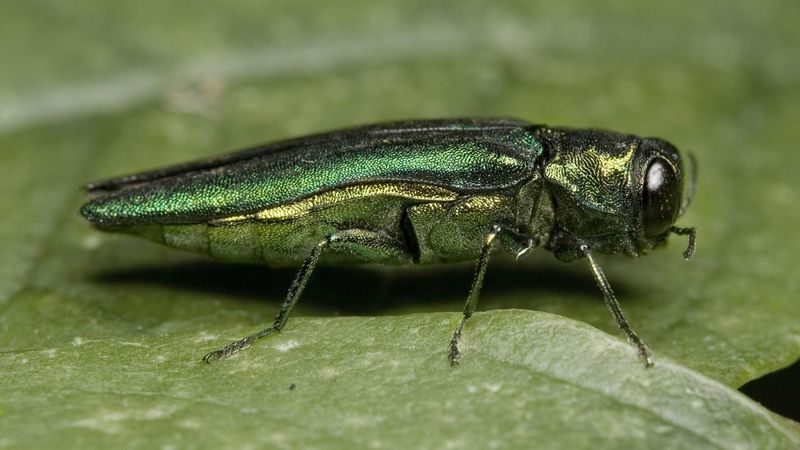
Half an inch long, metallic green, and shaped like a rice grain with attitude. The emerald ash borer arrived in North America around 2002 and has since been found in more than 35 states.
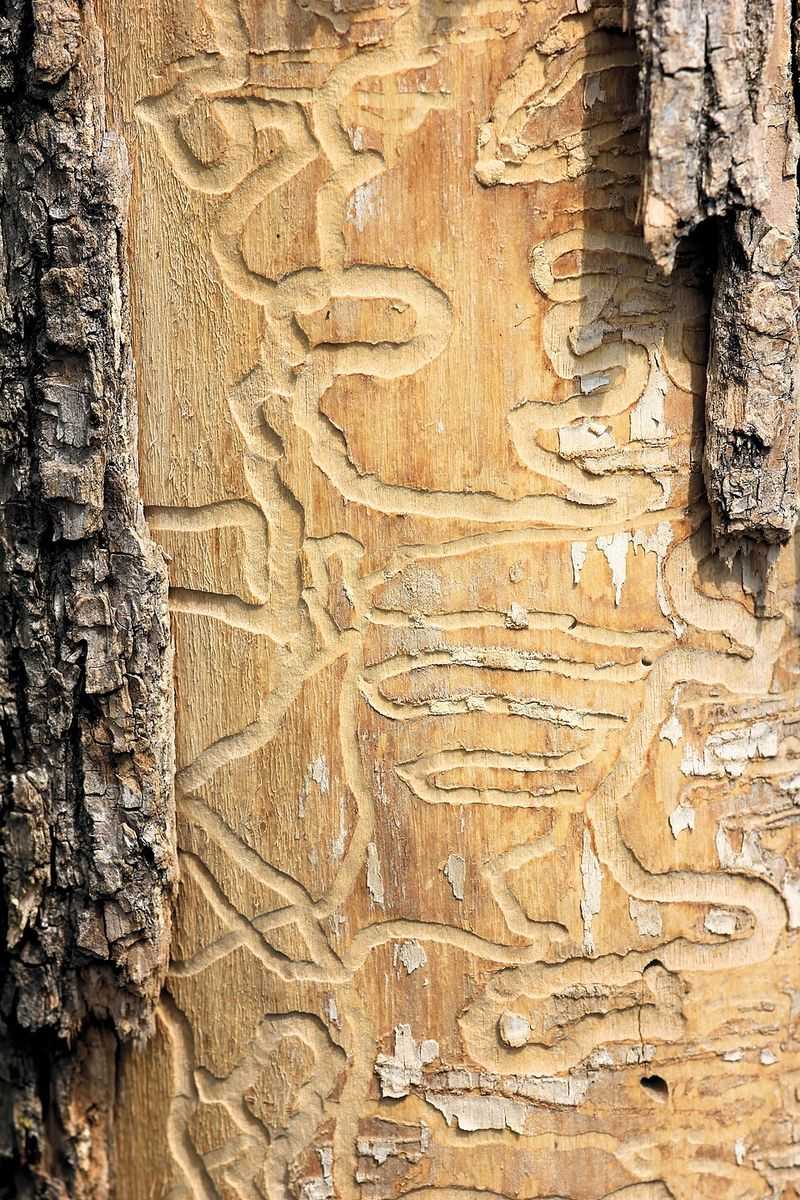
Adults nibble leaves, which barely matters. The real trouble happens under the bark, where larvae carve winding S-shaped tunnels through the layer that moves water and sugar around the tree.
Cut off enough of that plumbing, and the canopy starts to thin from the top down. Older ash trees sit in a tough spot. They have more surface area for beetles to find, thicker bark that hides early damage, and fewer reserves to push back.
Your New Jersey Garden Changes Every Week. Your Plan Should Too.
Gardening in New Jersey changes quickly throughout the season. Every Friday you’ll receive a simple weekly plan showing exactly what to plant, prune, fertilize, harvest, and protect so you never miss the right timing.
A young sapling may show stress and recover with help, while an older street tree often declines within a couple of years once heavily infested.
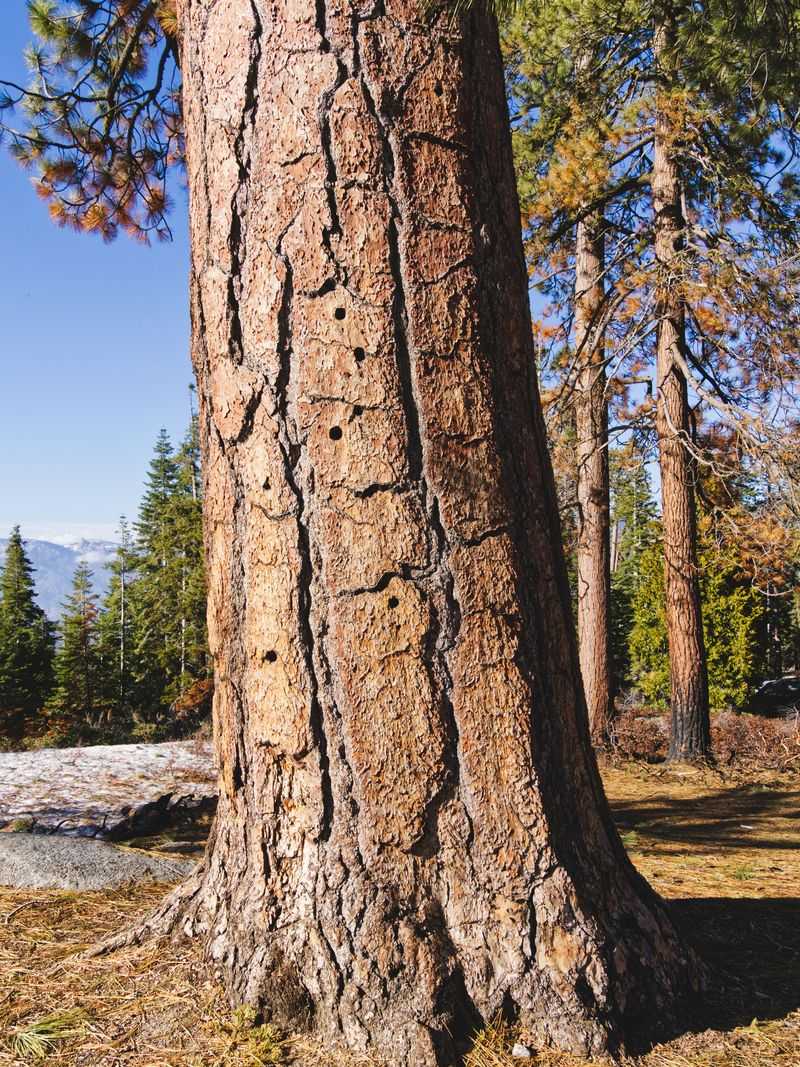
Woodpeckers give away the secret. When you see pale patches where birds have flaked off the outer bark, they are hunting larvae underneath, and that flecking is one of the earliest clues homeowners notice.
September is a good month to look. Adult beetles have finished flying, leaves are still on the tree, and thin spots in the crown stand out against neighboring maples and oaks. Bring a phone and take photos from the same angle each year.
Check the trunk for tiny D-shaped exit holes, about the width of a pencil lead. Also watch for leafy sprouts popping out low on the trunk, which is the tree’s attempt to make food closer to the ground.
3. Brittle Wood Snaps Without Much Warning
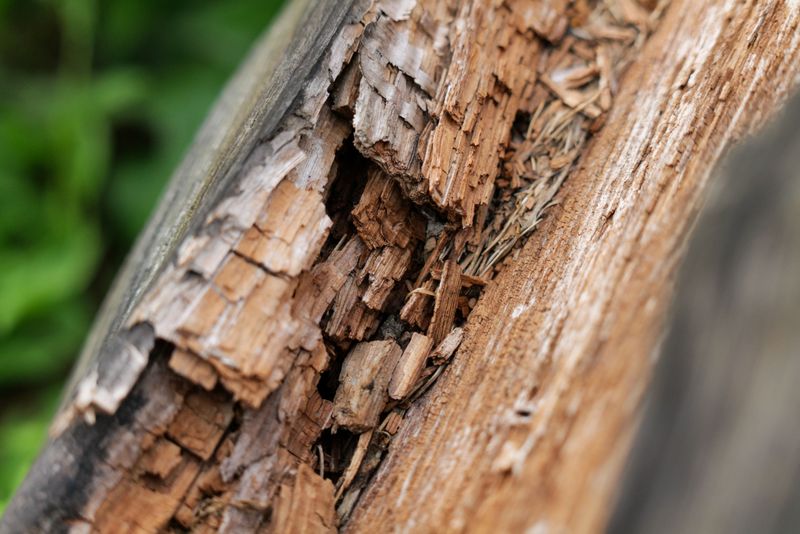
Wood in advanced decline often gets described as brittle as popcorn, because it snaps instead of bending. The name sounds funny until you hear one let go overhead.
Healthy ash is prized for baseball bats and tool handles because the fibers flex under stress. Once borer tunnels interrupt the flow of water, that wood dries out and turns glassy. Fibers that used to bend now fracture, sometimes with a crack that’s audible nearby.
Speed is the part that catches people off guard. Some declining ash trees shed heavy limbs not long after losing leaves at the top, and those breaks can happen even on calm, sunny afternoons.
Bark offers another clue. Long strips peeling away, vertical splits along the trunk, and pale sawdust gathering at the base all suggest the inner layers have broken down.
Brittle wood also changes how crews work. Climbers avoid trusting their ropes to limbs that might shatter, so companies bring bucket trucks or cranes instead, which raises the hourly cost.
The lesson here is largely about timing. A tree handled while its wood still flexes is simpler and cheaper to deal with than one that has stood brittle for three winters.
If a limb over your driveway has lost its bark and shows smooth gray wood, park somewhere else until someone with training takes a look. Small precautions like that cost very little and buy real peace of mind.
4. September Storms Find The Weak Spots
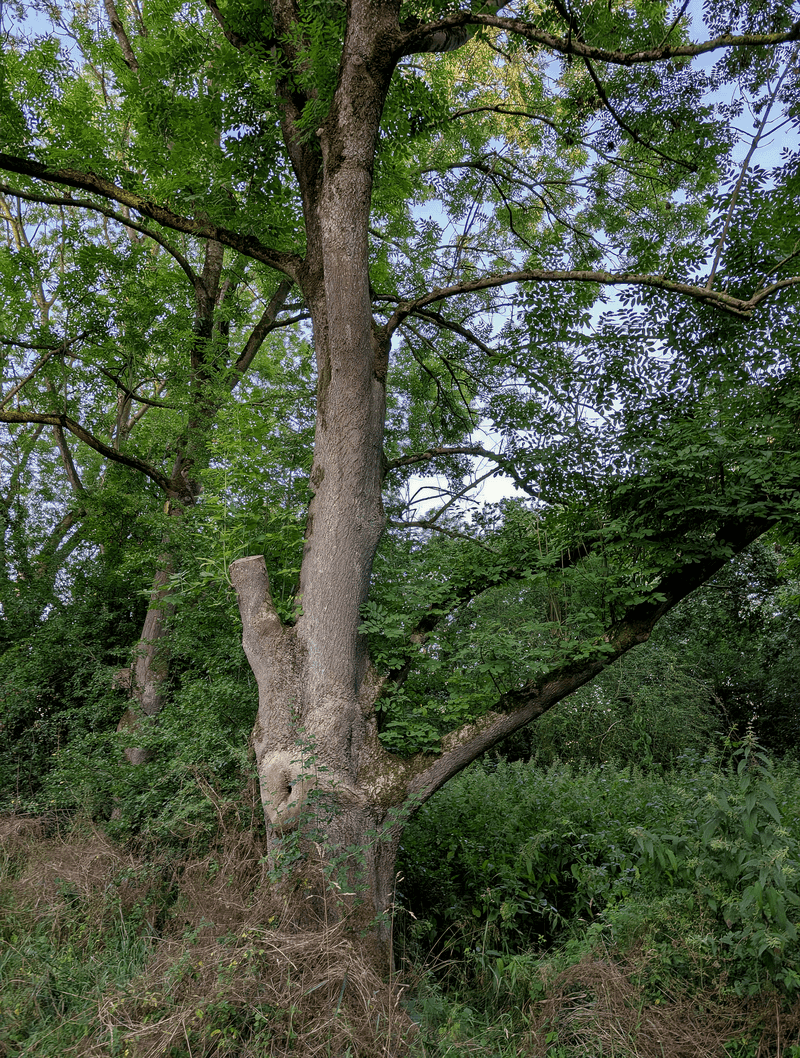
September has a way of testing trees. Warm ocean storms drift inland, soils stay soggy, and canopies are still carrying a full load of leaves.
Leaves act like sails. A weakened ash catches wind across thousands of square feet of surface, and the force travels down into a trunk that may have less sound wood than it did five years ago.
Soft ground adds to it. Saturated soil lets root plates shift, which is why entire trees sometimes lean after a downpour even though the wind seemed mild. Trees along driveways and fresh construction sites are extra vulnerable.
Think about what sits underneath. Roofs, parked cars, fences, trampolines, bus stops, and power lines turn a falling limb from a yard cleanup into an expensive claim.
Insurance adds a wrinkle worth knowing. Insurance policies can treat storm damage differently when a homeowner had clear warning that a tree was in poor condition, so check your policy and keep documentation and dated photos just in case.
A simple habit helps during storm season. After each strong blow, walk the yard and look up for hanging limbs, fresh cracks, and bark on the lawn. Ten minutes of looking beats a surprise later.
Report anything tangled in utility wires to your power company rather than handling it yourself. Their crews have the gear and the training for that job.
5. Walk Your New Jersey Yard With A Simple Checklist
Grab a mug of coffee, a notebook, and ten quiet minutes on a Saturday morning. Your own eyes catch a lot more than people expect.
Start from across the street where you can see the whole crown. Compare the top third to nearby maples or oaks, since thinning usually shows up there first. Sparse twigs and small, pale leaves are worth writing down.
Then walk to the trunk and look closely. Tiny D-shaped holes, patches where woodpeckers stripped the outer bark, vertical splits, and shoots sprouting from the base all point the same direction.
Peek behind a loose flake of bark if one lifts easily. Winding tunnels shaped like the letter S are the signature you are checking for.
Finish at ground level. Look for mushrooms or soft spots near the root flare, a lean that has grown, cracked soil on one side, and lifted sidewalk slabs.
Photos make the whole exercise useful. Snap the same three angles each September, save them in a folder, and next year’s comparison takes seconds.
Rank your findings by what sits below the tree. An ash leaning over a shed gets less urgency than one arching over the kids’ bedroom window.
Share notes with neighbors too. Ash trees often grow in rows along older streets, and a problem on one lot rarely stays there.
One caution before you climb anything. Keep both feet on the ground during inspections and leave ladders out of it, because a brittle branch overhead is a poor thing to trust.
6. Bring In A Certified Arborist For A Real Assessment
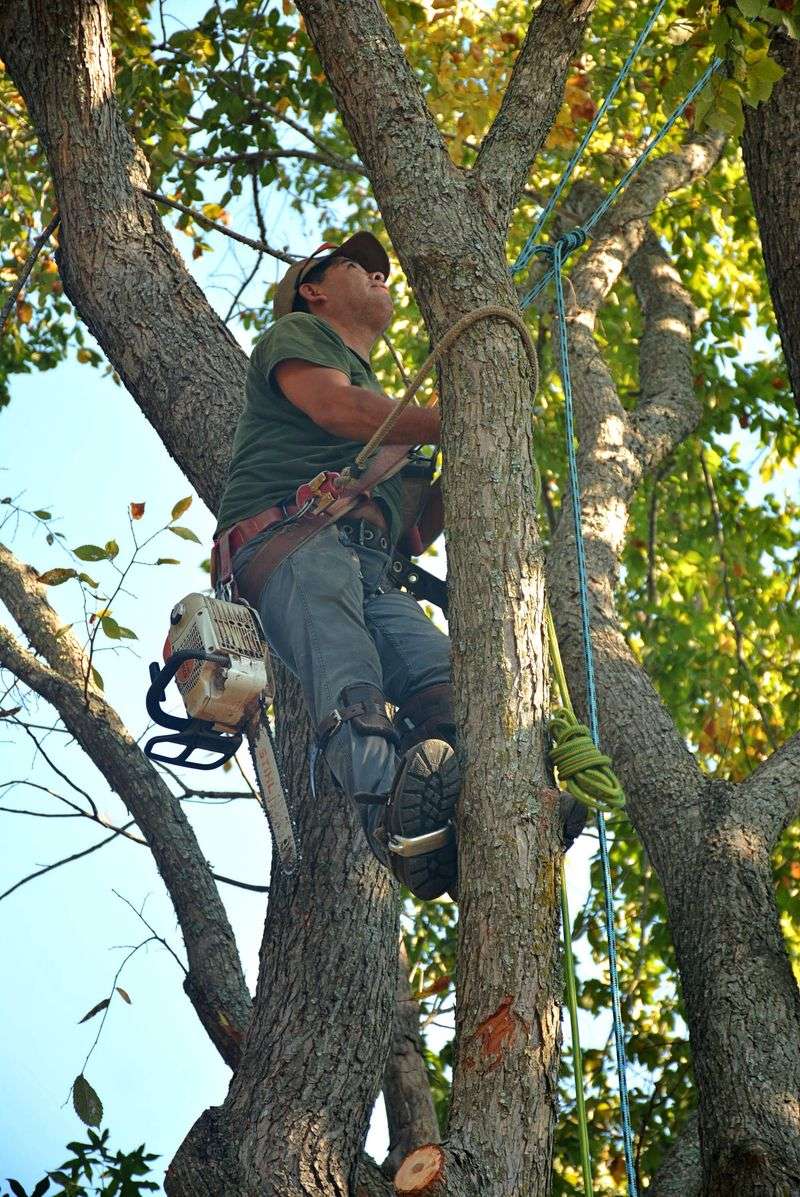
A neighbor once paid a truck full of strangers to top his ash. Two years later he paid again to have the whole tree taken down.
Credentials matter in this trade. Look for an arborist certified by the International Society of Arboriculture, and ask whether anyone on staff holds the Tree Risk Assessment Qualification.
A proper visit should end with something in writing. Expect notes on canopy condition, estimated percentage of decline, targets below the tree, and a recommendation with a timeline.
Ask a few pointed questions while they are on site. Is treatment still realistic, how much canopy remains, what would pruning accomplish, and what does removal cost this year versus next?
Paperwork protects you. Verbal promises fade fast. Request proof of liability and workers compensation coverage, then call one reference before signing.
Skip the crews that knock on doors the morning after a storm with a cheap cash offer. Reputable companies are usually booked and happy to schedule you properly.
Check ownership first, since it saves money. Trees between the sidewalk and the curb often belong to the city, and public crews may handle them at no charge to you.
Some towns also run cost-share programs for treatment or replanting. A quick call to the public works office can be worth a few hundred dollars.
Second opinions are fair game with big trees. Two assessments on a large ash near your roof cost little compared with the work itself, and agreement between them builds confidence.
7. Protective Treatments Can Buy Good Trees More Time
Good news for the ash that still looks decent. Injections placed into the trunk can protect a tree for two to three years at a time. That window can be long enough to keep a favorite shade canopy through another decade.
Emamectin benzoate is the product professionals reach for, delivered through small ports drilled at the base. The tree moves it up into the canopy, where feeding larvae run into it.
Candidates matter more than anything else. Trees holding roughly 70 percent or more of their canopy respond well, while heavily thinned specimens rarely bounce back enough to justify the spending.
Timing runs on a spring schedule. Applications work best from about mid-April through mid-June, once leaves expand and sap is moving, which makes early September the ideal time to book.
Cost usually runs by trunk diameter. Several rounds of treatment can sometimes cost less than a full removal, especially for larger shade trees, though prices vary by region and provider.
Commitment is part of the deal. Protection fades, so plan on repeating the process on a two or three year cycle while beetles stay active nearby.
Small ash trees under about eight inches across offer a do-it-yourself option. Soil drenches sold at garden centers can help, though reading the label carefully and keeping the product away from flowering plants protects pollinators.
Hire a licensed applicator for the injection work. Trunk treatments involve restricted products and specialized equipment, which puts them outside weekend project territory.
8. Plan Removal And Replanting On Your Own Timeline
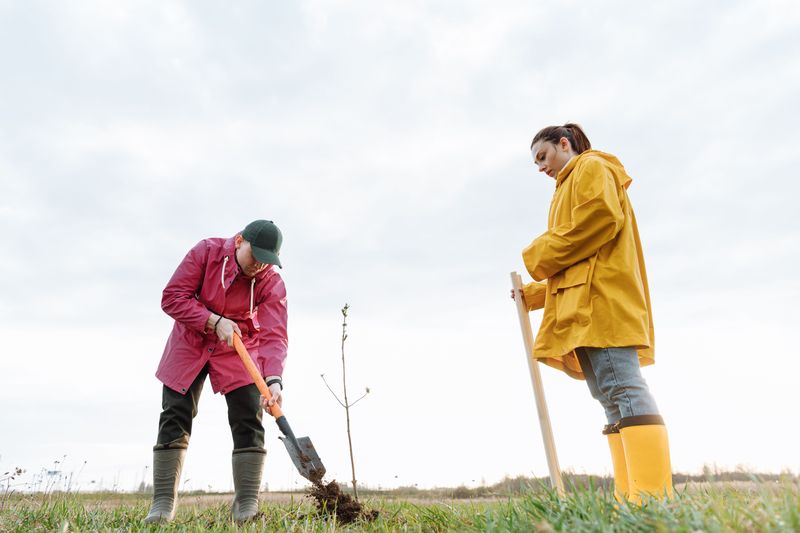
Choosing the timing yourself beats having a storm choose it for you. Scheduling work in late fall or winter often gets you a better rate, because crews are less swamped.
Check local rules before booking. Some cities require a permit for large trees, and a few offer rebates when you replant.
Neighbors can help your budget. Three houses on the same block removing ash trees on the same day gives the company one setup and you a group discount.
Keep the wood close to home. Moving ash firewood spreads beetles to new neighborhoods, so burn it locally or let a mill or woodworker take the trunk.
Then comes the fun part. September and October are fine months for planting, with warm soil, cooler air, and fall rain doing much of the watering for you.
Variety is the smart move. Mixing species such as swamp white oak, hackberry, hornbeam, tulip poplar, or serviceberry keeps one pest from reshaping your whole street again.
Match the tree to the spot. A large shade species belongs well away from wires and foundations, while a smaller flowering tree fits tight corners nicely.
Grinding the stump opens room for the new planting. Ask for the grindings to be hauled away, then bring in fresh soil before you set the root ball.
One last thought about patience. A sapling planted this autumn will be casting real shade by the time a kid in first grade heads to high school.