A Curve-Billed Thrasher Digging In Your Arizona Yard Is a Foraging Clue, Not a Soil Diagnosis
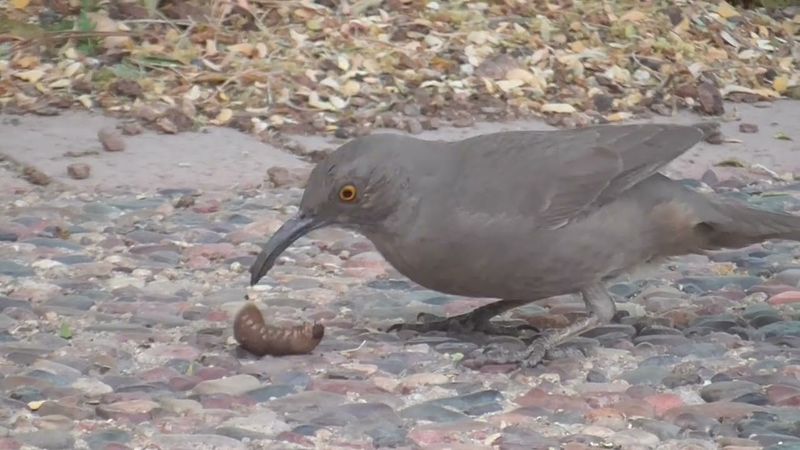
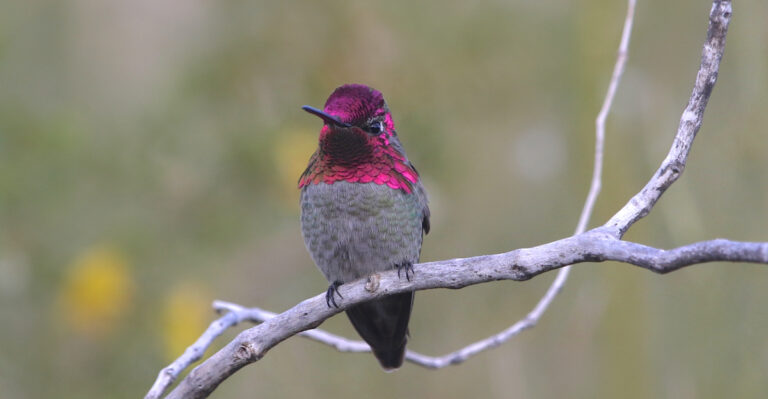
A gray-brown bird with a long curved bill is scratching and jabbing at the ground near your mesquite. It looks busy, and it is.
Here is what that digging really tells you about the bird, what it cannot tell you about your yard, and how to make smart choices for wildlife and for your home.
Digging is part of the thrasher’s foraging routine
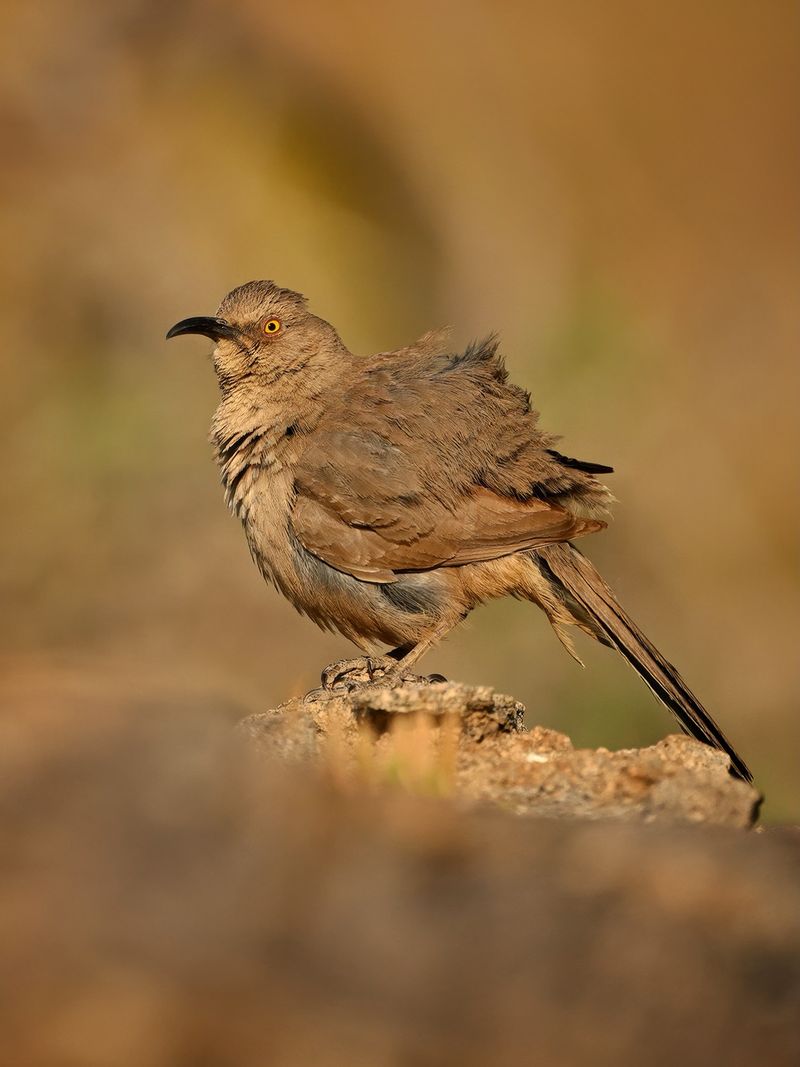
Watch a Curve-billed Thrasher for a few minutes and you will see a bird that works the ground like a tiny excavator. It jabs its long, curved bill into soil, flips over dry leaf litter, and nudges small objects aside to see what is underneath.
Audubon’s field guide describes this kind of ground foraging as a normal part of how the species finds food.
So when one shows up in your yard, the plain reading is simple. The bird is investigating one patch, and it may have found a bite to eat or may still be searching.
Thrashers often move on after a few probes, which is a good reminder that digging is a search method, not a success report.
Think of it as a snapshot of a single spot and a single moment. It says nothing about the rest of your property.
A thrasher might check the dirt under a creosote, then skip the next ten feet entirely.
That is still a fun thing to watch. Keep a notebook for a week and jot down where the bird digs and at what time of day.
You will learn plenty about its habits without needing to read anything more into it.
The bird’s menu goes beyond insects
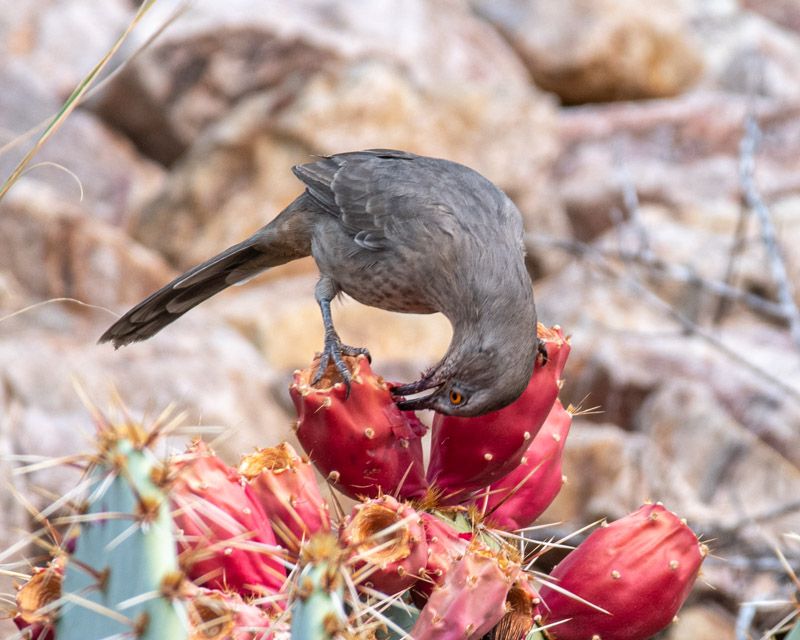
Picture the thrasher’s dinner plate and you will find more than bugs. According to the Audubon field guide, it eats insects and larvae, spiders, centipedes, snails, and sowbugs.
It also takes berries, cactus fruits, and seeds, depending on what is available.
That mix matters when you interpret what you see. A bird probing the dirt could be after a beetle grub, a sowbug, or a seed tucked in the litter.
From across the yard, you usually cannot tell which.
It also means digging does not prove your shrubs are packed with prey. The bird is working soil, litter, and small objects on the ground, not necessarily picking through branches.
One thrasher scratching under an oleander tells you where it chose to look, not how many insects live in the foliage above.
If you want a better sense of what is going on, watch for details. Does the bird swallow something small after a jab?
Does it pluck a cactus fruit instead? Those little clues describe a varied eater, and that is the honest takeaway.
One visit cannot grade your soil
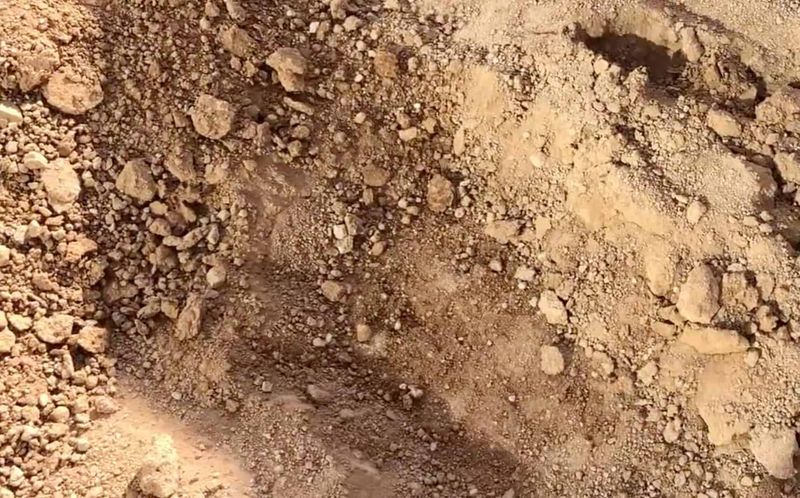
A bird sighting is not a soil test. USDA soil health guidance explains that soil health is judged using several physical, chemical, and biological indicators, and that no single result tells the full story.
You might wonder if birds can at least hint at what lives underground. There is some research on that idea.
Your Arizona Garden Changes Every Week. Your Plan Should Too.
Gardening in Arizona changes quickly throughout the season. Every Friday you’ll receive a simple weekly plan showing exactly what to plant, prune, fertilize, harvest, and protect so you never miss the right timing.
A British study looked at earthworm-eating thrush species and found a link between bird counts and earthworm numbers, but the link explained up to 20 percent of the variation, and the authors called for more work.
Those were different birds in a different climate with different soil. The results do not turn one Curve-billed Thrasher visit in Arizona into a soil-health measure.
If you do want to know how your soil is doing, look at several things: how water soaks in, how compacted the ground feels, whether plants grow well, and what a lab test reports. The thrasher is a pleasant bonus, not the grader.
Choose suitable places for litter and native plants
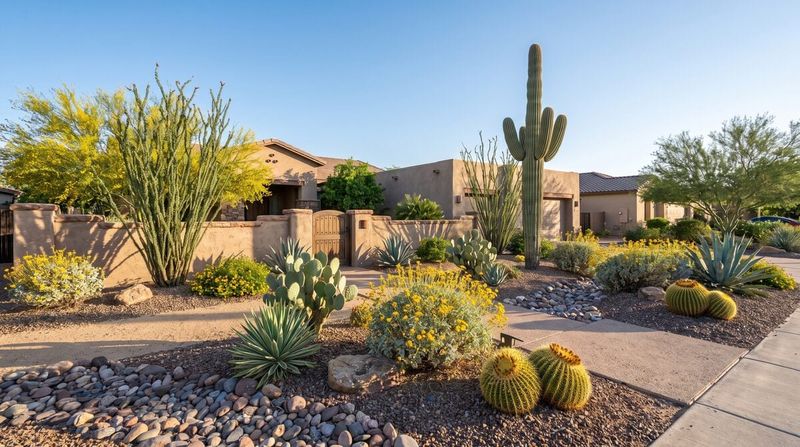
If you like having ground-foraging birds around, a little natural mess can help. University of Arizona wildlife landscaping guidance notes that litter can harbor food for birds that forage on the ground, thrashers included, and that native plants can supply both food and cover.
The key word is suitable. Pick one or two spots, such as the back edge of the lot or under a mature desert willow, and let leaves and a few fallen branches stay put there.
Pair them with desert-adapted plants like palo verde, mesquite, prickly pear, or penstemon, which handle heat and need little water once established.
This approach may make a patch more appealing to a foraging bird, though results vary from yard to yard. Nothing here guarantees a thrasher will visit or that pests will drop.
Fall is a good planting window in the low desert, when roots can settle in before summer heat. Choose your habitat spots first, and keep the rest of the yard tidy.
Keep loose debris away from the house
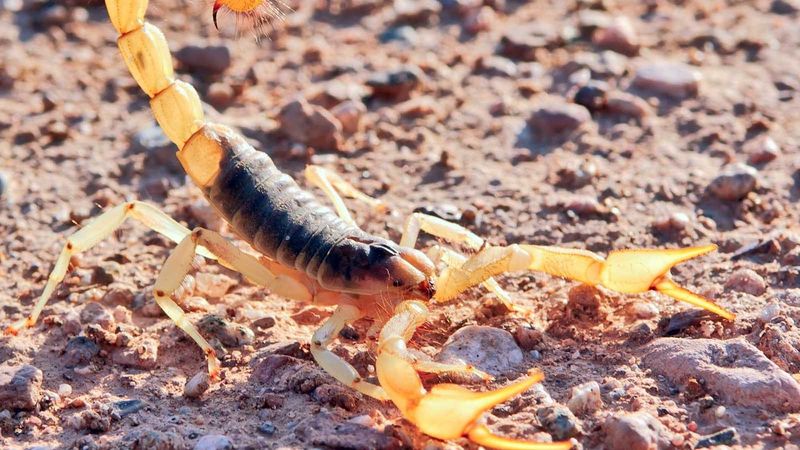
Habitat is great, but Arizona has scorpions, and they like cover. University of Arizona scorpion guidance recommends removing loose debris near structures and keeping shrubs from touching or crowding walls.
So draw a line. Wood piles, stacked stones, old pots, and heaps of leaves belong far from the foundation, not against it.
Leave a clear gap between shrubs and walls so there is no easy bridge or shady hideout right next to your door.
When you do move boards, bricks, or planters, wear thick gloves and lift slowly, since a scorpion may be sheltering underneath. Use a stick or tool to tip things over when you can.
Wildlife patches and a tidy perimeter can live in the same yard. Think of the house as a buffer zone, with habitat features placed out in the yard where a thrasher can dig and you will not be stepping on anything unexpected.
Use pesticides cautiously
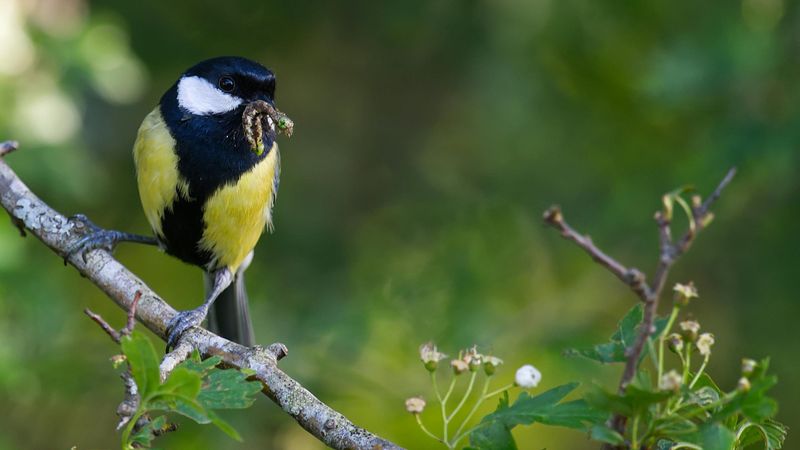
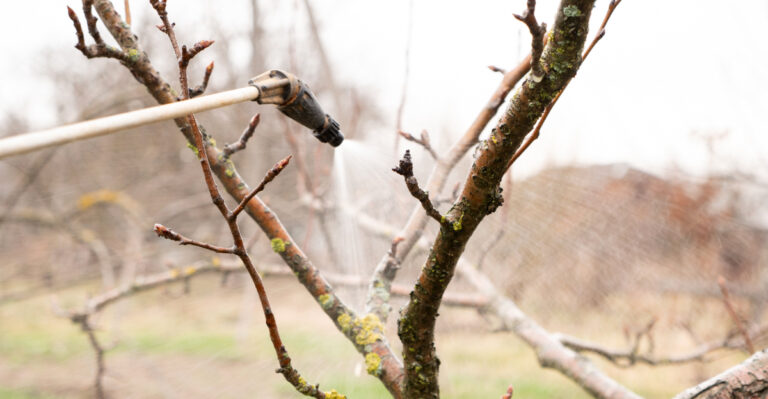
Scorpion worries can send people straight to the spray bottle, but a careful approach protects the wildlife you enjoy. EPA guidance advises using pesticides only when necessary, treating just the area that needs it, and following the product label.
The reason is simple. Pesticides can harm non-target wildlife, including birds and beneficial insects.
That does not predict what would happen to the thrasher you saw, since outcomes depend on the product, the amount, and the setting.
A few habits help. Start by fixing the basics, like clearing debris near walls and sealing gaps.
If you still need a treatment, aim it at the problem spot instead of broadcasting across the whole yard.
Keep treated areas separate from your wildlife patches. Read the label every time, even for products you have used before, because directions and cautions can differ between formulas.
Read the behavior as a clue, not a verdict
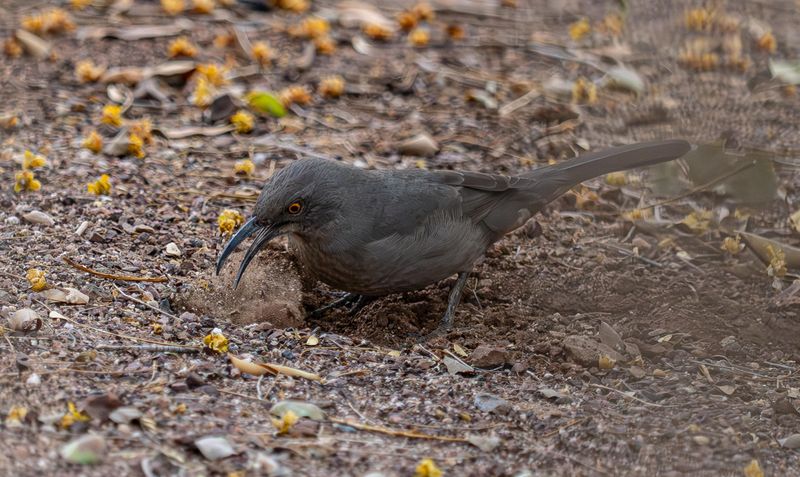
A digging thrasher is a ground forager at work, searching one patch for a varied menu. Soil health needs several indicators, so the visit is no grade for your dirt or your insects.
Keep habitat in chosen spots, and follow Arizona scorpion advice by clearing loose debris and giving walls some room.
The bird is not handing out a report card. It is just asking whether this patch has anything worth a jab.