Virginia Backyard Plants That Need Permits, Licenses, Or Special Permission
Breadseed poppies from your pantry can cross federal lines when they sprout. You may assume a seed packet is harmless.
Growing opium poppies conflicts with federal drug law, even in your flower bed. Water spinach in Virginia tastes great, but you need a permit to move it.F
Khat, a leafy shrub from East Africa, carries tight federal limits. Wild ginseng digging follows a strict calendar, plus permits on public land.
Deputies in Virginia recognize these plants on sight, and you should too. Check seed labels before you buy, and question nurseries about unfamiliar varieties.
Research botanical names, because you can confuse a regulated species with a harmless cousin. Neighbors may share cuttings with good intentions, so you should ask what they are.
Knowing the law protects your harvest, your reputation, and your peace. Choose seeds you can proudly stand behind.
1. Opium Poppies Among The Flower Beds
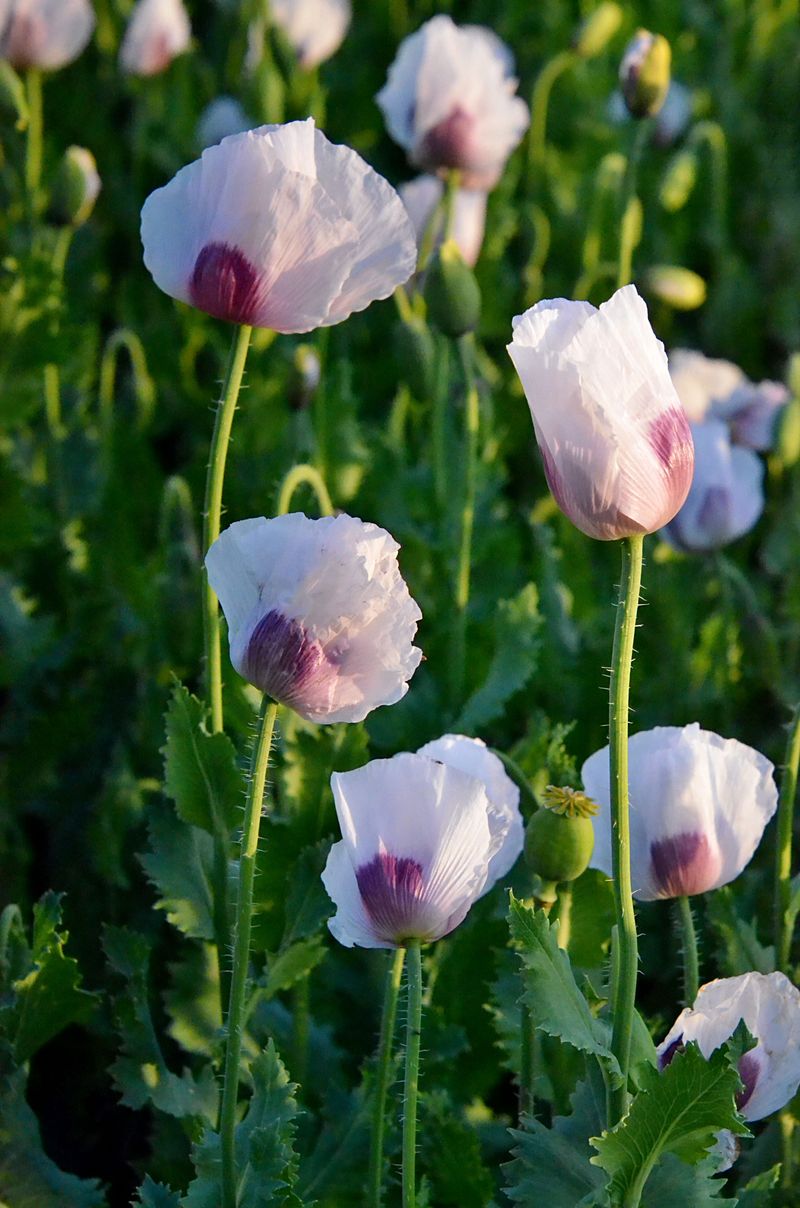
Grandma’s garden may have held a few of these papery red or purple blooms. They look delicate, swaying in the breeze like tissue paper ballerinas.
The plant in question is Papaver somniferum, the same species that gives us poppy seeds for bagels. Buying the seeds at the store is legal, which confuses plenty of gardeners.
Federal law treats the growing plant very differently from a sprinkle on your muffin. Opium, morphine, and codeine all come from the milky sap inside the seed pods.
Because of that sap, the Controlled Substances Act lists opium poppy straw as a controlled substance. Growing the plants on purpose for their pods or sap can bring serious charges.
In practice, police usually focus on people harvesting pods or making tea from them. Enforcement against a few flowers in a cottage bed is uncommon, but growing them remains prohibited under federal law.
Poppy tea has also caused hospitalizations and overdoses, since the strength of each pod varies considerably. That health danger is a big reason officials take the plant seriously.
Want that same splash of color without the legal complications? Try corn poppies, California poppies, or Iceland poppies, which are fully legal and just as cheerful.
October is a great month to scatter those safer seeds before the ground freezes. Come spring, you will have a bright, worry-free show along the fence line.
Ask your local extension office if you are unsure which variety you already have. Staff there can identify poppies quickly from a photo or a fresh leaf.
2. Wild Ginseng Within The Harvest Season
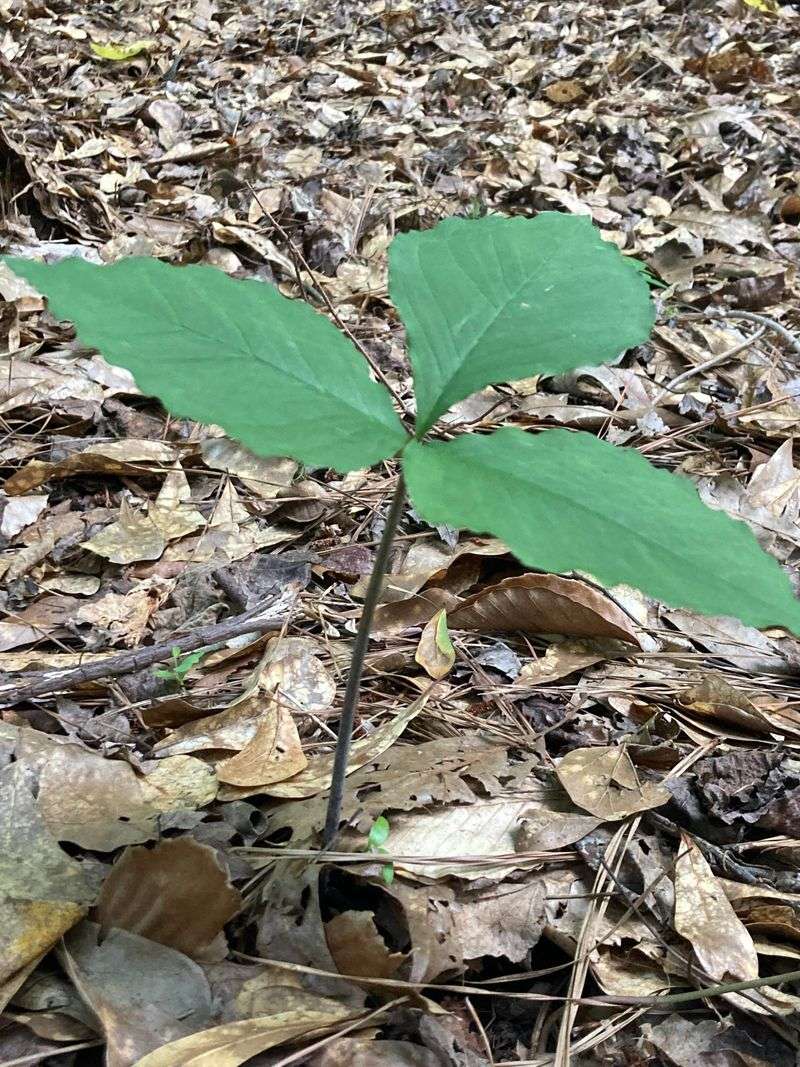
Ginseng looks like a modest woodland plant, with whorled leaves and a cluster of red berries. Its forked root has been prized in herbal medicine for centuries.
Wild American ginseng, Panax quinquefolius, is listed as a threatened species in Virginia. The Virginia Department of Agriculture and Consumer Services, or VDACS, regulates its harvest and sale.
Wild ginseng can be harvested only from September 1 through December 31. Digging it at any other time breaks state rules.
Plants younger than five years, with fewer than three prongs, or with fewer than four stem scars cannot be taken. Harvesters must also plant the seeds of each plant at the harvest site.
Your Virginia Garden Changes Every Week. Your Plan Should Too.
Gardening in Virginia changes quickly throughout the season. Every Friday you’ll receive a simple weekly plan showing exactly what to plant, prune, fertilize, harvest, and protect so you never miss the right timing.
Digging on public land requires a permit from the appropriate agency. Violations are punishable by up to 12 months in jail, a fine of up to $2,500, or both.
Rules look different on your own property. The harvest regulations do not apply to people digging wild ginseng from their own land.
Selling still brings requirements, though. Anyone buying or accepting ginseng to resell needs a VDACS license, and shipping eight ounces or more in a year requires state certification.
Want the benefits without the paperwork? Buy ginseng tea, capsules, or roots from a reputable shop instead.
Ramps, sorrel, and bunching onions all thrive in dappled shade and need no special permit when grown at home. They bring a woodland flavor to the kitchen without a calendar to follow.
The season is open right now, which makes October a busy month in the woods. Ask landowners for permission before you step off a trail.
Check the VDACS ginseng page for current rules before you dig, ship, or sell. Staff there can explain certification and licensing in plain terms.
3. Edible Noxious Weeds Under State Law
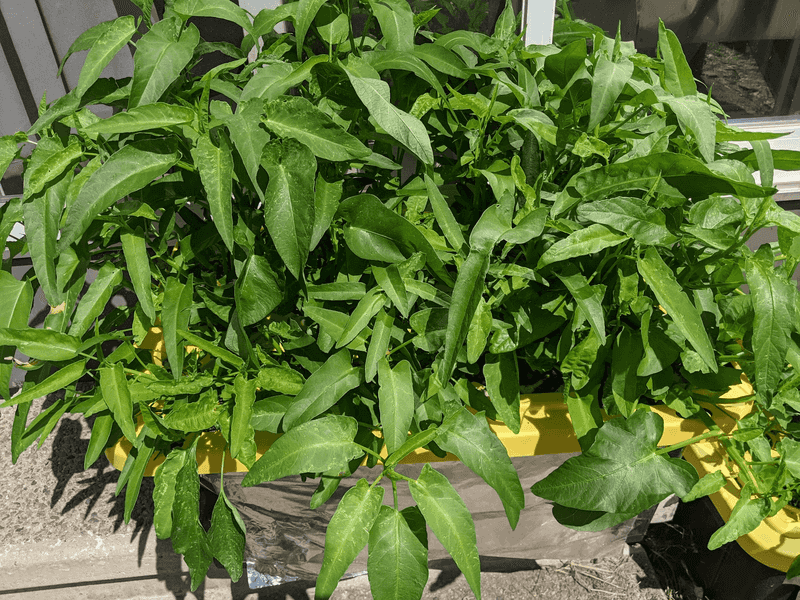
Water spinach is a stir-fry favorite, and Virginia lists it as a noxious weed. Many home cooks know it as kangkong or ong choy and want it fresh.
The state classifies water spinach as a Tier 2 noxious weed. Its hollow stems spread fast across ponds and ditches, crowding out native plants.
Listed noxious weeds cannot be moved into or around Virginia without a permit from VDACS. That rule can surprise gardeners who accept cuttings from a friend or a market stand.
Water spinach is not the only edible on the list. Chinese yam, garlic mustard, autumn olive, and kudzu all appear there too.
Chinese yam produces edible tubers and tiny aerial bulbils that drop and sprout in new spots. Garlic mustard tastes like a peppery herb, yet it spreads across forest floors quickly.
Autumn olive offers tart red berries that make a fine jam. Birds carry its seeds across fields and roadsides, which is why regulators track it.
Kudzu leaves and root starch have a long culinary history in Asia. In Virginia, the vine is a Tier 3 noxious weed known for smothering trees and shrubs.
Want the same flavors without the paperwork? Try bok choy, Swiss chard, or Malabar spinach, which are widely sold and not on the state list.
Garlic chives and wild garlic alternatives from a certified nursery can replace garlic mustard in the kitchen. Ask the staff to confirm each plant’s species before you pay.
October is a smart time to scout your yard for volunteers. Autumn olive berries ripen red now, and garlic mustard rosettes stay green into winter.
Check any unfamiliar plant against the VDACS noxious weed list before you share or transport it. Your local extension office can identify a mystery plant from a photo.
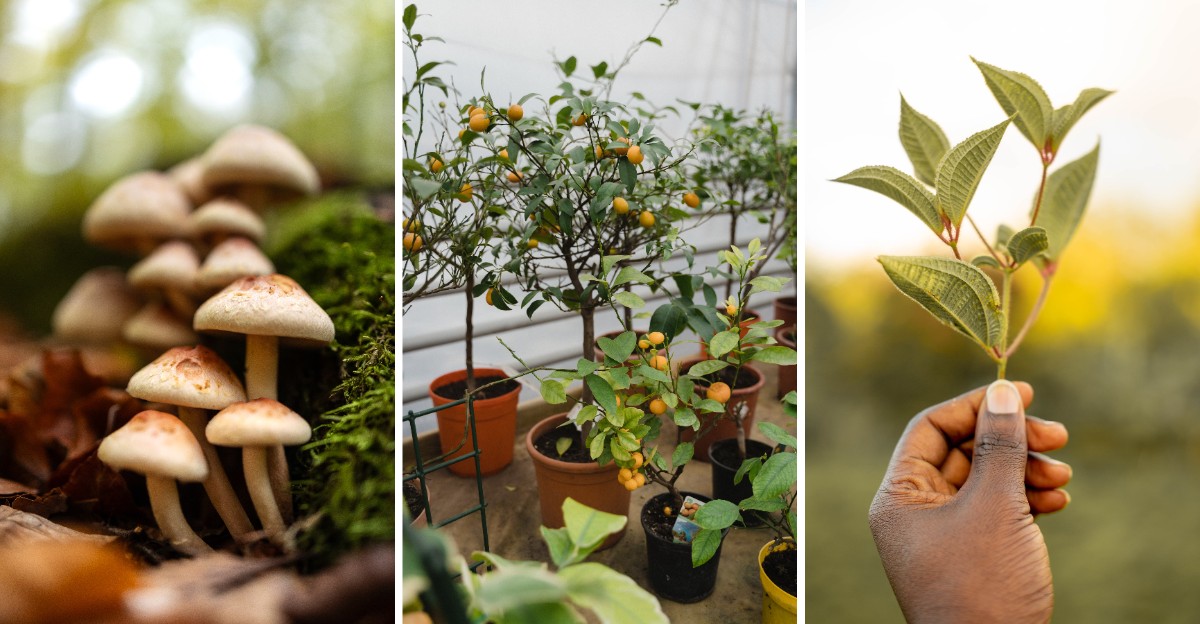
4. Magic Mushrooms Beneath The Shade Trees
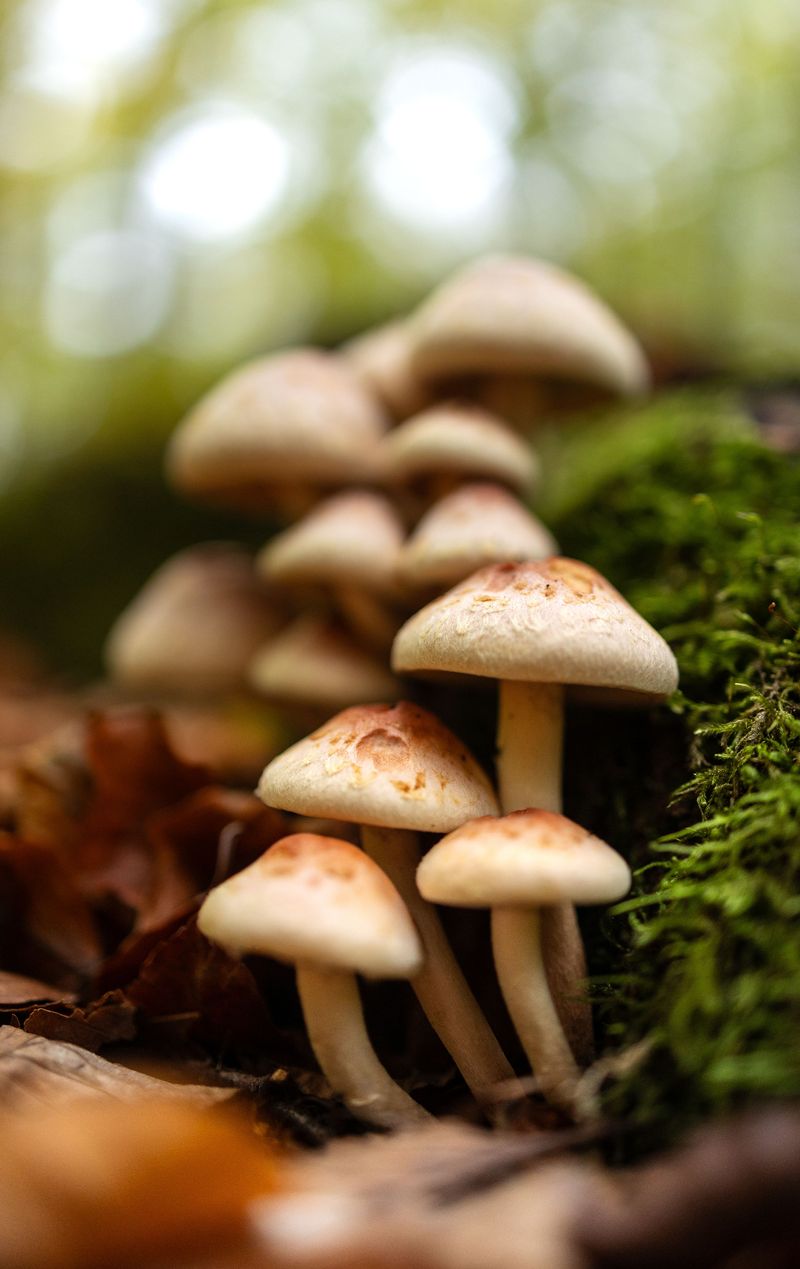
Mushroom growing kits have become a cozy hobby, with oyster and lion’s mane caps sprouting on kitchen counters. One kind of fungus, though, is prohibited under both federal and Virginia law.
Psilocybin mushrooms, often called magic mushrooms, contain a chemical listed as Schedule I under federal law. Virginia lists psilocybin as a Schedule I drug under state law as well.
Growing them at home counts as manufacturing a controlled substance in the eyes of the law. Penalties can include felony charges, jail time, and a criminal record.
Some cities in other states have relaxed their rules, which causes plenty of confusion online. Those changes do not apply in Virginia, no matter what a website suggests.
Spores are sometimes sold online for microscope study, since they contain no psilocybin themselves. The moment they sprout into mushrooms, the legal picture shifts dramatically.
Foraging in the woods brings its own risks, too. Many wild mushrooms look alike, and some toxic species can cause serious liver damage.
Fall rains bring a flush of wild mushrooms to Virginia forests each October. Admire them with a camera, and leave the guessing games to trained local experts.
For a legal fungus project, try shiitake logs, wine cap beds, or oyster mushroom buckets. Each one grows well in shady backyard corners with a little patience.
Shiitake logs cut from oak can produce tasty caps for several years. You get dinner, a science lesson, and no legal concerns.
5. Coca Shrubs From South America
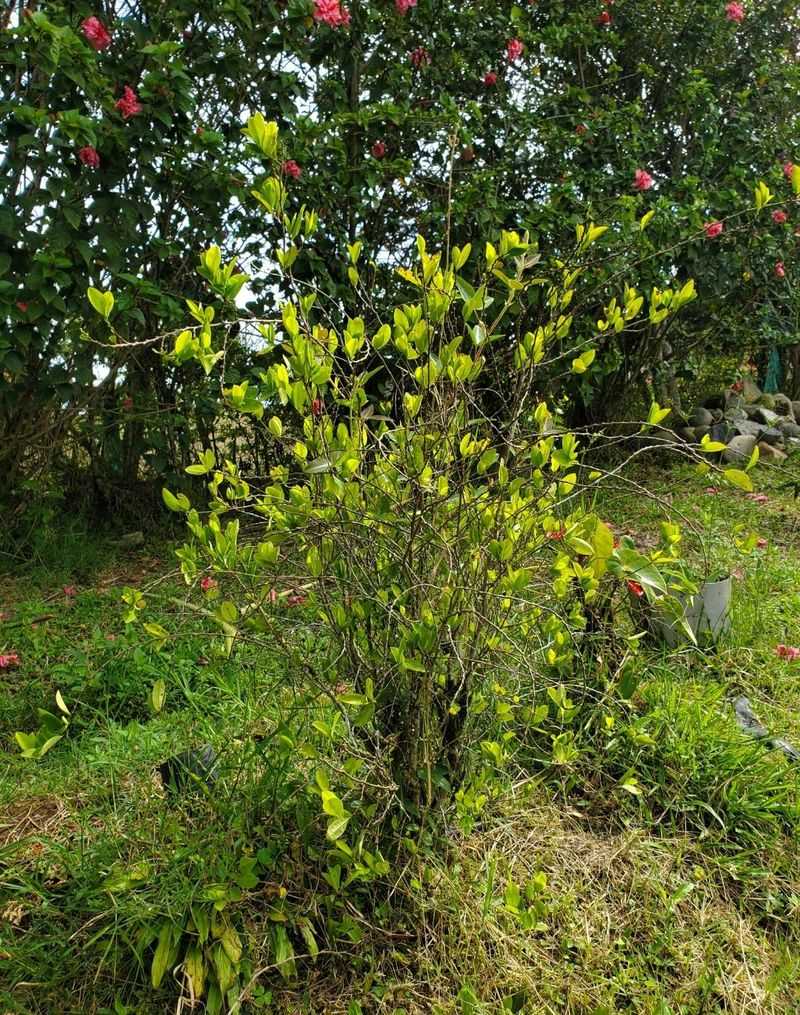
Coca leaves have been chewed in the Andes Mountains for thousands of years. Farmers there brew them into tea to fight tiredness and high-altitude sickness.
Bring that tradition to a Virginia backyard, and it becomes a whole different story. The coca plant, Erythroxylum coca, is the raw source of cocaine.
Federal law lists coca leaves as a Schedule II controlled substance. Growing even one shrub in a pot on your porch is illegal without special federal permission.
Only a single company in New Jersey has long held approval to import coca leaves. It removes the drug and supplies flavor extract used in a famous soda.
Coca shrubs also struggle in Virginia weather, especially once October nights turn chilly. They prefer warm, humid mountain slopes and frost-free temperatures all year.
Some people find seeds or plants through unverified online sellers. Customs agents and postal inspectors watch for those shipments, and charges can follow quickly.
Coca leaf tea bags sold abroad are also illegal to bring home in your suitcase. Travelers to Peru or Bolivia should finish their tea before boarding the plane.
Craving that earthy, energizing cup? Yerba mate, green tea, and guayusa all deliver a gentle caffeine lift with no legal concerns.
Mint, lemon balm, and chamomile grow easily in Virginia gardens and make lovely homemade tea. Snip a handful, steep it, and enjoy a mug as the leaves fall.
A small herb bed by the kitchen door keeps fresh leaves close at hand. It also adds a pleasant aroma to the kitchen.
6. Khat Bushes Of East Africa
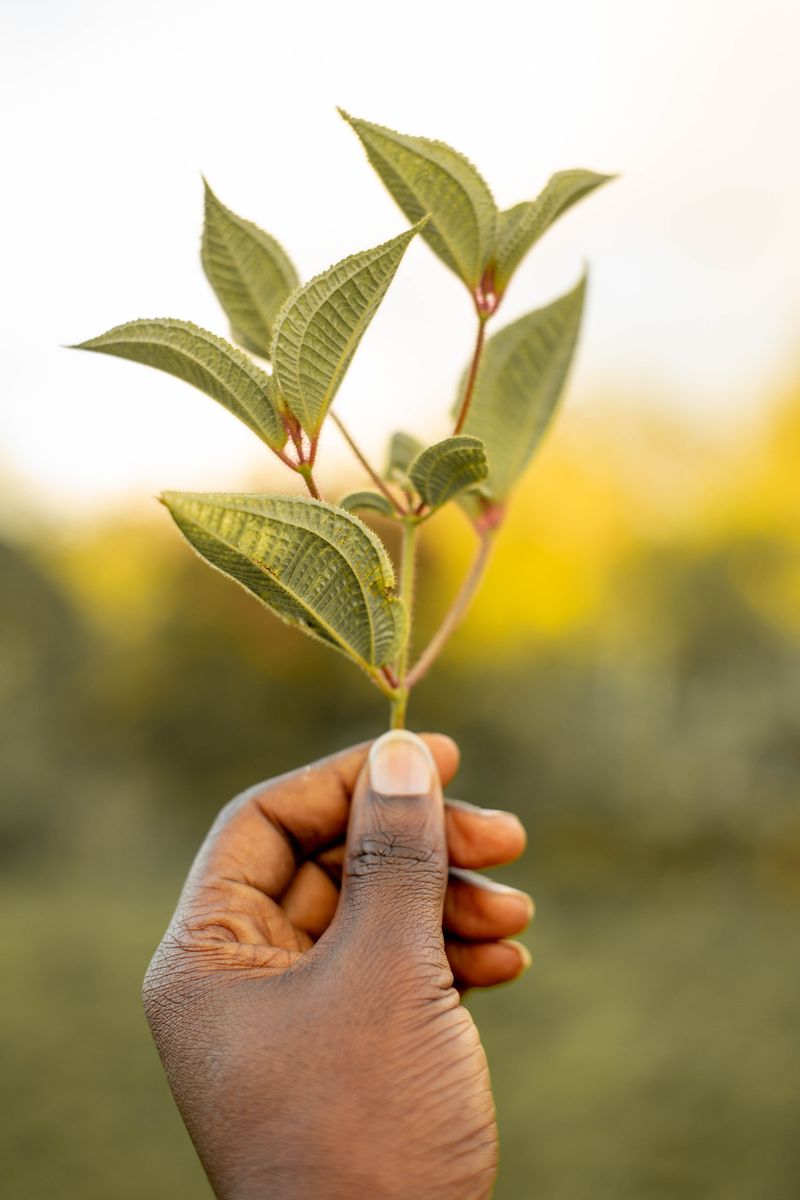
Imagine a shrub whose leaves people chew like gum at weddings and long afternoon chats. Khat holds that role across Ethiopia, Somalia, Kenya, and Yemen.
The leaves contain cathinone and cathine, natural stimulants with effects similar to amphetamines. Cathinone is a Schedule I drug in the United States.
So even though khat is a cultural staple overseas, growing it here breaks federal law. Virginia law also treats cathinone as a controlled substance.
Fresh leaves lose their strength within a couple of days after picking. That is why some people try to grow the shrub at home instead of importing it.
Khat plants look rather plain, with glossy green leaves and reddish stems. A neighbor might mistake one for a tea bush or a fancy houseplant.
Police and customs officers know the plant well, especially in larger cities with airports. Authorities have seized khat shipments in cities across the country.
Health experts also warn that heavy chewing can harm teeth, sleep, and heart health. Users sometimes report anxiety and trouble eating, which adds another reason for caution.
Interested in East African food culture? Explore Ethiopian coffee ceremonies, spiced berbere blends, or tangy injera bread instead.
Roasting coffee beans at home fills the whole kitchen with a rich aroma. Sharing a cup with friends captures that same warm social spirit.
Pair it with a cozy October evening and some good conversation. You keep the tradition alive without any legal risk.
7. Peyote Cactus On The Windowsill
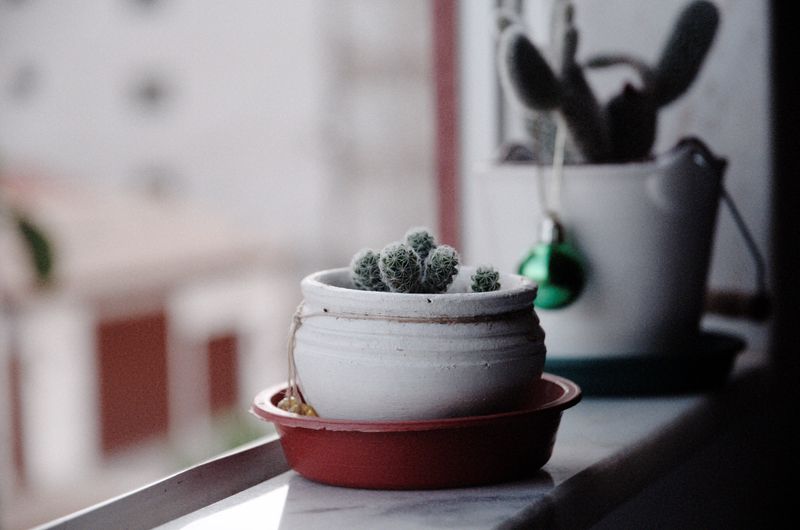
A tiny, button-shaped cactus might seem like the most low-maintenance windowsill buddy ever. Peyote is slow, spineless, and oddly charming, yet it carries significant legal restrictions.
Native to Texas and northern Mexico, peyote contains mescaline, a powerful psychedelic compound. Mescaline and peyote are both listed under Schedule I of federal law.
Members of the Native American Church may use peyote in religious ceremonies under a federal exemption. That protection does not extend to ordinary gardeners in Virginia.
Growing one at home, even as a simple decoration, can lead to drug charges. Virginia law also lists mescaline as a controlled substance.
Wild peyote populations are shrinking, too, since the cactus can take many years to mature. Conservation groups worry about overharvesting in its small natural range.
Online sellers sometimes market seeds as rare collector items. Buying them can still put you in a tricky spot if the seeds sprout.
Love quirky cacti? Try star cactus, bunny ear cactus, or a fuzzy old man cactus for your sunny window.
Astrophytum asterias, the star cactus, looks remarkably similar to peyote and is legal to own when nursery-propagated, since wild-collected plants are protected by endangered species laws. Collectors adore its speckled skin and soft, round shape.
October is a smart time to bring potted cacti indoors before frost arrives. Place them in your brightest window and water sparingly through winter.
A happy cactus needs very little attention, which suits busy families well. Best of all, it will not get you into trouble with the law.
8. Citrus Trees Across State Lines
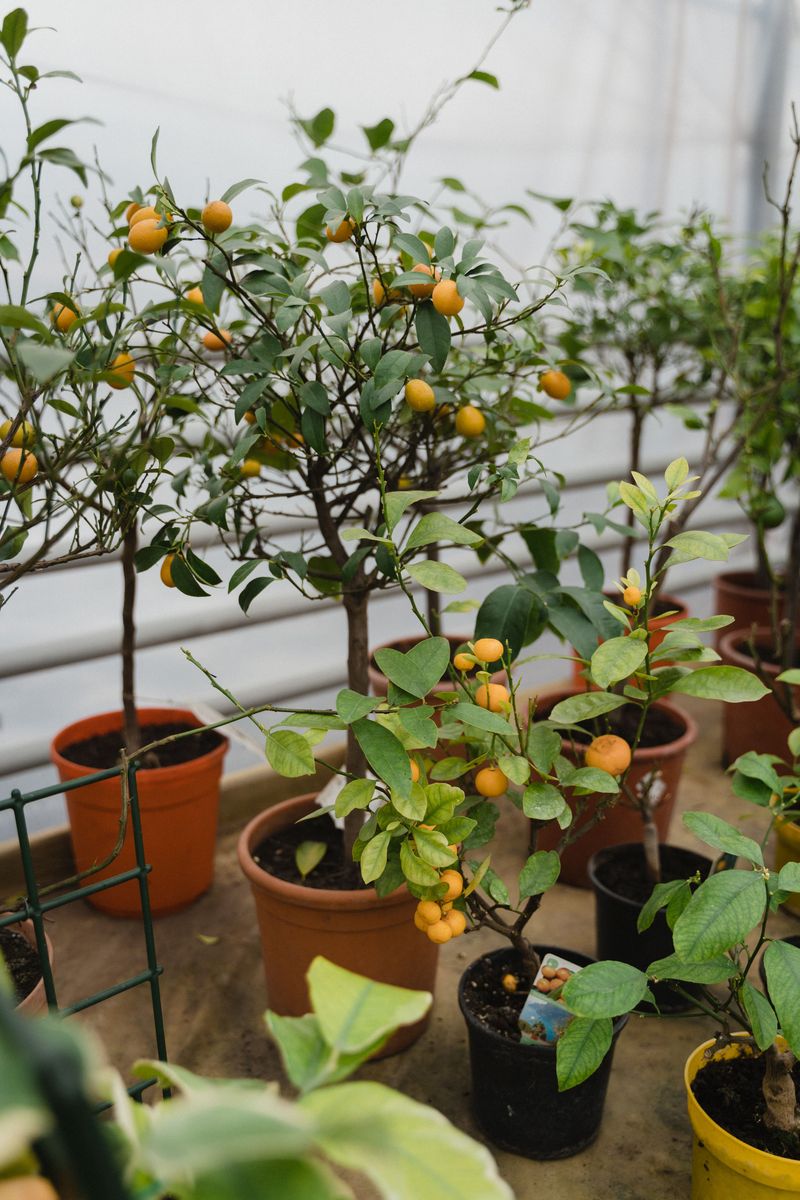
A Meyer lemon tree on a sunny patio sounds like a lovely addition to any garden. Where that tree comes from matters far more than most people realize.
Citrus greening disease has severely affected groves in Florida, California, Texas, and other warm states. A tiny insect called the Asian citrus psyllid spreads it from tree to tree.
Infected trees produce bitter, lopsided fruit and slowly decline over a few years. No cure exists yet, so prevention is the main defense.
Federal quarantines limit moving citrus plants out of affected areas without proper inspection. Bringing a backyard lemon tree home from a Florida vacation can break those rules.
Mail-order nurseries must follow strict guidelines before shipping citrus across state lines. Unverified online sellers may skip those steps, putting your purchase in a legal gray zone.
Virginia has no large citrus industry, but rules still apply to protect growers elsewhere. Garden centers here usually stock trees from approved, certified sources.
Buying locally is the safest way to enjoy homegrown lemons, limes, or kumquats. Ask the nursery staff where their trees were raised if you feel unsure.
Citrus trees also need protection from Virginia winters, since most cannot handle hard freezes. Bring potted trees indoors in October, once nights dip below 40 degrees.
A bright window or sunroom keeps them happy until spring returns. Some growers even get fragrant blossoms in the middle of January.
With the right source and a little care, a Virginia lemon tree can thrive for decades. Your guests will enjoy fresh lemons grown right indoors.