How To Get Grass Seed To Germinate On Top Of Soil And Achieve A Gorgeous Lawn In Florida
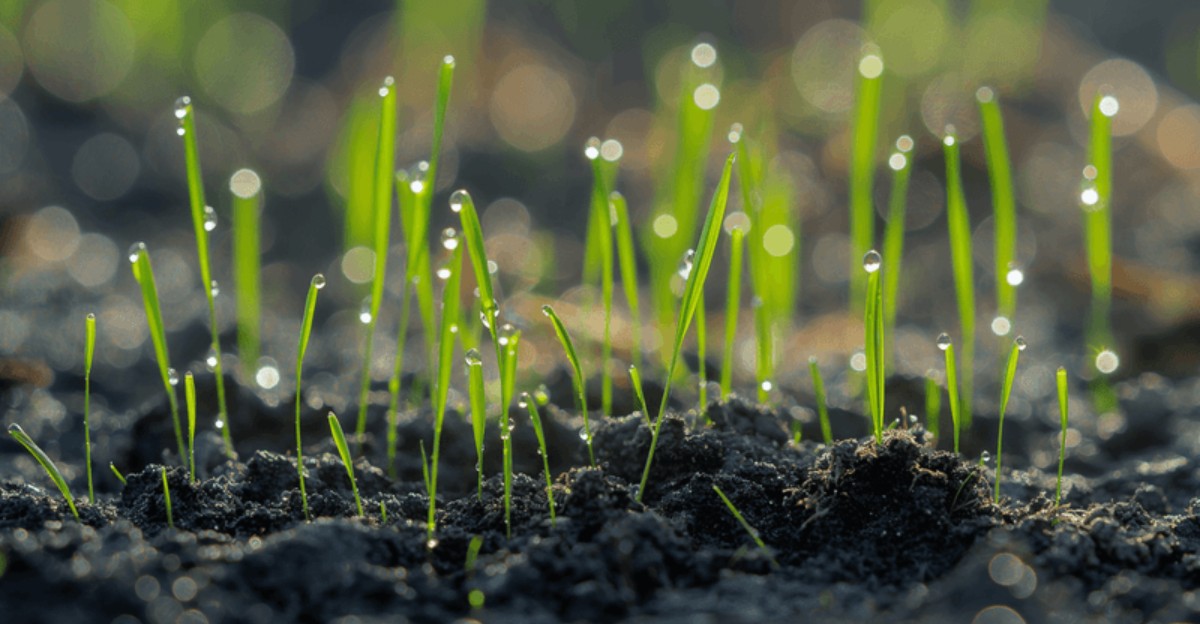
Toss a fistful of seed on bare dirt, and the local birds throw a party at your expense.
Seed left on top of the soil has everything stacked against it. Wind shoves it around, rain washes it off, and the sun bakes it before a single root gets a vote.
Plenty of Florida gardeners spread a bag, water for a week, and end up with a handful of sad green wisps.
Yet some yards come in thick and lush from the exact same method. Same seed, same dirt, same sun.
The winners just make one move the losers skip, and it costs next to nothing.
Nobody prints it on the bag.
Sort out your plan before you crack open that seed. A little prep turns a coin flip into a sure bet.
1. Pick A Grass That Actually Grows From Seed
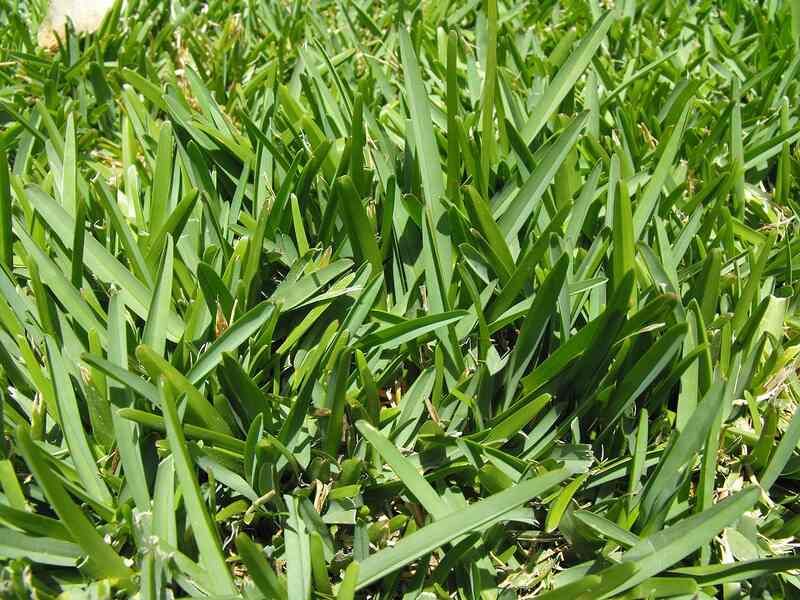
Here is a surprise that trips up many new Florida homeowners. The grass you see on most lawns, St. Augustinegrass, does not come from seed you can buy.
St. Augustinegrass gets planted as sod, plugs, or sprigs instead. So if you head to the store hoping for a bag of it, you will walk out empty-handed or with the wrong thing.
Luckily, several warm-season grasses do grow well from seed here. Bahiagrass, centipedegrass, Bermudagrass, and zoysiagrass are all solid picks for sunny Southern yards.
Each one has its own personality. Bahiagrass is tough and handles sandy, dry ground with ease, while Bermudagrass loves full sun and plenty of foot traffic.
Zoysiagrass forms a thick, carpet-like turf that feels lovely underfoot. Centipedegrass grows slowly and asks for very little attention once it settles in.
Before buying, take a walk around your yard at different times of day. Notice where shade falls, where water puddles, and where kids or pets run the most.
Those clues help you match the right grass to your space. A sun-loving type stuck under oak trees will struggle, no matter how carefully you water it.
Choosing well at the start saves you money, time, and plenty of frustration later. Think of it as picking the right player for the position on your team.
2. Bahiagrass And Centipedegrass Are The Common Seeded Choices
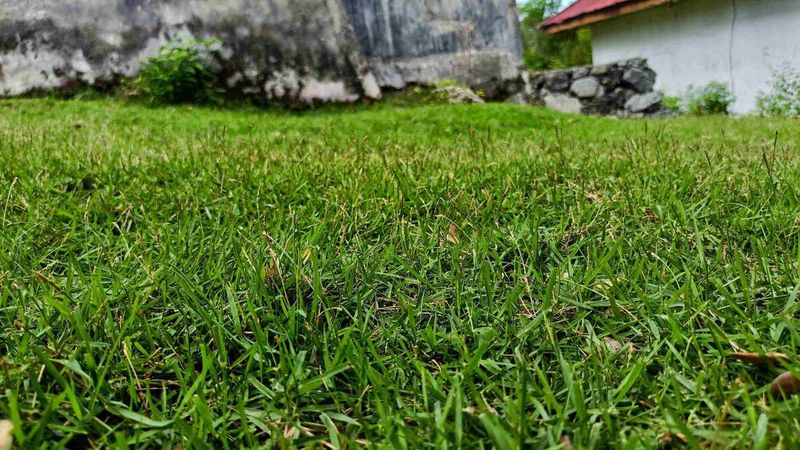
Meet the two workhorses of seeded Florida lawns. Bahiagrass and centipedegrass show up again and again because they simply fit this climate so well.
Bahiagrass came to the United States from South America in the early 1900s. It quickly found a home here, thanks to its love of heat and its knack for growing in sandy soil.
Drought does not scare it much either. Its deep roots dig down for water, so it can stay green when other grasses start looking tired.
Centipedegrass has a funny nickname, the lazy man’s grass. That label comes from how little mowing and fertilizer it needs to look nice.
It grows in full sun and handles light shade better than many seeded options. The blades are a pleasant apple-green color and feel soft on bare feet.
Your Florida Garden Changes Every Week. Your Plan Should Too.
Gardening in Florida changes quickly throughout the season. Every Friday you’ll receive a simple weekly plan showing exactly what to plant, prune, fertilize, harvest, and protect so you never miss the right timing.
So which one should you choose? Bahiagrass is great for big, open yards where low cost and toughness matter most.
Centipedegrass suits homeowners who want a neat, tidy look without spending every weekend on yard chores. It does prefer slightly acidic soil, which is common in many parts of the state.
Both can give you a pretty lawn when planted the right way. Pick the one that fits your lifestyle, and you are already ahead of the game.
3. Check The Label For At Least 85 Percent Germination
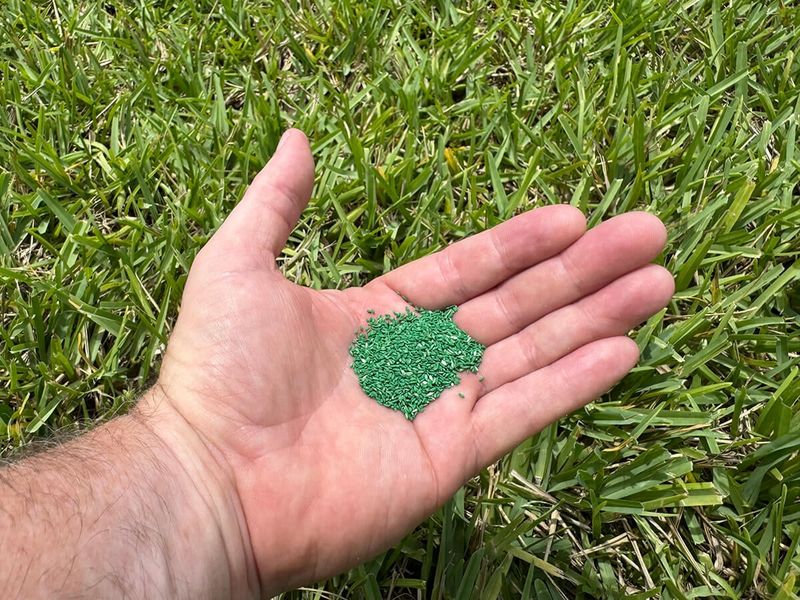
Flip that seed bag over before you toss it in your cart. The small print on the back tells you more than the shiny picture on the front.
Look for a number called the germination rate. It shows what percent of the seeds sprouted when the company tested them.
Aim for at least 85 percent, and go higher if you can find it. Many quality brands land between 90 and 95 percent, which is a fantastic sign.
Why does this matter so much? A bag at 70 percent means nearly a third of your seeds may just sit there doing nothing.
That leads to thin, patchy spots and a lot of head scratching. You end up buying more seed and starting over, which costs time and money.
While you are reading, check the test date too. Seed gets weaker as it ages, so fresher is better for strong sprouting.
Also peek at the weed seed percentage. A lower number keeps unwanted plants from sneaking into your new lawn.
Think of the label like a report card for your seed. A few seconds of reading at the store can make a huge difference in how green your yard looks months later.
4. Spring And Summer Are Prime Seeding Seasons
Timing is everything, and grass seed has strong opinions about the calendar. Plant too early and it just sits there, waiting for warmth.
Warm-season grasses need soil that reaches at least 65 degrees to start sprouting. In most of Florida, that sweet spot lands between April and July.
Planting in this window gives young grass a whole growing season to settle in. Strong roots form well before cooler weather slows things down.
Folks in South and Central Florida can get a head start. Late March through May works beautifully for bahiagrass and Bermudagrass in those areas.
That earlier start gives seedlings six to eight weeks to build roots. By the time July rolls around, they are ready for the intense heat and heavier disease pressure.
Summer rains can help a lot too. Those afternoon storms often supply free water, which new seed loves.
Want an easy way to check? A simple soil thermometer from a garden store tells you exactly when the ground is warm enough.
Skip seeding in fall or winter if you can. Cooler soil means slow growth, and tender sprouts may struggle when a chilly snap arrives.
5. Seed Needs Soil Contact, Not Just A Spot On Top
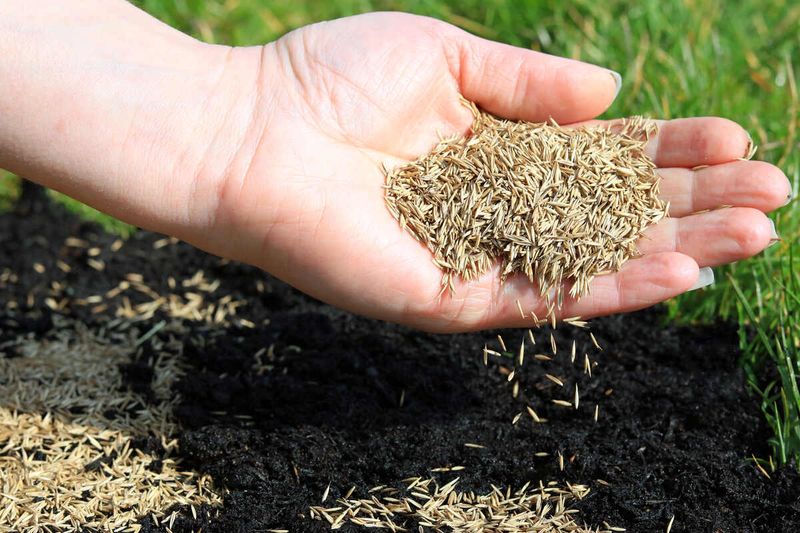
Imagine trying to drink a milkshake without a straw touching it. That is pretty much what a seed experiences when it just rests on top of the ground.
Seeds need water to wake up and start growing. They soak up that moisture from the soil pressed right against them.
When a seed sits loosely on the surface, it can dry out fast in the Florida sun. Seeds stuck in thatch or withered leaves face the same problem.
Tiny air pockets around a seed also block moisture. The result is often patchy, uneven growth that looks messy for months.
So how do you fix it? Start by raking the area to loosen the top layer of soil before you spread any seed.
Clear away old thatch, rocks, and debris. You want a clean, crumbly surface that welcomes each little seed.
After spreading, rake lightly again so seeds settle just under or into the top layer. They should sit about 1/8 to 1/4 inch deep, not buried far down.
Good contact is the quiet hero of a thick lawn. Get it right, and every other step you take works even better.
6. Roll The Area To Press Seed Into The Soil
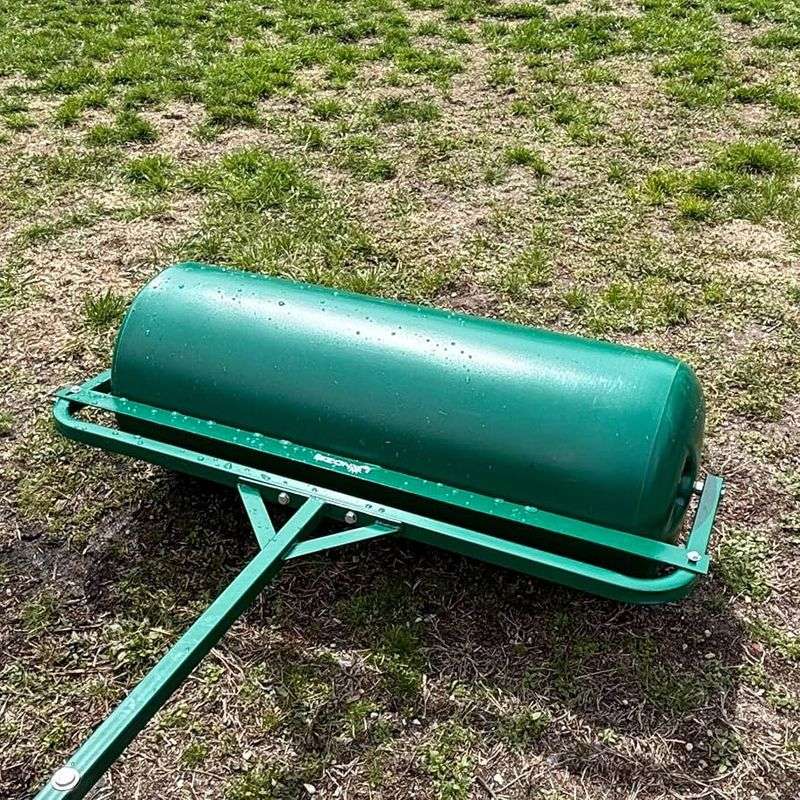
Ever patted down sand to build a sandcastle that holds its shape? Rolling a freshly seeded lawn works on a similar idea.
A lawn roller is a heavy drum you push across the yard. It presses seeds snugly into the soil so they grab moisture easily.
That firm contact speeds up sprouting and helps growth stay even. It also anchors seeds so a strong breeze or summer shower is less likely to move them around.
You do not need a giant machine for this. Many hardware stores rent rollers, and some models fill with water so you control the weight.
Keep the roller about one-third full for seeding work. A light pass is all you need, since seed should stay in the top 1/8 to 1/4 inch of soil.
Rolling too heavy can pack the ground hard. That makes it tough for tender roots to push down and spread out.
Work in straight lines, just like mowing. Overlap each pass slightly so you do not miss any strips.
Small yard and no roller handy? Walking over the area in flat-soled shoes can do a decent job in a pinch, too.
7. A Light Mulch Keeps Seed From Washing Away
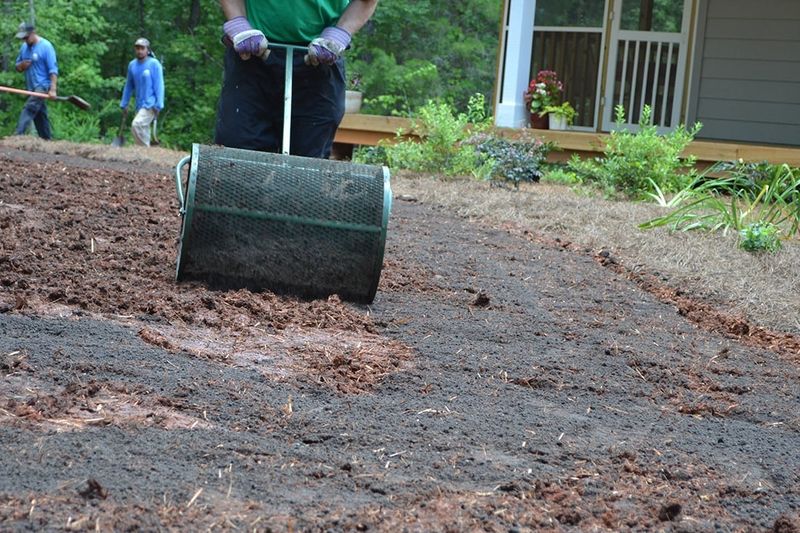
Florida thunderstorms can roll in like a marching band, loud and sudden. For tiny seeds, a downpour can mean a quick trip to the edge of the driveway.
A light layer of mulch acts like a cozy blanket. Clean straw is a popular choice because it is cheap, easy to spread, and lets light through.
Mulch slows down rushing rainwater so seeds stay put. That is especially helpful on slopes or spots where water tends to run off.
It also holds moisture close to the ground. Seeds stay damp longer between waterings, which gives them a better shot at sprouting.
Here is the key word, though: light. You should still see about half of the soil peeking through the straw.
Piling on too much shades the seedlings and blocks the sunlight they need. It can also trap too much moisture and invite fungus.
Look for weed-free straw rather than hay. Hay often carries weed seeds you do not want in your new yard.
Once the grass grows a couple of inches tall, most straw can stay and break down naturally. Rake away any thick clumps so the young blades can breathe.
8. Water Lightly Two Or Three Times A Day
Think of new seed like a baby who wants small snacks all day. One huge meal will not do the trick.
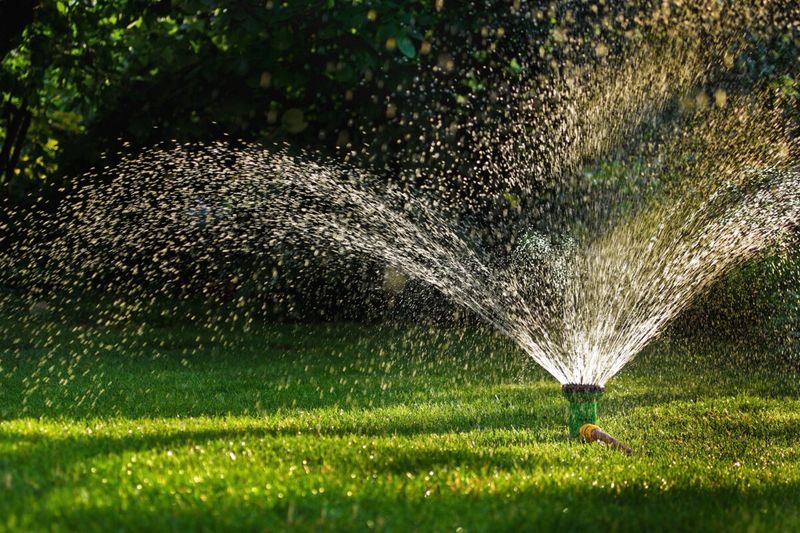
The top layer of soil needs to stay moist but not soggy. That usually means short, gentle watering two or three times daily, sometimes up to four.
Each session should run about five to ten minutes with a sprinkler. You want damp ground, not puddles or water racing down the sidewalk.
Early morning is a great time for the first round. A late morning or midday splash helps on hot, windy days when the surface dries fast.
Try to wrap up by late afternoon. Wet grass overnight can invite fungus, which nobody wants on a fresh lawn.
Keep this routine going for the first two to four weeks. Seeds that dry out after starting to sprout often struggle to recover.
As the grass fills in, slowly shift your plan. Water less often but for longer, so roots learn to reach deeper for moisture.
A cheap timer on your hose makes all of this much easier. Set it once and let it handle the schedule while you enjoy a glass of lemonade.
9. Be Patient, Centipedegrass Can Take 2 To 3 Weeks To Sprout
Watching grass seed is a bit like waiting for water to boil. You check every morning, and for days it feels like nothing is happening.
Relax, because a lot is going on underground. Seeds are soaking up water and slowly sending out tiny roots before any green shows up.
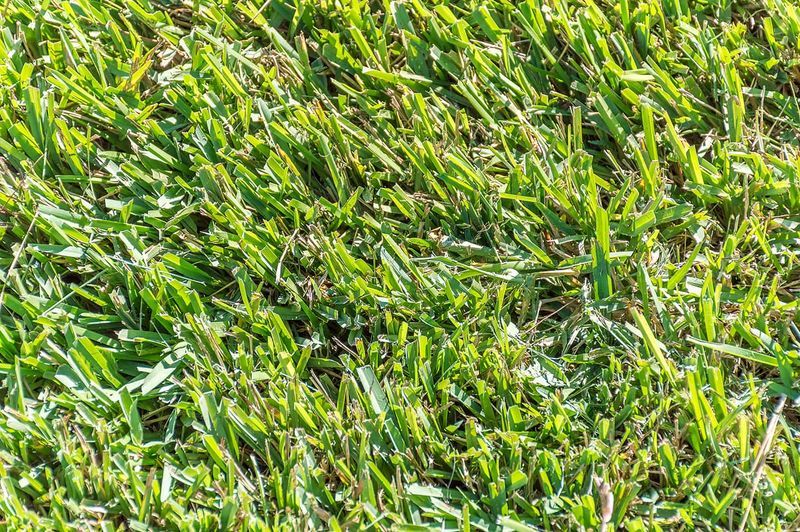
Centipedegrass is famous for taking its time. It often needs 17 to 28 days to sprout, though some patches pop up in as few as 10.
Bahiagrass can be just as slow, usually 14 to 30 days. During hot summer months with steady rain, it may surprise you and appear in 10 to 14 days.
Bermudagrass is the speedy one of the group. It usually sprouts in about one to two weeks.
The worst thing you can do is give up early. Some people rake the area again or toss down more seed, which can disturb what is already working.
Instead, keep up your watering routine and keep feet off the area. Put up a little sign or string if kids and pets like to wander through.
Once those first green fuzzes appear, it feels like magic. Before long, that patience pays off with a soft, lovely lawn worth showing off.