Mow Like This In October, And Your Virginia Lawn Comes Back Stronger
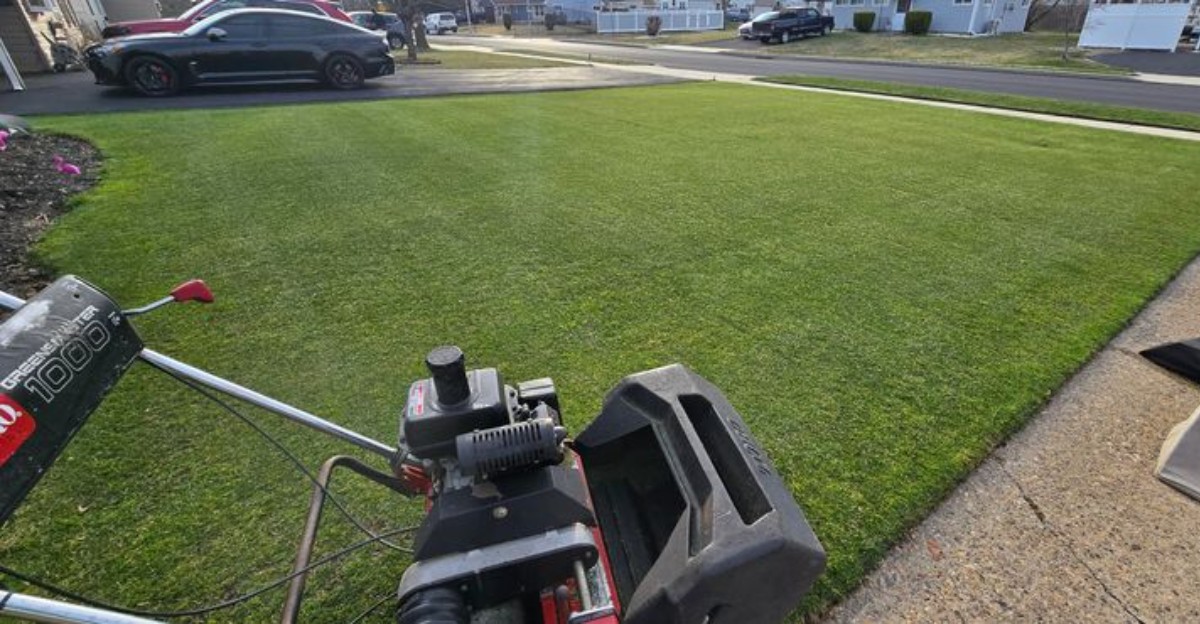
Parking the mower for the season might feel like a well-earned reward. But do it too early, and your lawn could pay for it next spring.
Plenty of Virginia homeowners call it quits once the leaves start falling. Come April, they’re staring at thin spots and wondering what on earth went wrong.
Your grass is far from finished. Right now, it’s quietly packing its roots with stored energy and nutrients to carry it through the cold months ahead.
How you cut it this month can decide whether it wakes up thick and green or thin and tired. Blade height, timing, and even those fallen leaves all play a part.
None of it is complicated, and most of these habits take only a few extra minutes per mow. A few simple moves can help your lawn rest well and come back with real muscle next season.
1. Keep Mowing As Long As The Grass Keeps Growing
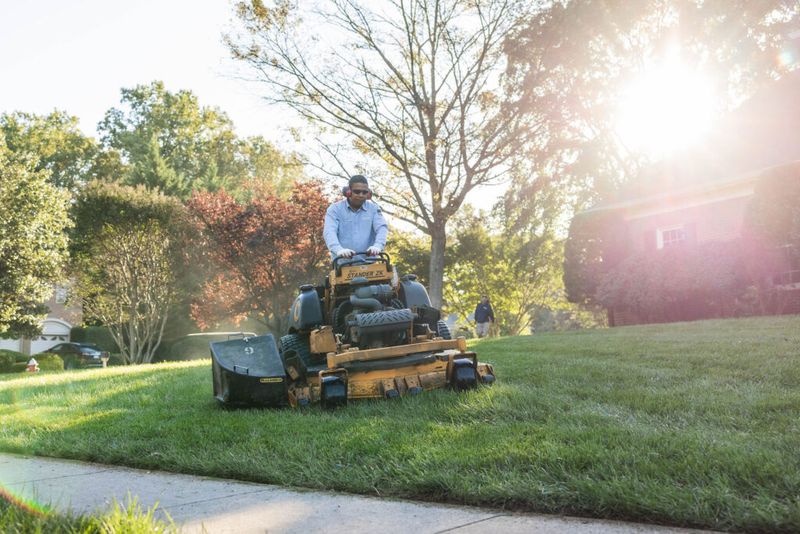
Picture a neighbor rolling the mower into the shed on October first, proud and finished. By November, that yard looks shaggy, floppy, and a little sad.
Cool-season grasses in Virginia keep growing well into late October and November. Your mowing season should follow the grass, not the calendar.
Growth usually slows when daytime highs stay below 50 degrees for a while. Until then, your lawn still needs regular trims to stay healthy.
One chilly week does not end the season, either. A warm stretch can wake the grass up again, and suddenly it is shooting up.
Keeping up with mowing stops the blades from getting long and floppy. Long grass can bend over and trap moisture near the soil.
Trapped moisture invites fungus, especially once the nights grow damp and cold. Tidy grass lets air move freely and sunlight reach each blade.
Here is an easy rule to follow on weekends. Walk your lawn and check whether it looks taller than your target height.
If it does, give it a trim even if the trees are bare. If it barely changed in a week, you can stretch the gap a little.
Many folks mow every seven to ten days in early fall. Later in autumn, every two weeks often works just fine.
For cool-season lawns, the final mow usually comes after the first frost. So keep that gas can handy a bit longer than you think.
2. Never Cut More Than A Third Of The Blade At Once
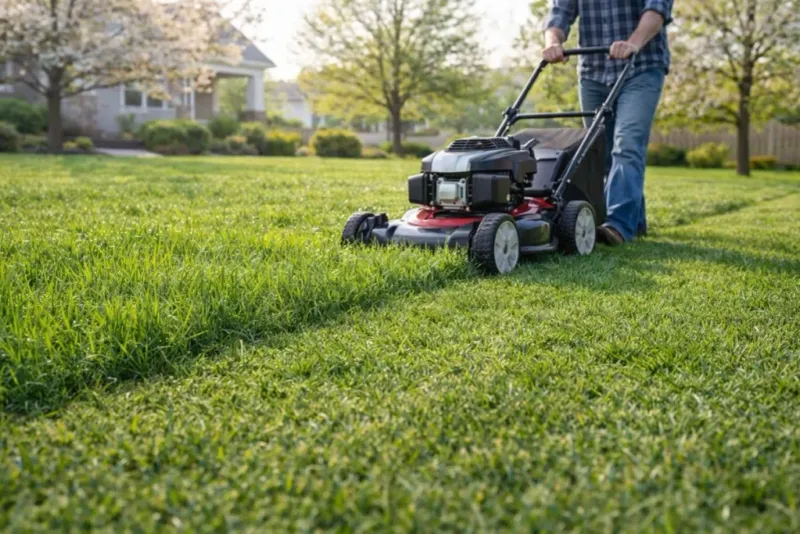
Think about getting a haircut so short it feels cold on your scalp. Grass reacts to a scalping job in much the same unhappy way.
Lawn experts follow a simple guide called the one-third rule. You should remove no more than a third of the blade in one pass.
So if your grass stands six inches tall, take off about two inches. Cutting more than that can shock the plant and slow its food production.
Grass blades work like little solar panels for the roots. Chop too much away, and the plant has less power to store energy for winter.
Your Virginia Garden Changes Every Week. Your Plan Should Too.
Gardening in Virginia changes quickly throughout the season. Every Friday you’ll receive a simple weekly plan showing exactly what to plant, prune, fertilize, harvest, and protect so you never miss the right timing.
Stressed grass may turn yellow within days of a harsh cut. It also becomes an easy target for weeds, disease, and dry spells.
Life gets busy in fall, with school events and football games. If your lawn grew way too tall, do not panic or rush it.
Bring it down slowly over two or three mowings instead. Wait a few days between each pass so the grass can recover.
Raise your mower deck for the first round, then lower it a notch next time. Patience here pays off with a thicker lawn come spring.
Fun fact: the leftover blade length helps shade the soil. That shade keeps weed seeds from getting the light they need to sprout.
Stick with the one-third habit all autumn long. Your grass will thank you with sturdy roots and rich color.
3. Keep Tall Fescue Around Three To Four Inches Through Fall
Walk down almost any street in Virginia, and you will spot tall fescue. It is the most common cool-season grass across the state.
Tall fescue loves a little height, especially in fall. Most experts recommend keeping it between three and four inches tall.
Some pros even suggest going up to four and a half inches during autumn. Either way, try to stay above three inches for now.
Why does taller grass matter so much? Longer blades shade the soil, which keeps it cool and holds moisture.
Taller tops also grow deeper roots below ground. Deep roots help the grass handle cold snaps, dry winds, and next summer’s heat.
Weeds struggle in a tall, thick lawn too. Seeds like crabgrass need sunlight on bare soil, and fescue blocks it nicely.
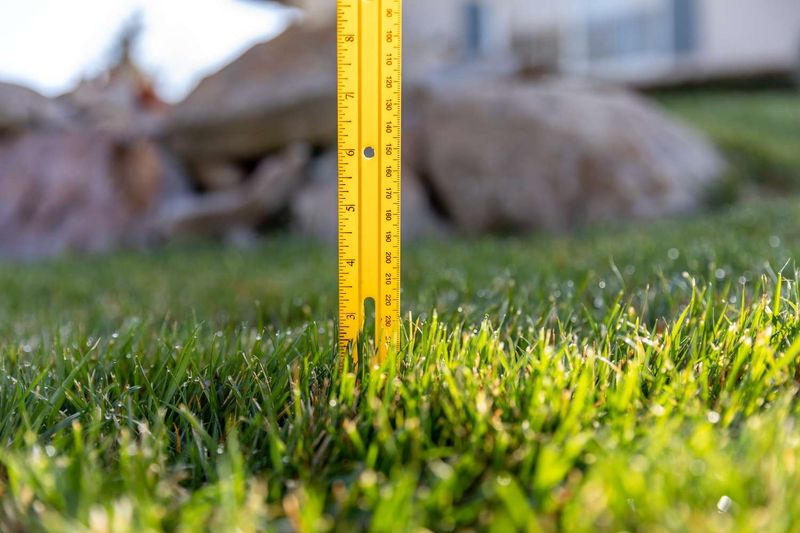
Not sure how high your mower cuts? Grab a ruler or tape measure and check a freshly mowed patch.
Mower deck numbers do not match inches on many models. A quick measurement takes the guessing out of the job.
Set the height once and leave it there through most of October. Changing it often can leave stripes and uneven patches.
Tall fescue might look a bit shaggy to some neighbors. Give it a few weeks, and its thick, deep green color will win them over.
4. Lower The Height Slightly For The Final Mow
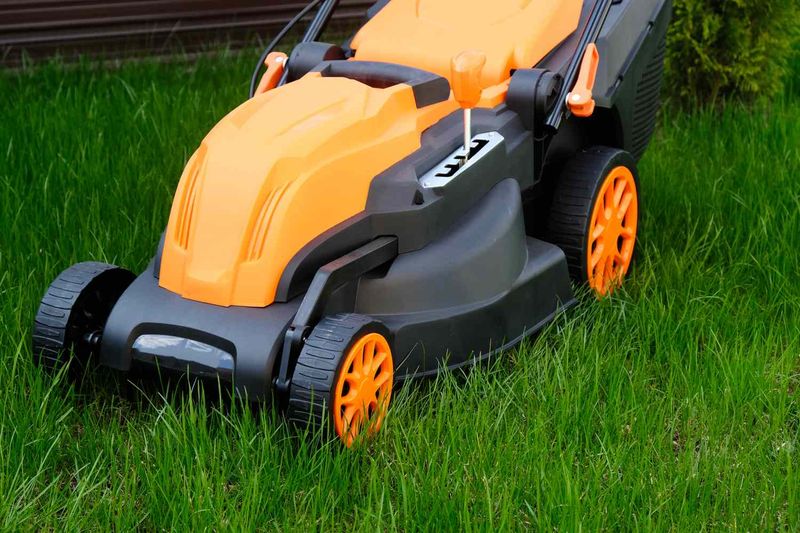
Snow on a long, floppy lawn is a recipe for trouble. When the snow melts, matted grass can turn gray and fuzzy with mold.
Your last mow of the year deserves a small change. Lower the cutting height a bit to help the lawn rest safely through winter.
Many experts suggest a final height around two and a half to three inches. Some go a touch shorter, down to two inches for cool-season turf.
Shorter grass does not flop over under snow and ice. Less matting means fewer chances for fungal problems like snow mold.
Here is the tricky part, though. Do not drop the height all at once in a single dramatic cut.
Instead, lower the deck one notch over your last two or three mowings. The grass adjusts slowly and avoids the shock of a scalping.
Timing matters too. Plan the final cut once growth has nearly stopped, often after the first frost in most of the state.
A cut too early just means the grass grows tall again. Watch the weather and your lawn’s pace before making that last pass.
After the final mow, clean the mower deck well. Scrape off packed clippings so rust does not creep in over winter.
Think of this step as a neat goodbye wave to your lawn. It tucks things in tidy, ready for a strong spring wake-up.
5. Mow When The Grass Is Dry
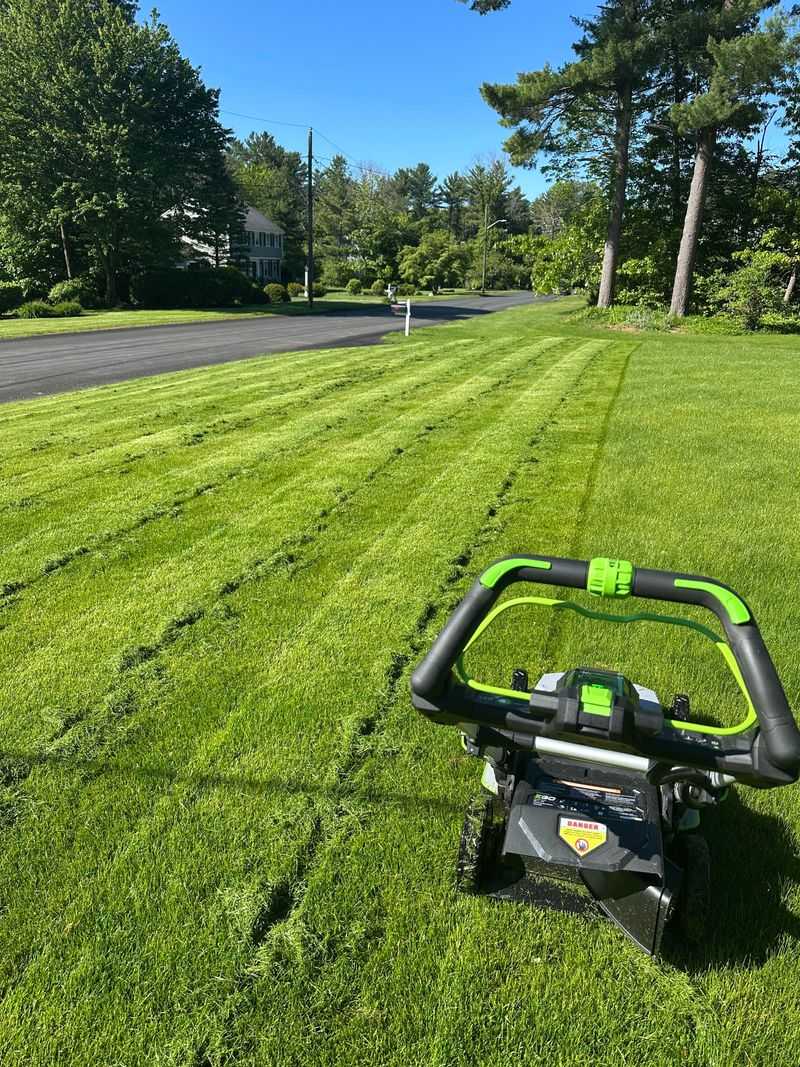
Fall mornings sparkle with dew, and the lawn looks lovely and fresh. Still, that pretty shine is a clear sign to wait before mowing.
Wet grass bends and lies down under the mower. Instead of a clean slice, you get a choppy cut with uneven spots.
Soggy clippings also love to stick together. They form heavy clumps that sit on the lawn like wet blankets.
Those clumps block light and air from reaching the grass below. Left there, they can smother patches and leave yellow spots behind.
Moisture helps spread lawn diseases too. Your mower wheels and blades can carry fungus from one area to the next.
So when is the sweet spot? Late morning or early afternoon usually works best during an October week.
By then, the sun has burned off most of the dew. Run your hand across the grass, and if it feels dry, you are set.
After a rainy day, give the yard some time. Soft soil can also rut under heavy mowers and squeeze roots.
Safety counts as well, since wet slopes get slippery fast. Good footing keeps you steady while pushing or riding.
Bonus tip: dry grass is easier on your mower. Less clumping means fewer stops to clear a clogged deck or chute.
6. Keep Blades Sharp For Clean Cuts
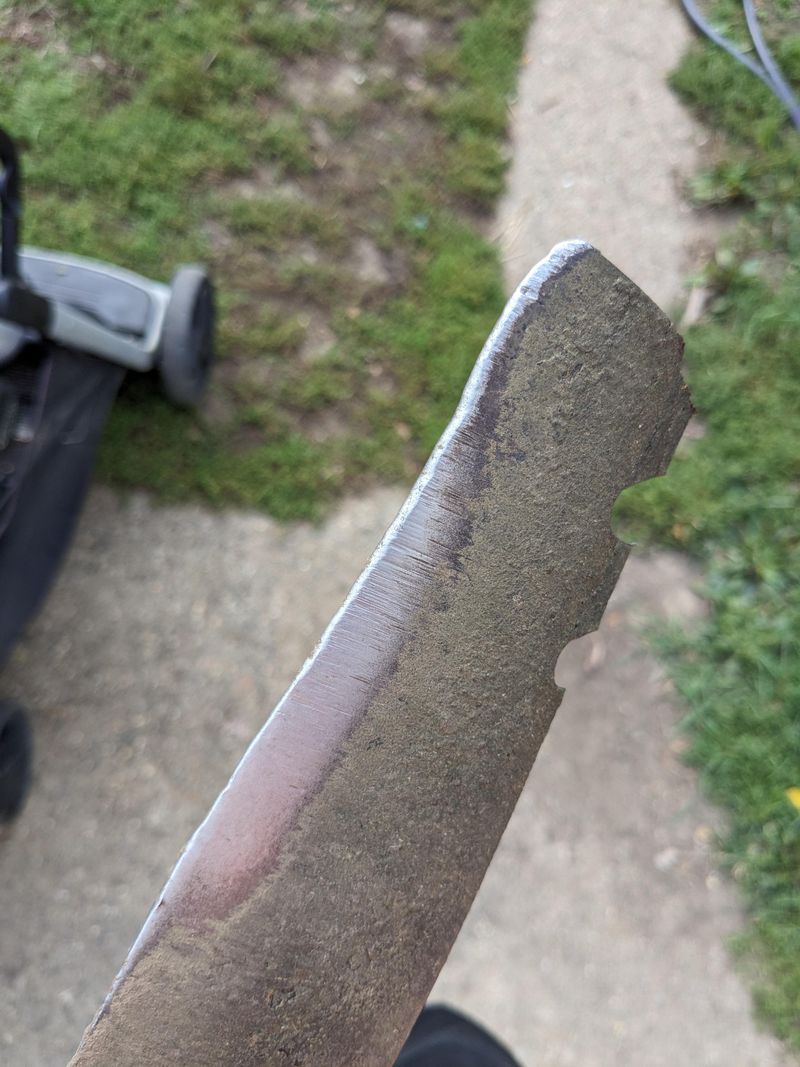
Ever looked closely at your lawn after mowing and noticed white, frayed tips? Those ragged ends point straight to a dull blade.
Dull blades tear grass rather than slicing it. The torn tips turn brown, giving the whole lawn a tired, washed-out look.
Ragged wounds also heal slowly. Disease and pests find it easier to sneak into a shredded blade.
A sharp blade makes a neat cut that closes up fast. Grass recovers quickly and stays green and healthy heading into winter.
Sharp blades help your wallet too. The mower works less, so you save fuel and finish the yard sooner.
Most experts suggest sharpening at least once a season. Twice a year is ideal, especially if you mow a large lot.
October is a smart time for a tune-up. Your lawn still needs several cuts, and clean ones protect it before cold arrives.
You can sharpen at home with a file or grinder. Disconnect the spark plug first, and wear sturdy gloves for safety.
Prefer to skip the hassle? Many local hardware stores and repair shops sharpen blades for a small fee.
Some folks keep a spare blade on hand. Swap it in, then sharpen the old one when you have a free afternoon.
7. Mulch Fallen Leaves Into The Lawn As You Go
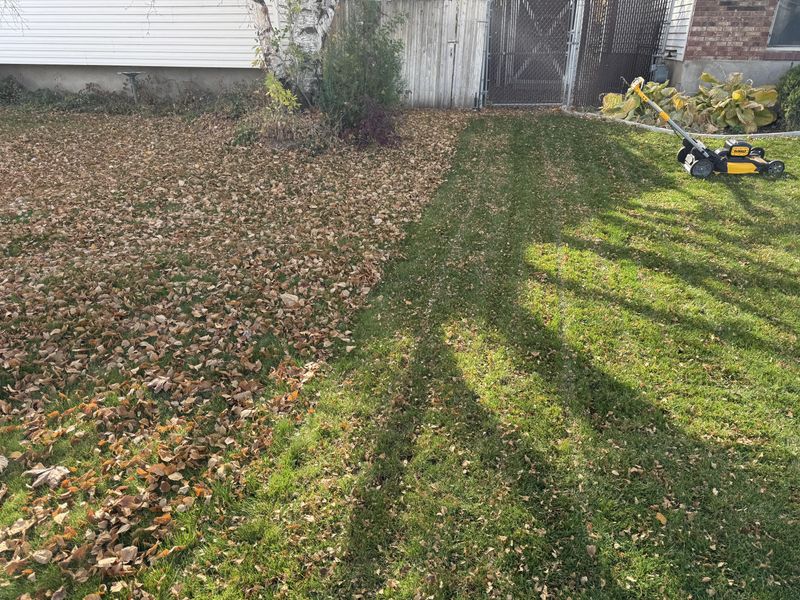
Raking leaves can feel like a never-ending chore, right? Your mower might be the shortcut you have been wishing for all along.
Run the mower over a light layer of fallen leaves. The blades chop them into tiny bits that slip down between grass blades.
Those pieces break down over winter and feed the soil. You get free organic matter and nutrients without spending a dime.
Leaving whole leaves on the lawn is a different story. A thick mat blocks sunlight and traps moisture against the grass.
That damp, dark layer is perfect for fungus to grow. Grass under heavy leaf piles can thin out or turn brown by spring.
The trick is to mulch often, before leaves pile too high. Once or twice a week works well during peak leaf drop in Virginia.
Aim for pieces about the size of a dime. If you still see lots of whole leaves after one pass, go over the area again.
A mulching blade helps, but a regular one works too. Just keep the side chute closed or use a mulching plug.
Very deep leaf piles may need some raking first. Spread the extra leaves in garden beds as a cozy winter cover.
Grass clippings work the same way, so leave them on the lawn. They return nitrogen to the soil as they break down.
8. Give Newly Seeded Areas Time Before The First Cut
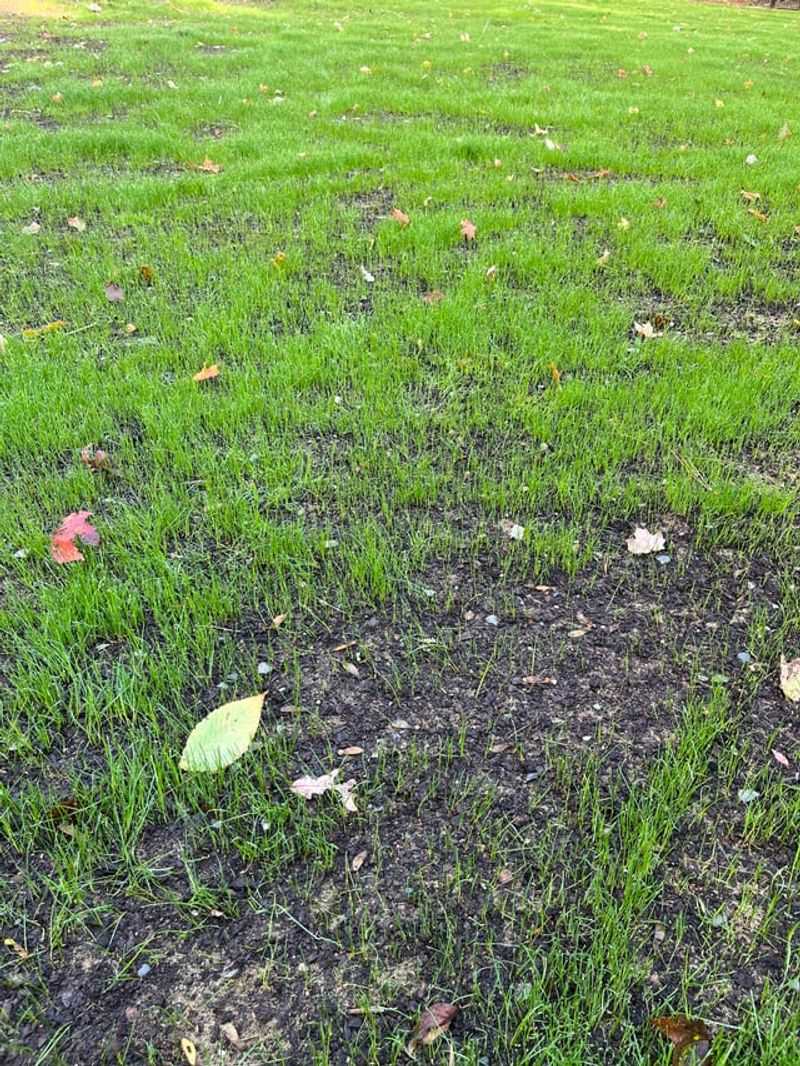
Fall is overseeding season in Virginia, and new sprouts feel exciting. Resist the urge to mow them just because they look a little tall.
Baby grass has short, weak roots at first. A mower pass too soon can yank seedlings right out of the soil.
Wait until the new grass reaches three to four inches tall. For most lawns, that takes about four to eight weeks after seeding.
Here is a quick test you can try. Gently tug a few blades, and if they hold firm, roots are getting a grip.
For the first cut, take off only about a third of the height. Small trims let the young grass toughen up without stress.
Sharp blades matter even more on new turf. A dull edge can tear and pull tender sprouts instead of slicing cleanly.
Mow when the soil is firm and dry too. Soft ground lets wheels leave ruts that crush seedlings and disturb seed.
Skip sharp turns on the new patch if you can. Gentle, wide turns cause less scuffing on fragile ground.
Keep foot traffic light during these weeks as well. Kids, pets, and wheelbarrows can flatten tiny grass in a hurry.
Patience now builds a thicker lawn later. Those fresh seedlings will fill bare spots and look great by spring.
9. Skip Mowing Frosty Grass
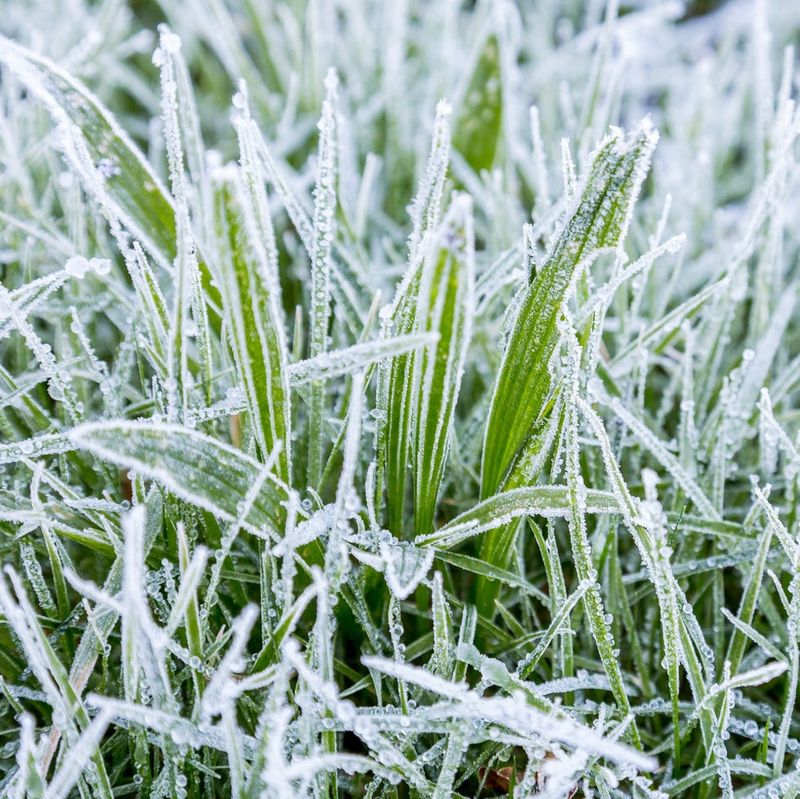
A frosty lawn looks like it was dusted with powdered sugar. As tempting as an early start sounds, that sparkly yard should stay off limits.
Frozen grass blades turn stiff and brittle. When a mower rolls over them, they snap and crack instead of bending.
Even walking on frosty grass can cause harm. Footprints may show up later as brown tracks across the lawn.
Broken blades lose moisture and weaken the plant. A weaker lawn has a harder time fighting off disease through winter.
So what should you do on a chilly morning? Grab a warm drink and let the sun do its job first.
Frost usually melts by mid-morning on clear fall days. Wait until the grass looks green and feels dry, not crunchy.
Planning ahead helps a lot. Plan a mow for the days before a frost is forecast, so the lawn isn’t too long when cold mornings arrive.
Then save your true final cut for after frost, once growth has nearly stopped. A tidy lawn is less likely to develop snow mold later.
Check local forecasts during October and November. Frost dates vary a lot between the mountains and the coast.
Fun fact: frost forms on grass before it forms on roads. Blades lose heat quickly, so they chill faster than pavement.
10. Warm-Season Lawns Stop Needing Mowing After Frost
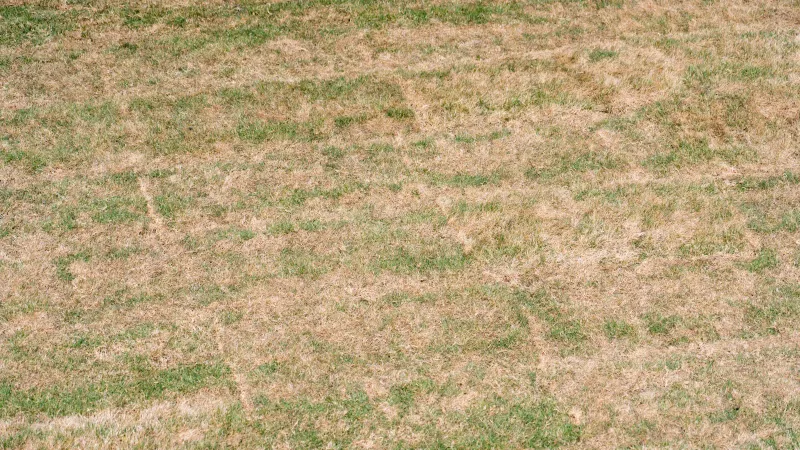
Bermuda and zoysia lovers get a nice break this time of year. Once frost arrives, these warm-season grasses take a long winter nap.
These grasses grow well in warmer parts of Virginia, like the southeast. They thrive in heat but slow down as fall cools things off.
Growth stops when soil temperatures drop near 50 degrees. After the first solid frost, the lawn turns a tan or straw color.
Brown does not mean gone, so do not worry. The grass is simply dormant, saving energy in its roots for spring.
Once dormant, warm-season lawns generally need no more mowing. You can put the mower away earlier than cool-season neighbors.
Before that happens, keep mowing at your normal height. Mowing frequency will drop on its own as temperatures fall.
Avoid scalping the lawn right before dormancy. A little extra height helps protect the crowns from harsh cold.
Keep leaves cleared or mulched even during dormancy. Thick piles can still trap moisture and invite disease.
Some homeowners overseed with ryegrass for winter color. If you do, that green ryegrass will need regular mowing.
Come spring, your dormant lawn will green up again as soil warms. With good fall habits, it returns thick and ready for summer fun.