Why Weeds Keep Returning To California Gravel Paths Season After Season
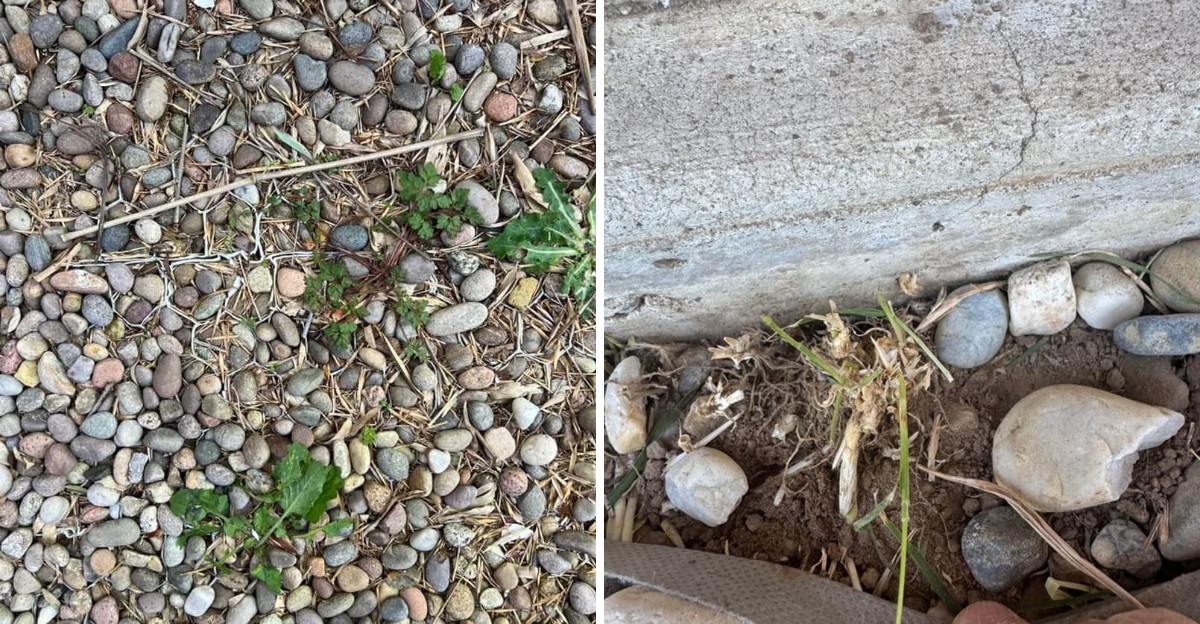
A freshly raked gravel path looks tidy, calm, and finished. A few weeks later, though, a faint green haze appears between the stones, undoing all that effort.
That stubborn return can feel personal. Clearing every last sprout seems to make little difference by the following season.
Gravel paths sit closer to nature than they appear. Quiet forces keep delivering new arrivals from above, beside, and even below.
California’s wet winters and long, sunny springs add fuel to the cycle, giving those newcomers ideal conditions to settle in.
Understanding where the trouble starts changes the approach. Small, steady habits can replace exhausting weekend battles.
A path that stays clean longer might need a little less muscle and a little more strategy.
1. Windblown Seeds Land In Every Gap
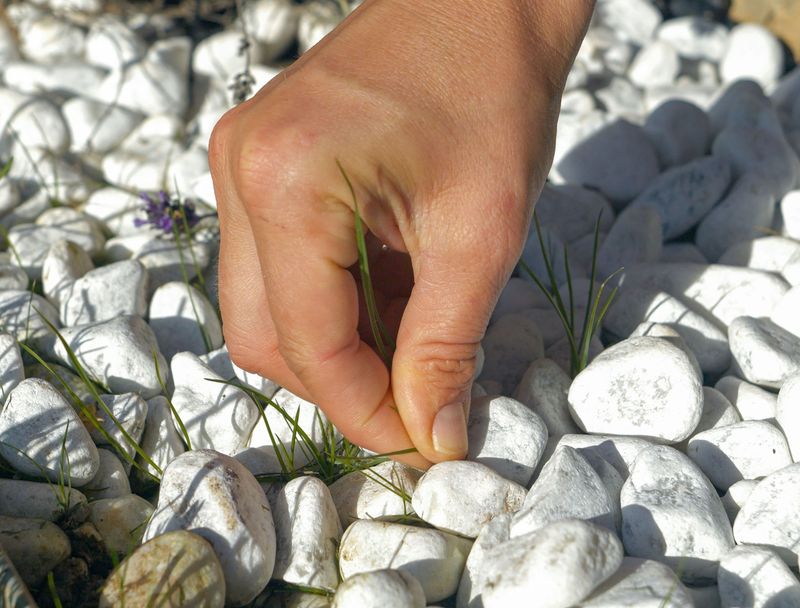
A windy afternoon often leaves tiny white tufts caught between the stones like lint on a sweater. Each one carries a seed ready to sprout.
Many common California weeds are built to fly. Dandelion, sowthistle, horseweed, and prickly lettuce all grow fluffy parachutes.
A single horseweed plant can release many thousands of seeds. A light breeze carries them across fences, streets, and empty lots, so a weedy side yard next door can become a shared problem in one gust.
Gravel makes a great landing zone. Gaps between stones trap seeds and shelter them from wind, so they stay put instead of blowing away.
Shade and moisture collect in those small pockets, too. A seed tucked an inch down gets just enough water from morning dew or a winter rain to wake up.
California’s weather adds a twist. Santa Ana and Diablo winds in fall, along with gusty spring days, often arrive right when weeds are setting seed.
The first rains then soak those freshly delivered seeds at the perfect moment. October and November often bring exactly that combination.
A weekly sweep or quick pass with a leaf blower, especially after windy days, moves seeds off the gravel before rain arrives. Many never get the chance to settle in.
Mowing or pulling nearby weeds before they flower also cuts the seed supply drifting across the property line. Less incoming seed means fewer surprises between the stones.
2. Birds And Wind Add Fresh Seed Each Season
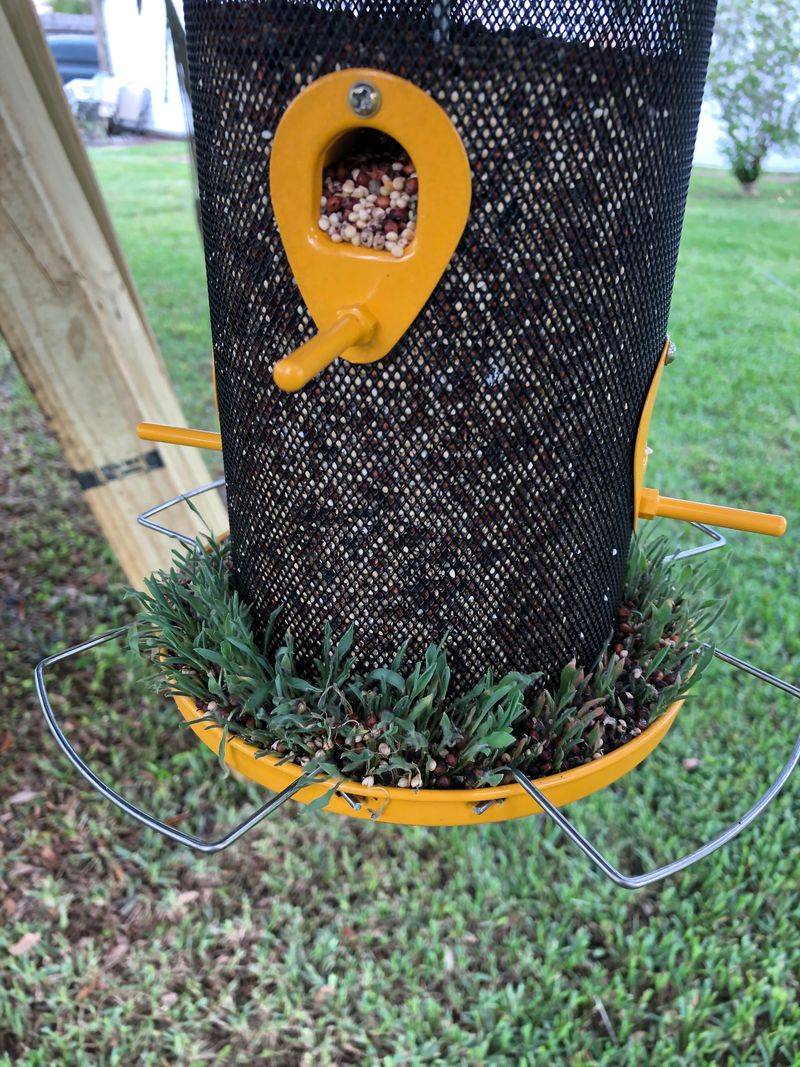
A backyard bird feeder might be quietly planting a weed garden. Finches and sparrows are messy eaters, tossing hulls and whole seeds onto the ground, and plenty land in the gravel.
Birds also deliver seeds the old-fashioned way. They eat berries and seeds in one yard, then leave droppings in another.
Plants like nightshade, cotoneaster, and even young trees often pop up under fences, wires, and favorite perches. Some seeds actually sprout better after passing through a bird.
Wind rarely takes a season off, either. Spring brings one wave of seeds, summer brings another, and fall weeds release their crop right before the rains.
Even a perfectly cleaned path gets restocked again and again throughout the year. It works like a refill service nobody signed up for.
Your California Garden Changes Every Week. Your Plan Should Too.
Gardening in California changes quickly throughout the season. Every Friday you’ll receive a simple weekly plan showing exactly what to plant, prune, fertilize, harvest, and protect so you never miss the right timing.
Weed seeds are tough, too. Many stay viable in soil for years, waiting patiently for light and water to return.
Each new batch adds to that hidden seed bank under and between the stones. The supply grows quietly over time.
Moving bird feeders away from gravel areas, or placing a tray underneath to catch spills, helps a great deal. No-mess or hulled seed blends leave less behind.
Spots under perches and fences deserve close watching, with seedlings pulled as soon as they appear. Birds and wind will keep making deliveries, but steady attention keeps the path one step ahead.
3. Leaf Litter And Dust Turn Into Soil
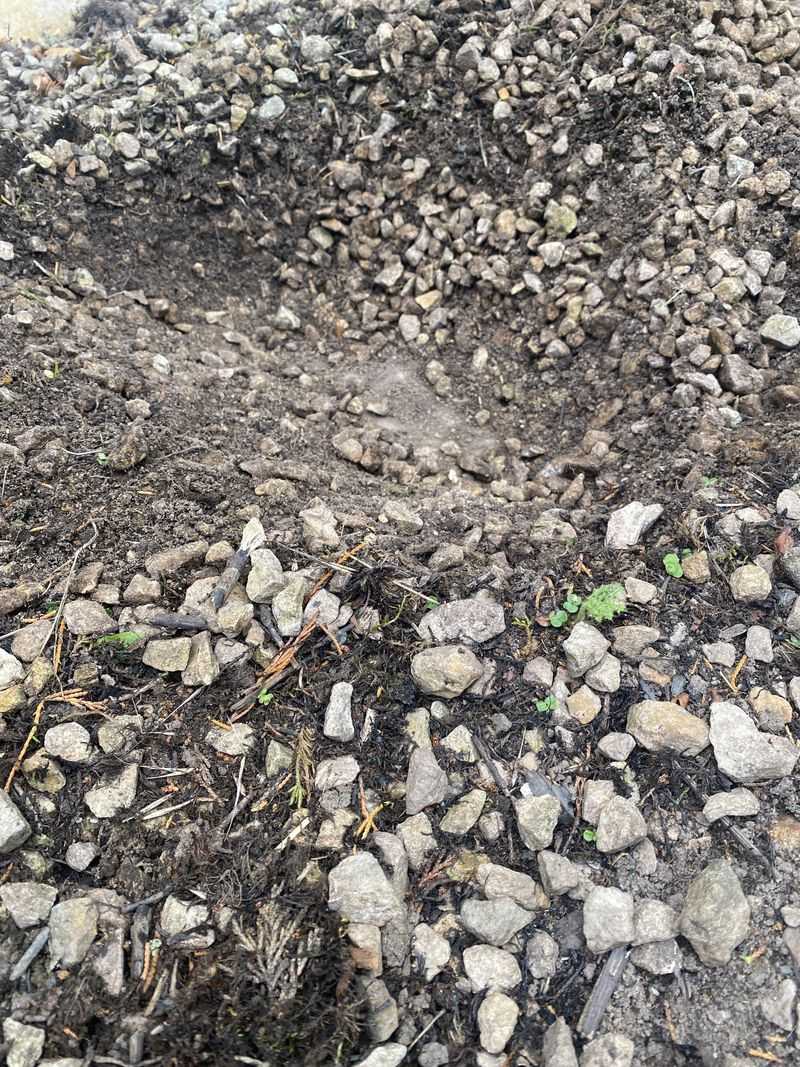
A few stones moved aside near a tree often reveal a surprise. Underneath sits a dark, crumbly layer that looks a lot like potting mix, and nobody put it there on purpose.
Leaves, pine needles, flower petals, and grass clippings fall onto gravel all year. They slip down between the rocks, where moisture and tiny organisms break them apart.
Over a season or two, that debris turns into rich, soft soil. Seeds love it, since it holds water far better than bare rock.
Dust adds to the mix, too. California summers stay dry, so fine dirt blows around easily and settles deep into paths.
A winter of rain then packs the dust into the leaf crumbs. Before long, the gravel holds its own secret topsoil layer, and weeds move right in.
Paths under oaks, sycamores, and jacarandas get hit hardest. Those trees drop loads of leaves and flowers at once in certain seasons.
Even a few weeks of debris left sitting can start the process. Fall leaf drop makes this an especially important season for attention.
Regular clearing with a leaf blower or stiff rake keeps organic material off the stones. Fall and spring, when trees shed the most, need extra effort.
Grass clippings are best kept off gravel during mowing, too. Removing that material takes away the cozy bed weed seeds need to get started each season.
4. Landscape Fabric Tears Or Gets Buried
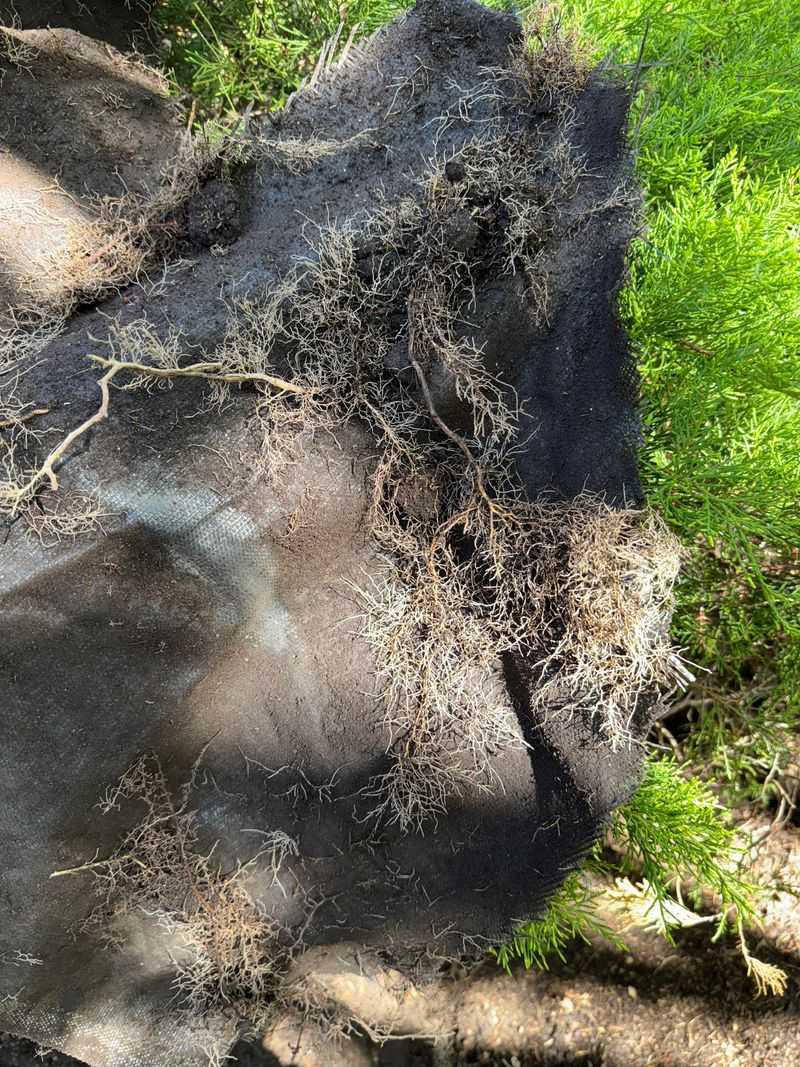
Plenty of homeowners lay down landscape fabric expecting years of peace. A few seasons later, weeds show up anyway.
The fabric didn’t give out overnight, though. It wore down quietly beneath the stones.
Sharp gravel and foot traffic rub against fabric daily. Small rips form where people walk, where wheelbarrows roll, and where edges meet.
Sunlight weakens any spots that peek through, and many fabrics break down over time. Once a hole opens, weeds from below slip right through.
The bigger problem often sits on top. Dust, leaves, and gravel fines collect above the fabric and build a thin soil layer.
Weeds sprout in that layer and send roots sideways or straight into the fabric. Pulling them later can rip the material further, so the cycle continues.
UC IPM points out that fabric works best under rock and needs a covering to protect it. It serves as a helper rather than a permanent shield.
Expecting it to do all the work leads to disappointment down the road. Realistic expectations make maintenance easier.
Enough gravel to cover the fabric completely keeps it protected, and overlapping patches pinned in place repair tears nicely. Frequent debris clearing prevents buildup on top.
Weeds pulled while tiny, before roots tangle into the fibers, come out cleanly. Badly shredded fabric is best replaced during the next gravel refresh, and that fresh start resets the clock on weed control.
5. Perennial Roots Push Up From Below
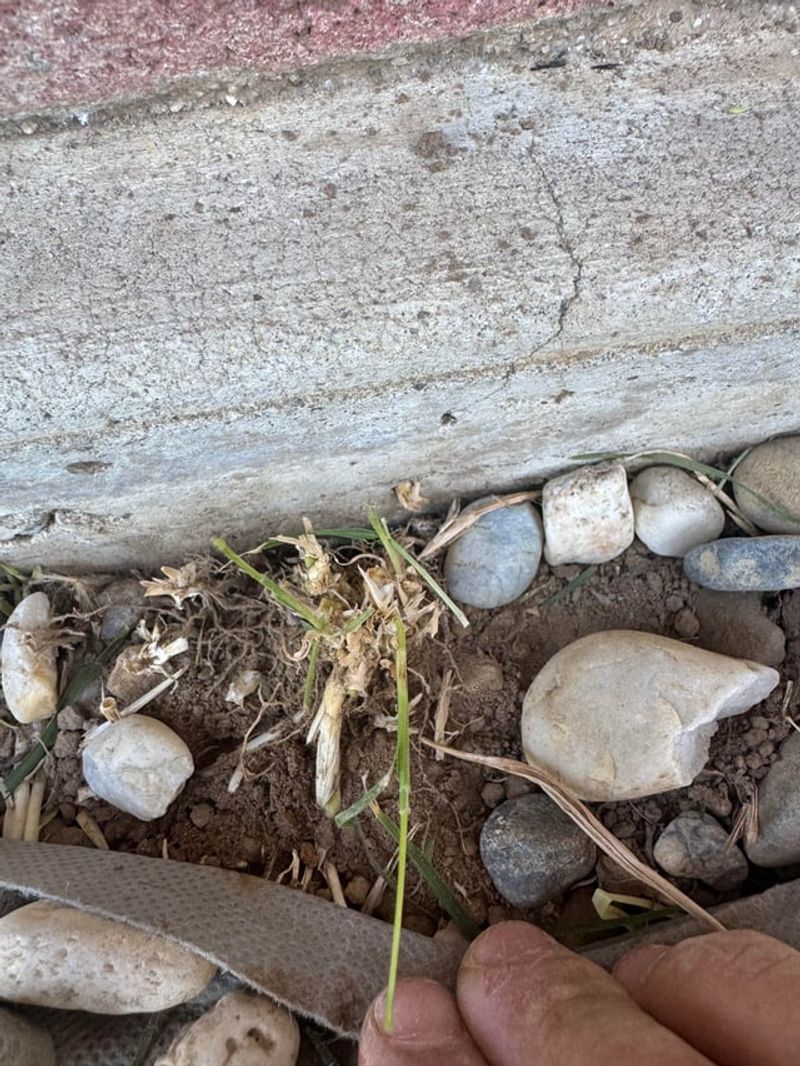
Some invaders skip seeds entirely. Bermudagrass, nutsedge, and field bindweed return from underground parts that stay alive for years, sprouting new tops whenever the old ones get snapped off.
Nutsedge earns its reputation as a notorious troublemaker in California yards. It forms small tubers, called nutlets, deep in the soil.
Its sharp shoots can poke right through landscape fabric like a needle through paper. Bermudagrass, meanwhile, spreads by long runners above and below ground, sneaking under edges and into gravel.
Field bindweed may be the most stubborn of the bunch. Its roots can reach many feet deep, far below any layer of rock.
Even a small piece of root left behind can sprout a fresh plant. Gravel alone can’t hold back that kind of determination.
A common slip-up involves yanking the green part and calling it done. The roots stay put and send up more shoots within weeks, so a quick pull simply gives these weeds a free haircut.
A narrow trowel or weeding tool, used to dig out as much root as possible, works far better. Moist soil lets roots slide out more easily, which makes the days after a fall rain ideal.
Rechecking the same spot matters, since regrowth is normal. Steady removal over time wears down the plant’s stored energy.
Clearing these weeds completely before installing a new path makes the biggest difference. Starting clean saves years of frustration later.
6. Thin Gravel Lets Light And Moisture Through
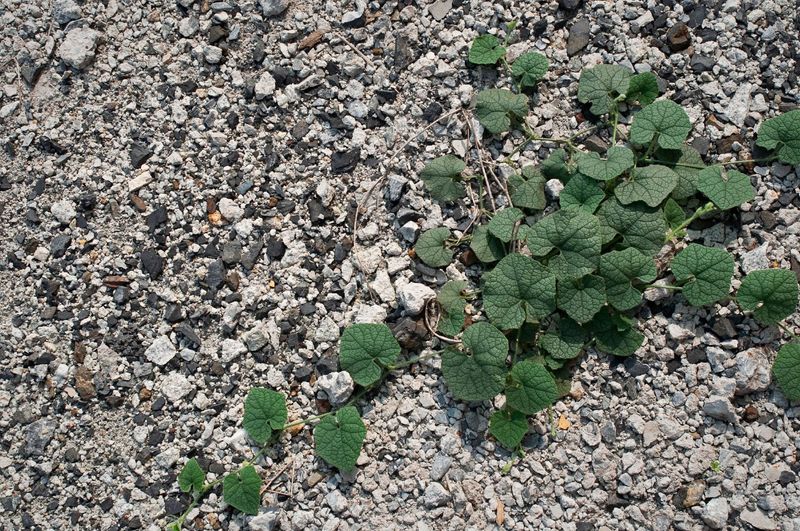
Bare dirt peeking through a path signals an open door. Seeds sitting on soil need just two things to sprout: light and water.
A thick gravel layer blocks both fairly well. Sunlight can’t reach the soil, and top stones dry out quickly after rain.
A thin layer does the opposite. Light filters down between the rocks, and moisture stays trapped right where seeds rest, creating a little greenhouse for weeds.
Gravel also thins out on its own. Feet push stones to the sides, rain washes them downhill, and some sink into the soil below.
A path that started thick can be half as deep after a few years. Low spots near doorways and corners usually wear thin first, since they see the most foot traffic.
UC IPM recommends keeping rock mulches about 2 to 3 inches deep for weed control. Many California paths hold only an inch or so.
That small difference can separate a few weeds from a full crop. Depth matters more than most homeowners realize.
A ruler pushed down to the soil in several spots measures current depth. Fresh gravel added wherever it falls short of about 3 inches, then raked evenly, eliminates thin patches.
Fall makes a good time for this, before winter rains. A top-off every year or two, especially in busy walking areas, keeps the layer strong.
Deeper rock keeps soil in the dark, right where weed seeds struggle most.
7. Soil Builds Up Between The Stones
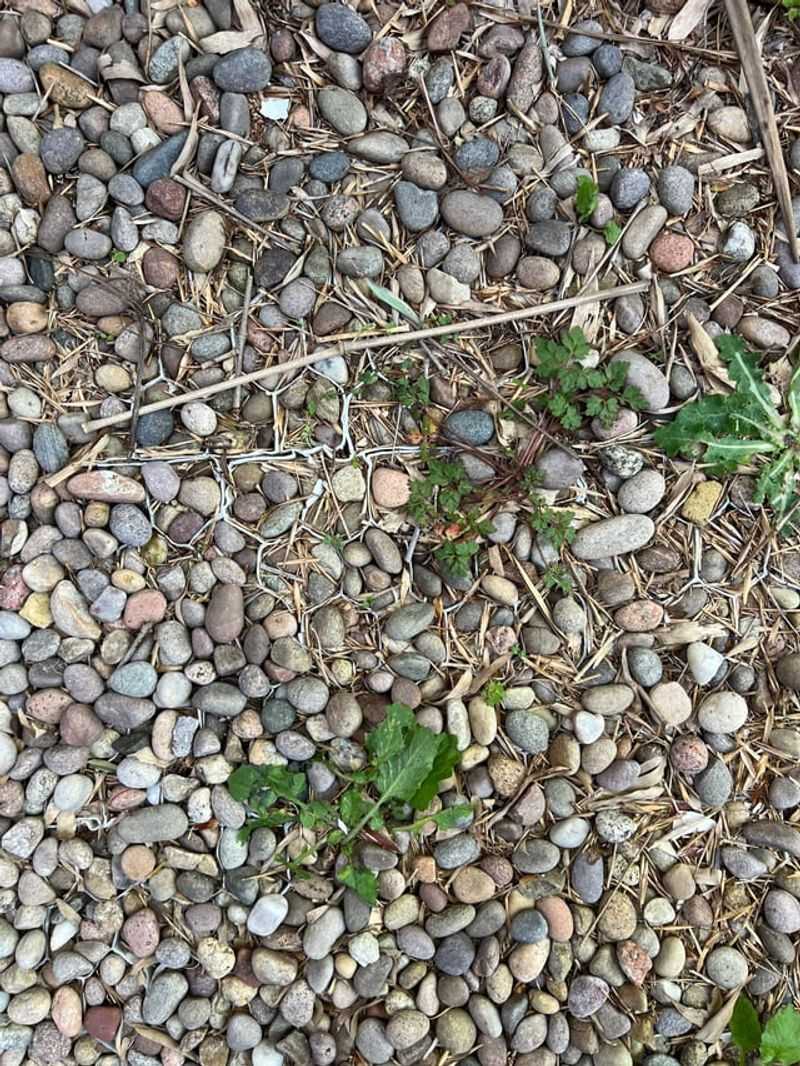
Old gravel paths often look dull and packed down. Stones seem to sit in a layer of brown mud instead of loose, clean rock, as though the path slowly turned into a garden bed.
Soil sneaks in from many directions. Rain splashes dirt from nearby beds onto the gravel, while shoes and pets track it in from the lawn.
Gravel itself breaks into tiny pieces, called fines, that fill the gaps. Old leaves and dust round out a perfect growing mix.
Edges cause plenty of trouble. Without a solid border, garden soil creeps right into the path.
Mulch from flower beds spills over, and lawn grasses send runners across. The line between bed and path grows fuzzier every season.
Once the spaces fill with soil, gravel stops acting like a barrier. Roots grip easily, and weeds become harder to pull.
The path ends up behaving like dirt with a few rocks sprinkled on top. Weeds treat it accordingly, settling in as if invited.
Firm raking loosens the gravel and lets fine soil settle out. On very dirty paths, shoveling off the top layer, sifting out debris with a screen, and laying it back down restores much of the original function.
Heavily mixed gravel may need replacing. Edging made of metal, plastic, brick, or stone then keeps nearby soil and weeds from creeping back in, protecting all that hard work.
8. Occasional Weeding Misses Tiny Seedlings
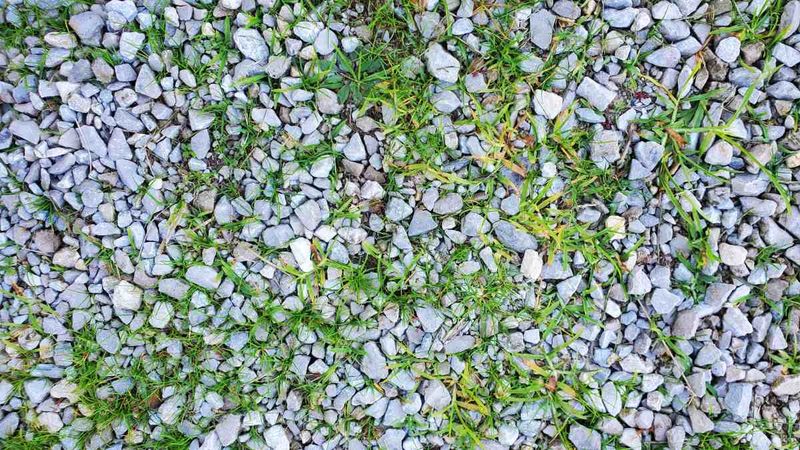
A common routine goes like this: one sunny Saturday spent pulling big weeds, followed by two months of ignoring the path. Meanwhile, hundreds of tiny seedlings grow too small to notice.
Young weeds are easy to miss. Many start no bigger than a grain of rice, blending right into the stones.
They grow fast, though, especially after California’s winter rains. Within a few weeks, those little sprouts set strong roots and become much harder to remove.
Timing matters even more because many weeds flower quickly. Annual bluegrass, chickweed, and spurge can make seeds in just weeks.
Missing one round lets them drop a fresh crop right onto the path. Skipping a few weekends can undo a whole season of hard work.
UC IPM notes that small weeds are much easier to control than large ones. A tiny seedling pops out with a flick of a hoe. A mature plant needs digging and often leaves roots behind.
Ten to fifteen minutes each week for a path patrol makes a huge difference. A slow walk while scanning for green specks catches trouble early.
A stirrup hoe or hand weeder scrapes seedlings out while they’re small. Dry days work best, since uprooted sprouts shrivel fast in the sun.
Pairing the patrol with a quick sweep keeps gardeners ahead of weeds rather than chasing them. The first fall rains make this a perfect moment to start the habit.