Can You Mow Over Leaves In Virginia? Here’s What Works
Every fall, Virginia yards vanish under a crispy quilt of red, gold, and brown. Most homeowners sigh and start stuffing bag after heavy bag at the curb.
Plenty of people wonder whether mowing over leaves feeds the lawn or quietly smothers it. The answer might surprise you, and it could change your whole autumn routine.
Small details make a big difference, from the blade you use to how thick the leaf layer gets before you mow. A few mistakes can turn a smart shortcut into a soggy, matted mess.
Get it right, and those leaves turn into free fertilizer while you win back your precious fall weekends. Your back will thank you too.
Yes, Mowing Leaves Is Healthy For Lawns
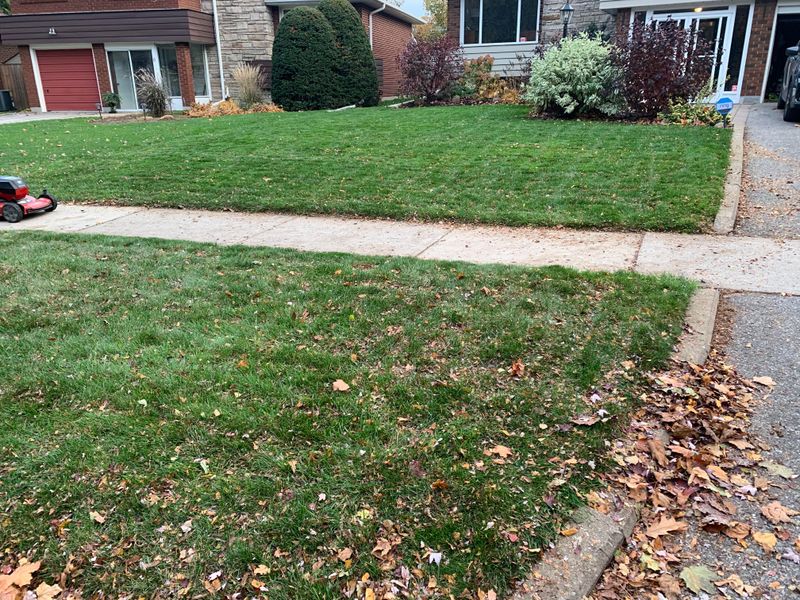
Good news first: your mower can be your lawn’s best friend in autumn. Experts at Virginia Cooperative Extension actually recommend mulching leaves right back into the grass.
Whole leaves piled high can block sunlight and trap moisture. Chopped leaves behave differently, slipping down between grass blades and fading from sight.
Once they settle, those tiny bits start breaking down. Nitrogen, phosphorus, and potassium slowly return to the soil where roots can use them.
Healthy soil also attracts helpful neighbors like earthworms and microbes. These busy creatures loosen the ground and help water soak in more easily.
Many lawns in the state grow tall fescue, a cool-season grass that stays active in fall. Grass like that benefits from extra nutrients while it builds strong roots for winter.
Leaf mulch can even help with weeds. A light layer of shredded pieces shades the soil, making it harder for weed seeds to sprout.
Here is a fun fact worth sharing at your next cookout. Research has found no harmful effects from mulching leaves into turf, even year after year.
Of course, there is a right way to do it. Leaves need to be chopped small, and timing matters more than most folks realize.
Think of mulching as recycling without the trip to the curb. Your trees dropped free fertilizer, and your lawn simply wants it back.
So go ahead and fire up that mower. The rest of this guide will help you do the job well.
Shredding Is The Key Step
Picture a whole oak leaf lying flat on your grass. Now picture that same leaf broken into twenty tiny flakes.
One of those pictures blocks air and light, while the other basically disappears. Shredding is what makes leaf mulching work at all.
Small pieces drop down between grass blades instead of resting on top. Air, water, and sunshine can still reach the soil below.
Size matters for another reason too. Tiny fragments have more surface area, so soil microbes can munch through them much faster.
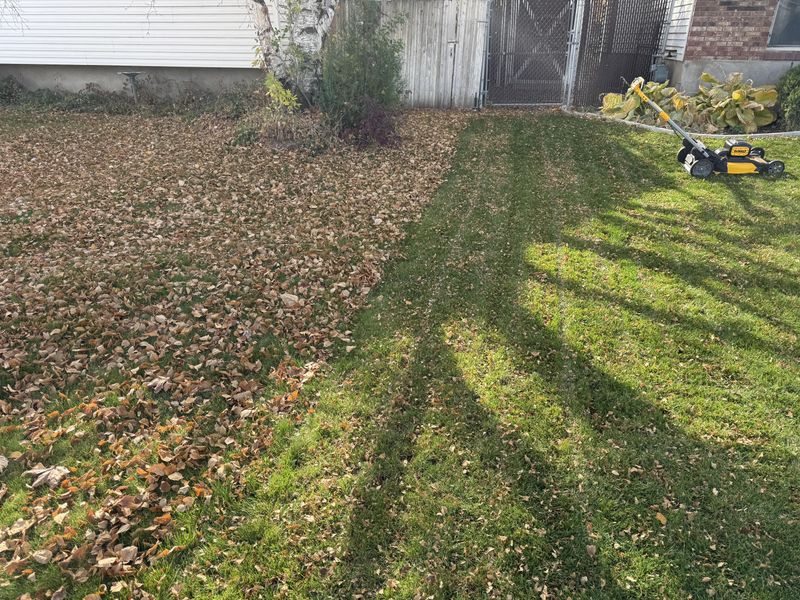
Aim for pieces about the size of a dime or smaller. If you can still recognize the leaf shape, keep mowing.
A quick test helps after each pass. Look down at your lawn and check how much green shows through the leaf bits.
Seeing mostly grass with a light sprinkle of brown means you nailed it. Seeing mostly brown means another pass is needed.
Your Virginia Garden Changes Every Week. Your Plan Should Too.
Gardening in Virginia changes quickly throughout the season. Every Friday you’ll receive a simple weekly plan showing exactly what to plant, prune, fertilize, harvest, and protect so you never miss the right timing.
Shredding also shrinks the pile dramatically. A huge mound of crunchy leaves can shrink to a small fraction of its size after mulching.
Within a few days, those flakes usually filter out of sight. Rain and morning dew help settle them deeper into the turf.
Honestly, it feels a bit like magic. One day your yard looks buried, and soon after it looks tidy again.
Just remember the golden rule here. Fine pieces feed the lawn, but big chunks can cover it up.
A Mulching Blade Chops Leaves Finer
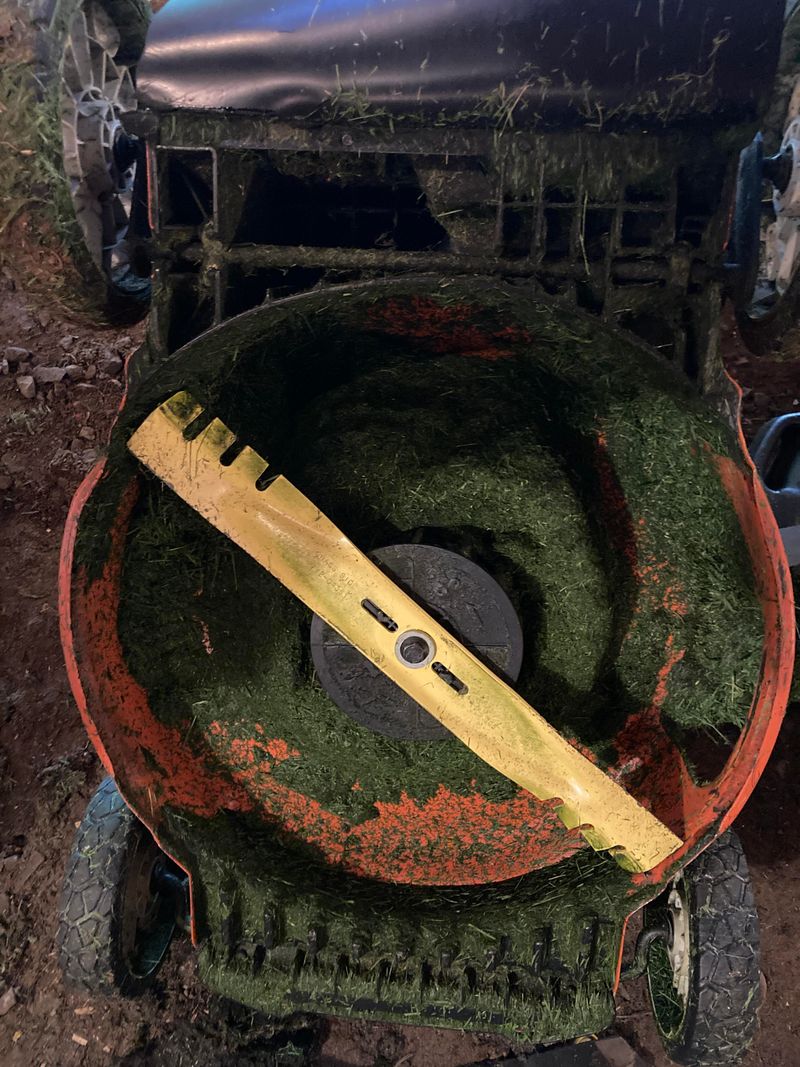
Ever peeked under a mower deck and wondered why some blades look wavy? Those curves are not just for show.
Mulching blades are built to cut material more than once. Their curved design keeps leaves swirling inside the deck for extra chopping.
Each spin slices the pieces smaller and smaller. The result is a fine, even mulch that blends right into your grass.
Standard blades can chop leaves too, but they tend to toss bigger pieces out the side. You might need extra passes to get the same result.
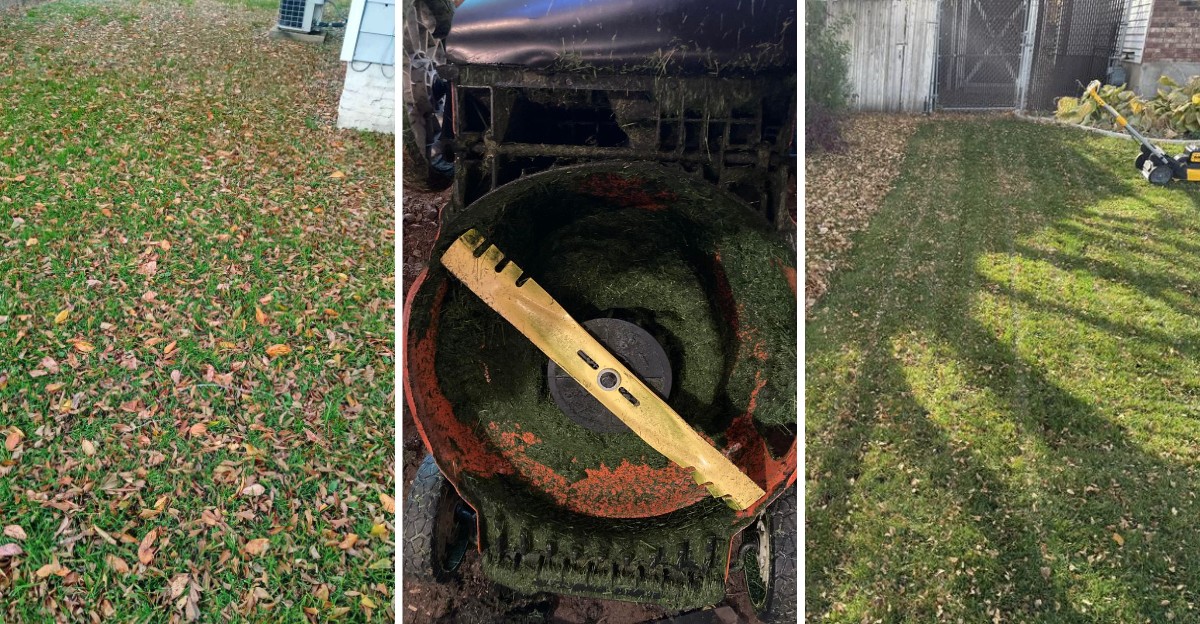
Some popular options, like Gator-style blades, add little teeth along the edge. Those teeth create more turbulence and shred heavy fall drops with ease.
You may also see 3-in-1 blades on store shelves. They can mulch, bag, or side-discharge, which makes them handy year-round.
Installing one is usually a simple weekend task. Disconnect the spark plug first, then follow your mower manual carefully.
Sharpness counts as much as shape. A dull blade tears leaves and grass instead of cleanly slicing them.
Many lawn pros suggest sharpening blades before fall cleanup begins. A quick trip to a local repair shop can handle it cheaply.
Matching the blade to your mower model is a must. Check the length and center hole size before buying anything.
A twenty or thirty dollar upgrade can save hours of raking. That sounds like a smart trade for any busy homeowner.
Mow Over Leaves While They’re Dry
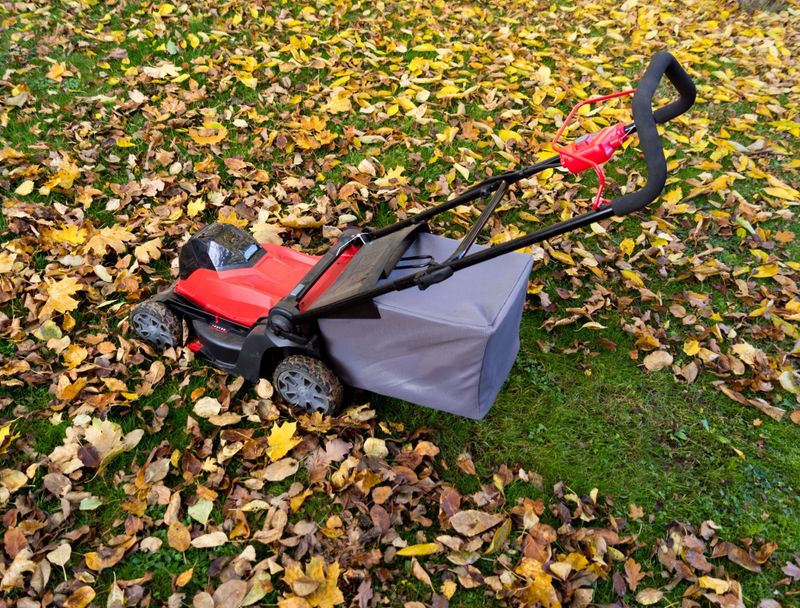
Anyone who has mowed soggy leaves knows the struggle. The mower groans, clumps pile up, and the deck turns into a muddy mess.
Dry leaves are a whole different story. They crackle, shatter easily, and chop into neat little flakes.
Wet leaves stick together and cling to the underside of your mower. Clogs can strain the engine and leave behind thick, soggy wads.
Those wads sit on the grass like wet blankets. Trapped moisture invites fungal trouble, like snow mold in cool, damp weather.
Fall weather can swing from drizzly mornings to bright afternoons. Waiting a few hours after rain often makes a big difference.
Try the crunch test before you start. If leaves crumble when you squeeze them, conditions are perfect.
Morning dew can fool you on otherwise dry days. Mowing after lunch usually gives the sun time to dry everything out.
Got a damp pile you cannot wait on? Spread it thin with a rake and let sunshine do some work first.
Clean the deck after each session, especially during wet stretches. A plastic scraper knocks off stuck bits before they harden.
Dry leaves also break down more evenly once mulched. Better breakdown means nutrients reach your soil sooner.
Patience is the secret ingredient here. A little waiting saves your mower, your grass, and your mood.
Raise The Deck A Notch For Thick Layers
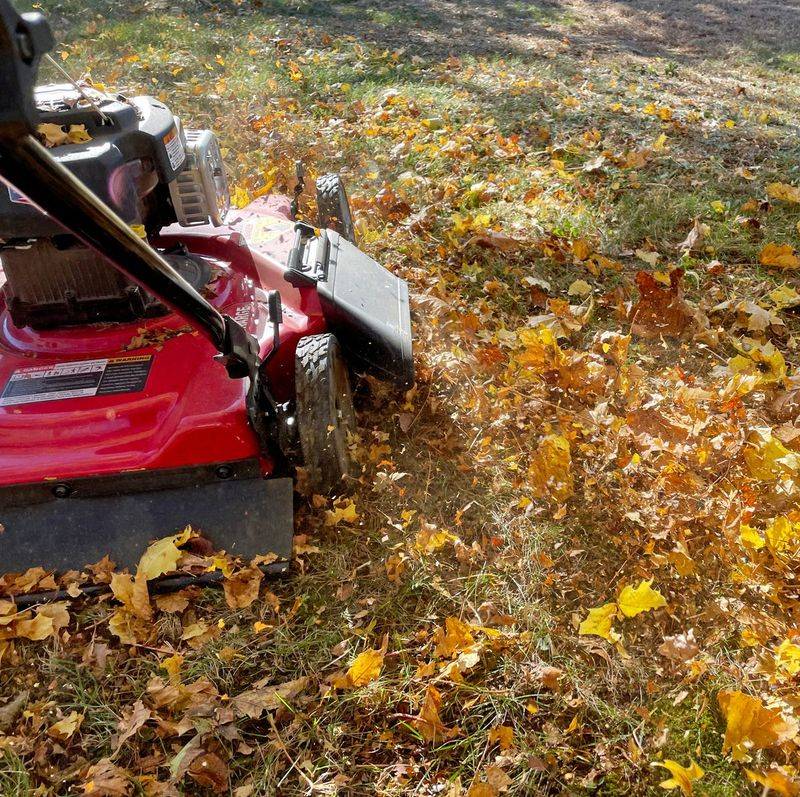
Your mower has a secret weapon hiding near the wheels. That little height lever can make or break your leaf day.
Thick leaf layers need room to get sucked into the deck. A low setting chokes the mower and leaves stalls and clumps behind.
Most experts suggest using the highest or second-highest setting for heavy leaf cover. Around three inches or a bit taller works well for many lawns.
Extra height gives blades space to spin and chop freely. Leaves get pulled in, shredded, and spread out more evenly.
Taller grass helps in a sneaky way too. Longer blades act like a net, catching shredded bits and guiding them toward the soil.
Mowing too short can scalp your lawn. Scalped grass gets stressed right before winter, which is the worst possible timing.
Slow down your walking pace as well. A steady, relaxed speed gives the blade more time to shred each leaf.
Listen to your mower as you go. Bogging sounds or sputtering mean the load is too heavy.
Should the engine keep struggling, rake some leaves off first. Forcing a mower through a giant pile rarely ends well.
Lower the deck back down only after the heavy drop ends. Your final fall mows can return to your normal height.
One quick adjustment can save time and frustration. Sometimes the smallest lever does the biggest job.
Make A Second Pass Over Heavy Piles
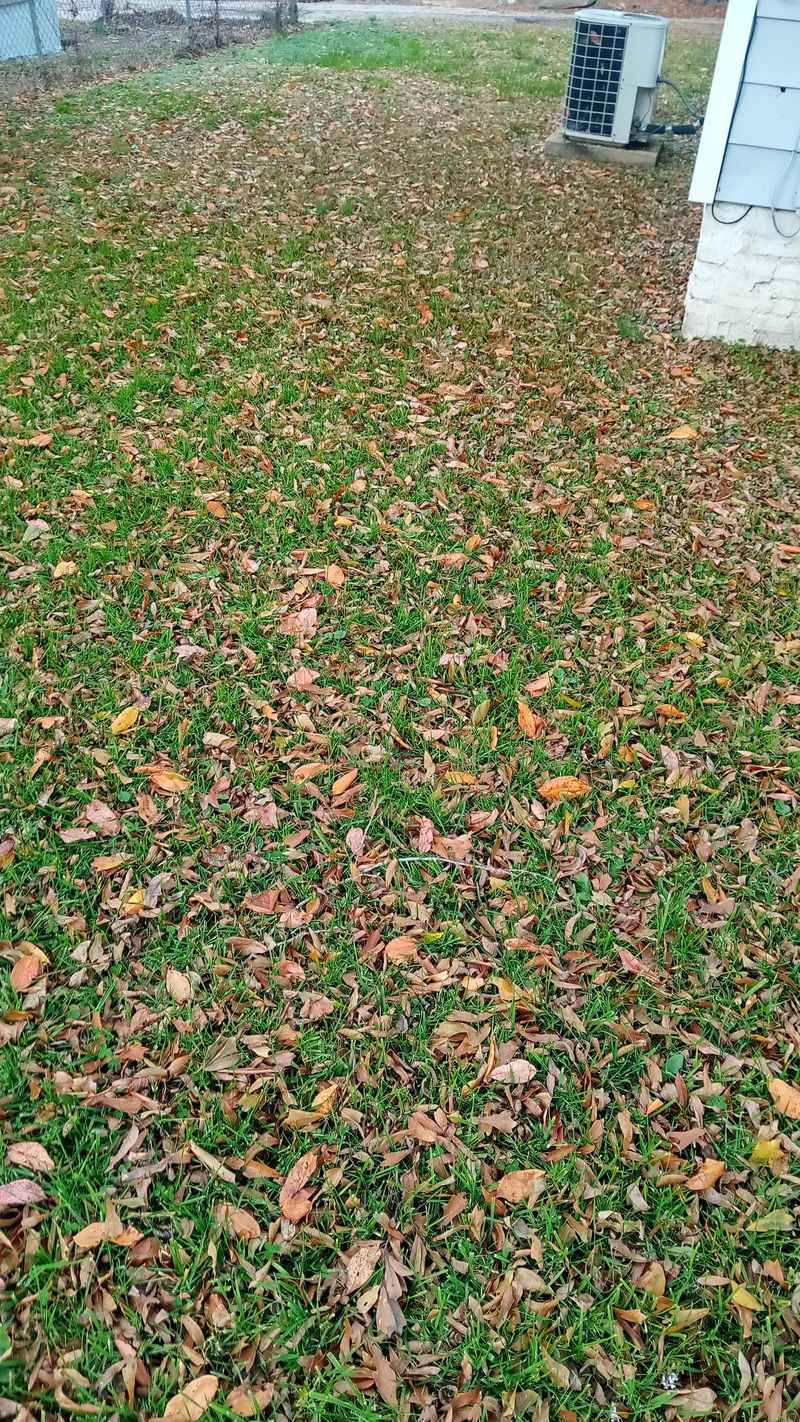
Some trees drop leaves politely, a few at a time. Others, like big oaks, unload everything in one dramatic weekend.
One pass over a heavy pile rarely gets the job done. Large chunks often survive and sit on top of the grass.
A second pass fixes that problem fast. Try mowing in a different direction, crossing your first lines at a right angle.
Lawn folks call this cross-hatching. The new angle catches pieces your mower missed and chops them even smaller.
Overlapping your rows helps during the first round too. Each strip should slightly cover the edge of the last one.
After two passes, stop and look closely. Dime-sized bits nestled between blades mean you can put the mower away.
Still seeing whole leaves or very little green? Go around once more, keeping your speed slow and steady.
Here is a smart habit for heavy leaf seasons. Mow weekly during peak drop instead of waiting for one giant pile.
Smaller, frequent sessions are easier on both you and your mower. Leaves never get deep enough to cause trouble.
In shady spots under big trees, piles may build faster. Give those areas a little extra attention each time.
Extra passes might add fifteen minutes to your chores. Compared to hours of raking and bagging, that feels like a bargain.
Whole Leaves Left Alone Can Mat Down And Smother Grass
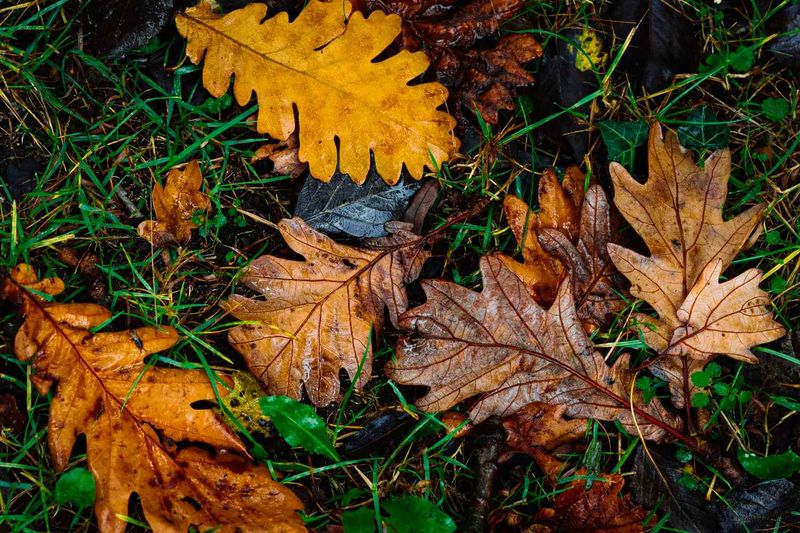
Lift a soggy leaf mat in March, and you might wince. The grass underneath often looks yellow, thin, and sad.
Whole leaves stacked on a lawn block the sunlight grass needs to make food. Cool-season grasses in Virginia keep growing in fall, so shade hurts them most then.
Rain makes things worse. Wet leaves flatten into a dense layer that seals in moisture and stops airflow.
Damp, stuffy conditions are a dream for lawn diseases. Snow mold, which loves cool, wet weather, is the big one to watch for under heavy cover.
Matted leaves keep tall fescue damp and weak heading into winter. Weakened grass has a harder time fighting off disease and bouncing back in spring.
Critters enjoy the cozy shelter too. Voles and other small rodents may tunnel under thick leaf mats and settle in for winter.
By spring, damaged spots often need reseeding. That means extra money, extra work, and waiting weeks for new grass.
Not every leaf is a problem, though. A light scattering that lets grass peek through usually causes little harm.
The trouble starts when you cannot see green anymore. Treat that moment as your signal to grab the mower.
Fallen pine needles behave differently and tend to stay airy. Broad leaves from maples and oaks are the main matting culprits.
Staying ahead of the drop protects your lawn. A little action now keeps spring repairs off your to-do list.
Rake The Extra Into Garden Beds As Free Mulch
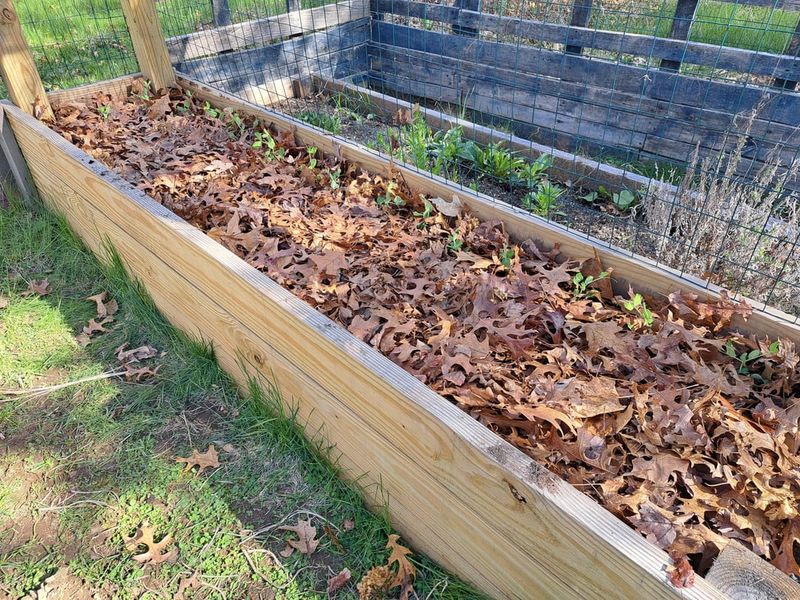
Garden centers sell bags of mulch for a few dollars each. Meanwhile, your yard is handing out the same stuff for free.
Extra shredded leaves make fantastic mulch for flower beds, shrubs, and trees. Once your lawn has enough, simply rake the leftovers into nearby beds.
Leaf mulch works hard all year long. It blocks weeds, holds moisture in the soil, and cuts down on watering.
Roots get a cozy blanket too. Mulch helps shield them from cold winter snaps and hot summer afternoons.
Spread shredded leaves about two to four inches deep. That thickness smothers weeds without suffocating your plants.
Keep the mulch a few inches away from stems and trunks. Piling it against bark can trap moisture and lead to rot.
Shredding first really matters here. Whole leaves can mat down in beds just like they do on grass.
Many gardeners use a mower with a bag attachment for this task. Run over the leaves, then dump the bag right into the bed.
Beneficial insects love leaf mulch as well. Ground beetles, spiders, and pollinators often shelter there during colder months.
Vegetable gardens can benefit too. Tuck shredded leaves around winter crops or till them into empty beds.
Free supplies, healthier plants, fewer weeds. That is a pretty sweet deal for a few extra minutes of raking.
Shredded Leaves Break Down Into Soil Food
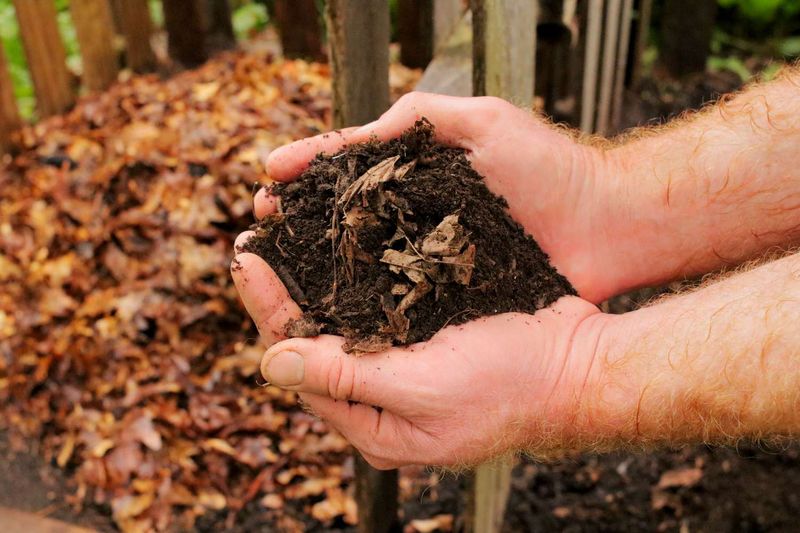
Under every healthy lawn, a hidden kitchen is cooking. Shredded leaves are one of its favorite ingredients.
As leaves decay, they release nitrogen, phosphorus, potassium, calcium, and magnesium. Grass and garden plants soak up these nutrients slowly over time.
Think of it as a natural slow-release fertilizer. No measuring, no spreading, and no extra trips to the store.
Soil structure improves as well. Heavy red clay, common in much of the state, becomes looser and easier for roots to explore.
Sandy soils get a boost in the opposite direction. Organic matter helps them hold water instead of letting it drain away.
Earthworms, fungi, and bacteria all feast on decaying leaves. Their busy work creates tiny tunnels that let air and water travel deeper.
Smaller pieces break down faster because microbes can reach more surface area. Shredding speeds up the whole process.
Got a compost pile? Leaves count as brown materials, which balance green scraps like grass clippings and kitchen waste.
A good mix is roughly two or three parts brown to one part green. Your compost stays fluffy, earthy, and free of nasty smells.
Virginia Cooperative Extension calls fallen leaves a valuable free resource. They help build strong roots and healthier soil.
Every autumn, nature offers a fresh supply. Turning it into soil food is about as easy as gardening gets.
Skipping The Bags Saves Time And Money
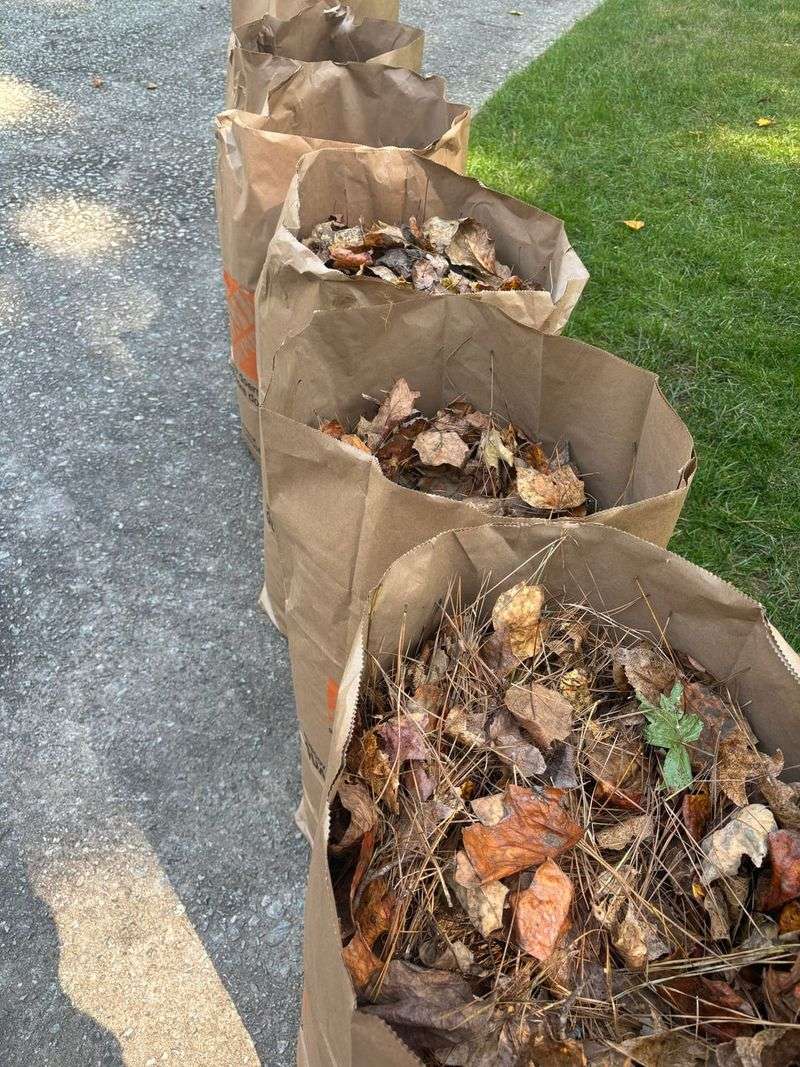
Remember dragging bag after bag of leaves to the curb with an aching back? Mulching can make that memory fade.
Raking and bagging eat up whole weekends. Hiring help is an option, but those bills can add up fast.
Some localities charge for bags or pickup, too. A full leaf removal job on a big, tree-filled lot can easily cost hundreds of dollars.
Bigger properties can cost even more. Mulching with your own mower cuts most of those costs down to a tank of gas.
Fertilizer savings sweeten the deal. Decomposing leaves feed your lawn, so you may need fewer store-bought products.
The planet wins too. Leaves buried in landfills break down without oxygen and release methane, a powerful greenhouse gas.
Some areas, like Henrico County, offer leaf collection programs. Mulching at home still reduces truck trips and saves taxpayer dollars.
Fewer blowers and hauling trucks also mean less noise and pollution. Your neighbors might quietly thank you.
Virginia Tech experts point out both the money and environmental benefits. Their advice lines up with what many smart homeowners already practice.
Use your saved hours for something fun. Carve pumpkins, visit an orchard, or simply relax on the porch.
Fall is too pretty to spend hunched over a rake. Let your mower carry the load this year.