Things To Do If You Spot A Box Turtle In A Virginia Yard
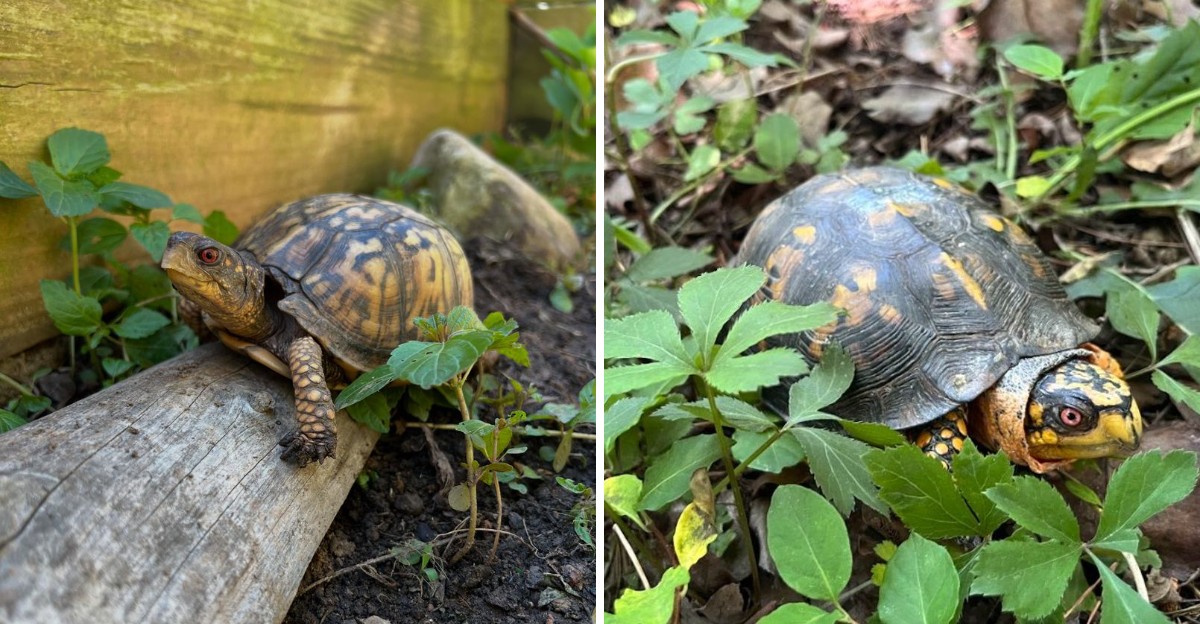
A tiny armored tank just rolled through your clover, and it is in no hurry. Not even a little.
Whatever meeting this turtle is late for, it has decided to skip it.
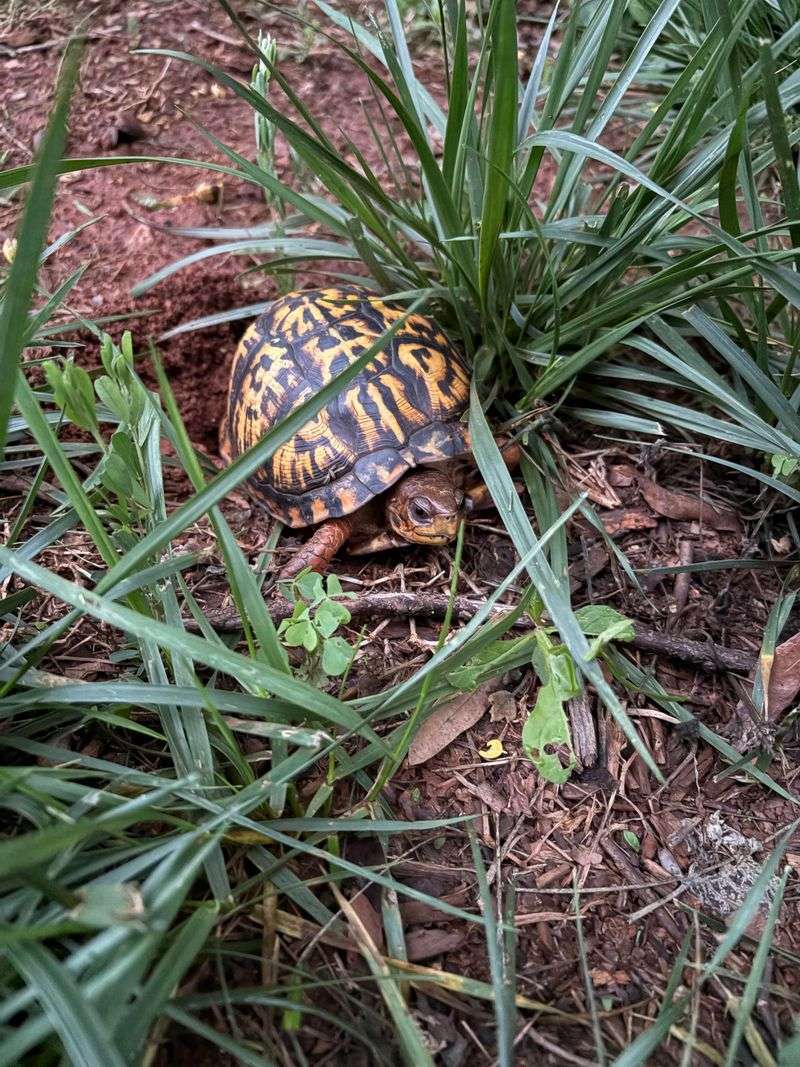
Spotting a box turtle in a Virginia yard feels like getting a surprise visit from a very small, very old celebrity.
That orange and gold shell pattern? Basically a fingerprint. And those bright eyes are giving you a look that says, “Yes, I live here, and no, I am not rushing.”
Naturally, your brain starts racing. Should you move it? Feed it? Name it? Take a hundred photos? (Photos, yes. The rest, let’s talk.)
Good news: a few simple moves can make you the best neighbor this slow, wise wanderer ever had. Let’s get to them.
1. Pause And Watch From A Distance
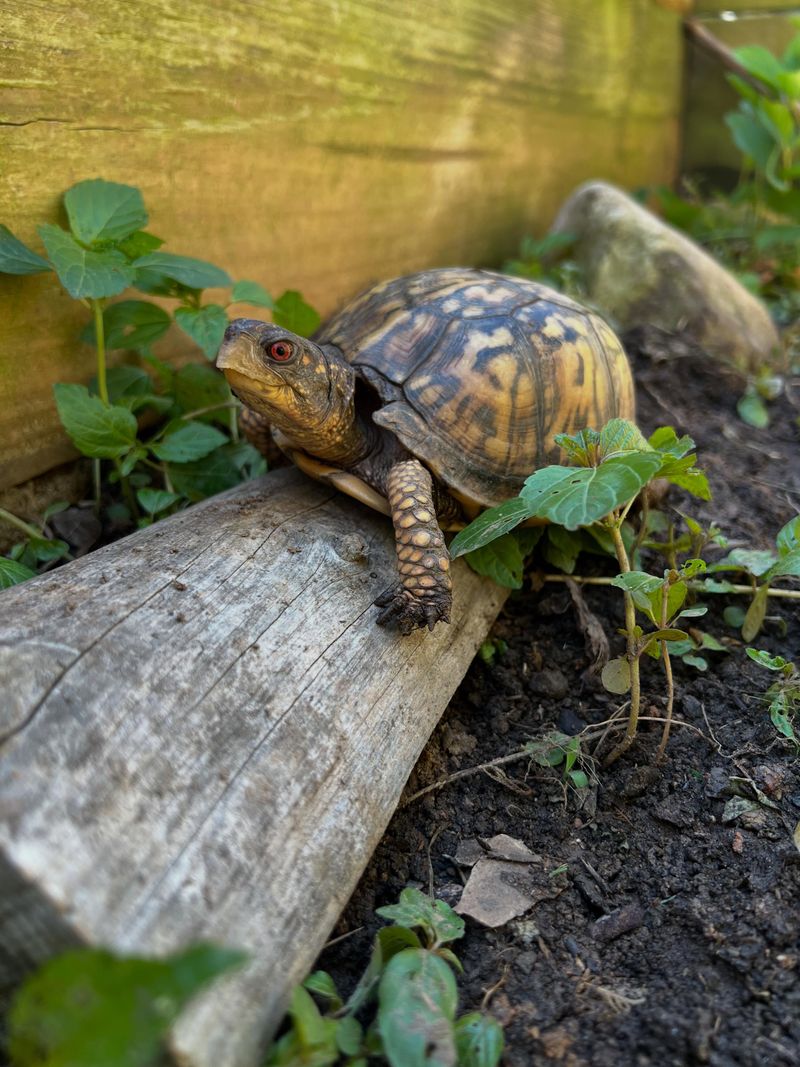
Patience is the first gift you can give this little wanderer. Eastern box turtles live throughout most of Virginia, and they are shy by design.
When a turtle feels threatened, it pulls its head and legs inside and snaps its hinged shell shut. That stress burns energy the animal needs for finding food and staying cool.
Standing back about ten feet lets it relax and go about its business.
Grab your phone and enjoy the show from afar. You might see it munch a worm, sniff the air, or slowly climb over a garden edge.
Kids love counting how many steps it takes, which turns a chance meeting into a fun nature lesson.
Keep pets inside while you watch. Dogs often treat turtles like chew toys, and even a playful nibble can crack a shell or hurt a leg.
Cats can also bother young turtles with smaller, softer shells.
Try to notice which way the turtle is heading. That detail matters a lot if you later decide it needs help crossing a road or driveway.
Box turtles keep a strong sense of direction and usually know exactly where they want to go.
These reptiles can live more than 50 years, and some may pass 100. The one in your grass could be older than your parents, so a little respect goes a long way.
2. Leave The Turtle Right Where It Is
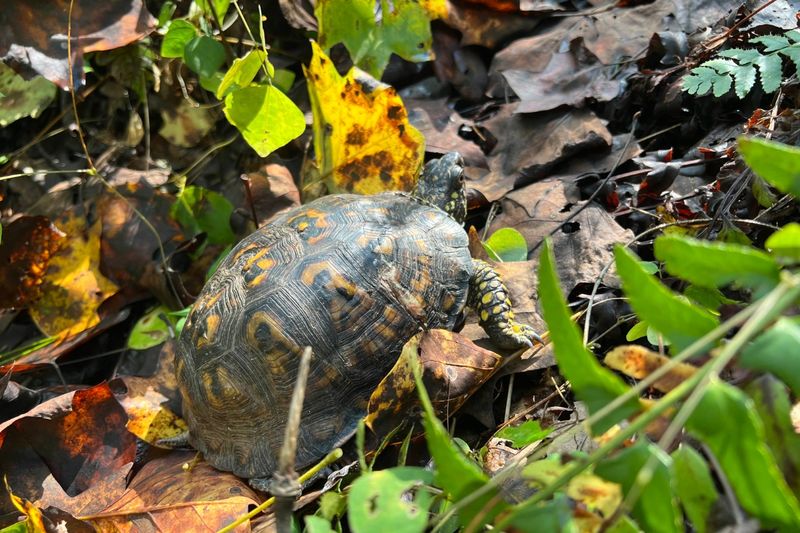
Moving a turtle to a nicer spot might sound kind, yet it can cause real trouble. Box turtles live their whole lives inside a small home range, often no bigger than a few football fields.
Every log, puddle, and berry bush in that area is part of a mental map. The turtle knows where to hide on hot days and where to dig in for winter.
Taking it to a park across town erases all that knowledge in one trip.
Relocated turtles often wander for months trying to get back home. Along the way they face busy roads, hungry raccoons, and strange places with no safe shelter.
Many simply cannot find their way again.
Wildlife experts in Virginia agree on a simple rule: if it is not hurt and not in danger, let it be. Your yard may be part of its regular route, and it could pass through again next week or next year.
Your Virginia Garden Changes Every Week. Your Plan Should Too.
Gardening in Virginia changes quickly throughout the season. Every Friday you’ll receive a simple weekly plan showing exactly what to plant, prune, fertilize, harvest, and protect so you never miss the right timing.
Some families even give their returning visitor a nickname. You can learn to recognize the same turtle by the unique pattern on its shell, a bit like a fingerprint.
So resist the urge to scoop it up and drive somewhere scenic. The best home for that turtle is the one it already picked, and your backyard just happens to be a piece of it.
3. Help It Cross The Road The Safe Way
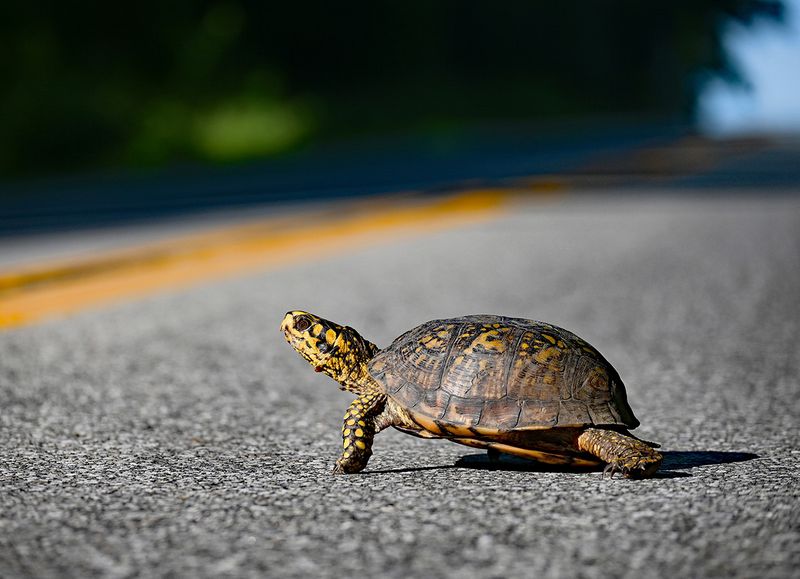
Roads are one of the biggest threats box turtles face. The Wildlife Center of Virginia sees the most injuries in two seasons: spring, when turtles roam more for food, mating, and nesting, and fall, when they head toward their hibernation spots.
If you live on a street that borders your yard, you may spot one mid-crossing. First, check for traffic and make sure you are safe.
Your safety comes before any rescue.
Next, pick the turtle up gently by the sides of its shell, between the front and back legs. Hold it low to the ground in case it wiggles.
Avoid grabbing a leg or the tail, since that can cause injury.
Here is the key trick: carry it in the same direction it was already traveling. Set it down several feet off the road on that side.
If you put it back where it started, it will likely turn around and try again.
Plenty of drivers stop to help turtles, and that small act really adds up. Losing even a few adults can harm a local group, because these reptiles grow slowly and lay only a handful of eggs each year.
Wash your hands afterward with soap and water. Turtles can carry salmonella germs, so clean hands keep everyone healthy.
4. Check For Injuries On Your Visitor
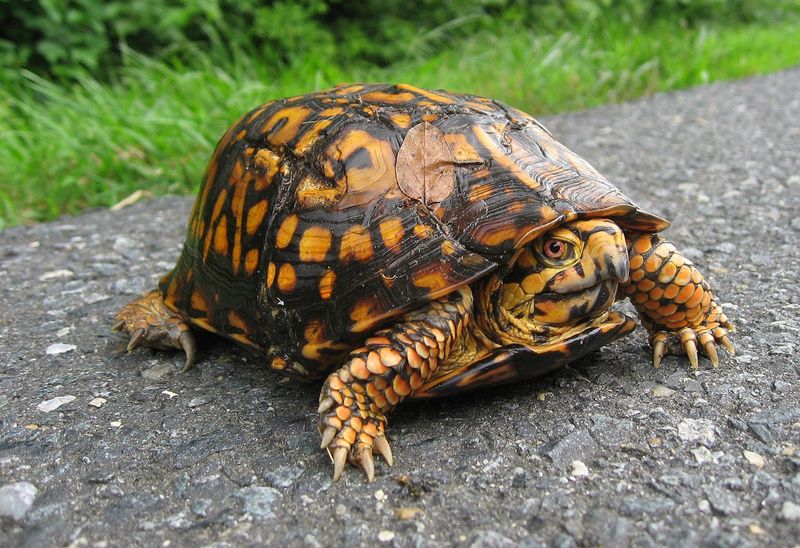
Lawn mowers, string trimmers, and curious dogs cause many turtle injuries every summer. A quick, careful look can tell you whether your guest needs extra help.
Start with the shell. Cracks, chips, bleeding, or soft spots are warning signs.
Then look at the eyes, which should be bright and clear rather than swollen or crusty.
Watch how it moves too. A healthy box turtle walks with steady steps and holds its head up.
Dragging legs, heavy breathing, or bubbles near the nose suggest something is wrong.
If you notice any of those problems, place the turtle in a ventilated box with a damp towel. Keep it in a quiet, shaded room.
Do not offer food or water, and do not try to fix the shell with glue or tape.
Then reach out to a licensed wildlife rehabilitator. Groups like the Wildlife Center of Virginia in Waynesboro treat many box turtles each year and can guide you over the phone.
Many cracked shells heal well with proper care.
Write down exactly where you found the turtle. Rehabbers usually release healed turtles back into their original home area, and your notes make that possible.
Acting fast truly matters. Turtles heal slowly, but early help gives them a strong chance to get back to munching mushrooms in your yard.
5. Skip The Pet Plan For Virginia Wild Turtles
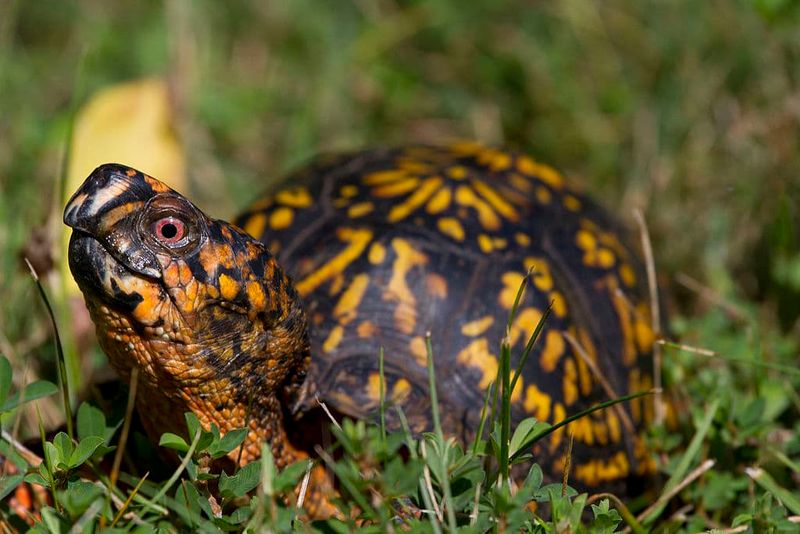
Kids often beg to keep a turtle the second they see one. Who can blame them, with those bright markings and calm little faces?
Still, wild box turtles make poor pets. They need a varied diet, specific humidity, sunlight, and a cool place to hibernate.
Most store-bought tanks cannot match what nature gives them for free.
There is also the law to think about. Since July 1, 2021, keeping a box turtle as a pet in Virginia has been illegal, and taking one home can lead to a misdemeanor charge with a fine of up to $500.
The Virginia Department of Wildlife Resources adopted the rule to cut down on poaching and help protect declining populations. People who already had a pet box turtle before the rule started could keep it by registering it with the state.
Checking with the Department of Wildlife Resources keeps you on the right side of things.
Taking one adult turtle out of an area also hurts the local population. Females may only produce a few young that survive in their entire lives.
Every breeding adult counts.
A better idea is to turn the visit into a nature journal project. Sketch the shell, record the date, and note the weather.
Over time your family might track the same turtle season after season.
You can also visit a nature center that keeps educational turtles. Staff there can answer questions and let kids see one up close without removing any from the wild.
Loving a wild animal sometimes means letting it walk away. That choice keeps the turtle healthy and keeps your yard a living, breathing classroom.
6. Make Your Garden Turtle Friendly
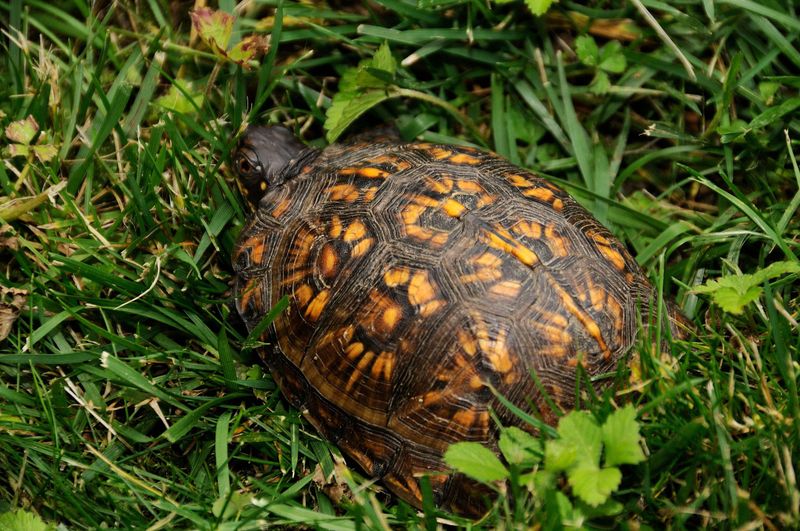
A messy corner of the yard can be a five-star hotel for box turtles. These reptiles love leaf litter, logs, tall grass, and shady plants where they can hide.
Try leaving a patch of fallen leaves in autumn instead of bagging them all. Turtles burrow under leaves and soil to spend the winter, often from late October until spring.
A tidy lawn offers no blanket at all.
Native plants help too. Wild strawberries, mayapple, blueberries, and blackberries give turtles snacks, while also feeding birds and butterflies.
Many garden centers across Virginia now carry native plant sections.
Add a shallow water dish set into the ground. Box turtles like to soak on hot days, but they are weak swimmers, so keep the water only an inch or two deep.
Change it often to stop mosquitoes from breeding.
Cut back on chemicals as well. Pesticides wipe out the worms, slugs, and beetles that turtles eat, and some sprays can harm the turtles directly.
Natural pest control keeps the menu full.
Finally, mark a small no-mow zone along a fence or woodland edge. That strip becomes a safe hallway where turtles can travel without danger.
With a few easy changes, your garden starts working for wildlife. You might even notice more frogs, toads, and songbirds moving in alongside your shelled friend.
7. Mow Smarter Around Box Turtles
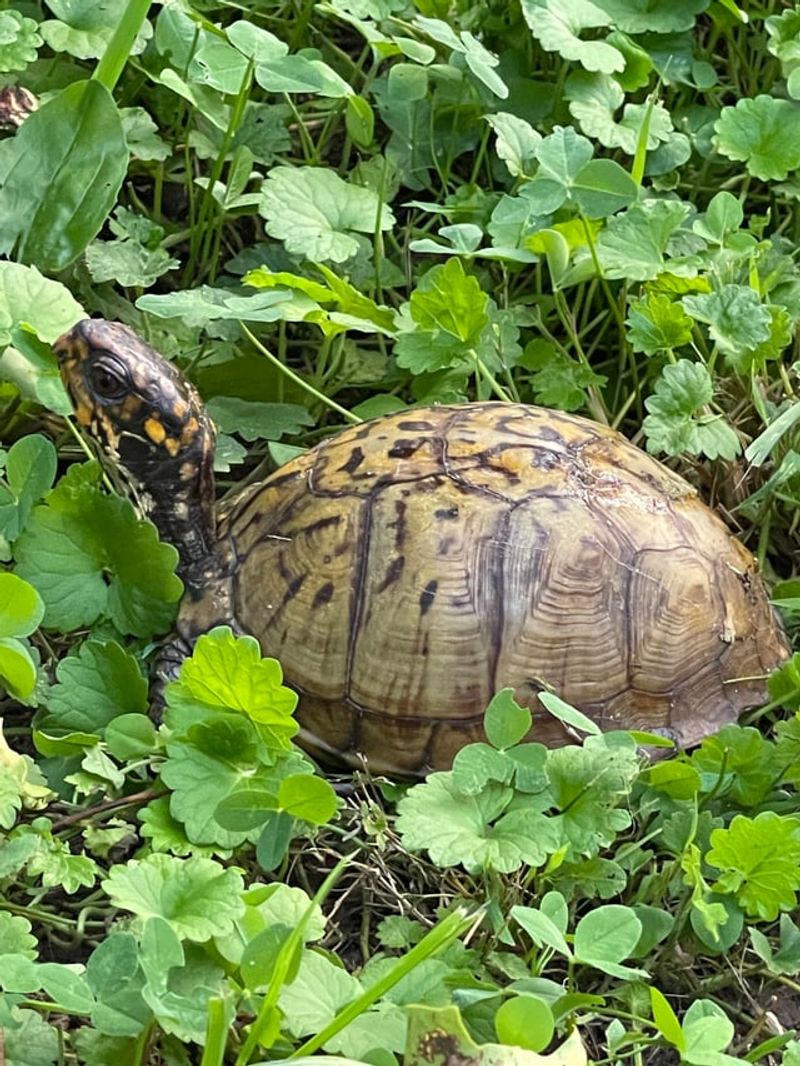
Mowers rank among the top causes of turtle injuries in suburban yards. The sad part is that most accidents are easy to avoid with a little planning.
Before you start the engine, take a slow walk across the lawn. Box turtles blend in with grass and soil, so look carefully near edges, flower beds, and shady spots.
A two-minute stroll can spare a turtle a trip to the vet.
Timing helps as well. Turtles are busiest in the morning and after rain, when worms and slugs come out.
Mowing in the middle of a dry afternoon lowers the odds of meeting one.
Raise your mower blade to four inches or higher. Taller grass is healthier for your lawn, holds moisture better, and gives a small turtle more space below the blades.
Be extra careful with string trimmers along fences and under bushes. Those are favorite hiding places, and trimmers can reach right into them.
If you hire a lawn service, mention that turtles live in your yard. Most crews are happy to do a quick check first, especially once they know Virginia box turtles are a protected part of local wildlife.
Teaching kids to be turtle spotters makes the job fun. Give a small reward for each find, and soon the whole family will be scanning the grass like detectives.
8. Report Your Sighting To Virginia Wildlife Groups
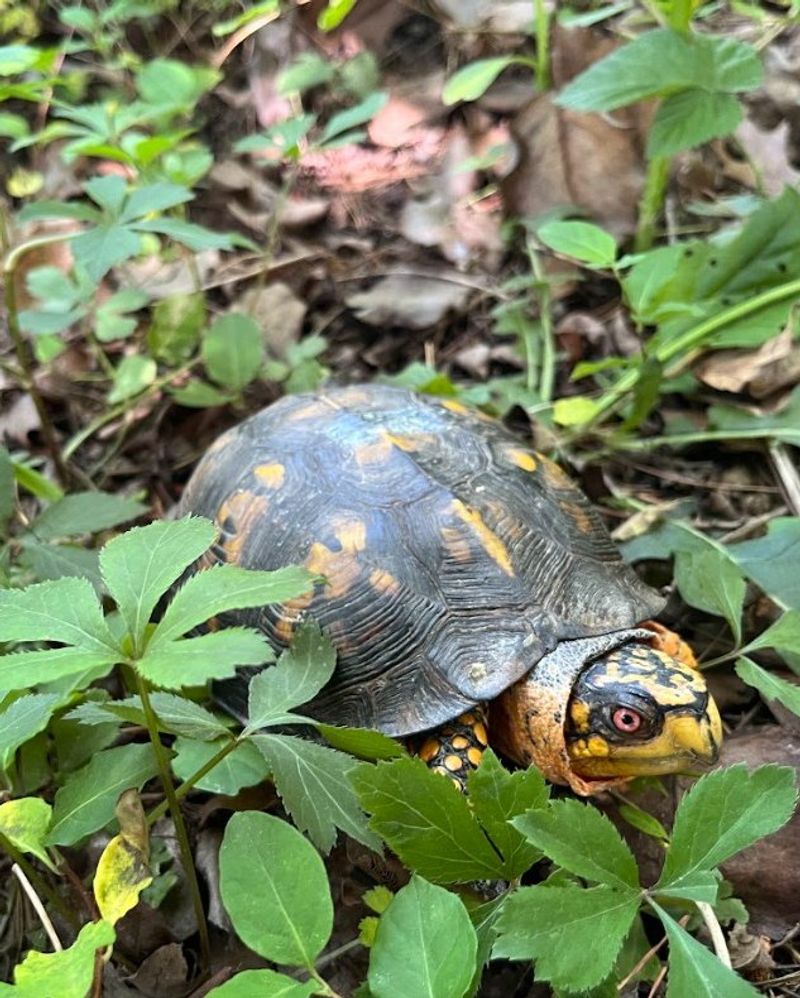
Scientists cannot be everywhere, which is where you come in. Your backyard photo can add real data to studies about how box turtles are doing.
Free apps like iNaturalist let you upload a picture, a location, and a date. Experts and fellow nature fans help confirm the species.
Researchers then use those records to map where turtles live and how numbers change.
Box turtles are listed as vulnerable worldwide, and many Virginia communities are watching local populations closely. Losing woods to new roads and buildings breaks up their homes.
Sightings show which neighborhoods still support healthy groups.
When you snap a photo, try to capture the top of the shell and the face. Do not chase or handle the turtle just for a better angle.
A clear shot from a short distance works great.
Write down a few details too. Was it a male with red eyes or a female with brown ones?
Was it eating, resting, or digging? Little notes like those can help researchers understand behavior.
Some local nature centers and master naturalist chapters run their own turtle surveys. Joining one is a great way to meet people who share your curiosity.
You may be surprised how good it feels to help science. One photo from your yard could become a dot on a map that protects turtles for years.
9. Protect Nesting Spots In Your Lawn
Early summer evenings bring a special sight in some yards. A female box turtle may pick a sunny, loose patch of soil and slowly dig a nest with her back legs.
In Virginia, nesting usually runs from late May through July.
She typically lays between two and seven eggs, then covers them and walks away. That is all the parenting she does.
The eggs hatch on their own about three months later, often in late summer or early fall.
If you spot a nesting turtle, give her plenty of space and quiet. Turn off bright outdoor lights nearby and keep pets indoors.
Any disturbance might cause her to leave before finishing.
Afterward, mark the area gently with a small stick or garden stake. Avoid digging, mowing, or placing heavy items over that spot.
You can set a wire mesh cage over the nest to keep out raccoons and skunks, but leave gaps big enough for tiny hatchlings to crawl through.
Do not dig up the eggs to check them. Turning them can harm the growing babies inside, so let nature handle the timing.
Hatchlings are about the size of a quarter and look like little walnuts with legs. Seeing one appear in your Virginia yard feels like winning a nature lottery.
Once they emerge, let them wander off. Your quiet support helps the next generation start strong.