The Floating Plant That Can Cover An Entire Lake In Texas
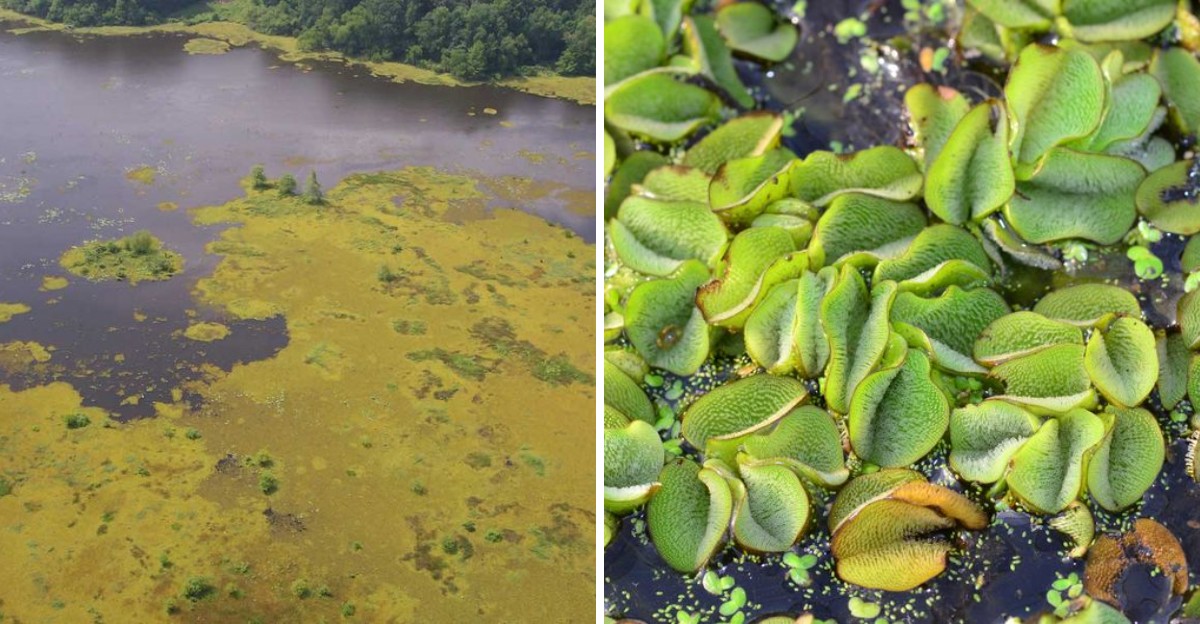
Under the right conditions, this floating plant can double in size in about a week. Start with a single small cluster, and within a few months, it can blanket acres of open water.
That’s what has happened on some of the most beloved lakes in Texas. Originally from South America, this invasive plant arrived in the state decades ago and has been causing trouble ever since.
It forms thick green mats that float on the surface, sometimes so dense they look like solid ground.
Underneath, the water grows dark and starved of oxygen, making life hard for fish and other wildlife. Boaters get stuck, anglers lose access, and swimming spots disappear.
The scariest part is how easily it spreads. A tiny piece clinging to a boat, trailer, or fishing gear can start a new infestation miles away. Recognizing it is one of the best ways to help stop it.
Texas’s Most Notorious Floating Invader
Few plants have earned a worse reputation in the Lone Star State. Giant salvinia is a floating fern, and it does not belong here. Its true home is South America, mainly in Brazil.
Texans first found it in the late 1990s. A small patch showed up in a pond in Houston in 1998. Before long, it was turning up in lakes across East Texas. People were surprised by how quickly it took over.
So how did it get here? Many experts believe it came through the plant trade. Some people bought it for water gardens and fish tanks.
It looked pretty and harmless in a small container. Once it escaped into the wild, the story changed fast.
In its home range, insects and other natural checks keep it under control. Texas did not have any of those helpers.
With warm weather and calm water, the plant had everything it needed to thrive. It spread with almost nothing standing in its way.
Because of the trouble it causes, Texas Parks and Wildlife put it on the list of prohibited exotic species. That means it is against the law to have it, sell it, or move it in Texas. Breaking that rule can lead to fines.
Here is a helpful tip. If you keep a backyard pond or aquarium, always buy plants from trusted sellers. Ask questions if you are unsure what a plant is. Never dump leftover plants or tank water into a creek or lake.
Fun fact: giant salvinia is related to ferns you might see in shady forests. It just chose a watery lifestyle instead. That small choice has turned it into one of the most famous troublemakers on Texas waters.
How To Recognize It
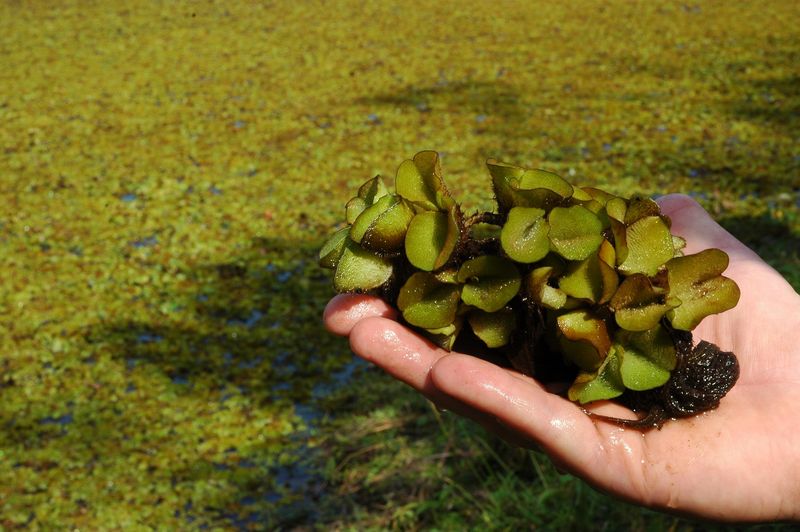
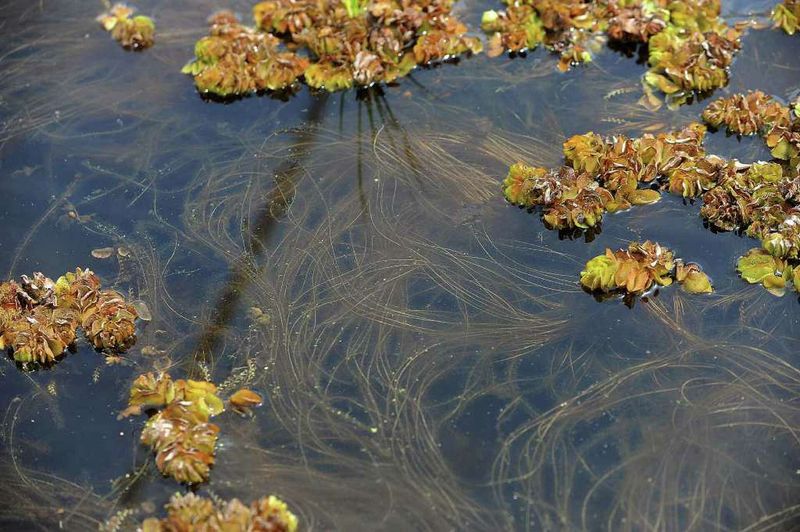
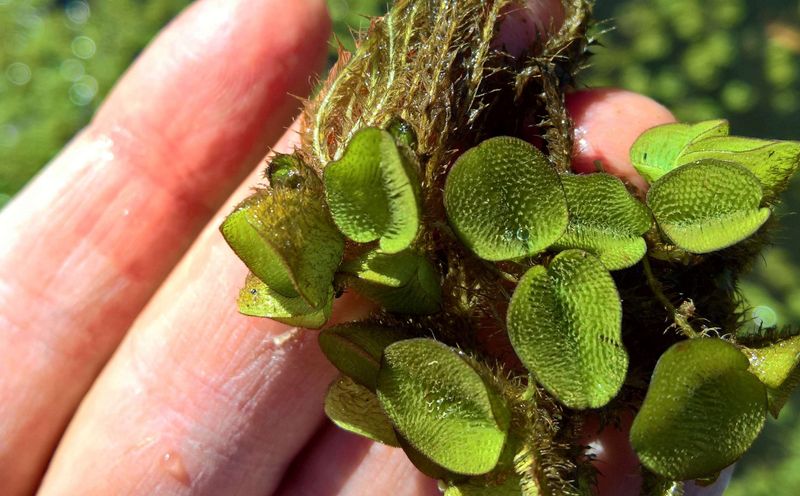
Get down close to the water and look carefully. Giant salvinia has small, oval leaves that float right on top. They usually grow in pairs along a thin stem, like little green buttons sewn side by side.
Young plants lie flat on the water. Their leaves are about the size of a dime or smaller. As the plant gets older and more crowded, the leaves fold up. They start to look like a closed book or a taco shell.
Your Texas Garden Changes Every Week. Your Plan Should Too.
Gardening in Texas changes quickly throughout the season. Every Friday you’ll receive a simple weekly plan showing exactly what to plant, prune, fertilize, harvest, and protect so you never miss the right timing.
Now for the coolest part. The top of each leaf is covered in tiny hairs. If you use a magnifying glass, you can see that each hair splits into four arms. Those arms join back together at the tip, shaped just like an old kitchen egg beater.
Those odd little hairs have a big job. They push water away, so the leaves stay dry and float. Pour water on a leaf and watch the drops roll right off. Scientists have even studied these hairs to design better boat coatings.
Under the water, you will find what look like brown, hairy roots. They are actually changed leaves that hang down and soak up nutrients. They can dangle several inches below the surface.
Some native plants, like duckweed, can look similar from far away. Duckweed is much tinier and does not have those egg beater hairs. Common salvinia is a cousin with smaller leaves and hairs that do not join at the tips.
Spot something suspicious? Snap a clear photo and note where you found it. Then report it to Texas Parks and Wildlife. Your sharp eyes could help catch a new problem early.
How It Grows So Fast
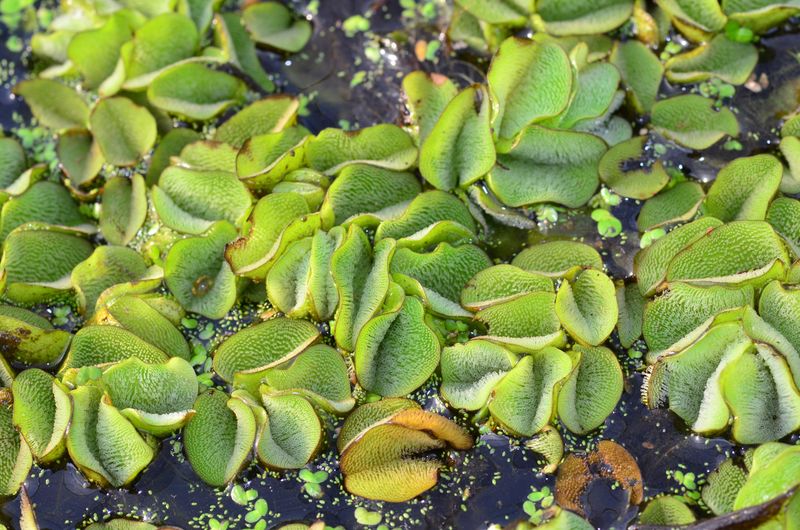
One plant on Monday. Two by the weekend. Four the week after that. Keep doing the math and you will see why giant salvinia scares lake managers so much.
Under good conditions, it can double in size in just a few days to about a week. Warm water, plenty of sunlight, and extra nutrients help it grow even faster. Texas summers give it all three.
Here is a fun way to think about it. Say a patch covers one square foot today. If it doubles every week, it could cover a whole backyard pond in a couple of months. On a big lake, the spread can be just as dramatic over one season.
The plant does not need seeds to multiply. New buds form along its stem. When the stem breaks, each piece floats off and starts growing by itself. Wind, waves, and boats all help break it apart.
As the plants pile up, they form floating mats. At first the mat is thin and flat. Over time, the plants stack on top of each other. Some mats grow more than a foot thick.
Those heavy mats can get so solid that other plants start growing on top. In some places, people say the surface looks like you could walk on it. Please do not try. It is still water underneath.
Cold weather slows giant salvinia down, but it rarely wipes it out. A hard freeze may brown the top layer. Plants hidden underneath often survive and bounce back in spring. That is why quick action matters so much when a patch is first found.
The Damage It Causes
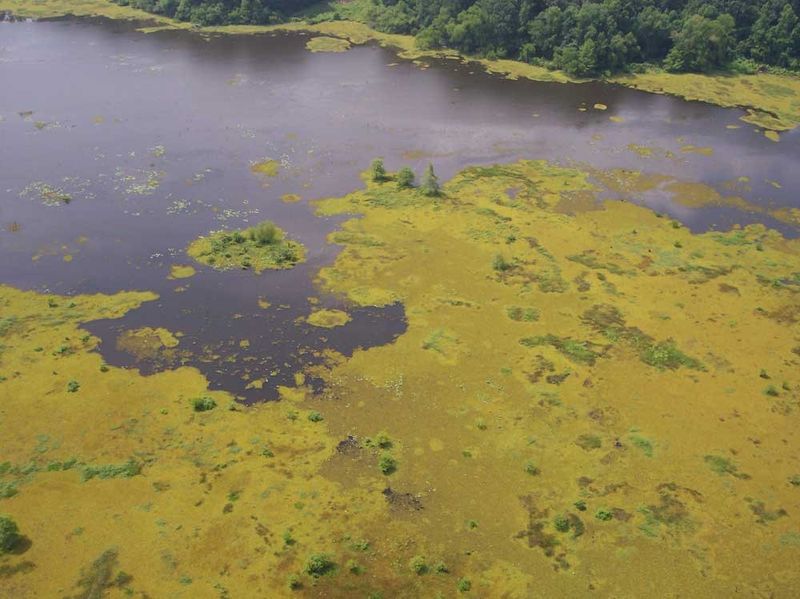
Ask any angler on Caddo Lake about giant salvinia, and you might hear a long sigh. That beautiful cypress lake on the Texas and Louisiana border has battled the plant for years. Some coves have been choked shut.
The trouble starts with sunlight. Thick mats act like a dark lid on the water. Underwater plants cannot get the light they need, so they fade away. Those plants normally feed and shelter many small creatures.
Oxygen is the next problem. Underwater plants add oxygen to the water. When they disappear, oxygen levels drop. Decaying salvinia makes it worse because rotting material uses up even more oxygen.
Fish need that oxygen to breathe. Low levels can stress them, push them away, and harm whole groups of aquatic life. Ducks and wading birds also lose open water to hunt and rest.
People feel the pain too. The mats tangle around boat propellers and clog motor cooling systems. A fun day of fishing can turn into hours of pulling weeds off your engine.
Water intakes get blocked as well. Cities and power plants pull water from lakes, and salvinia can jam their pipes. Fixing that costs a lot of money.
Swimming, paddling, and fishing become hard or even unsafe. Fewer visitors means local shops, marinas, and guides lose business. Small towns around lakes depend on that income.
Here is a smart tip. Before planning a trip, check Texas Parks and Wildlife updates for your lake. They often share which areas have heavy growth. Choosing clear spots keeps your boat safe and helps you avoid spreading pieces around.
How It Spreads From Lake To Lake
Hitchhikers come in all shapes and sizes. Some of the sneakiest ones are green and smaller than your fingernail. Giant salvinia is a champion at catching a free ride.
Here is a surprising fact. In the United States, giant salvinia does not spread by seed. The plants here cannot make working seeds. Every new infestation starts from a piece of an old plant.
Even a tiny fragment can grow into a brand new mat. A single leaf pair stuck to a trailer is enough. Drop it into a fresh lake, and the whole cycle begins again.
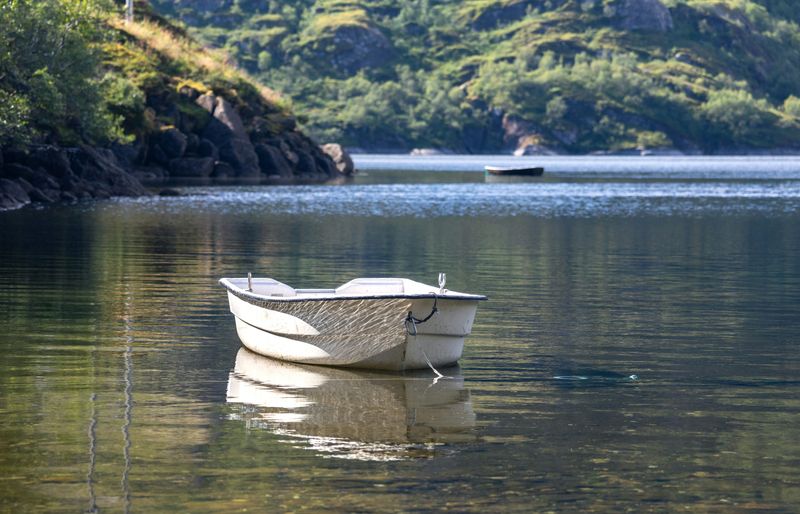
So how do those pieces travel miles away? Mostly, people move them without knowing. Bits get tangled on boat trailers, anchors, and propellers. They also hide in live wells, bait buckets, and fishing nets.
The plant can survive out of water for a while if it stays damp. A wet corner of a boat can keep it alive during a long drive. That is why water left inside a boat is a big risk.
Experts use three easy words to stop the spread. Clean, drain, and dry. Clean off all plants and mud from your boat, trailer, and gear.
Drain every bit of water from the motor, live well, and bilge. Then let everything dry before heading to another lake.
Try to dry your boat for about a week if you can. If you are in a hurry, a high-pressure car wash spray helps. Make it a habit, like buckling your seatbelt. Your few extra minutes at the ramp could protect a whole lake.
How Texas Is Fighting Back
Meet one of the smallest heroes in Texas. The salvinia weevil is a beetle about the size of a sesame seed. It might not look tough, but it has a huge appetite for one plant.
These weevils come from the same part of South America as giant salvinia. They eat its buds, and their young tunnel through its stems.
Over time, the mats turn brown and sink. Texas raises weevils in special ponds and releases them on infested lakes.
Weevils work slowly, so the state uses other tools too. Crews spray approved herbicides to knock back large mats. These treatments are carefully chosen to target the plant and limit harm to the lake.
Physical removal helps as well. Workers use floating booms to trap mats in one area. Machines and hand crews scoop plants out of smaller spots. In some cases, lowering lake levels in winter lets cold air damage exposed plants.
Using all these methods together works better than any single one. Experts call it integrated management. Caddo Lake has seen real progress thanks to this teamwork.
Now comes the part where you help. Texas law requires boaters to remove all plants from boats, trailers, and gear before leaving a lake. You must also drain all water from your boat and live wells before you drive away.
These rules apply to every lake in the state, not just the ones with salvinia. Following them keeps you clear of fines.
More importantly, it keeps Texas lakes open, healthy, and fun for families, anglers, and wildlife for many years to come.