The Arizona Birds That Show Up In October And Stick Around All Winter
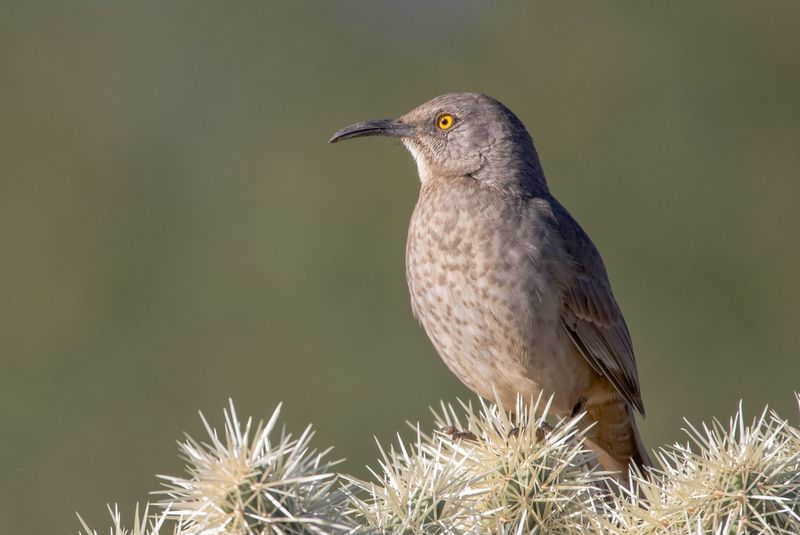
When the heat finally breaks in October, your Arizona yard gets a whole new set of guests. Flocks of sparrows, warblers, and even giant cranes fly south to spend the mild desert winter right here with us.
Knowing who is coming helps you plan a yard with the right native plants, water, and cover to keep them around. Some of these birds even snack on the bugs you would rather not have near your patio.
1. White-crowned Sparrow
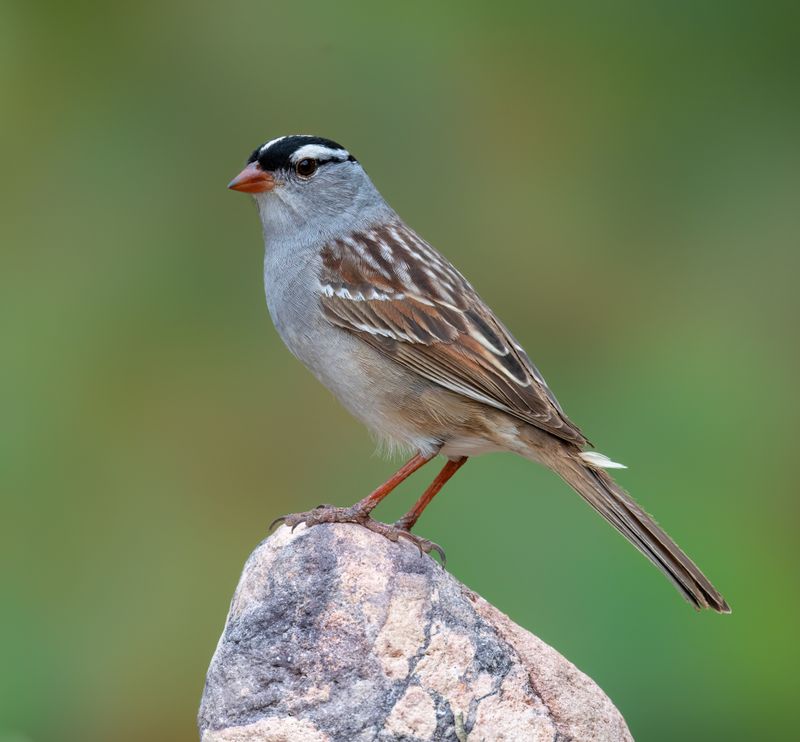
Watch the ground under your shrubs in late September, and you may spot a small bird wearing a striped black-and-white cap like a tiny referee. White-crowned Sparrows fly down from northern nesting grounds and settle into low-desert yards until spring.
These sparrows travel in loose, chatty flocks. They hop and scratch through leaf litter looking for seeds and small insects, so a slightly messy corner of the yard is a welcome mat for them.
Tidy gravel with nothing growing in it offers very little.
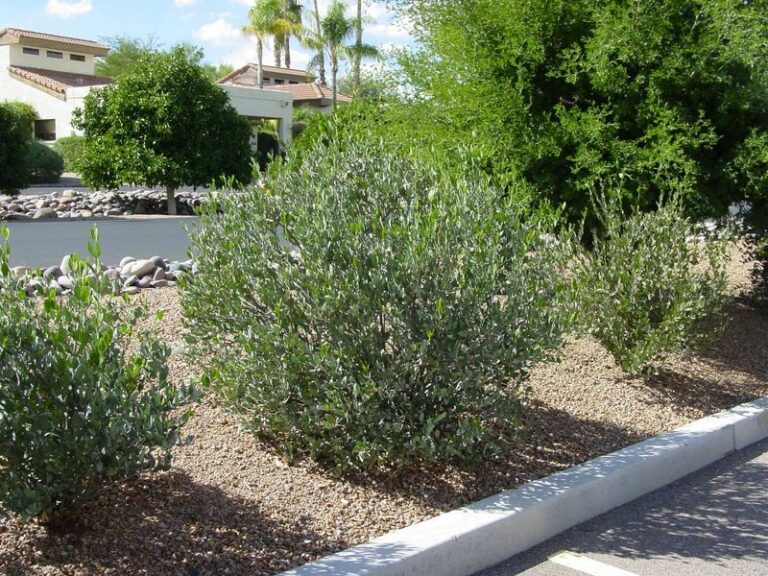
To keep them happy all winter, plant dense native shrubs they can dart into when a hawk passes overhead. Desert hackberry is a great pick because its thorny branches give safe cover and its small orange berries add a snack.
Jojoba and bush dalea also work well as low, tough hideouts.
Let a few desert marigolds and globemallows go to seed instead of trimming them right away. The sparrows will pick through the seed heads for weeks.
A shallow ground-level water dish refreshed every few days also draws them in during dry spells.
Fun fact: young White-crowned Sparrows sport brown and tan stripes instead of black and white, so a mixed flock can look like two species.
2. Yellow-rumped Warbler
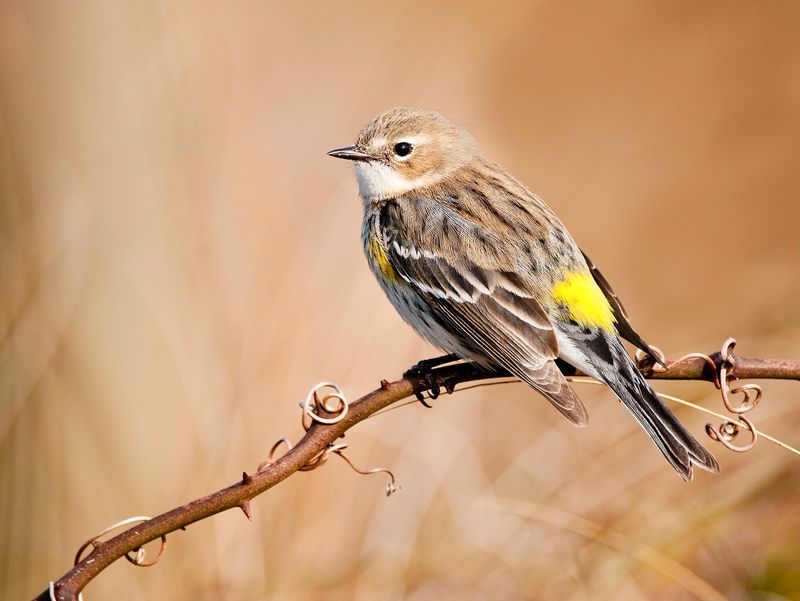
Birders have a nickname for this little flier: the butter-butt. One glance at the bright yellow patch on its rear end explains why, and once you spot it you will start seeing Yellow-rumped Warblers everywhere from October through spring.
Most warblers head deep into the tropics for winter. Yellow-rumps are different because they can digest waxy berries and seeds when insects run low, which lets them ride out the season in the Phoenix and Tucson lowlands.
For homeowners, that insect appetite is a real bonus. These warblers flit through tree canopies picking off gnats, aphids, and other small bugs, and their constant foraging may help keep pest numbers lower around your patio.
Velvet mesquite and blue palo verde are top choices for drawing them in. The bark and leaves of both trees host plenty of tiny insects, and the open branches let warblers hover and snatch prey in midair.
Fall is the right time to plant either tree in the low desert, so October planting lines up nicely with the birds showing up.
Listen for a sharp chek call from the branches. That quick note often gives a warbler away before you ever see the flash of yellow.
3. Sandhill Crane
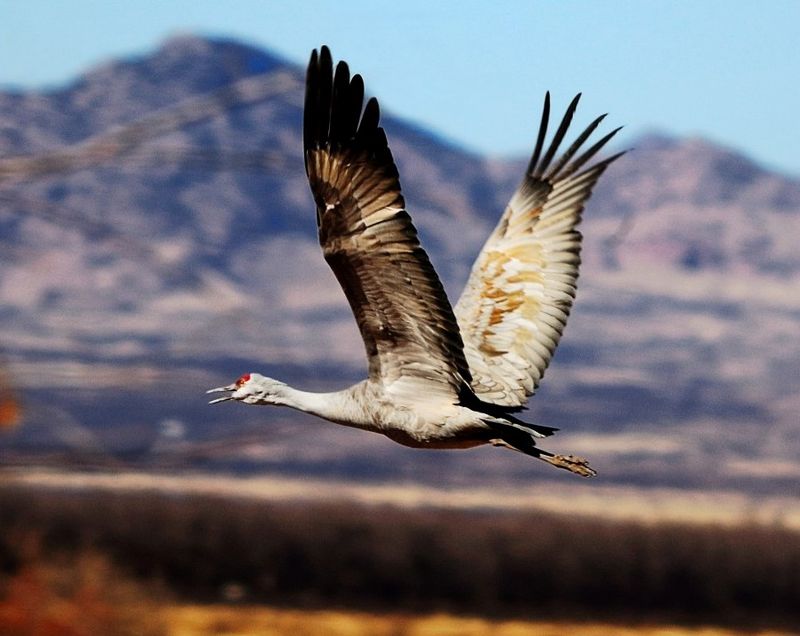
Imagine thousands of four-foot-tall birds rattling and bugling across a winter sky. That scene plays out every year in Arizona when Sandhill Cranes arrive in fall and settle in until they head north again in late winter.
Your Arizona Garden Changes Every Week. Your Plan Should Too.
Gardening in Arizona changes quickly throughout the season. Every Friday you’ll receive a simple weekly plan showing exactly what to plant, prune, fertilize, harvest, and protect so you never miss the right timing.
Cranes are not backyard visitors, so you will not find one sipping from your birdbath. Instead, they gather in huge groups at wetlands and farm fields in the southern part of the state, especially in the Sulphur Springs Valley near Willcox.
Some also show up along waterways closer to the metro areas.
Their gray bodies and bright red foreheads are easy to recognize, even from far away. Cranes roost in shallow water at night for safety, then spread out into nearby fields during the day to eat leftover grain, seeds, and insects.
The best viewing comes at sunrise, when long lines of cranes lift off with a loud, rolling call that sounds almost prehistoric. Bring binoculars, dress in layers, and stay at a respectful distance.
Here is a fun bit of history: Sandhill Crane fossils date back millions of years, making them one of the oldest living bird species. Seeing them feels like a trip back in time without leaving the state.
4. Lark Bunting
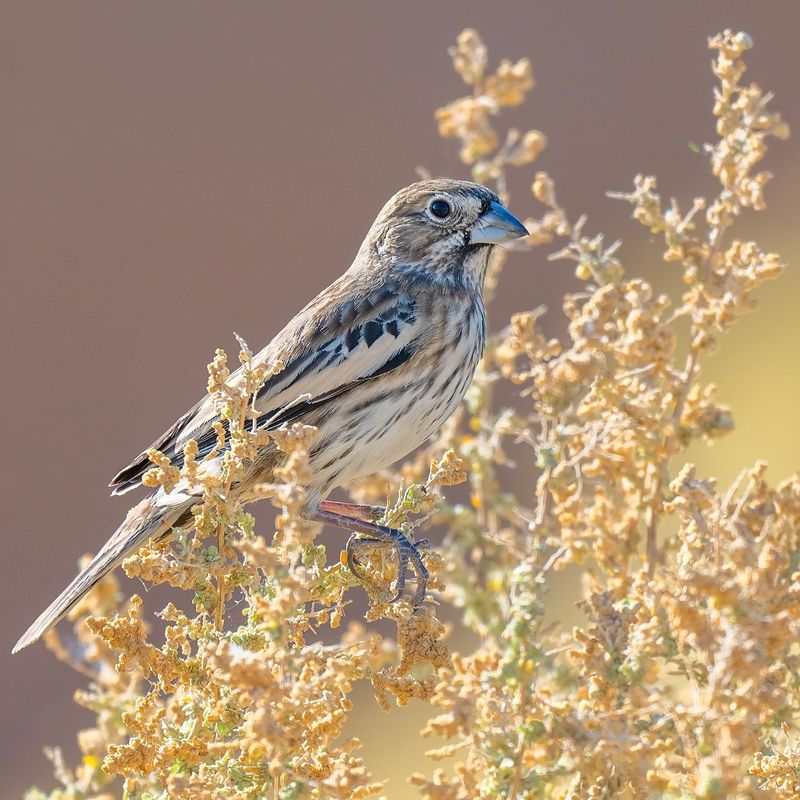
Here is a bird with a secret identity. In summer, male Lark Buntings are jet black with white wing patches, but by the time they reach Arizona in fall, they have switched into streaky brown outfits that blend right into dry desert ground.
Lark Buntings are common winter birds across open desert and grassland areas. They travel in flocks that can number in the dozens or even hundreds, rising together and swirling across a field before dropping back down to feed.
Seeds make up most of their winter menu, but they will grab insects whenever they find them. Homes on the edge of open desert, or larger lots near the outskirts of Tucson and Phoenix, have the best chance of seeing them.
Want to make your property more inviting? Let native grasses and wildflowers like desert marigold and globemallow set seed in a sunny, open patch.
A low pile of brush nearby gives the flock a quick place to duck when a hawk swoops in.
Look for the white wing patches when the birds take off. Even in their plain winter clothes, that flash of white is a giveaway that you are watching buntings and not just another group of sparrows.
5. Lark Sparrow
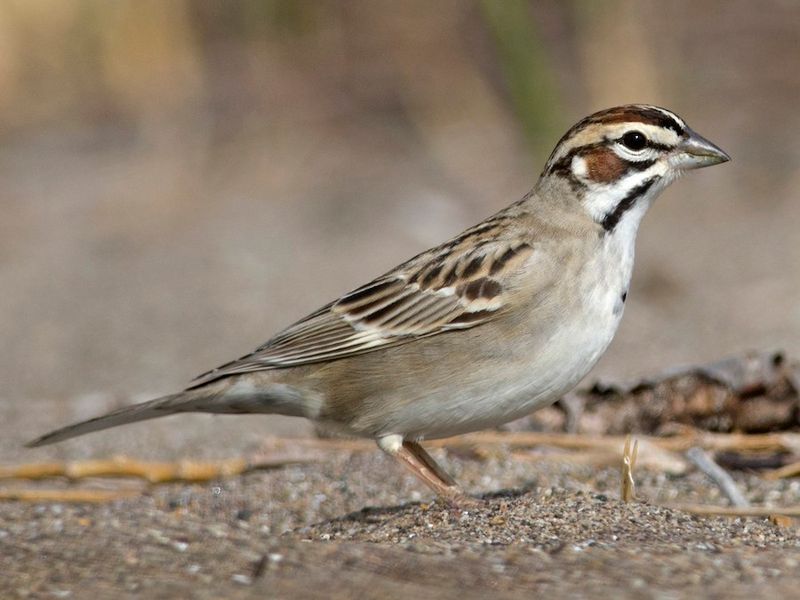
Some sparrows look plain, but not this one. The Lark Sparrow has a striking face painted with chestnut, black, and white stripes, plus a single dark spot in the middle of its chest like a pin on a jacket.
Southern Arizona keeps a group of Lark Sparrows all year long. Come fall, their numbers jump as relatives from higher elevations and northern areas fly in to join them, so winter is the easiest time to find one.
They like open ground with a few scattered shrubs and trees, which makes many desert-style yards a good match. They spend much of the day walking on the ground picking up seeds, then flutter up to a fence or branch to rest.
Desert willow is a smart addition here. It gives sparrows a perch with a view, and in warmer months its flowers bring in insects that birds snack on.
Pair it with seed-producing natives like bush dalea and you have both a lookout and a pantry.
Keep an eye out for their tail when they fly. White corners flash on each side, a handy field mark that helps tell them apart from the White-crowned Sparrows sharing your yard this time of year.
6. Loggerhead Shrike
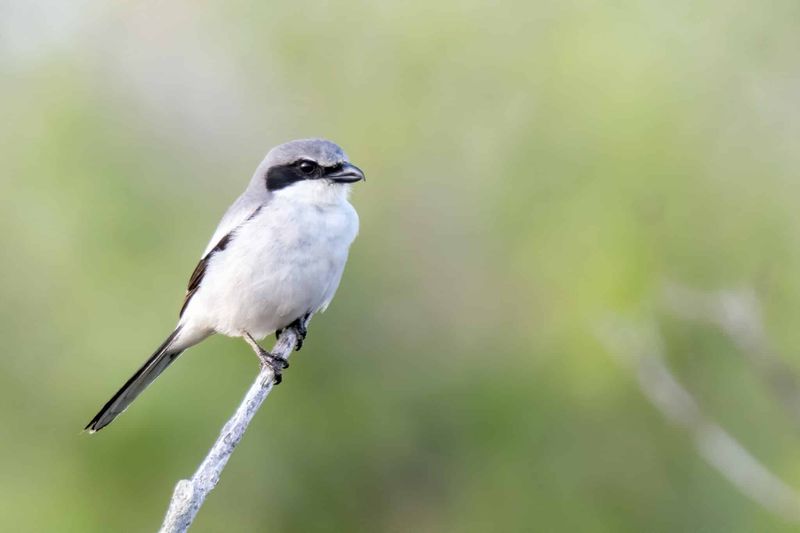
It looks like a songbird, but it hunts like a hawk. The Loggerhead Shrike wears a black mask like a little bandit and has a hooked bill built for grabbing prey much larger than you would expect.
Shrikes become a common sight in open desert areas during winter. They sit on wires, fence posts, and bare branches, scanning the ground below.
When something moves, they drop down fast to snatch it.
Their menu includes large insects, lizards, and sometimes small rodents. That means a shrike hanging around your property may help keep crawling pests and mouse visits in check, though no bird can promise a pest-free yard.
Shrikes do not have the strong talons hawks use, so they came up with a clever trick. They store their catch by hooking it onto thorns or barbed wire, which earned them the nickname butcher bird.
A thorny tree like mesquite or a stand of cholla can become a shrike pantry.
To attract one, keep some open space where they can spot prey, and leave a few tall perches nearby. A mesquite at the edge of the yard works perfectly.
Avoid using bug sprays heavily, since shrikes rely on a healthy supply of insects to stay fed.
7. Anna’s Hummingbird
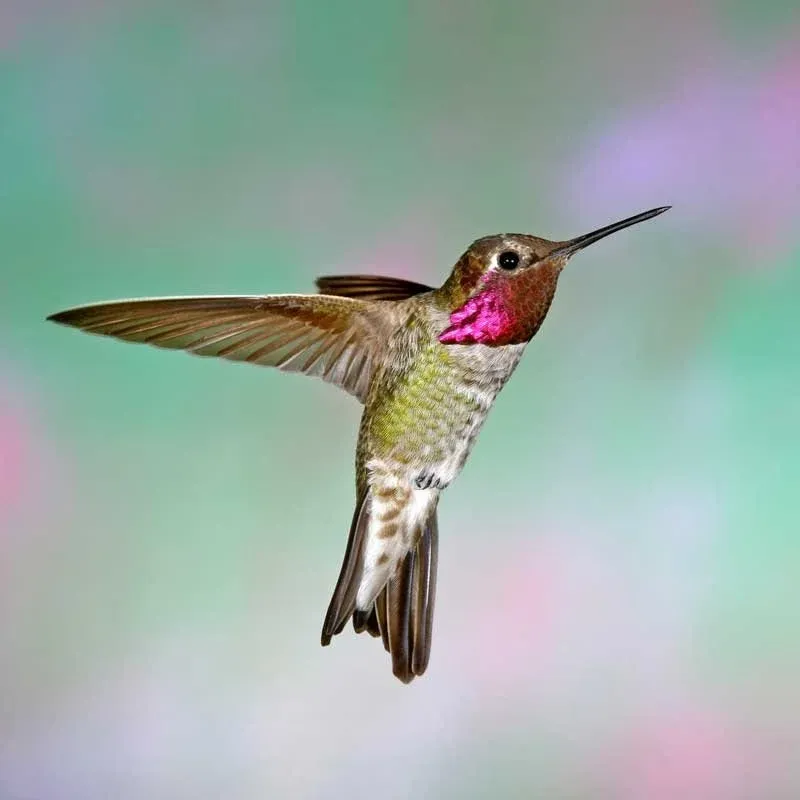
Plenty of people pack up their hummingbird feeders in October. That is a mistake in Arizona, because Anna’s Hummingbirds stay right through the cold months and are ready for a sip.
While most hummingbird species fly south once fall arrives, Anna’s, Costa’s, and Broad-billed hummingbirds become the winter regulars. Anna’s is often the boldest of the bunch, and males even start their courtship dives in winter, zooming up high and swooping down with a loud chirp.
The male’s head glows a rosy pink when sunlight hits it just right. Turn your head a little and the color seems to switch off, then flare back on again.
Chuparosa is a must-have plant for winter hummers. Its tubular red flowers bloom during the cooler months when nectar is scarce, and it handles drought with ease once established.
Desert honeysuckle and penstemon add more color later.
Hummingbirds also eat tiny insects for protein, including gnats and small flies. Keep a clean feeder filled with one part sugar to four parts water and change it every few days.
On rare frosty nights, bring the feeder in and put it back out at sunrise so it is ready for the first visitor.
8. Curve-billed Thrasher
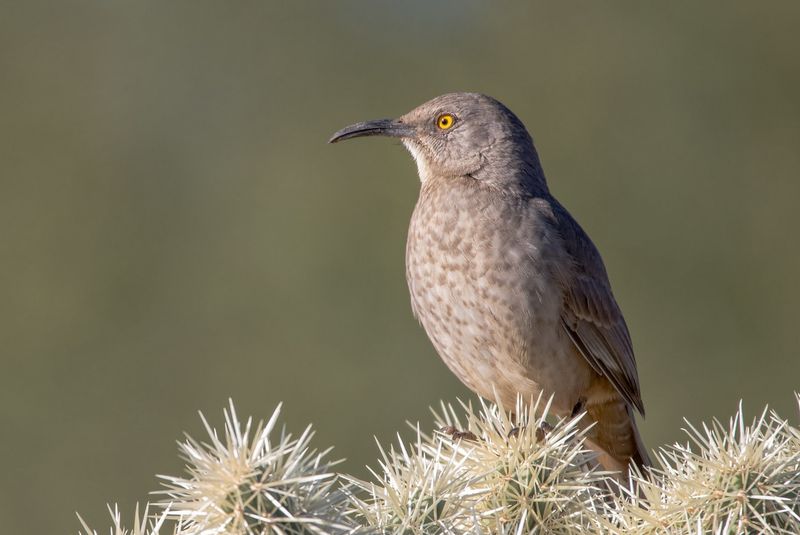
Whit-WHEET! If you have ever heard a sharp two-note whistle ring across a Phoenix neighborhood, there is a good chance a Curve-billed Thrasher was the one calling.
True, these birds live here all year. Yet winter is when they really stand out, since there is less leafy growth to hide them and they are busy staking out territory before spring nesting starts.
Their bright orange eyes and long, downward-curved bill make them easy to identify.
That bill is a digging tool. Thrashers flip soil and leaf litter to find beetles, grubs, and other bugs, so they may help reduce insect populations hiding in your yard.
They also enjoy the fruit of prickly pear and saguaro when it is in season.
Cholla cactus is their favorite spot for nests. The spiny branches keep predators away from eggs and chicks.
If you have room, a cholla or prickly pear planted away from walkways provides both safety and food.
Leave a layer of fallen leaves under shrubs instead of blowing it all away. That natural mulch holds moisture in the soil and becomes a hunting ground for thrashers all winter long.
9. Western Meadowlark
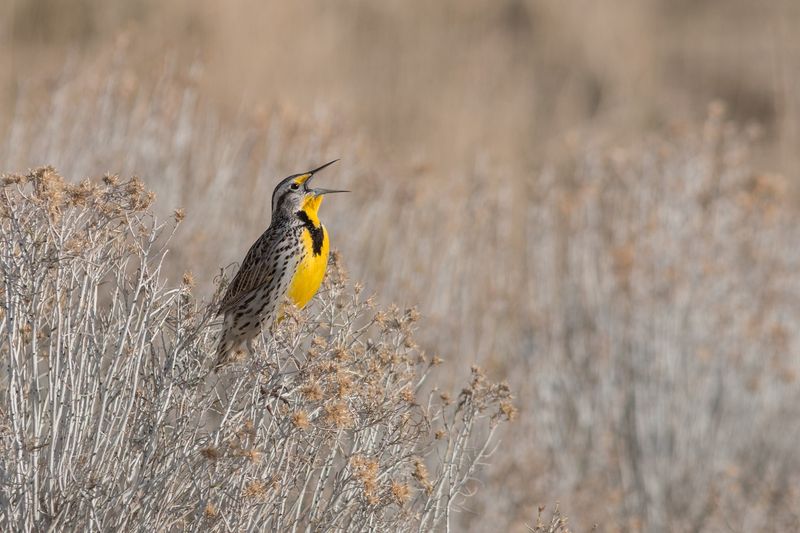
A flash of lemon yellow with a black V across the chest is hard to miss on a gray winter morning. The Western Meadowlark adds a splash of color to Arizona’s open spaces just when the landscape looks its most faded.
Arizona meadowlarks generally stay in the state year-round, but winter brings them into view more often. Open deserts, grasslands, and farm fields across southern Arizona fill with these birds as they search for food on the ground.
They feed on insects like grasshoppers and beetles, plus seeds from grasses and weeds. Their long, sharp bills poke into the soil to reach hidden prey, which makes them natural helpers in keeping bug numbers balanced.
Their song is a real treat. It sounds like a bubbly, flute-like tune that tumbles down the scale, and they often sing from fence posts even in winter.
Homes with larger lots or open land nearby are the best bet. Leave a patch of native grasses unmowed and avoid heavy pesticide use so insects stay available.
Fun fact: despite the name, meadowlarks are not larks at all. They belong to the blackbird family, the same group as orioles and grackles.
10. Gambel’s Quail
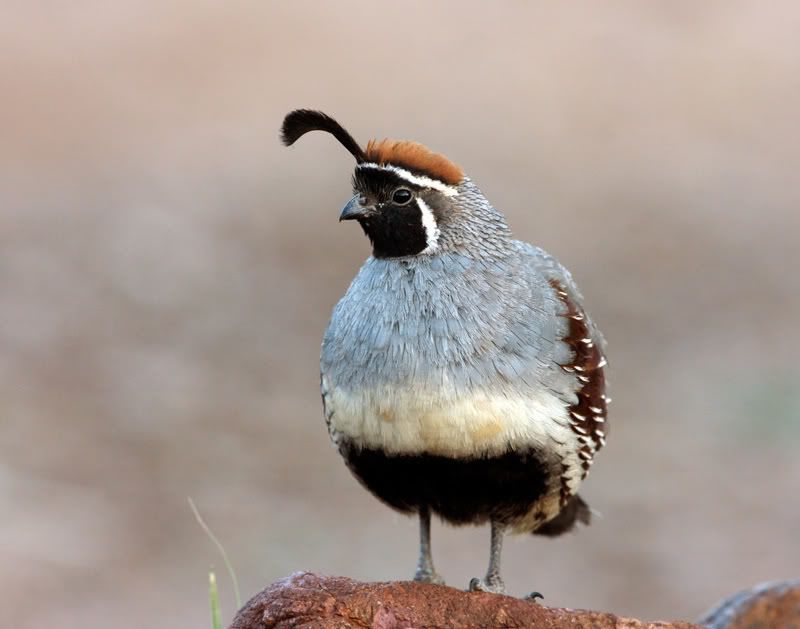
Picture a line of plump little birds racing across your yard, each with a curly feather bobbing on top of its head like a question mark. Gambel’s Quail are pure desert charm, and winter is when their family groups, called coveys, become a regular show.
After the breeding season ends, quail join together in coveys that can hold a dozen or more birds. They move as a team, scratching for seeds and insects under shrubs and trees.
Here is something impressive. Gambel’s Quail can get much of the water they need from the food they eat, like cactus fruit and green plants.
That makes them well-suited to Arizona’s dry winters.
Mesquite is one of the best plants for quail. They eat the seeds and pods, and the low branches give them shelter from hawks and coyotes.
Prickly pear adds fruit and spiny cover, while desert hackberry offers thick hiding spots.
Scatter a little seed on the ground and add a low water dish with a stone in it for safe footing. Then grab a cup of coffee and watch from the window.
A covey parading across your gravel at sunrise is one of the sweetest perks of a winter desert yard.