This Bright Blue Native Wildflower Lights Up Pennsylvania Gardens In Fall
Late summer has a way of making Pennsylvania gardens look a little defeated. The roses are sulking, the lawn is crunchy, and even the bees seem like they are just going through the motions.
Then one plant shows up and completely changes the conversation.
It produces spikes of electric blue so vivid that it genuinely stops people in their tracks, which is a pretty impressive trick for something that has been growing wild along Pennsylvania creek banks and wet meadows for centuries.
Hummingbirds find it fast. Bumblebees are not far behind.
And here is the part that makes it even better: it actually thrives in those soggy, low-lying spots where most garden plants quietly give up. If your garden needs a shot of something wild and genuinely useful, keep reading because this one is worth knowing about.
1. Meet The Blue Star Of Pennsylvania Wet Meadows
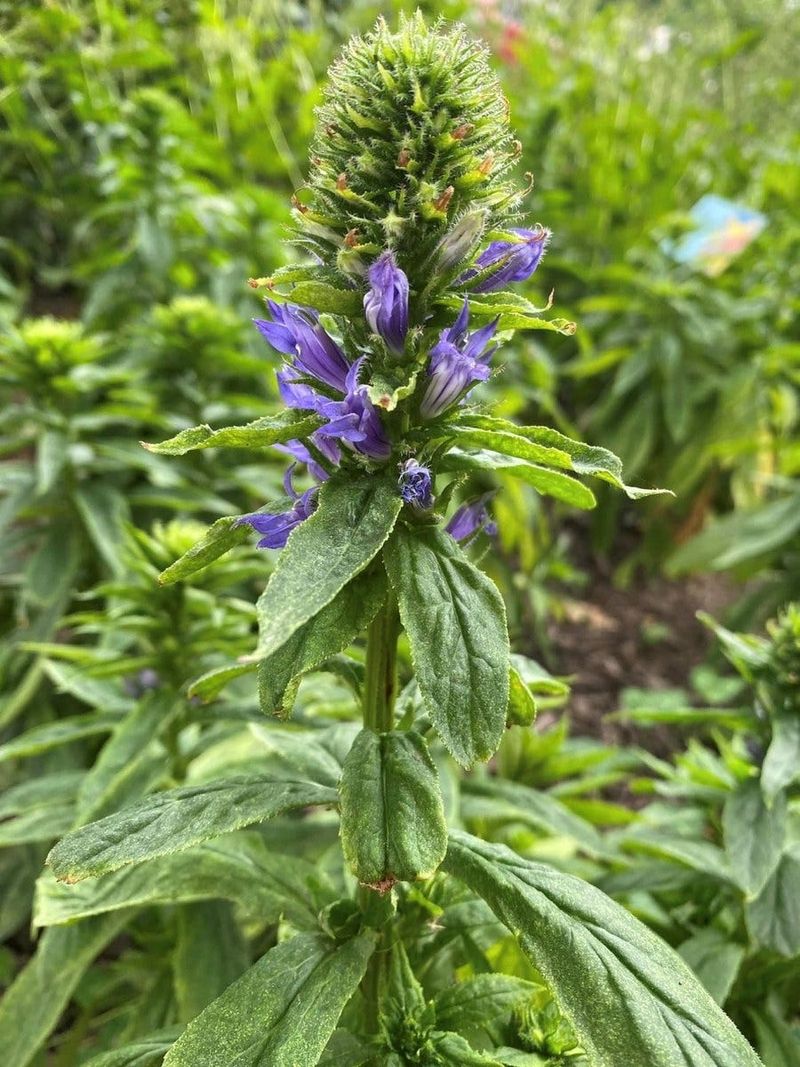
Walk along a creek in late August and you might spot spikes of brilliant blue standing tall. That flower is great blue lobelia, known to scientists as Lobelia siphilitica.
It is a perennial wildflower native to much of eastern North America, including nearly every county in Pennsylvania. Wild plants show up in wet meadows, stream banks, and the edges of swamps.
Each stem grows about two to three feet tall. Flowers line the top part of the stem like a tiny blue ladder.
Every bloom has a funny shape, with two small upper lips and three wider lower lips. The petals often show white stripes near the throat, like little racing stripes.
Fun fact time. The odd species name comes from an old belief that the plant could cure a serious illness, which it could not.
Early settlers sent it to Europe as a curiosity, and gardeners there loved its color. Today, native plant fans prize it for a simpler reason.
It blooms when many summer flowers are fading. From late summer into October, it keeps your garden looking fresh and lively.
If you like plants with a story, a strong color, and easy manners, keep reading. Great blue lobelia checks all three boxes.
2. Why Fall Color Matters In Pennsylvania Gardens
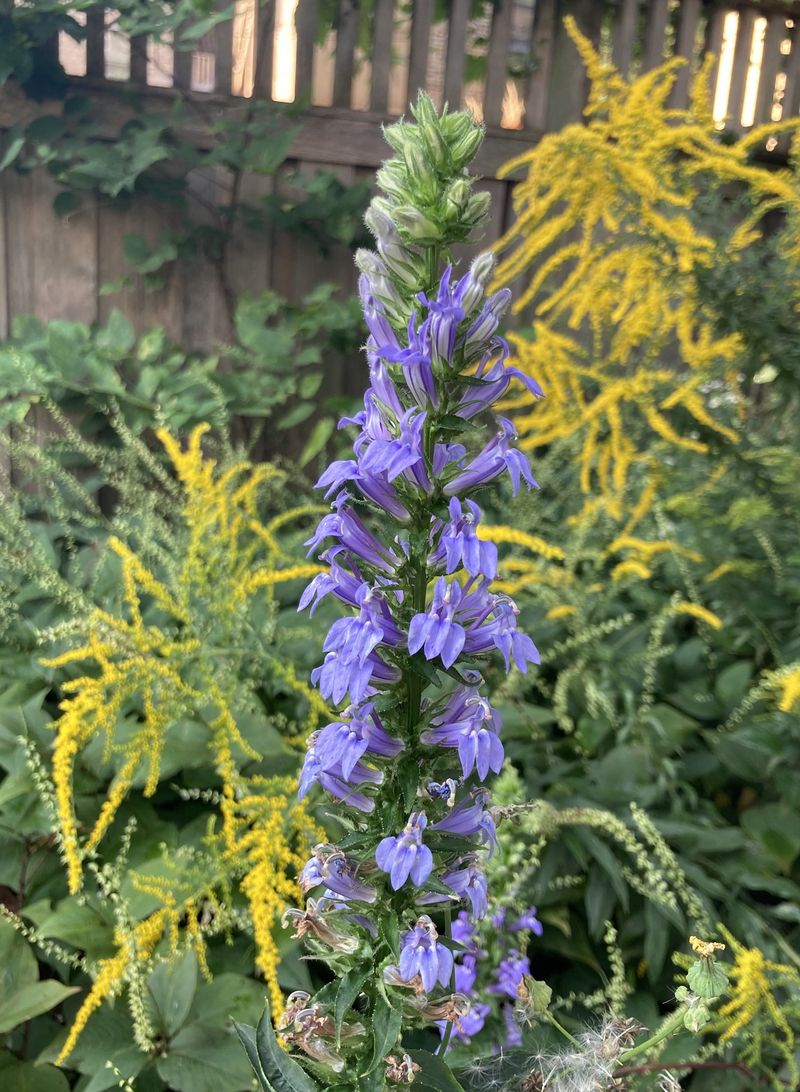
Gardeners often chase spring color and forget about September. That leaves a lot of yards looking a bit faded once school starts.
Great blue lobelia fixes that gap nicely. It starts blooming in late July or August and usually keeps going well into fall across Pennsylvania.
Blue is also a rare shade in the autumn garden. Most fall bloomers lean yellow, orange, or purple, so a true blue really pops.
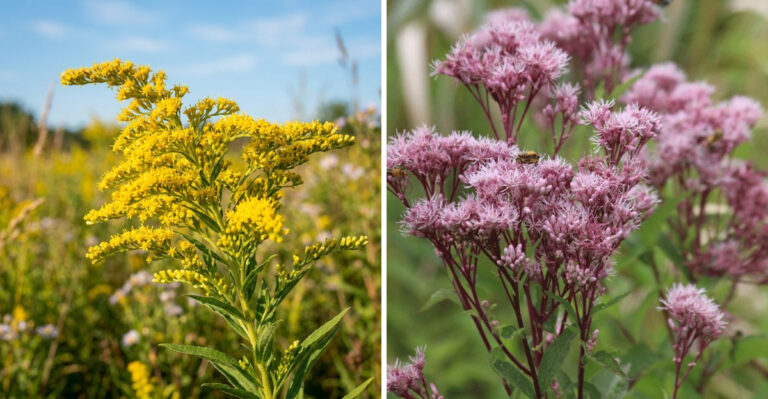
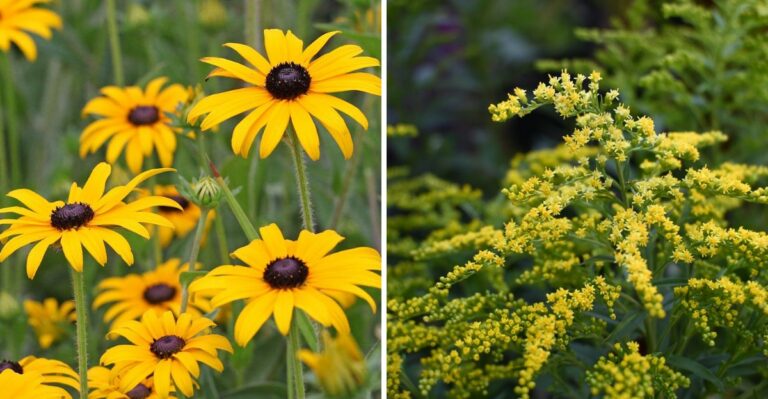
Try pairing it with goldenrod for a bold yellow and blue contrast. Purple asters and pink turtlehead make friendly neighbors too.
Late flowers do more than look pretty. They feed pollinators that need energy before cold weather arrives.
Bumblebee queens fuel up in fall before resting through winter. Migrating hummingbirds also stop for snacks on their long trip south.
Here is a handy tip. Plant lobelia where you can see it from a window or patio.
Your Pennsylvania Garden Changes Every Week. Your Plan Should Too.
Gardening in Pennsylvania changes quickly throughout the season. Every Friday you’ll receive a simple weekly plan showing exactly what to plant, prune, fertilize, harvest, and protect so you never miss the right timing.
You will catch more visitors that way, and the blue looks especially rich in low evening light. A small patch near a path works wonders.
Many homeowners notice their yards feel livelier once they add a few fall natives. Great blue lobelia is one of the easiest places to begin, even for beginners.
3. Finding The Right Spot In Your Yard
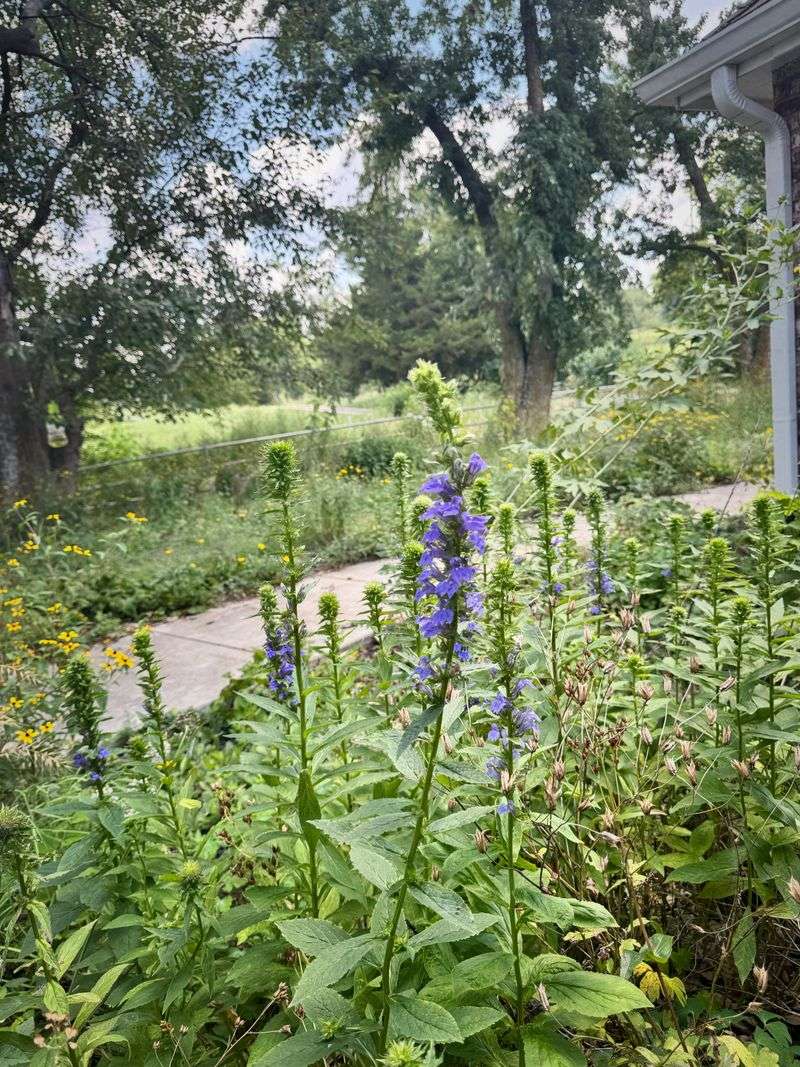
Got a soggy corner where grass keeps struggling? Good news, great blue lobelia might love it there.
In the wild, it grows in moist soil near water. That makes it a smart pick for low spots, downspout areas, and rain gardens.
It does best in partial shade to full sun. In hotter parts of Pennsylvania, like the southeast, a little afternoon shade helps the leaves stay happy.
Soil should stay damp but not flooded for weeks. Rich, loamy soil with some compost works well.
Clay soil is common across the state, and lobelia handles it fairly well. Just mix in some leaf compost to help roots breathe.
Avoid dry, sandy spots in blazing sun. The plant will wilt, look stressed, and may fade away within a season or two.
Here is a quick test you can try. Dig a hole about a foot deep and fill it with water.
If the water drains in a few hours, you have decent moisture. If it vanishes in minutes, plan to water more or pick a damper place.
Matching the plant to the right spot saves you a lot of work later. Once settled, lobelia mostly takes care of itself.
4. Planting Tips For Gardeners
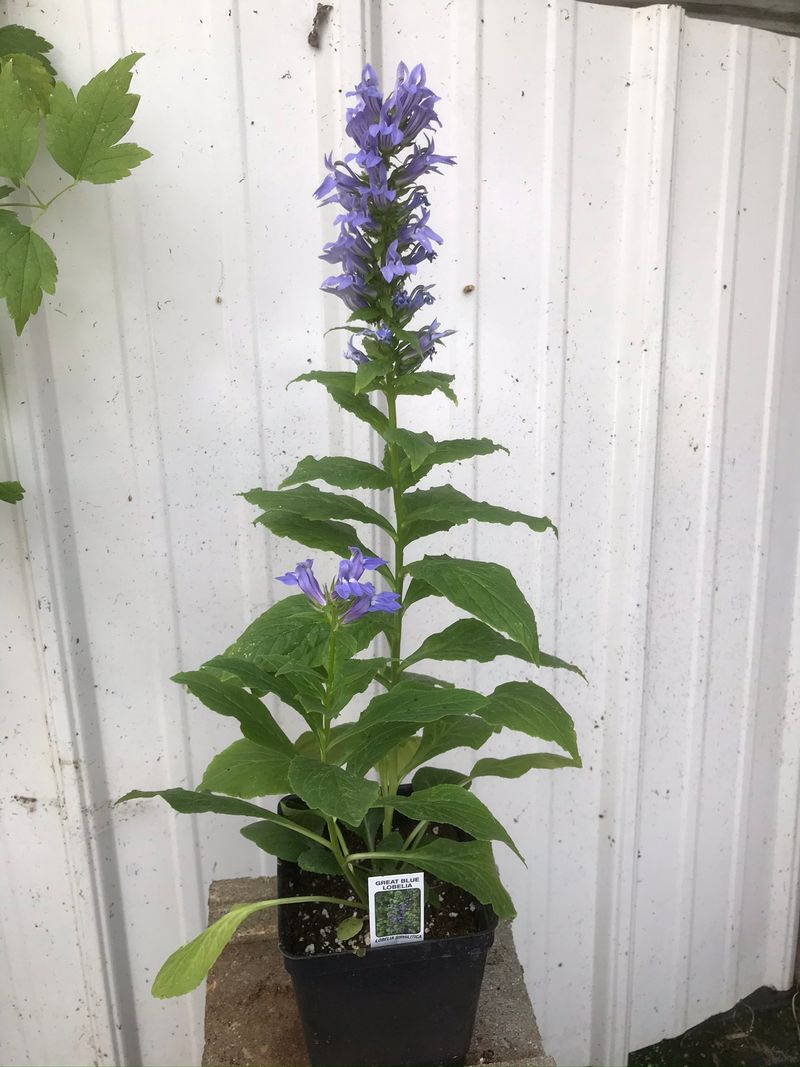
My neighbor tucked three small lobelia plants by her porch one May. By the next fall, she had a bright blue clump and a few baby plants nearby.
Spring is a great time to plant in Pennsylvania. Wait until frost danger passes, usually late April to mid May depending on your area.
Early fall planting works too. Give plants about six weeks before the ground freezes so roots can settle in.
Dig a hole about twice as wide as the pot. Set the plant at the same depth it grew in the container.
Space plants about twelve inches apart. They look best in groups of three or five rather than standing alone.
Water deeply right after planting. Keep the soil moist for the first few weeks while roots spread.
Want to grow from seed? The seeds are super tiny, like dust.
Sprinkle them on the soil surface in fall and let winter do the work. Cold, wet months help the seeds wake up in spring.
Look for plants at native plant sales, which pop up across the state each spring. Local nurseries often carry plants grown from regional seed, which tend to adapt well.
5. Easy Care Through Every Season
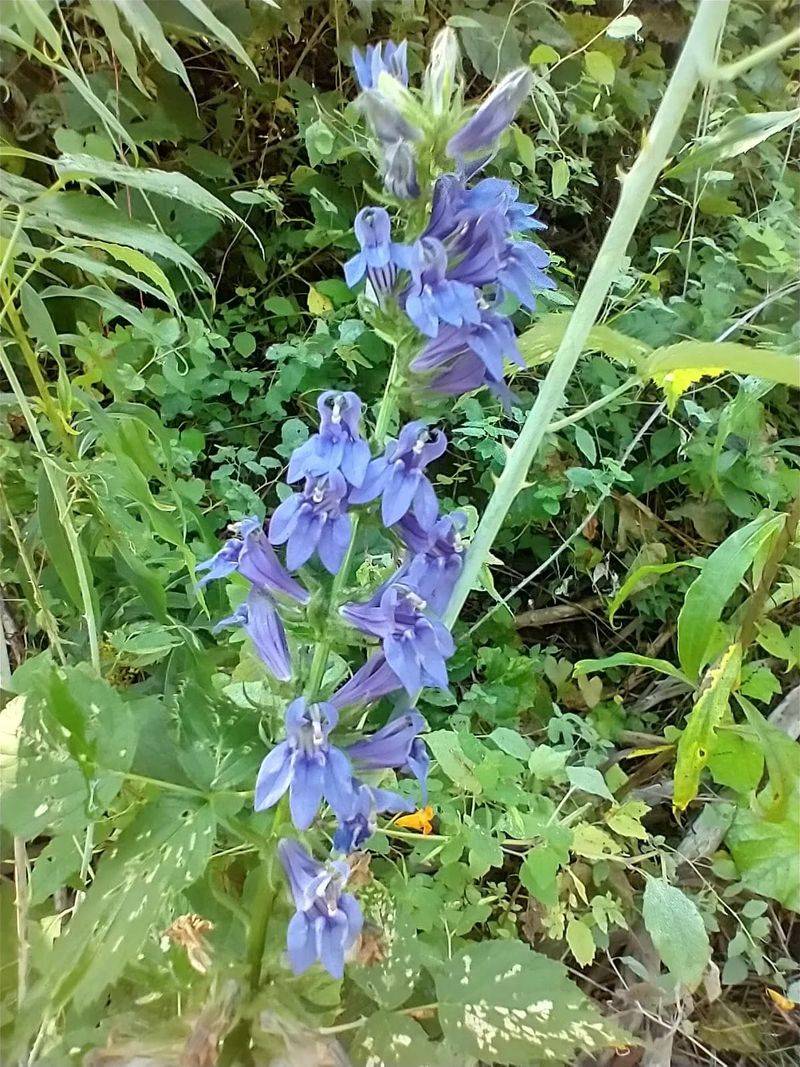
Busy families, rejoice. Great blue lobelia asks for very little once it settles in.
During summer, water when the top inch of soil feels dry. Rain often handles this job across much of Pennsylvania, but dry spells call for a hose.
A thin layer of shredded leaf mulch helps hold moisture. Keep mulch light so it does not smother the low leaves.
Skip heavy fertilizer. Rich feeding can make stems floppy and weak.
After blooming, you have a choice. Leave the stems to drop seeds, or trim them if you want a tidier look.
In fall, the plant forms a low cluster of leaves called a rosette. That rosette needs light and air through winter, so avoid piling thick leaves on top.
Here is a little secret. Great blue lobelia is often short-lived, lasting just a few years per plant.
Do not worry, though. It reseeds gently, so new plants appear to keep the patch going.
Penn State Extension lists great blue lobelia as hardy in zones 3 to 9, which covers the entire state with room to spare. From Erie to Philadelphia, this plant handles Pennsylvania winters reliably without special protection in most situations.
In spring, simply clear away old stems as new growth appears.
6. A Bumblebee Favorite Across Pennsylvania
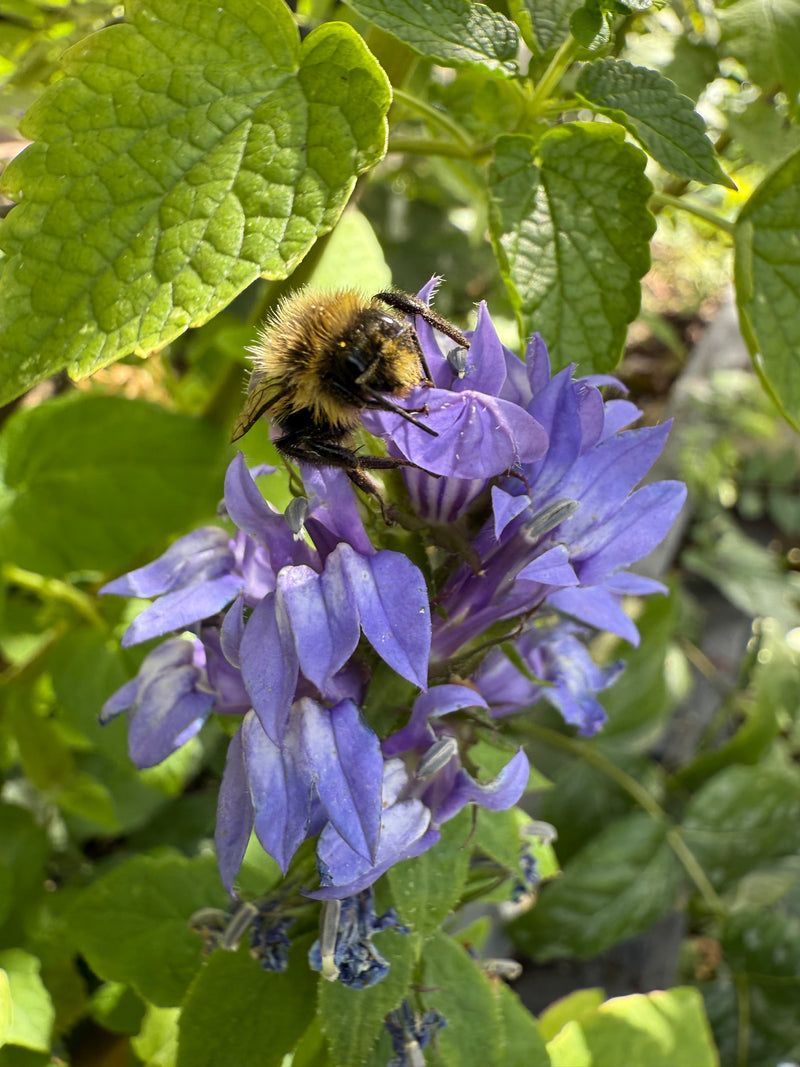
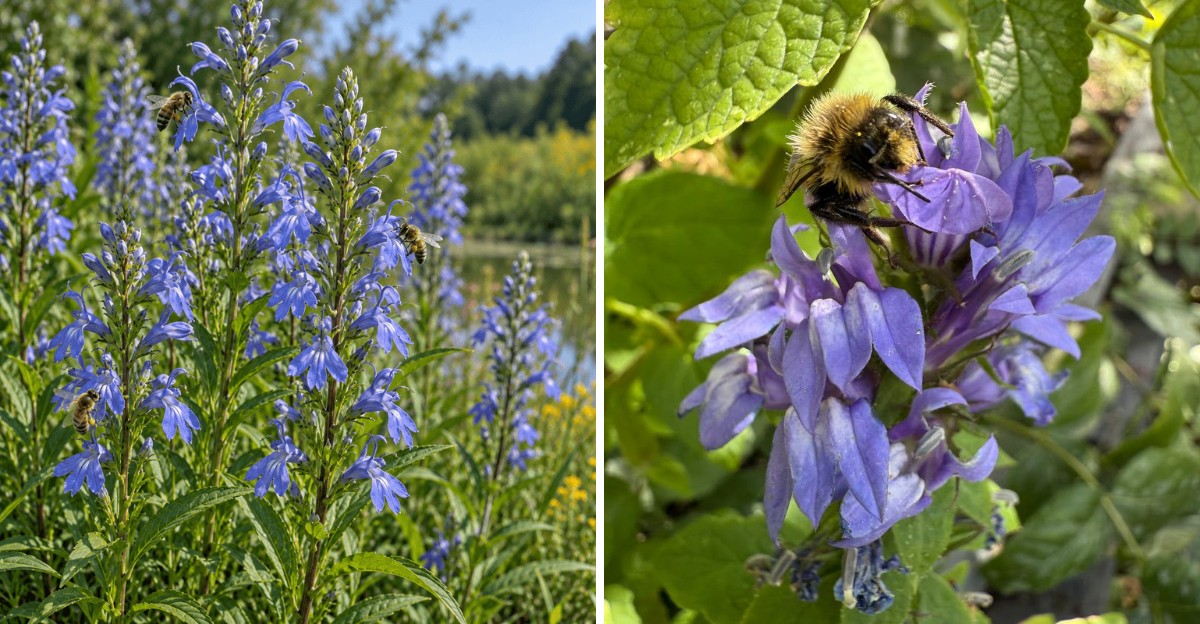
Watch a bumblebee visit great blue lobelia and you will see a tiny wrestling match. The bee lands on the lower lip and pushes its way inside the flower.
That shape is no accident. The blooms are built for strong bees that can force their heads in.
As the bee squeezes in, pollen brushes onto its back. Then it carries that pollen to the next flower, helping make seeds.
Bumblebees are the main pollinators of this plant. Pennsylvania is home to many bumblebee species, and several need late season food.
Smaller bees sometimes cheat, though. They chew a hole near the base and sip nectar without doing any pollinating work.
Kids love spotting these sneaky robbers. Grab a magnifying glass and see who visits your patch.
You can help pollinators even more with a few simple habits. Skip pesticide sprays on flowering plants, especially during bloom time.
Leave some bare soil nearby too. Many native bees nest in the ground.
A small group of lobelia can turn into a busy bee café by late summer. It is like running a snack bar for the hardest workers in your yard, and the show is free.
7. Meet Its Fiery Cousin, A Pennsylvania Native Too
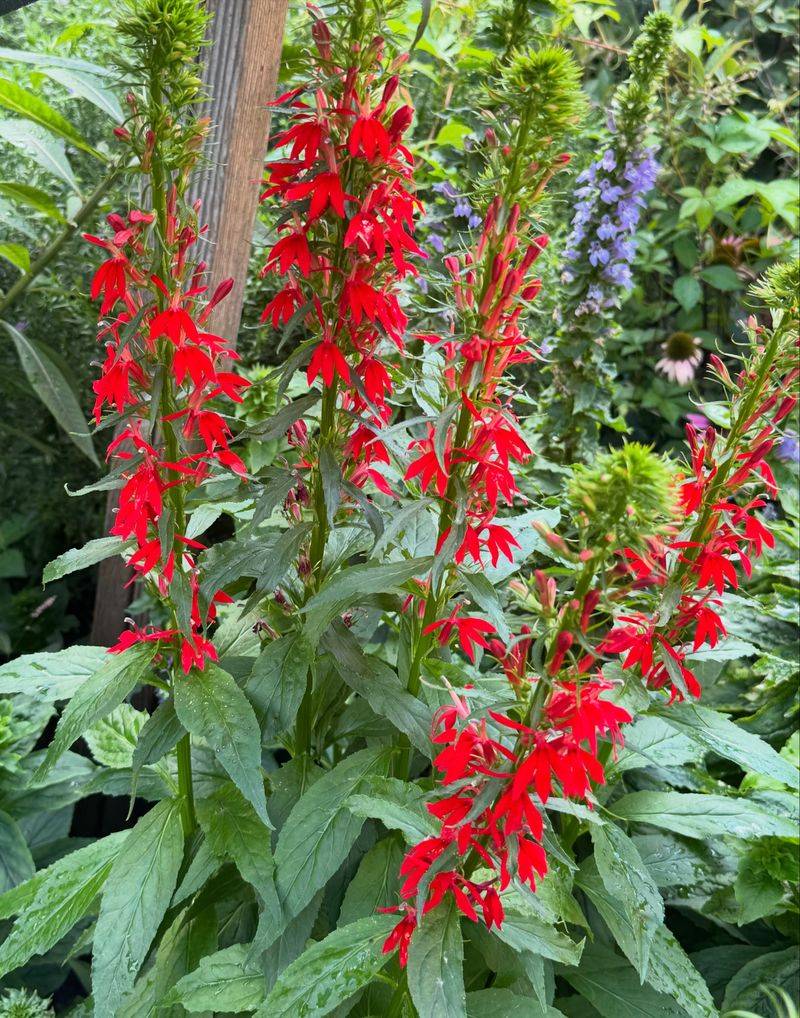
Every great family has a flashy cousin. For great blue lobelia, that relative is cardinal flower, Lobelia cardinalis.
Both plants are native to Pennsylvania and enjoy the same damp soil. One wears bright blue, while the other glows scarlet red.
Planting them together creates a stunning red and blue display. Hummingbirds adore cardinal flower and often check out the blue blooms nearby.
Here is a cool fact. The two species can sometimes cross naturally and create a hybrid called Lobelia x speciosa, which carries flowers in shades of lavender, pink, or purple depending on the parentage involved.
Gardeners have used these crosses to develop new varieties available at garden centers, often marketed under hybrid trade names. Still, the wild species tend to offer the most value for local wildlife.
Plants grown from seed sources fit right into native ecosystems.
Care for both cousins is nearly the same. Give them moist soil, some sun, and light winter cover.
Cardinal flower may be a bit fussier and shorter-lived. Great blue lobelia tends to be the tougher, steadier relative.
If you have room, plant a little of each. Your rain garden or creek edge will feel like a holiday parade from August to October.
8. Safety Notes For Families And Pets
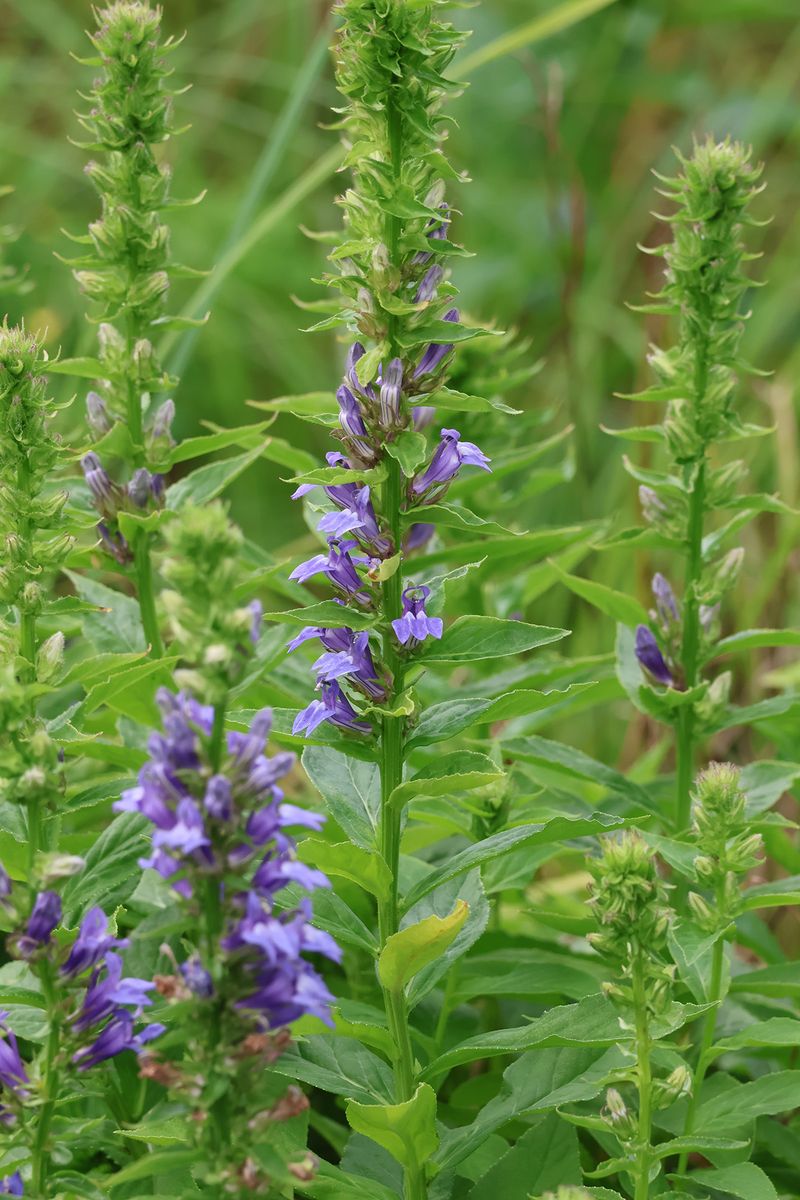
Pretty does not mean edible, and that rule fits this plant well. All parts of great blue lobelia contain compounds that can upset stomachs.
Eating the leaves or roots may cause nausea, vomiting, or worse. Treat it as a look but do not taste flower.
Long ago, people used lobelia in folk medicine. Modern experts warn against trying those old remedies at home.
If you have young kids, teach them simple garden rules. Flowers are for looking, smelling, and admiring, not for snacking.
Pets usually avoid bitter plants, but curious puppies may chew anything. Keep an eye on them during the first season.
If someone swallows part of the plant, call Poison Control right away at 1-800-222-1222. For pets, contact your vet or an animal poison hotline.
Wearing gloves while handling the plant is a smart habit too. The sap can bother sensitive skin for some people.
Rabbits and deer tend to leave it alone because of its bitter taste. That is great news for gardeners in Pennsylvania suburbs where deer browse often.
With a little care and common sense, lobelia can be a safe, cheerful part of a family yard.
9. Growing More Blue Across Pennsylvania Landscapes
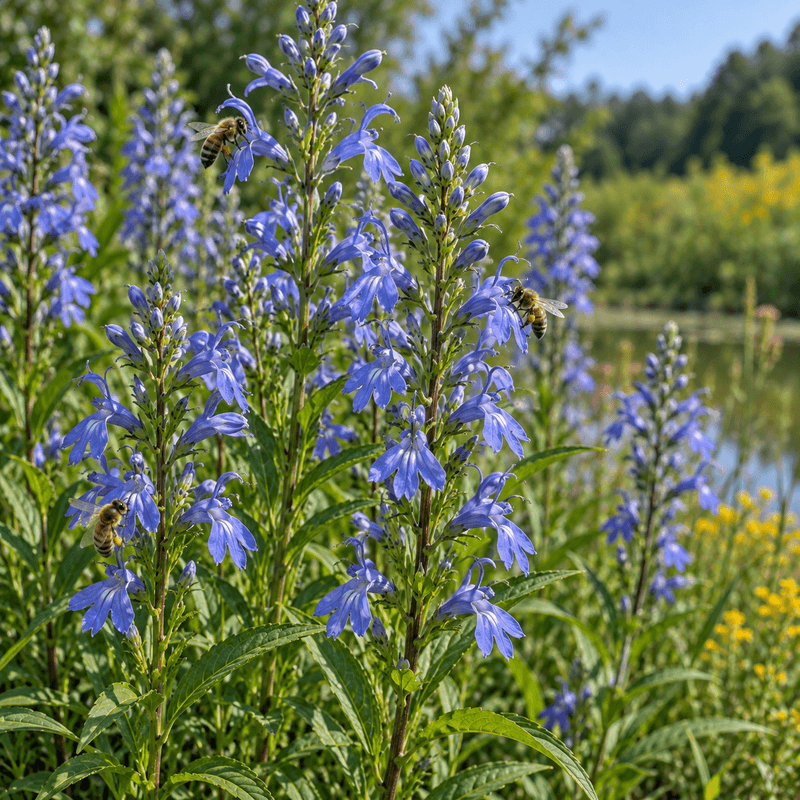
Once you grow one patch, you will probably want more. Thankfully, great blue lobelia makes sharing easy.
The plant often forms small offsets at its base. In early spring, gently separate these baby rosettes and replant them.
Seeds are another option. Collect dry seed capsules in October and shake the dusty seeds into a paper envelope.
Share extras with friends, schools, or garden clubs. Seed swaps happen all over Pennsylvania each winter.
Planting natives helps more than your own yard. Wetland plants slow stormwater, filter pollution, and protect streams that flow toward the Chesapeake Bay.
Many towns now encourage rain gardens for these reasons. Some even offer rebates or free workshops.
Think about where water collects on your property. A low dip by the driveway could become a blue-filled rain garden.
Mix lobelia with other natives like swamp milkweed, blue flag iris, and joe-pye weed. Together they create layers of color from spring to fall.
Each autumn, that bright blue will greet you like an old friend. It is a small change that adds big beauty, feeds wildlife, and connects your garden to the wild meadows that came first.