The Arizona Native Wildflowers You Sow Once Before Thanksgiving That Reseed Themselves Every Spring
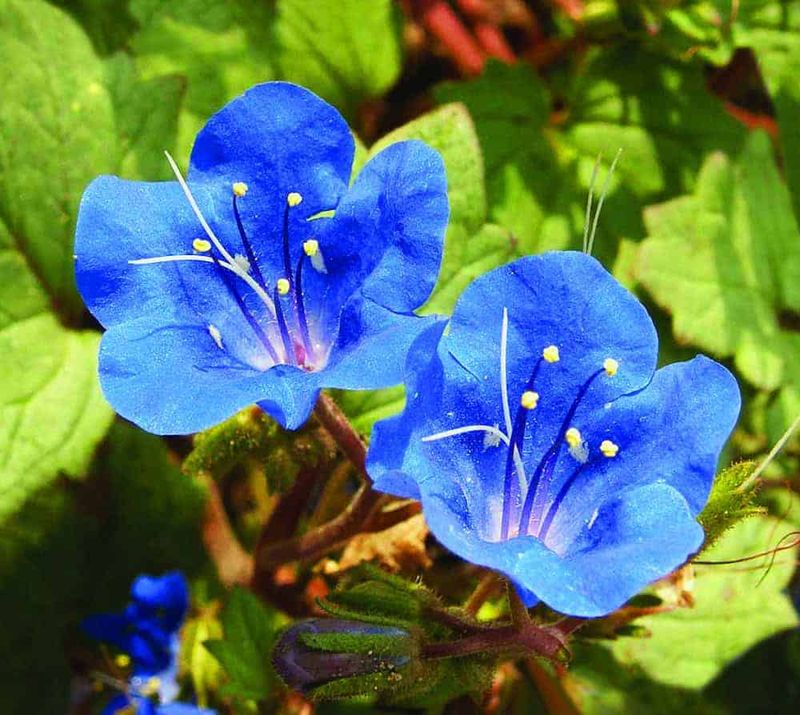
Imagine scattering a handful of seeds in November and getting flowers back every spring without buying another packet. In the low desert, that is exactly what the right native wildflowers can do.
They handle caliche soil, sip very little water, and feed bees, butterflies, and hummingbirds that help keep your yard healthy. Here are ten tough natives worth sowing before the turkey hits the table.
1. Mexican Gold Poppy
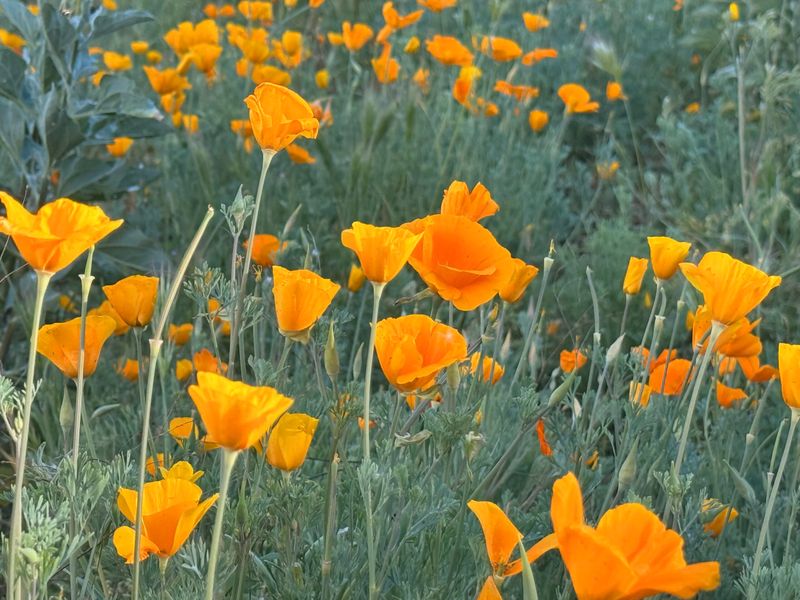
Picture a February morning when your gravel yard suddenly glows orange-gold, like someone spilled sunshine across the rocks. Mexican gold poppy pulls off that trick year after year, and it asks almost nothing from you.
Native to the Sonoran Desert, this cheerful flower sprouts after winter rains and opens its cups on sunny days. Scatter seed in late October or November over bare, loosened soil, press it in lightly with your palm, and keep the area damp for two or three weeks.
After that, winter storms usually do the rest.
Bees love those open blooms, which makes the poppy one of the earliest pollinator snacks of the season. Native solitary bees may visit before most garden plants have even woken up.
More pollinators early on can mean better fruit set for your citrus and garden veggies later.
Once spring heat arrives in April, the plants fade and drop tiny seeds right where they stand. Resist the urge to tidy up too fast.
Let the brown stems sit until the pods split open, and next year’s crop is already planted.
Fun fact: the flowers close up at night and on cloudy days, so don’t panic if they look shy.
2. Desert Marigold
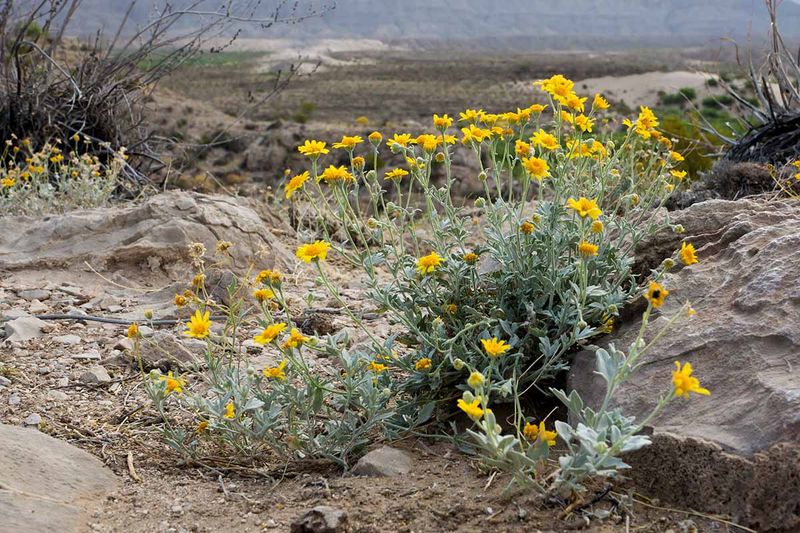
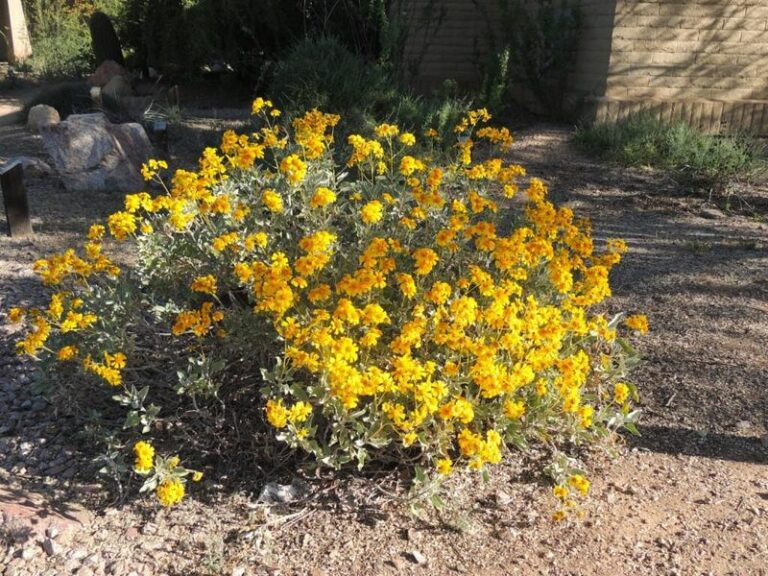
Some plants just refuse to quit, and desert marigold might be the most stubborn of the bunch. Its lemon-yellow daisies can show up in spring, again in fall, and sometimes in the middle of summer heat when nothing else dares.
Silvery, woolly leaves help the plant reflect harsh sun and hold onto moisture, so it gets by on rainfall once settled. Sow seed in fall on lean, well-drained ground.
Skip the compost and fertilizer, since rich soil tends to make it floppy and short-lived.
Here’s a bonus scorpion-wary homeowners appreciate. Because desert marigold grows in open, airy clumps instead of a thick mat, it doesn’t create the damp, shady hideouts scorpions tend to seek.
Pairing it with gravel and keeping heavy debris away from walls may help make your yard less inviting to them.
Each plant may only live a couple of years, but it seeds itself generously, so new ones keep replacing the old. Small finches often pick at the spent heads, which adds a little birdwatching to your morning coffee.
One caution: the foliage isn’t safe for grazing animals, so keep it away from spots where pets or livestock like to nibble.
3. Parry’s Penstemon
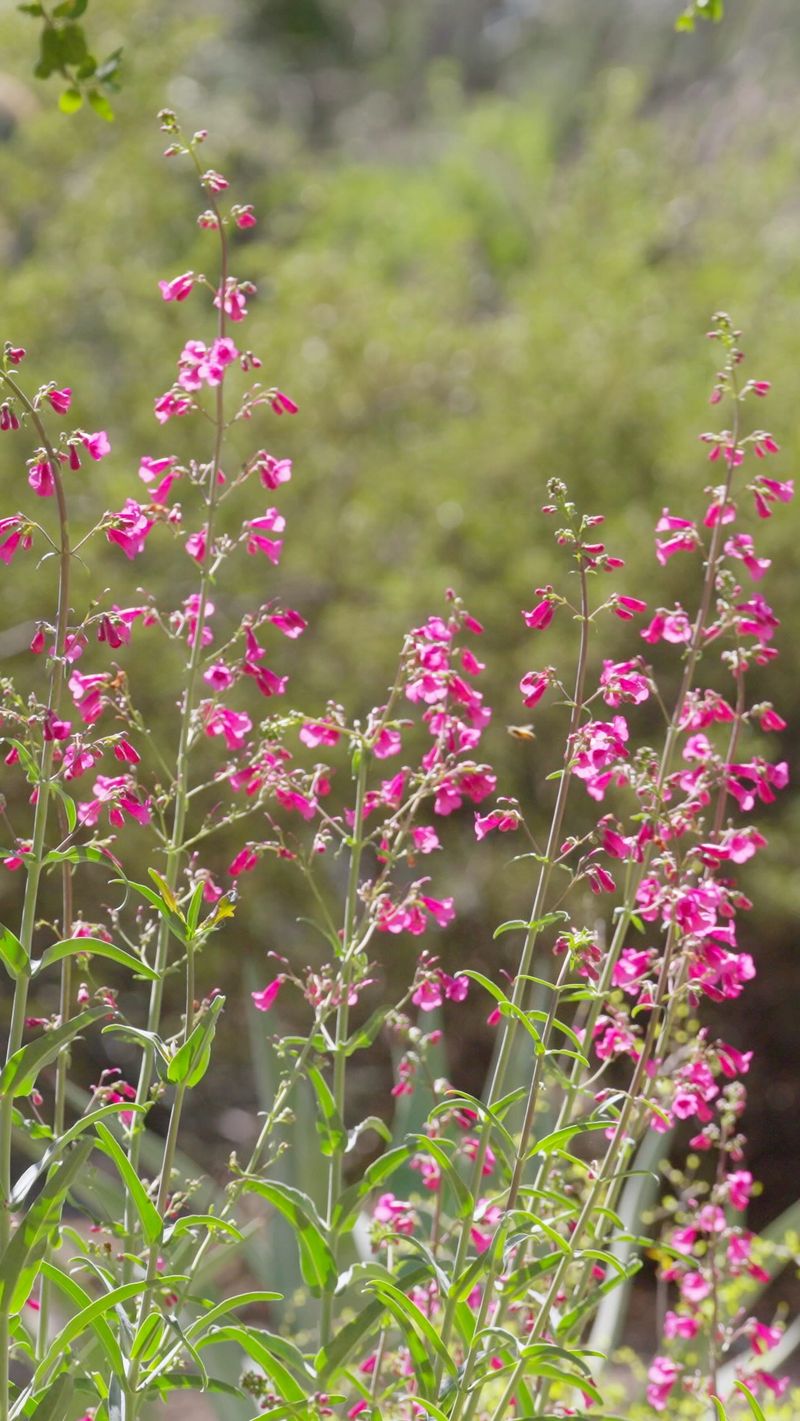
Hummingbirds seem to have a secret map of every Parry’s penstemon in the neighborhood. Plant a few, and within weeks of the first rosy spikes opening, you’ll likely spot one zipping in for a sip.
Your Arizona Garden Changes Every Week. Your Plan Should Too.
Gardening in Arizona changes quickly throughout the season. Every Friday you’ll receive a simple weekly plan showing exactly what to plant, prune, fertilize, harvest, and protect so you never miss the right timing.
Those tall stalks of tubular pink flowers rise from low green rosettes in late winter and early spring. The shape is built for long beaks, which is why Anna’s and Costa’s hummingbirds treat it like a favorite diner.
Bees visit too, crawling right inside the tubes.
Getting started is simple. Sow seed in fall in a sunny spot with fast-draining soil, ideally along a slope or rocky border where water never puddles.
Soggy roots are the one thing it truly hates.
After blooming wraps up, wait before cutting the stalks. Let the seed capsules turn brown and rattle, then shake them over nearby ground if you want more plants.
Seedlings pop up the following winter, often in surprising places like cracks along a path.
Each plant typically lasts a few seasons, but steady reseeding keeps a colony going for years. For a busy household that wants wildlife action without extra chores, few desert flowers deliver more hummingbird visits per drop of water.
4. Desert Globemallow
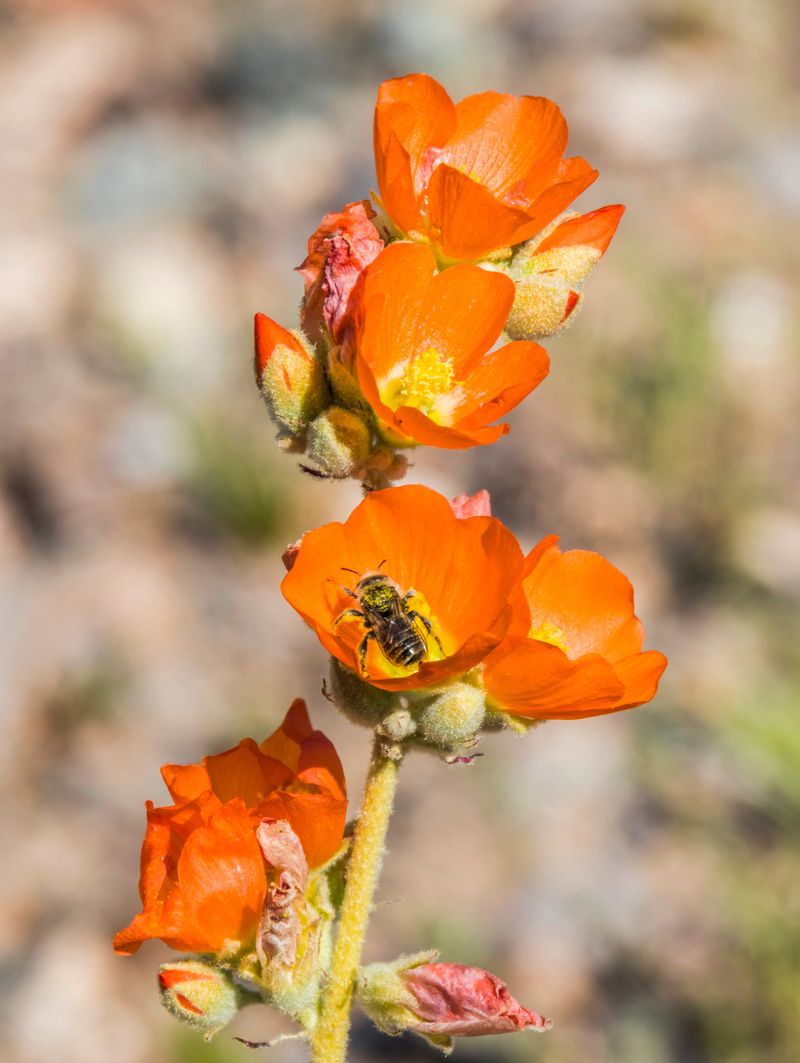
Ask a longtime Arizona gardener about globemallow, and you’ll probably hear a laugh followed by, “Oh, it’ll come back.” They’re right. Between reseeding and regrowing from its roots, this native is about as dependable as desert plants get.
Cupped apricot-orange flowers cover the stems in spring, and some varieties also bloom in pink, red, or lavender. The fuzzy gray leaves help it shrug off reflected heat near walls and driveways where tender plants would scorch.
Native bees, including specialist globemallow bees, rely heavily on these blooms. Plant a patch and you’re feeding pollinators that evolved right alongside it.
That’s habitat building in its simplest form.
Fall sowing works great. Nick or soak the seeds overnight to help water get through their tough coats, then scatter them on bare soil before Thanksgiving.
Water lightly until sprouts appear.
A friendly warning: near irrigated beds, globemallow can wander more than you planned. Pull extra seedlings while small, or give it a spot along the edge of the property where spreading is welcome.
Cut plants back hard in early summer if they look ragged. They’ll often bounce back with a fresh flush after monsoon rains.
5. Desert Bluebells
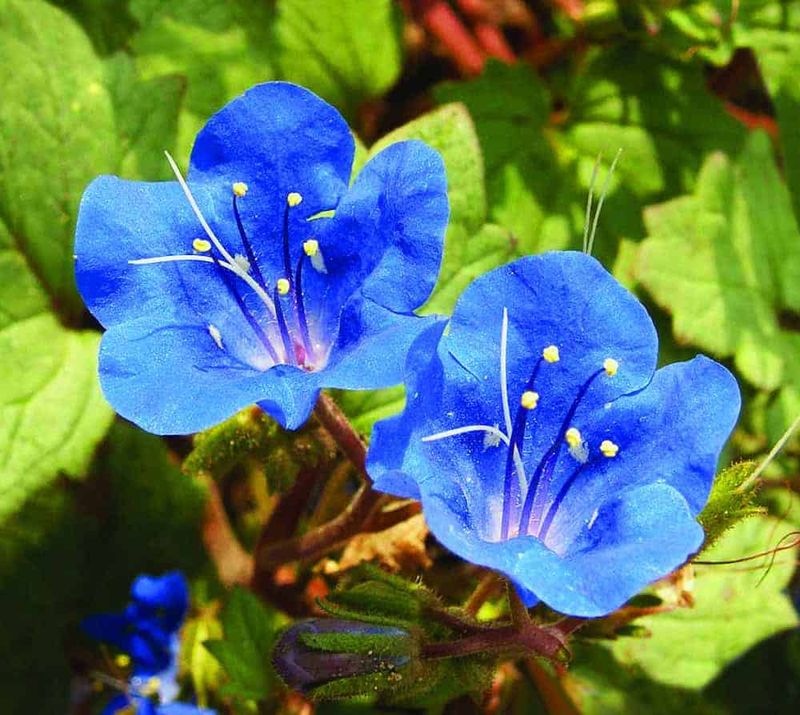
Blue is a rare color in the desert, which makes desert bluebells feel like a little miracle each March. The flowers are a deep, electric gentian blue that almost looks painted on.
These low-growing annuals stay around a foot tall, making them perfect for the front of a bed or tucked between boulders. Bees go wild for them, and you may notice bumblebees and tiny native bees working the bells on warm afternoons.
Timing matters more with bluebells than with some others. Seeds need cool soil to sprout, so late October through November is the sweet spot in Phoenix and Tucson.
Rake the ground lightly, scatter seed, and cover with just a dusting of soil.
Water gently every few days until seedlings show, then ease off. Winter rain usually carries them to bloom.
By late April, the plants dry out and drop their seeds. Leave them be until the pods are empty.
Next fall, after the first good rain, a fresh carpet of seedlings will appear on its own.
Heads up for sensitive skin: the sticky leaves can cause an itchy rash for some people, so wear gloves when weeding nearby.
6. Arroyo Lupine
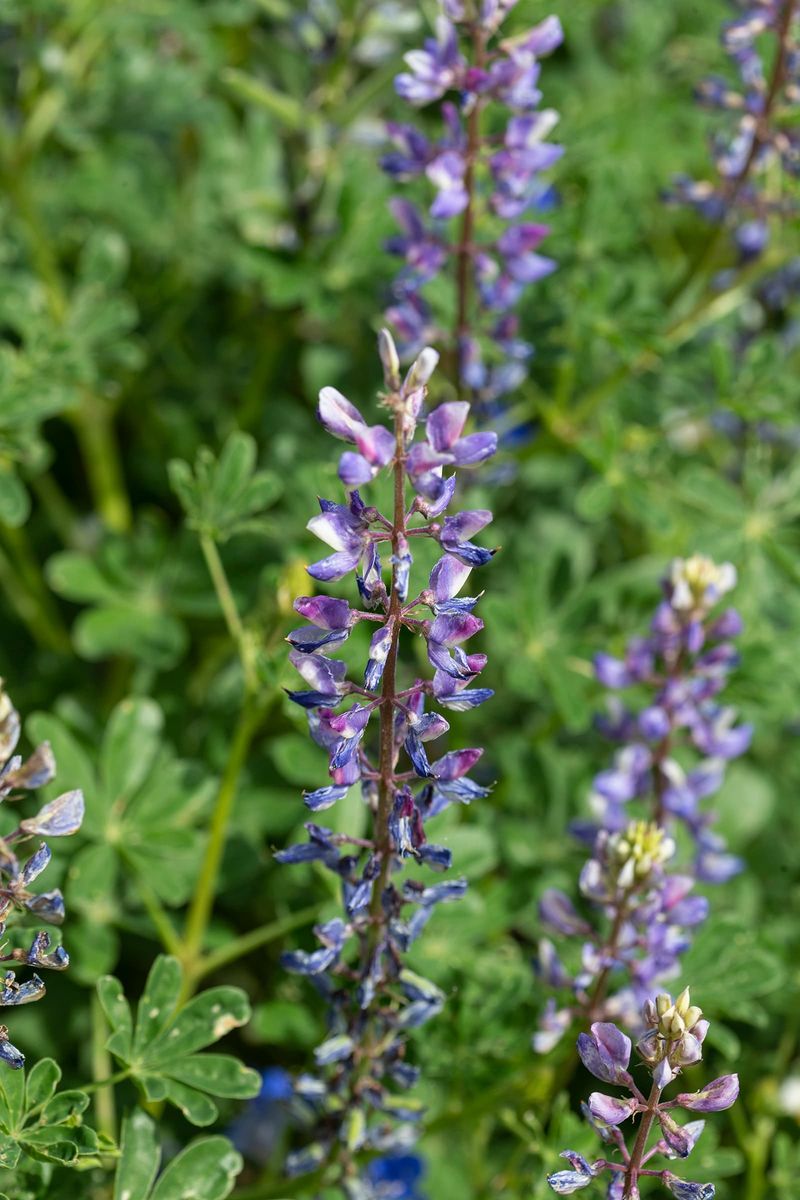
Want flowers that actually improve your soil while they grow? Arroyo lupine quietly works on the ground beneath it, partnering with root bacteria to pull nitrogen from the air.
That means tough, caliche-heavy Arizona soil can get a little friendlier for whatever grows nearby. Meanwhile, you get gorgeous spikes of purple-blue flowers in early spring, often mixed with gold poppies for a classic desert color combo.
Lupine seeds have hard coats, so give them a head start. Soak them in warm water overnight before sowing in November.
Plant them about a quarter inch deep, since they like a bit more cover than tiny-seeded wildflowers.
Bumblebees are big fans. The flowers have a clever design where a bee’s weight pushes open a hidden landing pad, dusting it with pollen.
Watching that happen is surprisingly fun with kids.
When the pods ripen in late spring, they twist and pop open, flinging seeds a few feet away. That’s how a single patch slowly widens year after year without any help from you.
Keep the leaves away from pets that like to chew plants, since lupines aren’t a safe snack. Otherwise, it’s a low-fuss, water-wise addition with real payoff.
7. Owl’s Clover
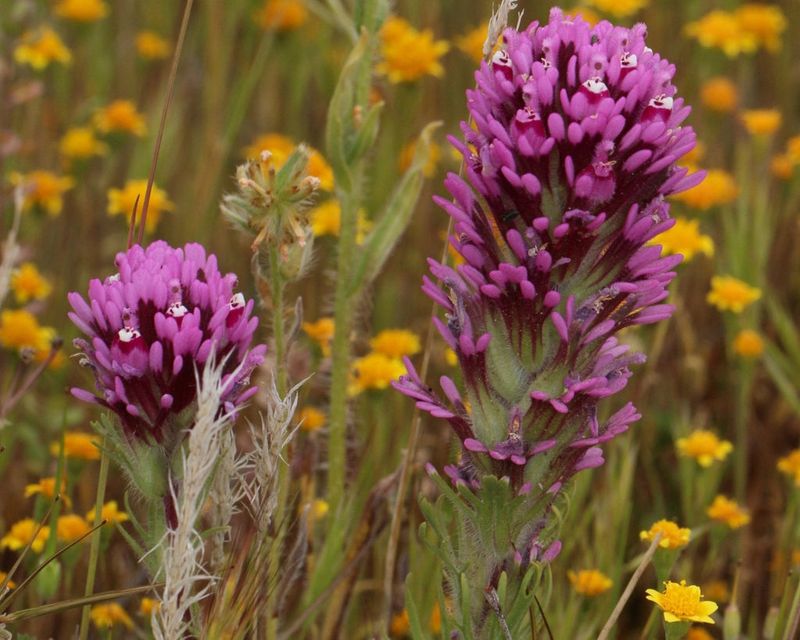
Despite the name, owl’s clover isn’t a clover, and no owls are involved. Look closely at the flowers, though, and you might spot tiny markings that resemble little owl faces peeking out.
The fuzzy magenta-pink spikes bloom in early spring, and in good rain years they can turn whole hillsides rosy. In a home yard, a patch of them brings that same wild, open-desert feeling right to your doorstep.
This is strictly a cool-season wildflower, so sowing between October and November is key. Toss seeds over loosened soil and lightly rake them in.
A few gentle waterings get them going until winter rain takes over.
Here’s a quirky detail: owl’s clover is partly parasitic, tapping into roots of nearby plants for a little extra help. Sowing it alongside other wildflowers or native grasses tends to give better results than planting it alone.
Butterflies and bees visit the blooms, adding movement and life on warm spring days. Once flowering ends, leave the dry stalks standing so they can scatter seed.
It can be a bit fickle the first season, so don’t lose heart. Once a colony takes hold, it often returns more strongly each spring.
8. Sand Verbena
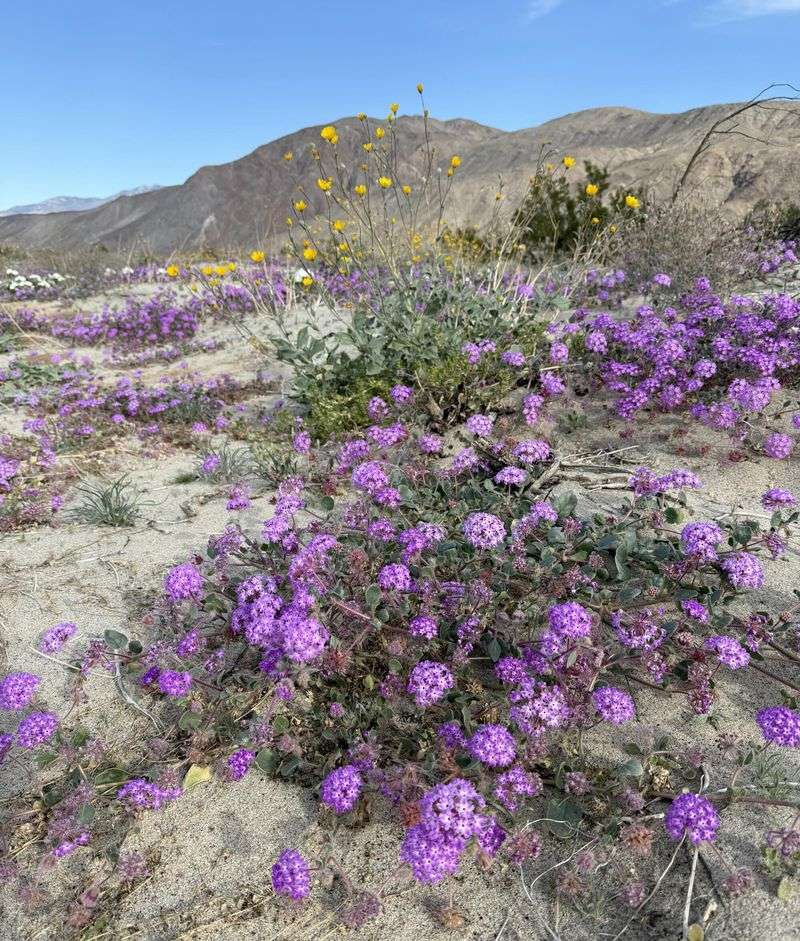
Got a sandy, sun-blasted corner where nothing seems to grow? Sand verbena was practically made for that spot.
This low, sprawling native spreads one to two feet wide, covering bare ground with soft green leaves and round clusters of purple-pink flowers. Bloom shows up mostly in spring but can pop up sporadically into fall after rain.
The real treat comes in the evening. The flowers give off a sweet scent at dusk that draws in moths, including big sphinx moths that hover like tiny hummingbirds.
Sitting on the patio and watching them arrive is a lovely way to end a warm spring day.
Seed can be slow and stubborn to sprout. Sow it in fall in loose, sandy soil, and be patient, since some seeds wait for the right rain before waking up.
Once one plant settles in, it reseeds freely.
Unlike thick ground covers, sand verbena stays fairly open and doesn’t trap moisture against the soil. That airy habit may help keep it from becoming a shady hideout for pests.
Water it rarely. Too much irrigation tends to make it weak, while lean conditions keep it compact and blooming.
9. Blue Flax
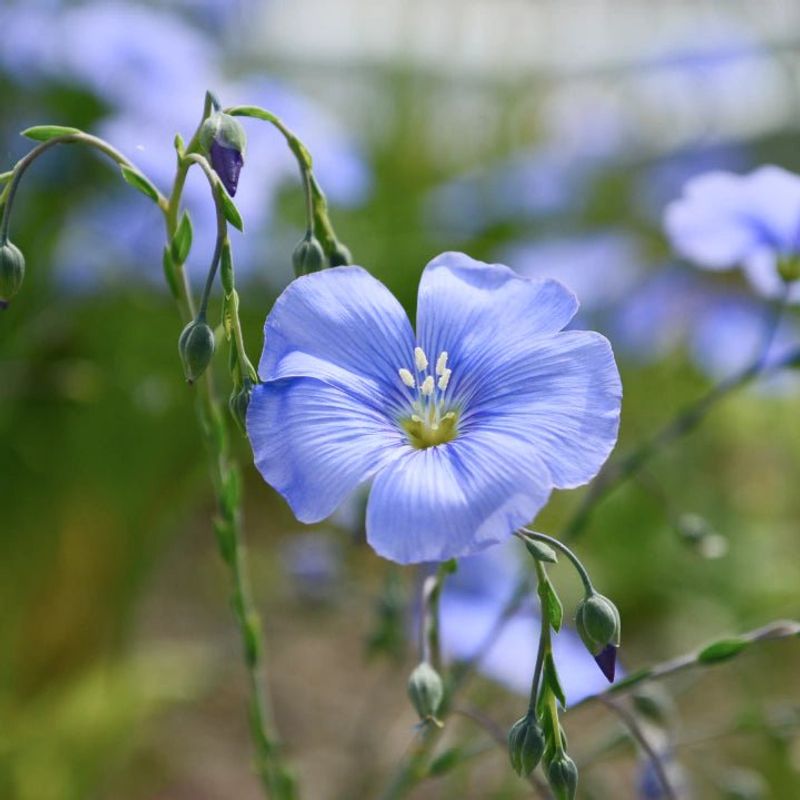
Every morning, blue flax opens a fresh round of sky-blue flowers, and by afternoon they’ve already dropped their petals. Tomorrow, a whole new set appears.
That daily show runs for weeks from late spring into early summer.
The slender stems sway in even a light breeze, giving your yard a soft, meadow-like look that contrasts nicely with spiky agaves and chunky boulders. Bees and small butterflies drop by regularly.
Unlike many annuals on this list, blue flax is a short-lived perennial. Plants usually stick around for a few years, and their seeds fill in gaps as older ones fade.
That combination means fewer bare spots over time.
Sow seeds in fall in full sun with well-drained soil. They germinate easily, so this is a great choice for first-time wildflower growers.
Keep the seedbed moist for a couple of weeks, then step back.
In the low desert, a little afternoon shade from a palo verde or mesquite can help it get through June heat. Once established, an occasional deep soak during long dry spells is all it needs.
Fun fact: flax fibers have been used to make linen for thousands of years.
10. Chocolate Flower
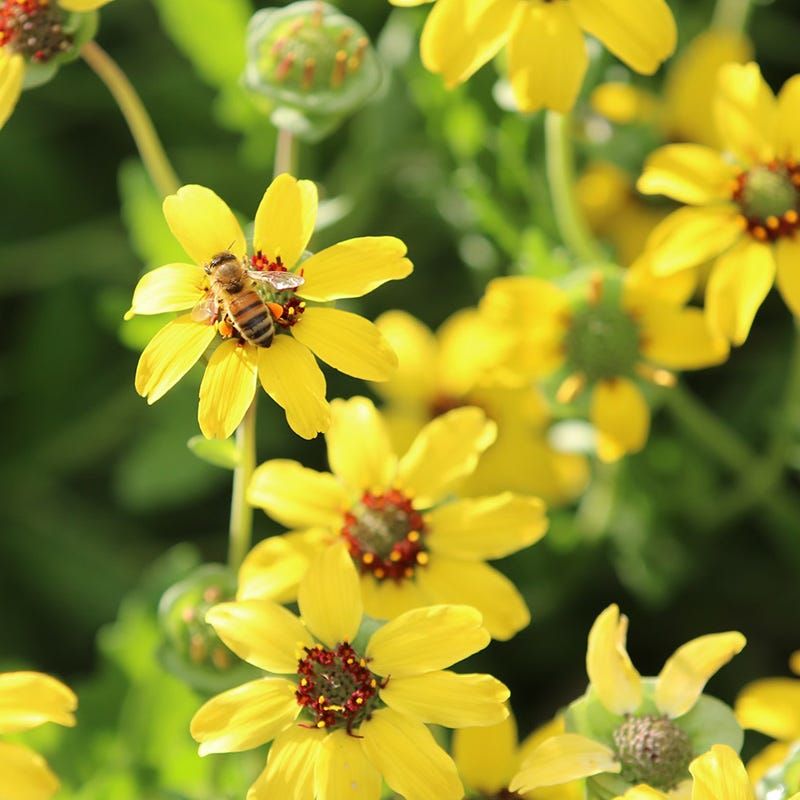
Step outside on a summer morning, take a deep breath, and you might catch a whiff of cocoa. No, nobody’s baking brownies.
That’s chocolate flower, and it’s one of the sweetest surprises a desert yard can offer.
Bright yellow daisies with maroon centers release their chocolatey scent mostly in the morning. Planting it near a walkway or patio means you get to enjoy the aroma without even trying.
Beyond the smell, it’s a hardworking pollinator plant. Bees and butterflies visit the flowers, and once the seeds ripen, finches and sparrows often stop by to snack on them.
Leave a few seed heads standing, and you’ve got a built-in bird feeder.
Sow it in fall on sunny, well-drained ground. Like most natives here, it prefers lean soil and gets lazy with too much water or fertilizer.
After a summer or two, it reseeds around itself to form a cheerful little colony.
The plant stays fairly compact, usually under two feet, making it handy for smaller yards and borders.
Take a closer look after blooming. The petals fall off, leaving green seed cups that keep the plant looking interesting even after the show is over.