Is It Legal To Collect Native Seeds From Ohio Parks?
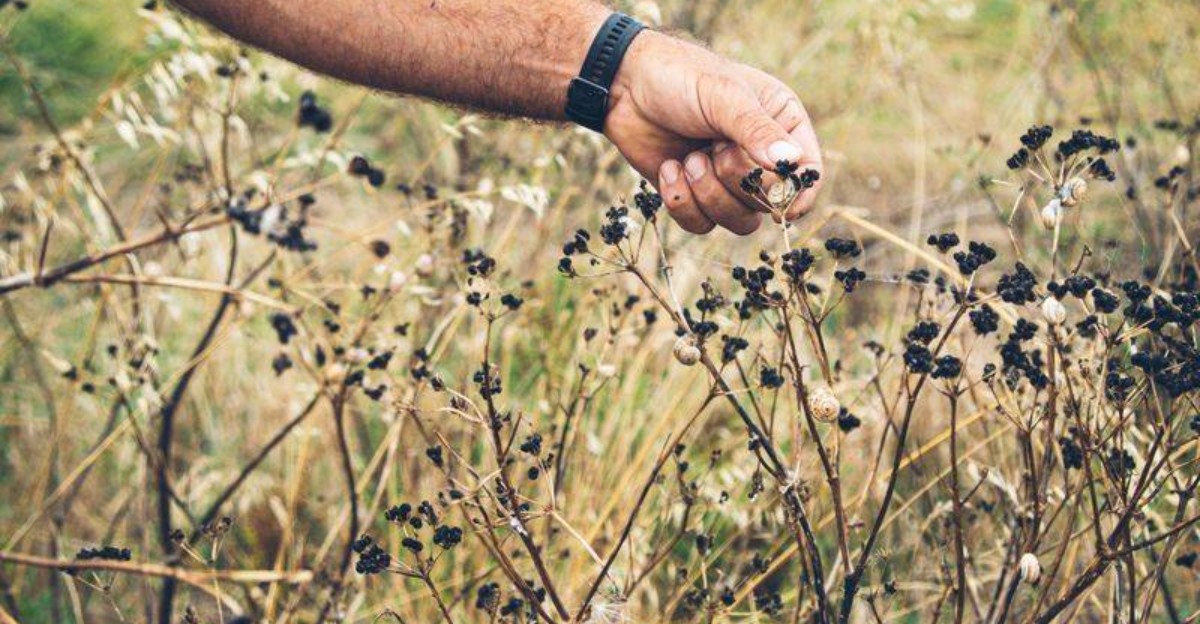
A pocket full of coneflower seed looks harmless, right up until a ranger asks what’s in your hand.
Ohio parks hold prairie plants worth envy, and the urge to bring a little home hits every gardener at some point. A few pods, a quick pinch, nobody gets hurt.
Or so the thinking goes.
The rules change from trail to trail. A state park follows one book.
A metro park follows another. A county preserve may have a third.
Plenty of well-meaning folks learn the difference the awkward way.
Some places welcome seed collectors and even run programs for them. Others treat a single seed as off limits.
Read the sign at the trailhead before you fill a bag. One quick call can save you a fine and a very uncomfortable chat.
1. The Answer Depends On Who Manages The Land
Ask five Ohio hikers whether seed gathering is allowed, and you might hear five different answers. Funny thing is, they could all be right.
Our state does not use one single rule for every patch of public ground. State parks, state forests, wildlife areas, nature preserves, and Metro Parks each follow their own guidelines.
The group in charge of the land decides what visitors may take home.
Think of it like visiting friends’ houses. One family lets you grab snacks from the fridge, while another wants you to ask first.
Neither is wrong, they just run things differently.
Most state lands fall under the Ohio Department of Natural Resources, often called ODNR. Even inside ODNR, different divisions manage parks, forests, and preserves with separate rulebooks.
Local Metro Parks are run by county or city park districts, which write their own policies.
So your first job is simple detective work. Look for the entrance sign, the park map, or the website to learn who manages the spot.
Once you know the manager, the rest gets much easier. You can look up their exact rules, call the office, or ask a ranger in person.
That one small step can save you from a fine and help protect the plants you love for future seasons.
2. State Parks Require A Collector’s Permit
Here is a fact that surprises plenty of folks. Collecting plants, animals, fungi, or rocks from the state parks usually requires a collector’s permit.
The Ohio Division of Parks and Watercraft hands these out for specific reasons. Approved purposes include botanical study, education, science, or growing plants to help preserve a species.
Simply wanting a few pretty flowers for your yard does not usually count.
Getting a permit takes some planning. You must apply to the specific park at least 30 days ahead of time.
Your application should include a project outline, the dates and locations, which species and how many, plus what you plan to do with them.
Now for some good news. Certain items like pine cones, berries, fruits, tree nuts, mushrooms, and naturally shed antlers may be gathered for personal use.
You can pick these during daylight hours, unless a sign says otherwise.
Your Ohio Garden Changes Every Week. Your Plan Should Too.
Gardening in Ohio changes quickly throughout the season. Every Friday you’ll receive a simple weekly plan showing exactly what to plant, prune, fertilize, harvest, and protect so you never miss the right timing.
Notice that wildflower seeds are not on that easy list. If you want native seeds from a state park, plan on the permit route.
Rangers also ask collectors to stay on trails. Wandering off the path can crush young plants and wear down fragile soil.
A careful walker helps keep the park lovely for the next visitor who strolls by.
3. Posted Nature Study Areas Are The Exception
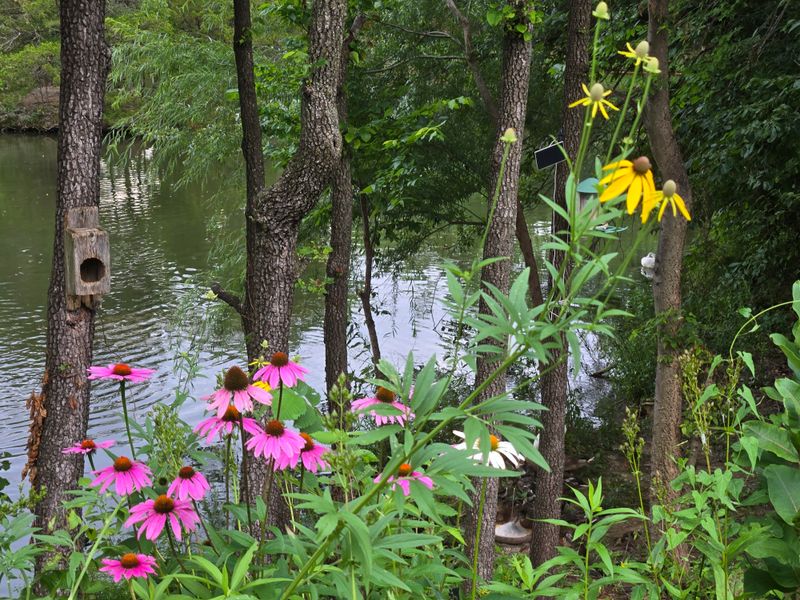
Every good rule seems to have a little side door. In Ohio state parks, that door is labeled nature study area.
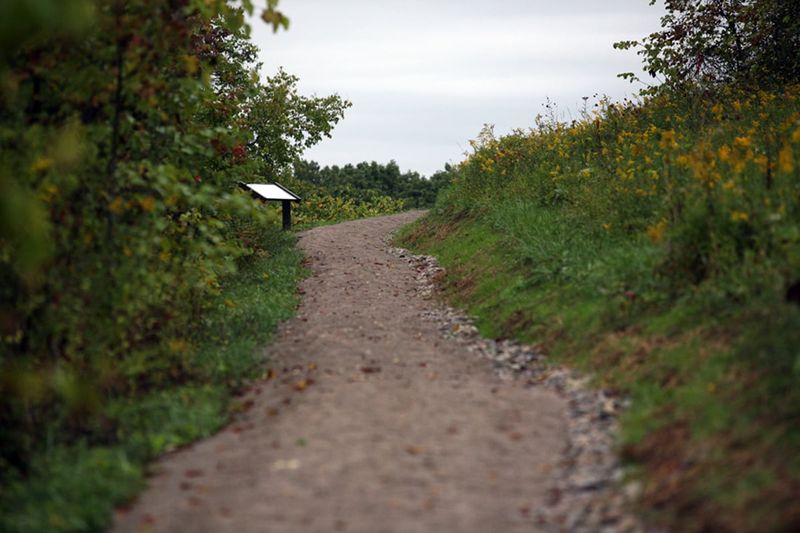
Some parks set aside spots that are designated and posted for learning about plants and wildlife. In these places, collecting may be allowed without the usual permit.
The catch is that you must follow the instructions shown for that area.
Picture a small meadow with a sign explaining what you can gather and how much. It might allow a few seeds from common plants but ask you to leave rarer ones alone.
Reading carefully matters here.
Why do parks create these zones? They want people, especially kids and students, to connect with nature through hands-on discovery.
Holding a seed and planting it at home can spark a lifelong love of the outdoors.
Still, the key word is posted. If you do not see a clear sign, assume the regular park rules apply.
A spot that just looks wild or open does not count as a study area.
When in doubt, stop by the park office and ask. Staff often know which areas welcome collectors and which plants are best for taking.
They might even share tips on storing seeds so they sprout well next spring.
4. State Forests Allow Seed Gathering In Most Areas
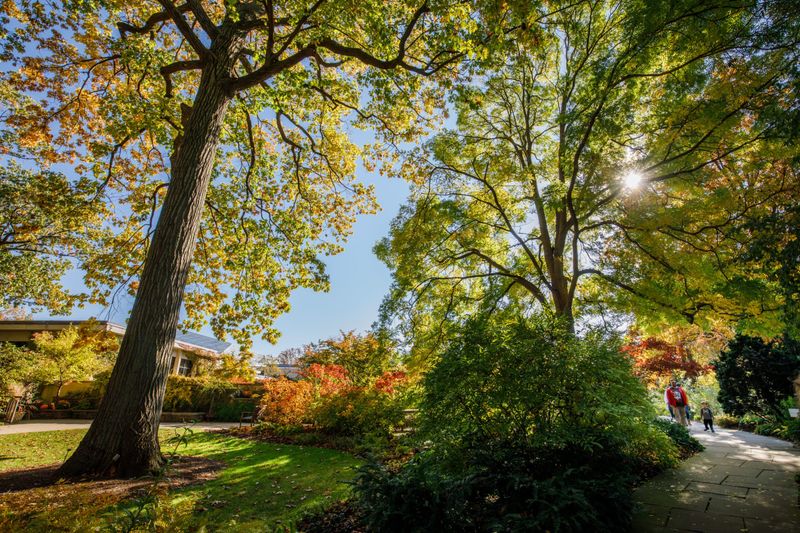
Good news for seed lovers! Ohio state forests are much friendlier to gatherers than state parks.
These forests are managed by a different ODNR division with its own approach. Visitors may collect berries, nuts, fruits, cones, seeds, and mushrooms for personal use.
That means your autumn basket can hold more than just pretty leaves.
There is one big condition to remember. The species cannot be listed as endangered or threatened in the state.
Before you pick, take a moment to make sure the plant is a common one.
A handy tip is to carry a plant ID app or a small field guide. Snap a photo, check the name, and compare it with rare plant list.
It takes only a minute and keeps you on the right side of the law.
Personal use is another important phrase. Gathering a handful of seeds for your garden is fine, but selling them is a different story.
Think home project, not business venture.
Be a thoughtful harvester, too. Many gardeners follow a simple habit of taking only a small share from any one patch.
Birds, mice, and next year’s seedlings depend on what you leave behind. A light touch keeps the forest full of life.
5. Seed Orchards And Wilderness Areas Are Off Limits
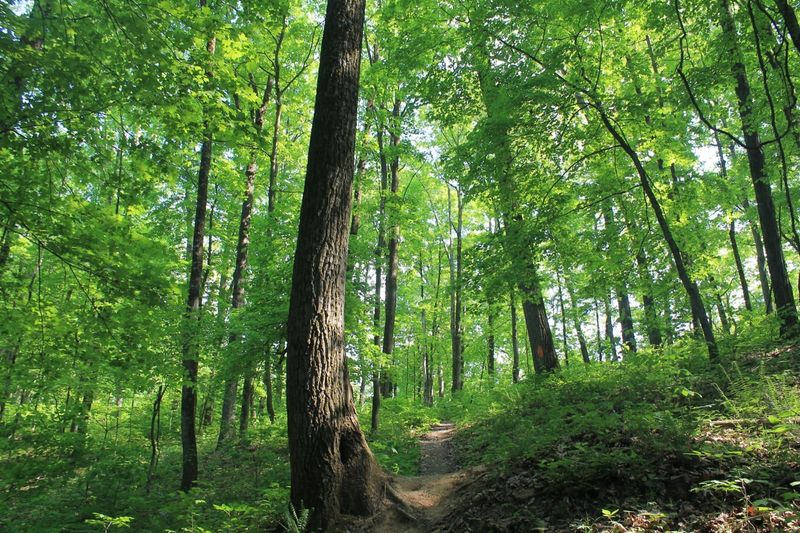
Imagine a farmer finding strangers picking apples from his best trees. That is roughly how foresters feel about seed orchards.
Even though state forests welcome gatherers, some spots inside them are off limits. These include seed orchards, seed collection areas, and seed production areas.
Foresters use them to grow trees and gather seeds for replanting projects.
Taking seeds from these places could slow down efforts to restore Ohio’s woods. Every pod in an orchard may already have a job lined up.
So it is best to admire them and keep walking.
Wilderness areas are also protected. These wild zones are meant to stay as untouched as possible.
The same goes for dedicated nature preserves located inside forest boundaries.
Any other area that is posted as off limits also bans gathering. Signs might mark research plots, restoration sites, or fragile habitats.
Respecting those signs keeps both you and the land safe.
A fun fact for curious minds is that many trees planted after logging or storms began as seeds from orchards like these. So when you leave them alone, you are helping grow future forests.
Grab a forest map before your hike to spot these zones in advance and plan your gathering route.
6. State Nature Preserves Ban Collecting Entirely
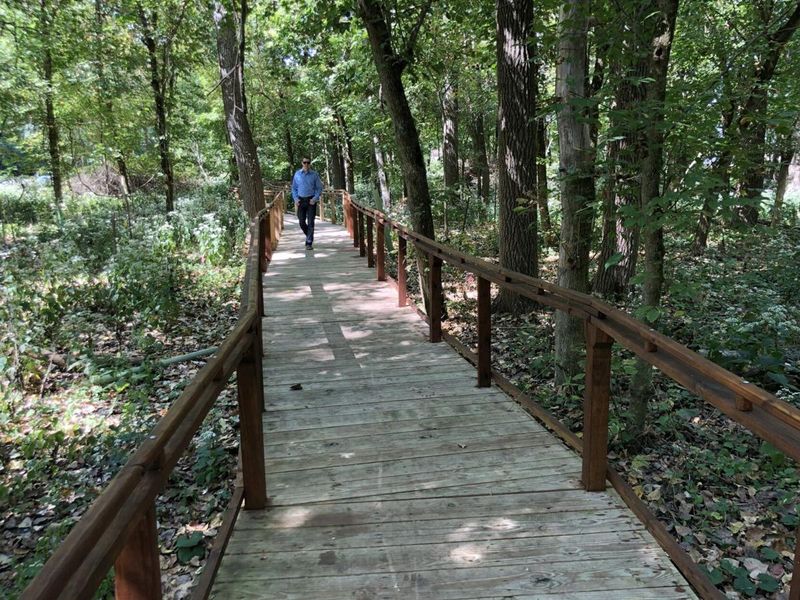
Look, but do not touch. That old museum rule fits Ohio’s state nature preserves perfectly.
These preserves protect some of the rarest plants and habitats in the state. Collecting or disturbing natural materials is strictly banned here.
That covers plants, plant parts, soil, sand, gravel, rocks, fossils, minerals, animals, and even ice.
Yes, you read that right, even ice. The rules apply to everything within the preserve, with no special pass for mushrooms or berries.
Seeds are definitely included.
Why so strict? Many preserves hold tiny, fragile communities that took centuries to form.
Some plants grow in only a few spots across the state. Taking just a few seeds could hurt a population that is barely hanging on.
Instead of a seed bag, bring a camera or sketchbook. Photograph the blooms, jot notes about colors, or draw the shape of the seed pods.
You will leave with memories and maybe some lovely art.
If you want those same plants at home, look for a native plant nursery or seed swap. Many local groups grow seeds from ethical sources.
That way your garden can share in the beauty without taking anything away from these special places.
7. Local Metro Parks Set Their Own Rules
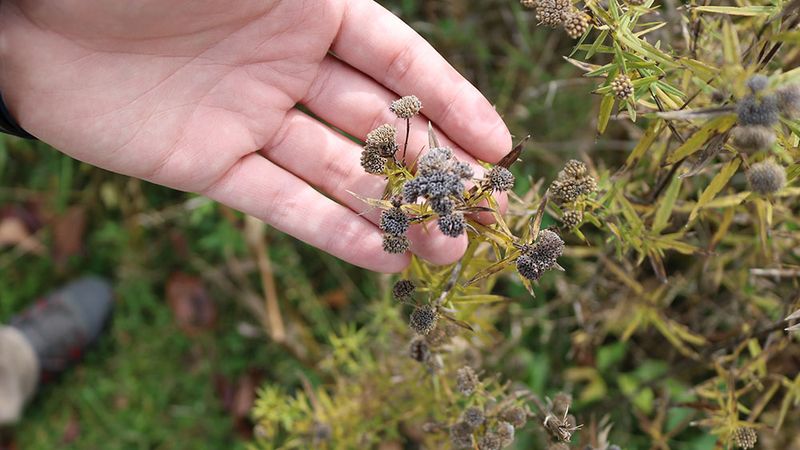
City and county parks are a whole different ballgame. Each Metro Park district writes its own playbook on gathering.
Take Columbus and Franklin County Metro Parks as an example. They generally ban removing any plant, mineral, or live material.
However, you may collect leaves, mushrooms, fruits, and seeds in general picnic areas and other regularly mowed surfaces.
That phrase usually means mowed lawns, not the wooded trails or wildflower meadows. So dandelion fluff near a picnic table may be okay.
Coneflower seeds in a restored prairie are probably not.
Here is the fun part. Some districts actually invite you to gather seeds!
Summit Metro Parks hosts organized native seed collection events where people harvest and process seeds, then take some home.
Metroparks Toledo even runs a nursery that grows plants from local seeds for restoration work. Volunteers often help with collecting and cleaning.
It is a great way to learn from experts while giving back.
So check your local park district’s website before heading out. Look for volunteer calendars, seed events, or posted foraging rules.
You might find that joining an event is the easiest, friendliest way to fill your seed jar legally.
8. Endangered Plants Need A Separate State Permit
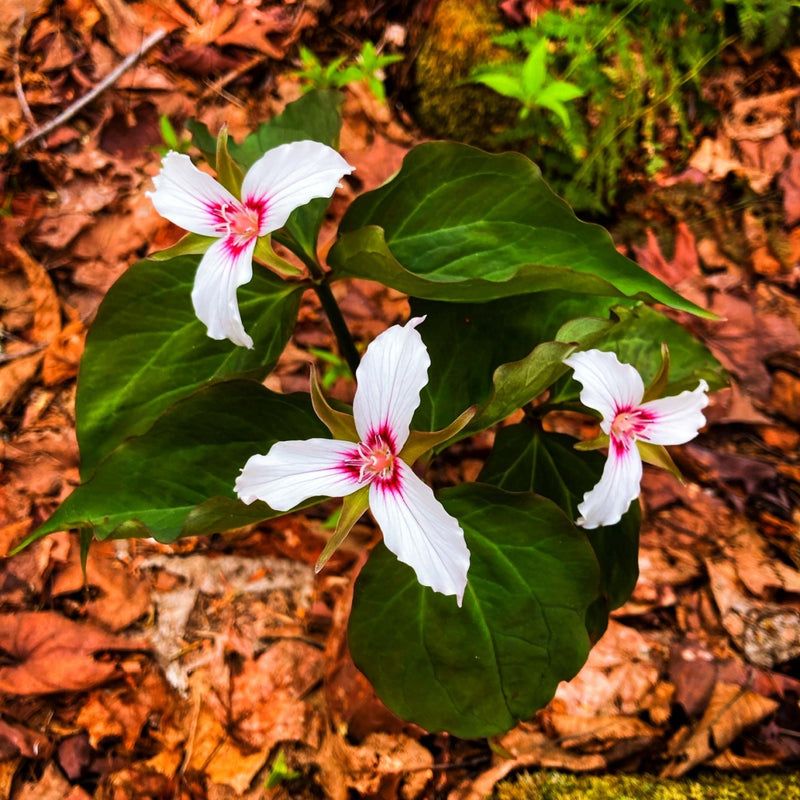
Some Ohio wildflowers are so scarce that only a few hundred plants remain. Those rare beauties get extra legal protection.
Collecting, handling, or transporting state threatened or endangered plants requires a written permit. It comes from the Chief of the Division of Natural Areas and Preserves.
The rule covers any part of the plant, including seeds.
These permits are granted only for botanical, educational, or scientific work. They may also be given for propagation efforts that help preserve the species.
A home gardener wanting a rare bloom generally will not qualify.
Selling these plants is another serious matter. Commercial collection of endangered or threatened wild plants from their native habitats is unlawful in the state.
That rule helps stop people from stripping wild populations for profit.
So how do you know if a plant is rare? ODNR publishes an official list of rare native plants.
Bookmark it on your phone so you can check in the field.
Remember that this permit rule applies everywhere, even in places where seed gathering is usually allowed. A state forest may welcome you, but a rare orchid there is still protected.
When a plant looks unusual, enjoy the view and let it be.
9. Check The Rules Before You Pick A Single Seed Head
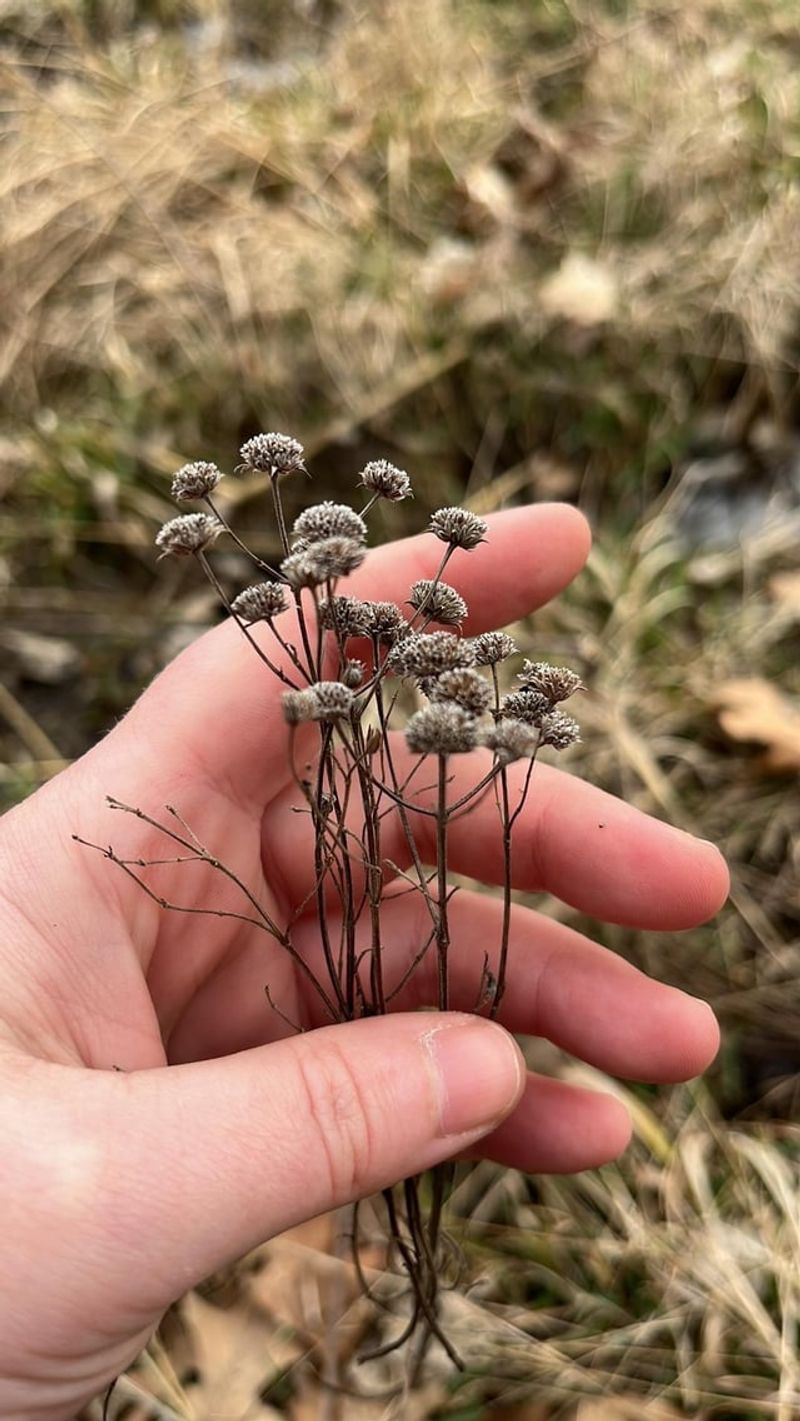
A two-minute phone call beats a surprise fine any day. That is the simplest lesson from all of these rules.
Ohio’s mix of parks, forests, and preserves means no single answer fits every trail. Before you gather, confirm the rules with the group that manages the land.
Websites, entrance kiosks, and park offices are great places to start.
You may have heard about Ohio’s new seed law. House Bill 364, signed in January 2025, makes it easier for people and conservation groups to share native seeds without certification rules.
Seed libraries and swaps are cheering about it.
However, that law does not change where you may collect. Gathering on public land still follows each land manager’s rules.
Sharing got easier, but picking did not get a free pass.
Here is a quick checklist to keep handy. Find out who manages the land, read the posted signs, and make sure the plant is not rare.
Then take only a small share for personal use.
Better yet, consider private land with permission, your own yard, or a friend’s garden. Seed swaps and native nurseries are wonderful options, too.
With a little care, your love of native plants can help the state’s wild places thrive.