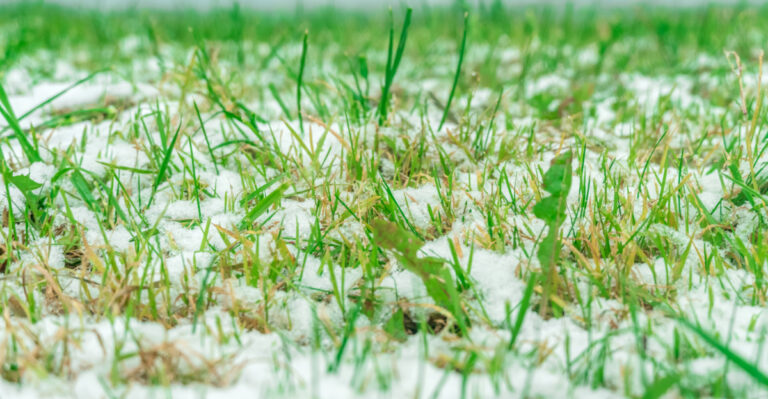
Frost Is Coming To Ohio This Weekend – Bring These Plants Inside First
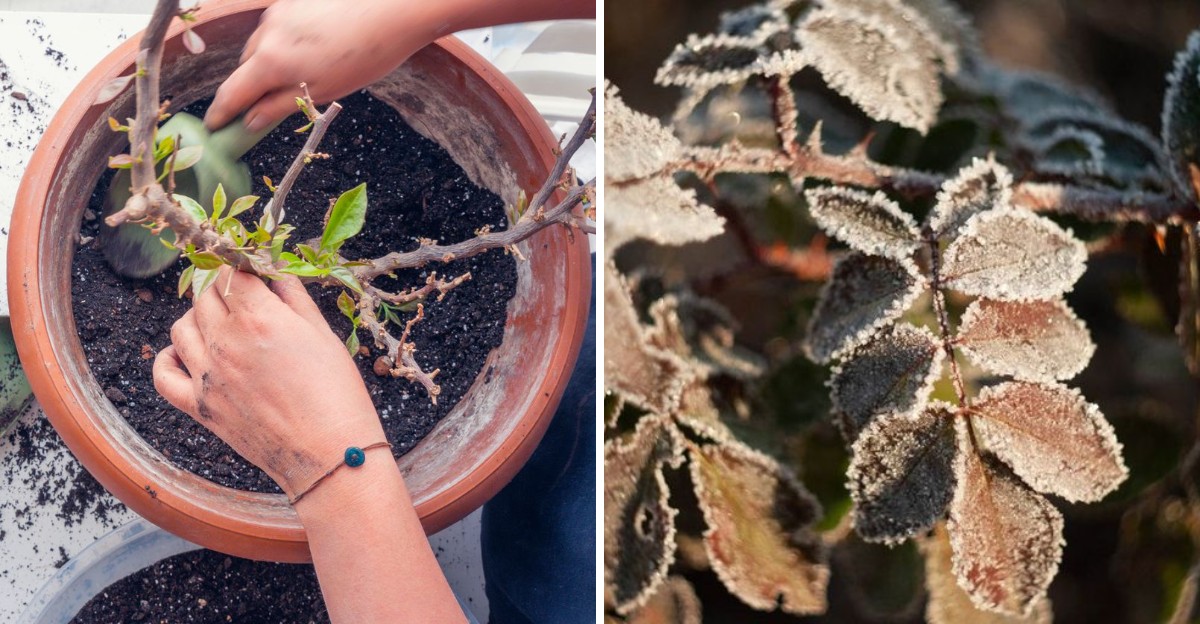
The forecast just put a date on your porch plants’ worst night, and it lands on a weekend packed with other plans.
Frost doesn’t knock first. It slips in after midnight, settles on every leaf, and by sunrise the damage is done.
Ohio gardeners who’ve lost a favorite to one cold night know the gut punch.
Not every pot on your patio faces the same risk. Some shrug off a light frost like it’s nothing.
Others turn to mush after a single bad hour. A quick look at the right list sorts them out, and most people guess wrong on at least one.
Carry the tender ones in before Friday evening. Saturday morning is a lousy time to learn which plants should have moved.
1. Houseplants Summering Outside Come In First
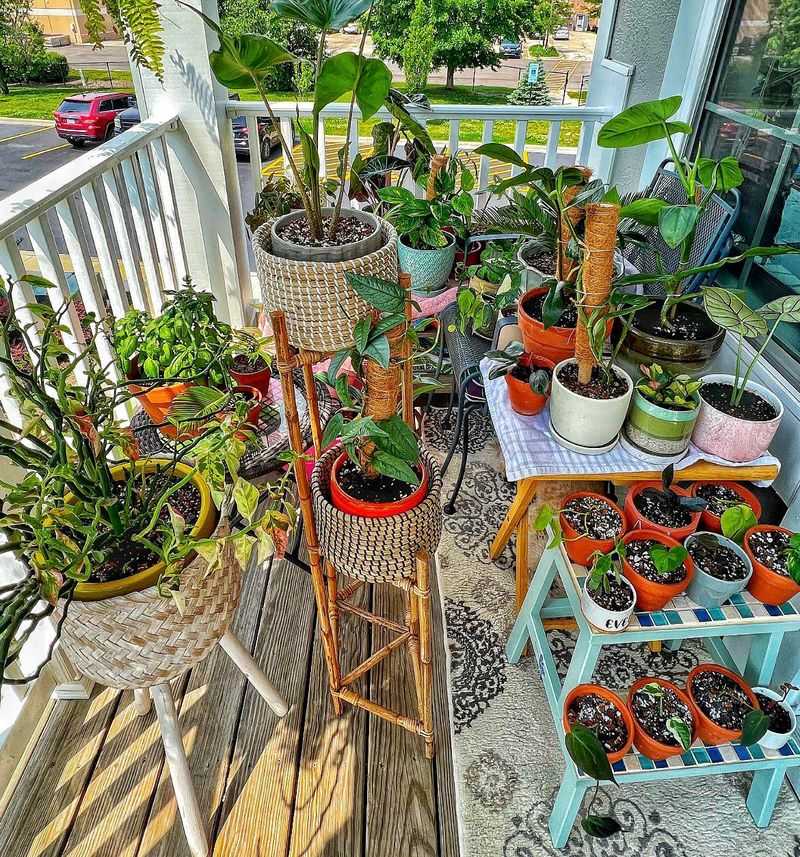
Picture your pothos lounging on the patio all summer like it owns a beach chair. Now the vacation is over, and it needs a ride home before the cold arrives.
Most houseplants start to struggle once nights dip to about 50 degrees. Some show leaf damage in the high 40s, so this weekend is cutting it close.
Light is the next big hurdle. Your living room is much dimmer than a sunny deck, and plants notice that shift fast.
If you have time later in the season, park plants in shade for 10 to 14 days first. That slow change helps leaves adjust before they head indoors.
Give every pot a careful once-over before carrying it in. Look under leaves, along stems, and even inside the drainage hole for sneaky bugs.
Once inside, keep newcomers away from your other plants for three to four weeks. That waiting period lets you spot trouble before it spreads.
Expect a few yellow leaves to drop in the first weeks. That is a normal reaction to lower light, not a sign you did anything wrong.
Set them in a bright window, away from heat vents and chilly doors. Hold off on fertilizer until spring days grow longer again.
2. Boston Ferns Can’t Handle The Cold
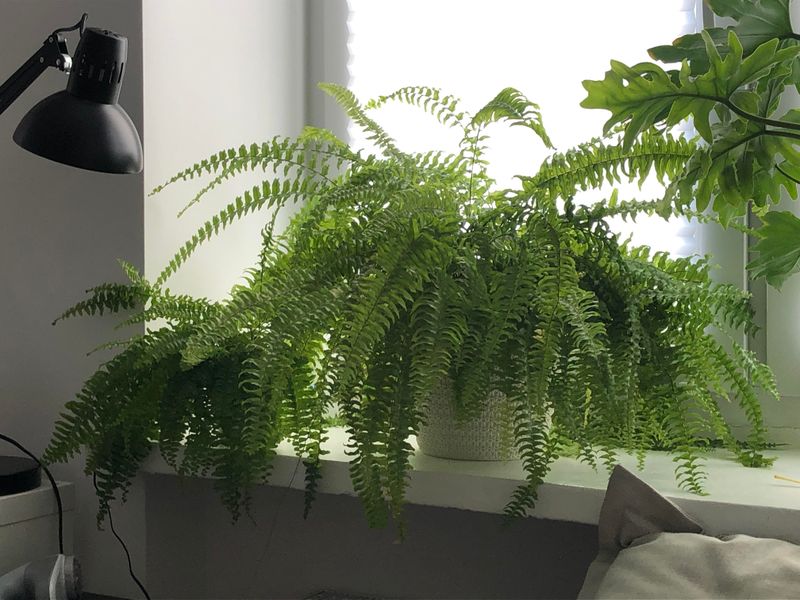
Those big, feathery ferns hanging from Ohio porches have a secret. They come from warm, steamy tropical places and have zero frost tolerance.
One hard freeze can wreck the whole plant overnight. Even the low 40s can leave fronds brown, crispy, and sad.
Growth slows below 55 degrees, which is your first warning sign. Ideally, bring your fern inside before nights reach 50 degrees.
Once the forecast shows lows in the mid-30s, the time is now. Lift those baskets down before you head to bed.
Inside, Boston ferns love rooms between 65 and 75 degrees. Give them bright, indirect light, like a spot near an east window.
Moisture matters a lot for these leafy divas. Water when the top inch of soil feels dry, and keep it evenly damp.
Winter air in heated homes gets very dry. Mist the fronds often or set the pot on a tray filled with pebbles and water.
Expect a little shedding at first, so lay down a sheet if the mess bothers you. Many people find their ferns bounce back looking full by spring.
Your Ohio Garden Changes Every Week. Your Plan Should Too.
Gardening in Ohio changes quickly throughout the season. Every Friday you’ll receive a simple weekly plan showing exactly what to plant, prune, fertilize, harvest, and protect so you never miss the right timing.
Fun fact: Boston ferns got their name after a Boston nursery found a new variety in the 1890s.
3. Potted Citrus And Meyer Lemons Need Shelter
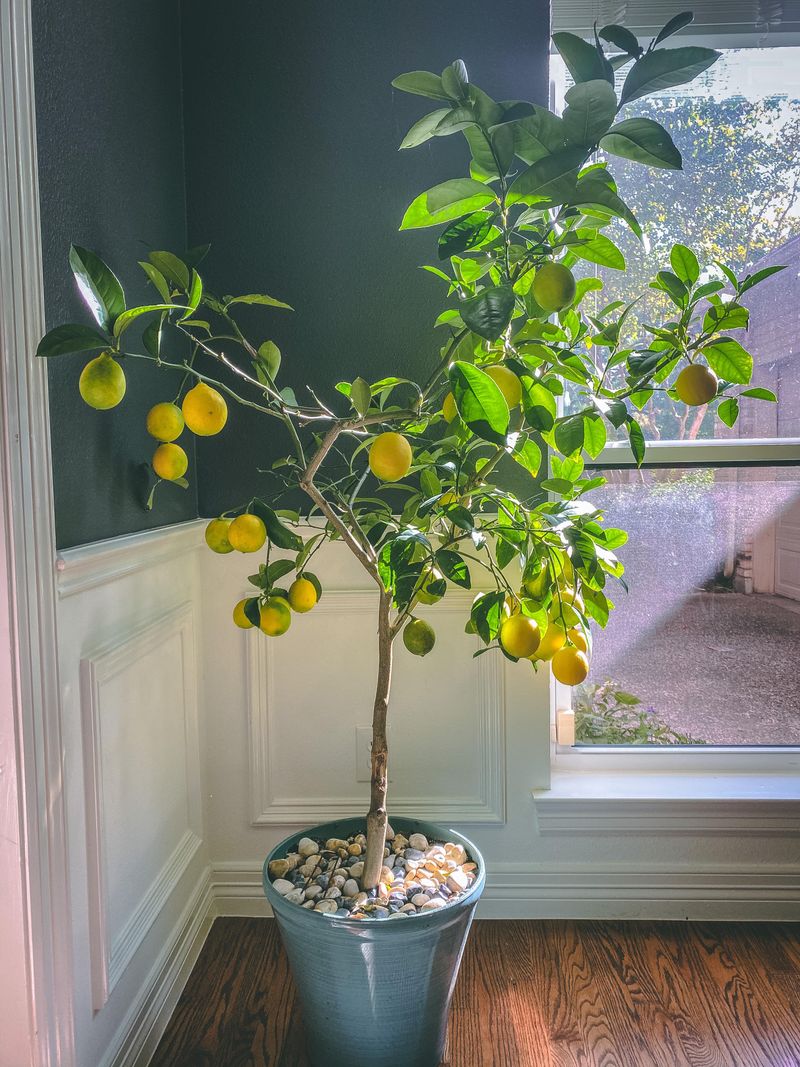
Few things feel fancier than picking a lemon from your own tree in Ohio. Keeping that little tree happy through winter takes some planning, though.
Meyer lemons are tougher than most lemon types. Mature trees may handle brief dips near 20 degrees, but young grafted ones can suffer below 35.
Here is the catch with pots. Roots in containers chill faster than roots in the ground, so potted citrus feels the cold sooner.
Bring your tree in at the first sign of frost. A weekend forecast in the mid-30s counts as a clear signal.
Indoors, sunshine is the top priority. Choose your brightest south-facing window, or add a grow light if your home runs dim.
Watch out for heating vents blowing nearby. That dry, warm air can parch leaves, so a quick misting helps add moisture.
Citrus roots slow down below about 50 to 60 degrees. If the pot sits on a cold floor, leaves may drop, so raise it on a plant stand.
Water less during winter, letting the top layer of soil dry first. Cut back or pause feeding until spring warms things up.
With luck, your tree may even bloom indoors and fill the room with a sweet scent.
4. Bougainvillea Needs A Hard Prune Before Moving In
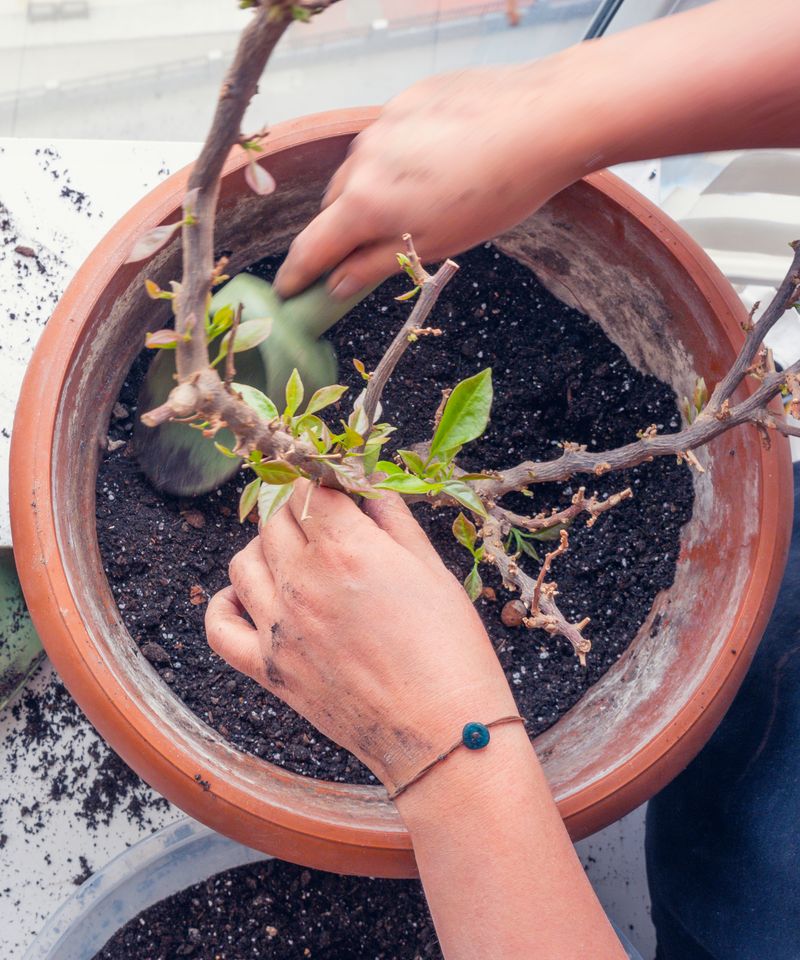
Bougainvillea is the show-off of the patio, with bright pink and purple bracts. It also has thorns and long, wild branches that won’t fit through your door easily.
This plant hates the cold. Damage can start near 40 degrees, and temperatures around freezing can cause serious harm, especially in wet soil.
Before hauling it inside, trim it down to a size you can manage. Cut long, leggy shoots back to about 8 to 12 inches, just above a leaf or bud.
Wear thick gloves for this job. Those thorns are sharp, and long sleeves will save your arms from scratches.
Snip away any damaged or diseased stems while you are at it. A trim like this often nudges the plant into a restful, sleepy state.
Save heavy shaping for late winter or early spring. Big cuts in fall can stress the plant, so trim only what you need to move it.
Indoors, give it bright light and water sparingly. Soggy soil is a bigger risk than dry soil during winter.
If you have a cool room around 54 to 59 degrees, that’s ideal. Since blooms grow on new wood, your spring trim will reward you with lots of color.
5. Fuchsias Should Come In Before The First Frost
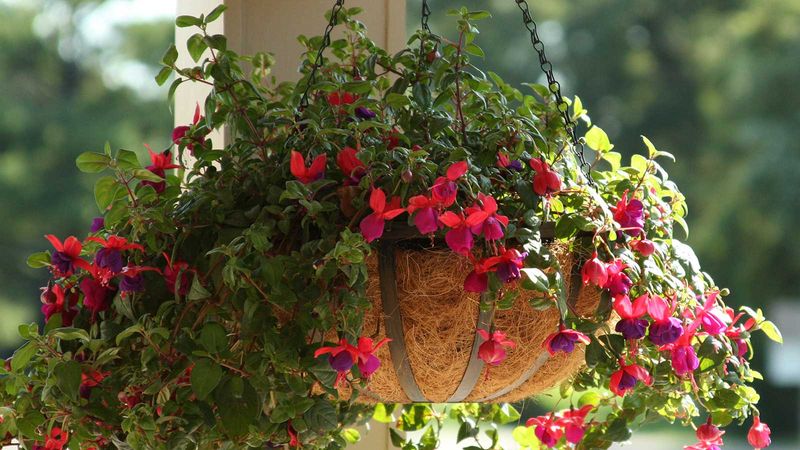
Fuchsia blossoms look like tiny ballerinas twirling in a hanging basket. Sadly, those dancers can’t take a frosty night onstage.
Many hybrid fuchsias are tropical plants. Even one light frost can damage them, so they should come inside before this weekend.
Good news: you have choices for winter care. You can treat them as houseplants or let them rest in a cool, dark spot.
For houseplants, trim growth back by about one-third. Set them in a bright, sunny window and water lightly.
For a winter nap, cut them back by half. Store them in a cool basement or unheated garage that stays above freezing.
Resting fuchsias need very little water. Just moisten the soil now and then so the roots don’t dry out fully.
Some fuchsias are much tougher. Hardy types like Fuchsia magellanica can handle temperatures near 20 degrees.
Those hardy plants may decline to the ground in Ohio winters. They usually sprout again in spring, especially with mulch over their roots.
Not sure which kind you have? Check the plant tag, and if it’s missing, play it safe and bring the basket inside.
6. Potted Tropical Bananas Can Go Dormant Indoors
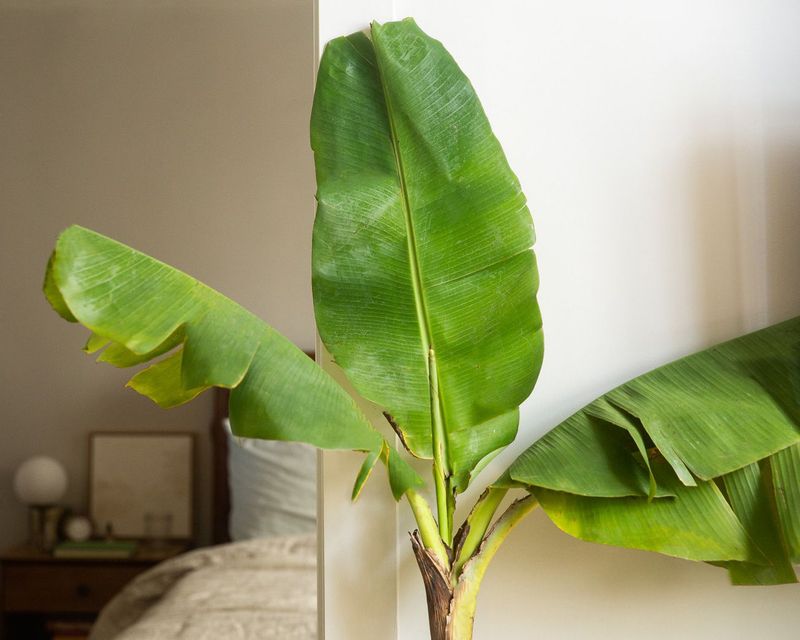
Growing a banana plant in Ohio feels a bit like hosting a tropical vacation in your yard. When fall rolls around, though, that guest needs a cozy place to sleep.
Tropical bananas slow way down around 55 degrees. Their big leaves can get hurt at freezing, turning mushy and brown.
Once temperatures drop below 50, bananas tend to stop growing and go dormant. That makes winter storage much easier than you might expect.
Start by cutting the plant back. Leave about 12 inches of stalk above the soil, which fits much better through doorways.
Next, find a cool, dark, frost-free spot. A basement, crawl space, or attached garage that stays above freezing works nicely.
Dormant bananas need almost no attention. Skip fertilizer, and water only a little so the roots stay barely moist.
Too much water during dormancy can cause rot. Think of it as letting a bear hibernate without waking it for snacks.
In spring, move the pot back into light and warmth. Start watering more, and fresh leaves should unfurl within a few weeks.
Many gardeners say the first new leaf in spring feels like a small celebration.
7. Flush Pots To Evict Hitchhiking Pests
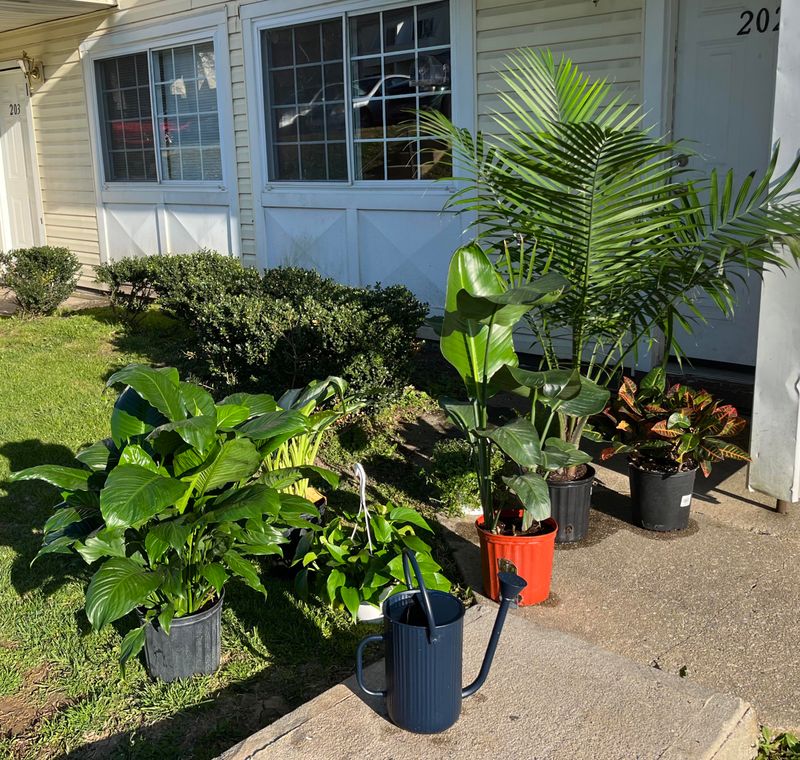
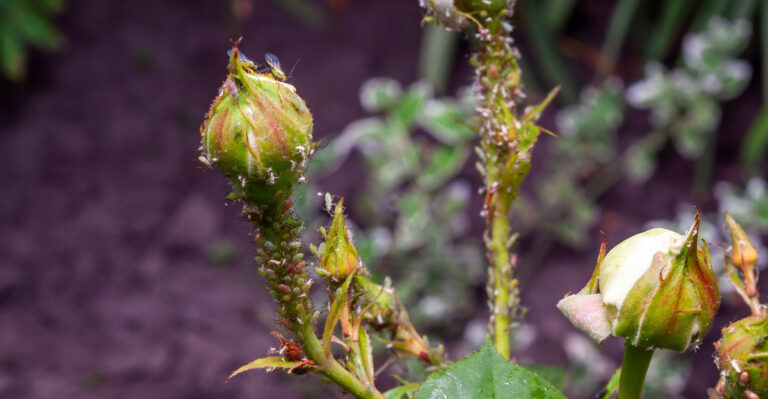
Imagine carrying in your favorite plant and bringing a tiny bug army with it. Aphids, mealybugs, and spider mites love a free ride into a warm house.
A garden hose is your first line of defense. Spray all the leaves with a strong stream, including the undersides, to knock pests off.
Repeat the rinse a couple of times for the best results. Let the leaves dry well before moving the plants indoors.
Soil can hide pests too. Gently slide the plant out of its pot and check the root ball for crawling critters.
Here’s a handy trick: soak the whole pot in a tub of water for several hours. Bugs hiding in the soil will float to the top where you can scoop them out.
After soaking, let the pot drain fully. Soggy soil indoors can lead to root rot and fungus gnats.
For extra help, spray with insecticidal soap or neem oil after rinsing. Follow the label directions and let plants dry before bringing them in.
Finally, keep new arrivals apart from other houseplants for three to four weeks. A little patience now beats battling bugs all winter long.
8. Leave Dahlias In The Ground Until Frost Blackens Them
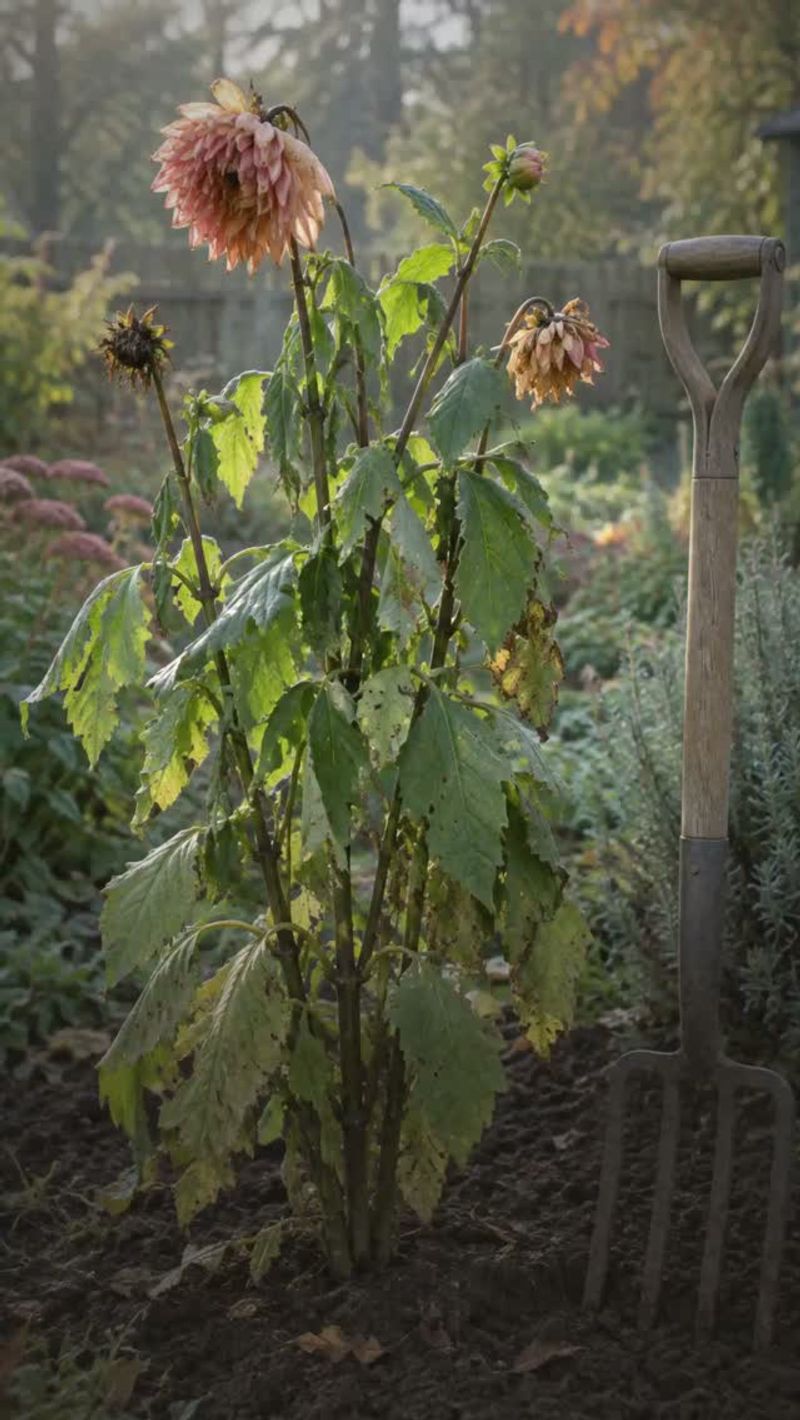
Here’s a twist in this weekend’s plan. While you rush tender plants inside, your dahlias should stay right where they are for now.
Digging too early is a common mistake. Tubers need time in the ground to toughen up for winter storage.
Wait until frost turns the leaves black. That’s nature’s signal that the plant is done and the tubers are ready.
A few days before digging, cut the stems to about 6 inches tall. Then lift the clumps carefully with a garden fork.
Be gentle with the necks, where tubers connect to the stem. Broken necks mean those tubers likely won’t sprout next year.
Wash off the soil and let tubers air dry for one to two days. Pick a shady, frost-free place, and keep them off bare concrete.
Store them in slightly damp peat moss, vermiculite, or wood shavings. Skip airtight plastic bags, since trapped moisture can cause rot.
A spot between 40 and 50 degrees works best, like a cool basement. Check them monthly, misting shriveled ones and trimming away soft spots.
In Ohio, dahlias can’t stay outside all winter. With good care, though, one clump can turn into many plants by next summer.
9. Hardy Bananas Can Stay Put Under Mulch
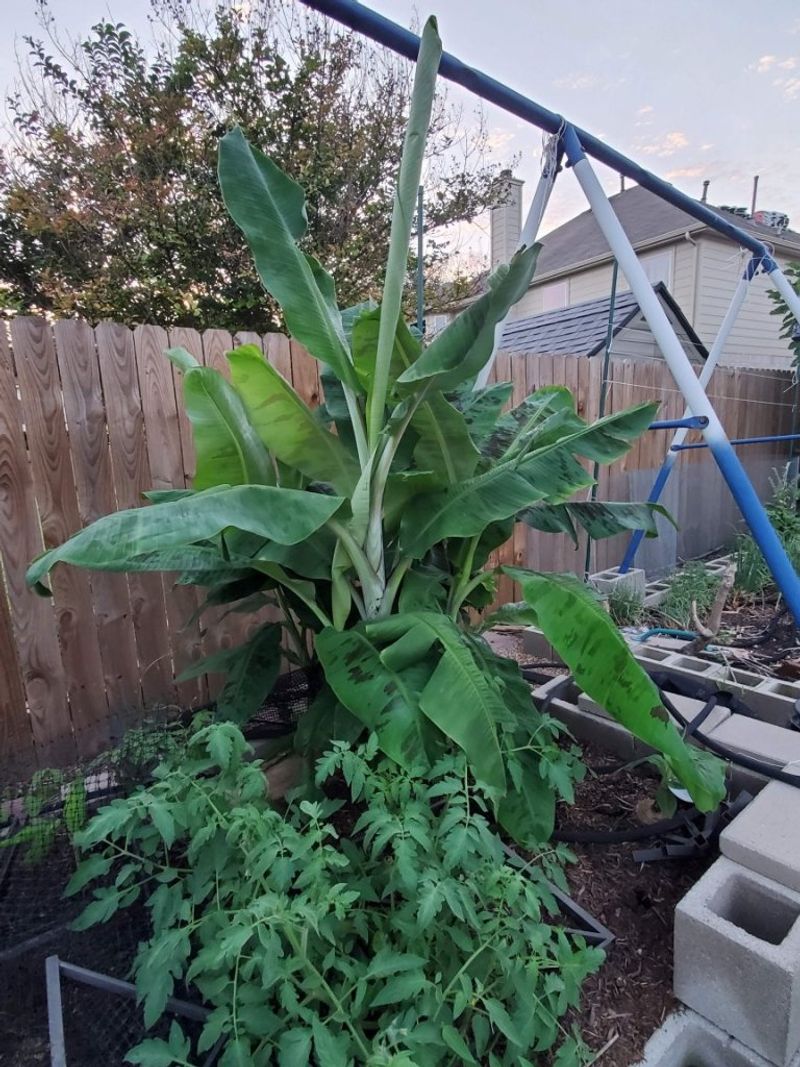
Believe it or not, some bananas can winter outdoors in Ohio. The star here is Musa basjoo, also called the Japanese fiber banana.
This tough plant grows in USDA Zones 5 through 8. With a thick blanket of mulch, its roots can survive below-zero cold.
Don’t rush to cut it this weekend. Wait until after the first hard frost turns the big leaves brown and floppy.
Then trim the stalks to about 12 inches tall. Some gardeners leave up to 2 feet, which also works fine.
Next comes the cozy part. Pile straw, hay, or shredded leaves about one foot deep around the stems.
Avoid dense wood chips for this job. They hold too much moisture and can lead to rot.
Want extra protection? Wrap a chicken wire cage around the stalks and stuff it with straw or leaves.
A sheet of plastic over the top helps keep the roots dry during snowy, wet months. Dry roots handle cold much better than soggy ones.
Pull the mulch away once warm weather returns and green shoots appear. By midsummer, it can tower over your fence again, looking wildly tropical.