The Salad Greens That Actually Like Florida’s Fall Weather
Lettuce sown in late spring across much of Florida tends to turn bitter and bolt before it ever fills a bowl.
Heat is the main culprit, and it is a big reason so many gardeners give up on homegrown salads altogether.
Cooler fall days change that picture quickly. Several leafy greens grow faster, taste milder, and hold longer in the garden once temperatures ease.
Some handle an occasional warm spell better than others, which matters in a state where October can still feel like summer.
Pick varieties labeled slow to bolt whenever you can find them. That small detail on a seed packet can stretch your harvest by weeks.
Fresh salads from your own garden are more realistic during these cooler months than at almost any other time of year.
1. Leaf Lettuce Produces Tender Leaves As Summer Heat Fades
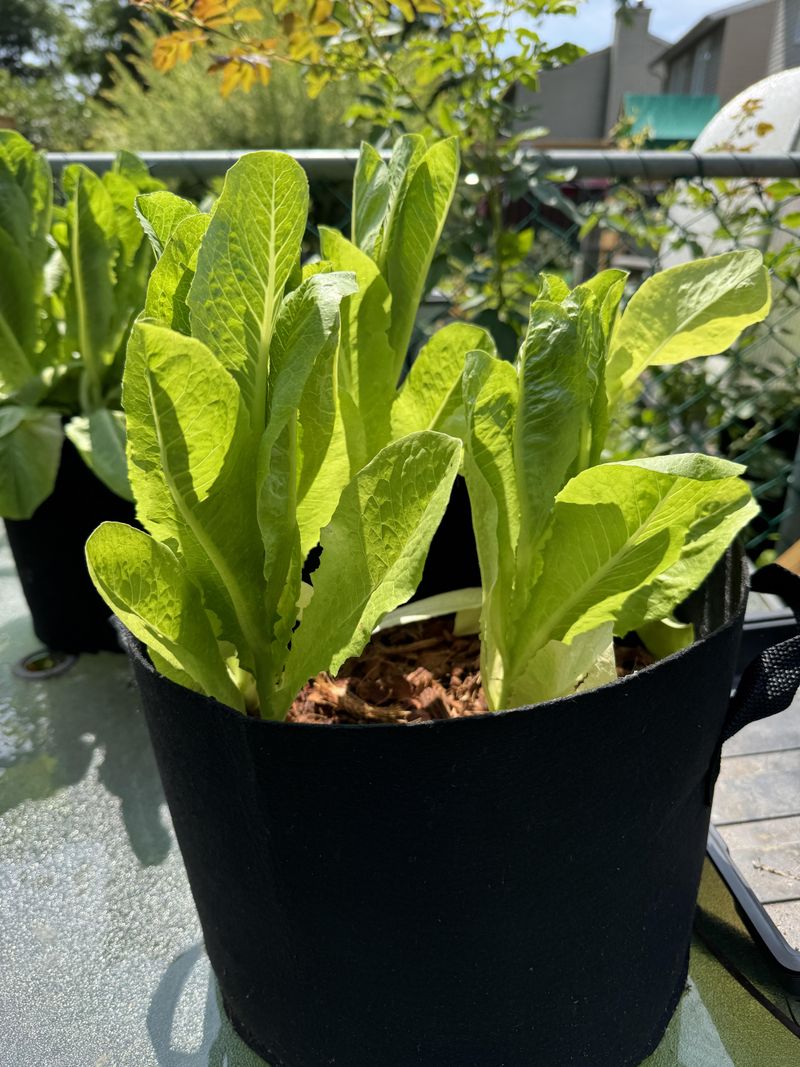
Heat is the biggest enemy of lettuce. Once temperatures ease in fall, loose-leaf types start growing soft, sweet leaves instead of bolting.
UF/IFAS Extension generally suggests planting lettuce from about September through March in North and Central Florida, with South Florida starting later.
Leaf lettuce is usually easier than heading types like iceberg. It grows quickly and lets you pick outer leaves while the center keeps producing.
Try varieties such as Black Seeded Simpson, Salad Bowl, or Red Sails if you want reliable choices. Results still vary with your soil, watering habits, and how warm your fall turns out.
Lettuce seeds can struggle to sprout when soil stays very hot, which happens often in early fall.
Sowing in a shaded spot, or starting seeds indoors, can help them get going. Afternoon shade also protects young plants during a warm spell.
Steady moisture matters more than heavy watering, because shallow lettuce roots dry out fast in sandy soil.
Mixing compost into the bed helps hold water near the roots. A light layer of mulch keeps the surface from baking between waterings.
Bitterness and a tall center stalk usually mean the plant is starting to bolt.
Harvest early in the morning when leaves are crisp, and plan new sowings every few weeks. Small, staggered plantings keep salads coming without a sudden pile of extra lettuce.
2. Arugula Develops A Peppery Flavor In Cooler Weather
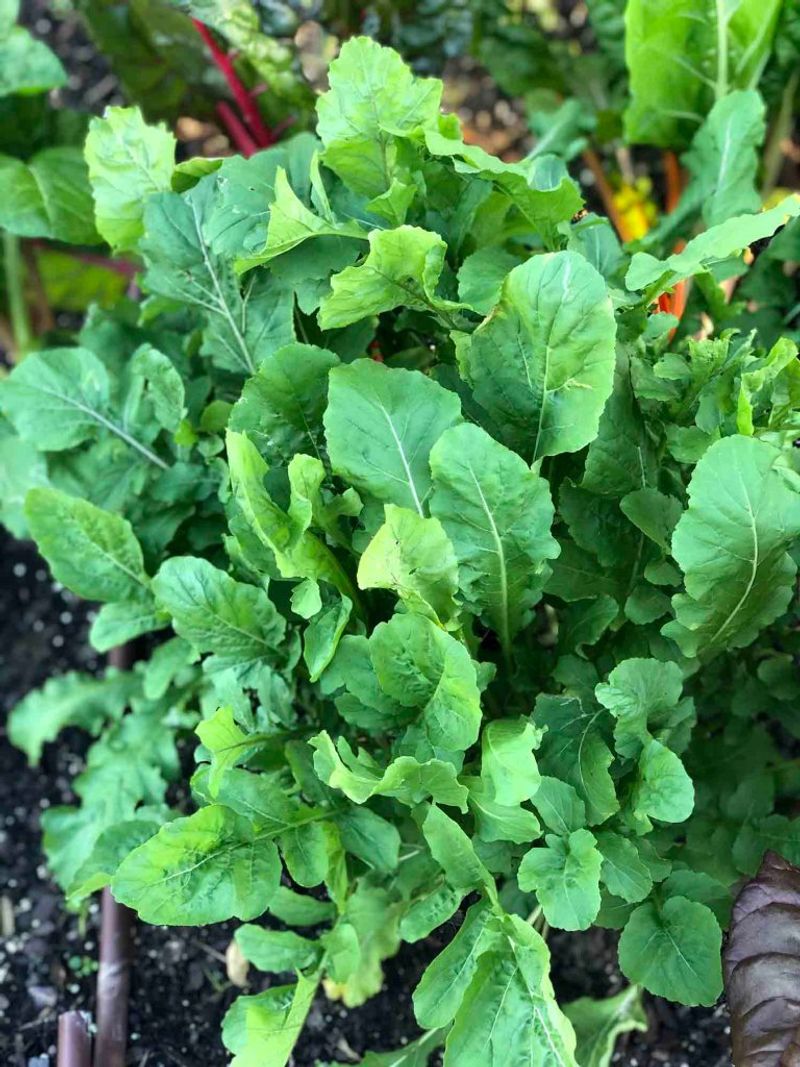
Few greens reach harvest size as fast as arugula. In good conditions, baby leaves can be ready in roughly three to four weeks after sowing.
Its flavor shifts with the weather, so plants grown in cooler months usually taste nutty and pleasantly sharp.
Warm stretches tend to push arugula into flowering sooner. Leaves from stressed or bolting plants can turn harsh and tough, which is a common complaint during a hot early fall.
Gardeners in Florida often get better results waiting until nights cool a bit before sowing.
Seeds are tiny, so scatter them thinly and cover them lightly with soil. Keep the surface damp until sprouts appear, which usually takes only a few days.
Thinning seedlings gives each plant room and improves airflow around the leaves.
Your Florida Garden Changes Every Week. Your Plan Should Too.
Gardening in Florida changes quickly throughout the season. Every Friday you’ll receive a simple weekly plan showing exactly what to plant, prune, fertilize, harvest, and protect so you never miss the right timing.
Cut leaves when they are young and tender, roughly hand length, for the mildest bite. Older leaves still work well in cooked dishes if they get too strong for salads.
Flea beetles sometimes chew small holes in arugula leaves.
Lightweight row cover placed right after sowing can reduce that damage. Check under the fabric now and then, since moisture and pests can still build up there.
Small sowings every couple of weeks give a steady supply, because each patch tends to fade once flowers show up.
3. Spinach Grows Best During The Coolest Months
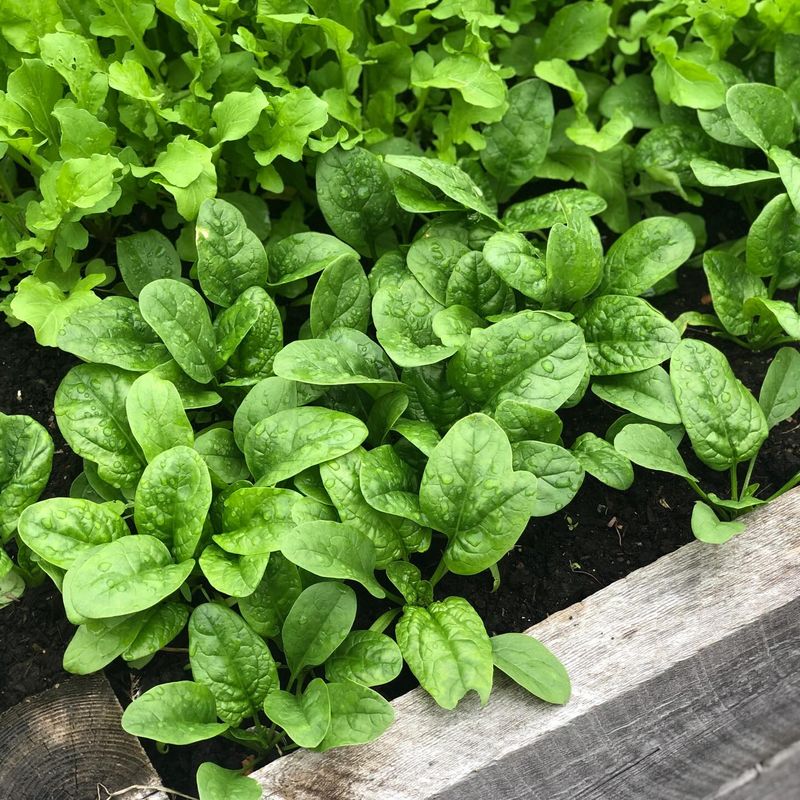
Patience pays off with spinach. Planting too early in the season is one of the most common reasons it fails.
True spinach prefers genuinely cool weather and tends to bolt quickly when days turn warm.
In North Florida, gardeners often sow it from about October into February. Central and South Florida usually have a shorter, later window, and results can be hit or miss in the warmest areas.
Choosing bolt-resistant varieties can improve your odds when winter stays mild.
Spinach seeds may sprout poorly in warm soil. Some gardeners soak seeds briefly before planting, though germination still depends heavily on soil temperature.
Plants like fertile soil that drains well but holds some moisture. Sandy beds amended with compost usually perform better than bare native soil.
Yellowing leaves can point to several issues, including low nitrogen, poor drainage, or simple age.
Look at the whole picture before adding fertilizer. Too much at once can burn young roots.
If true spinach keeps struggling in your yard, heat-tolerant substitutes like Malabar spinach or Okinawa spinach grow in warmer months instead.
Harvest outer leaves once plants form several full-sized leaves, leaving the center to regrow. Pick everything when a flower stalk starts to rise, since flavor drops quickly after that.
4. Mustard Greens Offer A Quick Harvest With Bold Flavor
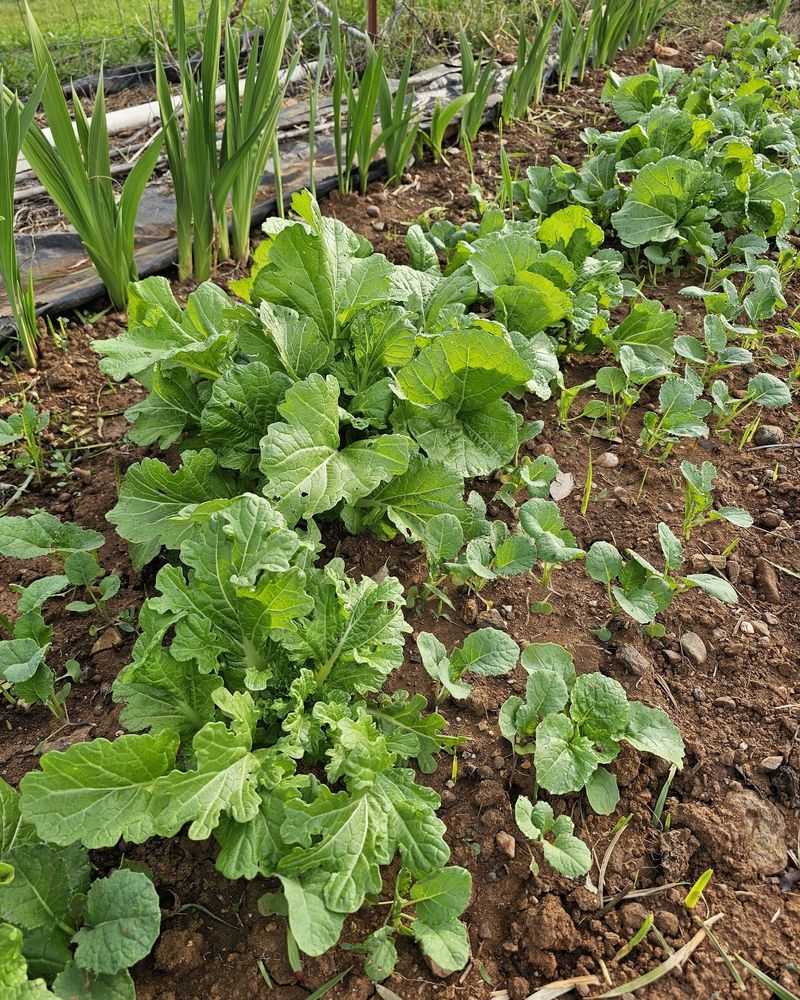
Bold is the right word here. Mustard greens bring a spicy kick that can brighten a plain bowl of lettuce.
Southern gardeners have grown them for generations, and they are a dependable cool-season crop across Florida.
Mustard tends to handle warmer fall days a little better than lettuce or spinach. That makes it a handy choice when the season starts slowly in Central and South parts of the state.
Young leaves can often be picked within a month of sowing, depending on weather and variety.
Baby leaves taste milder and work well raw. Larger leaves get stronger, so many cooks save them for sautéing or simmering.
Varieties like Southern Giant Curled, Florida Broadleaf, and red-leaved types add both texture and color to the garden.
Plants appreciate regular water and moderate fertilizer for steady leaf growth. Uneven watering can make leaves tougher and more bitter.
Aphids and caterpillars sometimes show up on mustard, especially during mild spells.
Check leaf undersides once or twice a week so problems stay small. A strong spray of water often knocks aphids off, while caterpillars can be hand-picked.
Once flower stalks appear, flavor usually becomes sharper and leaves get smaller, so that is a good time to pull plants and resow.
5. Kale Keeps Producing Fresh Leaves Through Chilly Nights
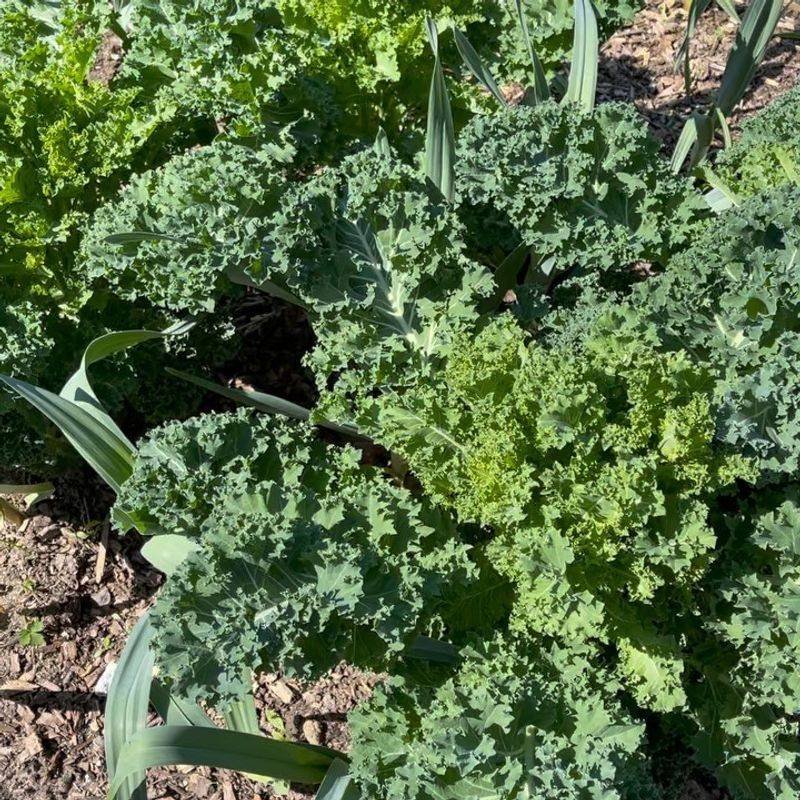
Cold snaps rarely bother kale. Most varieties shrug off light frost, and many gardeners say the leaves taste sweeter after a chilly night.
That toughness makes kale a strong choice for North Florida, where freezes are more likely than farther south.
Kale grows slower than arugula or mustard, so expect to wait several weeks before heavy picking. Transplants can shorten that wait if you buy healthy starts from a local nursery.
Try Red Russian or Lacinato if you want leaves tender enough for raw salads.
Massaging chopped kale with a little oil and lemon softens it nicely. Young leaves picked small usually need very little prep at all.
Harvest by snapping off lower leaves and leaving the top crown in place.
Plants keep sending up new growth from the center for months in good conditions. Some grow quite tall by late winter, looking almost like small palm trees.
Cabbage loopers and diamondback moth caterpillars are common visitors on kale.
Hand-picking works for small gardens, and Bt products are a common organic option labeled for these pests. Follow label directions carefully whatever you use.
Warm spring weather eventually brings flowering, and leaves often turn bitter once that starts.
6. Swiss Chard Adds Colorful Stems To Fall Garden Beds
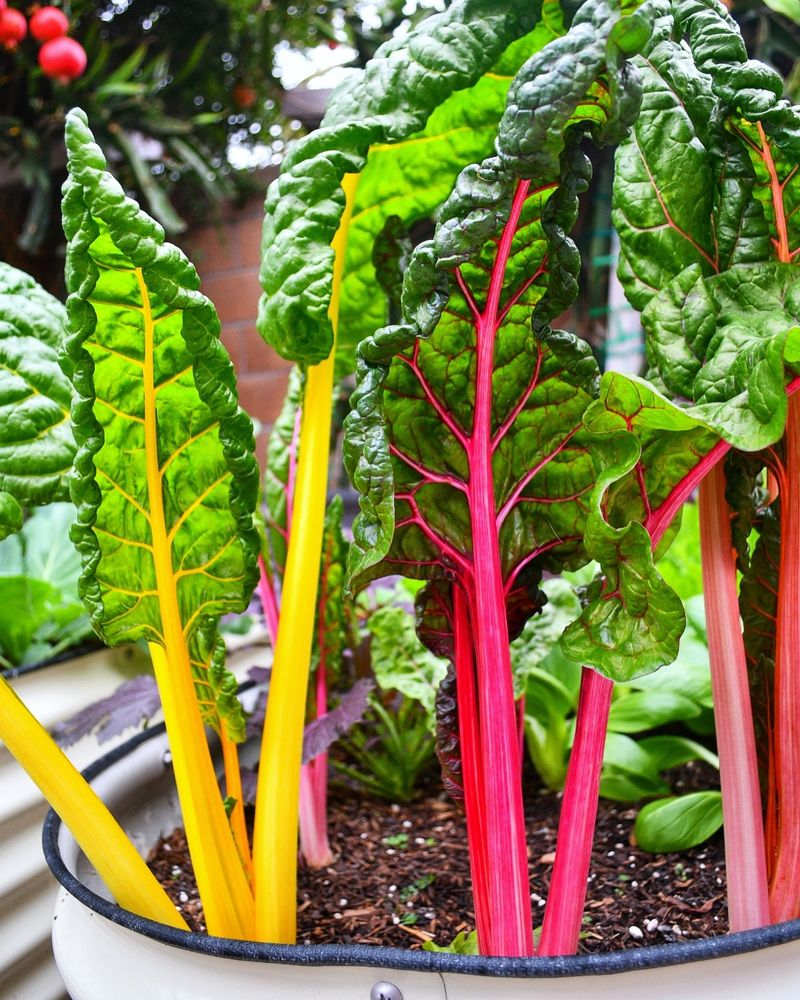
Red, yellow, pink, orange, and white stems make chard one of the prettiest plants in any vegetable bed.
Looks aside, it is also one of the more forgiving greens. Chard tends to tolerate both mild heat and cool weather better than spinach, its close relative.
That flexibility helps when fall arrives late or temperatures bounce around, which happens often in Florida.
Each seed is actually a cluster that can sprout several seedlings. Thin them early so the strongest plant in each spot has room to grow.
Baby chard leaves are tender enough to toss into salads right away.
Larger leaves have thicker ribs and an earthy flavor. Some people chop the stems separately and cook them a little longer than the leaves.
Picking outer leaves near the base keeps plants producing for a long stretch, sometimes into spring.
Leaf spots can appear during humid or rainy periods. Removing affected leaves and watering at the soil level, rather than overhead, can help limit spread.
Leaf miners sometimes leave pale trails inside the leaves.
Pinching off damaged leaves is usually enough in a home garden. Bright Lights and Fordhook Giant are two popular varieties worth trying if you want color or size.
7. Bok Choy Develops Crisp Stalks And Tender Green Leaves
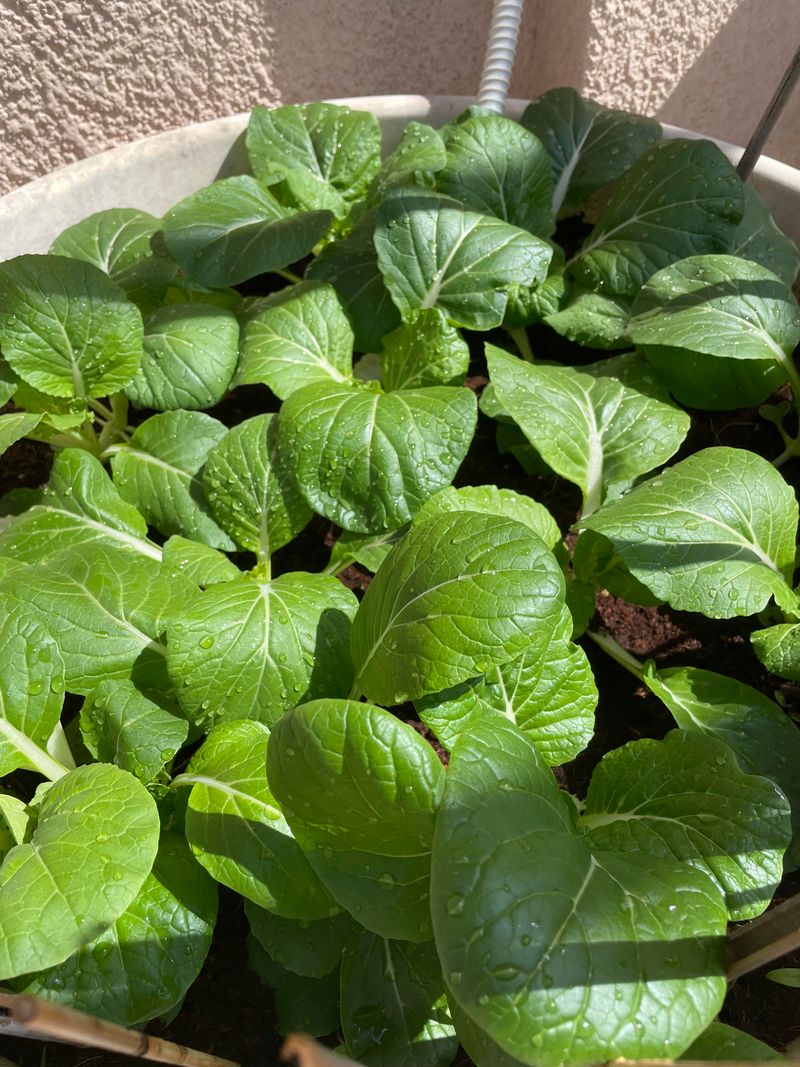
Crunch is what sets bok choy apart. Its juicy white or pale green stalks add a crisp bite that soft lettuce simply cannot match.
Gardeners across Florida often find bok choy one of the easier Asian greens to grow in fall and winter.
Baby types can be ready in about a month, depending on variety and weather. Full-sized heads usually take a bit longer and need more space between plants.
Warm temperatures and long days can push bok choy to bolt early.
Planting after the worst heat passes gives it a better chance of forming full heads. Stress from dry soil can also trigger early flowering, so keep watering steady.
Young leaves and thin stalks are great sliced raw into salads or slaws.
You can cut whole heads at the base or pick outer leaves as needed. Some plants resprout after cutting, though the second growth is often smaller.
Flea beetles, aphids, and caterpillars may visit, since bok choy belongs to the cabbage family.
Row covers can keep many pests off young plants. Rotating where you plant cabbage-family crops each season may also help reduce ongoing pest and disease issues in the same spot.
8. Mizuna Brings Delicate Feathery Leaves To Fresh Salads
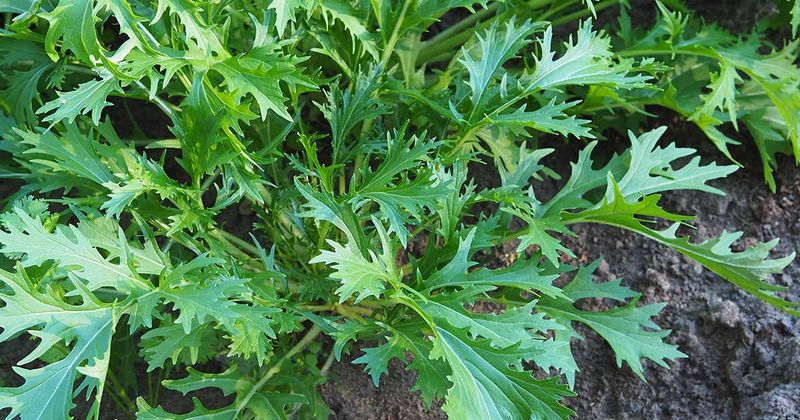
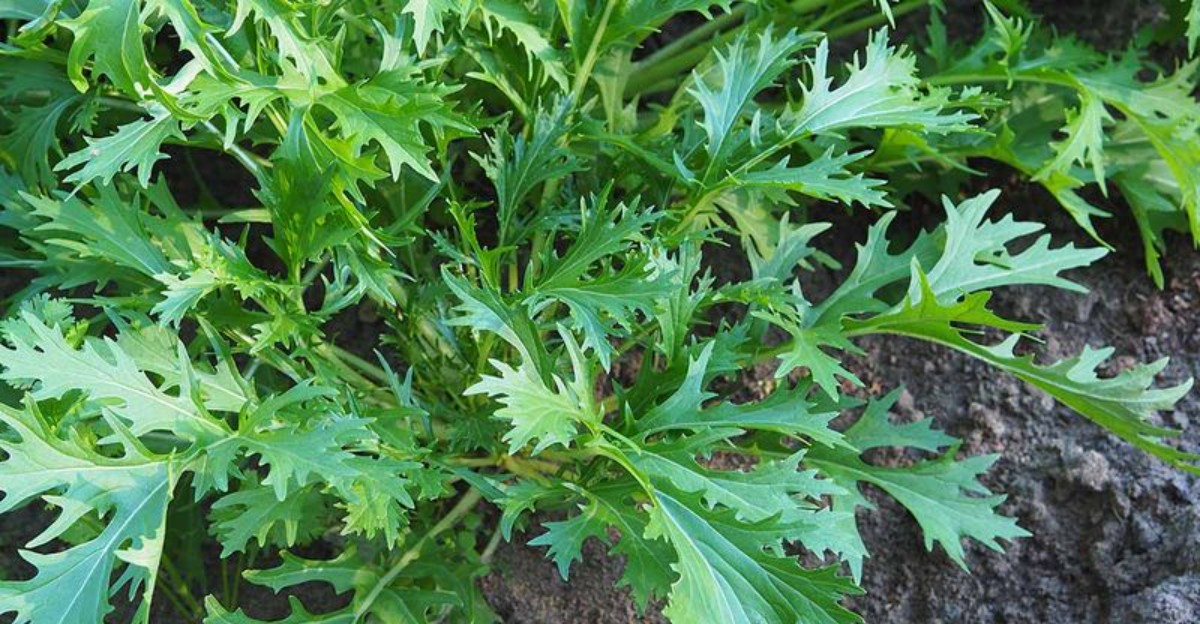
Picture a salad green that looks almost like a fern. That is mizuna, a Japanese mustard with finely cut, frilly leaves.
Its flavor is mild with just a hint of pepper, gentler than regular mustard greens.
Mizuna often shows up in store-bought spring mixes, but growing your own is simple. It handles cut-and-come-again harvesting well, so one sowing can give several pickings.
Plants grow quickly, and baby leaves may be ready in roughly three to four weeks under good conditions.
Scatter seed in a wide row or container and thin lightly. Crowded plants still produce, but air movement helps reduce leaf problems during humid stretches.
Use scissors to cut leaves a couple of inches above the soil.
New growth usually returns within a few weeks if plants stay watered and fed. Purple-leaved types add a nice color contrast to green salads.
Cooler months in Florida suit mizuna better than late summer, when it bolts faster.
Containers work especially well for this green, since it stays fairly compact. Put pots where they get morning sun and some relief from harsh afternoon light during warm weeks.
Like its relatives, mizuna can attract flea beetles and aphids, so a quick weekly check is helpful.
9. Tatsoi Forms Compact Rosettes Of Spoon Shaped Leaves
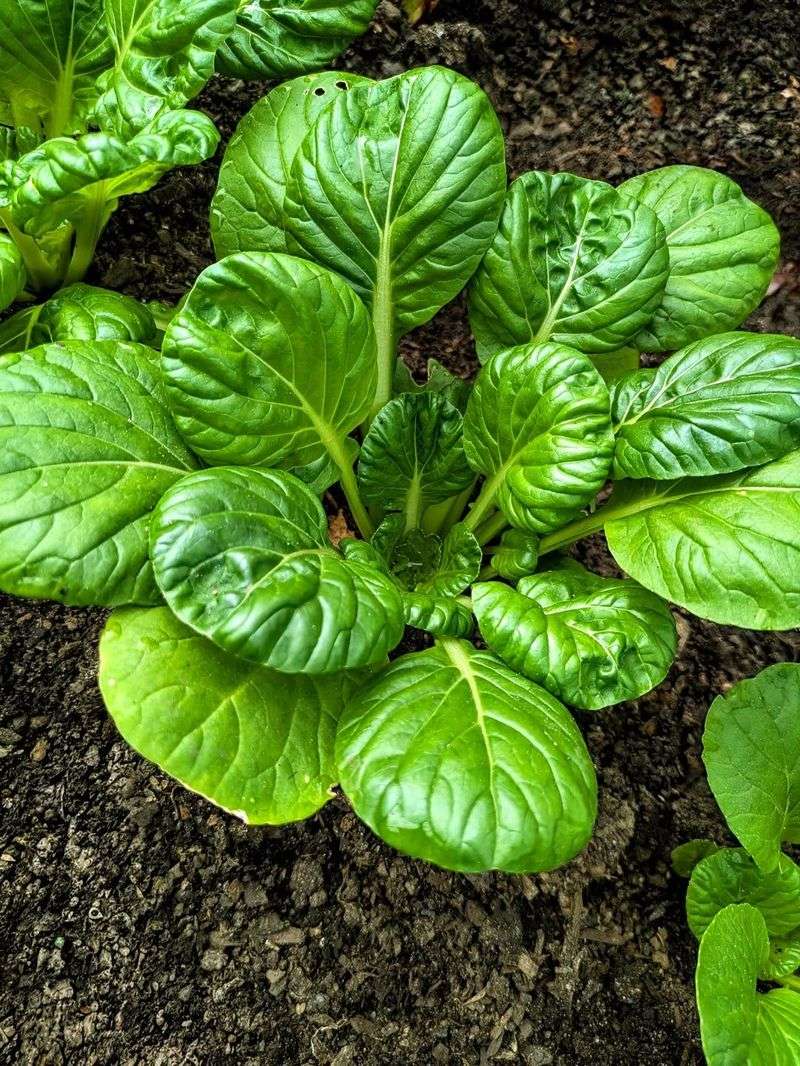
Small spaces suit tatsoi beautifully. Plants grow into low, flat rosettes of glossy, dark green leaves shaped a bit like little spoons.
Its taste is mild and slightly mustardy, often compared to spinach with a soft bite.
Tatsoi is closely related to bok choy, and the care is quite similar. Fertile soil, regular water, and plenty of sun usually keep it growing well.
Cooler weather tends to keep the rosette tight and tidy.
During warm spells, plants may stretch upward and bolt sooner. Gardeners in South Florida usually get the best results in the heart of winter rather than early fall.
Harvest single leaves while young, or cut the whole rosette once it reaches a useful size.
Baby leaves blend nicely into mixed salads. Larger ones hold up well in quick stir-fries or soups.
Because tatsoi sits so low, soil can splash onto leaves during heavy rain or watering.
A thin layer of mulch around plants helps keep leaves cleaner. Rinse harvested greens well, since grit tends to hide near the base.
Watch for the usual cabbage-family pests like caterpillars and aphids. Early checks make them much easier to manage before they spread.