Large Golden Webs Are Spanning Alabama Yards, And Their Builders Are Calmer Than They Look
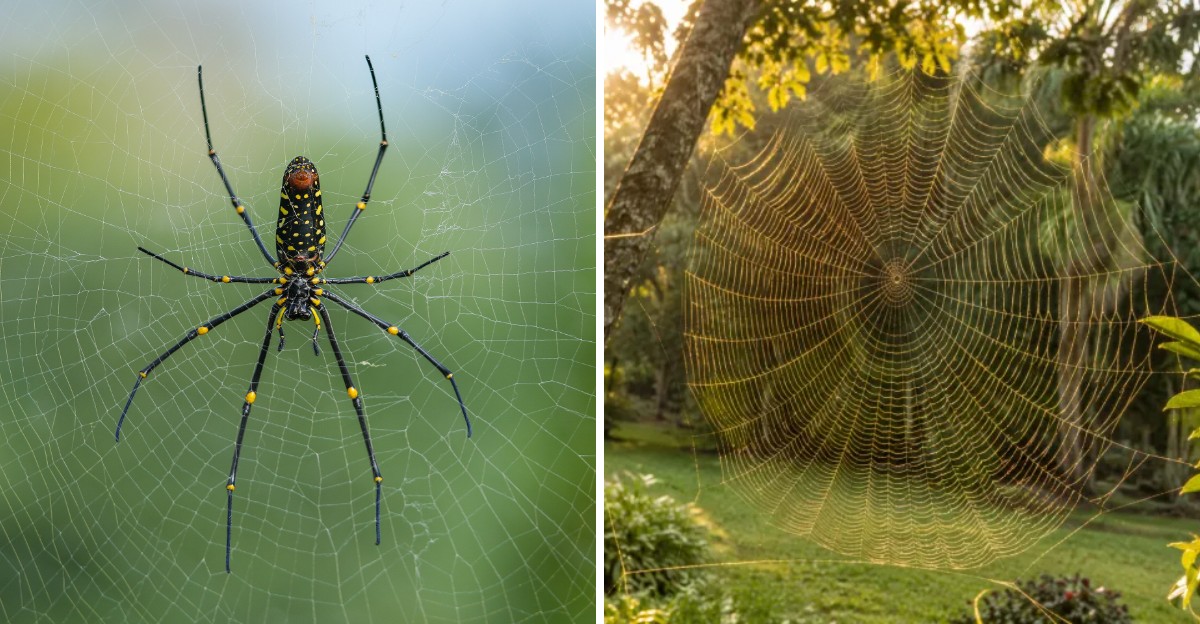
You just hit a golden web, and its builder watched you do it. Alabama porches, mailboxes, and tomato cages now wear glittering webs this fall.
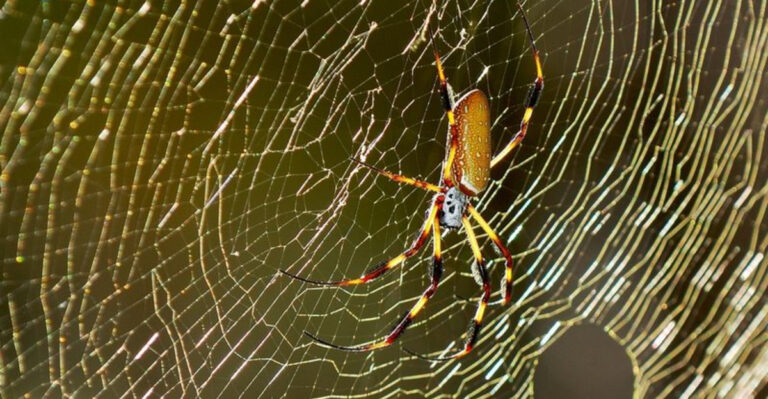
Some lines reach across your garage door. Sunlight turns the silk gold and makes it shine like harp strings. Females grow big enough to cover your palm. Males stay small and wait near the edge.
Fall brings them to full size, so you spot them now. Their silk resists tearing better than you expect.
Wave a stick ahead of you to catch the line before it catches you. Many spiders rebuild fast, and you may find another gleaming gate tomorrow.
Those spiders also trim flies and moths around your home. Across Alabama, you now share the neighborhood with silent architects.
Duck under the shimmer, and your dignity stays intact. Admire the masterpiece, then step around.
Big October Spiders With A Lot Of Patience
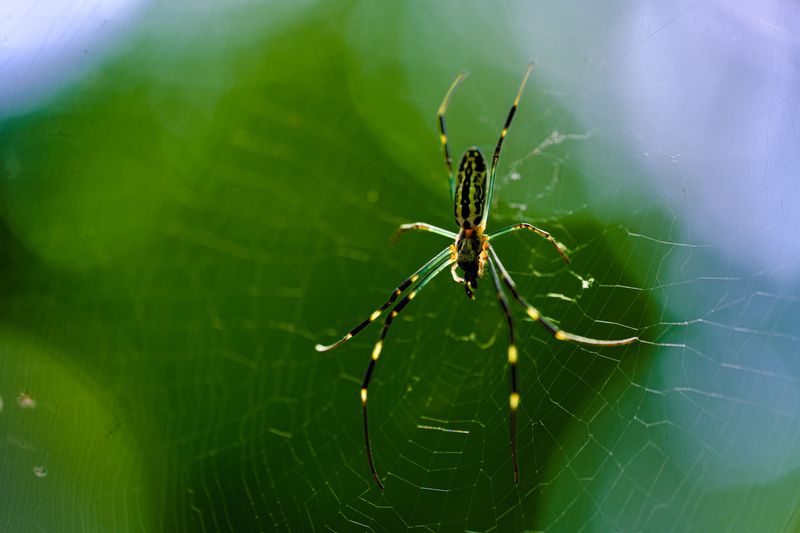
Those glowing nets belong to orb-weaver spiders, mostly golden silk and garden orb-weavers. They are hard workers that look scary but behave like shy homebodies.
In Alabama, the golden silk orb-weaver is a commonly noticed species each fall. Females can stretch three inches across, counting their long banded legs.
Their silk has a yellow tint that shines like gold in sunlight. Scientists think the color may attract bees and hide the web in leafy shade.
You might also spot the spotted orb-weaver or the black and yellow garden spider. Each builds a round, wheel-shaped web with spokes and a sticky spiral.
Most of these spiders hatched in spring and grew all summer long. By October they reach full size, which is why everyone suddenly notices them.
The spider you see in the center is almost certainly a female. Males are tiny and often hang out quietly near the edge of her web.
Here is the part that surprises people. Orb-weavers are not aggressive, and they want nothing to do with you.
A bite can happen if you squeeze one in your hand. Even then, it usually feels like a mild bee sting and fades fast.
So that large spider in the azalea bush is a calm, sit-and-wait hunter. It has one job, which is catching flying bugs, and it does it well.
Once you know who lives there, the web looks a lot less alarming than before. It starts to look more like yard art with a tenant.
Fall Weather And The Peak Web Season
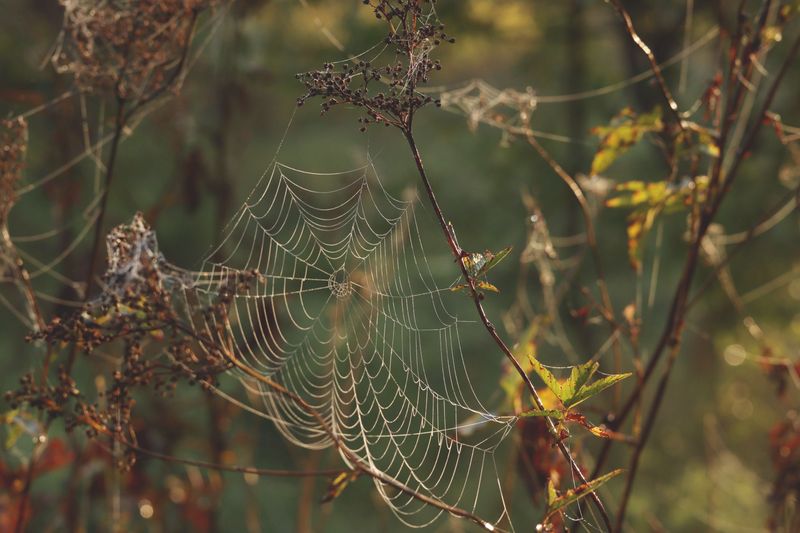
Picture a calendar where every page from August to October has a spider sticker. That is pretty much life in the Deep South.
Orb-weavers follow a simple yearly schedule. Babies hatch in spring, stay small all summer, then grow quickly as bug numbers rise.
Warm days and cool nights in early fall bring plenty of flying insects. Steady food over the season helps spiders grow and build larger webs.
Some orb-weavers rebuild nightly, while golden silk webs last longer. Those nightly builders often eat the old silk first, recycling the protein like a tiny thrifty chef.
Your Alabama Garden Changes Every Week. Your Plan Should Too.
Gardening in Alabama changes quickly throughout the season. Every Friday you’ll receive a simple weekly plan showing exactly what to plant, prune, fertilize, harvest, and protect so you never miss the right timing.
That is why a path that was clear at dinner can be blocked at breakfast. The spider worked the night shift while you slept.
October is also egg season for many females. They spend their last weeks laying egg sacs tucked onto eaves, leaves, or deck rails.
After the first hard frost, the adults die off for the year. Their eggs wait through winter, and the cycle starts again in spring.
A mild fall can stretch the season into November in south Alabama. A sudden cold snap up north can end it much sooner.
Keep an eye on the weather forecast if the webs bother you. Cooler nights will thin webs, depending on frost.
Until then, enjoy the show while it lasts. Few backyard events are as golden and short-lived as this one.
Why Swatting At Orb-Weavers Usually Fails
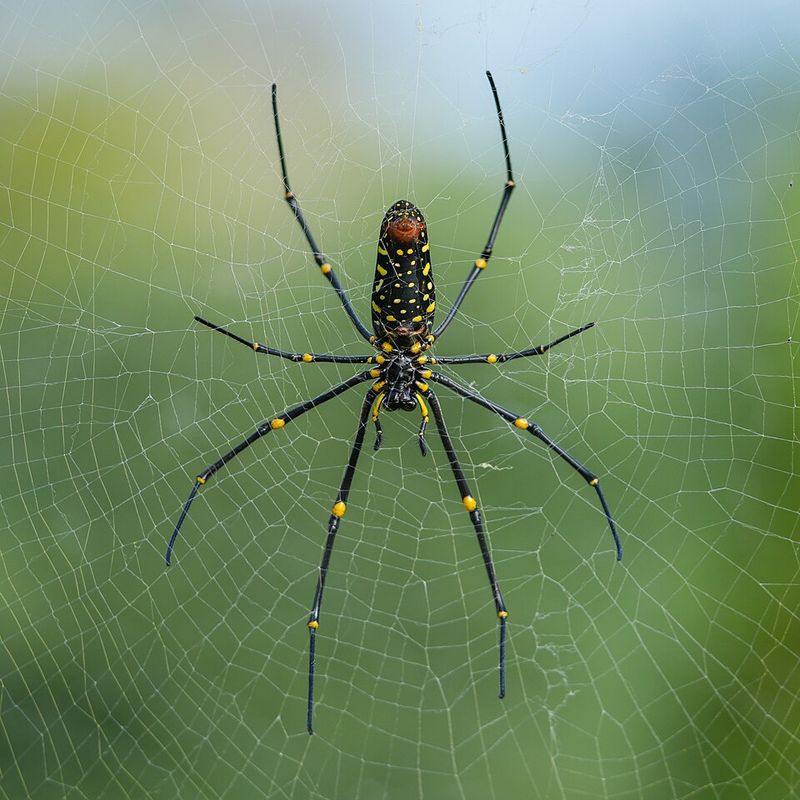
Picture a homeowner who grabs a broom the first time he sees a large spider by his door. He swings hard, misses, and the spider drops onto his sleeve.
That kind of panic is a common mistake for many people. Swatting or spraying usually creates more stress than the spider ever caused.
Bug sprays meant for spiders can harm bees, butterflies, and other helpful insects. They also leave chemicals on plants where kids and pets play.
Knocking down the web does not send the spider packing either. It often rebuilds in the same spot that very night.
Some folks also mix up orb-weavers with dangerous spiders. Brown recluses and black widows look very different and hide in dark corners, not open air.
Getting upset over a low-risk garden helper costs time and money. It can also mean losing free pest control for the rest of the season.
Another slip is walking the same route each morning without looking up. Orb-weavers love open gaps, like the space between your car and the fence.
A smarter habit is scanning paths as you step outside. Carrying a stick or flashlight at dusk helps you spot silk before your face does.
Once he learns the lesson, he greets the spider every morning. He might even name her Doris, which would suit a porch guard.
Calm beats chaos when it comes to these eight-legged neighbors. A little patience saves your plants, your wallet, and your pride.
Gentle Relocation For Webs In The Wrong Spot
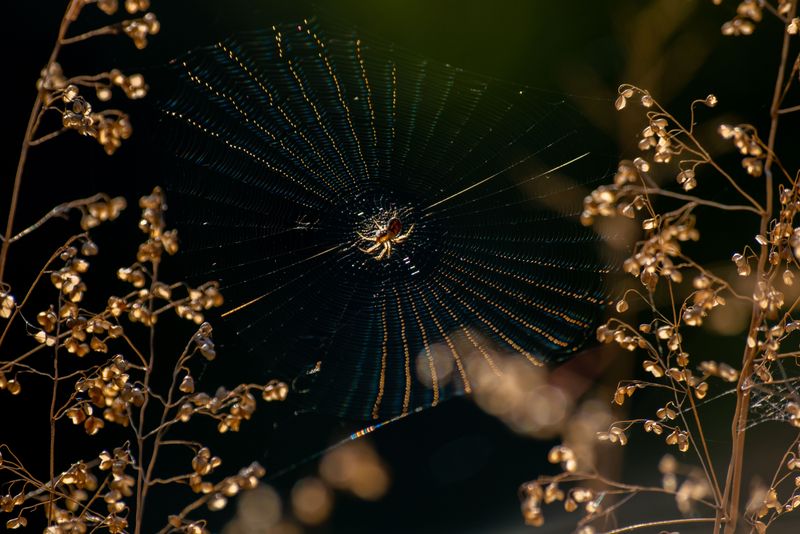
Sometimes a spider picks a truly awkward address. Right across your front steps or garage door is not ideal for anyone.
You can move it without harm using a long stick or broom handle. Slide the tool under the spider until it grabs on.
Walk slowly to a nearby shrub, tree, or fence line away from foot traffic. Let the spider climb off, and it will usually settle there.
Another method uses a large plastic cup and a piece of stiff paper. Scoop gently, cover the top, and carry it to a quiet corner.
Gloves are a smart choice if you feel nervous. They give you confidence, and the spider will not notice the difference.
Try moving spiders in the evening or early morning. Many orb-weavers rebuild around then, so they settle into their new spot faster.
If a web is out of the way, consider leaving it alone. A web near a light can catch many moths and small flies nightly.
Some families mark busy webs with a bright ribbon or garden stake. That simple warning keeps kids and guests from walking into them.
Outdoor lights attract bugs, which pull spiders toward doors and windows. Switching to yellow bug bulbs can draw fewer insects and fewer webs.
With a few easy moves, you and your spider can share the yard peacefully. Everyone keeps their space, and nobody needs to panic.
What Orb-Weavers Eat, And Why It Helps
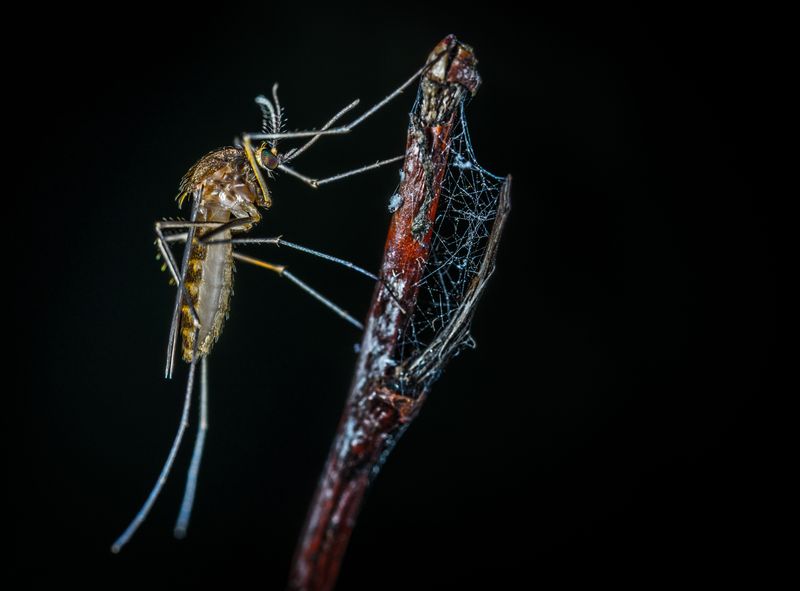
Count the bugs in one orb-weaver web at sunset. You might find mosquitoes, gnats, flies, moths, and even a stink bug or two.
Some gardeners who leave the webs report noticing a difference. They describe calmer evenings outside and fewer flying pests around the plants.
One large spider can catch several insects each day. Across a whole yard, that can add up to many pests over a season.
Orb-weavers mostly catch flying insects, so ground dwellers like ladybugs are less affected. Their webs can also catch some bees and butterflies too.
Birds benefit too, since spiders are a snack for wrens and chickadees. Spiders are one link in the wildlife food web.
Kids can learn a lot from watching a web up close. They see geometry, patience, and hunting skills all in one spot.
Try a quick morning challenge with your family. Mist a web lightly with water and watch the pattern sparkle like glass beads.
Some Alabama gardeners now see these spiders as quiet helpers. Some even feel a little sad when the first frost arrives.
The calm look on a homeowner’s face makes more sense now. They know the creature on the porch provides pest control for free.
Fewer sprays and more birds make a strong case here. That golden web may be an effective predator in your yard.
Yard Habits That Keep Next Year Comfortable
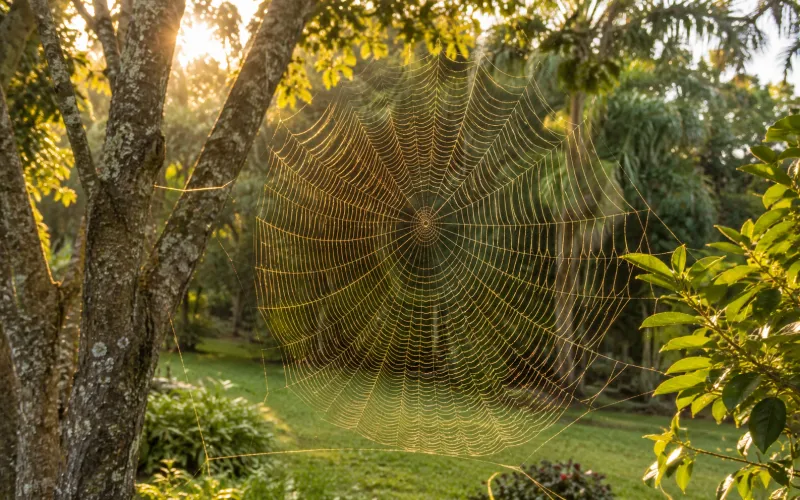
Planning ahead helps homeowners stay calm when webs appear. A few simple habits now can shape where webs show up next fall.
Trim shrubs and branches away from walkways and doors. Spiders love open gaps between plants, so give them spots farther from your path.
Check eaves, deck rails, and shutters for tan egg sacs this month. If one sits in a bad spot, move it to a distant bush.
Outdoor lighting matters more than most people think. Fewer bright white lights mean fewer bugs, which means fewer spiders settling nearby.
Keep a wild corner with native plants at the edge of your yard. Spiders may settle there instead, away from your daily routes.
Sweep porch ceilings once a week during summer. Early, small webs are easier to clear before spiders grow large and settled.
Talk with neighbors about skipping heavy pesticide sprays. A shared, balanced yard ecosystem keeps both pests and spiders at manageable levels.
Teach kids to look up as well as down when walking outside. That one habit prevents many surprise face-first web encounters.
A spider guide or phone app can help your family identify visitors. Knowing names makes them feel more like neighbors than intruders.
By next October, your yard can welcome these golden builders on your terms. You get the beauty and the bug control, minus the sticky surprise.