What To Do If You Spot A Yellow Jacket Nest In Your New York Yard This Fall
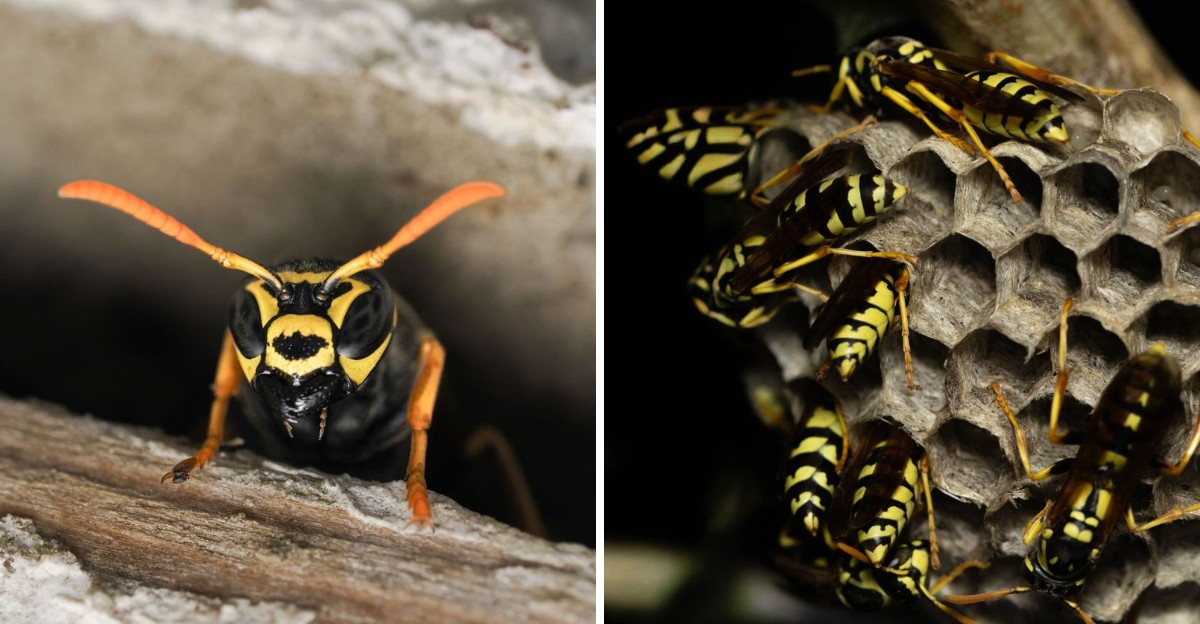
One buzzing hole in the lawn can turn a calm autumn afternoon into a sprint for the back door. Fall brings crisp air, crunchy leaves, and yellow jackets at their boldest.
By now, colonies can hold hundreds or even thousands of workers. As natural food runs low, these striped visitors start crashing picnics, trash cans, and apple trees.
Spotting a nest doesn’t mean you need to panic or grab the garden hose. A few smart moves can keep your family safe and your yard peaceful until cold weather arrives.
Here is what New York homeowners should know before taking action on a nest this season. The right call depends on where the nest sits and how many people pass by.
1. Mark The Spot And Keep Everyone Away
Picture a bright orange flag poking out of the grass like a tiny warning sign. Simple as it sounds, marking the nest is the smartest first move you can make.
Grab a garden stake, a small cone, or even a stick with ribbon tied on top. Place it several feet from the opening so you avoid stepping too close.
Distance matters more than most people think. Yellow jackets defend their homes fiercely, and one wrong step can bring out a crowd.
Talk with everyone in your household about the marked area right away. Kids especially need a clear, friendly reminder that the flag means stay back.
Pets deserve extra attention, too. Dogs love sniffing holes, and a curious nose can lead to several painful stings in seconds.
Consider keeping your dog on a leash in the yard for a while. A short walk around the marked zone beats an emergency trip to the vet.
Visitors may not notice your flag at first. Mention the nest to neighbors, delivery drivers, or friends who cut across your lawn often.
Here is some good news for busy homeowners. If the nest sits in a quiet corner you rarely use, removal may not be needed right away.
Plenty of families simply mark the spot and let the season run its course. Watching from a safe distance often works better than rushing into a risky fix.
Snap a quick photo of the area for your records. It helps if you later decide to call a professional for advice.
2. Look For Steady Traffic Into A Ground Hole
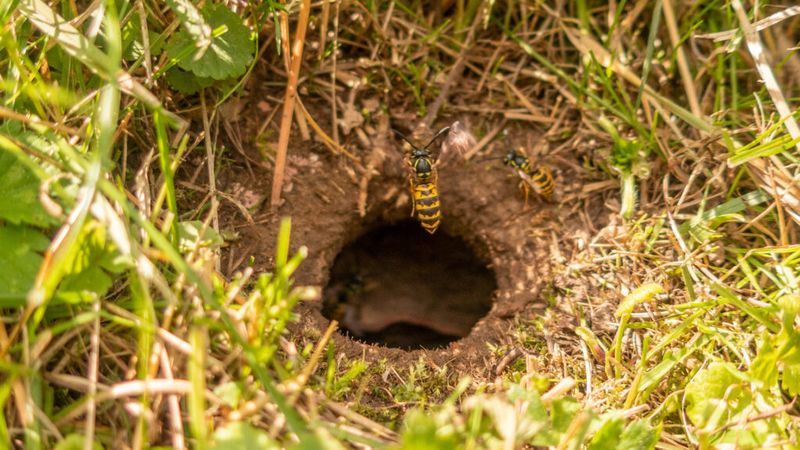
Ever notice bugs zipping in and out of the same tiny hole like cars at a busy toll booth? Odds are good you just found a yellow jacket nest.
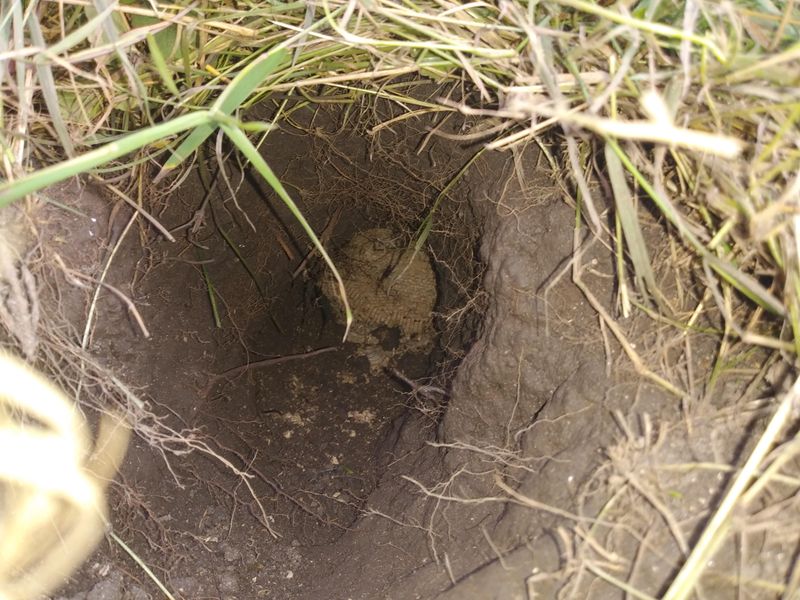
Many yellow jacket species build their homes underground. They often move into old rodent burrows, cracks along sidewalks, or gaps under steps and sheds.
Spotting the entrance takes a little patience. Watch for a steady, two-way stream of insects flying straight in and straight out.
Their flight path tends to be direct and repeated. Once you see that pattern, you have found the clearest sign of a nest opening.
Timing helps a lot with this detective work. Activity usually peaks between about 10 a.m. and 4 p.m., once the day warms up.
Your New York Garden Changes Every Week. Your Plan Should Too.
Gardening in New York changes quickly throughout the season. Every Friday you’ll receive a simple weekly plan showing exactly what to plant, prune, fertilize, harvest, and protect so you never miss the right timing.
Cool mornings can make the hole look quiet. Check again after lunch, and you may see a surprising amount of traffic.
Stand well back while you observe. A spot at least ten to fifteen feet away gives you a decent view without crowding the colony.
Watch your footing as you move around. Vibrations from heavy footsteps travel through the soil and can stir up the insects below.
Fun fact for curious readers: underground nests can be much bigger than the tiny opening suggests. Some stretch out like paper apartment buildings hidden beneath the grass.
Binoculars make a handy tool for this job. They let you confirm what you are seeing while keeping plenty of space between you and the stingers.
3. Some Nests Hide In Walls Or Hollow Logs
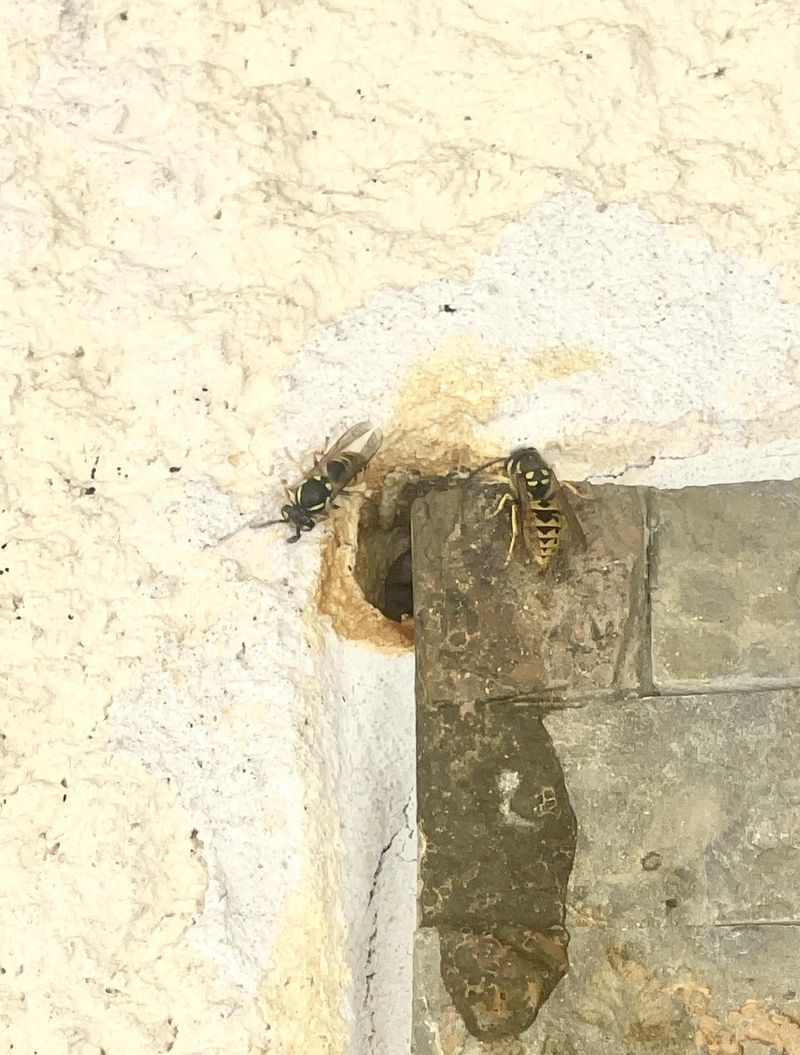
Not every nest sits out in the open where you can easily spot it. Yellow jackets are sneaky builders, and they love tucked-away corners.
Common hiding spots include bushes, low tree branches, and hollow logs. Fence posts, attics, and building corners also make cozy homes for a growing colony.
Wall voids deserve special attention. Insects slip through small gaps in siding or trim, then build a paper nest inside the hollow space.
Listen closely near exterior walls on warm days. A faint buzzing or scratching sound can hint that something is happening behind the boards.
Watch for insects crawling into cracks around windows, vents, or rooflines. A steady stream at one small gap is a strong clue.
Here is a warning sign many homeowners miss. A faint buzz, insects entering a crack, or unexplained insect activity indoors can point to a hidden nest inside the wall.
Colonies inside walls can chew through drywall in some homes. When that happens, yellow jackets may suddenly show up in living rooms or bedrooms.
Outdoor woodpiles and old stumps can hide nests as well. Take a slow look before grabbing firewood or clearing brush this season.
Wear gloves and move carefully around stacked logs. A quick peek from a few feet away beats reaching blindly into a stinging surprise.
Write down any suspected spots you find. Sharing those details with a pest expert later can save time and lead to a safer solution.
4. Skip Mowing And Leaf Blowing Near The Nest
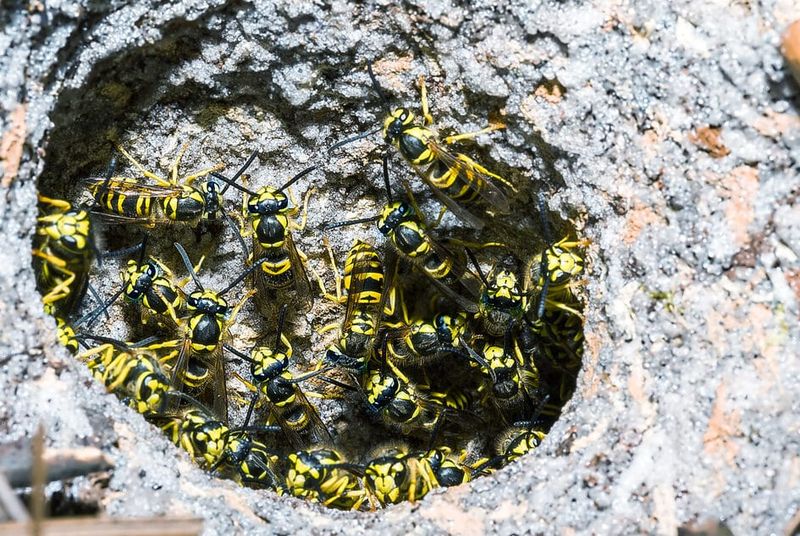
Few things wake up a yellow jacket colony faster than a roaring lawn mower. To them, that noise and shaking feel like an attack on their home.
Fall yard work brings plenty of tempting chores. Raking, mowing, and leaf blowing all seem harmless until a cloud of angry insects rises from the grass.
Mower blades and wheels send strong vibrations into the ground. Underground colonies sense that movement quickly and pour out ready to defend.
Leaf blowers create their own trouble. Blasting air across an entrance can scatter debris into the hole and push the colony into defense mode.
Leave a wide buffer around the marked nest. Ten feet or more gives you breathing room while still letting you tidy most of the yard.
A slightly shaggy patch of lawn will not hurt anyone. Your neighbors may notice, but tall grass looks far better than a swollen arm.
Consider trimming nearby edges by hand with long-handled shears if needed. Work slowly, move quietly, and stop if activity picks up.
String trimmers deserve the same caution as mowers. Their buzzing line can strike the entrance before you even notice it.
Plenty of homeowners simply pause yard work near the nest until a hard frost arrives. Leaves can wait a few weeks without causing real problems.
Let landscapers know about the nest before they start. A quick heads-up protects their crew and keeps your property calm.
5. Don’t Plug The Entrance
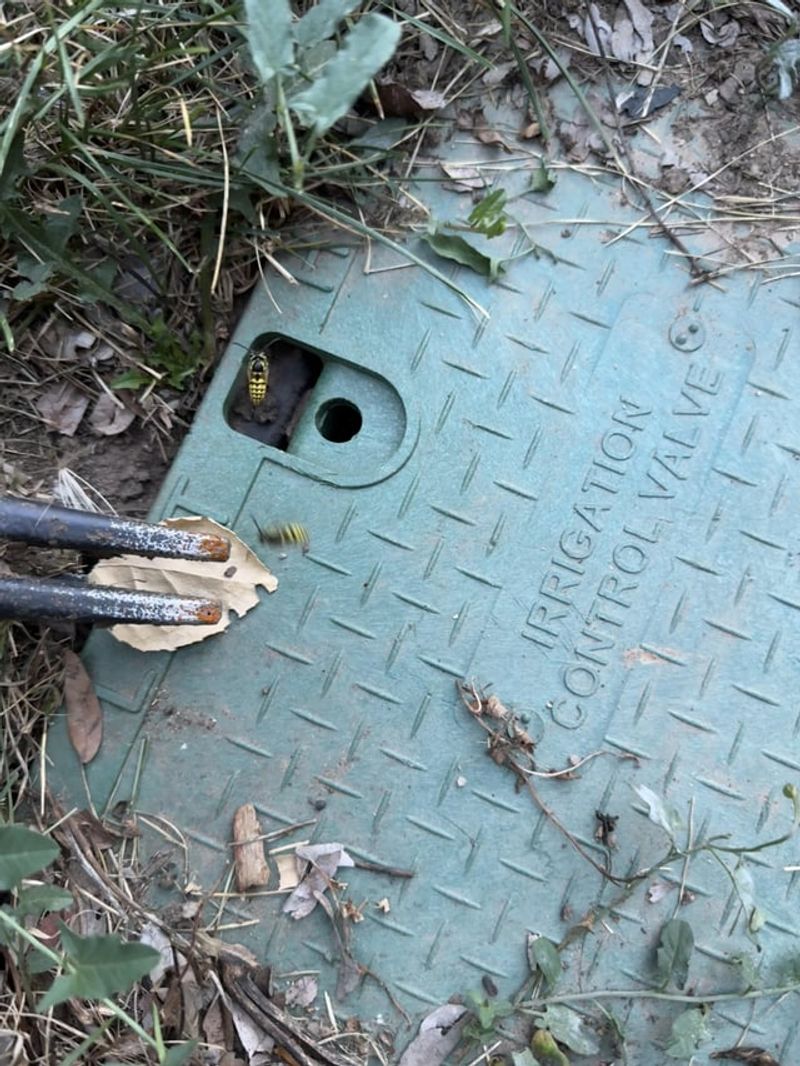
Shoving a rock over the hole might feel like a clever shortcut. Sadly, that quick fix usually creates a much bigger headache.
Trapped yellow jackets do not just give up and go quiet. Instead, they grow frantic and start looking hard for a new way out.
Underground colonies may dig a fresh exit a few feet away. Now you have a nest with a hidden doorway you cannot easily track.
Things get worse when the nest sits inside a wall. Blocked insects can chew through siding, drywall, or ceilings and pop out indoors.
Imagine dozens of upset yellow jackets crawling into your kitchen. That scary scene happens more often than you might expect after sealing a gap.
Caulk, foam, and duct tape all fall into the same trap. Filling the opening does not wipe out the colony living behind it.
Even after the insects eventually perish inside, problems can linger. Decaying nests can cause foul smells and attract beetles or other pests.
Pouring gasoline or other chemicals into the hole is another risky move. Those methods can harm soil, pets, and people while often failing to fix anything.
Patience works better here than force. Leave the entrance open, keep your distance, and choose a safer plan for dealing with the colony.
Once the nest is truly inactive after cold weather, sealing gaps makes sense. Wait until then, and your home will thank you.
6. Move Food, Drinks, And Trash Away From The Area
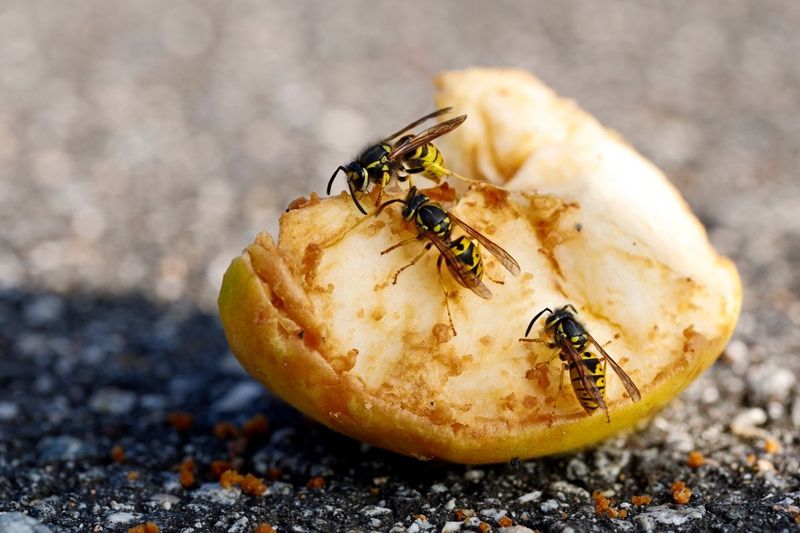
Sip a can of soda outside in October, and you might find a striped guest waiting at the rim. Fall yellow jackets have a serious sweet tooth.
Early in summer, workers hunt insects to feed growing young. By autumn, those duties slow down, and the colony craves sugar instead.
Ripe fruit, sweet drinks, and juicy meats all draw them in quickly. Open trash cans and pet food bowls act like neon signs for hungry workers.
Move picnic tables, grills, and snack areas far from the nest. Less food nearby means fewer insects buzzing around your patio.
Cover drinks with lids or use cups with straws. Taking a big gulp from a can could surprise you with a painful sting on the lip.
Trash and recycling bins need tight lids this time of year. Rinse soda cans and juice bottles before tossing them in the bin.
Apple trees deserve extra care in New York yards. Pick up fallen fruit often, since rotting apples attract crowds of feeding yellow jackets.
Bring pet bowls inside after meals. Leftover kibble or wet food can pull insects right up to your back steps.
Wipe up spills quickly on decks and outdoor tables. Even a few drops of lemonade can keep foragers circling for hours.
Small habits add up fast. A cleaner yard means calmer afternoons and fewer surprise encounters while the colony winds down.
7. A Hard Frost Ends The Colony Naturally
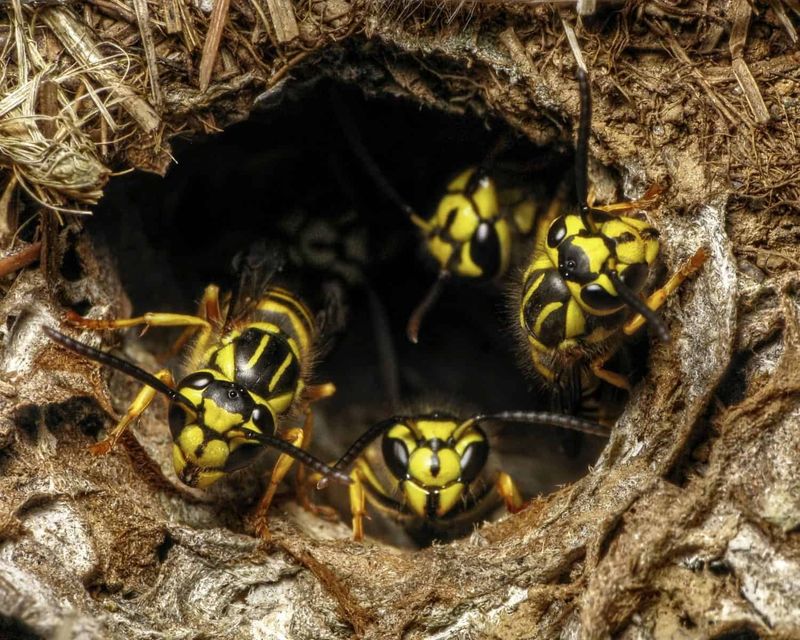
Nature has its own built-in pest control plan for yellow jackets. Cold weather arrives each year and quietly shuts down most colonies.
Most yellow jacket colonies are annual. Workers and the old queen fade away once temperatures drop and the first hard frost settles in.
Only newly mated queens make it through winter. They tuck themselves into hollow logs, stumps, or cracks in buildings to wait for spring.
Old nests usually stay empty after the season ends. Yellow jackets rarely reuse them, though a new queen might start a colony nearby.
Across much of upstate New York, hard frosts often show up by October. Downstate areas and New York City may stay mild into November.
Sheltered spots can stretch the season a bit. Nests near warm foundations or inside walls might stay active longer than ones in open lawns.
Keep an eye on the local forecast as fall moves along. A few nights below freezing usually signal the colony is near its end.
Wait a week or so after a hard frost before checking the spot. Quiet entrances with no traffic on warm afternoons are a good sign.
Here is a quirky fact for trivia lovers. Those papery nests are made from chewed wood fibers mixed with saliva, a lot like homemade paper.
Once the nest is quiet, you can safely fill ground holes or seal wall gaps. That simple step helps discourage new queens next year.
8. Call A Pro For Nests Near Doors Or Play Areas
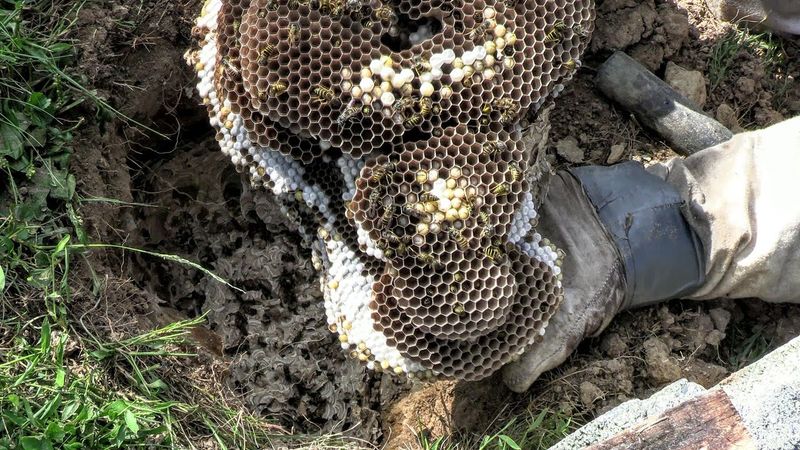
Some nests simply cannot wait for winter. A colony beside your front door or under the swing set needs attention fast.
High-traffic areas raise the risk of stings every single day. Kids running, doors slamming, and feet stomping can easily trigger the insects.
Professional pest control technicians know how to handle these tricky situations. They carry protective suits, special tools, and products most homeowners do not have.
Experts can also track down hidden nests inside walls or under decks. Finding the true center of a colony makes treatment much more effective.
Ask about experience with yellow jackets when calling companies. A good technician will explain the plan, safety steps, and any follow-up visits.
City residents have a few extra options. In New York City, contact the property manager or responsible agency about a nest in a schoolyard or public playground, especially if it creates a stinging hazard.
Fire escapes come with their own rules, too. A nest blocking a fire escape exit in NYC counts as a code violation and needs prompt action.
Renters should contact their landlord or building manager right away. Property owners often handle pest issues as part of their responsibilities.
Costs vary depending on nest size and location. Getting a few quotes helps you find fair pricing without sacrificing safety.
Peace of mind is worth a lot here. Letting a trained pro take care of a risky nest keeps your family focused on fall fun instead of first aid.
9. Use Labeled Products At Dusk If You Handle It Yourself
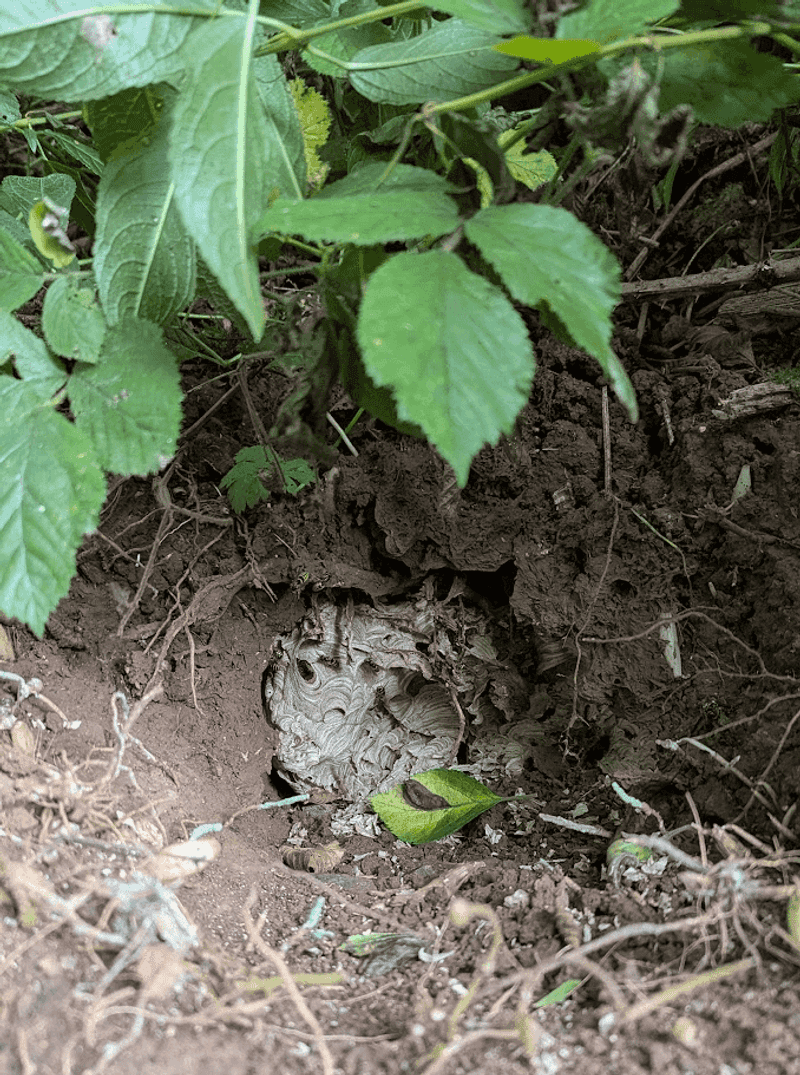
Brave do-it-yourselfers, this section is for you. Timing and preparation make the difference between success and a frantic dash across the lawn.
Dusk or nighttime offers the best window. Yellow jackets slow down after dark, and most of the colony stays tucked inside the nest.
Dress like you mean business. Wear long sleeves, long pants, gloves, and ideally a beekeeper’s veil to protect your face and neck.
Tuck pant legs into socks and sleeves into gloves. Small gaps give curious insects a way to sneak in and sting.
Use a red-tinted flashlight if you need light. Bright white beams can attract insects straight toward you and your face.
Choose aerosol sprays clearly labeled for wasps and hornets. Read every word of the label first, since directions and safety tips vary by product.
Aim the spray directly into the nest entrance for ground nests. Then step away quickly and give the colony time to settle down.
Wall nests call for a different approach. An insecticidal dust usually works better because it spreads through the hidden space where workers travel.
Many over-the-counter sprays only reach the insects you can see. The colony may then open new exits instead of fading out.
Check the spot again the next day from a safe distance. If traffic continues, a second treatment or professional help may be the wiser choice for your yard.
10. Watch For Allergic Reactions After A Sting
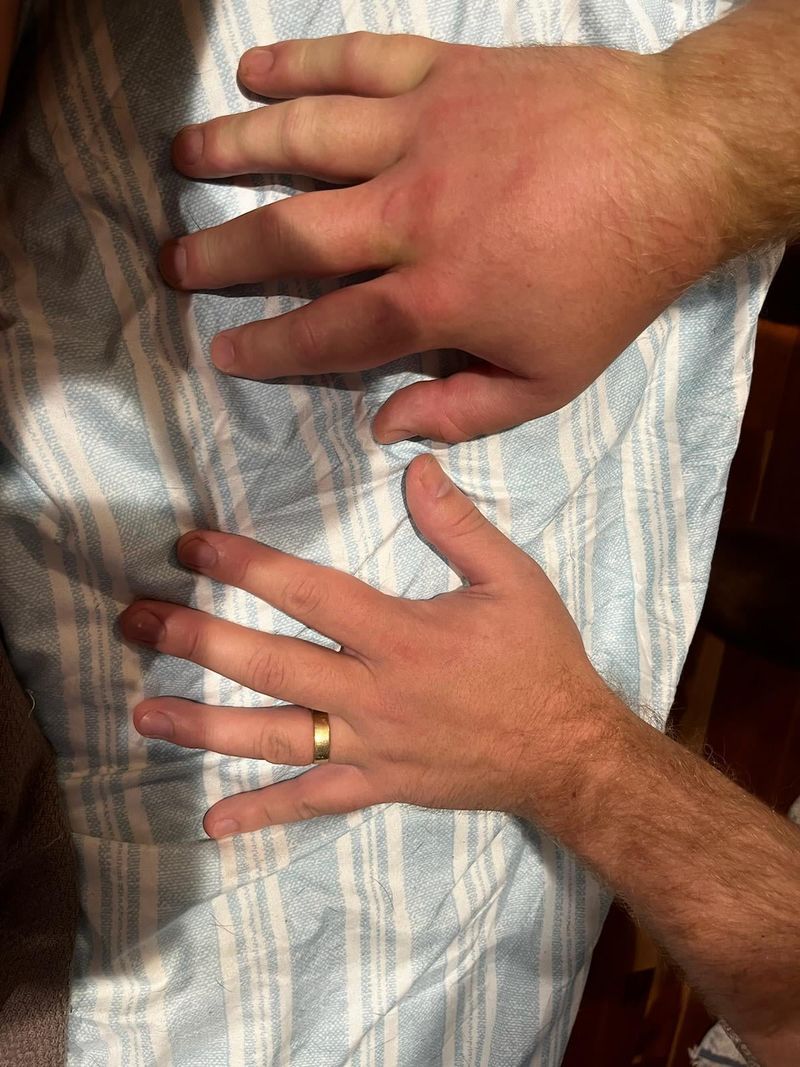
Even careful families get stung now and then. Knowing what comes next can turn a scary moment into a calm, quick response.
Yellow jackets can sting more than once, unlike honeybees. Each sting brings sharp pain, swelling, redness, and some itching for most people.
Mild reactions usually respond well to simple care. Wash the area with soap and water, then apply a cold pack for comfort.
Over-the-counter pain relievers or antihistamines may help with discomfort. Ask a pharmacist if you are unsure which option fits your family.
Severe reactions are a different story. Anaphylaxis is a serious allergic response that needs emergency care right away.
Warning signs include wheezing, coughing, or trouble breathing and swallowing. A tight throat, hives across the body, or swelling of the face also signal danger.
Other symptoms can show up, too. Dizziness, fainting, sweating, nausea, vomiting, or sudden anxiety all deserve fast attention.
Call 911 immediately if any of these signs appear. Use an epinephrine auto-injector, like an EpiPen, if one is available.
Allergies can sneak up over time. Reactions may grow stronger with each new sting, even when earlier stings seemed mild.
Talk with your doctor if anyone in your home has had a strong reaction before. Keeping prescribed medicine handy makes fall days much safer for everyone.