Ringtails May Eat Some Pests, but They Aren’t Home Pest Control
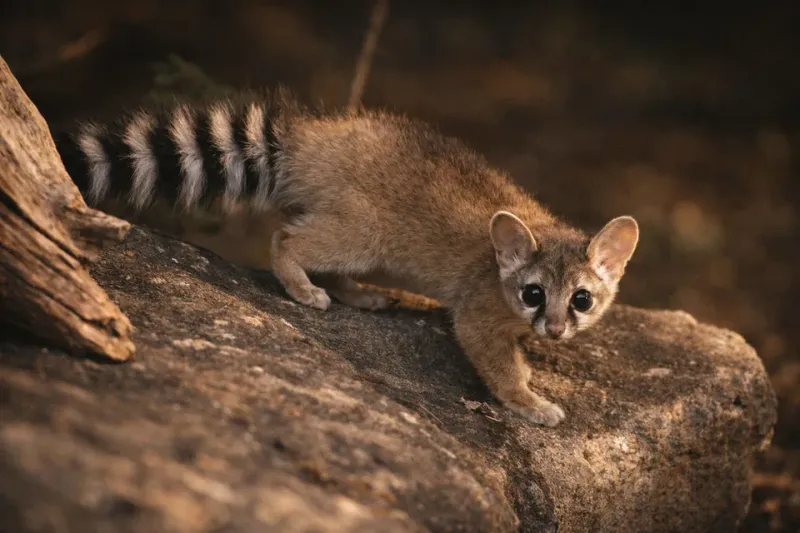
Maybe you caught a flash of a banded tail on the back wall one night. That slim, big-eyed animal is a ringtail, and it lives all over Arizona.
Because it hunts at night and eats many kinds of food, people wonder if it helps with scorpions and mice. Here is what a ringtail is, what it may eat, and how to share space with it safely.
A ringtail is not a cat
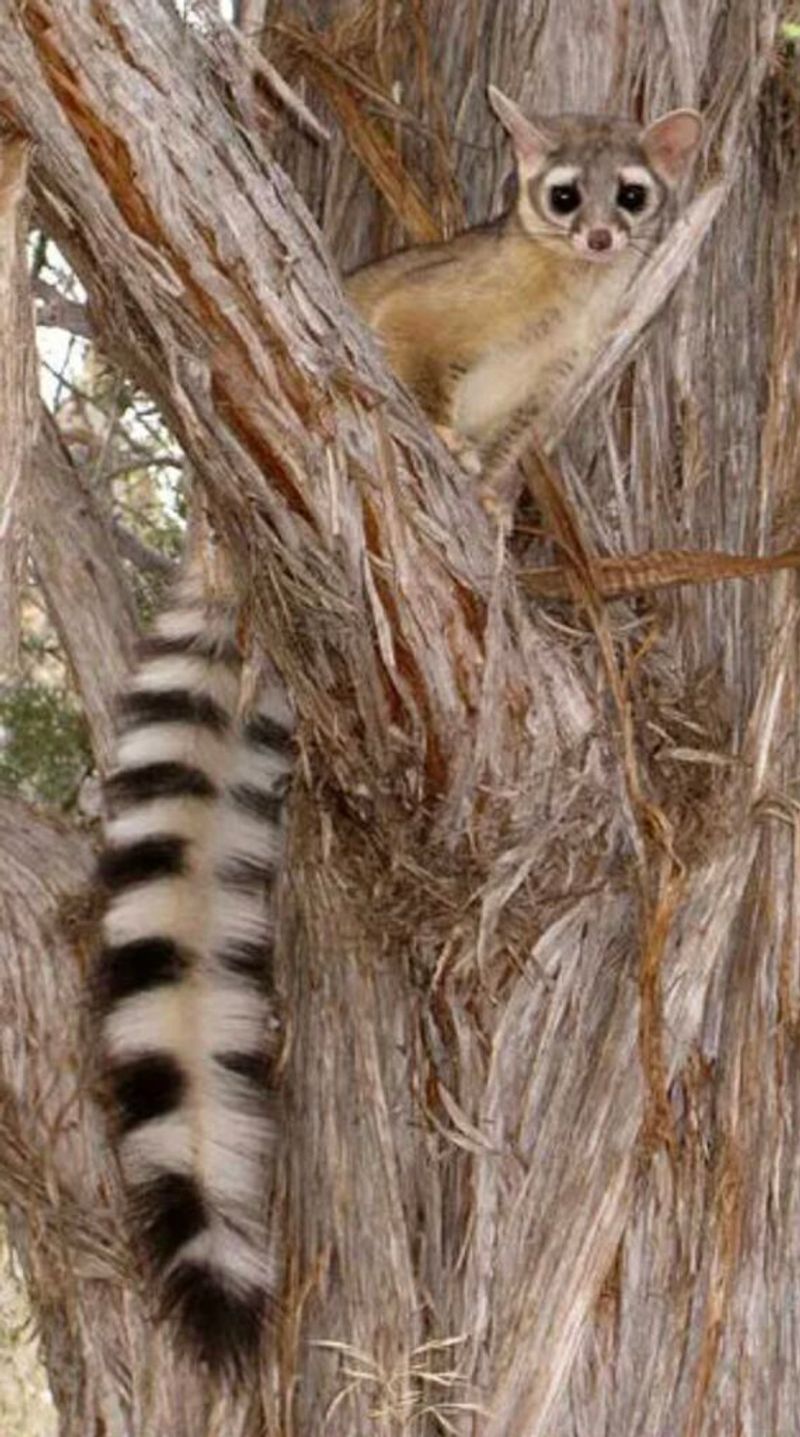
Despite the nickname “ringtail cat,” this animal is not a cat at all. It belongs to the raccoon family, which explains the striped tail and the masked, curious face.
The nickname is just a habit of speech, and it says nothing about the animal being tame or friendly.
According to Arizona Game and Fish, ringtails are mostly nocturnal. They spend the day tucked away and become active after dark, which is why most people never see one.
If you do spot a ringtail, it is likely during a late evening walk or from a window with a porch light on.
Treat it the way you would any wild animal. Enjoy the sight from a distance, keep pets and kids back, and never try to pet, feed, or handle it.
A ringtail is a wild neighbor, and it does best when left to go about its night.
Its nighttime menu is varied
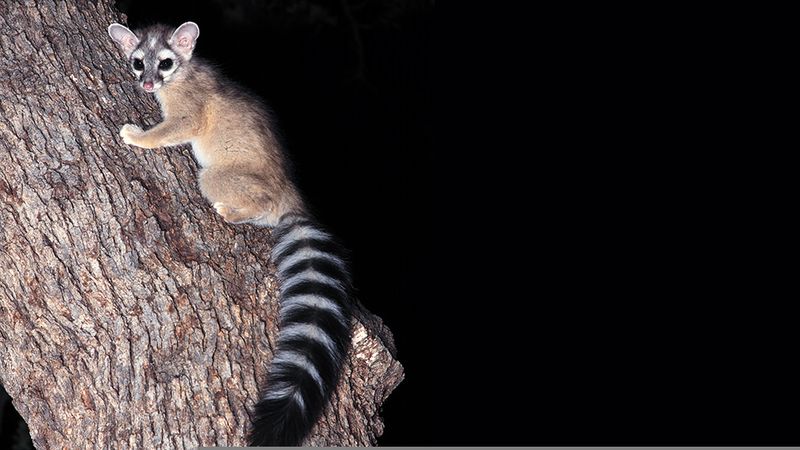
Ringtails are omnivores, so their menu runs from plants to prey. Arizona Game and Fish lists insects, small mammals, reptiles, birds, fruit, and carrion among the foods they eat.
That is a wide range for an animal about the size of a small house cat.
Foraging happens mainly at night. University of Arizona Cooperative Extension describes them hunting rodents and other small animals, along with invertebrates and fruit.
Because the menu is so mixed, a ringtail may take some animals that homeowners consider pests, like a beetle or a mouse. But it is just as likely to be eating wild fruit or other natural food.
Think of it as an opportunist that eats what it finds, not an animal that goes looking for the critters bugging you.
Scorpions are possible prey, not a promise
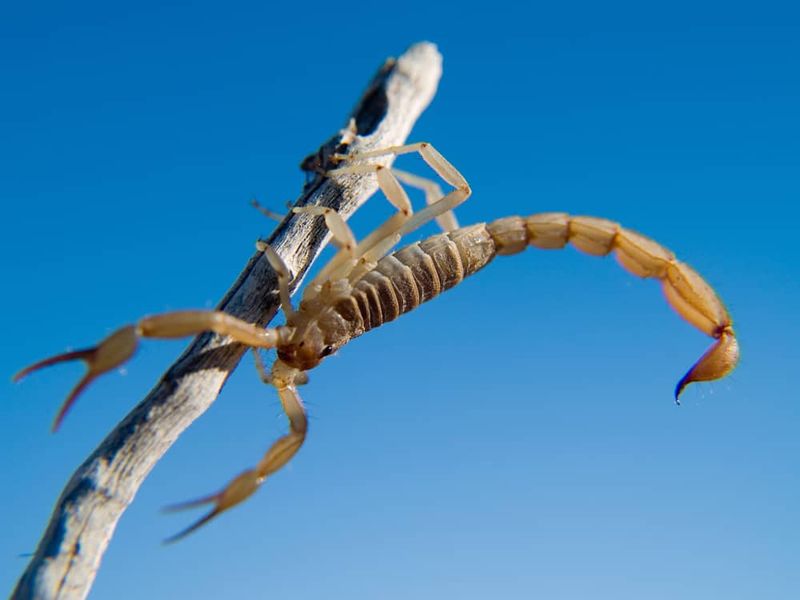
Scorpions do show up in the ringtail’s documented diet. San Diego Zoo lists them alongside insects and rodents as food the species eats.
So the idea has a real basis.
Still, that is a fact about the species as a whole. It tells us what ringtails can eat, not what one animal does in your particular yard.
Nothing here shows that ringtails regularly eat scorpions in Phoenix or Tucson neighborhoods, or that they go after Arizona bark scorpions.
A practical example: if you see a ringtail by your patio and later find fewer scorpions, the two may be unrelated. Scorpion numbers change with weather, moisture, and how easily they can get inside.
Seeing the animal does not tell you what it ate that night.
A yard visit does not prove pest control
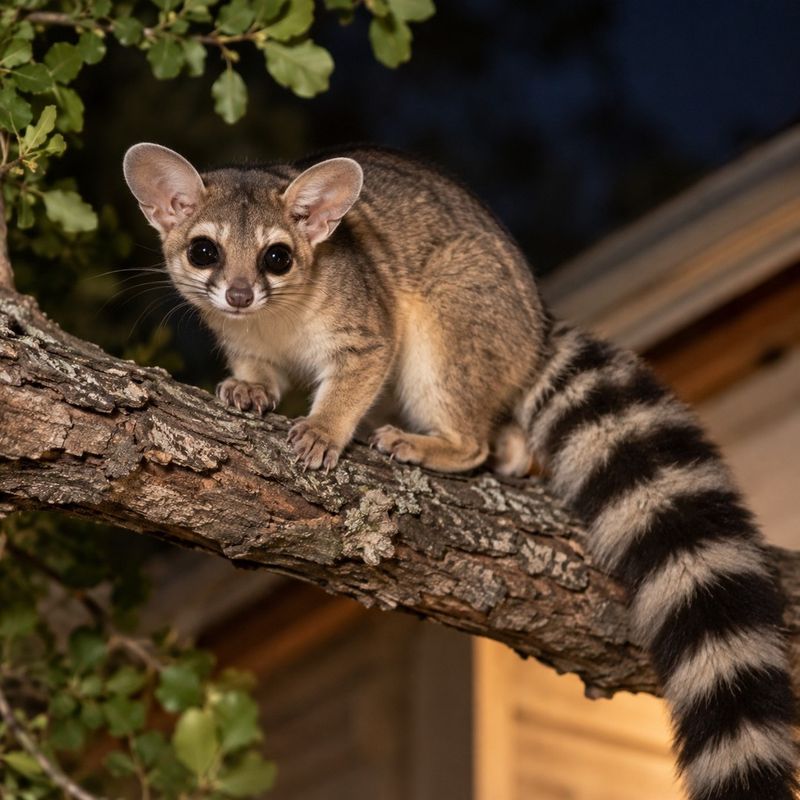
A ringtail may eat some unwanted animals, but nothing reviewed shows that one reduces pest numbers around an Arizona home. Passing through a yard is not the same as clearing it of mice, insects, or scorpions.
Your Arizona Garden Changes Every Week. Your Plan Should Too.
Gardening in Arizona changes quickly throughout the season. Every Friday you’ll receive a simple weekly plan showing exactly what to plant, prune, fertilize, harvest, and protect so you never miss the right timing.
A recent Grand Canyon study looked at ringtails living in a village and compared them with ringtails in nearby natural areas. You can read the research summary for details.
The two diet methods did not line up perfectly: dissecting scat turned up human-associated material, while DNA results showed similar natural foods in both groups and little sign of human foods.
That mixed result is interesting, but it says nothing about pests falling in number. It also comes from a canyon setting, not low-desert yards.
For pest worries at home, sealing gaps and reducing moisture will do far more than hoping for a visitor.
Buildings can offer shelter near people
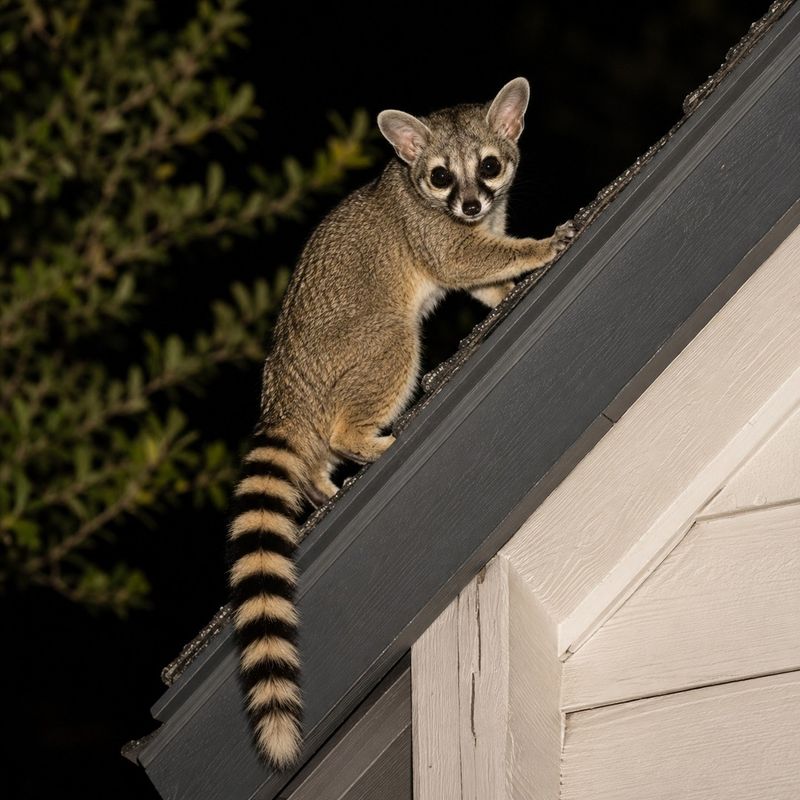
Ringtails prefer rocky den sites, such as crevices and cliffs. Even so, University of Arizona Cooperative Extension notes they may use buildings, including unused structures and attics of occupied homes.
Where an animal sleeps is a separate question from what it eats. A ringtail denning in a shed or attic may hunt far from your house.
And one seen on your wall might simply be passing through, or it might settle in. You cannot tell which from a single sighting.
Clues of a den include scratching or movement in the attic at night, or droppings near an entry gap. If you suspect an animal is living in your structure, do not poke around or try to remove it.
A wildlife-control professional can confirm what is there and handle it safely.
Give the visitor space and remove attractants
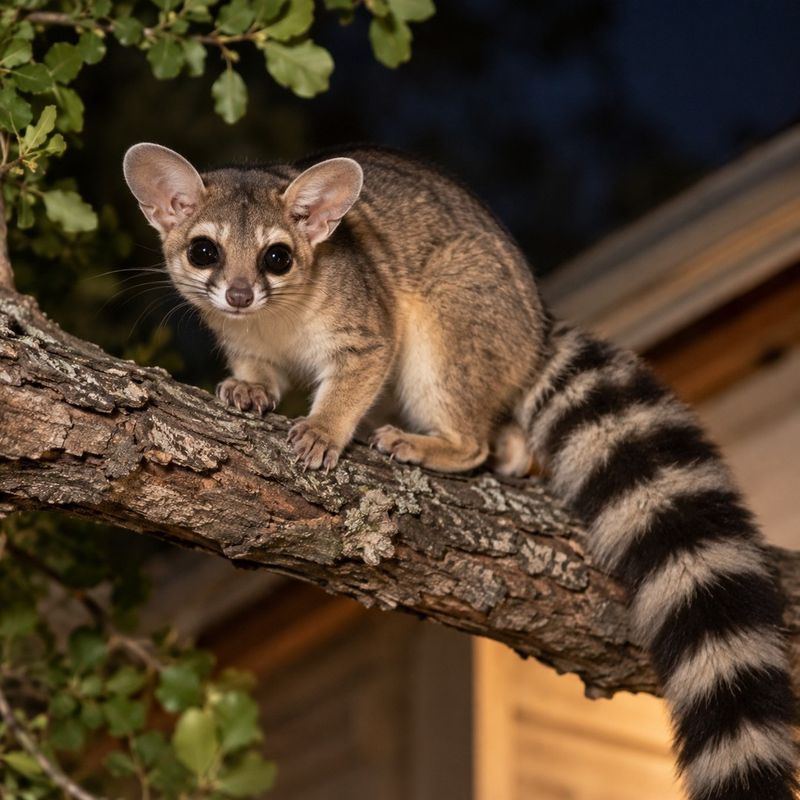
Coexisting starts with distance. Watch from a window or a few yards away, and do not feed or approach the animal.
Arizona Game and Fish advises securing pet food, water bowls, garbage, and other attractants so wildlife is not drawn in.
Easy steps: bring pet bowls inside at night, use lidded trash cans, pick up fallen fruit, and close gaps in sheds and attics. Never try to trap or relocate a ringtail yourself.
If an animal is causing trouble, call a qualified wildlife-control business. State guidance on living with wildlife also says not to approach or handle wildlife that looks sick or acts strangely.
A ringtail may snack on a few pests, but it keeps its own schedule. It is a neighbor to admire, not a service you can count on.