Why Your Ohio Christmas Cactus Goes Limp In Winter And How To Perk It Back Up
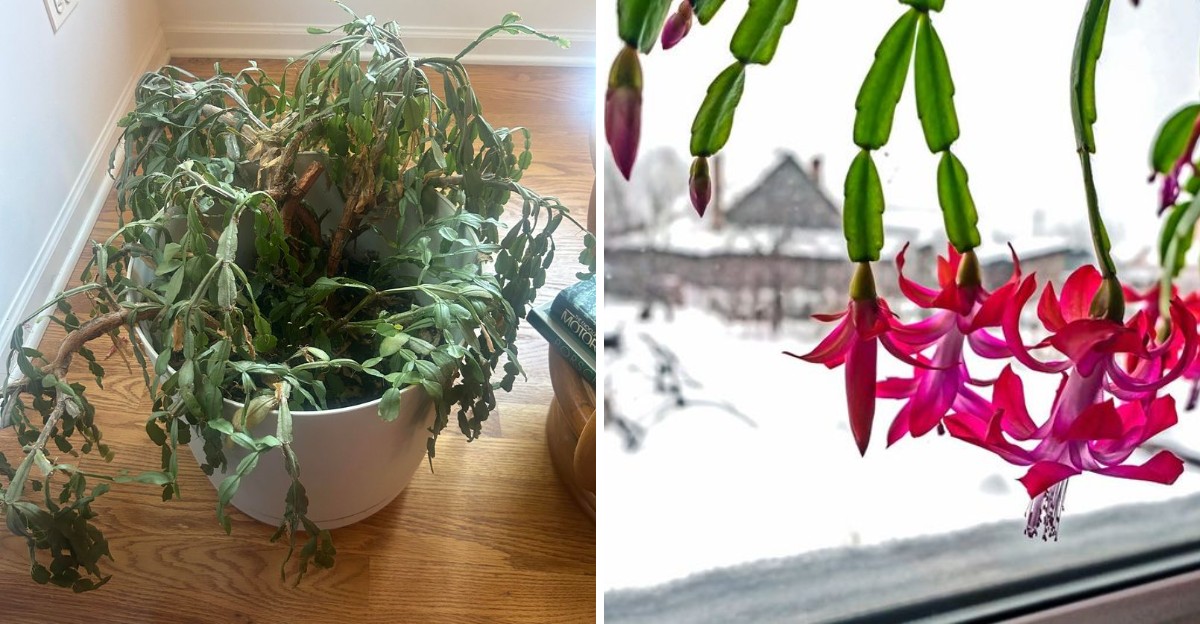
Winter settles over Ohio, the furnace roars to life, and the Christmas cactus that looked so perky in November now slumps like it pulled an all-nighter.
Limp segments don’t give a straight answer. A handful of different culprits cause the exact same sad look, and each one needs its own rescue.
Pick the wrong one and the plant sinks faster.
Most owners grab the watering can on instinct. Sometimes that works.
Sometimes it’s the worst move on the table.
One quick clue, hiding in a spot most people never examine, narrows the field in about a minute.
Learn what to look for before you touch that can.
1. Overwatering Can Quietly Rot The Roots
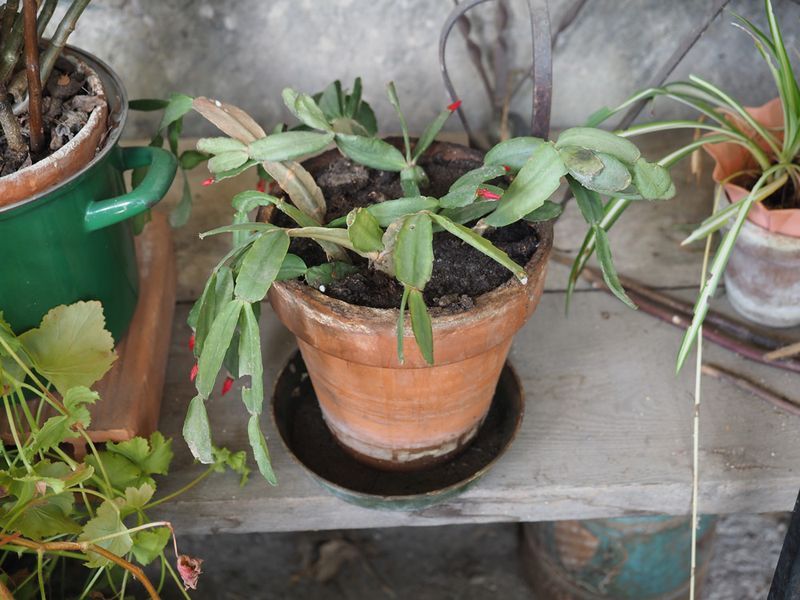
Love can drown a plant faster than neglect. Many caring owners water on a schedule, and the soil stays wet for days.
Christmas cacti are epiphytes. In the wild, they grow on tree branches and rocks where rain runs off quickly.
Their roots expect air between drinks, not a soggy bath. When soil stays wet, roots begin to rot and stop moving water up to the stems.
The result seems backward, but it is real. A soaked plant can look thirsty because its roots can no longer drink.
Watch for soft or mushy segments and yellowing pads. Black or reddish spots on stems are another warning sign.
Give the soil a sniff too. A musty, swampy smell often means water has been sitting too long.
Start by pausing all watering until the top of the mix dries out. Empty any saucer or decorative pot cover holding extra water.
If the soil stays wet for over a week, repot into fresh, fast-draining mix. Trim off any brown, squishy roots with clean scissors.
Going forward, water only when the top one to two inches feel dry. Pour slowly until water runs out the drainage holes, then let it drip.
A pot with holes matters a lot. Pretty containers without drainage tend to trap trouble at the bottom.
2. Bone-Dry Soil Leaves Segments Limp
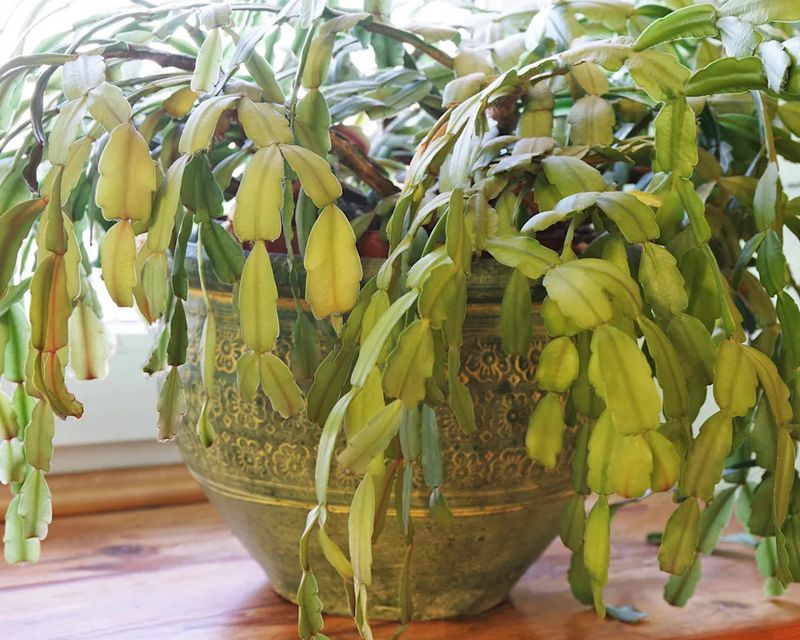
Forgot to water during the holiday rush? You are in good company, and your cactus will likely forgive you.
Even though it is called a cactus, this plant is not a desert dweller. It comes from rainforests in Brazil, so it likes regular sips.
When the mix goes dry for too long, the segments use up their stored water. They turn thin, wrinkly, and floppy, a bit like a raisin.
Here is a quick test. Press a finger into the soil, and if it feels dusty and the pot feels light as a feather, thirst is likely the issue.
Old soil that has dried hard can also shrink away from the pot sides. Water then rushes down the gaps without soaking in.
Bottom soaking fixes this nicely. Set the pot in a bowl of room-temperature water for about 20 to 30 minutes.
Let the mix pull water up slowly through the drainage holes. Afterward, lift the pot out and let all the extra drain away.
Your Ohio Garden Changes Every Week. Your Plan Should Too.
Gardening in Ohio changes quickly throughout the season. Every Friday you’ll receive a simple weekly plan showing exactly what to plant, prune, fertilize, harvest, and protect so you never miss the right timing.
Within a day or two, the segments often plump back up. Badly shriveled pads may take a week to recover.
To stay on track, check the soil every few days. A cheap moisture meter or a sticky note reminder on the fridge can help a lot.
3. Dry Furnace Air Stresses The Plant
Ever wake up in January with chapped lips and static hair? Your plant feels that same dryness when the furnace runs all day.
Christmas cacti grow best with humidity around 50 to 60 percent. That matches the misty forests where their family first grew.
A heated Ohio home in winter can drop to 20 or 30 percent. That is closer to desert air than jungle air.
In dry rooms, the plant loses water from its pads faster than the roots can replace it. Segments may go limp, and edges can turn crispy.
Flower buds may drop right before they open too. That is a heartbreaking sight in December.
Luckily, adding moisture to the air is simple. A small room humidifier gives the steadiest results.
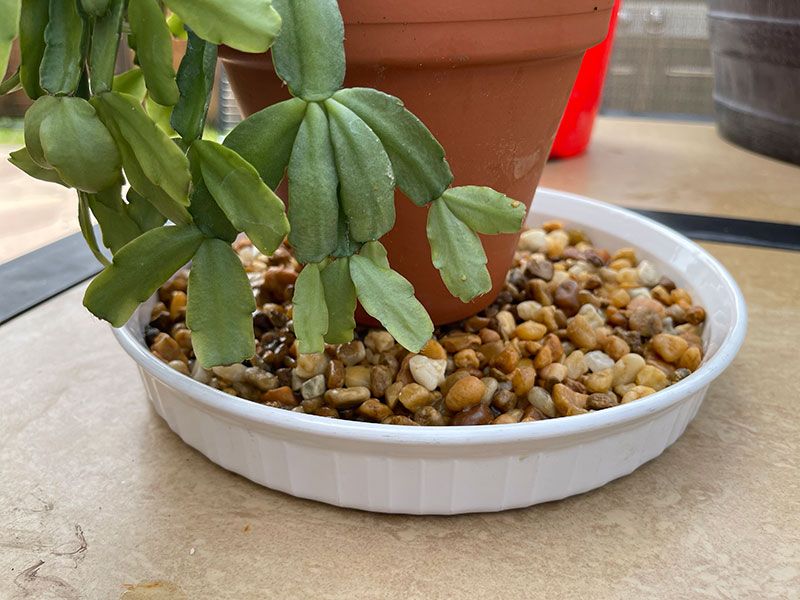
A pebble tray works well too. Fill a shallow dish with pebbles, add water just below the top, and set the pot on the stones.
As the water evaporates, it makes a tiny moist bubble around the leaves. Just keep the pot bottom out of the water.
Grouping plants together helps as well. Leaves release moisture, so a cluster of houseplants shares a more humid little neighborhood.
A cheap humidity gauge takes the guessing out. You can see exactly how dry your room really gets.
4. Short, Gray Ohio Days Mean Too Little Light
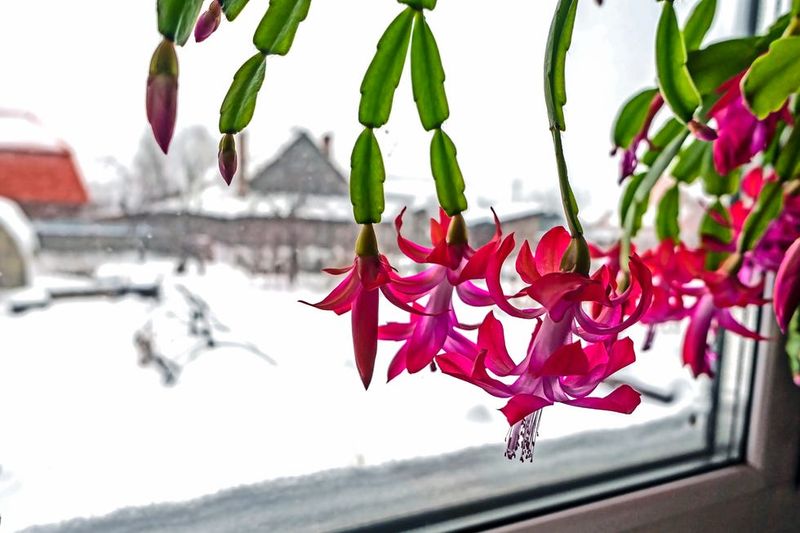
Ohio winters are famous for gray skies that linger for weeks. Some cities see the sun only a handful of times in a cloudy month.
Your Christmas cactus notices this, even if it sits indoors. Plants make food from light, and less light means less energy to stay firm and strong.
Weak light often shows up as stretched, floppy growth. Stems get long and thin, segments turn pale, and the plant may lean toward the window.
Fewer and smaller blooms can follow. A tired plant saves its energy instead of flowering.
Bright, indirect light is the sweet spot. An east-facing window gives soft morning sun that this plant enjoys.
A north window can work, though it may be dim during gloomy months. A south or west window is fine if a sheer curtain softens the strong afternoon rays.
When the sky stays stubbornly gray, a small LED grow light helps a lot. Place it about a foot above the plant and run it for several hours a day.
Keep in mind that this plant needs long nights in fall to set buds. Turn the light off in the evening so it still gets its dark rest.
Turning the pot every week or so keeps growth even. That way, every side gets a fair share of sunshine.
5. Cold Drafts And Heater Vents Shock The Plant
Imagine standing next to an open door in January, then stepping right over a blasting heater. That back-and-forth is rough, and your plant feels it too.
Christmas cacti like steady temperatures. Daytime warmth of 60 to 70 degrees Fahrenheit suits them, with nights a bit cooler around 55 to 65 degrees.
Trouble starts with sudden swings. A frosty windowpane, a drafty front door, or a heat vent can stress the plant fast.
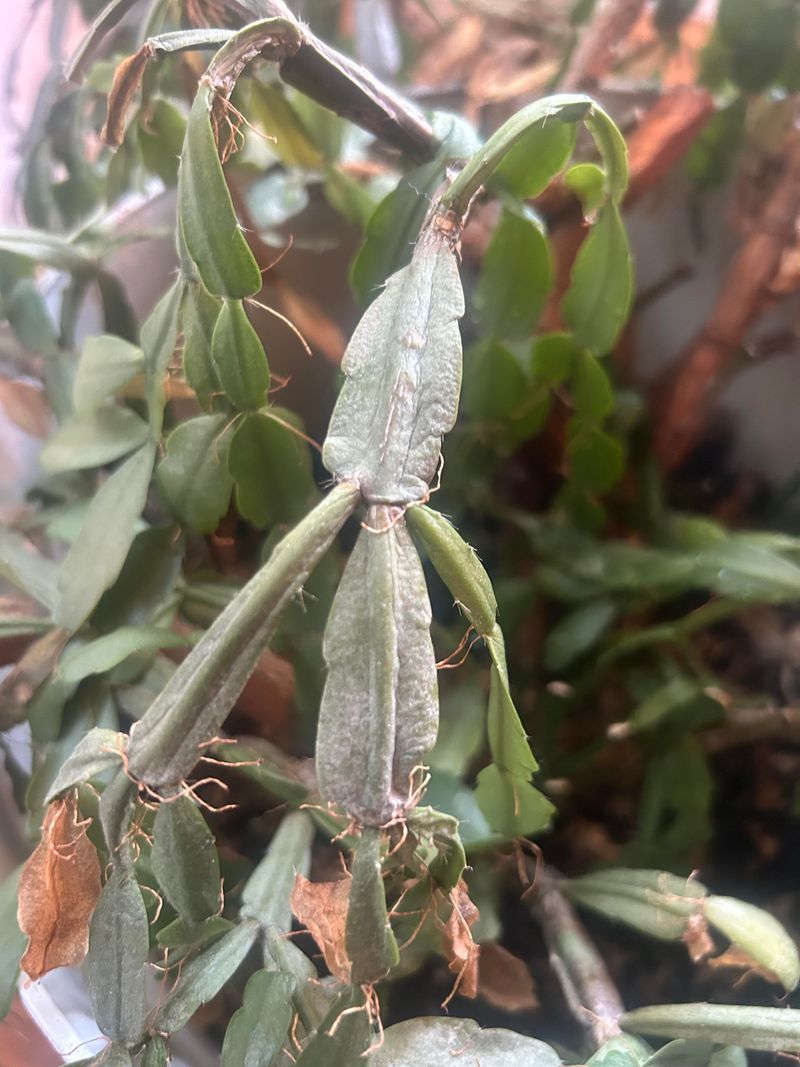
Stressed plants often show limp segments and dropped buds. If leaves touch an icy window, the tissue can turn mushy and dark where cells froze and burst.
Hot, blowing air dries the pads out quickly. That can leave them soft and wrinkled.
So find a calm spot. Keep the pot a few inches back from cold glass at night, and away from doors that open to the outdoors.
Check for vents and radiators nearby too. Even a small breeze of hot air can do harm over a few weeks.
A short cool spell of 50 to 55 degrees in fall helps buds form. Long cold stretches or quick changes are what cause the problems.
If cold damage happened, snip off the blackened segments at a joint. Healthy parts usually bounce back once the plant feels settled again.
6. A Crowded, Compacted Root Mass Can Cause Wilting
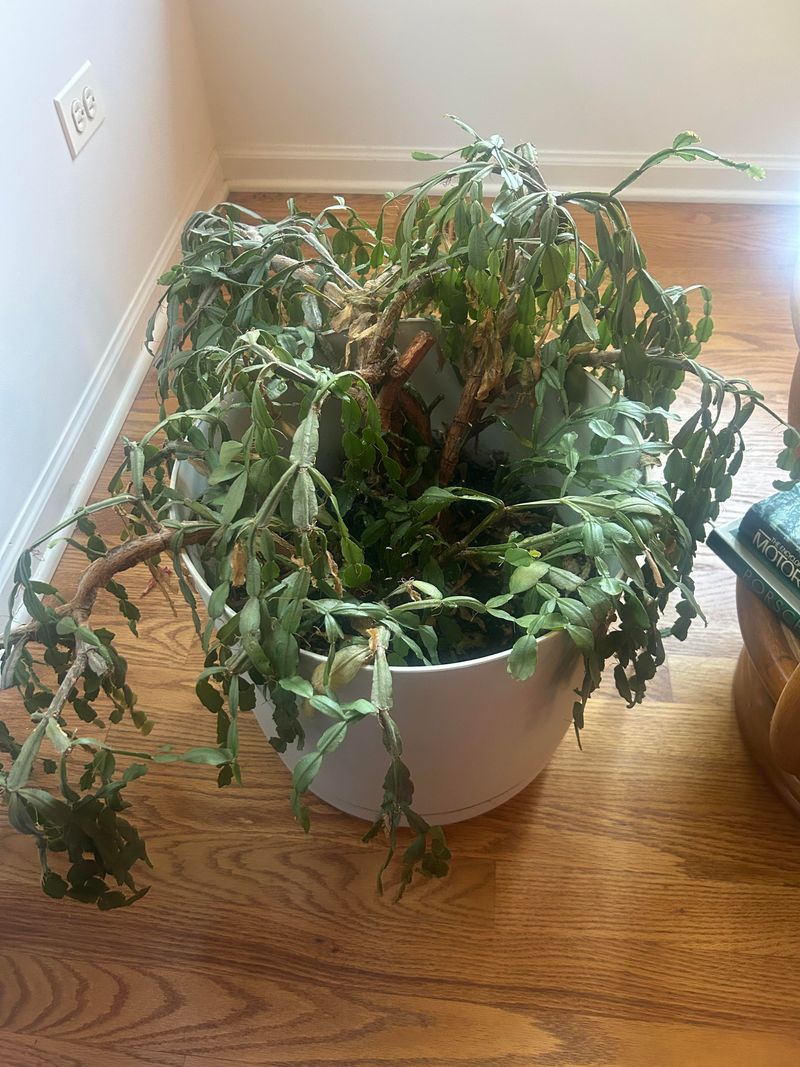
Think of wearing shoes two sizes too small all day. After a while, everything feels cramped and nothing works right.
Roots can feel the same way. Christmas cacti actually enjoy being a little snug in their pots, which helps them bloom.
Over many years, though, roots can fill every inch of space. They wrap around and around into a thick, tight mat.
At that point, there is barely any soil left to hold water. You water, and it rushes straight through, so the plant wilts even when you are careful.
Look for roots sneaking out of the drainage holes. Roots on the soil surface or a mix that dries out in a day or two are other clues.
Slow growth and fewer flowers can also hint at crowding. The plant simply has no room left to grow.
To help, slide the plant out of its pot. Gently tease apart the circling roots with your fingers.
Choose a new pot just one size bigger, about an inch or two wider. A huge pot holds too much wet soil, which brings back rot problems.
Fill in with fresh, airy mix and water lightly. Late winter or early spring, after blooming ends, is the best season for this job.
7. Worn-Out Potting Mix Needs Replacing Every Few Years
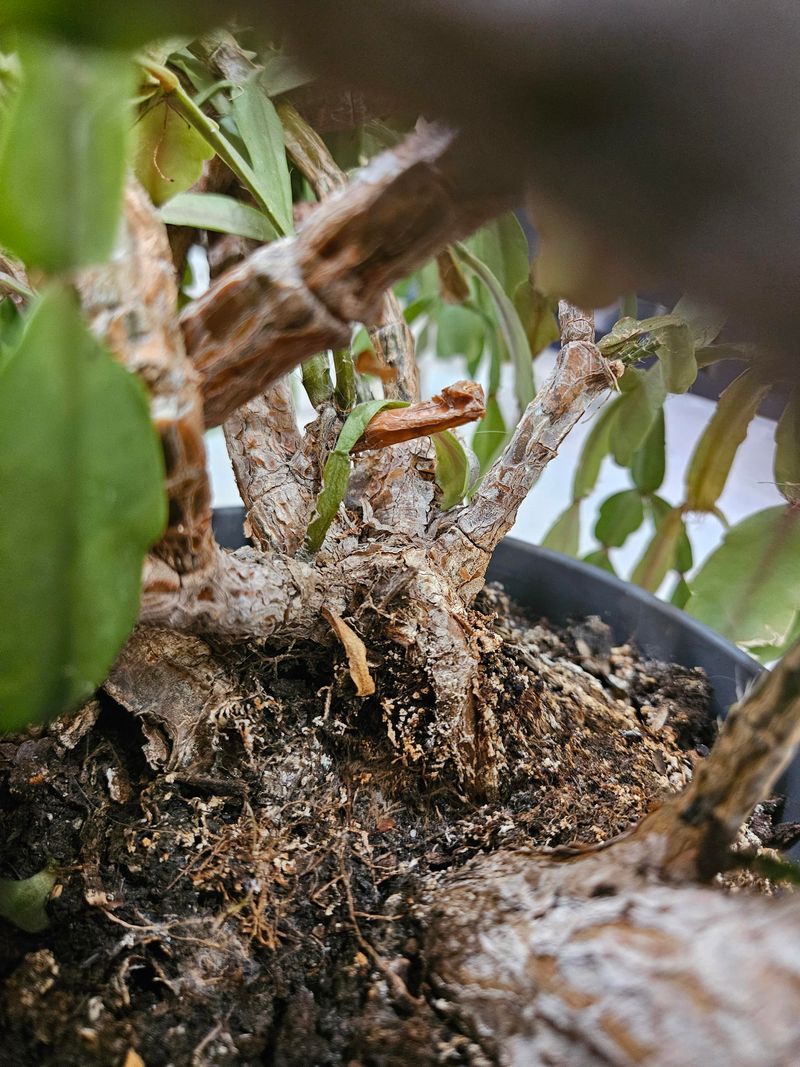
Potting soil does not last forever. Like bread left on the counter, it changes and breaks down over time.
Fresh mix is fluffy, with lots of tiny air pockets. After a few years of watering, the pieces break apart, settle, and pack down.
Compacted soil holds water like a sponge and squeezes out air. Roots struggle to breathe and drink, so the segments above may sag and lose their shine.
Old soil also runs low on nutrients. Your plant can look tired, grow slowly, and give you only a few blooms.
So how do you know? Soil that looks dark, dense, crusty, or sunken in the pot is a clear sign.
Another clue is time. If you cannot remember the last repotting, it has probably been too long.
Plan to refresh the mix every two to three years. Late winter or early spring, once flowers fade, works best.
Shake off as much old soil as you can without tearing roots. Then replant in a chunky blend made for cacti or succulents.
Many growers add extra perlite or orchid bark. It keeps the mix light and lets water drain well.
Here is a fun fact. Some families have kept the same Christmas cactus for over 50 years, thanks partly to fresh soil now and then.
8. Check The Roots For Dark, Mushy Rot
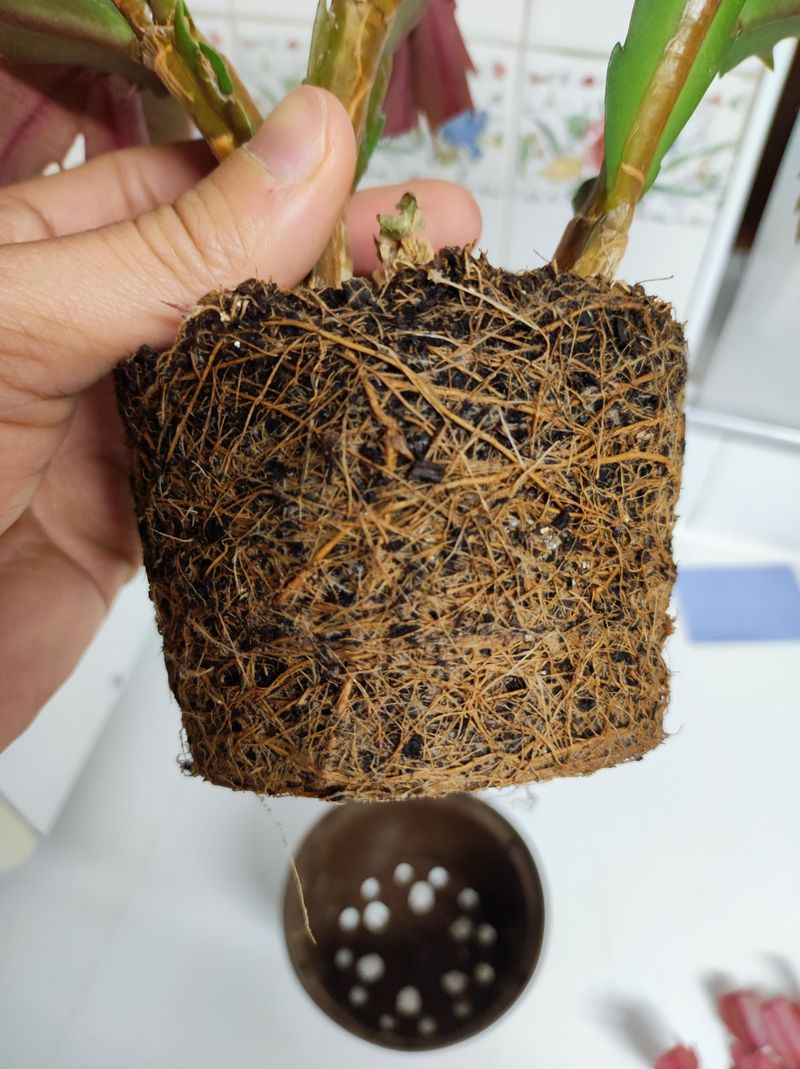
Sometimes the real story hides underground. When a plant looks limp and nothing else explains it, it is time to play detective with the roots.
Healthy roots are easy to spot. They feel firm and plump, look white or light tan, and smell like clean garden soil.
Rotting roots look very different. They turn brown or black, feel slimy or squishy, and may fall apart when touched.
Your nose helps here too. A sour or rotten smell coming from the pot is a strong hint that rot has moved in.
To check, tip the pot sideways and ease the plant out. Gently crumble away the soil so you can see the roots clearly.
Lay everything on a paper towel. Good light makes the colors easier to judge.
If you find rot, clean your scissors with rubbing alcohol first. Snip away every soft, dark root, cutting back to firm, pale tissue.
Let the trimmed roots air dry for a few hours. Then replant in fresh, dry mix in a clean pot with drainage holes.
Hold off on watering for several days. That gives the cut roots time to seal and heal.
If most of the roots are gone, do not lose hope. The next step offers a clever backup plan.
9. Start New Plants From Healthy Stem Pieces
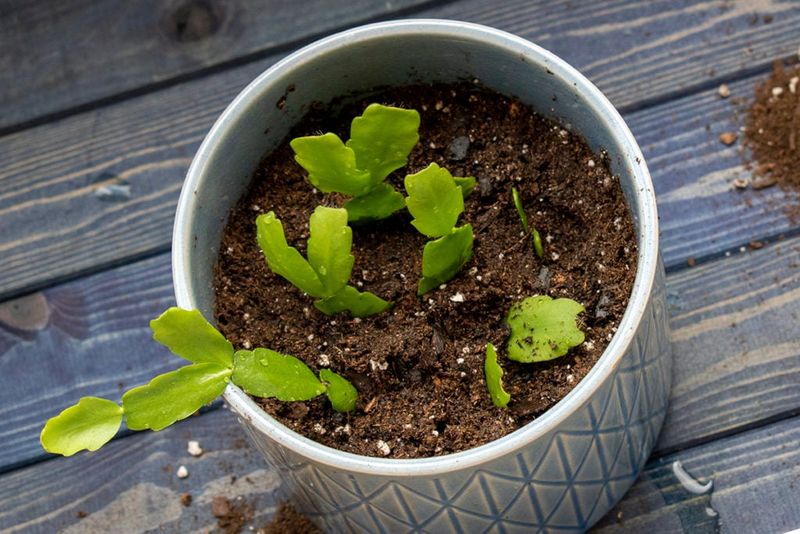
Here is a hopeful secret. Even a struggling Christmas cactus can live on through its own stem pieces.
Many families pass these plants down for generations by sharing cuttings. One grandmother’s plant can end up on a dozen windowsills across Ohio.
Pick firm, green sections with no soft or dark spots. Twist or snip off pieces that have two to five segments, breaking cleanly at a joint.
Next comes a simple but helpful step. Let the cut ends dry for a few hours up to two days so they form a callus, which helps block rot.
Push each callused end about an inch deep into a light rooting mix. Perlite, coarse sand, or succulent soil all work well.
Keep the mix lightly moist but not wet. Set the cuttings in bright, indirect light away from cold windows.
Roots usually appear within two to eight weeks. A soft tug that meets resistance means they are holding on.
Once roots reach about an inch long, move each young plant to its own small pot. Use regular cactus mix from there.
Late spring through early summer gives the best results. Plant several cuttings at once, since a few extras raise your odds of success.
Extra plants make sweet holiday gifts too. Your rescue mission could turn into presents for friends.