The Leaf Pile Many Alabama Gardeners Bag This Week Is Winter Housing For Butterflies And Moths
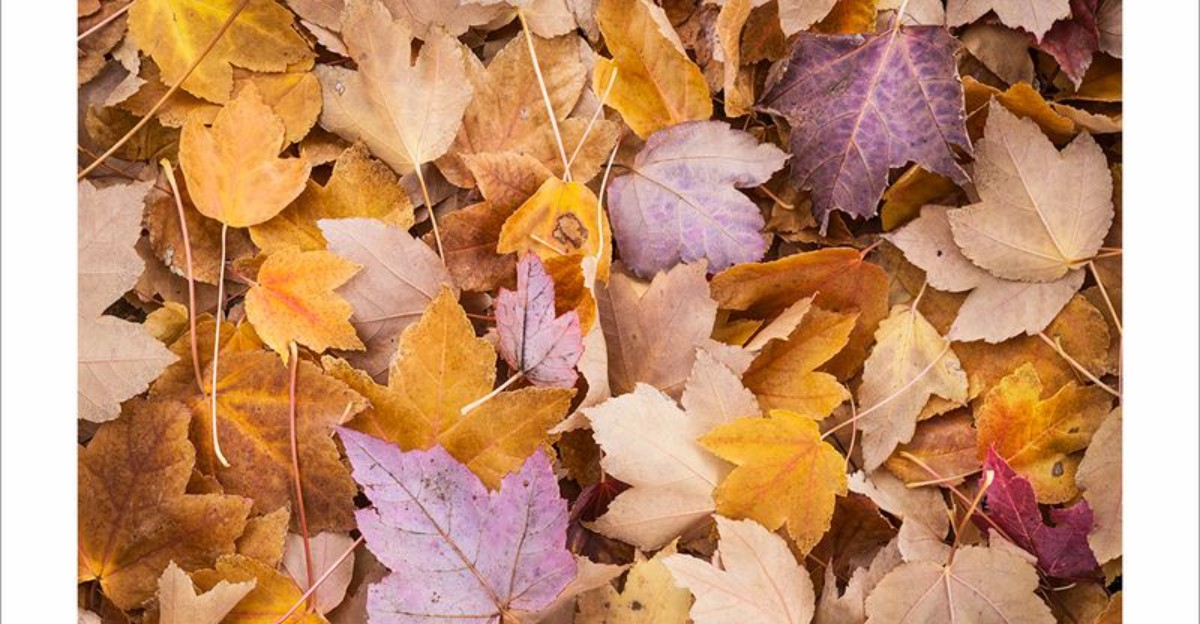
That bulging leaf bag at your curb might be hauling a living passenger. Luna moth cocoons hide inside fallen leaves, and you would bag them without noticing.
Queen bumblebees burrow beneath the litter you plan to haul away. Box turtles in your Alabama neighborhood wedge into leaf mounds and stay put until spring.
Firefly larvae wait in that soil, ready to light your June evenings. Spring peepers, toads, and salamanders also settle into piles you might dismiss as trash.
Dumping your bags at the landfill ends their season before it starts. Rake leaves into a loose heap behind a shed or fence instead.
Alabama cold snaps swing wildly, and you want those sleepers insulated. You gain richer soil as the heap softens into leaf mold over time. Tomorrow, peek inside and listen for rustling before you tie that bag shut.
A Cozy Shelter Hiding In Plain Sight
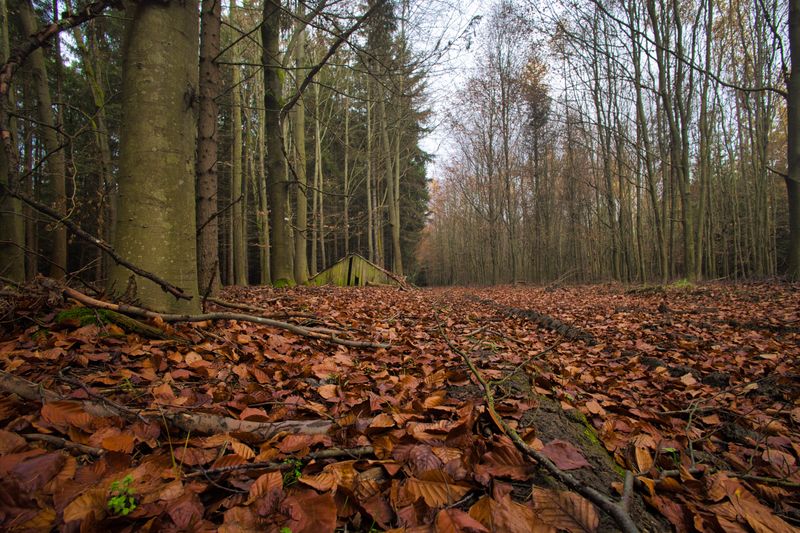
Think of that leaf pile as a small apartment building with plenty of tiny tenants. Many Alabama butterflies and moths spend winter inside fallen leaves instead of flying south like monarchs.
The famous woolly bear caterpillar curls into a fuzzy ball under oak and hickory leaves. In spring, it wakes up, spins a cocoon, and becomes the Isabella tiger moth.
Luna and polyphemus moths spin silky cocoons in leaves that fall to the litter below. Those cocoons look like crumpled brown leaves, so many people toss them out without knowing.
Some butterflies hide there too, like the red-banded hairstreak, which lays eggs on fallen oak leaves. Its tiny caterpillars munch on the soft, rotting leaves rather than fresh green ones.
A layer of leaves works like a down comforter for these insects. It traps moisture and blocks icy wind, keeping things steadier during sudden Alabama cold snaps.
Our winters swing wildly, with seventy degrees one day and frost the next morning. Insects tucked into leaf litter handle those swings better than ones left on bare ground.
Even chrysalises of some swallowtails cling to stems near the ground over winter. A tidy, scraped yard leaves them exposed to cold, birds, and foraging squirrels.
Fireflies, ground beetles, and native bees often share the same pile as the caterpillars. So that pile is less like trash and more like a neighborhood shelter.
Next time you see a heap of leaves, try picturing the guest list inside. You might start treating it like the busy little hotel it is.
October Timing And The Insects Tucked Inside
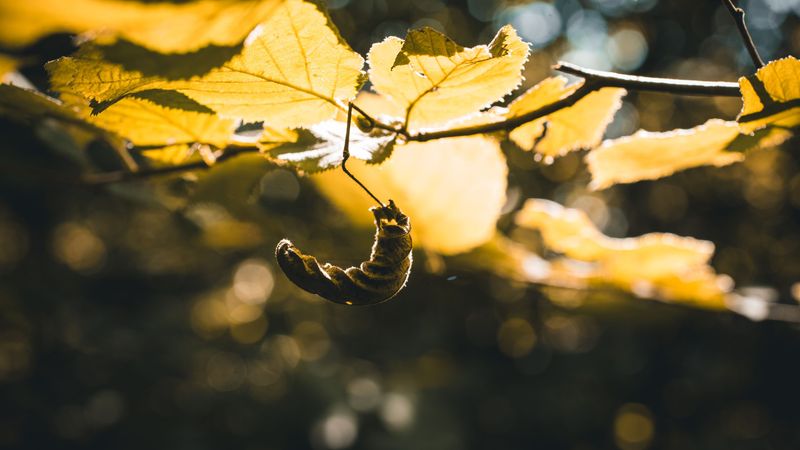
This month, Alabama oaks and sweetgums start dropping leaves, and the peak comes later. Insects notice the change long before we pull out the rakes.
Shorter days and cooler nights act like an alarm clock for many moths and butterflies. They stop feeding, slow down, and start searching for a safe winter bed.
Woolly bears are a perfect example you can spot this month. You often see them hurrying across sidewalks and driveways, looking for a good leaf pile.
By late October, some have already burrowed in and gone still. That means the leaves you rake this week may already have sleepers inside.
Your Alabama Garden Changes Every Week. Your Plan Should Too.
Gardening in Alabama changes quickly throughout the season. Every Friday you’ll receive a simple weekly plan showing exactly what to plant, prune, fertilize, harvest, and protect so you never miss the right timing.
Moth cocoons follow a similar schedule in the fall months. As trees shed, cocoons attached to leaves float down with them and land on the lawn.
Some caterpillars and cocoons simply reach the ground attached to falling leaves. It is an easy way to travel without spending extra energy.
Gardeners in north Alabama may see this timing sooner than coastal friends do, though dates vary. Mobile and Baldwin counties often hold their leaves into November before the big drop.
Either way, the weeks of heavy raking line up almost perfectly with insect bedtime. So the urge to tidy up overlaps with the start of their overwintering period.
A little patience helps here more than any fancy tool. Waiting, watching, and raking gently can spare a surprising number of sleepy guests.
Keep an eye out for fuzzy travelers on your walks this week. Spotting one is a sign that winter housing season has now begun.
Why Bagging, Blowing, And Burning Leaves Disrupts Winter Insects
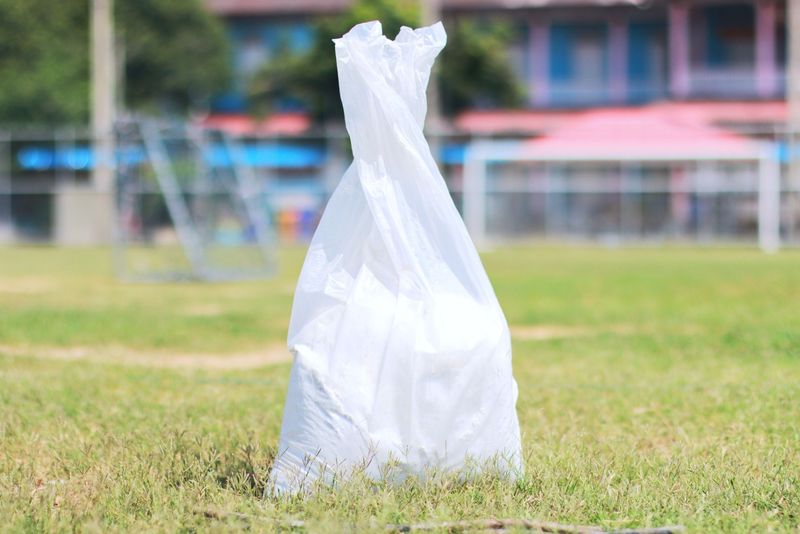
Each fall, plastic bags full of leaves line Alabama curbs in long, neat rows. A single bag can hold cocoons, eggs, and sleeping caterpillars.
Once the truck hauls them off, those insects have little chance of reaching spring. Landfills cover bags under layers of waste, leaving little air, light, or way out.
EPA data show yard trimmings are a notable share of the waste Americans generate, though much of it gets composted.
Leaf blowers and mowers cause trouble too, even if you skip the bags. Shredding leaves with a mower can chop up cocoons and caterpillars hiding inside.
Blowers push leaves around with enough force to scatter small eggs and expose hidden cocoons. They also strip away the cozy layer insects worked hard to settle into.
Burning leaf piles hurts more than it helps, and Alabama limits open burning, so check local rules. Smoke bothers neighbors, and the heat can harm the insects sleeping inside it.
Nobody does this to be mean, of course. Many of us grew up hearing that a neat yard was a good yard.
Old habits are hard to break, especially when the neighbors have spotless lawns. Still, a bare yard offers insects little shelter for the long cold winter ahead.
Learning about the tenants is the first step toward changing the routine. Once you know what lives in the pile, bagging it feels a lot different.
A few small swaps can save a whole season of wings. And they often take less time than hauling bags to the curb.
A Simple Fix Using Garden Beds And Tree Rings
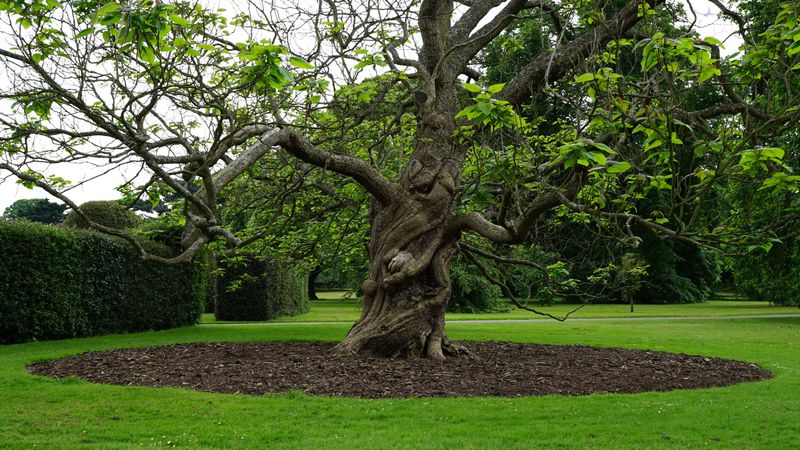
Picture this easy plan: rake less, move leaves a short distance, and let them stay. That is the core idea, and your back may thank you.
Start by raking leaves off the lawn and into nearby flower beds. A layer of shredded leaves two to three inches deep works well as natural mulch.
Spread leaves around the base of trees and shrubs to make a soft ring. Keep them a few inches away from trunks so bark can breathe.
If your yard is small, pick one quiet corner for a leaf pile. Choose a spot away from doors, such as behind a back fence.
Rake gently with a leaf rake instead of a blower whenever you can. Slow, light strokes are less likely to crush cocoons resting on top.
If your neighborhood has strict rules, try a tidy leaf corral made of wire fencing. It looks neat and still gives insects a winter hideout.
Leave some leaves whole rather than shredding them all with the mower. Whole leaves create the little pockets and folds that caterpillars love.
Native plants nearby make the setup even better for spring. Milkweed, passionflower, and spicebush feed hungry caterpillars once they wake up.
Pop a small sign in the bed if you worry what neighbors think. Words like Wildlife Habitat in Progress turn a messy look into a proud one.
None of these steps costs much money or takes much skill. They mostly ask you to work a little less, which is hard to argue with.
A Spring Payoff Of Wings, Birds, And Richer Soil
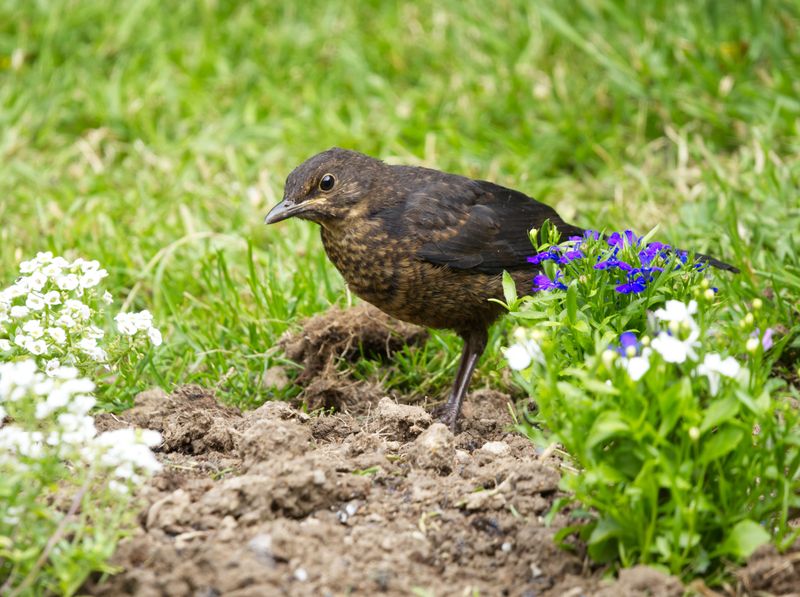
As spring warms, a quiet leaf bed becomes one of the busiest spots in the yard. Moths crawl out of cocoons, and butterflies flutter up to stretch their wings.
Question mark butterflies are among the early ones Alabama gardeners may spot in spring. They spend winter as adults hidden in bark, logs, or litter, then wake on warm days.
More caterpillars also mean more food for baby birds. Researchers like Doug Tallamy estimated a single nest of chickadees can need over six thousand caterpillars.
Bluebirds, wrens, and cardinals all rely on that buggy buffet to raise their chicks. Your saved leaves help fill those hungry little beaks.
The leaves themselves keep working for you, too. As they break down, they feed earthworms and add rich organic matter to your soil.
Alabama’s red clay loves that boost, becoming looser and better at holding water. Your flowers and vegetables may notice the difference over time.
Leaf mulch also cuts down on weeds and keeps roots cooler during hot spells. That means less watering, less pulling, and fewer trips to the garden center.
Fireflies are another lovely bonus from a leafy yard. Their larvae live in damp leaf litter, so June evenings may glow brighter.
It feels a bit like a reward for doing less last fall. Few garden choices give back so much for so little work.
Watch the beds closely once the azaleas start blooming. You might catch a fresh moth drying its wings on a twig.
A Yard Plan That Keeps The Shelter Year After Year
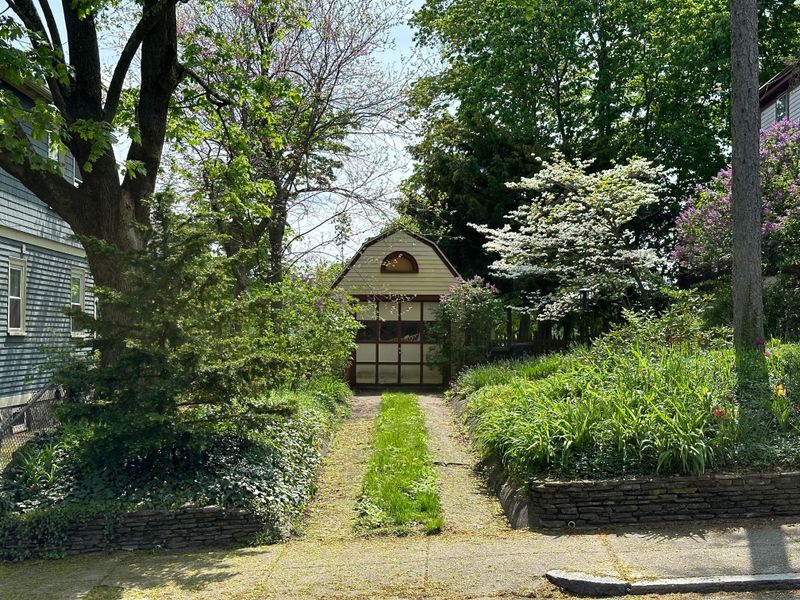
A leaf-friendly yard works best when it becomes a yearly habit, not a one-time experiment. Small choices made each fall add up to a thriving insect community.
Planting more native trees is one of the smartest long-term moves. In much of the eastern United States, oaks support hundreds of moth and butterfly species, more than almost any other tree.
Hickories, black cherry, and red maple are also great Alabama choices. Each one drops leaves that make excellent winter bedding underneath.
Try marking your leaf zones so they stay in the same spots each year. Undisturbed spots give each new generation a reliable place to settle in.
Wait until spring to clean beds, ideally when temperatures stay above fifty degrees. By then, many overwintering insects have woken up, though some linger.
Skip pesticides around leaf piles, since chemicals can harm the very guests you are protecting. Healthy bug and bird populations can help keep pests in check.
Talk with neighbors about what you are doing and why. Sharing a few photos of cocoons or woolly bears can spark real curiosity.
Some towns even run leaf collection programs that turn leaves into free compost. Check with your city to see if Alabama options exist near you.
Kids can help with this kind of project, too. Hunting for empty cocoons in spring feels like a treasure hunt in your backyard.
Over time, your yard can become a small wildlife refuge for insects. And the best part is that the work can get easier each fall.