How To Treat Fire Ant Mounds Before Fall Rains Arrive In Alabama Yards
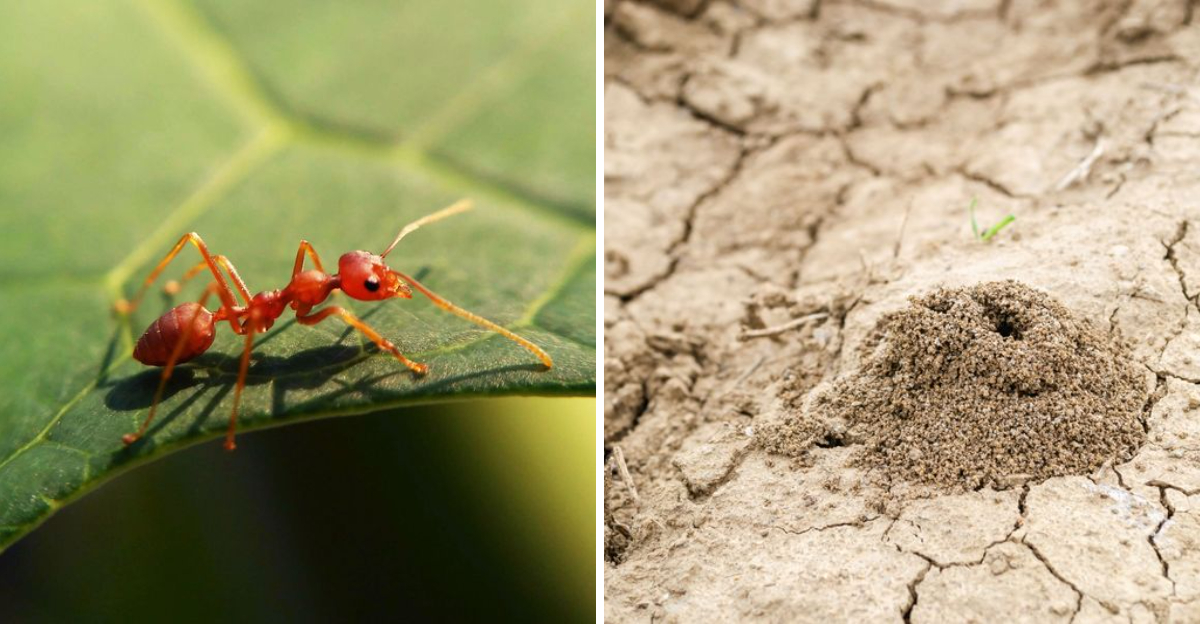
Fire ant colonies can grow and spread quickly, especially overnight. Rain changes everything for fire ants hiding near you. Alabama storms send colonies moving toward higher, drier ground.
Suddenly, stinging surprises interrupt your quiet afternoon outside. Every heavy downpour pushes ants closer to your porch. Queens relocate quickly, building fresh mounds within hours.
Autumn arrives, yet ant activity never truly slows down. Waiting invites trouble you could have easily avoided. Your kids, pets, and bare feet quickly become instant targets.
Nobody enjoys discovering a mound the hard way. Treating early saves you from unpleasant surprises later. Ants never pause for your busy schedule or convenience.
Ignoring early signs only multiplies your future problems. Understanding their patterns gives you real control now. Homeowners across Alabama who prepare early avoid costly regret.
Knowledge quickly turns worry into confident, decisive action. You need to know exactly what happens next, right now.
1. Locate Active Mounds During Warm Afternoon Hours
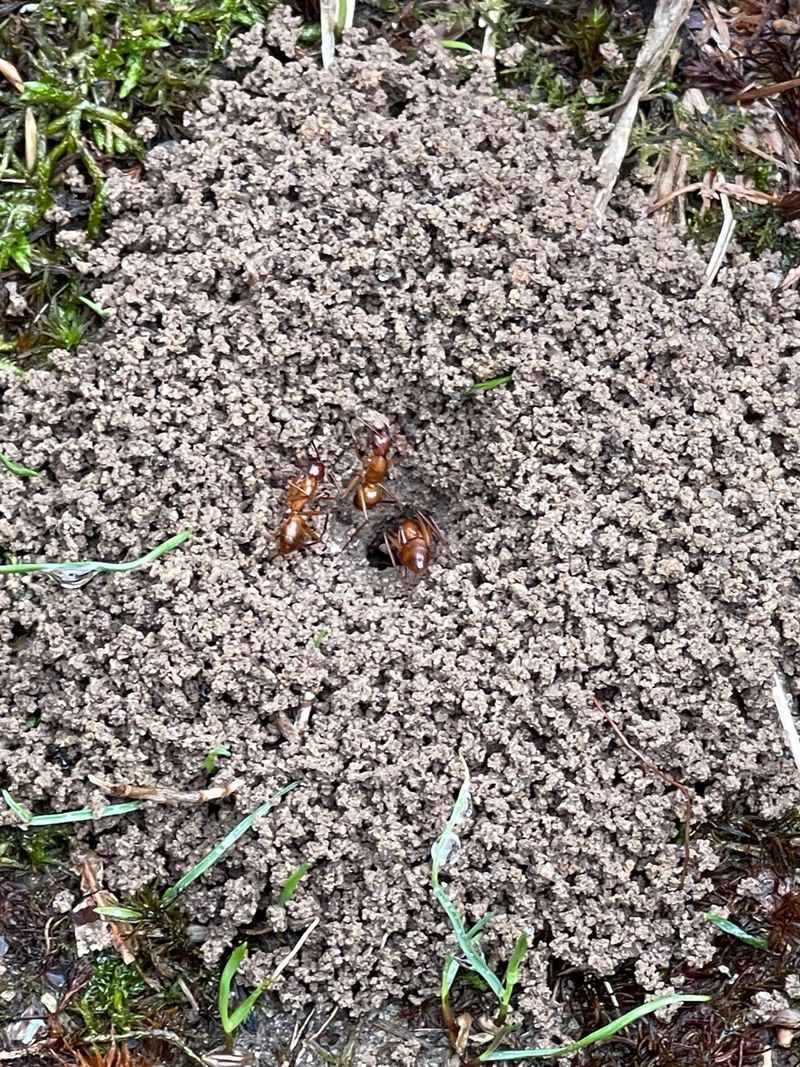
Step outside around 2 p.m. on a warm day and you will spot them fast. Fire ants love heat, so active mounds are easiest to find when the sun is high.
Look for dome-shaped dirt mounds rising from the grass. They usually appear near sidewalks, fence lines, and garden edges where the soil stays loose.
Treating fire ant mounds starts with knowing exactly where every colony lives. Missing even one mound means leaving a whole army behind to spread later.
Poke the ground lightly near a mound with a stick. If ants swarm out within seconds, that colony is active and ready for treatment.
Walk your yard slowly and mark each mound with a small flag or spray paint. A full map of your yard helps you plan a smarter, more thorough treatment strategy.
Afternoon scouting also tells you how bad the infestation has grown. Counting mounds before fall rains hit gives you a clear picture of how much product you will need.
Fire ants tend to cluster in sunny, open areas rather than shaded spots. Knowing their favorite zones makes your next treatment round quicker and more effective.
Always wear closed-toe shoes during your inspection walk. Fire ants react quickly, so proper footwear matters near active mounds.
2. Apply Bait Treatments Before Rain Is Forecast
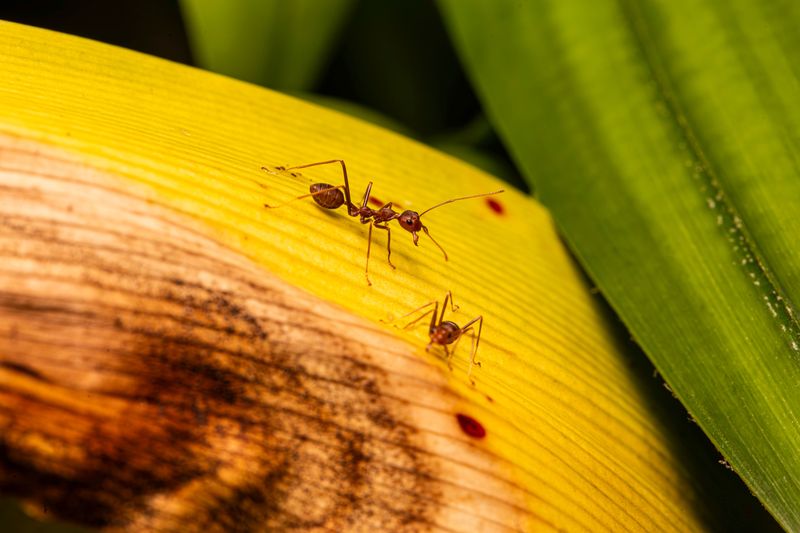
Bait is one of the most powerful tools you have against fire ant mounds, but timing is everything. Apply it at least two days before any rain is in the forecast.
Rain washes bait away before ants can carry it back into the colony. Dry ground lets the bait sit long enough for worker ants to find it and bring it underground.
Worker ants scout for food during dry, warm conditions, making pre-rain timing your best window. Once they carry bait inside, the whole colony gets exposed to the active ingredient.
Scatter bait lightly around the perimeter of each mound, not directly on top. Placing it too close to the mound center can actually scare ants away from picking it up.
Use a hand spreader or a small shaker bottle for even distribution. Uneven application leaves gaps where ants can forage without ever touching the treated area.
Your Alabama Garden Changes Every Week. Your Plan Should Too.
Gardening in Alabama changes quickly throughout the season. Every Friday you’ll receive a simple weekly plan showing exactly what to plant, prune, fertilize, harvest, and protect so you never miss the right timing.
Read the product label carefully before opening the bag. Some baits require specific temperatures to stay effective, so hot pavement can break down the active ingredient before ants arrive.
Fresh bait works better than old bait sitting in a garage. If your product has been open for more than a season, replace it with a fresh bag for best results.
Treating fire ant mounds with bait before rain hits is a simple move that pays off big. You set the trap, and the ants do the rest of the work for you.
3. Water Lightly Around Mounds To Trigger Activity

Sometimes fire ants go quiet underground, especially when soil is dry and food is scarce. A light watering around a mound can bring them back to the surface fast.
Sprinkle water gently around the mound edges, not directly on top. Flooding the mound pushes ants deeper underground, which is the opposite of what you want before treatment.
When moisture signals food or flood risk, worker ants rush to the surface to investigate. That burst of activity creates the perfect moment to apply your chosen treatment product.
Use a watering can or a gentle hose setting to keep water pressure low. High pressure disturbs the mound structure and can scatter ants across a wider area of your yard.
Wait about five to ten minutes after watering before applying any product. Give the colony enough time to respond and send workers to the outer edges of the mound.
This trick works especially well during dry Alabama summers when ants have retreated deep into the soil. Triggering surface activity makes your treatment far more likely to reach the queen directly.
Combining light watering with a fast-acting contact treatment creates a one-two punch. Ants come up, meet the product, and carry residue back down into the colony on their own bodies.
Staying patient during this process makes a real difference in your results. Rushing the treatment before ants surface means wasting product and leaving the colony mostly unaffected.
4. Treat Individual Mounds With A Direct Drench
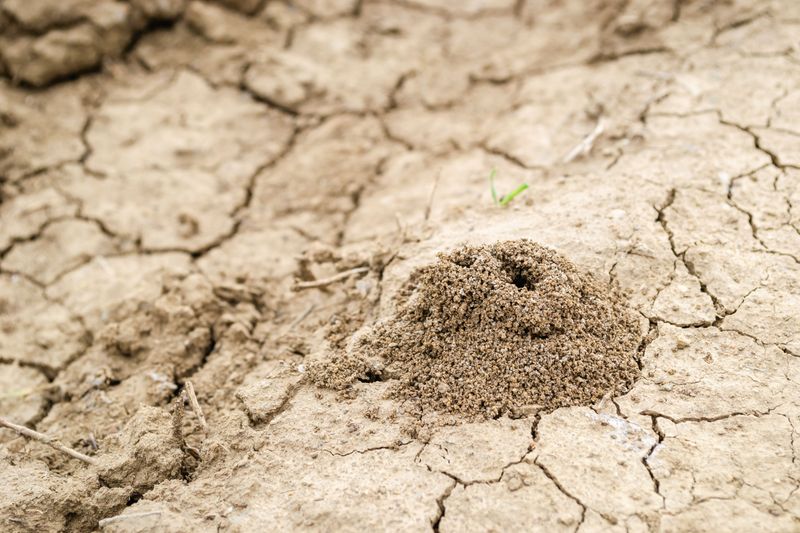
A direct drench is one of the fastest ways to knock out a single fire ant mound on contact. You mix a liquid insecticide with water and pour it straight into the mound center.
Use about one to two gallons of mixed solution per mound, depending on its size. Bigger mounds need more volume to push the treatment all the way down to the queen chamber.
Pour slowly and steadily so the liquid soaks in rather than running off across the surface. Fast pouring wastes product and leaves the deeper tunnels completely dry and untreated.
Work from the outer edge of the mound toward the center as you pour. This technique traps ants inside rather than giving them an escape route around your treatment zone.
Treating fire ant mounds with a drench works best when soil is slightly moist but not saturated. Very dry or compacted soil can reduce how well the product penetrates and reaches the colony.
Avoid drenching during the hottest part of the day since heat breaks down some insecticides quickly. Early morning or late afternoon gives the product more time to work before evaporation kicks in.
Always mix your drench solution exactly as the product label directs. Too weak and you waste a trip; too strong and you risk damaging nearby grass or garden plants.
A well-executed drench can reduce surface activity quickly, though full colony elimination may take longer. That kind of fast result feels incredibly satisfying after a season of watching mounds pop up everywhere.
5. Choose Granular Products For Broader Yard Coverage
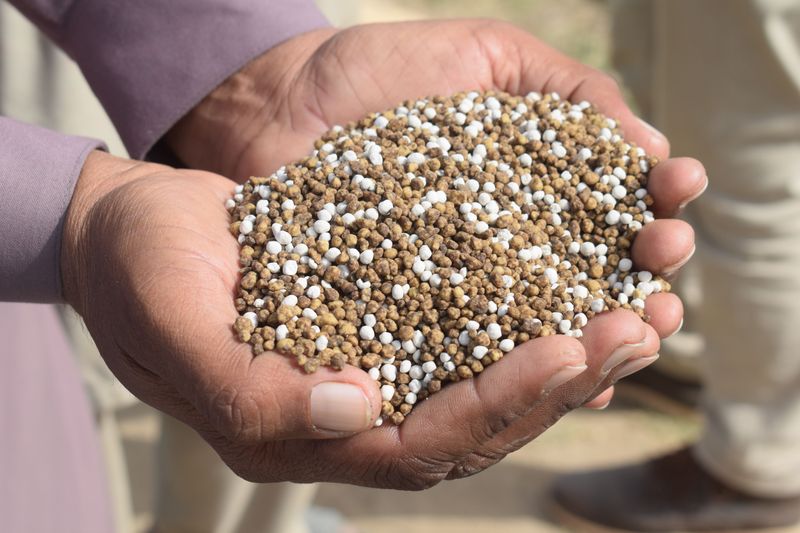
Granular fire ant products are the workhorses of large yard treatment, covering wide areas in one pass. If you have several mounds scattered across your property, granules may be a more efficient option.
Broadcast granules using a hand spreader or a push spreader for even, consistent coverage. Uneven spreading creates untreated patches where new colonies can establish without any resistance from your product.
Granular treatments work by releasing a slow-acting ingredient that ants pick up as they forage. The ants carry particles back to the colony, spreading the product far deeper than a surface spray ever could.
Apply granules when the grass is dry but the soil beneath holds some moisture. That combination encourages ants to forage actively while helping the granules break down and release their active ingredients efficiently.
Focus extra product around high-risk zones like garden beds, tree lines, and lawn edges near pavement. These spots attract foraging ants looking for food before fall rains shift colony behavior across your yard.
Most granular products need to be watered in lightly after application to activate them fully. Check your product label to confirm whether immediate light irrigation is recommended or required for best performance.
Depending on the product, one treatment of granules can protect a yard for a period ranging from days to several weeks. Check the label for specifics.
Fall timing is smart because ants are actively feeding before cooler temperatures slow their movement down significantly.
Granular coverage gives you peace of mind across every corner of your property. Knowing the whole yard is treated feels far better than chasing individual mounds one at a time.
6. Wear Gloves And Boots To Avoid Stings
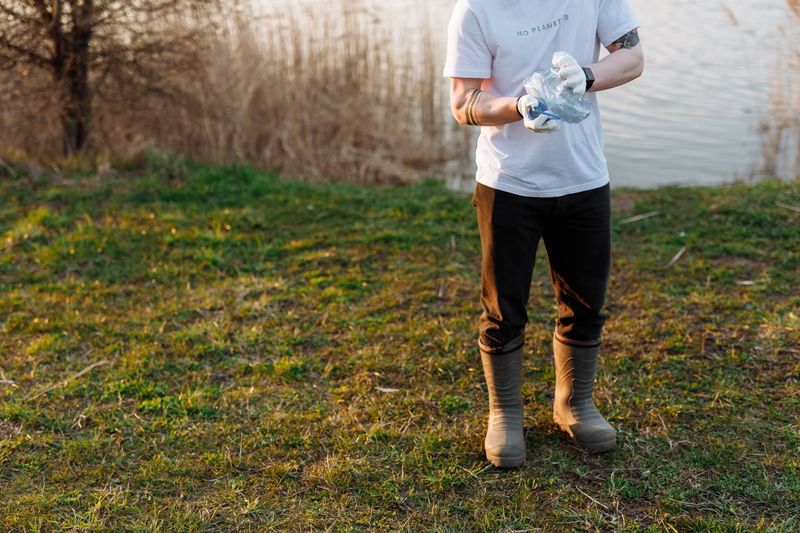
Fire ants can sting multiple times in quick succession. Protecting your skin before you start any treatment is non-negotiable if you want to stay comfortable.
Thick rubber gloves are your first line of defense when handling any fire ant product. They keep both the insects and the chemicals off your skin during the entire treatment process.
Tall rubber boots or lace-up work boots prevent ants from crawling up your ankles unnoticed. Fire ants are fast climbers, and they can reach bare skin before you even feel them moving.
Tuck your pants into your boots or use rubber bands to seal the gap at your ankles. That small extra step keeps ants from sneaking inside your clothing while you work around active mounds.
Wear long sleeves even on warm days to protect your arms from accidental contact. A thin long-sleeve shirt adds meaningful protection without making you overheat during a short yard treatment session.
Keep a pair of dedicated yard shoes near the back door for fire ant season. Switching into them before stepping outside prevents you from tracking soil or ants back inside your home.
If ants do get on you, move away quickly and brush them off with a firm sweeping motion. Pinching or slapping ants causes more stings because they clamp down harder when they feel pressure.
Good gear makes treating fire ant mounds a confident, controlled experience. Proper protective gear turns yard treatment into a comfortable, efficient task instead of a stressful one.
7. Reapply Treatment If Mounds Reappear Within Weeks
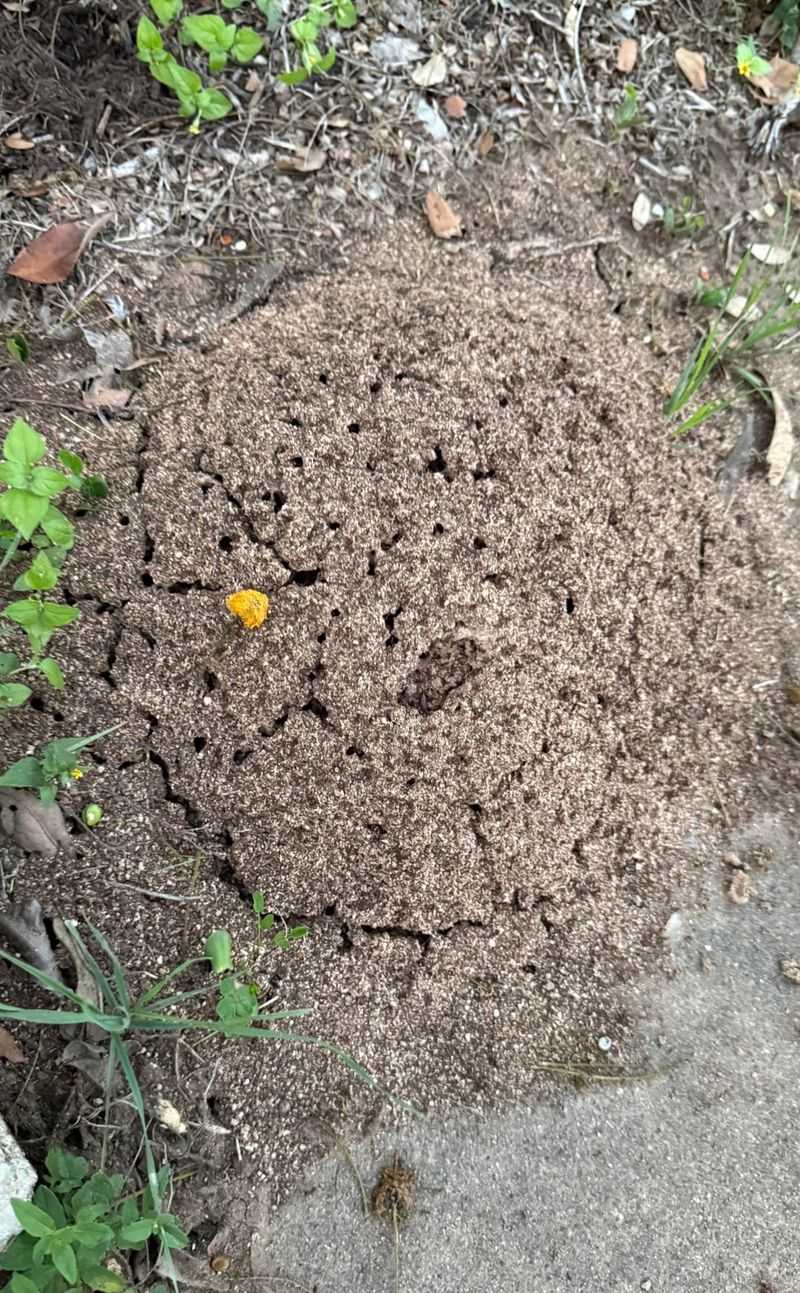
Seeing a fresh mound pop up two weeks after treatment is frustrating, but it does not mean you failed. Fire ants are persistent survivors, and a second application is sometimes simply part of the plan.
New mounds can appear for a few different reasons after initial treatment. Surviving satellite colonies may relocate, or a neighboring yard may be pushing new ant populations into your space after rains shift the soil.
Check your yard every seven to ten days after the first treatment round. Early detection of new mounds lets you treat them before they grow large and establish a deeper underground network.
Use the same treatment method that worked best the first time around. Consistency helps you track what is working and prevents you from wasting money switching products unnecessarily between applications.
Some fire ant products have a residual effect that lasts several weeks after application. If new mounds appear outside that window, a full reapplication across the yard is the smartest move you can make.
Treating fire ant mounds more than once per season is completely normal in Alabama yards. Alabama’s warm climate and seasonal rains can contribute to increased colony activity during fall months.
Keep a small log of where mounds appeared and when you treated each one. That record helps you spot patterns, like which corner of the yard keeps producing new colonies season after season.
Consistent follow-up is often more effective than a single treatment. Staying on schedule with checks keeps your yard ahead of any new invasion before it spreads.
8. Time Applications Early Morning Or Late Evening

Applying treatment at optimal times means working when fire ants are most active near the surface. Early morning and late evening are the golden windows for maximum treatment effectiveness in your yard.
Soil temperatures are cooler at these hours, which keeps ants foraging closer to the top of their mounds. Midday heat pushes colonies deep underground where most surface treatments cannot reach them efficiently.
Morning applications also give products time to settle before the afternoon sun heats the ground. Heat degrades some insecticides quickly, so cooler application times help the product stay potent longer after you apply it.
Evening treatments work especially well with bait products since ants forage heavily at dusk. Laying bait just before dark means worker ants have the whole night to find it and carry it home.
Avoid applying any treatment right after heavy dew or morning rain has soaked the ground. Wet soil dilutes liquid products and causes granules to break down before ants ever get the chance to pick them up.
Plan your schedule around the weather forecast for the next 24 hours before heading outside. Dry conditions after application give every product the best possible chance to perform at full strength.
Treating fire ant mounds at the right time of day doubles the impact of whatever product you choose to use. Smart timing costs nothing extra and delivers noticeably better results than random midday applications.
A planned approach tends to work better than reactive treatment. Locking in early morning or late evening application windows gives you a real edge over random midday attempts.
Product instructions can vary by brand and active ingredient, so always check your specific label for exact application timing, dosage, and reapplication windows before treating your yard.