Why Hummingbirds Keep Chasing Each Other Off Your Arizona Feeder This Fall
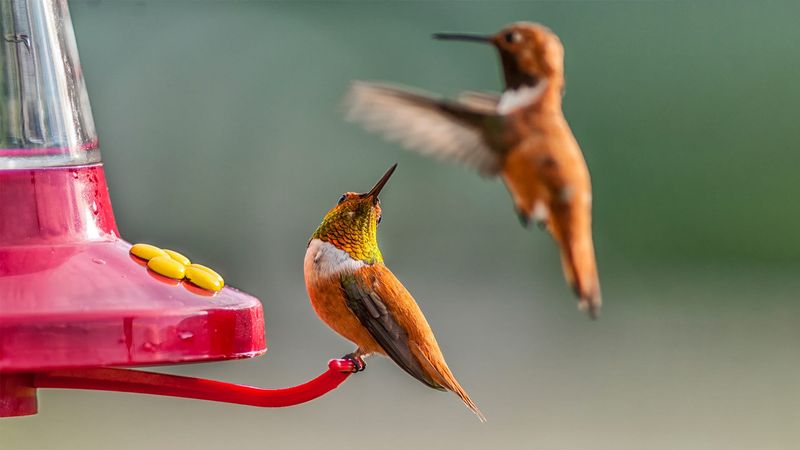
You fill the feeder, step back, and within minutes one tiny bird is dive-bombing another. It looks like a fight over a meal, even when plenty of nectar is left.
Understanding what is going on can help you set up your yard so more birds get a turn. Here is what the chasing means, what fall changes, and what you can try.
A Full Feeder Can Still Become a Territory
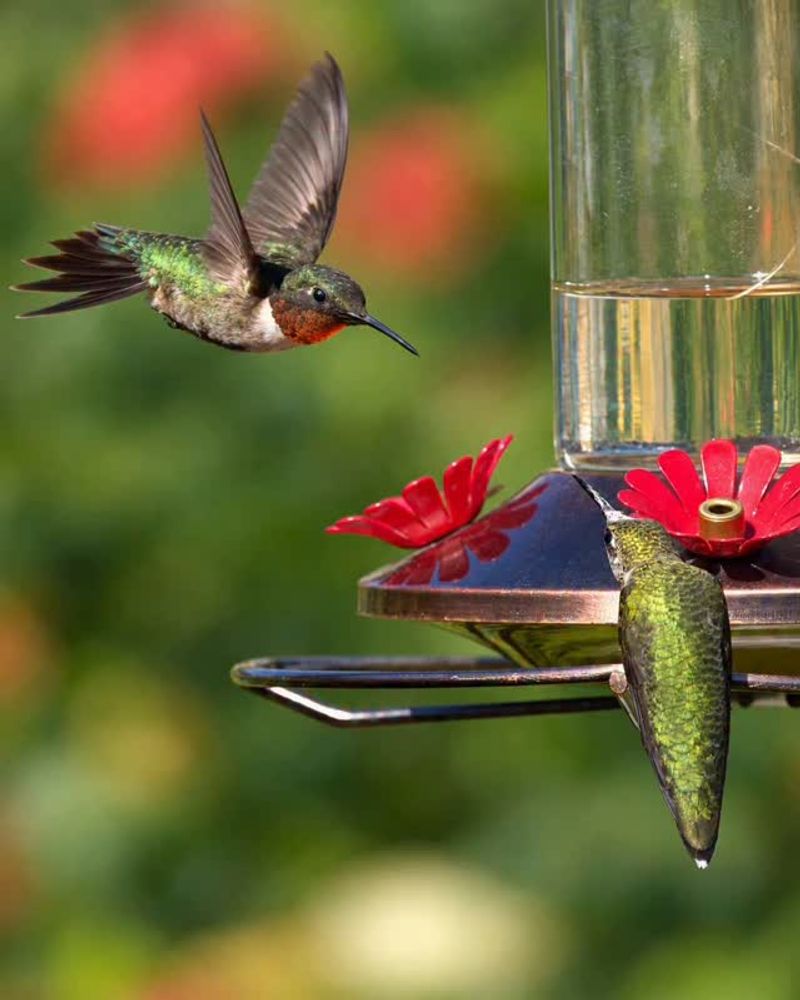
Picture a feeder filled to the brim, with four open ports and nectar to spare. A hummingbird can still treat it like private property.
These birds burn energy fast, so a dependable nectar source is worth guarding, and a bird that claims one will often chase off anyone who comes close.
That is why an empty feeder is not the reason for most chases. Abundance to your eyes is not the same as abundance to the bird.
As Audubon explains, hummingbirds defend nectar sources as feeding territories, and that instinct can keep going even when food is plentiful.
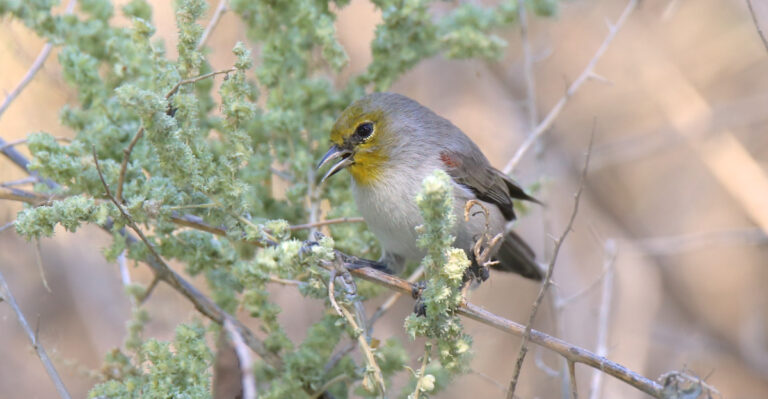
In a low-desert yard, you might notice one bird perched on a nearby branch or mesquite twig, watching the feeder like a guard. When a rival approaches, it launches out with chittering calls and a quick pursuit.
Keep that picture in mind, because it explains why the fixes later in this article aim to help more birds eat, not to end the chasing for good.
Does Fall Make the Chasing Worse?
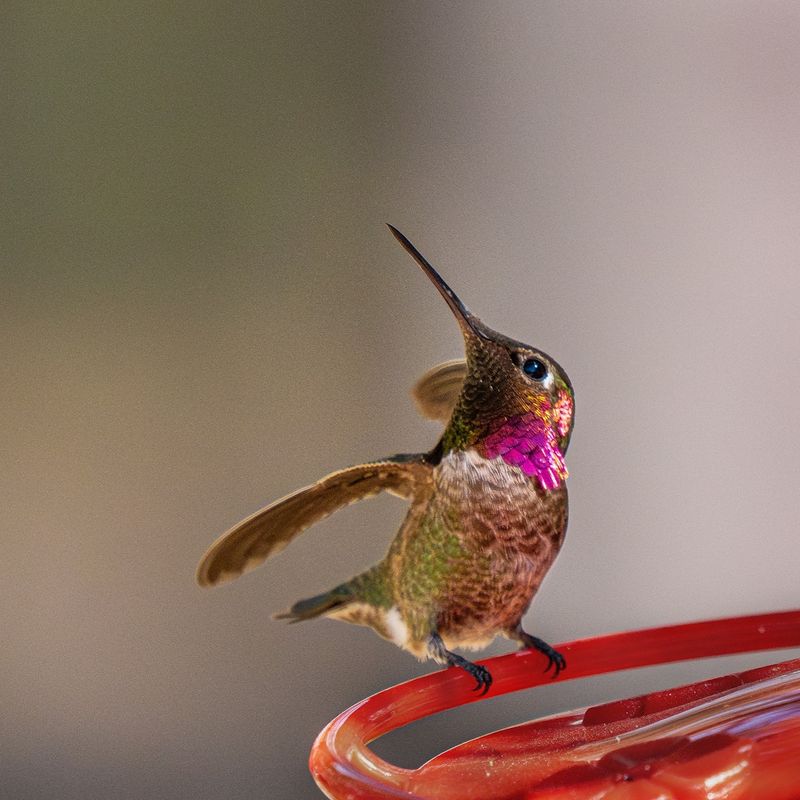
Fall is when many people notice the squabbles, but the season is the setting, not a proven cause. Guarding a food source is something hummingbirds do at feeding sites generally.
A study of migrating Rufous Hummingbirds in eastern Arizona, described in a Rufous Hummingbird territoriality study, documented birds defending feeding territories in late summer. That finding covers that species, in that place and season.
It does not tell you what is happening in every low-desert yard. Not every bird at your feeder is passing through, either.
According to Arizona extension guidance, Anna’s Hummingbird stays year-round in the Northern Sonoran Desert.
So the bird bullying its neighbor in October could be a local resident protecting a regular stop. Watching who shows up, and when, is a simple way to learn which birds frequent your yard.
More Feeders Can Give More Birds a Chance
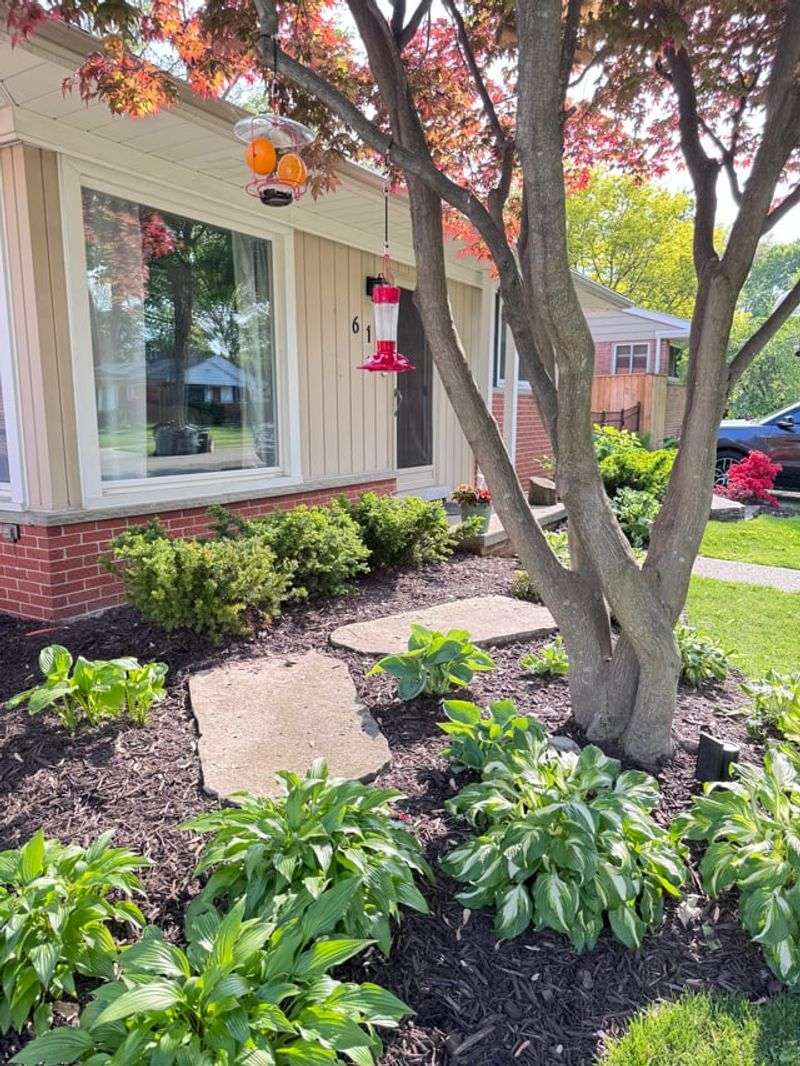
If one bird is guarding your only feeder, adding more feeders is the most practical change to try. Guidance describes two different approaches, and neither is a guaranteed truce.
You can test which one suits your yard.
One option is spreading feeders out so a bird guarding one cannot easily see the others, such as on opposite sides of the house or behind a tree or wall. Cornell Lab guidance suggests several small feeders around the yard.
The other option, which Audubon also describes, is a cluster of feeders or one with many ports, which can make it harder for a single bird to defend everything.
No fixed distance is proven to work everywhere. Try one setup for a week or two, watch how many birds feed at once, then shift things around.
Your Arizona Garden Changes Every Week. Your Plan Should Too.
Gardening in Arizona changes quickly throughout the season. Every Friday you’ll receive a simple weekly plan showing exactly what to plant, prune, fertilize, harvest, and protect so you never miss the right timing.
Territorial instincts can continue, but more feeding spots can give more birds a turn.
Keep Nectar Fresh in Arizona Heat
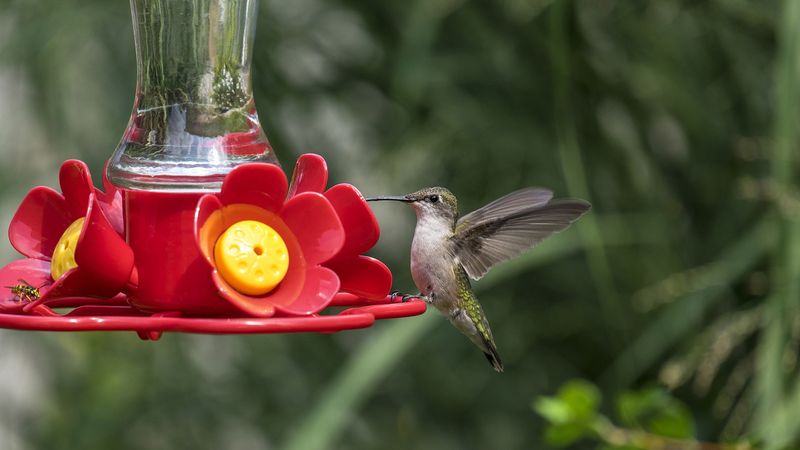
Nectar care is its own job, separate from the chasing question. It is about food safety and clean feeders.
The simple recipe is one part refined white sugar to four parts water, as outlined in Smithsonian nectar guidance. Skip honey, corn syrup, raw sugar, and powdered sugar.
Red dye is unnecessary and could be harmful.
Arizona heat spoils nectar fast, so make small batches and refill often. Cornell Lab advice is to change nectar daily in very hot weather, which is the cautious choice on a 105 degree afternoon.
Cloudy nectar, floating specks, or black spots mean it is time to clean and refill right away. Rinse the feeder thoroughly and scrub the ports.
Never leave nectar sitting for several days in extreme heat.
Keeping a Feeder Up Does Not Hold Migrants Back
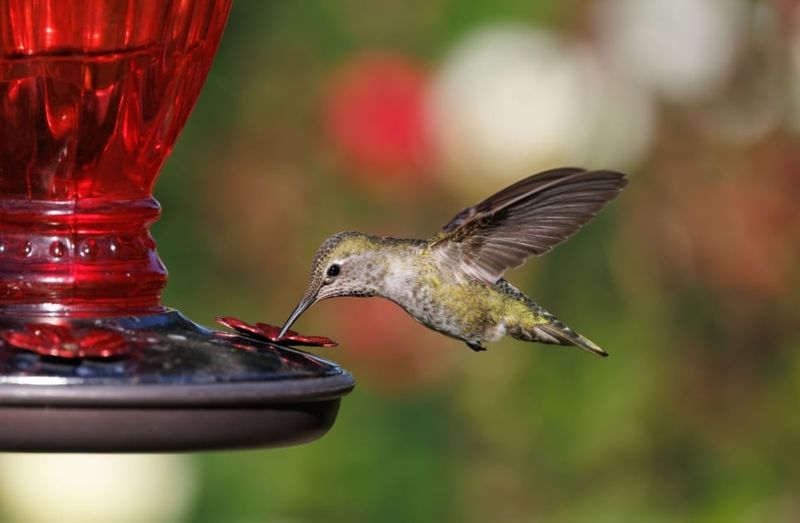
Many people worry that a feeder in October will trick hummingbirds into staying too long. The worry is common, but the guidance says otherwise.
Cornell Lab explains that feeders do not stop birds from migrating, so you do not need to take yours down to make them leave.
Arizona has a further reason to keep it up. Smithsonian notes that places with year-round hummingbirds, including Arizona, need not remove feeders, as long as they stay clean.
Birds that stick around through winter may rely on that steady stop.
This decision is separate from the chasing. Whether your feeder stays up has no bearing on whether birds squabble over it.
Take it down only when you cannot keep it fresh and clean, not because you fear holding birds back.
Nectar Plants Add Another Food Source
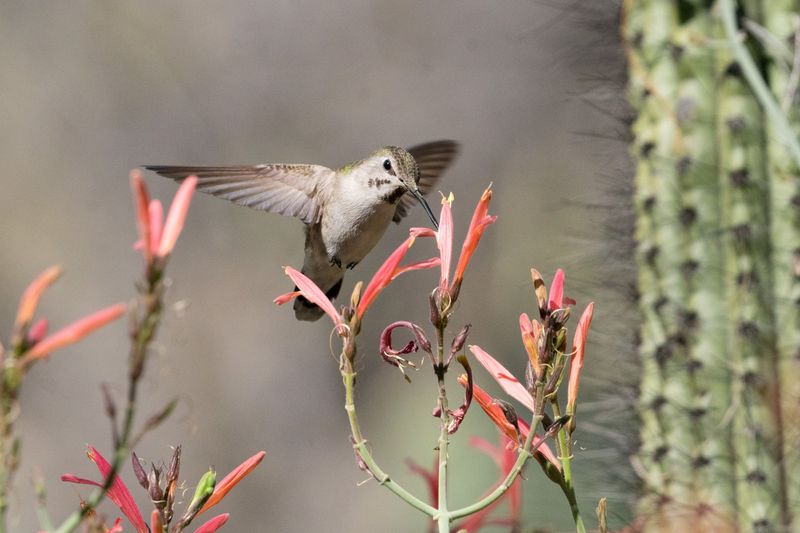
A feeder does not have to be the only meal on the menu. Plants that make their own nectar give birds another place to feed, and they fit well in a water-wise yard.
This is habitat support, not a promise that the chasing will stop.
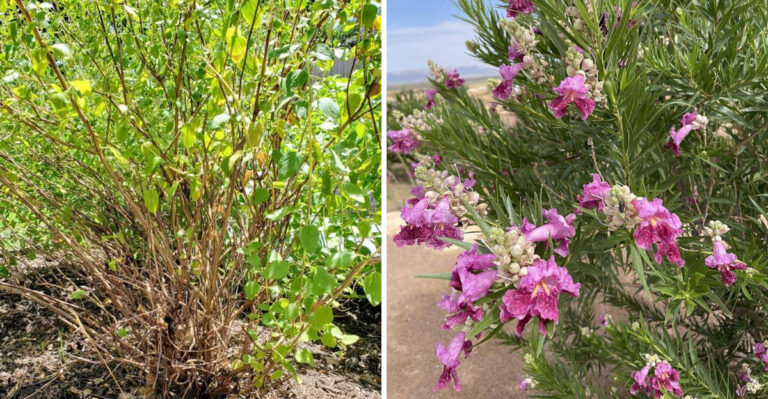
Arizona guidance from an Arizona hummingbird haven guide names chuparosa, a Sonoran-native shrub with red tubular blooms that hummingbirds visit. The same guidance also lists Baja fairy duster and Tecoma species as plants to consider, though they are simply plants on that list rather than ones labeled native here.
Fall is a good planting window in the low desert, so a shrub planted in October or November has time to settle in before summer. Place plants where you can watch them from a window.
Birds may still spar, but a garden gives them more options.
In a yard of feeders and flowers, the chasing may never fully stop, but every extra source gives one more bird a place to eat.