See A Possum In Your Virginia Yard? Read This Before Removing It
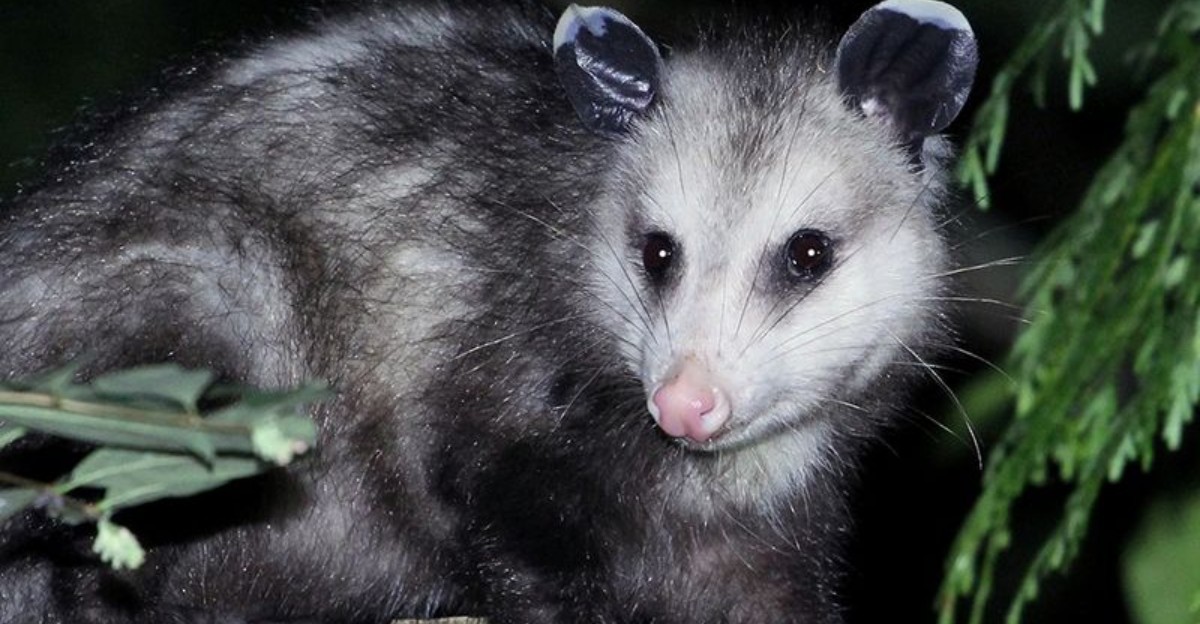
Glowing eyes, a pink nose, and a naked tail just shuffled past your porch light at midnight. Chances are, you just met your neighborhood opossum.
Plenty of Virginia homeowners feel a jolt of panic and start shopping online for a trap right away. Removing one, though, is far trickier than it looks.
State rules, local laws, and the animal’s own habits all shape what you should do next. A wrong move can cost you money and leave baby opossums stranded.
These shy marsupials also bring surprising perks, like gobbling up slugs, snails, and fallen fruit. Some of their strangest behaviors look scary but turn out to be completely harmless.
Before you call for help, take a few minutes to learn what’s really going on. Your yard, your wallet, and that odd little visitor will all be better off.
Virginia Law Bars Relocating Trapped Wildlife
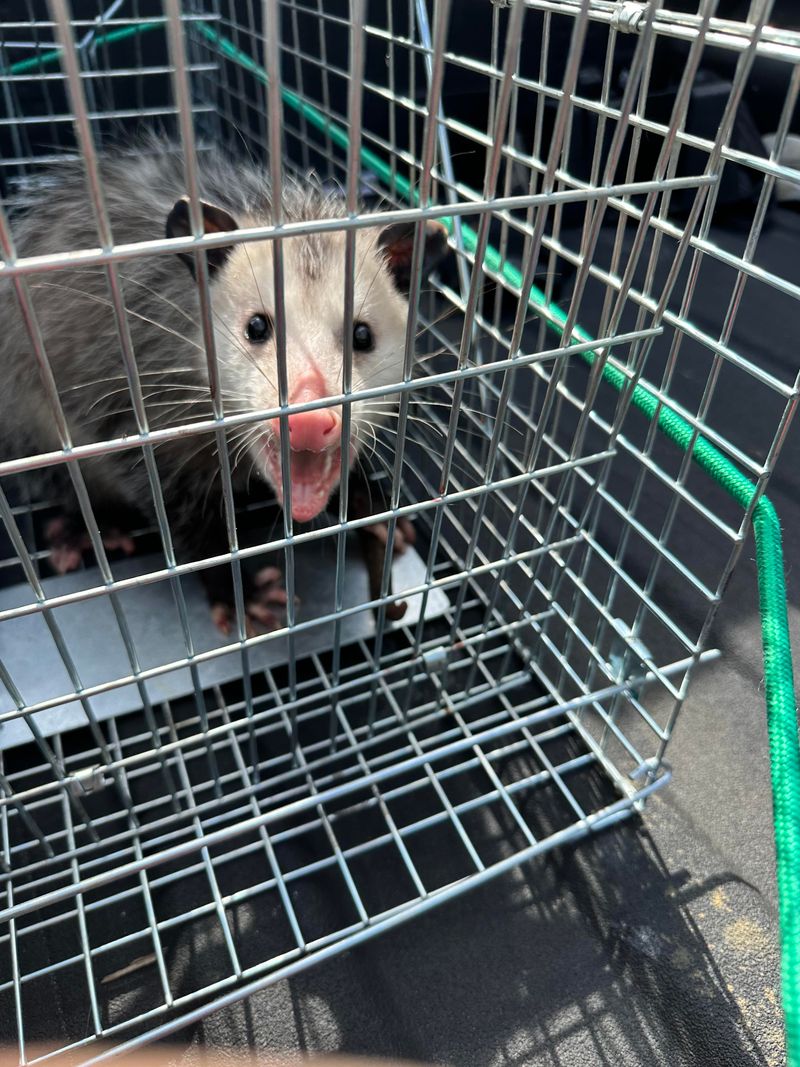
Picture a trapped opossum in your garage and a plan to drive it to the woods. Many folks think that move is kind, but Virginia law sees it differently.
Under state code, trapped wildlife generally cannot be moved off the property where it was caught. Special permits are the main exception, and most homeowners do not hold one.
Licensed operators follow the same rule in most situations. They must release the animal on site or humanely euthanize it, depending on the case.
Why so strict? Relocated opossums often struggle to survive because they do not know where food, water, or shelter is.
Newcomers also clash with animals that already claim that territory. Many end up starving, hurt, or struck by cars in an unfamiliar area.
Disease is another big worry for wildlife officials. Moving animals around can spread illness to new places and new populations.
Rabies-vector species, such as raccoons, skunks, and foxes, raise the stakes even higher, since moving them can spread the disease. A trap set for an opossum might catch one of these by surprise.
Before you buy or borrow a trap, pause and think through what happens next. In many cases, simple changes around the yard solve the problem with no trapping at all.
Fines and legal trouble are possible if rules get broken. A quick call to the Virginia Department of Wildlife Resources can clear up questions first.
Your opossum, and your wallet, will thank you for checking. Patience usually wins out over a hurried trip down a country road.
Local Ordinances Are Often Stricter Than State Rules
Here is a twist that catches plenty of homeowners off guard. State law sets the floor, but your city or county can build a taller wall on top of it.
Some localities limit where traps can be placed or what kind can be used. Others restrict the release of animals or require extra steps for removal.
A neighbor two towns over might follow very different rules than you do. Living near a county line can make things even more confusing.
So where do you find the real answer? Your local county or city Commonwealth Attorney’s office can explain which methods are allowed.
Your Virginia Garden Changes Every Week. Your Plan Should Too.
Gardening in Virginia changes quickly throughout the season. Every Friday you’ll receive a simple weekly plan showing exactly what to plant, prune, fertilize, harvest, and protect so you never miss the right timing.
Animal control offices are another handy resource for everyday questions. Staff members field opossum calls all the time and usually know the local rules well.
Homeowners associations sometimes add their own guidelines too. Check your HOA handbook before installing fencing, lights, or barriers meant to keep wildlife out.
Write down what you learn, including the name of the person you spoke with. Having notes helps if a dispute ever comes up with a neighbor or official.
Online county codes are often searchable by keyword. Try terms like wildlife, trapping, or nuisance animal to find the right sections fast.
A few minutes of research now can prevent a costly mistake later. Knowing the rules also gives you confidence when choosing the gentlest solution for your yard.
Think of it like checking the weather before a road trip. The extra step feels small, yet it saves a lot of headaches down the line.
Opossums Eat Slugs, Snails, And Insects
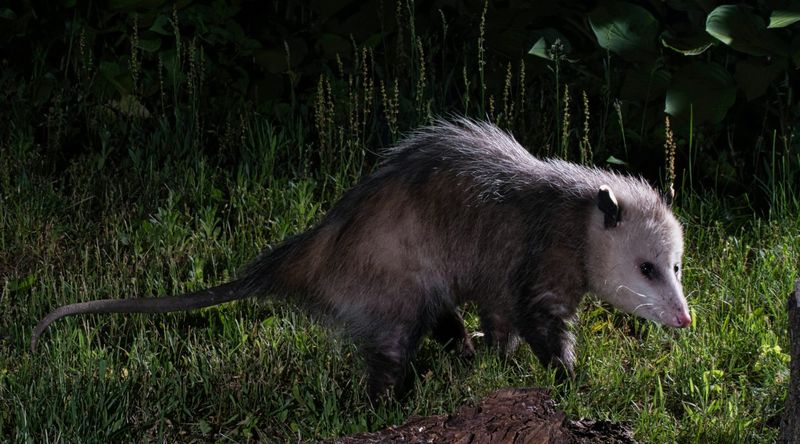
Gardeners, meet your unpaid night shift worker. While you sleep, that scruffy visitor may be patrolling your tomato beds for slimy snacks.
Opossums are omnivores and happy scavengers. Slugs, snails, worms, and insects make up a big part of their natural menu.
Beetles, crickets, and grasshoppers are frequent targets as well. Many of those bugs chew holes in leaves and ruin young plants.
Slugs can shred a row of lettuce in a single wet night. A hungry opossum can help keep those numbers in check without any chemical sprays.
Fewer pesticides mean a safer yard for kids, pets, and pollinators. Bees and butterflies benefit when you lean on natural helpers instead of harsh products.
Of course, opossums are not picky eaters. They may nibble fallen fruit or ripe berries, so pick up drops from under trees promptly.
A little give and take goes a long way. Trading a stray strawberry for fewer slugs often feels like a fair deal.
Fun fact: opossums have 50 teeth, more than any other North American land mammal. Those tiny teeth are perfect for crunching hard beetle shells.
Want to see the cleanup crew in action? Step outside with a dim flashlight after dark and watch quietly from a distance.
Many gardeners end up rooting for their resident opossum once they see it work. A shy helper beats a bucket of bait any day.
The Tick-Eating Claim Doesn’t Hold Up
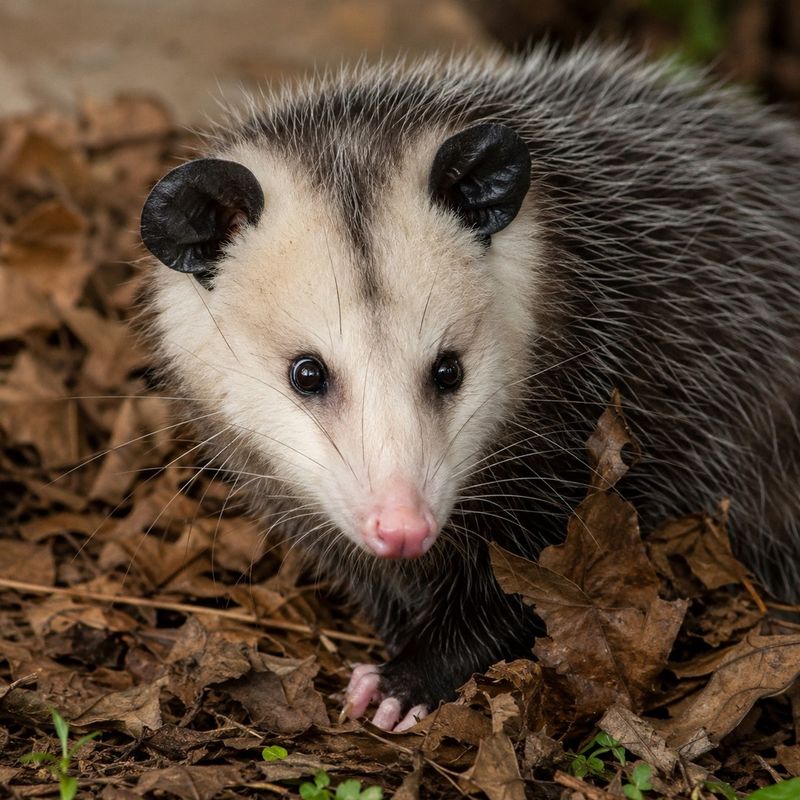
You may have seen the viral claim that one opossum gobbles 5,000 ticks a year. It is a catchy story, though the science behind it has shifted.
The idea came from a 2009 study. Researchers suggested opossums swallowed many larval ticks while grooming their fur.
Later research painted a different picture. A 2021 study checked wild opossum stomachs and found no ticks or tick parts at all.
So what is the honest takeaway? Opossums may swallow a tick now and then, but they are not a reliable tick control plan.
Keep up your own defenses for family and pets. Tick checks after yard work and hikes remain one of the best habits you can build.
Short grass helps too, since ticks love tall, shady weeds. Clear brush along fence lines and create a gravel or wood chip border near woods.
Talk with your vet about tick prevention for dogs and cats. Many safe options exist, and they work far better than hoping an opossum stops by.
Opossums still earn a spot in your yard for other reasons. Their love of slugs, beetles, and scraps makes them useful neighbors.
Sharing accurate facts matters, especially online. When friends repeat the tick myth, you can kindly share the newer research.
Science grows and changes, and that is a good thing. Appreciating opossums for what they really do is the smartest way to welcome them.
Going Limp Is A Defense, Not An Illness
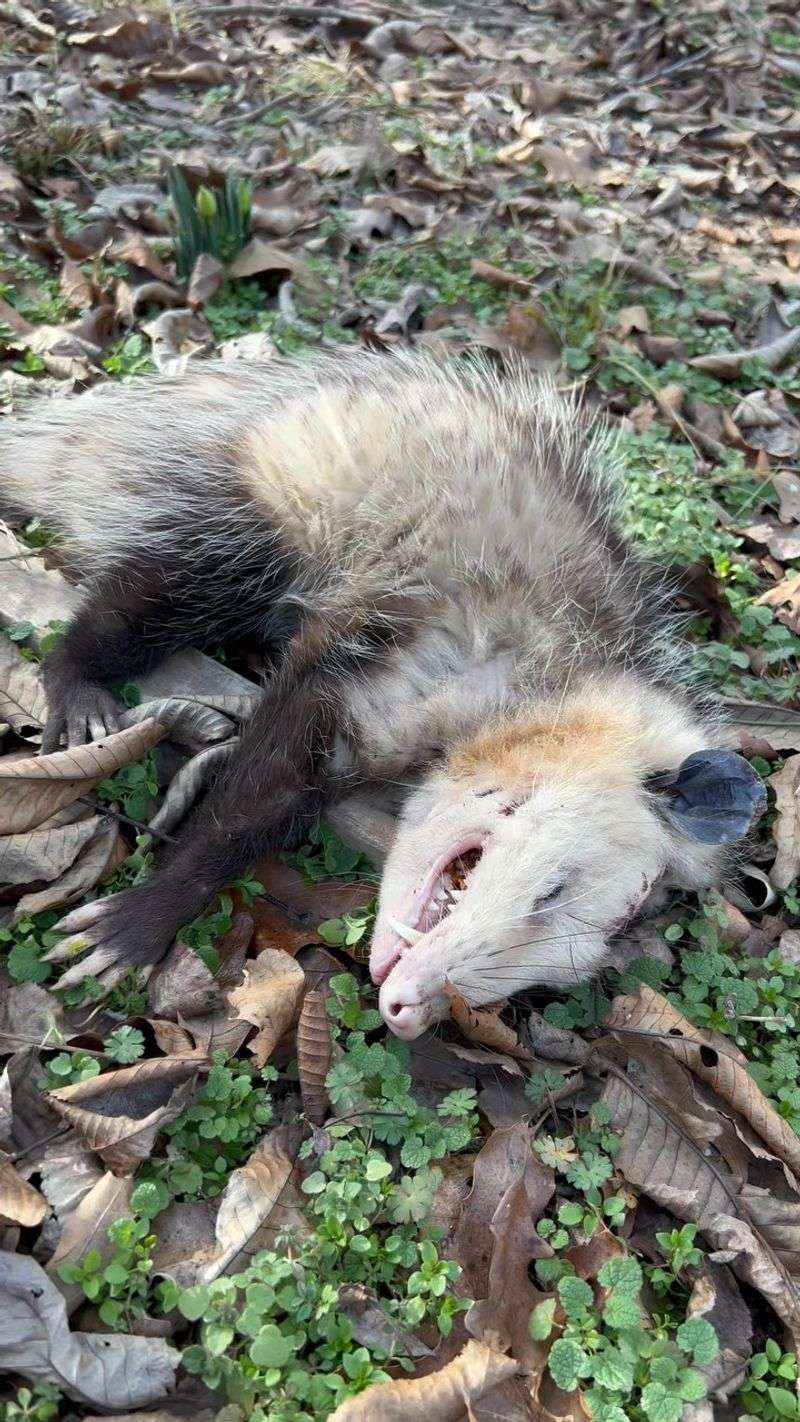
Imagine stepping outside and finding an opossum flat on its side, tongue out, eyes glazed. Your heart sinks, but wait before calling anyone.
That dramatic scene is the famous act called playing opossum. It is an involuntary response to extreme fear, not a choice or a sickness.
During the act, the body goes limp and breathing turns very shallow. The eyes may roll back, and drool can drip from the mouth.
Things get even stranger from there. A greenish, foul-smelling fluid may leak from glands near the tail.
Predators usually lose interest in prey that looks and smells spoiled. It is a clever survival trick shaped over millions of years.
The stillness can last a few minutes or several hours. Once the coast is clear, the animal slowly wakes up and wanders off.
Your best move is simple. Bring pets indoors, keep kids back, and give the opossum quiet space to recover.
Avoid poking, lifting, or moving the animal during this state. Handling it can cause more stress and could earn you a defensive bite.
Check back after an hour or two from a window. In most cases, the opossum will have quietly slipped away on its own.
If the animal stays put overnight or seems hurt, call a local wildlife rehabilitator. They can tell whether it needs help or just more time.n
Daytime Visits Aren’t A Sign Of Rabies
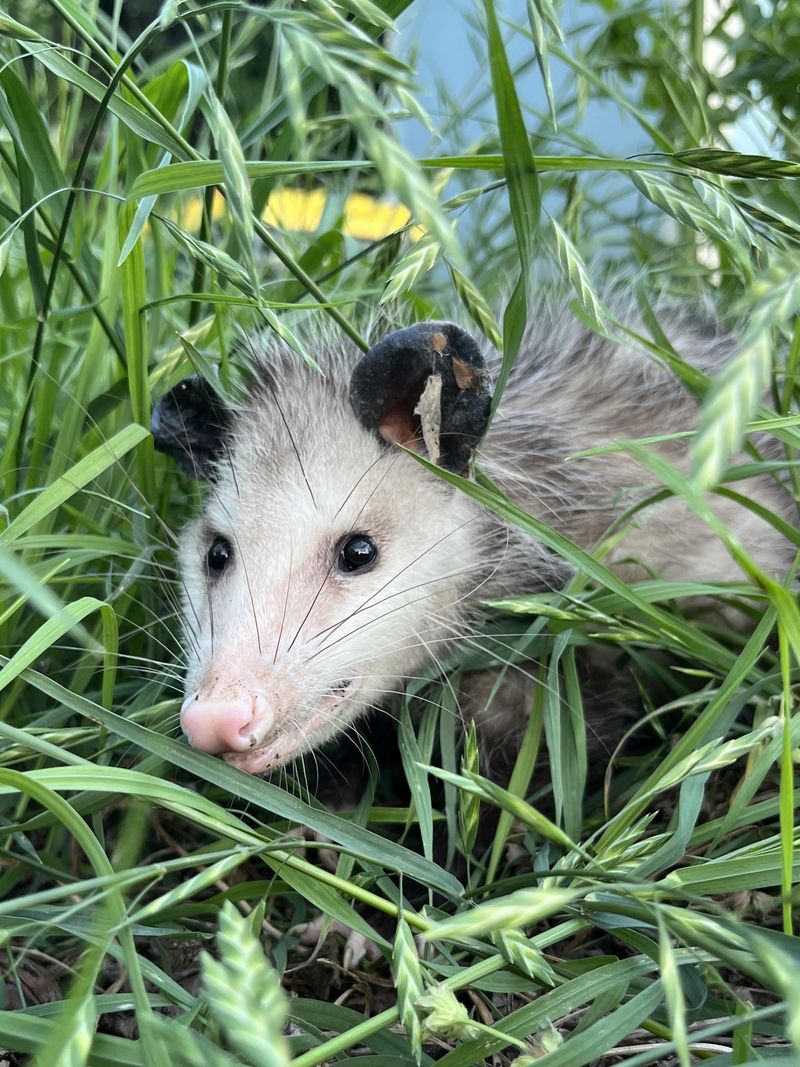
Spotting an opossum strolling across your lawn at noon can feel unsettling. Lots of folks immediately think rabies, but that worry is usually misplaced.
Opossums are mostly nocturnal, active from dusk until a few hours before dawn. Still, daylight outings happen for plenty of normal reasons.
Food may be scarce, especially during cold snaps or dry summers. A hungry animal will take its chances in the sunshine.
Mothers caring for young often need extra meals too. Feeding a pouch full of babies takes serious energy.
Here is the good news. Opossums are less likely to carry rabies than many other wild mammals.
Their body temperature runs lower than most mammals. That cooler body makes it harder for the rabies virus to thrive.
Rabies is still possible in any mammal, so stay alert. Warning signs include stumbling, circling, foaming at the mouth, or unusual aggression.
A calm opossum sniffing for food looks very different. It will usually waddle along and avoid you if given the chance.
Keep pets current on rabies shots no matter what wildlife lives nearby. Virginia requires rabies vaccines for dogs and cats, and they protect your whole household.
If an animal acts truly strange, keep your distance and call animal control. Otherwise, let your daytime visitor finish its errands in peace.
A Mother May Be Carrying Babies
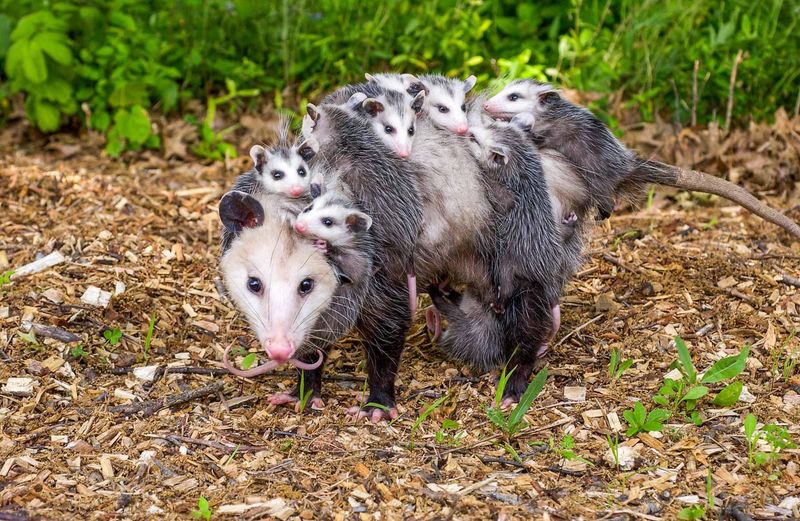
Few sights are cuter than a mother opossum hauling a squirming crowd on her back. That adorable parade is a big reason to rethink quick removal.
Opossums are the only marsupials found north of Mexico. Like kangaroos, females carry their young inside a pouch on the belly.
Only females have pouches, so males travel solo. Newborns are about the size of a jelly bean when they crawl inside.
Each baby latches onto one of roughly 13 teats. They stay snuggled in the pouch for about 60 to 70 days.
As they grow, the youngsters climb onto mom’s back for rides. They still return to the pouch for milk and naps.
Trapping or chasing a mother can separate her from her babies. Little ones left behind have slim odds without care.
Spring and summer are peak baby seasons in Virginia. Waiting a few weeks often means the whole family moves along naturally.
Sadly, mothers sometimes get struck by cars. If you find a lifeless female, carefully check her pouch while wearing gloves.
Babies inside can survive for a while after losing their mother. Call a licensed wildlife rehabilitator right away for guidance.
Never try to raise orphaned opossums at home without help. Rehabbers know the special diet and warmth these tiny marsupials need to grow strong.
Pet Food And Trash Are What Draw Them In
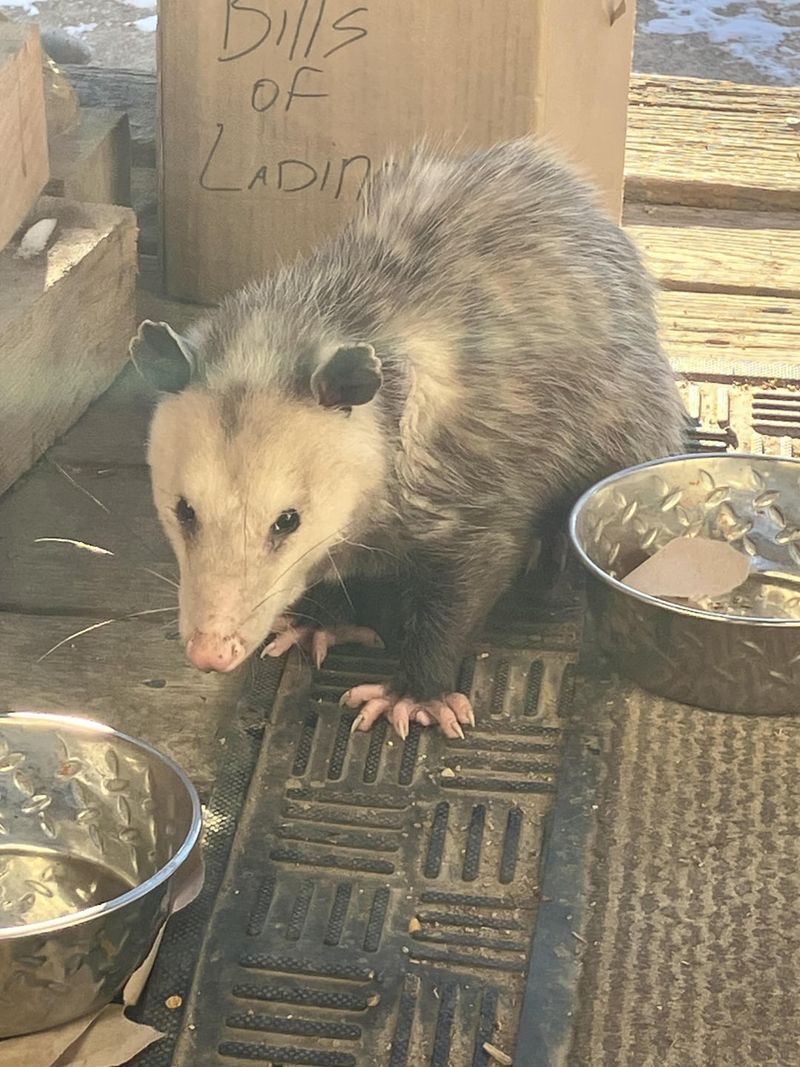
Leave a bowl of kibble on the porch overnight, and you might as well hang a welcome sign. Opossums follow their noses straight to easy meals.
Pet food left outside ranks near the top of the list. Unsecured trash cans, birdseed, compost piles, and fallen fruit come close behind.
These animals are opportunists. If food is easy to reach, they will gladly come back night after night.
Start with your pets’ dinner routine. Feed cats and dogs indoors, or pick up bowls as soon as meals are finished.
Trash cans need snug lids that latch or lock. Bungee cords work well, and storing bins in a garage helps even more.
Bird feeders drop seed that piles up below. Use a seed tray or rake up spills every few days.
Compost bins should be closed and well built. Skip meat, dairy, and greasy scraps, since those smells travel far.
Fruit trees deserve attention in late summer. Gather fallen apples, pears, and persimmons before they start to rot.
Food smells of any kind can pull them in. Keep baking scraps and greasy leftovers away from open porches.
Once the buffet closes, most opossums simply drift elsewhere. Cutting off food is often the cheapest and gentlest fix in any neighborhood.
Sealing Gaps Under Decks Encourages Them To Move On
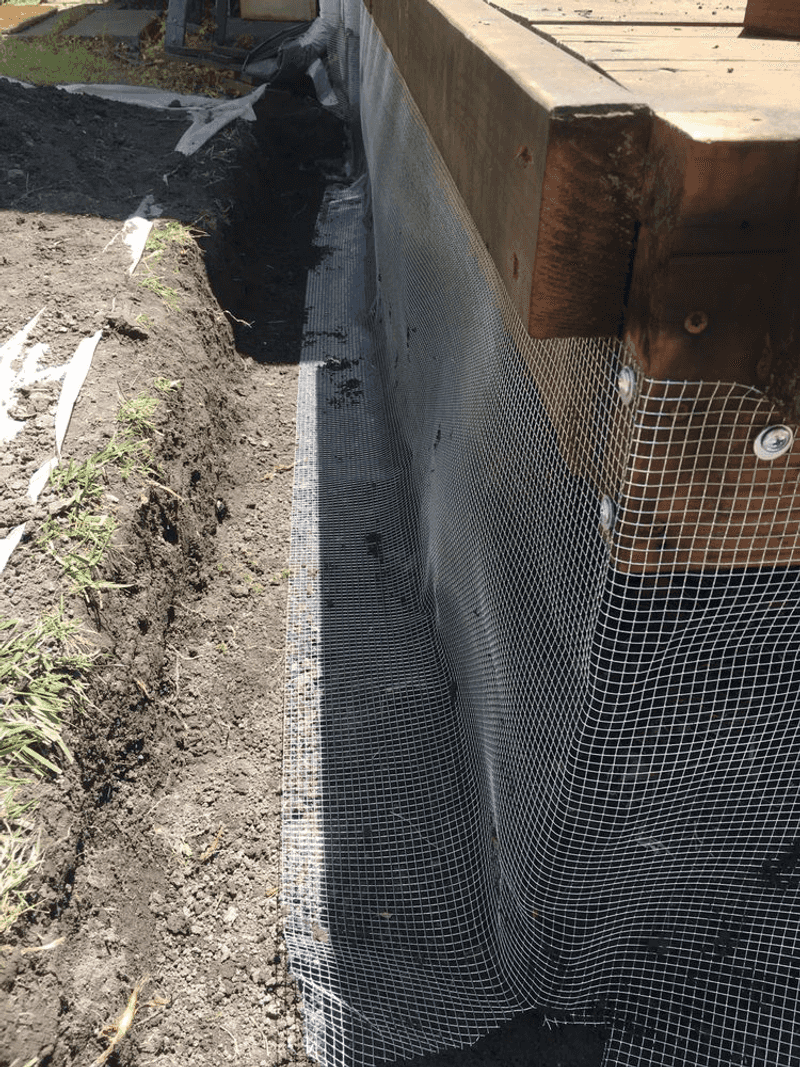
That cozy, shadowy space under your deck looks like a five-star hotel to an opossum. Close the doors, and your guest will check out on its own.
Opossums rest during the day in quiet, sheltered places. Decks, porches, sheds, woodpiles, crawl spaces, and thick shrubs are favorite spots.
Begin by making the area less inviting. Remove food, clear clutter, and trim dense bushes near the house.
Motion-activated lights or sprinklers can startle an opossum at night. Rags dampened with diluted ammonia may also work as a short-term deterrent.
Next, confirm the animal has left before sealing anything. Sprinkle flour near the opening and look for tracks heading out.
A loosely stuffed newspaper wad works too. If it stays undisturbed for a few nights, the space is likely empty.
Be extra careful in spring and summer. Babies could be tucked inside even if mom has stepped out.
Hardware cloth is the go-to material for blocking gaps. Bury it six to twelve inches deep with an L-shaped bend to stop digging.
Secure the top edge with screws or heavy staples. Check the barrier every few months for loose sections or new holes.
Many homeowners handle this project in a single weekend. The result is a protected deck and an opossum peacefully settled somewhere else.
A Licensed Wildlife Professional Can Handle Stubborn Cases
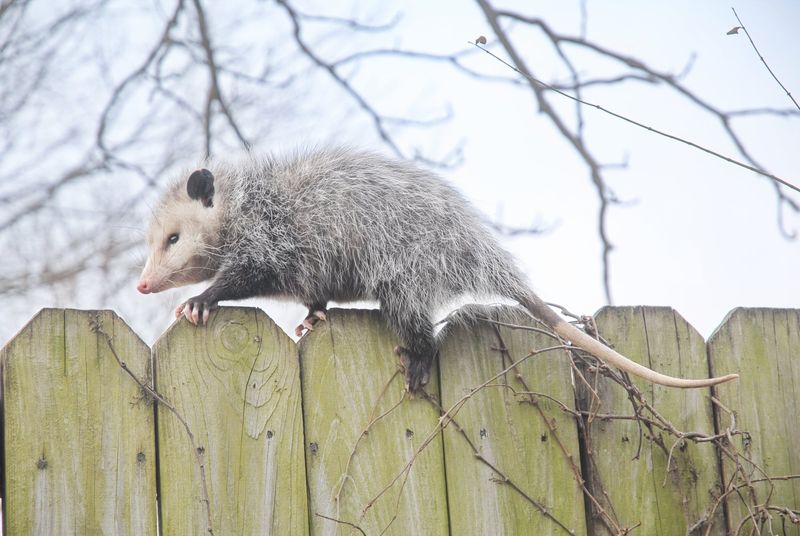
Sometimes an opossum simply refuses to take the hint. You have cleared the food, added lights, and it still lounges under the shed.
When nothing works, a licensed wildlife professional can step in. Their experience saves time and prevents costly mistakes.
In Virginia, anyone charging for wildlife control must hold a Commercial Nuisance Animal Permit. The Department of Wildlife Resources issues those permits.
Ask any company to show proof before hiring. A legitimate operator will happily share license details and insurance information.
Pros start with a careful inspection of your property. They locate entry points you may have missed, like loose vents or foundation cracks.
Many also offer exclusion work, cleanup, and repairs. Sanitizing a den area removes odors that might attract new visitors.
Licensed experts know state and local rules inside and out. They understand the ban on moving trapped wildlife off-site.
Get two or three quotes for bigger jobs. Ask whether they check for babies and how they handle humane removal.
Good reviews and clear answers are strong signs. Be cautious of anyone promising to haul the animal far away, since that breaks state law.
A trusted pro offers peace of mind for stubborn cases. With smart help, your yard can return to normal, and the opossum will have to find shelter somewhere else.