Orange Beetle Swarms Are Gathering On Sunny Alabama Walls Looking For A Winter Home
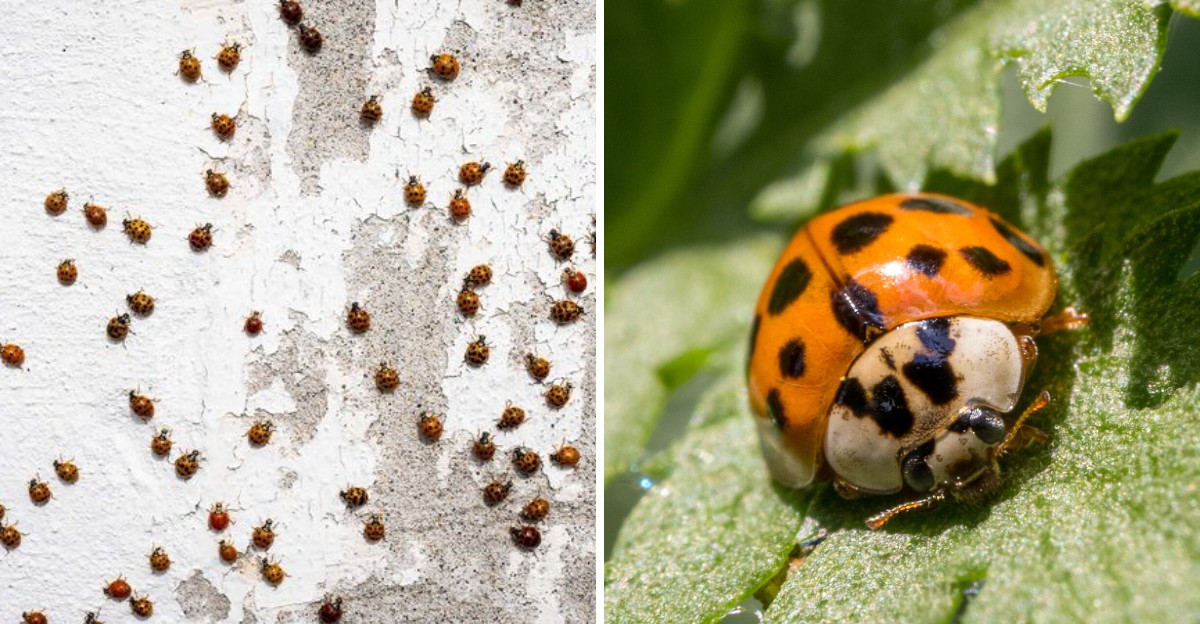
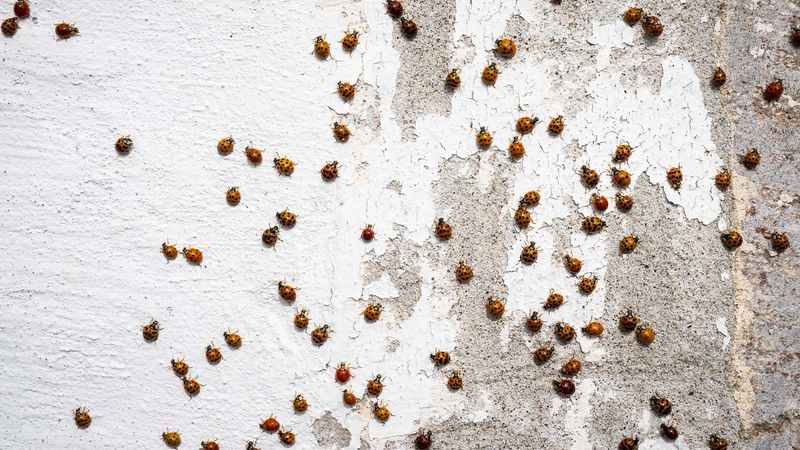
Those orange specks on your siding are not decorating anything. Multicolored Asian lady beetles are staking claim to your home across Alabama.
You can thank a pheromone trail for the sudden crowd. Beetles mark the warmest, lightest surface you own, and others follow.
Sniff near the cluster and you may catch a musty, leathery whiff. Threatened beetles ooze a yellow fluid that stains your curtains and walls.
Researchers imported them from Asia decades ago to eat aphids on crops. Now they want your attic, your wall voids, and your window frames.
Seal gaps near your windows and rooflines before they slip inside. Warm Alabama afternoons turn your house into their favorite destination.
Cold snaps push them indoors, where they huddle in your walls until spring. Crushing them leaves a lingering odor on your curtains and carpet. Sweep them outside instead.
Asian Lady Beetles Looking For Winter Shelter
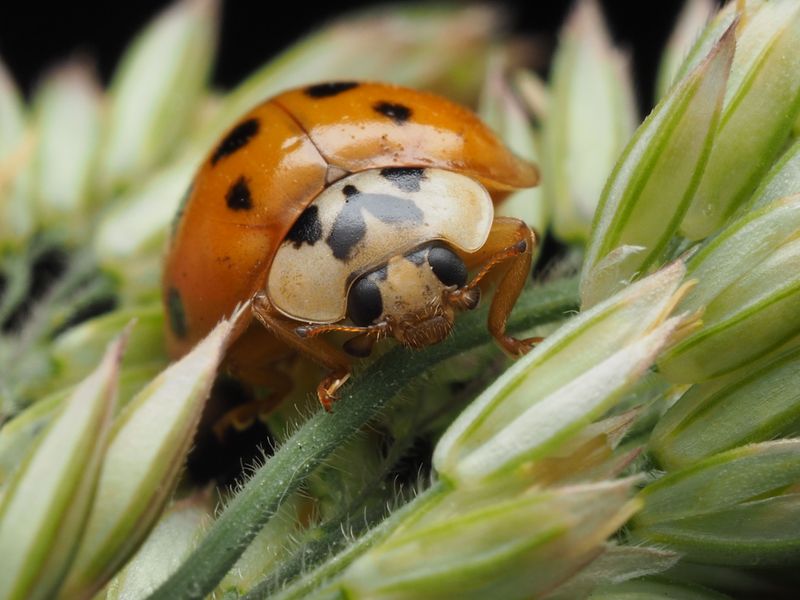
Picture a bug native to the cold mountains of East Asia, including China, Japan, and Korea. Asian lady beetles carry that habit of hiding in rocky cliffs for winter.
Your house looks a lot like a sunny cliff to them. Pale walls facing south or west send out heat and light that beetles find hard to resist.
Scientists brought these beetles to the United States on purpose decades ago. Farmers wanted help munching aphids, the tiny sap-sucking pests that damage pecan trees and crops.
You can tell them apart from native ladybugs by a black mark shaped like an M or W on the white area behind the head. A close look helps, since the beetles are small.
The plan worked, and the beetles spread across the South quickly. Alabama now has large numbers of them, especially near fields, woods, and soybean farms.
Once summer fades, their food supply shrinks and the nights turn chilly. That shift flips a switch inside them, telling them to find a protected place to rest.
They also release a scent that works like a group text to other beetles. One beetle finds a good spot, and soon hundreds follow the smell to join the party.
These beetles are not trying to bother you on purpose. They simply want a dry crack where they can sleep through the cold months safely.
Knowing their reason helps you stay calm when your wall turns orange. A little patience and smart planning go much further than hasty reactions or indoor spraying.
October Sunshine And The Big Fall Gathering

Think of October as peak activity for orange beetles across Alabama. After the first real cool snap, warm sunny afternoons send them flying in big clouds.
Swarms often show up a day or two after a chilly night. Temperatures that climb back into the upper 60s or 70s get them moving fast.
In north Alabama, the peak often lands in early to mid October. Down near the coast, the flights can stretch later, sometimes into early November.
Afternoons matter most, because beetles love warmth before they settle for the winter. Between about noon and four, you may see the biggest crowds on your walls.
Your Alabama Garden Changes Every Week. Your Plan Should Too.
Gardening in Alabama changes quickly throughout the season. Every Friday you’ll receive a simple weekly plan showing exactly what to plant, prune, fertilize, harvest, and protect so you never miss the right timing.
Harvest season plays a role in the timing too. Cutting soybeans and corn can disturb beetles, and some move toward nearby homes.
Homes near fields and tree lines tend to get heavier visits. Light colored siding catches the sun, so it acts like a giant welcome sign.
Some years bring bigger swarms than others, depending on summer aphid numbers. Lots of aphids mean well-fed beetles, and well-fed beetles mean a crowded October.
Keep an eye on your local forecast this month. A cold night followed by a bright, warm day is your clue to close windows early.
The flight period usually lasts a few weeks each fall. Once steady cold arrives, the beetles tuck themselves away and the walls go quiet again.
Jot down the date you first notice them this year. Next fall, that note can help you get ready a week ahead.
Why Crushing Beetles Causes Trouble
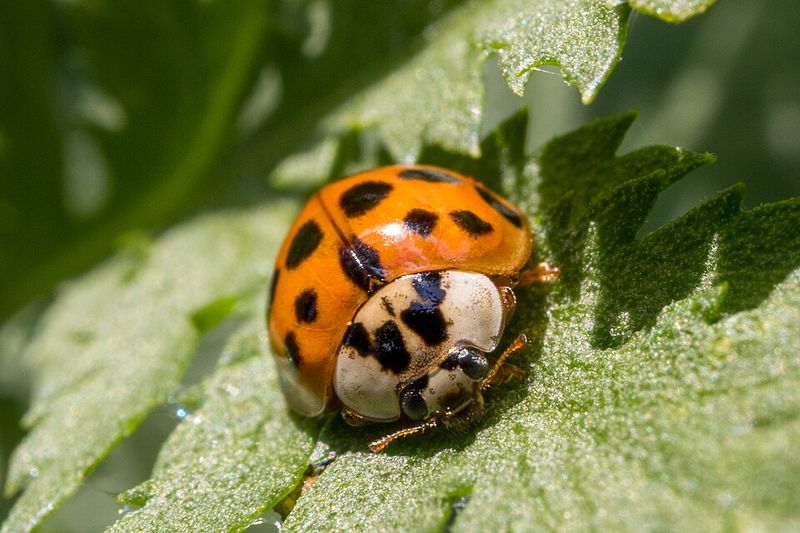
Swatting a beetle on a white curtain can leave a yellow stain and a sharp smell behind. Squishing Asian lady beetles is a common mistake. When they feel threatened, they ooze a yellowish fluid from their leg joints.
Scientists call this reflex bleeding, and it is a clever defense move. The liquid tastes bitter to birds and smells bad to almost everyone else.
Asian lady beetles can also give a small pinch if they land on your skin. It feels like a tiny pinprick and is usually harmless, though some people develop allergic reactions such as sneezing or itchy eyes.
On walls, carpets, and light furniture, that fluid can leave marks that are hard to remove. Crushing a whole group makes the problem much worse.
Pets can run into trouble too. A beetle crunched in a curious mouth leaves a bitter taste and drool, and many beetles can irritate the mouth or upset the stomach. Call a vet if symptoms last.
Spraying lots of bug spray indoors is another common slip. Chemicals can linger around kids and pets, and leftover beetle bodies may attract carpet beetles later.
Ignoring the first few beetles can also backfire. Their scent trail tells friends the house is safe, so a handful can grow into a crowd within days.
Some folks also prop doors open on warm afternoons to enjoy the breeze. A tiny gap is all an eager beetle needs to slip inside.
Treat these little guests gently, even when they test your patience. Your curtains, your carpet, and your nose will thank you for the restraint.
A Gentle Fix For Beetles Already Inside
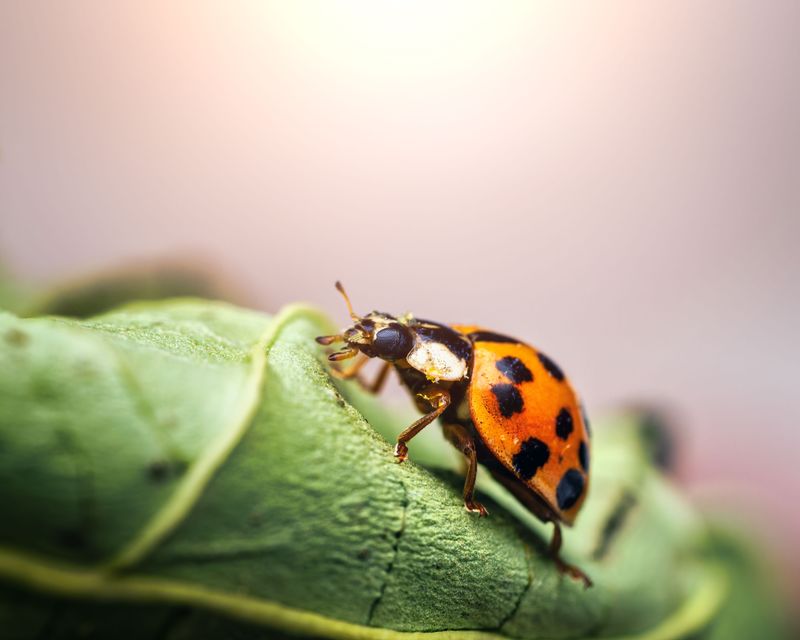
Grab the vacuum, but hold on before you start sucking up beetles. A simple trick turns your regular vacuum into a gentle bug catcher.
Slide a knee-high nylon stocking into the vacuum hose, then fold the edge over the end. Secure it with a rubber band so the stocking stays put.
Now the beetles get trapped in the stocking instead of the vacuum bag. Your machine stays clean, and you skip the unpleasant odor later.
Once you finish, pull the stocking out carefully and tie it shut. You can release the beetles outside, though some may return, or drop them in soapy water.
Light traps work well in attics and dark rooms too. Beetles head toward a glowing bulb and drop into a collection cup below.
Homemade versions are easy to build with a flashlight, a plastic bottle, and some tape. Set one up overnight, and check it each morning for new visitors.
A cup and a sheet of paper work well for a few stragglers on window sills. Trap the beetle, slide the paper underneath, and carry it outdoors.
If stains already happened, dab them with a little dish soap and cool water. Avoid scrubbing hard, since rubbing can push the yellow color deeper into fabric.
For large populations inside walls, a licensed pest control pro can help. They can treat the outside of your home before the next wave arrives.
Patience pays off with this pest. A few calm minutes each day keeps the indoor crowd small and manageable.
The Spring Exit And Life After Winter
By February, your attic may feel peaceful, but the beetles are still tucked in there. They rest quietly in a sleepy state, using very little energy until warmer days return.
Scientists call this winter rest diapause, which resembles hibernation. The beetles do not eat, breed, or bother much of anything during this time.
Warm winter days can wake a few of them early, though. You might spot one crawling on a sunny window in January, looking a bit disoriented.
Those early risers often wander toward lights and end up inside your living space. Simply scoop them up and set them outside on a mild afternoon.
Come March and April, the big exit begins. Beetles crawl back toward light and warmth, hoping to escape and find fresh food outdoors.
Some get lost and pop out from ceiling vents or light fixtures instead. Keeping windows open for a few minutes on warm days helps them find the exit.
Once outside, the beetles get right back to work. A single beetle can gobble hundreds of aphids in its lifetime, protecting gardens and farms.
Your rose bushes and vegetable plants benefit from these hungry helpers. That makes their winter stay a little easier to forgive.
Asian lady beetles can live two to three years. That means the same bugs could return to your walls next October if nothing changes.
Their leftover scent also guides new beetles to the same spots. Wiping down window frames with soapy water in spring may help reduce some of that trail.
Sealing Cracks Before The Next Big Swarm
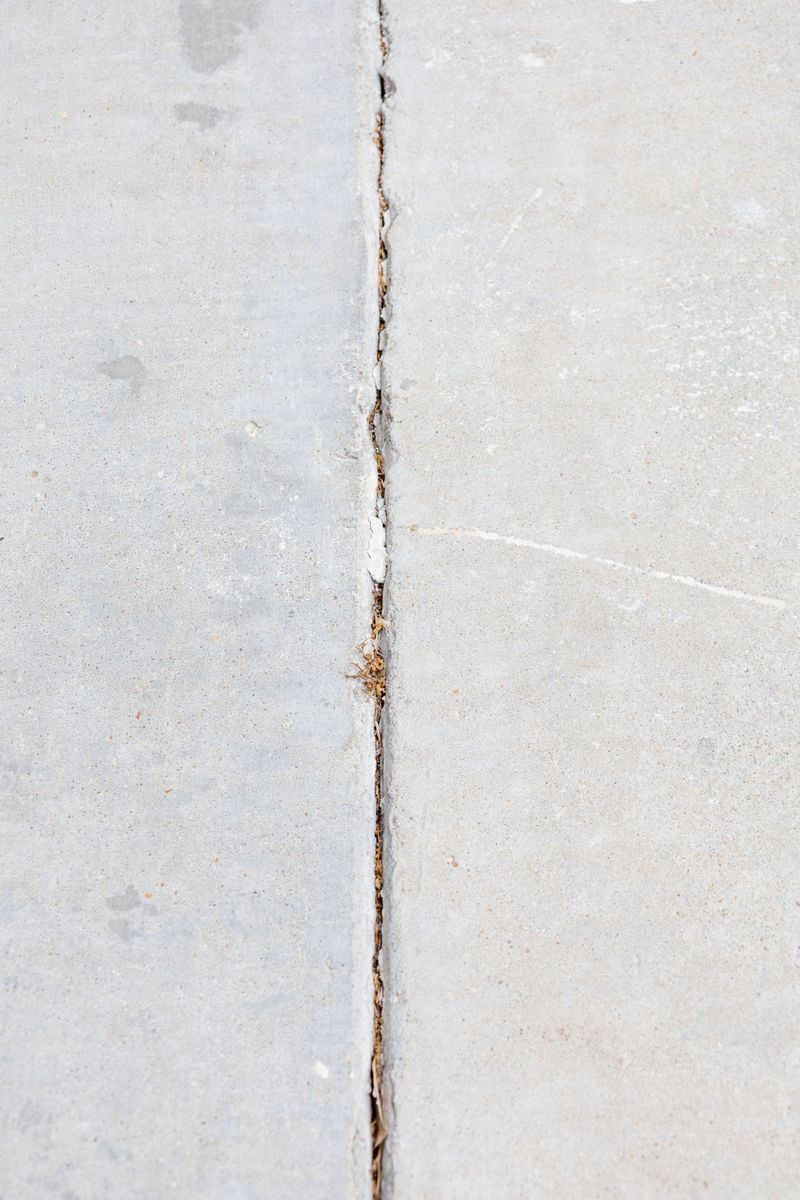
A beetle can squeeze through a gap about one eighth of an inch wide. That fact turns a weekend of caulking into one of the smartest chores you can do.
Start by walking around your house on a sunny afternoon. Watch where beetles gather, since those spots often hide cracks around windows, doors, and siding.
Silicone caulk works great for small gaps around window frames and trim. For bigger holes near pipes or wires, expanding foam fills the space nicely.
Check every window screen for rips, and patch them with a simple repair kit. Weatherstripping along the bottom of doors blocks another favorite entry point.
Do not forget attic vents, chimneys, and spots where cable lines enter your home. Fine mesh screening over vents keeps beetles out while still letting air flow.
Timing matters a lot with this project. The best window is late summer, before the October swarms begin their search.
If beetles are already crawling on your walls, you can still seal from outside, but skip gaps where beetles are entering, since trapped beetles may move into your living space. Work on cool mornings, when the bugs are less active and easier to brush away.
Some homeowners also plant mums nearby, since some gardeners believe beetles dislike them. There is little evidence it works, but a pretty fall flower bed costs little to try.
A tightly sealed house saves energy on heating bills too. Keeping beetles out and warm air in sounds like a win for everyone except the beetles.
Mark your calendar for next August with a quick reminder note. Your future self will enjoy a calm, orange-free October.