Cone-Shaped Holes Are Showing Up In Alabama Lawns Overnight, And A Nocturnal Digger Is Behind Them
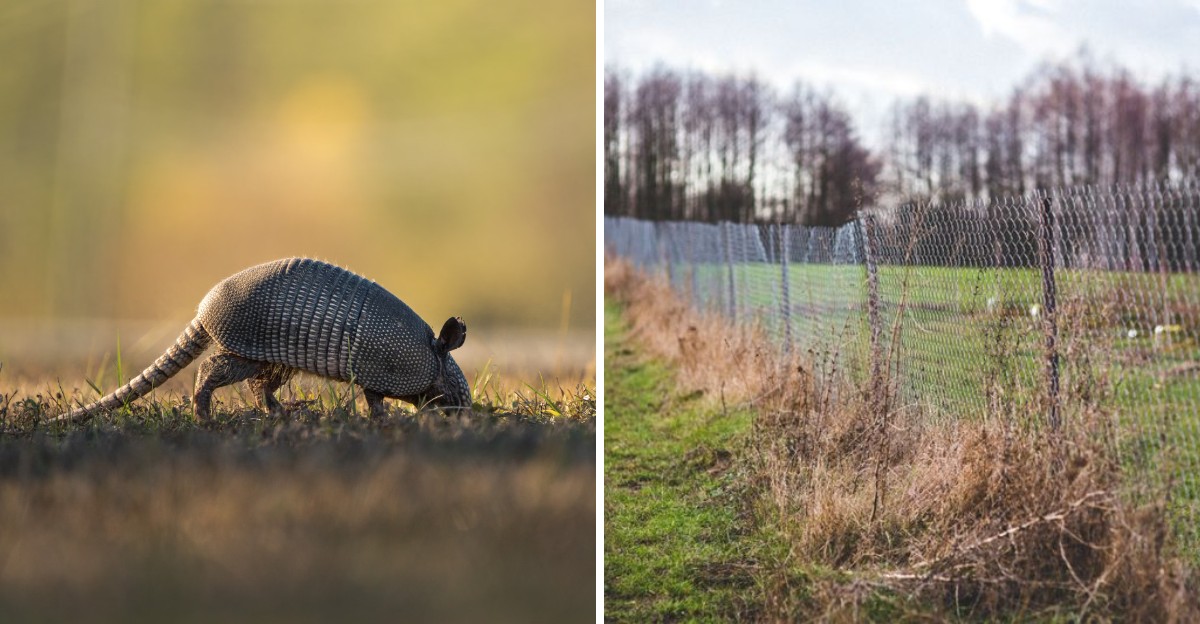
Who pressed holes across your lawn without waking you? Each hole forms a tidy cone and smells of fresh, damp soil.
Your neighbor credits aliens, and your uncle credits a gopher. Neither guess fits the evidence.
Armadillos likely did this, and they work. Across Alabama, October nights stay cool and the soil stays soft after fall rain.
Beneath that soil, plump beetle grubs wriggle, ready to nourish a visitor. Their snouts detect grubs through several inches of dirt.
Then they dig, flicking soil aside with front claws. Armored plates cover their backs while they snack on larvae, worms, and beetles.
Nights in Alabama give them plenty of cover. Fresh divots with loose soil piled at the rim point straight to the visitor.
You can redirect the digging by addressing the grubs themselves. Trim their food supply and your lawn improves.
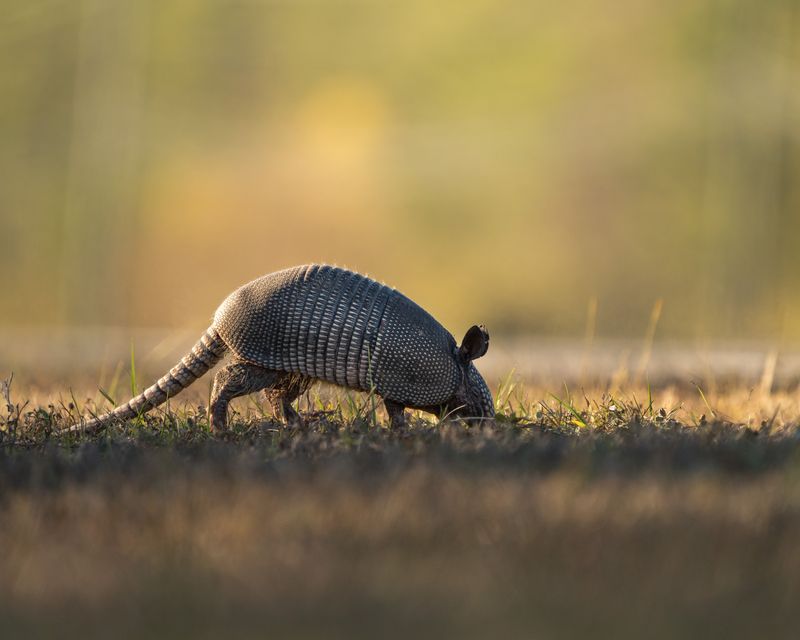
A Nine-Banded Armadillo Hunting For Grubs
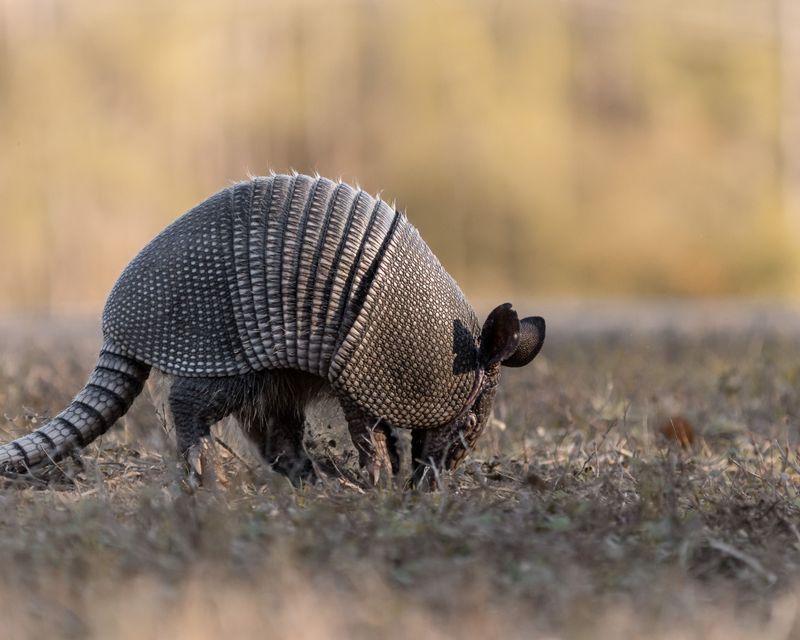
Picture a cat-sized animal wearing a leathery suit of armor and sniffing your grass at midnight. That is the nine-banded armadillo, the likely source of those holes.
Armadillos are not after your tomatoes, roses, or prized fall mums. They want the grubs, worms, and beetle larvae hiding just under the surface.
An armadillo has poor eyesight, so it relies on a powerful nose to find food. It can smell insects buried several inches deep in the soil.
Once it catches a scent, the animal pushes its pointed snout down and digs with strong claws. The result is a small cone or divot, usually one to three inches deep.
Its long, sticky tongue then collects the insects. One armadillo may poke dozens of these holes in a single night.
Armadillos spread into Alabama from Texas and Florida during the last century. Today they live in nearly every county across the state.
Other diggers like skunks and raccoons leave different marks. Skunks dig similar small holes, so tracks and burrows help tell them apart. Raccoons often lift whole strips of sod.
Look for tracks with four toes in front and five in back. Fresh tracks often show up in soft soil near flower beds and fences.
Some homeowners also find wide burrows under porches or woodpiles. Armadillos dig these as daytime bedrooms when they are not out snacking.
Neat, narrow cones scattered across the yard point straight to the armored digger. Spotting the right suspect helps you pick the right solution later.
Autumn Nights And Active Digging Season
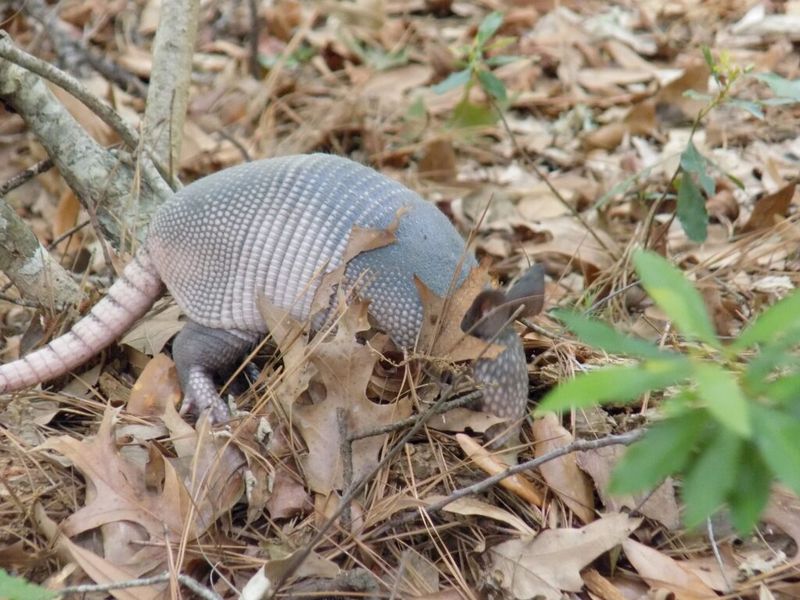
October in Alabama feels like a reward after a sticky summer. Armadillos seem to agree, because fall is when their digging really picks up.
Grubs from June beetles and Japanese beetles hatch in late summer. By early fall, they are fat, juicy, and feeding close to the grass roots.
That puts a full meal only an inch or two below your lawn. For a hungry armadillo, it is like finding snacks on the kitchen counter.
Weather plays a big part too. Fall showers soften hard summer soil, making every poke of the snout quicker and easier.
Your Alabama Garden Changes Every Week. Your Plan Should Too.
Gardening in Alabama changes quickly throughout the season. Every Friday you’ll receive a simple weekly plan showing exactly what to plant, prune, fertilize, harvest, and protect so you never miss the right timing.
A wet September may lead to more digging in October. Damp ground keeps grubs near the surface, right where those snouts can reach.
Armadillos are mostly nocturnal in warm months, coming out after sunset and digging until dawn. As nights grow colder later in the year, they shift toward afternoon outings.
They also have little body fat and a slow metabolism, so cold snaps can stress them. Fall feasting helps them prepare for winter.
Young armadillos born in spring are also out exploring on their own by now. More curious noses mean more holes in more yards.
Irrigated lawns and freshly mulched beds draw extra attention this time of year. Moist, loose soil attracts foraging animals.
If you wake up to fresh damage, check the yard after dark with a flashlight. You might catch the digger snuffling along with its nose to the ground.
Bait And Trap Placement Mistakes
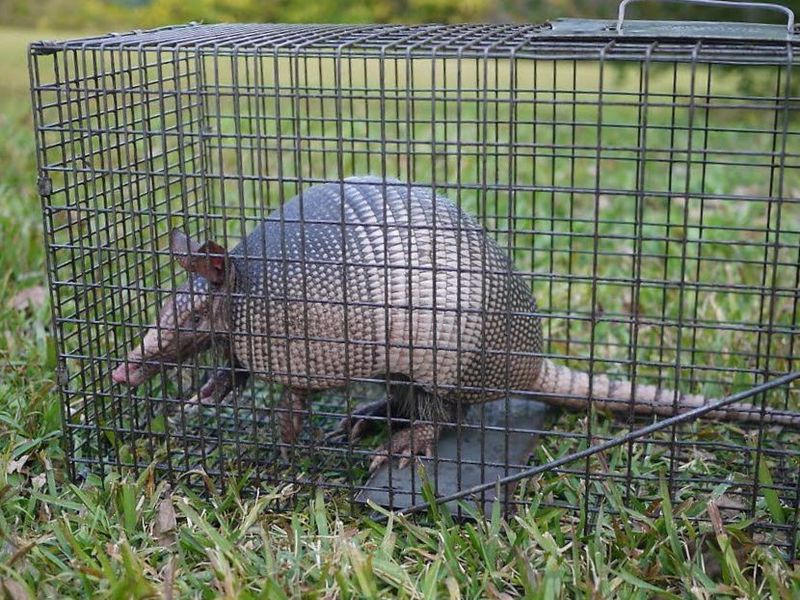
Some homeowners spend money on bait and catch only non-target animals, such as cats. Stories like this are common in Alabama yards.
The biggest mistake is assuming armadillos act like rats or mice. They do not care about grain, peanut butter, or store-bought pellets.
Poison baits are a poor idea for another reason. Pets, birds, and other wildlife can eat them first, and no poison is labeled for armadillos, so confirm current rules before using any product.
Trap placement causes the next round of trouble. Many folks set a cage in the middle of the lawn and wait for luck.
Armadillos tend to travel along edges, like fences, walls, and the sides of buildings. A trap placed along those paths has a much better chance of success.
Extension guidance suggests adding boards in a V shape to guide the animal toward the opening. Some trappers also bait with earthworms tucked inside an old stocking.
Another misstep is tilling up the whole lawn or spraying random chemicals. Aggressive treatments can reduce earthworm numbers and weaken the grass.
Avoid mothballs. They are a pesticide, and using them outdoors is a misuse that can harm children, pets, and groundwater. Castor oil sprays have limited evidence and may offer only a few quiet nights.
Before trapping, check local rules with the Alabama Department of Conservation and Natural Resources. Regulations can change, and relocating wildlife may require special permission.
Many people find hiring a licensed wildlife control operator saves time and stress. A pro knows the habits, the paths, and the laws.
Grub Control And Simple Fencing Fixes
Take away the buffet, and the guest usually leaves. Cutting down on grubs is one of the more effective steps against armadillo damage.
Start by peeling back a square foot of turf and counting the grubs. More than six to ten in that spot usually means treatment can help.
Beneficial nematodes are tiny worms that hunt grubs in the soil. They work best against young grubs, so late summer to early fall is usually the ideal window. Check the product label for timing.
Milky spore is another natural option, though it targets only Japanese beetle grubs and works slowly. Garden centers in Alabama often carry both products.
Grub control does have one catch. Armadillos also eat earthworms, so a lawn may still get visits even after treatment.
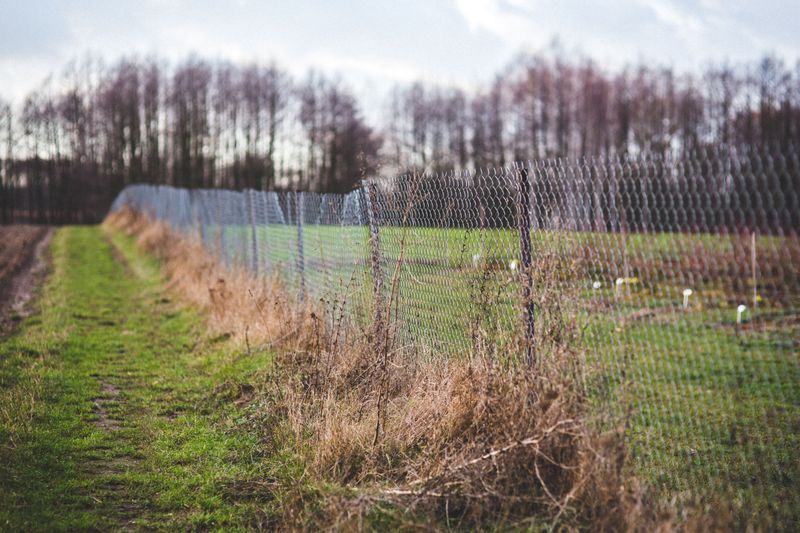
Fencing fills that gap nicely. A sturdy wire fence about two feet tall, buried at least a foot underground, deters most diggers.
Angle the top of the fence outward to discourage climbing. Armadillos can climb surprisingly well, especially over short, wobbly barriers.
If fencing the whole yard sounds pricey, protect only the spots that matter most. Flower beds, vegetable gardens, and the front lawn are good starting points.
Hardware cloth laid flat under mulch also works around shrubs. The snout hits metal, and the animal moves on to easier ground.
Motion-activated sprinklers may add extra deterrence, though evidence for armadillos is limited. Few creatures enjoy a cold shower at two in the morning.
Combine two or three of these fixes for the best results. Layered defenses make your yard far less worth the effort.
A Lawn That Recovers By Early Summer
Take a deep breath, because those holes often look more severe than they are. Most armadillo damage is cosmetic, and the grass roots usually survive just fine.
Start the repair by pressing loose soil back into each cone with your foot or hands. Then water the area lightly so the dirt settles around the roots.
Bigger holes may need a scoop of topsoil or compost to level things out. Avoid piling it too high, since mounds can bury the grass underneath.
Alabama lawns are mostly warm-season grasses like Bermuda, zoysia, Saint Augustine, and centipede. In October, these grasses slow down and get ready for winter rest.
That means fall repairs heal slowly, so patience is part of the plan. Bare patches will stay a little brown until the weather warms up.
Skip heavy fertilizer right now, since it can push tender growth before a frost. Save that boost for late spring when the grass is fully green again.
By April or May, runners from healthy grass will creep across the repaired spots. Many homeowners find the yard looks normal again by early summer.
Lightly raking the area afterward helps soil settle evenly. Gentle care gives the grass a steady start on recovery.
Keep mowing at the right height and watering deeply but less often. Strong, deep roots help turf shrug off future visits from midnight diggers.
Snap a few photos now so you can compare the progress next spring. Seeing the comeback is oddly satisfying, like watching a scraped knee heal.
Long-Term Habits For A Less Tempting Yard
Old-timers in rural Alabama like to say an armadillo goes where the eating is easy. Making your yard a little less tasty is the long game.
Overwatering ranks near the top of the list of bad habits. Soggy lawns can draw grubs and worms toward the surface, which attracts foragers.
Most Alabama lawns need about one inch of water a week, including rain. Watering early in the morning lets the surface dry out by evening.
Clearing brush piles, thick ground cover, and junk under decks removes cozy hiding spots. Armadillos like to sleep close to their favorite feeding grounds.
Seal gaps under porches, sheds, and steps with wire mesh buried into the soil. Do this at night, once the resident has left to forage.
Mulch beds can become armadillo playgrounds because the material stays damp and loose. Swapping some areas to river rock or gravel can make digging less rewarding.
Keep an eye on grub levels each late summer before the feasting season begins. A quick check every August can save a lot of fall frustration.
Talk with neighbors, too, since armadillos roam across property lines without a second thought. A whole street working together has better odds than one lonely fence.
Avoid handling armadillos directly, and wear gloves when working in soil as a general precaution. They can carry the bacteria that cause Hansen’s disease (leprosy), though human cases are uncommon.
Armadillos also give birth to identical quadruplets nearly every spring, so new visitors keep coming. Steady habits make your lawn less appealing over time.