8 Simple Ways To Grow Your Jade Plant Into A Stunning Indoor Tree In North Carolina
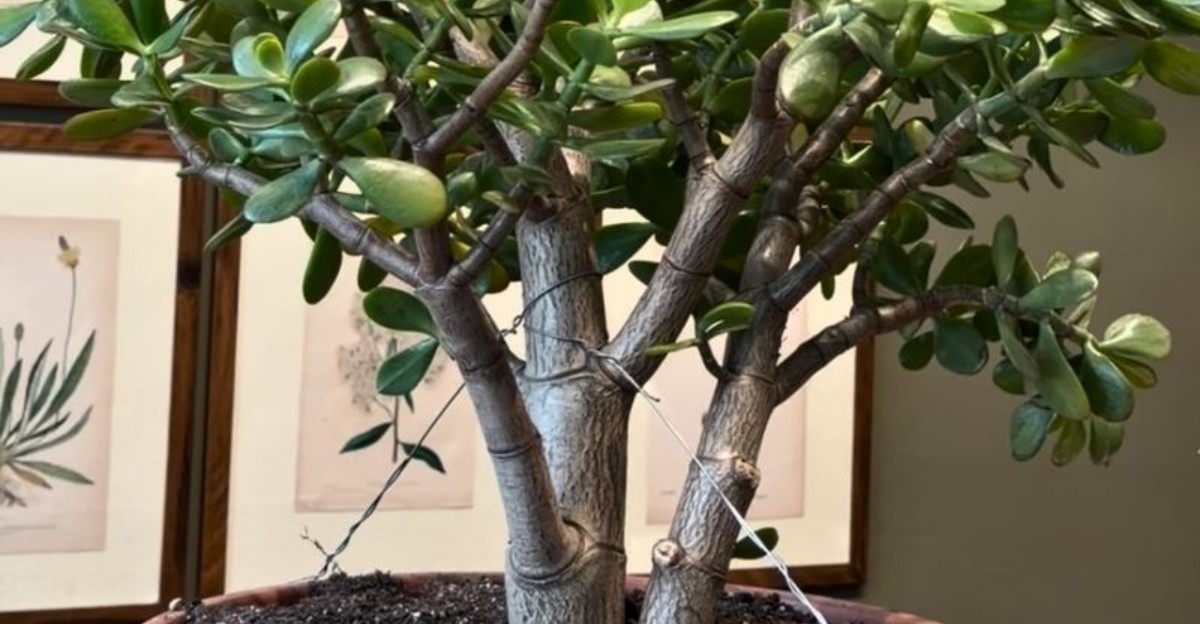
A jade plant sold in a four-inch pot can become a small tree that lives for decades. It will not happen by itself. The shape comes from a handful of habits you repeat through the year.
Where you cut decides how thick the trunk grows. How you turn the pot decides whether the plant leans toward the window. Light matters most.
North Carolina homes get strong summer sun and weaker winter light, so the plant needs different treatment as the seasons change. Water plays a quiet part too. Too much produces soft, floppy stems that never build a sturdy trunk.
Jade is forgiving, so beginners can try every one of these steps. Each small choice adds up, and in a few years the plant looks like a living sculpture.
1. Shape It When It’s Actively Growing
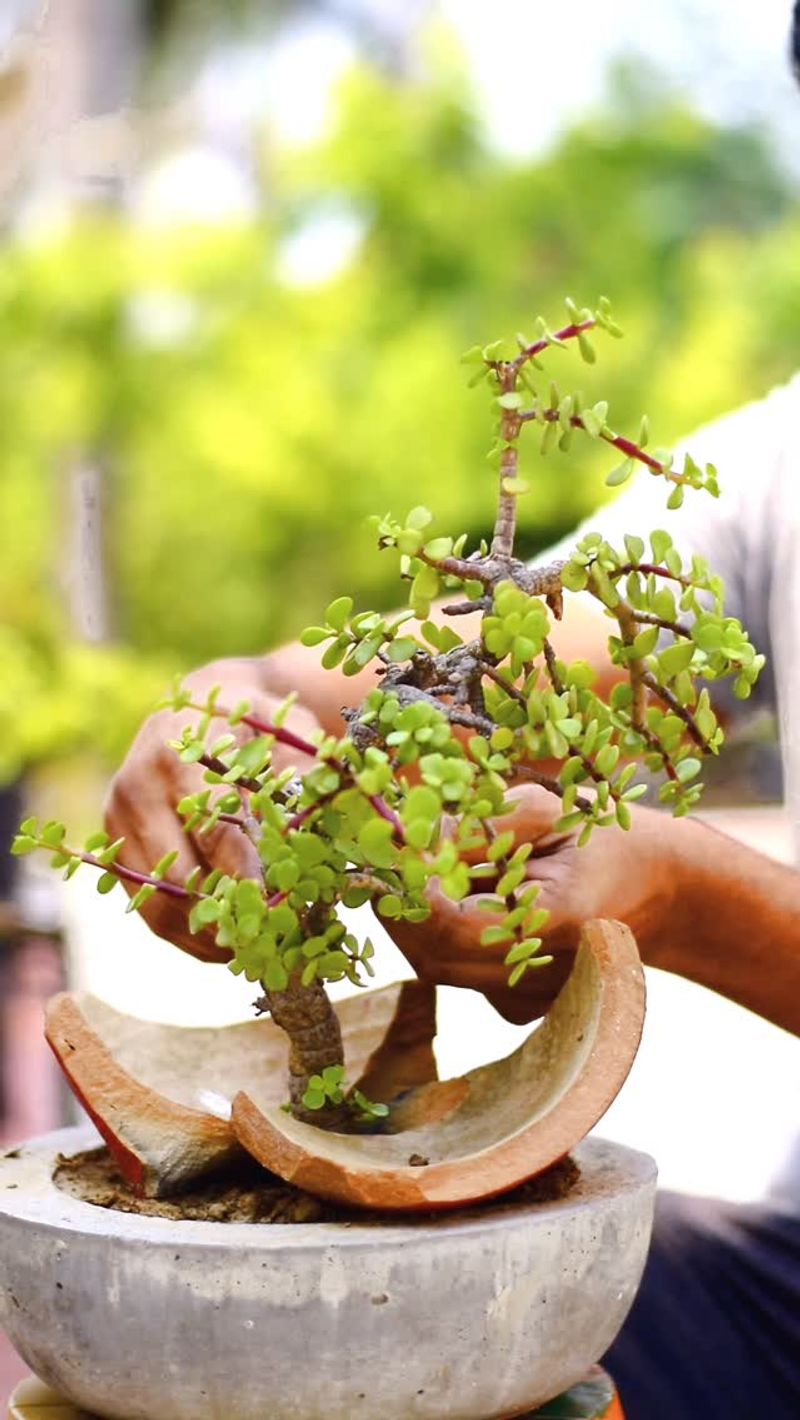
Timing is the secret most jade plant owners never hear about. A jade plant (Crassula ovata) does almost all of its growing in spring and summer, and that is exactly when it wants to be trimmed. Cuts made during these months heal fast and soon push out fresh branches.
Winter tells a different story. In late fall and winter, the plant slows way down and rests, so a cut made then may just sit there for weeks or even months.
Nothing bad usually happens, but you lose valuable time, and the plant may look stubby and bare until spring wakes it up again.
So plan your big shaping sessions from spring into midsummer. Grab a pair of sharp pruners and wipe the blades with rubbing alcohol before you start. Clean tools make neat cuts and help keep germs away from the fresh wounds.
Ragged cuts from dull blades take longer to close up. Here is a bonus worth knowing. Every healthy piece you trim off can become a brand new plant! Let the cuttings sit out for a few days until the ends dry and form a callus.
Then press them into a pot of dry succulent mix and wait. Roots usually show up within a few weeks, and soon you will have extra jade plants to keep or give away.
North Carolina makes this even easier. The warm season here often stretches from April well into October, which gives your jade plant many months of active growth.
That long stretch means your pruning pays off quickly, and you can see real progress in a single year instead of waiting forever.
2. Make Cuts Just Above A Pair Of Leaves
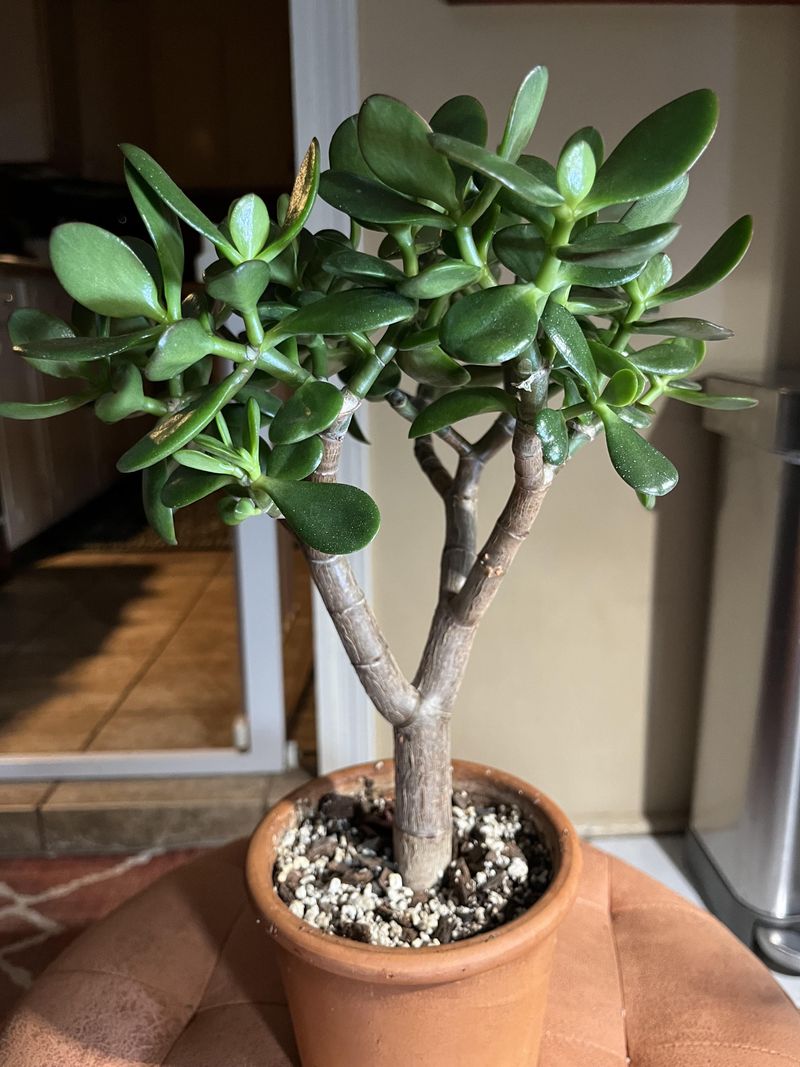
One small snip can double your branches. That sounds like magic, but it is just how jade plants are built. New shoots grow from nodes, the little spots where leaves attach to the stem.
When you cut just above a pair of leaves or a leaf scar, the plant usually sends out two new branches from that point. One stem becomes two. Two become four.
Over time, that simple math turns a skinny plant into a full, leafy crown that looks like a real tree.
Your North Carolina Garden Changes Every Week. Your Plan Should Too.
Gardening in North Carolina changes quickly throughout the season. Every Friday you’ll receive a simple weekly plan showing exactly what to plant, prune, fertilize, harvest, and protect so you never miss the right timing.
Start by looking for stems that are too long, floppy, or leggy. These are your best targets. Follow the stem down until you find a healthy pair of leaves at about the height where you want branching to begin. Then make a clean cut just a little above them.
After that, leave the cut alone. You do not need wound sealant, paint, or any special product. Jade plants are experts at healing themselves, and the cut end will dry and seal over naturally in a few days.
Adding sealant can actually trap moisture and cause problems, so skip it. Patience matters here, too.
You may not see new shoots for two to four weeks, especially if the weather is cooler. Once those tiny green buds pop out, though, you will feel like a proud plant parent.
For North Carolina gardeners, repeating this step over a few seasons is where the real beauty shows up. Each warm season gives you another round of cuts and another layer of branches.
After two or three years, your jade plant can take on the dense, branching look of a mature tree that people will stop and admire.
3. Pick One Strong Trunk And Clear The Base
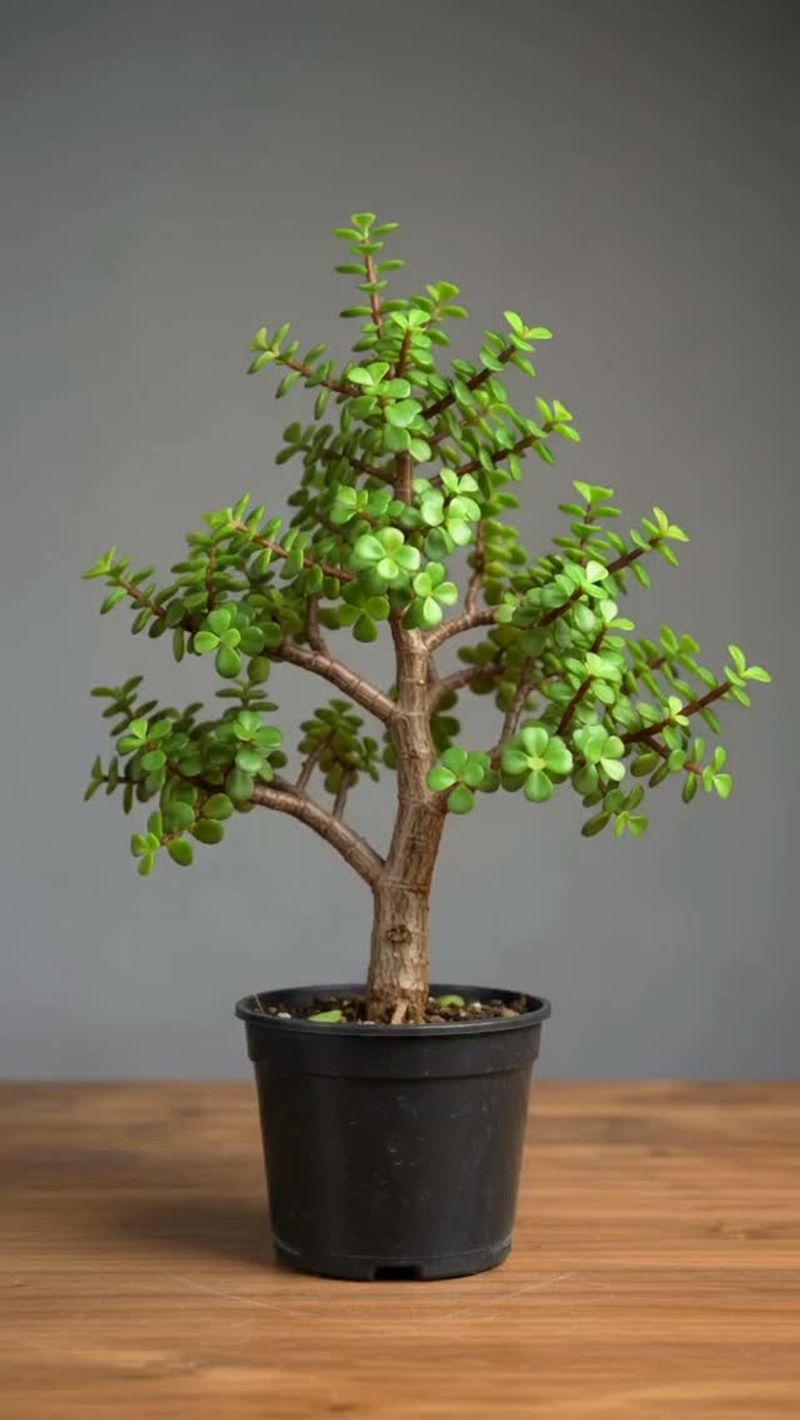
Every great tree starts with a great trunk. Think about the old oaks you see along country roads. They have one bold trunk rising up before the branches spread out, and your jade plant can copy that same look on a smaller scale.
Many jade plants grow as a bushy clump with several stems coming up from the soil. To create a tree shape, choose the sturdiest, straightest stem to be your main trunk. Then remove the competing stems at the base with clean pruners.
Those extra stems can be rooted into new plants, so nothing goes to waste. Next comes clearing the lower trunk.
Strip away the leaves and small side shoots along the bottom part of the stem. This sends energy upward into the branches and shows off that thick, woody trunk you are working so hard to build.
Go slowly, though. Remove a few leaves at a time over several sessions instead of stripping everything in one day. Leaves are how the plant makes food from light, so always leave plenty of them up top.
A good rule is to never take off more than about a quarter of the leaves at once. Over time, the bare trunk will turn brown and woody, almost like bark. That change is a sign your jade plant is maturing into a true little tree.
North Carolina gives you a helpful boost here. Long, bright growing seasons let jade plants make plenty of energy, and a well-shaped trunk thickens faster when the plant has months of steady light.
Keep up the work, and your trunk will grow chunkier and more impressive with every passing year.
4. Pinch Branch Tips For A Fuller Crown
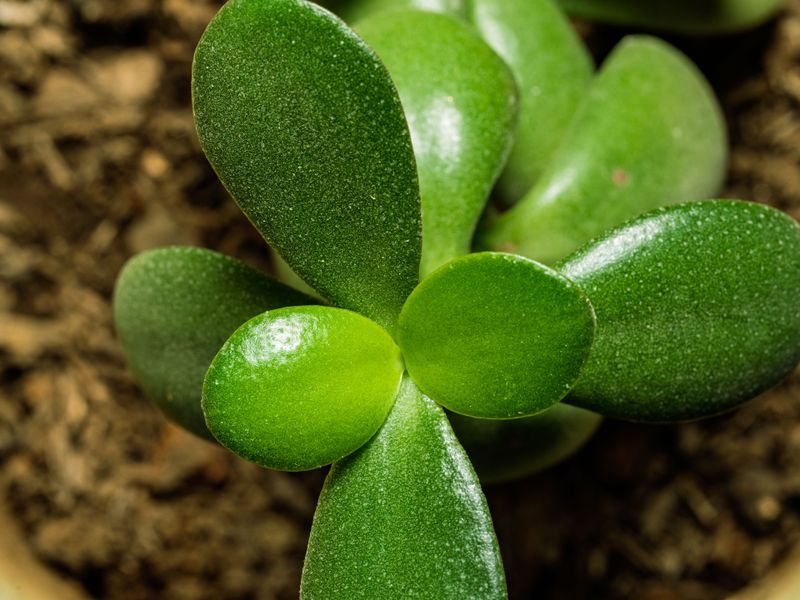
Your fingers might be the best gardening tool you own. Pinching is quick, free, and surprisingly powerful when it comes to filling out the top of a jade tree.
At the end of each branch sits a tiny pair of the newest leaves. As long as that tip keeps growing, the branch tends to stretch longer and longer. Remove it, and the plant gets the message to send out side shoots instead.
More side shoots mean a thicker canopy and a rounder, more balanced crown. The method is simple. Find the long branches and gently pinch off the newest pair of leaves with your fingertips. If the stem feels tough, small scissors work just as well.
It takes only seconds per branch, so you can treat your whole plant in a few minutes. Pay special attention to lopsided areas.
Maybe one side of your plant looks full while the other side has a few long, lonely branches sticking out. Pinch those long ones to encourage bushier growth right where you need it. Little by little, the crown evens out.
Make this a regular habit. Every few weeks during the growing season, take a quick look and pinch any tips that are racing ahead. It is a relaxing little chore, almost like giving your plant a tiny haircut.
Here in North Carolina, jade plants can grow quickly through the warm, bright months of spring and summer.
Without pinching, they may shoot upward and get gangly. Regular tip work during those seasons keeps your plant compact, tidy, and full, so it grows into a handsome tree instead of a tangle of stretched-out stems.
5. Give It As Much Bright Light As Possible
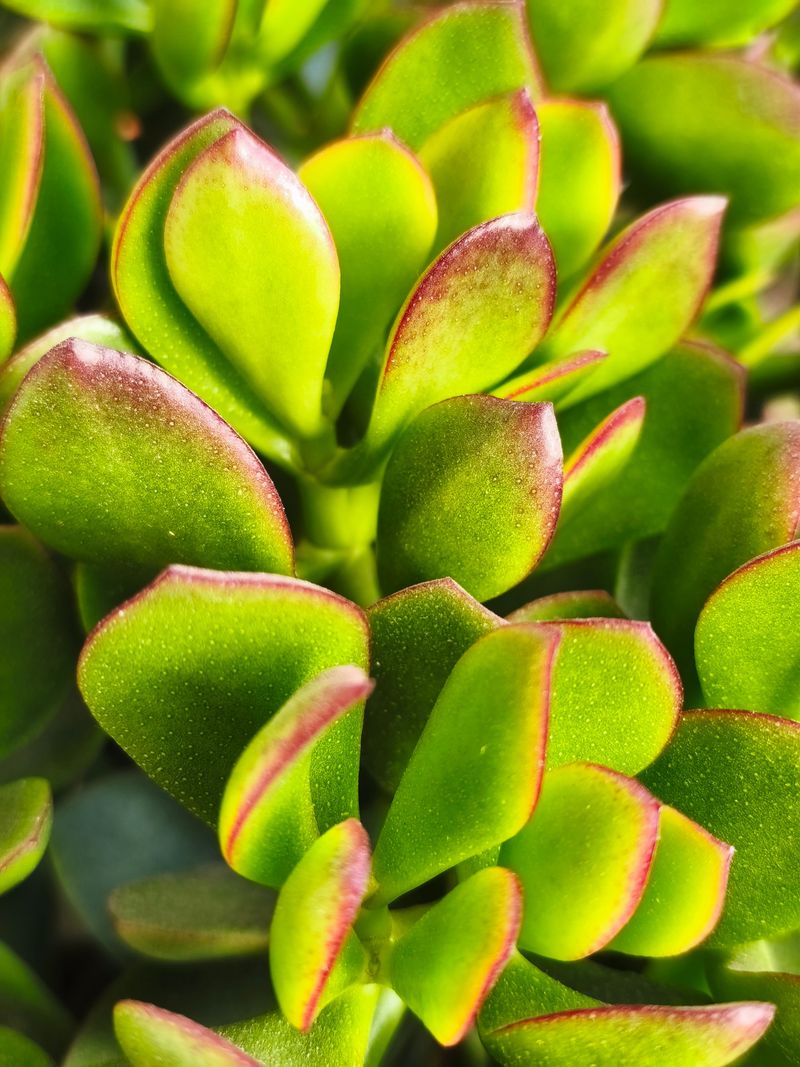
Sunshine is food for a jade plant. Without enough of it, even the best pruning plan falls flat. Light shapes how your plant grows more than almost anything else you do.
In a dim corner, a jade plant starts to reach and stretch toward the nearest window. The stems turn thin and weak, and the leaves end up spaced far apart. It looks tired and floppy instead of strong.
Bright light does the opposite, keeping the plant compact, sturdy, and tree-like. There is a pretty bonus, too. Plenty of strong light can bring out red edges on the leaves, giving your jade a rosy glow that many growers love.
The best spot in most homes is a bright south-facing or west-facing window. These windows get the most hours of direct sun. If your plant has been living in lower light, move it into brighter conditions gradually over a week or two.
A sudden jump into strong sun can scorch the leaves and leave tan or brown patches. Winter brings its own challenge. If you notice new growth getting long and leggy during the short days, add a grow light.
A simple LED grow light set on a timer for about 12 to 14 hours a day can keep your plant on track until spring.
North Carolina has strong outdoor sunshine for much of the year, but indoor light is another matter.
From late fall through winter, days get shorter and the sun sits lower, so light inside your home drops noticeably. A sunny window plus a little help from a grow light keeps your jade growing strong all year long.
6. Rotate The Pot To Keep It Balanced
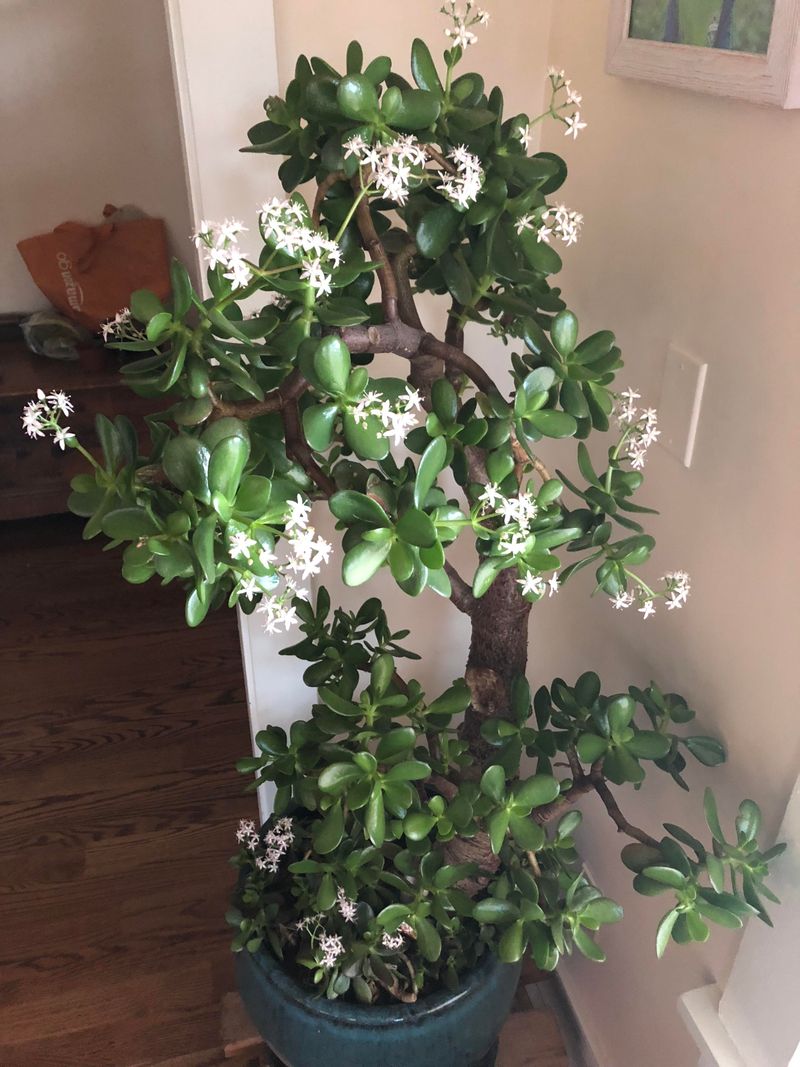
Ever notice your jade plant leaning like it is trying to peek out the window? You are not imagining it. Plants naturally grow toward their light source, and jade plants are no exception.
Left in one spot for months, a jade plant puts most of its new growth on the side facing the window. The result is a lopsided shape, with heavy branches piled up on one side. Since jade leaves and stems hold lots of water, all that weight adds up fast.
A top-heavy plant can even tip its pot over, which is a sad mess nobody wants to clean up.
Fixing this is wonderfully easy. Give the pot a quarter turn every week or two. A handy trick is to pick one day, like the day you check your mail or water other plants, and make it rotation day. That way, you will not forget.
Rotation helps, but sometimes one side still races ahead. When that happens, prune back the branches that are growing much faster than the rest. Trimming them evens out the shape and spreads the weight more fairly around the trunk.
As your plant grows taller, step back now and then and look at it from a few angles. Does it lean? Does one side look heavier? Small fixes made early are much easier than big corrections later.
In North Carolina homes, this step matters even more during the colder months. Winter sun sits low in the sky and shines in at a low, sideways angle through windows.
That low light pulls plants sideways more noticeably, so regular turning keeps your jade tree standing tall and balanced.
7. Use A Heavy Pot And Gritty, Fast-Draining Mix
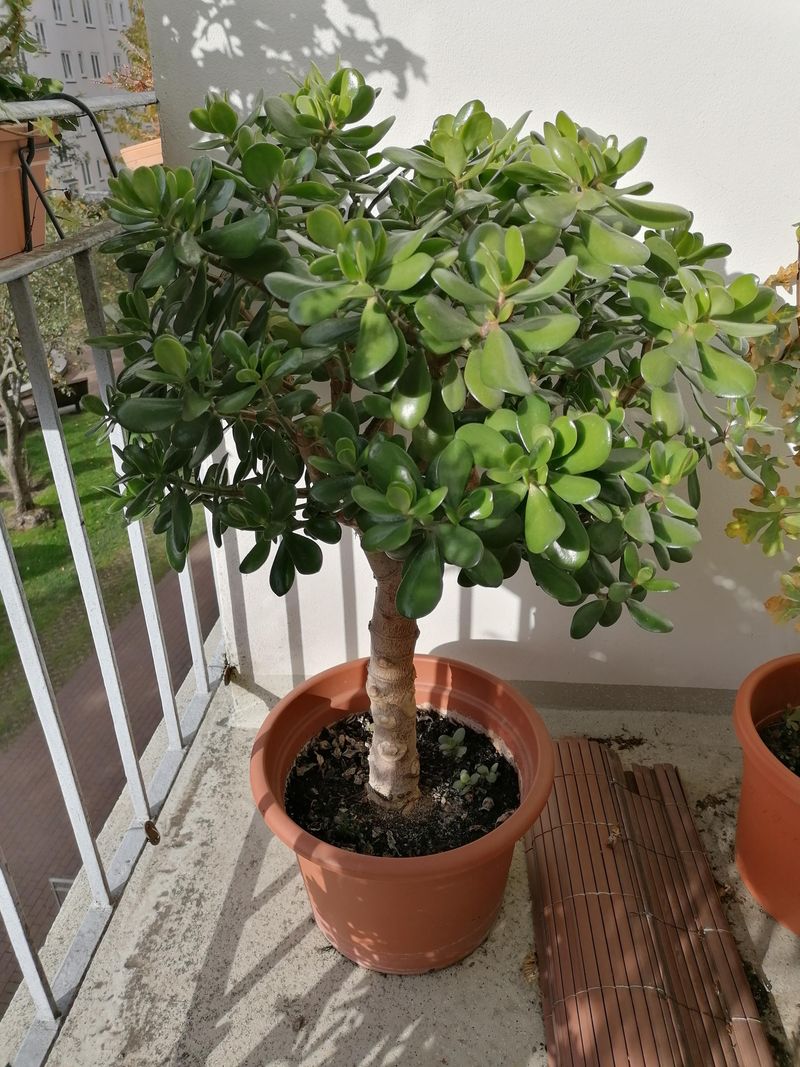
Behind every beautiful jade tree is a pot doing a lot of quiet work. As branches grow thicker and heavier, the plant becomes top-heavy, and a flimsy plastic pot simply cannot keep it steady.
Choose a sturdy, wide container made of terracotta or ceramic. These materials are heavy, which helps anchor the plant, and a wide base makes tipping much less likely. Terracotta has another perk because it is porous, so it lets extra moisture escape through its walls.
Whatever pot you pick, make sure it has drainage holes in the bottom. Soil matters just as much.
Jade plants store water in their thick stems and leaves, which is why they handle dry spells so well. Their roots, however, hate sitting in soggy soil and can quickly develop root rot.
Use a cactus and succulent mix, then stir in extra perlite or grit, like coarse sand or small pumice, so water drains fast.
Watering should be done with care. Wait until the soil is completely dry all the way down, then water deeply until it flows out the bottom. Poke a finger or a wooden chopstick into the soil to check before you pour.
Every few years, your jade will outgrow its home. When roots crowd the pot or poke out of the holes, repot in spring, moving up just one size.
North Carolina summers bring thick, humid air, and that humidity slows down how fast soil dries.
A pot that would dry in days elsewhere may stay damp much longer here. That makes overwatering easy, so a gritty mix and a breathable pot are your best defense.
8. Let It Summer Outdoors With Some Protection
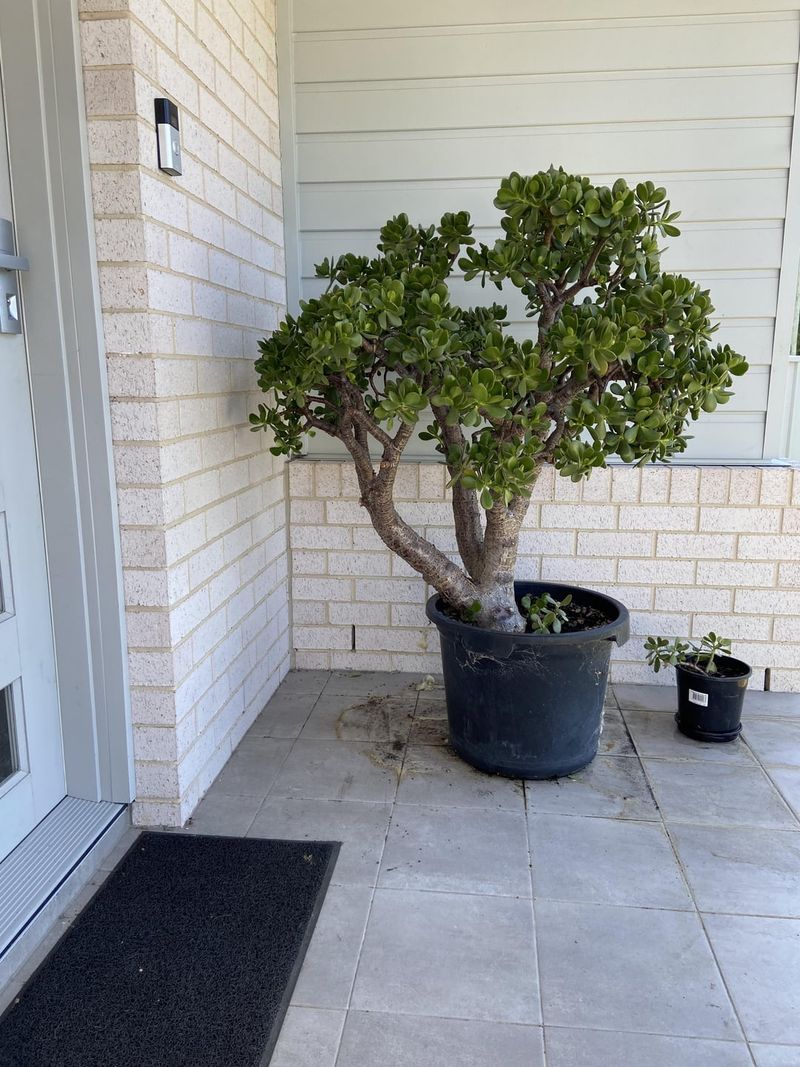
A summer vacation can work wonders for a jade plant. Many growers notice thicker trunks and sturdier branches after just one season outside, and the reason comes down to light.
Outdoor sunlight is far brighter than even the sunniest spot inside your home. All that extra light encourages compact, strong growth. Still, the great outdoors has a few surprises.
Intense afternoon sun can scorch leaves that are used to indoor life, and long stretches of heavy rain can leave roots waterlogged.
Wait until nights stay above about 50°F before moving your plant outside. Start it in a shady spot for about a week so it can adjust. Then slowly shift it into morning sun, keeping some shade in the hot afternoon.
Watch the leaves closely. If they turn pale or show tan spots, pull back on the sun for a while.
Rain is the other thing to plan for. A covered porch, a roof overhang, or a spot under a deep eave works beautifully. Your jade still gets bright light and fresh air, but it stays safe from soaking downpours that could drown its roots.
When fall arrives, keep an eye on the forecast. Bring your plant back inside before nights drop below about 50°F. Check the leaves and soil for bugs before it rejoins your other houseplants.
North Carolina offers a long outdoor season, often running from May into early October. Sudden summer thunderstorms and blazing afternoon heat are part of the deal, though.
With a little shelter from both, your jade plant can enjoy a huge growth boost and come home looking bigger, bolder, and more tree-like than ever.