What It Really Means When Stink Bugs Start Showing Up Inside Your North Carolina Home In Summer
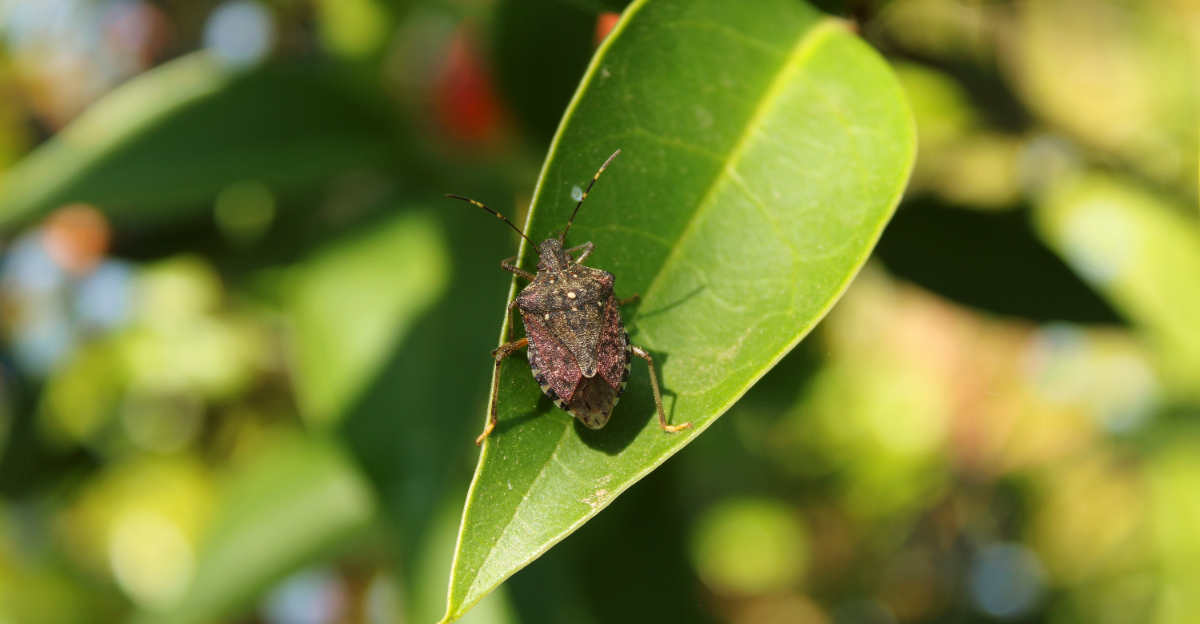
Finding a stink bug on the curtain or crawling across the ceiling is one of those small but distinctly unpleasant experiences that North Carolina homeowners know well.
Most people’s instinct is to remove it as carefully as possible and hope it was just one.
But stink bugs showing up inside during summer are telling you something specific about your home and your yard that’s worth understanding before the population gets larger and the situation harder to manage.
Summer appearances follow a different logic than the fall invasions most people are more familiar with, and the reasons behind them point to entry points, attractants, and yard conditions that can actually be addressed.
North Carolina’s warm summers keep stink bugs active and searching in ways that cooler states don’t experience to the same degree.
This makes understanding their summer behavior genuinely useful for anyone who’d rather not share their living room with them.
1. They Are Seeking Shelter From The Heat
Summer in North Carolina is no joke. From June through August, outdoor temperatures can climb well into the 90s, turning yards, gardens, and exposed surfaces into uncomfortable environments even for insects.
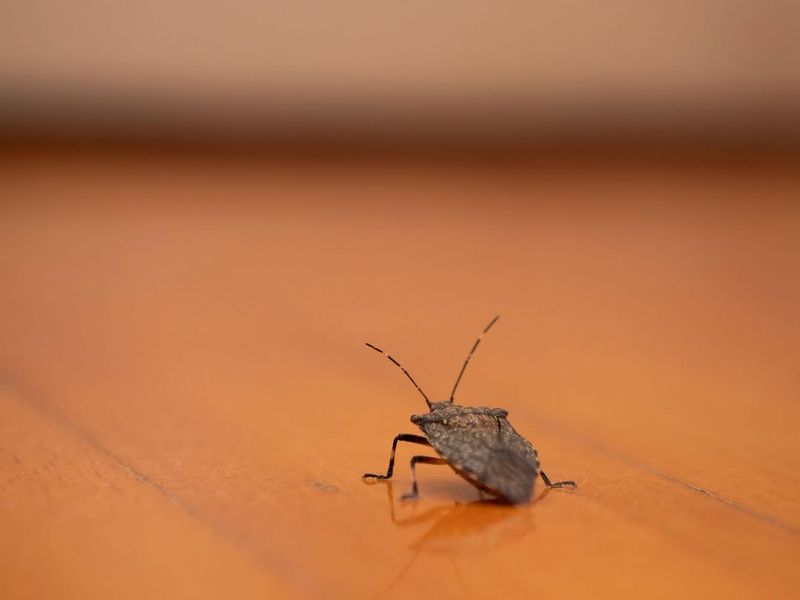
Stink bugs, specifically the brown marmorated stink bug (Halyomorpha halys), are surprisingly sensitive to extreme heat and will actively seek out cooler spots when temperatures spike outdoors.
Your home, with its air conditioning and shaded walls, becomes an appealing refuge. Stink bugs squeeze through small gaps around window frames, door seals, and utility lines to access the cooler interior.
They are not hunting for food inside your house. They simply want relief from the scorching outdoor conditions, much like anyone would after standing in a parking lot at noon in August.
Spotting one or two near a window or on a wall is often a sign that outdoor temperatures have been particularly intense recently. Check around your window frames and door edges for tiny gaps that may be letting them slip through.
Weatherstripping is one of the simplest and most affordable fixes you can apply right away. Foam sealant around utility pipe entry points also helps significantly.
Keeping your blinds or curtains closed during peak afternoon heat can reduce the contrast between your cool interior and the hot exterior, making your home slightly less attractive to heat-stressed insects looking for a way inside.
2. A Few Bugs Indoors Does Not Always Mean A Big Infestation
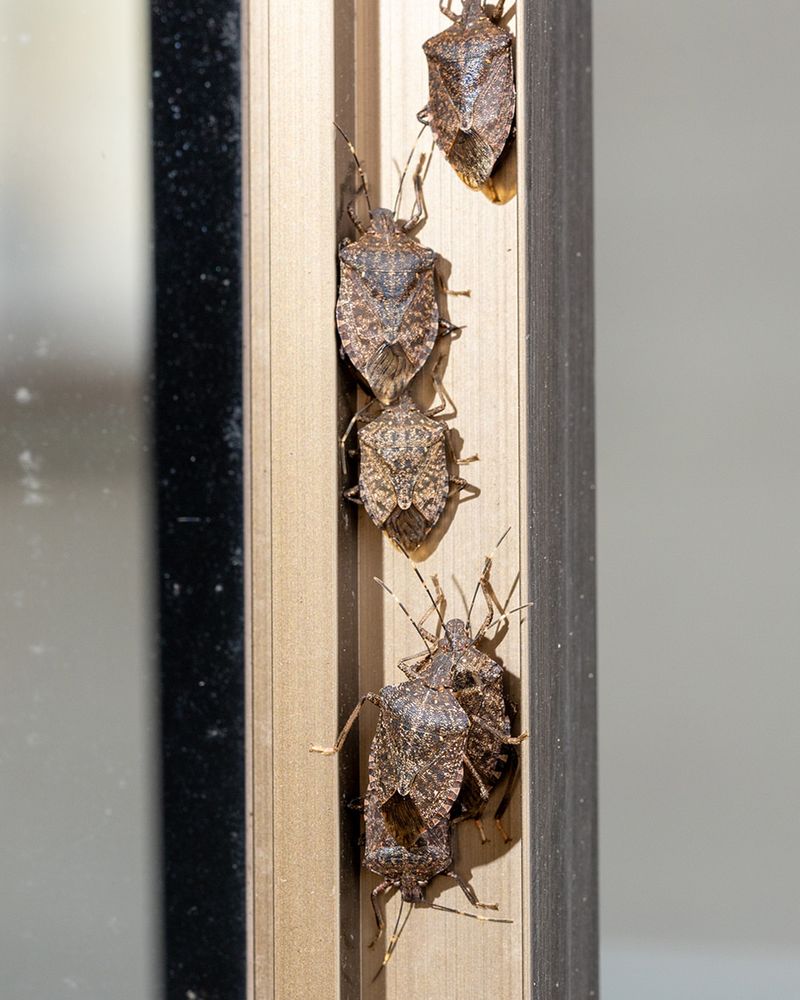
Seeing one stink bug on your ceiling does not mean your home is overrun. Many North Carolina homeowners panic at the first sighting and assume a large colony has moved in, but that is rarely the case in summer.
Stink bugs are solitary travelers during warmer months, and a lone visitor is usually just that, a single bug that found an opening and wandered in.
The real concern with large numbers typically comes later in the season, closer to fall, when stink bugs begin clustering to find overwintering spots.
During summer, spotting one every few days is considered normal activity, especially if you live near wooded areas, farms, or gardens.
Your North Carolina Garden Changes Every Week. Your Plan Should Too.
Gardening in North Carolina changes quickly throughout the season. Every Friday you’ll receive a simple weekly plan showing exactly what to plant, prune, fertilize, harvest, and protect so you never miss the right timing.
Monitoring is the smartest first step. Keep a simple log of how many you see per week and where you find them most often.
If you notice more than five to ten bugs per week consistently appearing in the same area, that is worth investigating further. Check whether a particular window or door has a compromised seal that is letting multiple bugs through.
You can also walk around the exterior of your home and look for any obvious gaps or cracks near the foundation, siding joints, or roofline.
In most cases, a targeted seal-up of one or two entry points resolves the problem quickly without any need for professional intervention. Staying observant and acting early keeps things manageable all season long.
3. Entry Points Are Often Tiny Cracks And Gaps
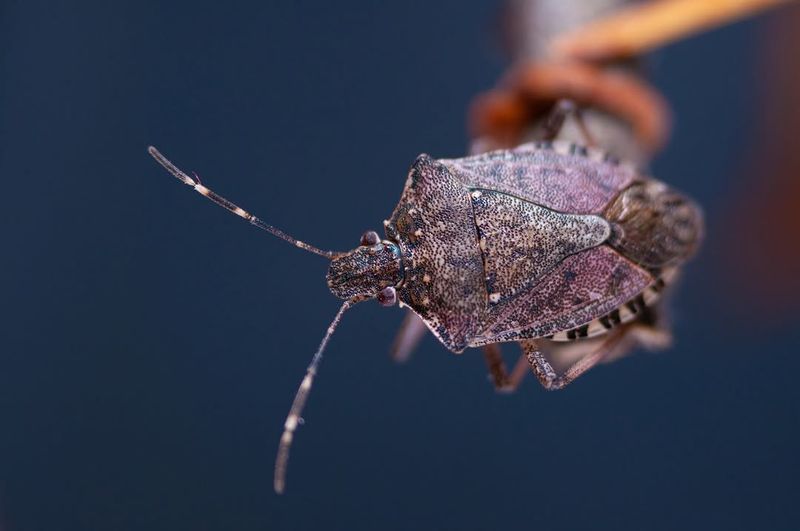
Stink bugs do not need a wide-open door to get inside your home.
These insects can squeeze through gaps as small as a few millimeters, which means even a slightly warped door frame or a small crack in the caulking around a window is enough to give them access.
Most homeowners are surprised to learn just how many potential entry points exist on a typical house.
Common problem areas include the space between window frames and their surrounding trim, gaps around dryer vents and utility pipes, deteriorating caulk on exterior walls, and worn door sweeps at the base of entry doors.
Attic vents with damaged screens are another frequent entry point that often goes unnoticed until bugs start appearing in upper rooms or near ceiling fixtures.
The best time to address these gaps is before summer heats up, but sealing them mid-season still makes a real difference.
Walk around your home on a bright day and look for light coming through gaps from the inside, a reliable trick for spotting where outside air is sneaking in.
Use silicone caulk for stationary gaps and replace worn weatherstripping on doors and windows. For vents, fine mesh screening rated for pest exclusion works well and allows airflow while blocking insects.
A thorough sealing session on a weekend afternoon can dramatically reduce how many stink bugs manage to find their way into your living spaces throughout the rest of the summer.
4. Bright Indoor Lights Are Drawing Them In
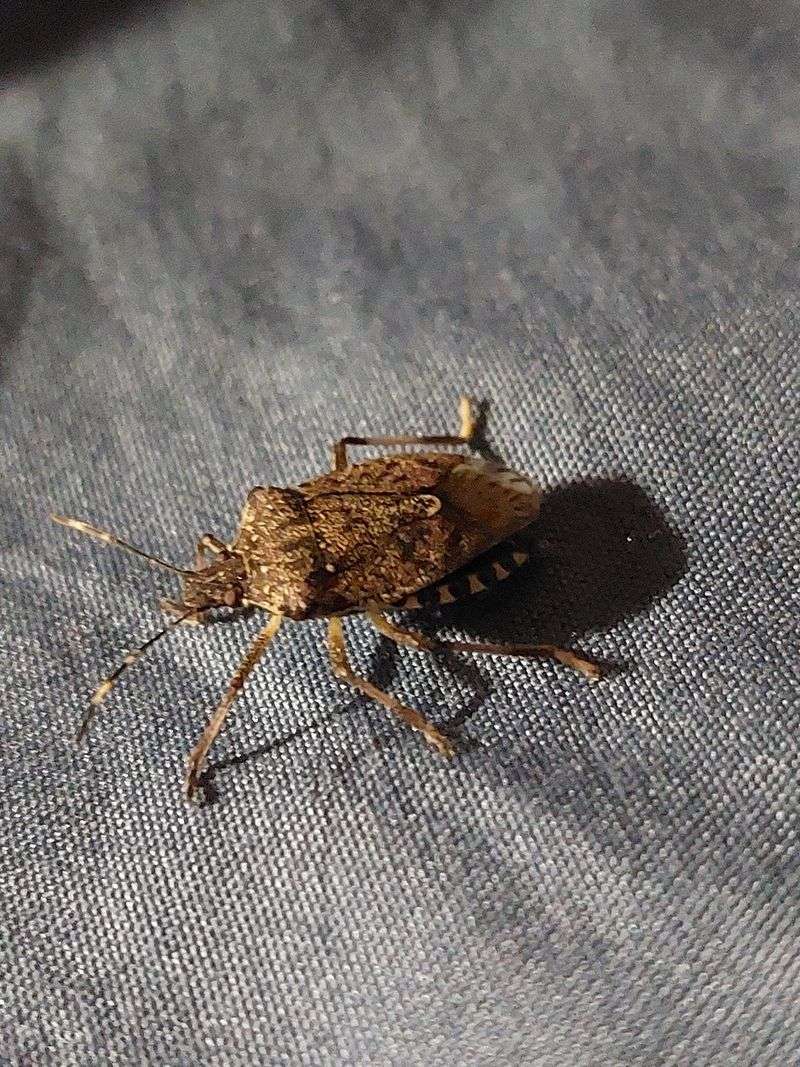
Here is something most people do not connect right away: stink bugs are phototactic, meaning they are naturally attracted to light.
On warm summer evenings, when your porch light is blazing and your indoor lights are shining through thin curtains, you are essentially sending out an invitation to every stink bug in the neighborhood.
This is especially noticeable from dusk through the first few hours of the night, when stink bugs are most active. They fly toward bright sources, land on lit surfaces, and then follow the warmth and glow right to your window or door.
Once they find a gap, they are inside. Switching your outdoor porch or garage lights from standard white bulbs to yellow or amber LED bulbs is one of the most effective and underrated tricks for reducing insect activity around your home.
Yellow-spectrum bulbs are far less attractive to most flying insects, including stink bugs, because they emit a wavelength that does not trigger the same navigational response.
Keeping blinds and curtains closed after dark also reduces the amount of indoor light that bleeds through to the outside.
Motion-activated lights are another smart option since they only turn on when needed rather than staying lit all evening.
These small adjustments to your lighting setup cost very little but can noticeably reduce the number of stink bugs hovering around your entry points on a warm North Carolina summer night.
Consistency with these habits throughout the season adds up to fewer unwanted indoor visitors.
5. Their Presence Signals Active Garden Life Nearby
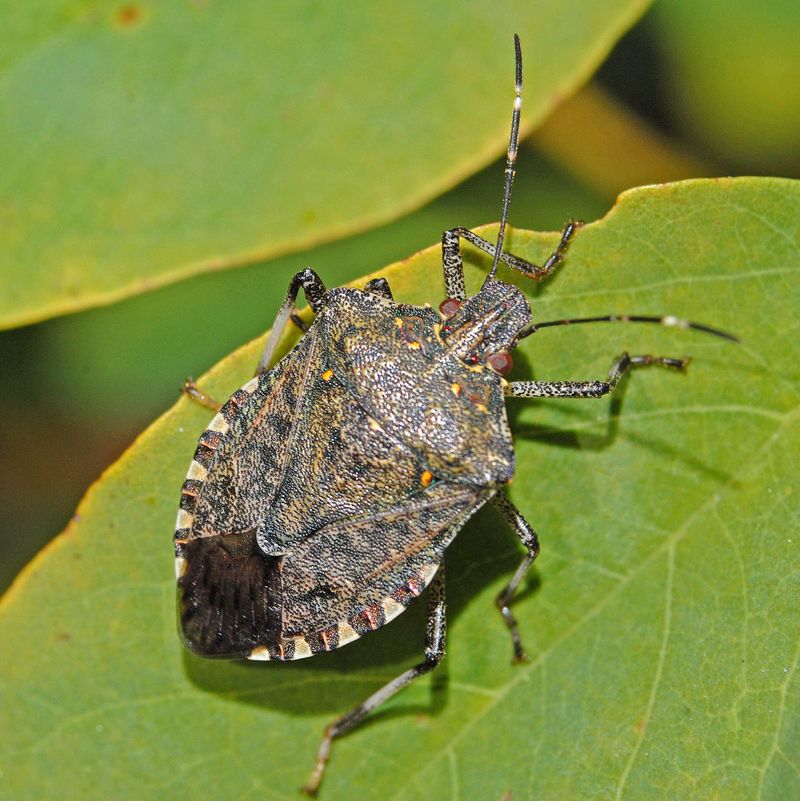
Stink bugs are serious garden feeders. They use a piercing mouthpart to extract juice from fruits, vegetables, and ornamental plants, and North Carolina gardens offer a buffet of options from late spring through early fall.
Tomatoes, peppers, peaches, apples, beans, and okra are among their favorite targets, and a thriving summer garden often means stink bug populations are active and feeding just outside your back door.
When you start noticing one or two indoors, it is a good signal to take a closer look at what is happening in your garden. Check the undersides of leaves on your vegetable plants for small clusters of light green or pale yellow eggs arranged in neat rows.
You might also spot the telltale feeding damage, which appears as sunken, discolored spots on fruits or a corky texture beneath the skin. Catching this early helps you manage the outdoor population before it grows.
The good news is that a stink bug wandering into your living room is not going to munch on your houseplants.
These insects are not adapted to feeding on typical indoor plants, and they have no interest in your pothos or fiddle-leaf fig. Their indoor appearance is purely coincidental and tied entirely to their outdoor foraging habits.
Encouraging natural predators in your garden, like parasitic wasps and birds, helps keep outdoor stink bug numbers in check without requiring heavy intervention on your part throughout the growing season.
6. Overwintering Behavior Can Start As Early As Late Summer
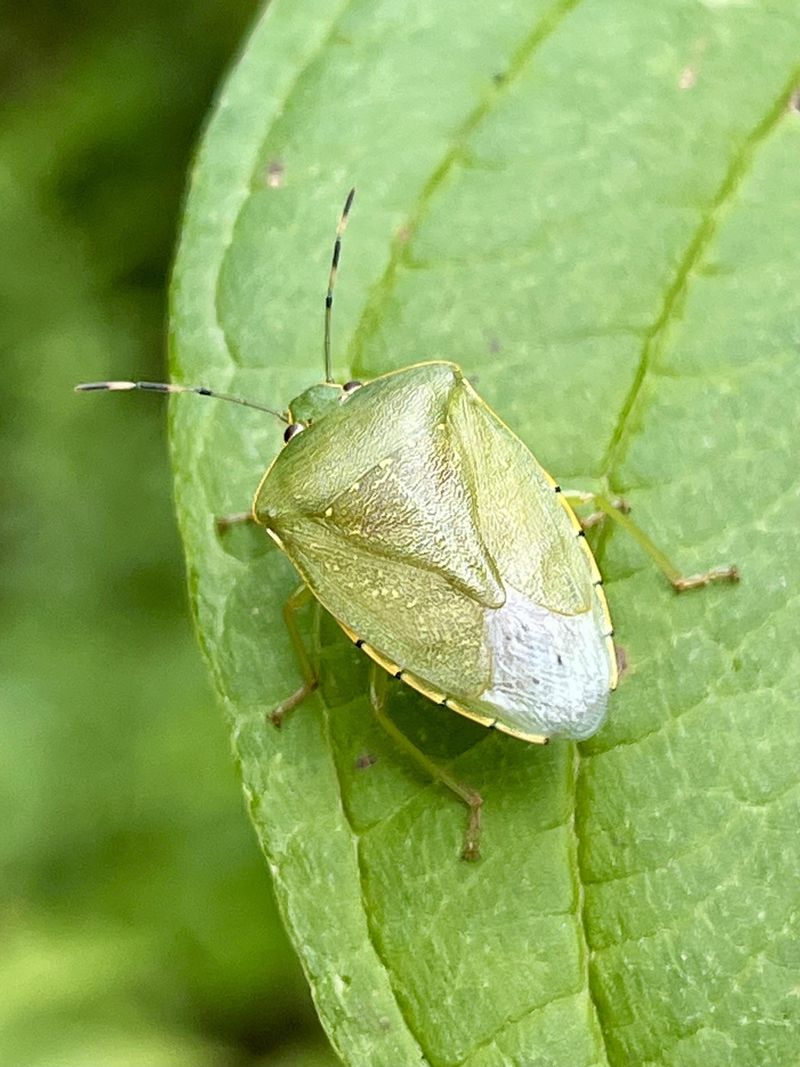
Most people associate stink bugs with fall, and for good reason. As temperatures begin to cool, these insects instinctively start searching for protected spots to wait out the winter.
What surprises many North Carolina homeowners is that this behavior can begin as early as late August, well before the leaves start changing color.
By the time September arrives, stink bugs are in full overwintering mode, clustering on sun-warmed exterior walls, gathering near rooflines, and probing every crack and gap they can find.
If you start noticing more bugs indoors during the final weeks of August, that is often a preview of the larger movement that is about to happen.
Acting before that wave hits is far easier than trying to manage it once bugs are already inside in numbers.
Focus your preparation efforts on the south and west-facing walls of your home, which tend to warm up the most in afternoon sun and attract the largest gatherings of stink bugs looking for overwintering access points.
Inspect and reseal any gaps you may have missed earlier in the season. Installing door sweeps on exterior doors and checking attic vent screens for damage are also high-priority steps to complete before September.
Being proactive in late summer means you are setting up a barrier before the bugs even begin their migration toward your walls.
A little preparation now saves a lot of frustration once cooler weather officially arrives and the seasonal rush begins.
7. Early Detection Makes Managing Them Much Easier
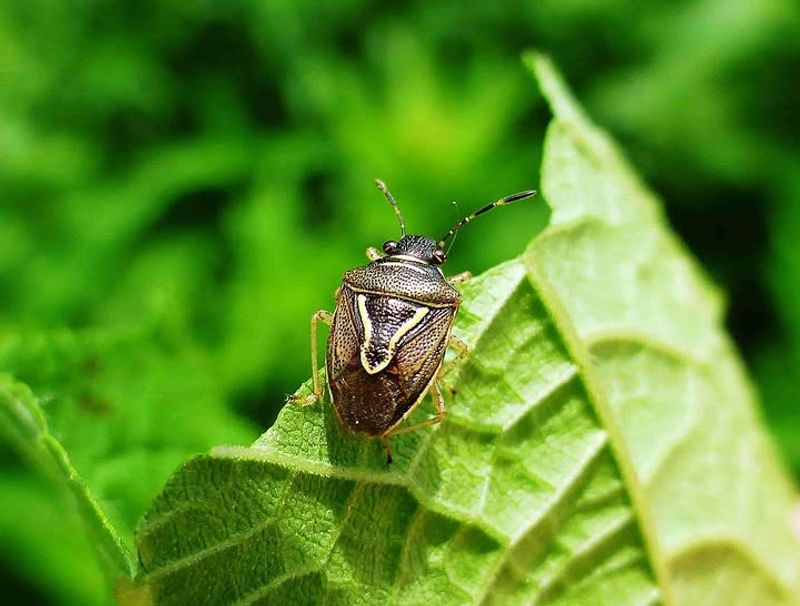
Catching a problem early almost always leads to a better outcome, and stink bugs are no exception. Spotting two or three in June and responding right away is significantly easier than dealing with a house full of them by October.
Early detection gives you time, options, and a much calmer approach to solving the problem.
Start by doing a quick walk-through of your home once a week during summer months. Pay attention to rooms that stay darker and cooler, like basements, closets, and spaces behind large furniture.
Stink bugs often tuck themselves into quiet corners when they first enter, so you may not notice them immediately unless you are actively looking.
A simple flashlight check along baseboards and behind curtains takes only a few minutes and can reveal activity before it escalates.
Non-chemical removal methods work best when numbers are low. A jar with a little soapy water is one of the most effective tools for collecting individual bugs you spot indoors.
Simply hold the jar beneath the bug and nudge it in gently. The soapy water prevents them from escaping and neutralizes any odor if they become agitated.
Sticky traps placed near windows or entry points can also help you monitor how many bugs are getting through and where they are entering most often.
Using these simple strategies consistently throughout June and July means you are building a solid defense well before the late summer and fall surge makes things more challenging to handle on your own.
8. Crushing Them Indoors Creates A Whole New Problem
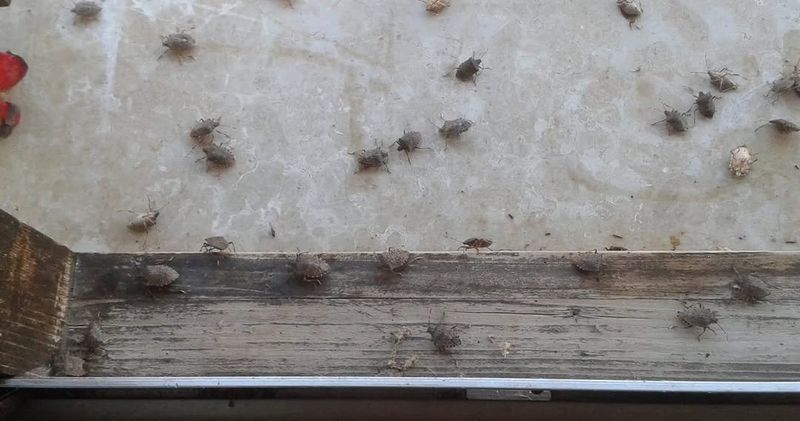
The first instinct for many people when they spot a stink bug is to swat it or step on it. That reaction is completely understandable, but it leads to a result that most people regret almost immediately.
Stink bugs release a pungent chemical from glands on their abdomen when they feel threatened or are crushed, and that smell is notoriously difficult to remove from fabrics, carpets, and wood surfaces.
The odor is often described as a mix of cilantro and something sharply chemical, and it can linger in a room for hours.
Beyond the smell, the liquid released can leave a faint stain on light-colored surfaces like painted walls, curtains, or upholstered furniture.
Avoiding that outcome entirely is the smarter move, and fortunately, safe removal is not complicated at all.
One of the most recommended approaches is using a vacuum cleaner with a disposable bag or a removable canister that you can immediately empty outside.
The suction captures the bug without triggering the odor response, and you can dispose of it far from your living space.
Another option is to slide a piece of stiff paper beneath the bug and drop it gently into a lidded container, then release it outside away from your home. Handling stink bugs slowly and calmly reduces the chance of triggering their defense mechanism.
With a little patience and the right technique, you can remove them cleanly every time without turning a minor nuisance into an unpleasant sensory experience that lingers all afternoon.