Virginia Gardeners With Hydrangeas Face A Crucial Task This Week In October
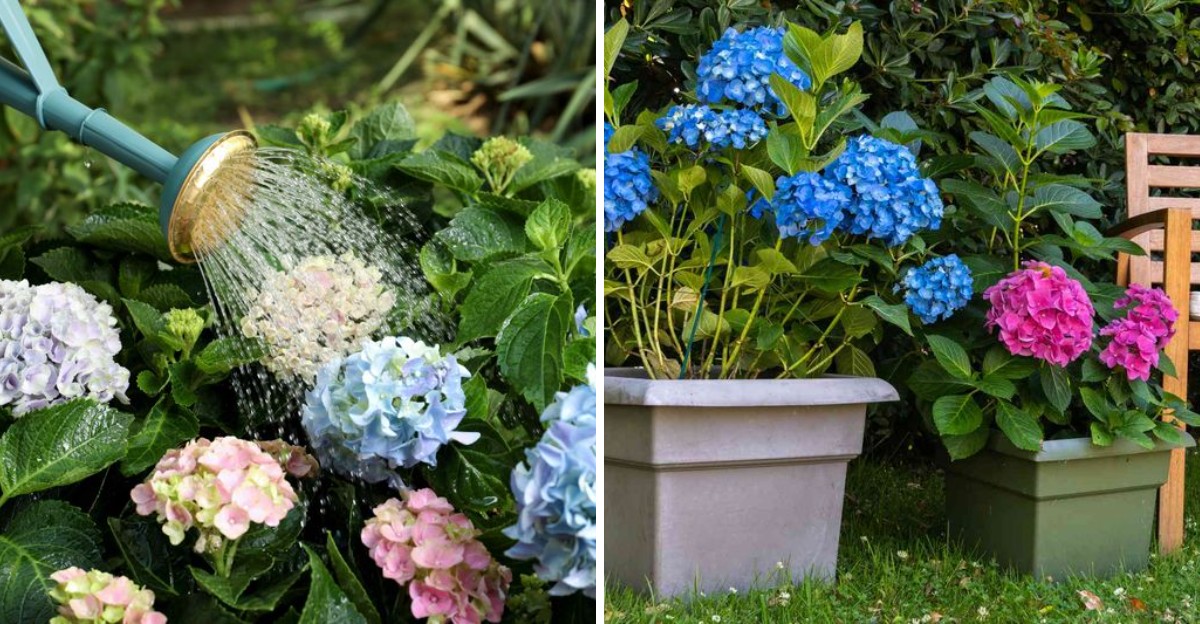
Your hydrangeas are keeping a secret, and it is not a juicy one. While you are busy raking leaves and debating pumpkin carving designs, those big leafy shrubs are quietly getting thirsty.
Like, really thirsty.
Virginia’s dry stretch this year has left a lot of soil parched below the surface, even when the top looks fine after a quick shower.
Sneaky, right?
Hydrangeas feel that dryness more than most shrubs, and next summer’s blooms could end up paying the price.
Here’s the upside. Fixing it takes no fancy gadgets, no gardening degree, and no weekend-eating project.
Just a hose, a little patience, and maybe ten minutes of your time. Pour yourself some cider and let’s get those shrubs a proper drink before winter shows up.
Your rake can wait.
1. Drought Conditions Still Linger Across Much Of Virginia
Cool weather can fool a gardener into thinking the ground is fine. Many parts of Virginia have seen a dry stretch this fall, and the soil is still catching up.
Rain may show up in short bursts, but quick showers rarely soak deep. Much of that water runs off or dries before roots can grab it.
Drought maps from the state often show yellow and orange patches well into autumn. Those colors mean the soil below your shrubs may be far drier than the surface suggests.
Hydrangeas feel that dryness fast because their roots stay fairly shallow. When moisture runs low, leaves can droop, curl, or turn crispy along the edges.
Fall is not a resting time for roots, even if the leaves look tired. Roots keep growing until the ground gets cold, and they need moisture to do that work.
A good habit is checking the weekly drought report for your county. The U.S.
Drought Monitor website updates every Thursday and is easy to read.
Keep a simple rain gauge in your yard as well. If you collect less than one inch in a week, your plants likely need help from you.
Paying attention now means fewer surprises later. A little planning in October goes a long way toward strong, healthy shrubs come spring.
Think of it as a small fall checkup that keeps your garden ready for whatever winter brings next.
2. Check Your Soil Before Reaching For The Hose In Virginia
Your finger might be the best garden tool you own. Before turning on the water, push it about two inches into the soil near your hydrangea.
If the soil feels dry at that depth, it is time to water. If it feels cool and damp, you can wait a few more days.
Plenty of Virginia yards have heavy red clay, which holds water longer than sandy soil. Clay can look dry on top while staying soggy underneath, so a quick test matters.
Sandy soil near the coast acts the opposite way. Water slips through it quickly, and plants there may need help more often.
For a cleaner option, a cheap moisture meter works well. You just push the probe into the ground and read the dial in seconds.
Your Virginia Garden Changes Every Week. Your Plan Should Too.
Gardening in Virginia changes quickly throughout the season. Every Friday you’ll receive a simple weekly plan showing exactly what to plant, prune, fertilize, harvest, and protect so you never miss the right timing.
Test a few spots around each shrub, not just one. Soil near a wall, fence, or big tree can dry out faster than open ground.
Overwatering causes trouble too, like root rot and fungus. Soggy roots cannot breathe, and that stresses the plant just as much as drought.
Checking first saves water, time, and money on your bill. It also teaches you how your own yard behaves through the seasons.
After a few weeks of testing, you will start to know your soil like an old friend. That knowledge pays off every single year.
3. Virginia Hydrangeas Are Thirstier Than Most Shrubs
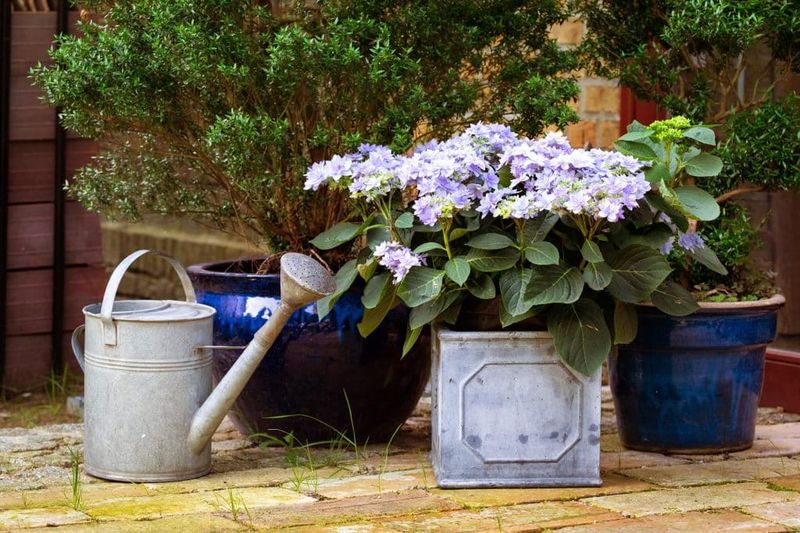
The name hydrangea comes from Greek words meaning water vessel. The name actually points to the plant’s cup-shaped seed capsules, but it fits these water-loving shrubs pretty well.
Those big, broad leaves lose a lot of moisture into the air. More leaf surface means more water escaping on sunny or windy days.
Compare that with a holly, which has thick, leathery leaves. Shrubs like that hold onto moisture better and can often handle dry spells with less fuss.
Bigleaf hydrangeas, the popular mopheads and lacecaps, tend to be the thirstiest. Smooth hydrangea, which grows wild in Virginia, and oakleaf hydrangea, a native of the Southeast, are a bit tougher but still enjoy regular drinks.
Shallow roots add to the challenge. They spread wide near the surface instead of digging deep where water lasts longer.
Extension experts note that shallow-rooted shrubs need the most help during long dry stretches in fall and winter.
Afternoon sun makes things harder still. Shrubs planted in full western sun may wilt by evening even when the soil is okay.
Some wilting on hot afternoons is normal, and plants often perk up by morning. If they still droop at sunrise, that is a clear sign they need water.
Knowing your hydrangea type helps you plan better. A quick look at the plant tag or a photo search can tell you what you are growing.
Once you understand how thirsty these shrubs really are, watering them feels less like a chore and more like good sense.
4. Next Year’s Virginia Blooms Can Depend On Fall Care
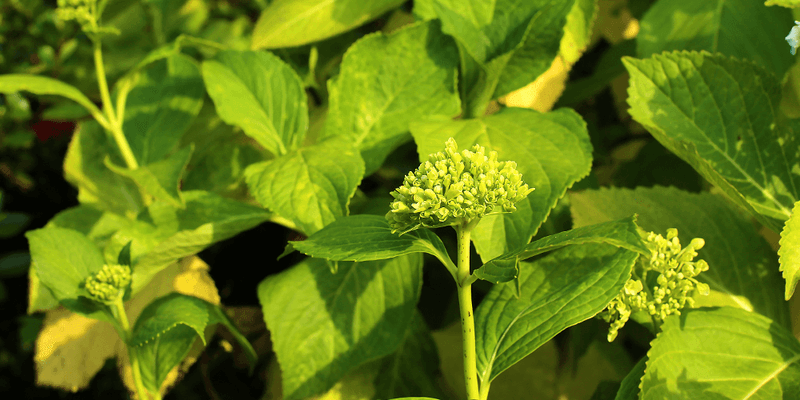
Here is a secret many gardeners learn the hard way. Next summer’s flowers on many hydrangeas are already forming right now.
Bigleaf and oakleaf types bloom on old wood. That means the buds set in late summer and fall sit on the stems all winter, waiting for warm weather.
If the plant heads into winter stressed from drought, it may handle the cold months less well. Extension experts point out that fall drought stress often does not show up until spring or even the following summer.
Picture a bigleaf hydrangea that goes into winter dry and then faces a hard freeze. It might leaf out just fine next spring, yet produce far fewer flowers than you hoped.
A well-watered plant gives those buds a better shot at making it through Virginia winters.
Avoid heavy pruning this time of year. Cutting back old-wood bloomers in fall removes the very buds you are trying to protect.
Skip fertilizer too, since it can push tender new growth that frost will easily damage. Let the plant slow down naturally.
Your main job is simple: keep the roots happy and hydrated. A steady supply of water now sets the stage for a colorful show months from now.
Think of fall watering as planting seeds of success for your summer garden.
5. Follow Your Local Virginia Water Restrictions First
Before the hose comes out, take a quick peek at your local rules. Some towns and counties limit outdoor watering during dry spells.
Places like Fairfax, Richmond, and Loudoun have issued watering advisories in past droughts. Rules might cover certain days, hours, or methods.
Many restrictions allow hand watering or drip systems even when sprinklers are banned. That works out nicely, since slow methods suit hydrangeas best anyway.
Check your water utility website or local news for updates. Signing up for county alerts by text or email keeps you in the loop.
If you use a private well, conserving water still matters. Wells can run low in a dry year, and your household needs come first.
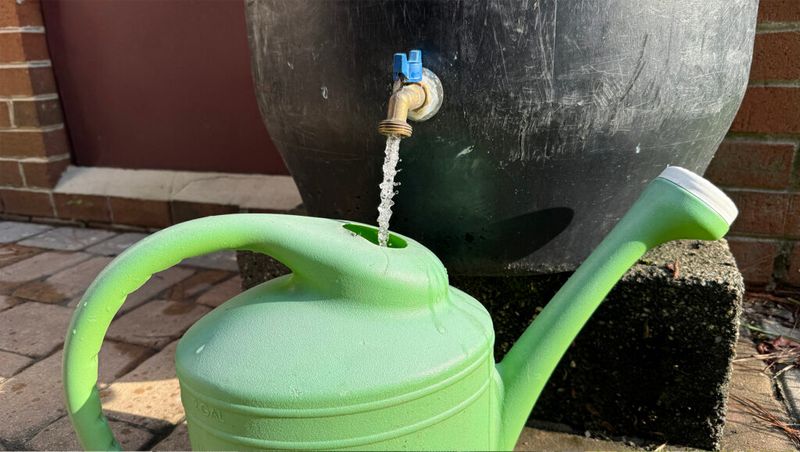
A rain barrel is a smart way to stretch your supply. Even a small roof can fill a 50 gallon barrel during one good storm.
Leftover water from rinsing veggies or boiling pasta, once cooled, can also go to your plants. Just skip anything with salt or soap.
Following the rules keeps you on good terms with neighbors and helps the whole community. It also pushes you toward smarter, gentler watering habits.
Being a good garden neighbor and a good water citizen can go hand in hand.
6. Water Deeply At The Roots, Then Give It Time To Soak In
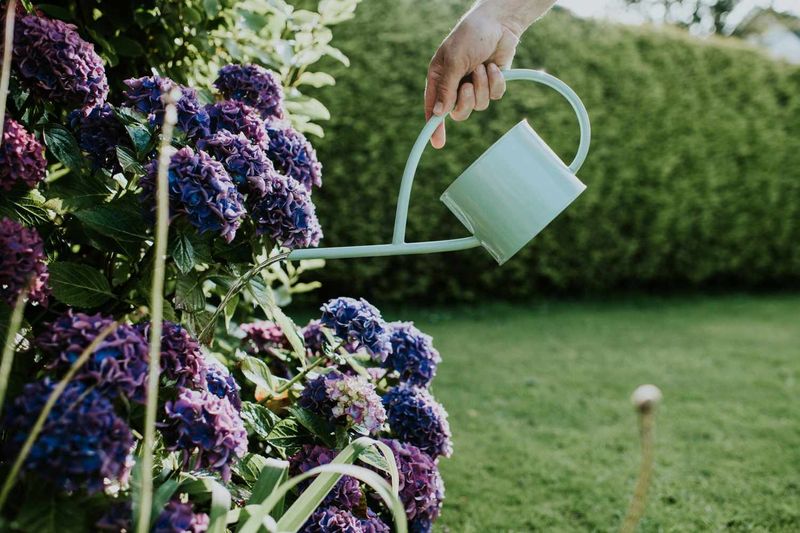
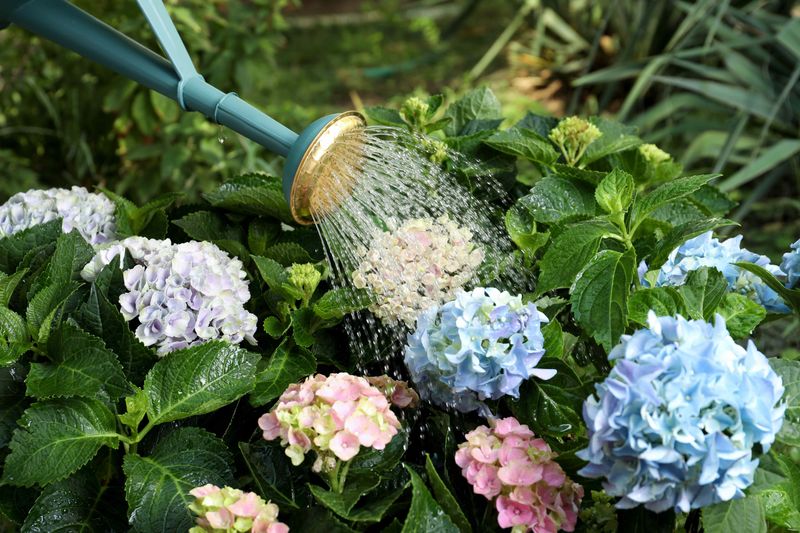
Slow and steady wins this race. A deep, gentle soak does far more good than a quick spray across the leaves.
Aim the water right at the base of the plant. Roots drink from the soil, not from wet leaves, and damp foliage can invite mildew.
A soaker hose or drip line is a great helper here. Lay it in a circle around the shrub and let it run long enough to soak the root zone well.
No soaker hose? Set your regular hose on a slow trickle near the base and move it every 15 minutes or so.
The goal is moisture that reaches well below the surface, not just the top inch or two. You can check by pushing a long screwdriver into the soil after watering.
If it slides in easily, the water has gone deep.
In Virginia clay, water soaks in slowly, so patience really matters. Running it too fast just creates puddles and runoff.
A handy trick is the bucket method. Poke a few small holes in a five gallon bucket, fill it, and let it drain beside the plant.
Early morning is a great time to water, since plants have the whole day to drink and leaves dry quickly. If your locality limits watering to certain hours, such as dusk to dawn, aim for the hours just before sunrise.
Once a week is usually enough for established shrubs, unless the weather stays very dry and windy. Skip a round after a good soaking rain.
7. Give Newly Planted Hydrangeas Top Priority
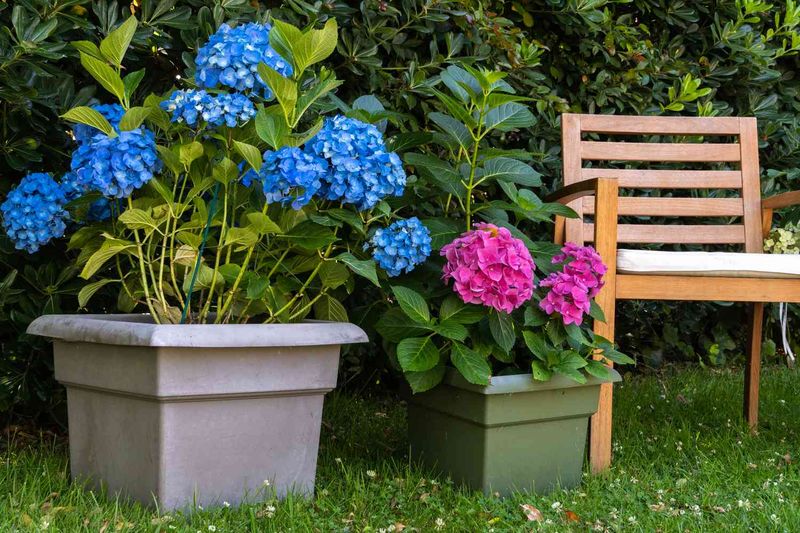
Babies need the most attention, and young shrubs are no different. Any hydrangea planted this year or last should be first in line for water.
Fall is a popular time to plant in Virginia, thanks to cooler days and softer soil. Still, a new shrub has a small root ball that dries out quickly.
Those roots have not reached out into the surrounding soil yet. They rely on whatever moisture sits right around the original pot shape.
Check new plants two or three times a week. Feel the soil right at the root ball, since it can dry faster than the ground nearby.
When the root ball feels dry, water slowly until the soil around it is thoroughly moist. Pour gently so it sinks in instead of running off.
A watering ring helps a lot. Build a small mound of soil in a circle around the plant to hold water in place while it soaks.
Keep an eye out for yellowing leaves or droopy stems. Those can be early hints that your new plant is stressed.
A little care early can prevent big headaches later. Strong roots this fall mean a sturdy shrub for years to come.
Treat those newcomers like honored guests, and they will reward you with plenty of blooms.
8. Mulch And Keep Watering Into Late Fall Across Virginia
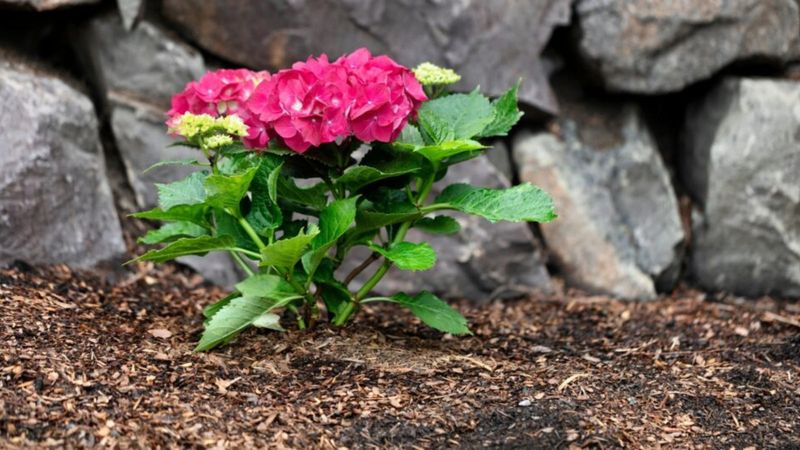
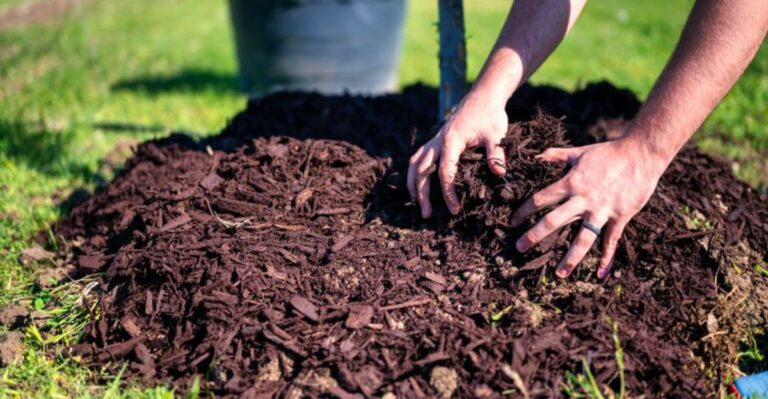
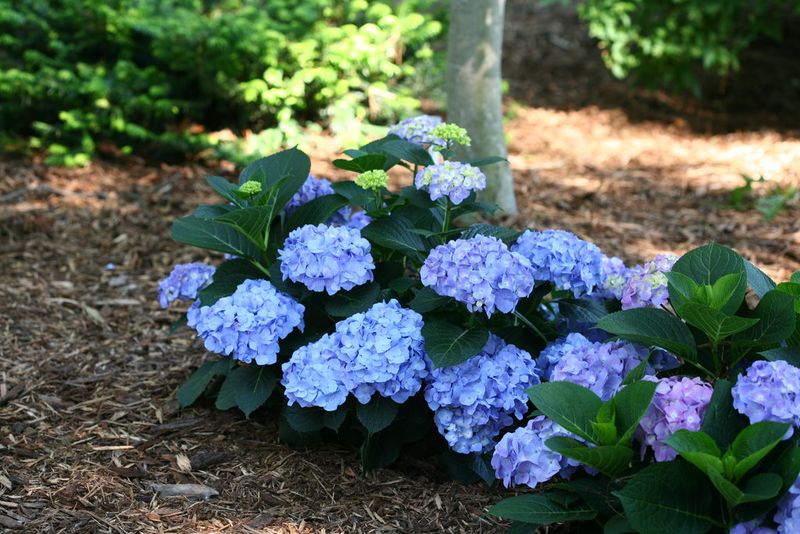
Mulch works like a cozy blanket for your garden. A layer two to three inches deep helps hold moisture and keeps soil temperatures steadier.
Shredded bark, pine straw, or chopped leaves all work well. Many Virginia gardeners use their own fallen leaves, which is free and easy.
Spread the mulch in a wide circle around the shrub. Keep it a few inches away from the stems so moisture does not sit against the bark.
Do not put the hose away just because the leaves are dropping. Keep watering through November whenever the soil feels dry and the ground is not frozen.
Evergreen trees and shrubs nearby also benefit from this habit. Everyone in the garden heads into winter stronger when roots are well hydrated.
If the weather stays dry heading into December, check the soil once more before the coldest stretch arrives. A deep watering on a mild day can help your shrubs go into winter in better shape.
After that, drain your hoses and store them indoors. Frozen water can crack hoses and spigots, which nobody wants to fix in spring.
Set a reminder on your phone to check soil every week until Thanksgiving. A few small steps now give your hydrangeas their best shot at a gorgeous summer.
Your future self, sipping lemonade beside big blooms, will thank you.