When To Stop Watering Your Christmas Cactus So It Thrives In North Carolina
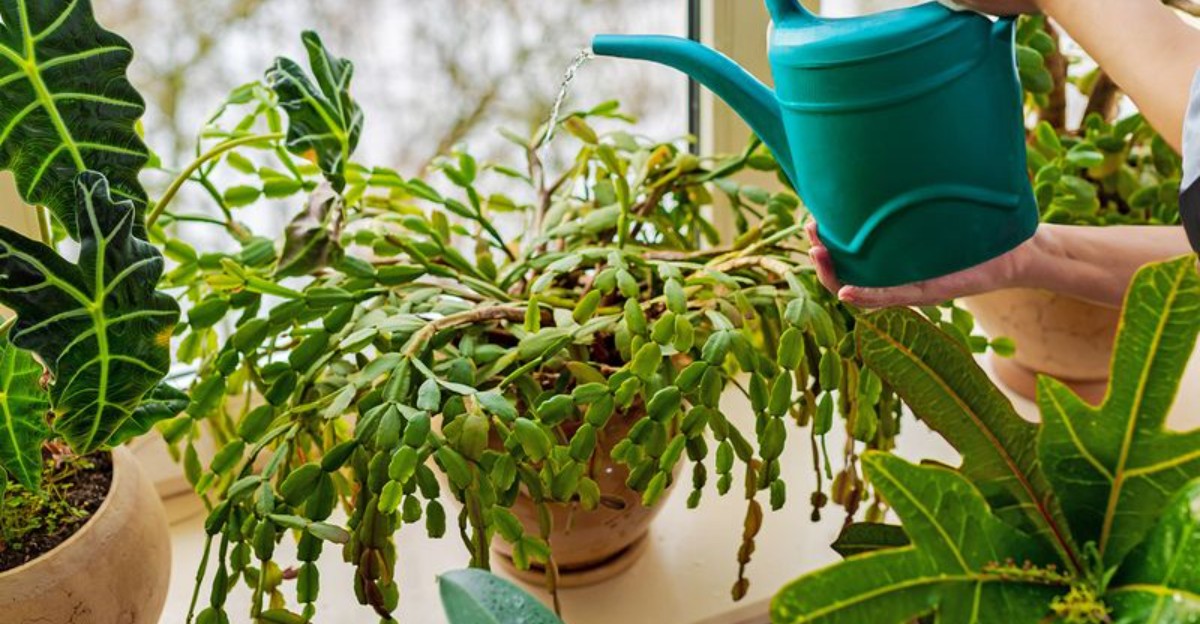
Most plants want steady water. A Christmas cactus follows a different plan. To bloom well, it needs a rest.
In fall, cooler nights and longer darkness tell the plant to switch from growing leaves to making buds. Water gives it the opposite message if you keep pouring it on. Many people water on a fixed schedule all year, then wonder why no flowers come.
The answer is to ease off at the right time and let the soil dry a bit more between drinks. Warm North Carolina homes can confuse the plant, so the timing takes some attention. Learn the signals, and you can guide it toward a heavy bloom.
A small change in routine can decide whether the holidays bring color or bare stems.
1. Cut Back On Water, But Never Stop Completely
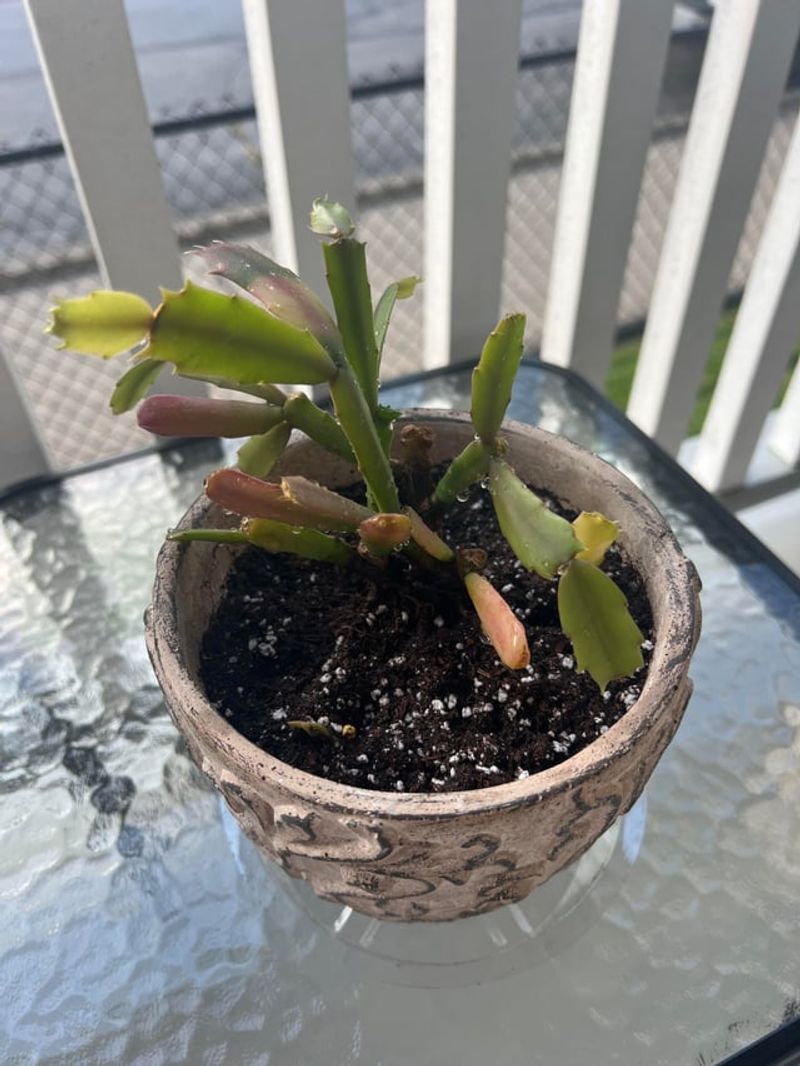
High in the misty mountains of Brazil, the Christmas cactus grows on tree branches and mossy rocks. Rain and fog keep it damp much of the year. That home tells you almost everything about how to water it.
Unlike the prickly cacti of hot deserts, Schlumbergera is a forest cactus. Its roots are thin and fine, built to soak up frequent moisture rather than survive months of drought.
When soil stays bone dry for weeks, the plant gets stressed, and stressed plants often skip blooming or drop their segments.
So when people say you should stop watering at certain times, they really mean slow down. There are two seasons for easing off. The first comes in fall, when the plant is setting buds. The second follows blooming, when it takes a short rest.
During both stretches, water less often, but still give a drink whenever the soil dries out. A good rule is to let the top inch or two of soil feel dry, then water lightly. You want the mix to stay barely damp deep down, never parched all the way through.
Here in North Carolina, plenty of folks see the word cactus on the tag and assume the plant wants desert treatment.
They tuck it on a shelf and water it once a month, then wonder why it looks wrinkled and refuses to flower. A little extra attention fixes that fast.
Think of your Christmas cactus as a houseplant with cactus-shaped stems, not a true desert dweller. Once that idea clicks, watering feels much easier.
You simply adjust how much and how often, while making sure the roots never go thirsty for too long.
2. Ease Off In Early Fall To Encourage Buds
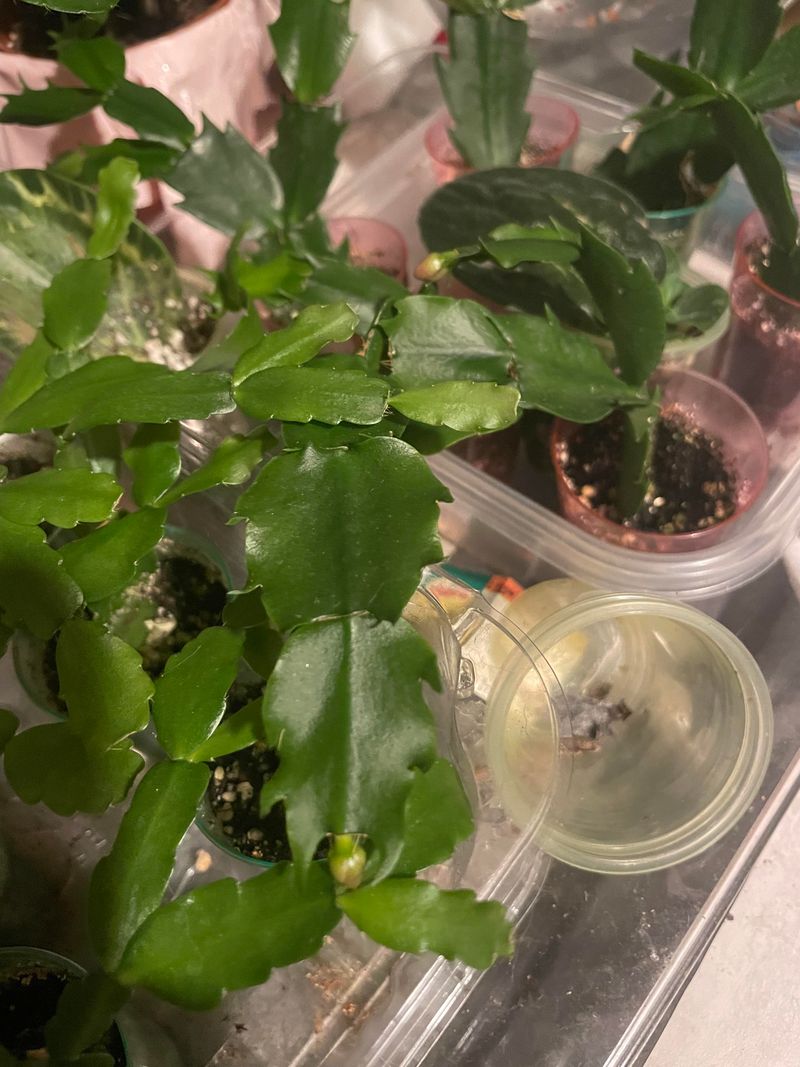
September brings a shift you can feel in the Carolina air. Nights turn crisp, and the sun sets a bit earlier each evening. Your Christmas cactus notices those changes too, and you can help it read the signals.
Slightly drier soil tells the plant that the growing season is winding down. Paired with cool nights and long darkness, it nudges the cactus to stop making new stems. Instead, it starts putting energy into tiny flower buds at the tips of its segments.
Your North Carolina Garden Changes Every Week. Your Plan Should Too.
Gardening in North Carolina changes quickly throughout the season. Every Friday you’ll receive a simple weekly plan showing exactly what to plant, prune, fertilize, harvest, and protect so you never miss the right timing.
Starting in early fall, stretch out the time between waterings. Let the top inch or two of soil dry before you give it a drink. You are not starving the plant, just giving it a gentle hint that a change is coming.
Darkness works hand in hand with this lighter watering. Aim for about 12 to 14 hours of complete darkness each night, which may mean moving the pot to a spare room where lamps stay off.
Cool temperatures around 50 to 60 degrees Fahrenheit can also trigger buds, even without strict darkness.
Many North Carolina gardeners let their Christmas cactus spend summer outside on a shady porch or under a tree.
That is a great setup, because the cool fall nights outdoors already help with bud setting. Just bring the plant inside before temperatures dip near freezing, usually by mid to late fall in the Piedmont and earlier in the mountains.
Once indoors, keep that lighter watering going and protect the long nights. Avoid flipping on bright lights near the plant in the evening. In about six to eight weeks, you should spot little pink or red nubs forming, a sure sign your timing worked.
3. Keep Soil Lightly Moist Once Buds Appear
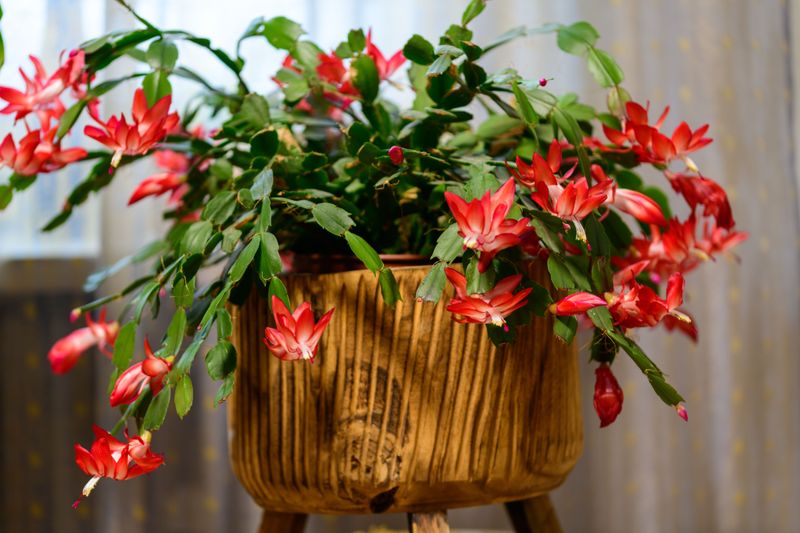
Few moments feel better than spotting the first plump buds on your Christmas cactus. After weeks of careful timing, the payoff is right there. Now your watering habits need to switch gears.
Buds are thirsty little things. They need steady moisture to swell, color up, and finally open into those layered blossoms. When the soil dries out too much, or bounces from desert dry to soggy wet, the plant often drops its buds before they bloom.
Bud drop is one of the most common complaints about this plant, and watering is usually the cause.
Once you see buds, check the soil every few days. Water when the top inch feels dry to your finger, and aim for soil that stays lightly, evenly moist. It should feel like a wrung-out sponge, never wet and squishy.
Drainage matters just as much. If water collects in the saucer, pour it out within about 15 minutes. Roots sitting in a puddle can rot, and a struggling root system cannot feed a pot full of buds.
Try not to move the plant around during this stage, either. Sudden changes in light or temperature can make buds fall off. Pick a good spot with bright, indirect light and leave it there.
In North Carolina homes, the heat usually kicks on sometime in late fall. That warm, dry air pulls moisture out of potting soil faster than you might expect.
A plant that needed water once a week in October may want it more often by December, so keep checking instead of guessing.
4. Water Less After Blooming For A Rest Period
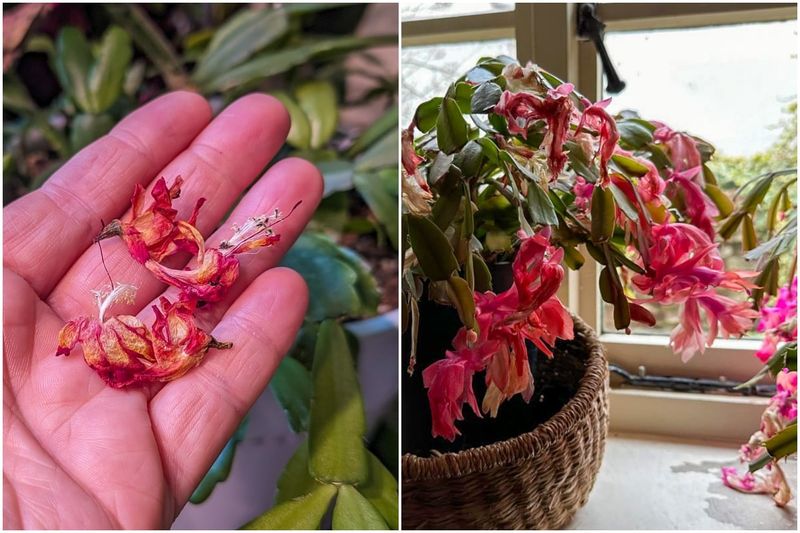
Every star performer needs a break after the big show. When the last pink or red flower curls up and falls, your Christmas cactus is ready for some quiet time. Giving it that rest pays off in the months ahead.
After blooming, the plant naturally slows its pace. It has spent a lot of energy pushing out flowers, and now it needs to recover. A few weeks of lighter watering lets it catch its breath and gets it ready for a fresh burst of spring growth.
For about six weeks after the final blooms fade, water less often than you did during flowering. Allow more of the soil to dry between drinks, maybe the top half of the pot. When you do water, give a moderate amount and let any extra drain away.
Hold off on fertilizer during this period. Feeding a resting plant is like handing a big meal to someone who just finished dinner. It will not use those nutrients well, and extra salts can build up in the soil.
Light still matters, though. Keep your cactus in bright, indirect light, such as near an east window or a few feet back from a sunny south window. Strong, direct afternoon sun can scorch the segments.
In North Carolina, most Christmas cactus plants finish blooming sometime in winter, often in January.
That timing lines up nicely, because the days are slowly growing longer during the rest. By the time spring rolls around and the dogwoods start to flower, your plant will be rested and eager to grow.
5. Resume Regular Watering When New Growth Starts
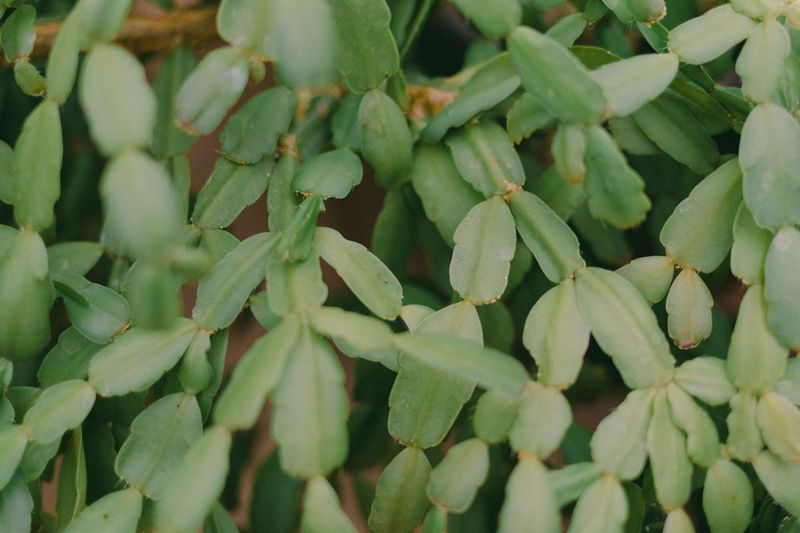
Bright green nubs popping out from the stem tips are your cue. Those fresh segments mean spring has arrived for your Christmas cactus, and it is time to pick up the watering again.
Here is the exciting part. The new segments that grow in spring and summer are the very ones that will hold next winter’s flowers. More healthy growth now usually means more blooms later, so steady moisture during this season is a smart investment.
Once you see new segments, water whenever the top inch of soil feels dry. Water thoroughly, pouring slowly until it runs out the drainage holes at the bottom. That deep soak reaches all the roots and flushes out old fertilizer salts.
Afterward, empty the saucer so the pot is not sitting in water. Soggy roots are just as unhappy in summer as in winter. A quick check after each watering keeps root rot away.
This is also the season to start light feeding. A balanced houseplant fertilizer mixed at half strength every two to four weeks works well. Stop feeding by late summer so the plant can shift toward bud setting in fall.
North Carolina has a long, warm growing season, and your cactus can make the most of it. Many gardeners move their plants outdoors after the last frost, placing them in bright shade under a porch roof or tree.
Outdoor plants often dry out faster in summer heat and breezes, so you may need to water every few days during hot spells. With all those months of growth, your plant can grow fuller and stronger each year.
6. Adjust For Your Pot, Light, And Indoor Air
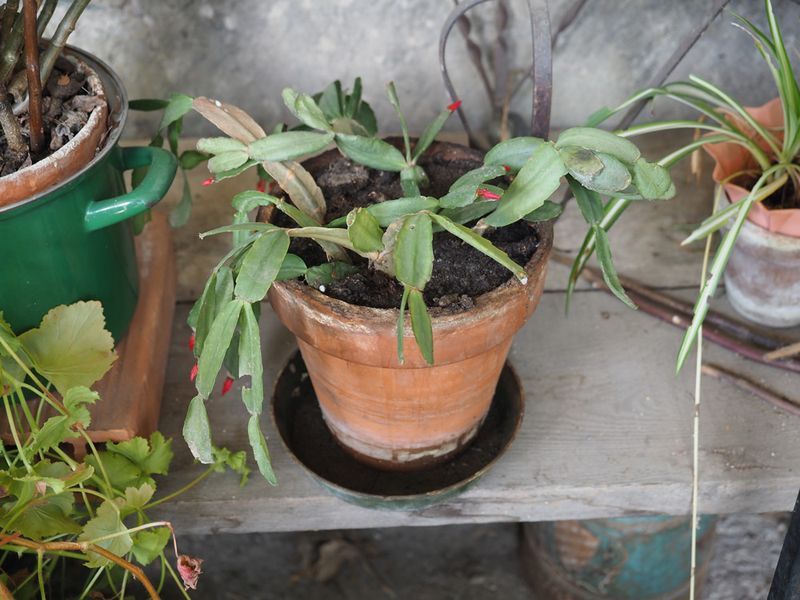
Two identical Christmas cactus plants can need water on completely different days. It sounds odd, but it happens all the time. The secret lies in the conditions around each pot.
Start with the container. Terracotta is porous, so air and moisture move through its walls, and soil dries quickly. Plastic and glazed ceramic hold water much longer, which means plants in those pots need less frequent watering.
Light plays a role too. A cactus in a bright window uses more water and dries out faster than one in a dim corner. Warm air from heating vents pulls moisture from soil even faster, sometimes drying a pot in just a few days.
Because of all these factors, a set calendar schedule rarely works. Your finger is the best tool you own. Push it about an inch into the soil, and if it feels dry, water. If it feels cool and damp, wait a day or two and check again.
The right potting mix helps a lot. Christmas cactus likes a loose, fast-draining blend, such as regular potting soil mixed with orchid bark or perlite.
That airy texture mimics the mossy tree branches where the plant grows in the wild, letting roots breathe between drinks.
Across North Carolina, heat pumps and forced-air furnaces run hard through fall and winter. They keep us cozy, but they also dry indoor air and potting soil.
Keep your plant several feet away from vents, and consider placing the pot on a tray of pebbles with a little water underneath to add some humidity nearby.
7. Learn The Signs Of Too Much Or Too Little Water
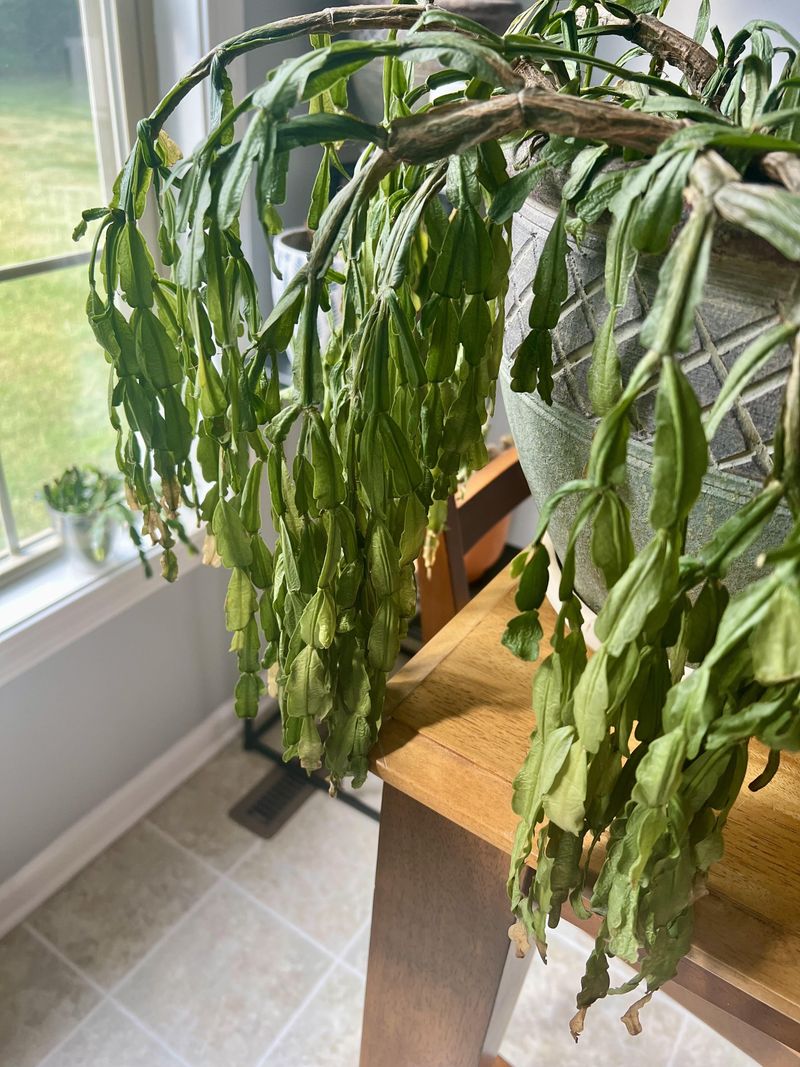
Wrinkled, droopy stems can leave even experienced gardeners scratching their heads. Did the plant get too much water or not enough? Oddly enough, both problems can look surprisingly similar at first glance.
That is why checking the soil and roots is so helpful. The stems alone may not tell the full story. Your finger and a quick peek under the surface usually reveal the answer.
Underwatering tends to show up as thin, shriveled segments that look deflated, almost like a raisin.
If the soil feels dry all the way down and the pot feels light when you lift it, thirst is the culprit. A thorough watering usually helps those segments plump back up within a few days.
Overwatering looks different on closer inspection. Segments turn limp, soft, or yellowish, the base of the plant may feel mushy, and the soil stays wet for days. These are warning signs of root rot, a serious problem caused by roots sitting in soggy soil.
If you suspect rot, let the soil dry out first. Then gently slide the plant out of its pot and look at the roots. Healthy roots are firm and pale, while rotted ones are brown, slimy, and may smell bad.
Trim away damaged roots with clean scissors and repot into fresh, fast-draining mix. For North Carolina gardeners, this knowledge is gold. Most Christmas cactus troubles come from watering habits, not bugs or disease.
Learn to read your plant, and you will enjoy brighter blooms and sturdier stems for many winters to come.