What Parasitic Wasps In North Carolina Are Actually Doing To Your Garden Pest Population
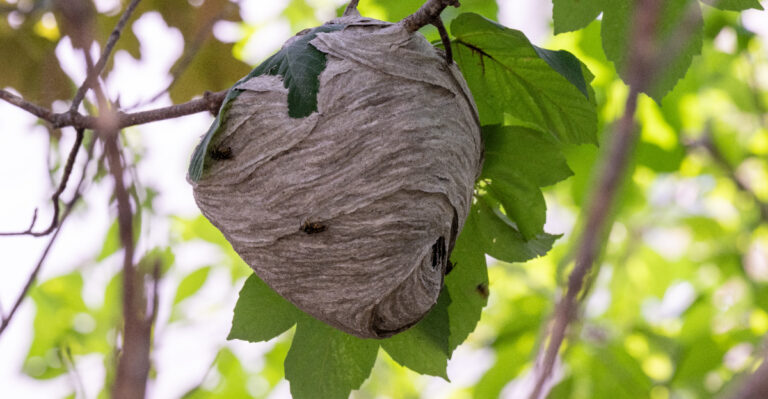
Most people’s instinct when they see a wasp near their garden is to back away slowly or reach for a spray.
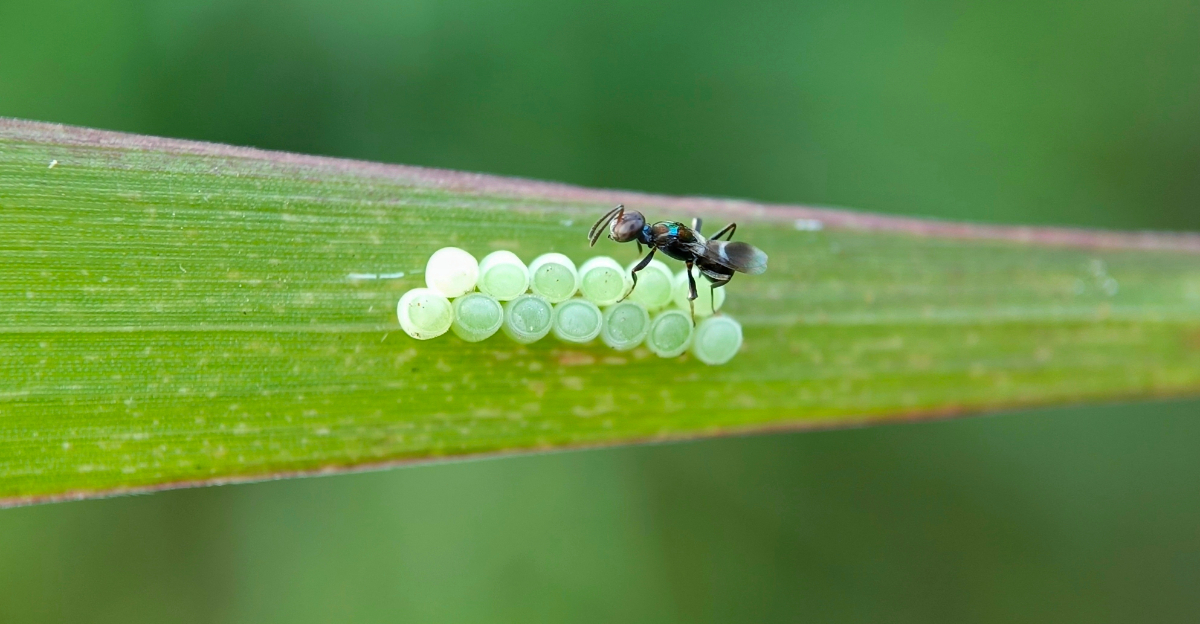
Parasitic wasps are an entirely different category of insect, and what they are doing in a North Carolina garden is almost entirely beneficial in ways that take most gardeners by surprise when they learn the details.
These tiny, non-aggressive insects target the exact pest species that cause the most damage in vegetable and flower gardens throughout the season.
They work continuously, reproduce in direct response to available pest populations, and ask nothing from the gardener in return.
North Carolina’s climate supports a wide diversity of parasitic wasp species, and understanding what they are actually doing in your garden changes the way you think about pest management from the ground up.
1. They Are Quietly Lowering Aphid Numbers
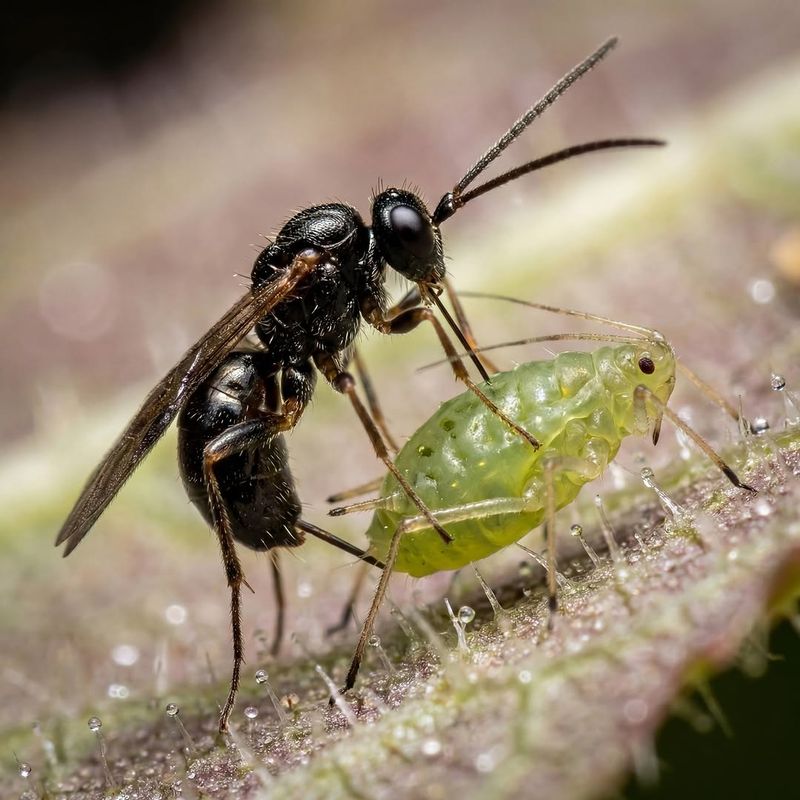
Something strange can happen on your rose bushes or vegetable plants in the middle of summer. You might spot a cluster of aphids, but scattered among the live ones are a few that look swollen, papery, and tan or brownish in color.
Those are called aphid mummies, and they are one of the clearest signs that parasitoid wasps are active in your garden.
Certain small wasps, like those in the Aphidius family, lay their eggs directly inside living aphids. As the wasp develops inside, the aphid swells and hardens into that distinctive shell.
One mummified aphid means one fewer aphid reproducing, and over time, that adds up in a big way.
Aphid populations can double fast under warm North Carolina conditions, especially on tender new growth. Parasitoid wasps slow that momentum without any spray or intervention from you.
Spotting even a handful of aphid mummies is good news. It means natural pressure is already building against those aphids, and the wasps are working through the population steadily.
Leave those mummies in place whenever you can, because adult wasps will emerge from them and continue the cycle.
2. They Are Taking Pressure Off Tomato Plants
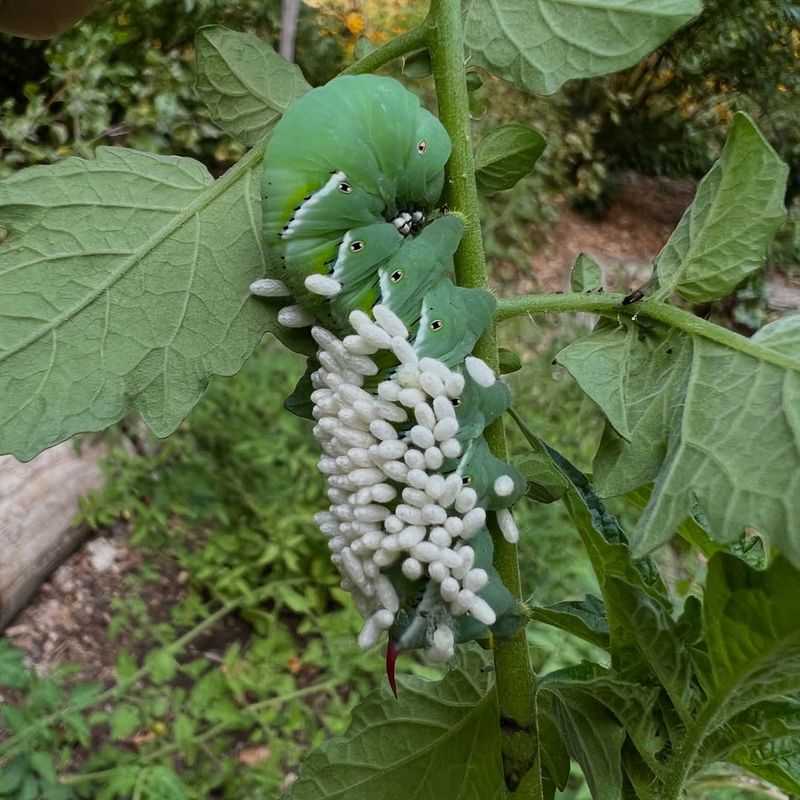
Tomato hornworms are some of the most dramatic-looking pests in any North Carolina vegetable garden. These big green caterpillars can strip a tomato plant fast, blending in so well that gardeners often miss them until the damage is obvious.
But sometimes, the hornworm does the work of finding them for you.
If you ever spot a hornworm covered in small white structures along its back, stop before you remove it. Those are not eggs.
They are the cocoons of braconid wasps, a group of parasitoid wasps that use hornworms as hosts for their young. The wasp larvae have already done their part inside the hornworm, and the cocoons are the final stage before adult wasps emerge.
Leaving that hornworm right where it is gives the next generation of wasps a chance to hatch, fly off, and find more hornworm hosts nearby. Removing it or trying to clean it off actually works against your garden.
That hornworm with cocoons is no longer feeding aggressively, and it is now a wasp nursery doing real biological work for you.
Your North Carolina Garden Changes Every Week. Your Plan Should Too.
Gardening in North Carolina changes quickly throughout the season. Every Friday you’ll receive a simple weekly plan showing exactly what to plant, prune, fertilize, harvest, and protect so you never miss the right timing.
Recognizing this moment and stepping back is one of the most practical things a North Carolina gardener can do during tomato season.
3. They Are Reducing Caterpillar Problems On Brassicas
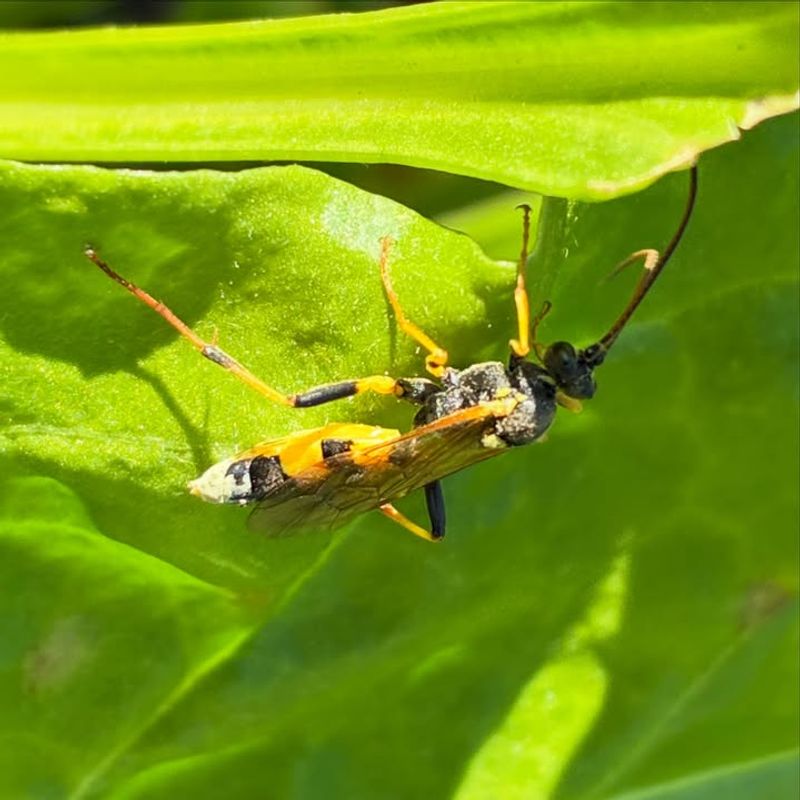
Brassicas like cabbage, kale, broccoli, and collards are staples of the North Carolina garden, and caterpillars love them just as much as we do.
Imported cabbageworms and cabbage loopers can chew through leaves quickly, and gardeners sometimes feel like they are always one step behind.
Parasitoid wasps quietly work against those caterpillar populations throughout the growing season. Species like Cotesia glomerata target imported cabbageworms specifically, laying eggs inside the caterpillar while it is still small.
The caterpillar may keep feeding for a while, but its ability to develop into an adult moth and reproduce gets disrupted as the wasp larvae develop inside it.
Realistic expectations matter here. Parasitoid wasps will not clear every caterpillar from your brassica patch, especially during a heavy pressure year.
What they can do is help hold future generations in check, reducing how many adult moths survive to lay new eggs. Over a full growing season, that steady pressure adds up.
Gardeners who combine hand removal of visible caterpillars with a garden environment that supports beneficial insects tend to see better long-term results than those relying on any single approach.
Parasitoids are one solid piece of a practical, balanced strategy for protecting your brassica crops.
4. They Are Helping With Whitefly Pressure
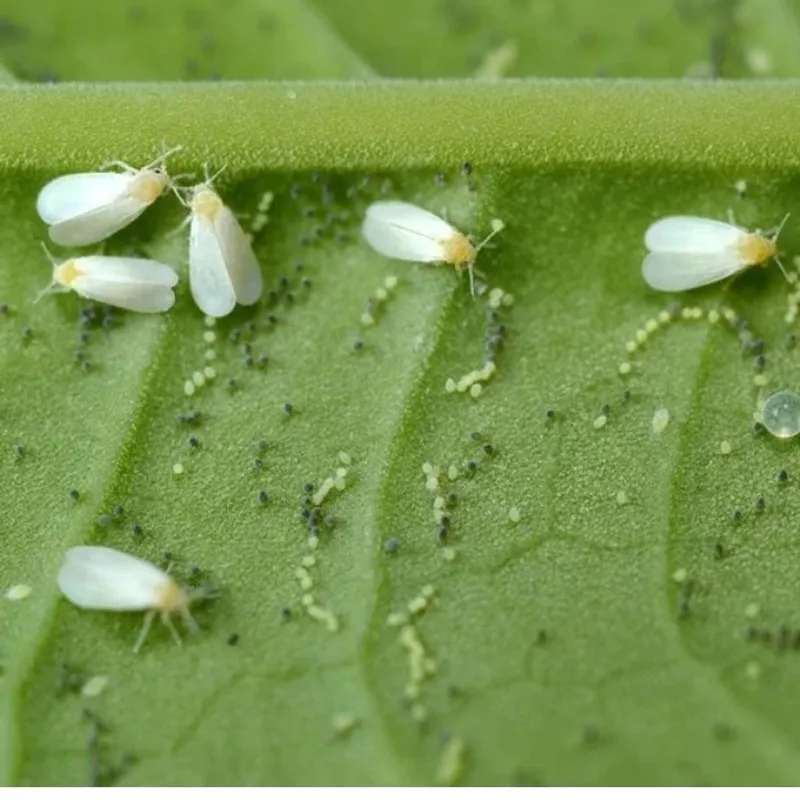
Whiteflies are frustrating. They cluster on the undersides of leaves, fly up in a cloud when disturbed, and multiply rapidly in the warm, humid conditions that North Carolina summers bring.
Greenhouse growers and open-garden gardeners alike know how quickly a small whitefly problem can grow into a big one.
Some parasitoid wasps, particularly a tiny species called Encarsia formosa, are well-known for targeting whiteflies. These wasps lay their eggs inside whitefly nymphs, the immature stage that clings to leaf undersides.
As the wasp develops, the whitefly nymph turns dark, which is actually a visible sign that parasitism has occurred. Checking the undersides of leaves for those darkened scales can give you an early read on whether natural control is happening.
Parasitoid wasps alone may not stop a heavy whitefly outbreak once it gets going, especially if conditions strongly favor the pest.
But as part of a garden that supports beneficial insects, they can slow whitefly buildup before numbers get out of hand. Avoiding broad sprays during early pest pressure gives these wasps room to work.
Sticky yellow traps can help you monitor whitefly levels without disrupting the beneficials that are already on the job and doing meaningful work in your garden.
5. They Are Working On Scale Insects And Mealybugs
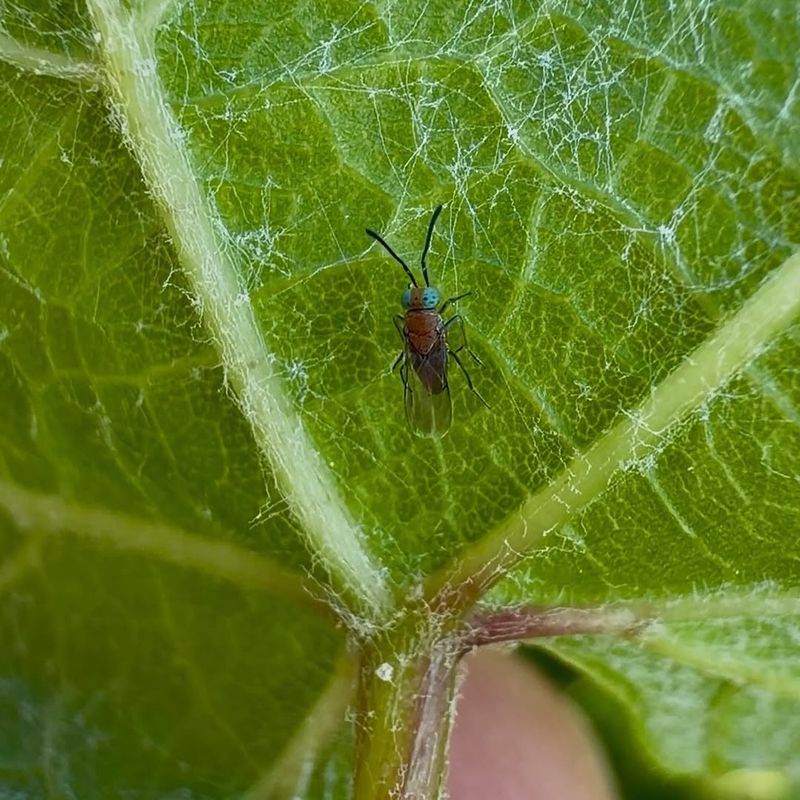
Scale insects and mealybugs are easy to miss at first. They tend to hide along stems, leaf joints, and the undersides of foliage, often looking like bits of fluff or waxy bumps rather than living insects.
By the time most gardeners notice them, the population has already been building for a while.
Several parasitoid wasp species target these soft-bodied, sap-feeding pests. Wasps in the Encyrtidae and Aphelinidae families are known to parasitize various scale and mealybug species.
They are not the only natural enemies working on these pests, as predatory beetles and lacewing larvae also play a role, but parasitoid wasps add another layer of pressure that can slow the spread before it becomes severe.
For home gardeners in North Carolina, the best approach is regular scouting. Catching a scale or mealybug problem early, before it spreads to multiple plants, gives natural enemies a fighting chance.
Avoid heavy nitrogen fertilization, which produces the soft, lush growth these pests prefer.
When you do spot an infestation, start with the least disruptive options, like rubbing with a damp cloth or using targeted horticultural oil, and give beneficial insects time to respond.
Patience and observation are genuinely useful tools when managing these tricky pests.
6. They Are Interrupting Pest Generations Before They Multiply
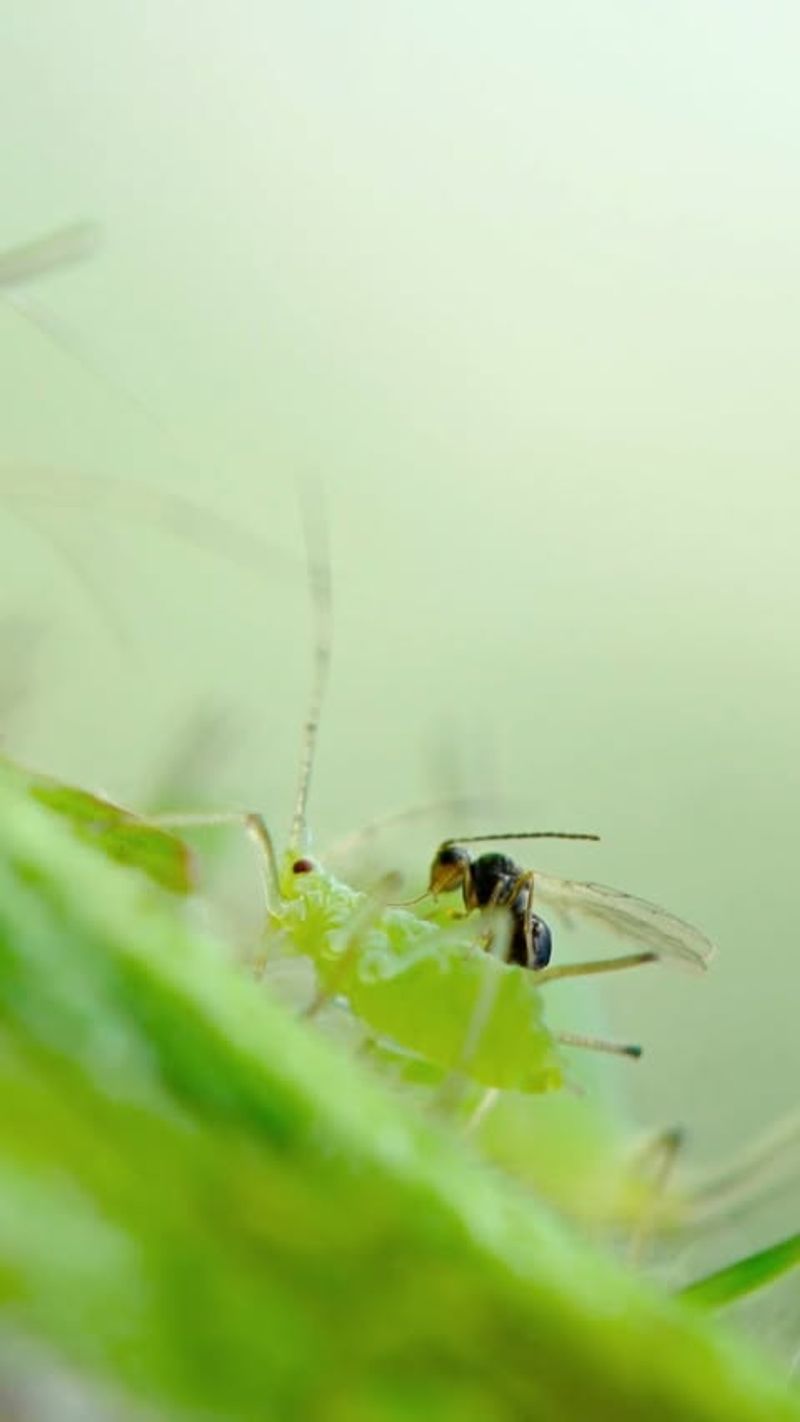
Most pest management focuses on what is visible right now, the caterpillar chewing the leaf, the aphids clustering on the stem. Parasitoid wasps work differently.
Their impact shows up not just in the pests you see today, but in the ones that never appear next week or next month.
When a wasp lays its egg inside a host insect, that host may survive for a short time but it will not go on to reproduce.
A caterpillar that would have become an egg-laying moth, or an aphid that would have produced dozens of offspring, gets removed from the reproductive cycle entirely.
Over the course of a season, that interruption compounds. Fewer adults means fewer eggs, and fewer eggs means lighter pressure on your plants down the road.
This is why parasitoid wasps are especially valuable in gardens where pest populations tend to spike the same time every year. They are not a dramatic, instant fix.
Their strength lies in steady, generational pressure that reshapes pest numbers over time. Gardeners who understand this tend to be more patient and observant, watching for signs of parasitoid activity rather than immediately reaching for a spray.
That shift in thinking often leads to a healthier, more self-sustaining garden across the entire growing season.
7. They Are Working Best When Gardeners Avoid Broad Sprays
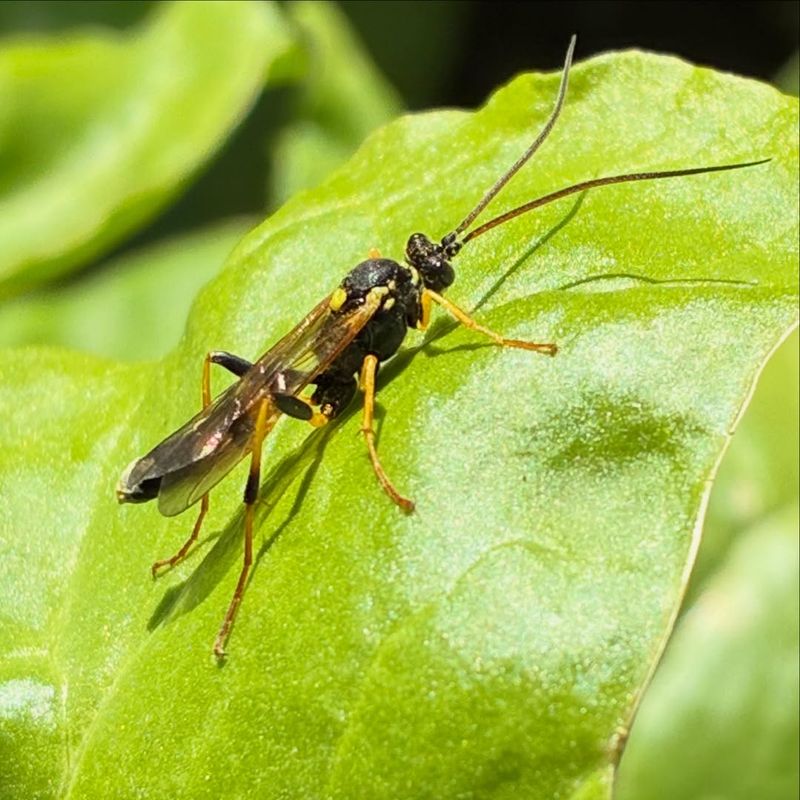
Broad-spectrum insecticides do not discriminate. When sprayed across a garden, they affect beneficial insects right alongside the pests you are targeting.
Parasitoid wasps are small and often more sensitive to chemical exposure than the tougher pest species they help control, which means a single spray event can set back your natural allies significantly.
Before reaching for any spray, the first step is identifying what you are actually dealing with. Scouting your garden regularly, checking leaf undersides, stems, and soil around plant bases, helps you catch problems early and make informed decisions.
A low pest population that has natural enemies present is often better left alone for a short time to see if those beneficials can handle it.
When treatment is truly needed, start with the least disruptive option available. Targeted applications, physical removal, or products with minimal impact on beneficial insects are always worth trying first.
If an insecticide is necessary, read the label carefully, apply it during times when beneficial insects are less active, like early morning or evening, and avoid spraying flowering plants.
North Carolina State University Extension offers excellent guidance on integrated pest management strategies tailored to home gardens.
Protecting the beneficial insect community you already have is one of the most effective long-term investments any gardener can make.
8. They Are Attracted By Small Nectar-Rich Flowers
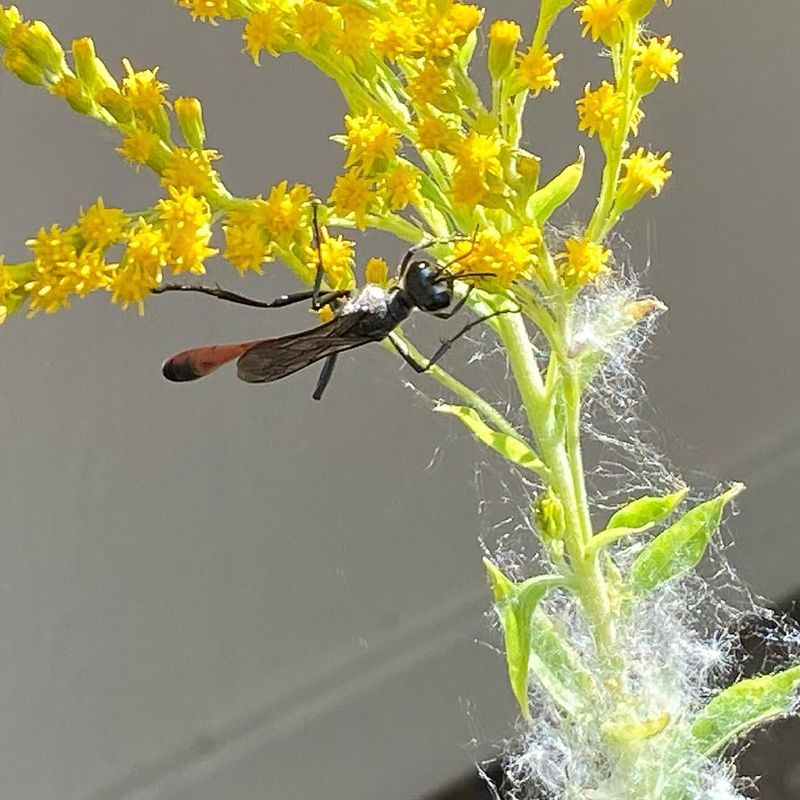
Adult parasitoid wasps are not the fierce hunters their name might suggest. Many of them are tiny, delicate insects that spend a significant part of their adult lives feeding on nectar and pollen from small flowers.
Without that food source nearby, they may not stick around your garden long enough to do their pest-control work.
Planting a mix of small-flowered plants is one of the most practical things you can do to support these beneficial insects.
Dill, fennel, cilantro, and parsley are especially useful when allowed to flower, since their flat-topped blooms are easy for small wasps to access.
Yarrow, cosmos, marigolds, and sweet alyssum are other reliable options that work well tucked along the edges of vegetable beds or in nearby borders.
A word of honest expectation here: adding these plants will not make your garden pest-free. What it does is create conditions where parasitoid wasps and other beneficial insects are more likely to be present when pest populations start building.
Think of it as stocking your garden with the right team before the season gets busy.
Even a small patch of flowering herbs near your vegetable beds can make a real difference in how many beneficial insects call your garden home throughout the North Carolina growing season.
9. They Are Part Of A Larger Garden Balance
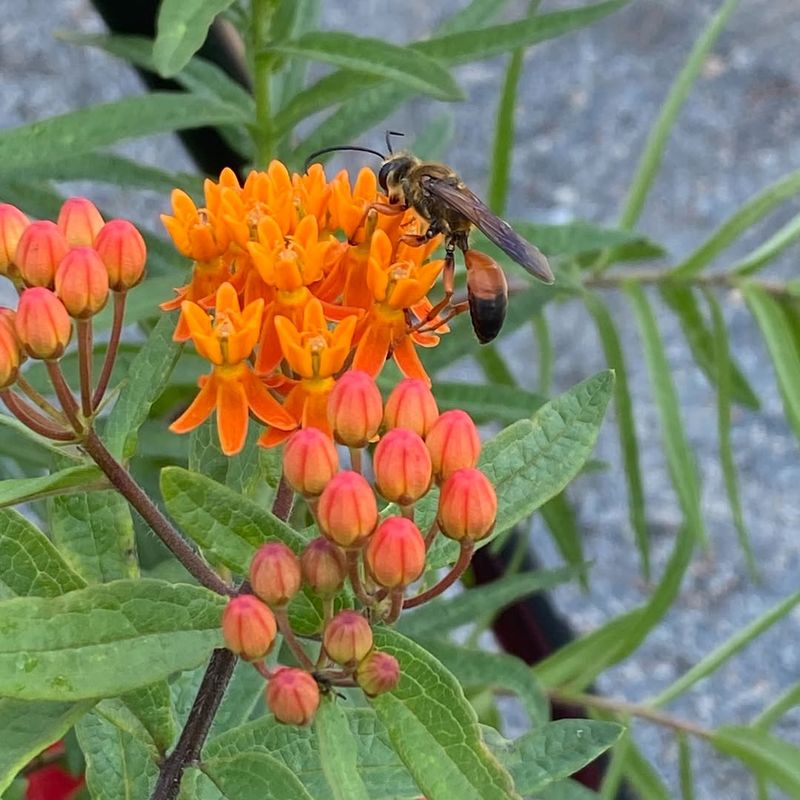
Parasitoid wasps are impressive, but they work best when the whole garden system supports them. Expecting any single beneficial insect to carry all the pest management weight is a setup for frustration.
A truly resilient garden builds balance from multiple directions at once.
Plant diversity matters enormously. Growing a wide range of vegetables, herbs, and flowers creates a more complex habitat that supports a broader community of beneficial insects, including predators, parasitoids, and pollinators.
Healthy soil full of organic matter grows stronger plants that handle pest pressure better in the first place. Regular scouting lets you catch problems early, when natural enemies and small interventions are most effective.
Hand removal of heavily infested plant material, careful watering that avoids creating overly humid conditions, and selective pest control when truly necessary all contribute to a garden that regulates itself more effectively over time.
North Carolina gardeners who take this whole-system approach often find that their pest problems become less dramatic year after year, not because they found one perfect solution, but because they built an environment where balance is possible.
Parasitoid wasps thrive in that kind of garden, and when they thrive, your plants benefit in ways that are sometimes hard to see but very real in their effect on the overall growing season.
10. They Are A Sign Your Garden Is Becoming More Self-Regulating
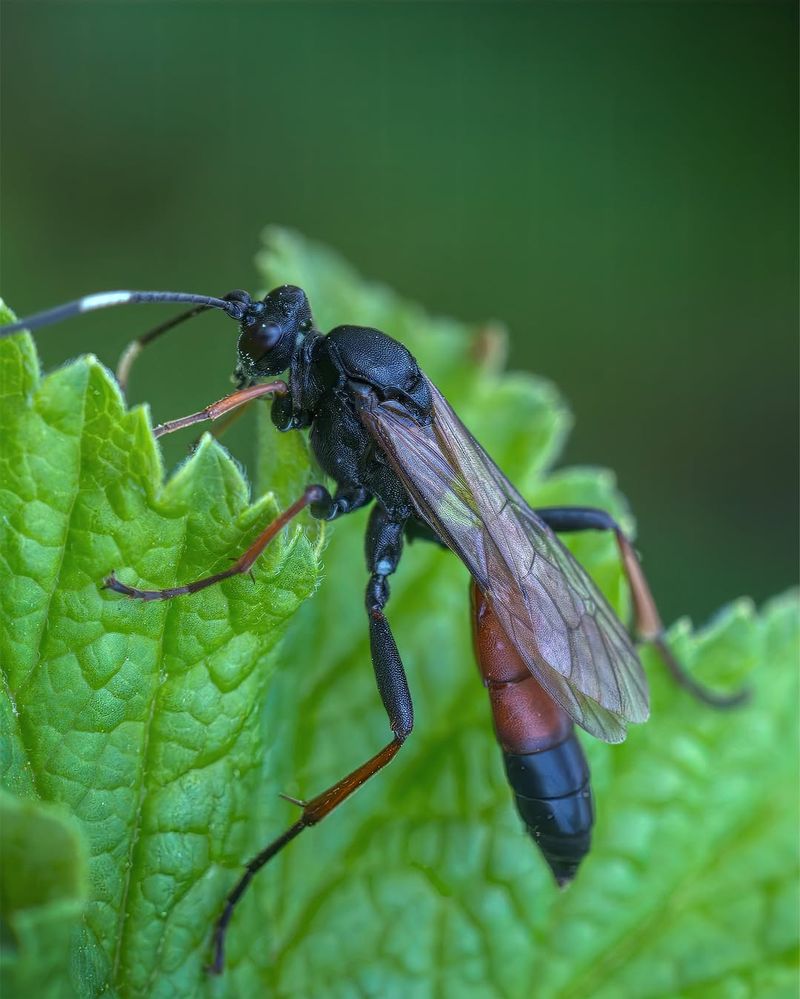
Finding a hornworm covered in cocoons or spotting a cluster of aphid mummies on your pepper plants might feel alarming at first. Once you know what you are looking at, though, those discoveries are actually something worth celebrating.
They mean your garden has developed enough complexity to support the insects that naturally check pest populations.
A self-regulating garden does not happen overnight. It builds gradually as you reduce unnecessary disturbance, add plant diversity, limit broad sprays, and give beneficial insects reasons to stay.
Parasitoid wasps, along with ground beetles, lacewings, spiders, and other natural allies, gradually become a more consistent presence when conditions support them across seasons.
The most important habit any North Carolina gardener can develop is pausing before reacting. When you see an unfamiliar insect or an unusual-looking pest, take a moment to observe and identify before doing anything.
Many of the signs that look troubling, a stiff-looking aphid, a hornworm with white bumps, a wasp hovering near plant stems, are actually evidence of a garden doing exactly what a healthy garden should do. Protect those signs whenever you can.
Avoid disturbing cocoons, leave aphid mummies intact, and resist the urge to spray when natural enemies are visibly present. Your garden is working for you, and that is genuinely exciting.