Why Hummingbirds Chase Each Other Away From Your New York Feeder
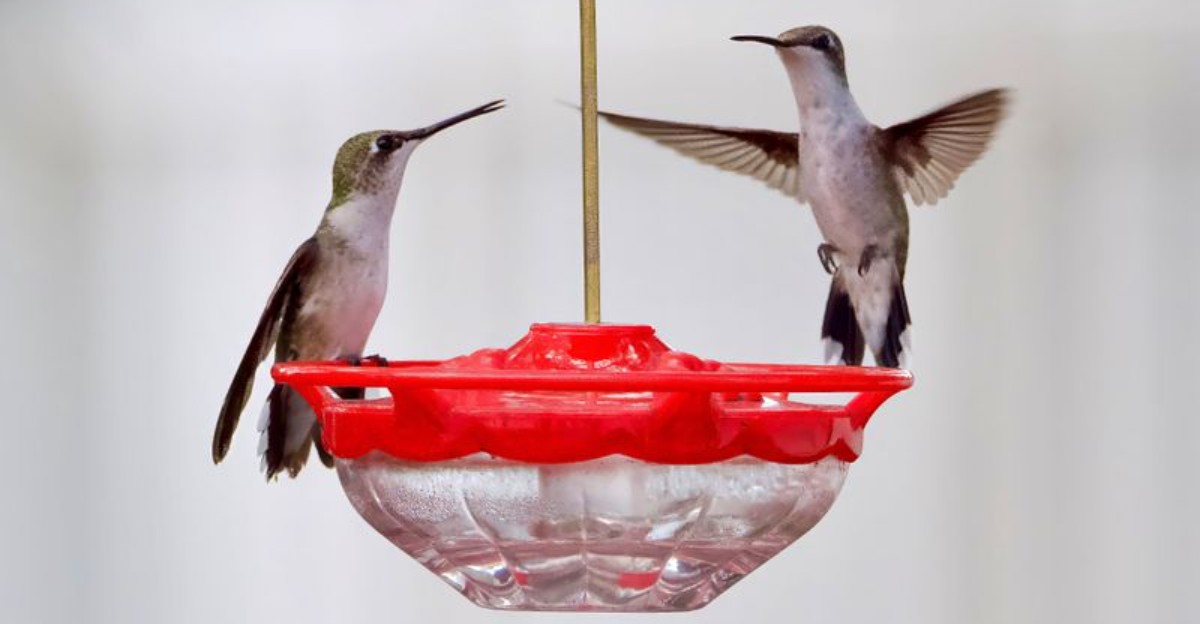
The smallest bird at your feeder is also the biggest bully. One tiny ruby-throated hummingbird can guard a sugar water station like a bouncer outside a nightclub.
Anyone who watches hummingbirds in New York has seen it happen. One bird dives, another bolts, and the whole chase vanishes in a flash of green.
It feels rude, especially when you filled that feeder for everyone. Those feisty flyers aren’t being bratty, though. They’re running on pure survival mode.
Huge energy needs, ancient instincts, and surprising strategy all fit inside a body lighter than a nickel. Every sip of nectar matters, and every rival looks like a threat.
Once you understand what drives the drama, you can watch with fresh eyes and even calm things down. Sometimes all it takes is moving a feeder or planting a few blooms nearby.
They’re Guarding A Valuable Food Source
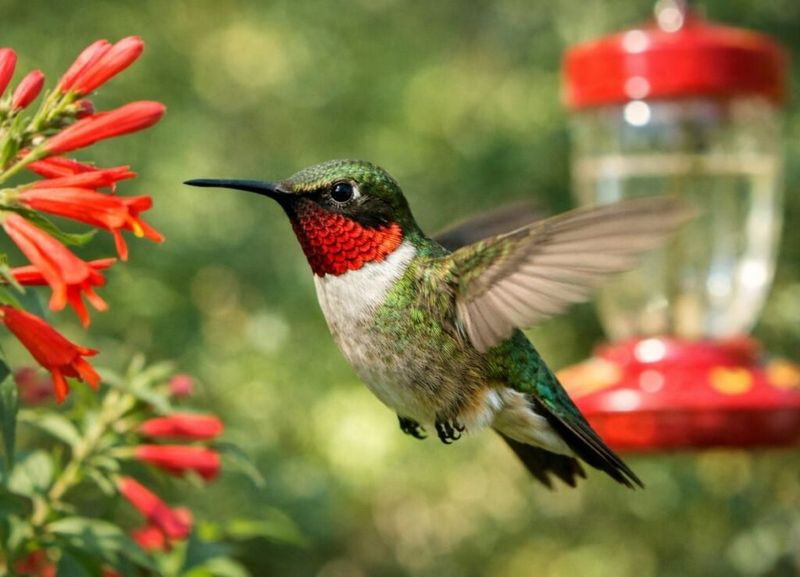
Picture running a marathon every single day on just a few snacks. Hummingbirds live a lot like that, so food is serious business.
Their hearts can beat over 1,000 times a minute while flying. Their wings beat roughly 50 times each second, which burns energy fast.
Scientists say hummingbirds have one of the highest metabolisms of any warm-blooded animal. A bird may need to eat every 10 to 15 minutes during daylight.
Missing too many meals can leave a hummingbird weak in a short time. So a reliable food spot feels like a treasure worth protecting.
Your feeder is packed with easy sugar in one handy place. Compared to hunting flower by flower, it is like finding an open buffet.
Out in nature, a rich patch of blossoms might last only a few days. Birds learned over thousands of years to defend those patches hard.
Here in New York, the ruby-throated hummingbird is the main species you will see. Its instincts tell it to guard that buffet, even from friends.
Fresh nectar keeps the prize worth fighting over, so keep it clean. Mix one part white sugar with four parts water, with no red dye.
In hot weather, swap out the nectar every day or two, and give the feeder a good clean each time. Spoiled sugar water can make birds sick and send them elsewhere.
Once you see the feeder as precious fuel, the chasing makes more sense. Your visitors are simply protecting the meal that keeps them going.
Males Defend Territories Around Feeders
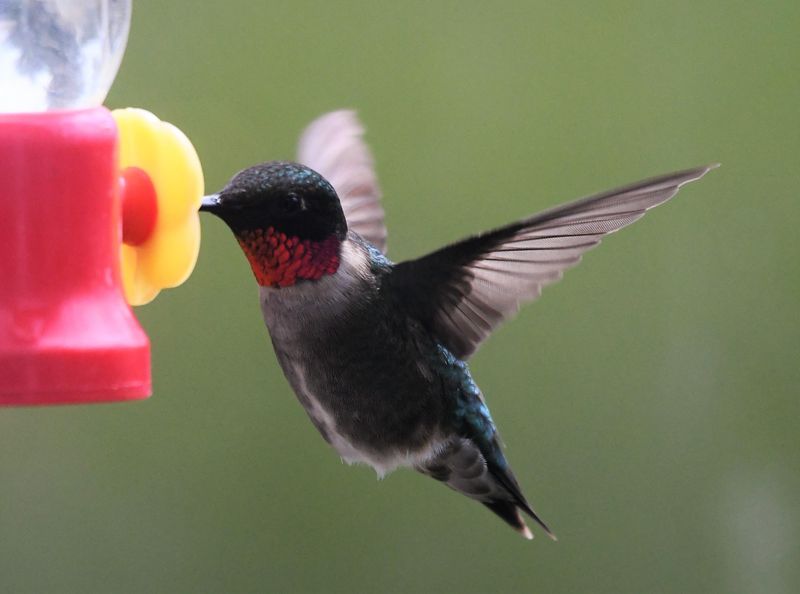
Flashing a ruby throat like a tiny stop sign, the male hummingbird takes his job seriously. He often picks a perch near your feeder and watches like a guard.
Male ruby-throated hummingbirds arrive in New York in late April or early May. They tend to show up before females to claim the best spots.
A good territory holds food, perches, and a clear view of the area. Males use it to feed themselves and to impress passing females.
Courtship involves dramatic flight shows, which need lots of energy. Holding a feeder means a male has fuel for showing off.
Here is a fun fact worth sharing with kids. Male ruby-throats do not help build nests or raise chicks at all.
Your New York Garden Changes Every Week. Your Plan Should Too.
Gardening in New York changes quickly throughout the season. Every Friday you’ll receive a simple weekly plan showing exactly what to plant, prune, fertilize, harvest, and protect so you never miss the right timing.
Since dads skip the parenting, much of their time goes into guarding turf. That explains why so many chases involve a flashy red-throated bird.
Watch for a favorite perch, like a bare twig or clothesline near the feeder. A male may sit there for long stretches between short sips.
Females defend spots too, especially near their nests. Still, males usually put on the loudest and most frequent shows.
Try counting how often one male returns to the same perch in an hour. You might be amazed at how loyal he is to that little lookout post.
One Dominant Bird Can Claim The Whole Feeder
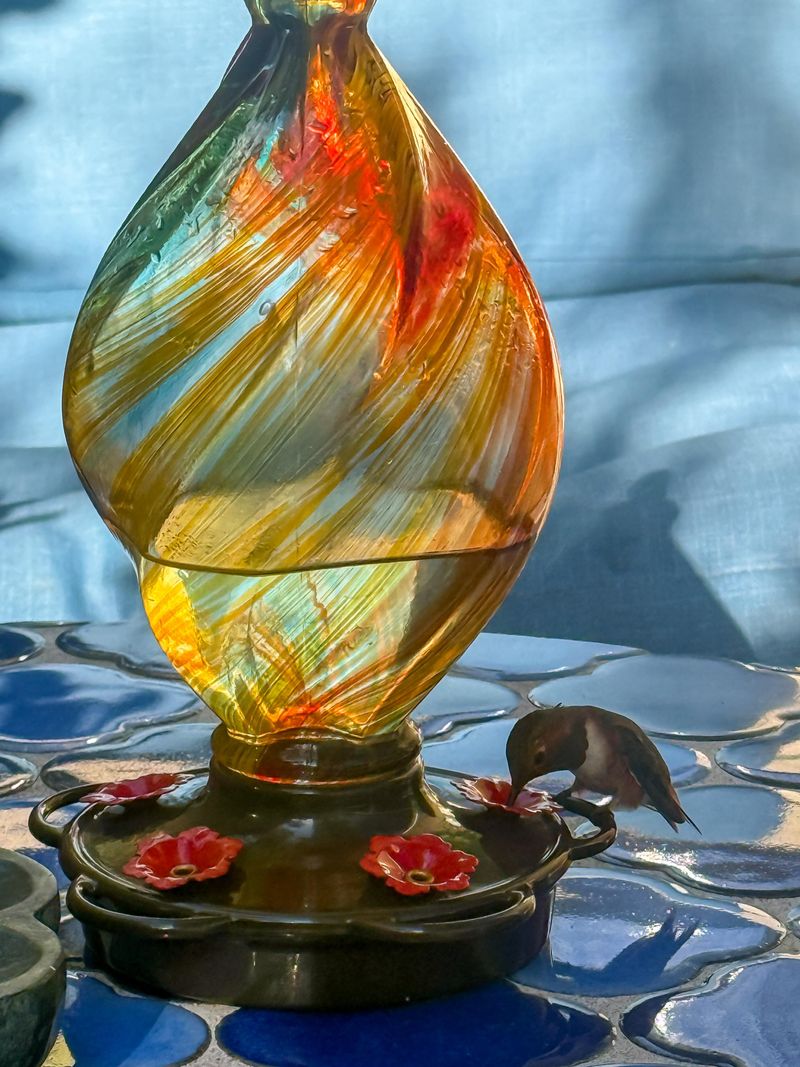
Every neighborhood seems to have one, and yes, your feeder might too. Bird lovers call him the bully bird, and he rarely shares.
A dominant hummingbird can control a feeder from sunrise to sunset. He chases off newcomers before they even land on a port.
Funny enough, the bird does not know you will refill the feeder. To him, that sugar water could vanish anytime, just like a flower.
So he guards it as if every drop is the last. Other birds end up waiting in nearby shrubs, hoping for an opening.
Bullies sometimes spend more energy chasing than they get from drinking. Even so, instinct wins over math for these tiny defenders.
Ever wonder why a feeder with eight ports gets only one visitor? A single tough bird can block all of them by hovering nearby.
Try watching quietly for a few days to spot his routine. Most bullies have favorite perches and patterns you can learn.
Once you know where he sits, you can place a second feeder behind his back. He cannot guard what he cannot see.
Bullies come and go through the season, too. When migration starts, a new boss may take over, and the cycle begins again.
Fall Migration Makes Every Sip More Important
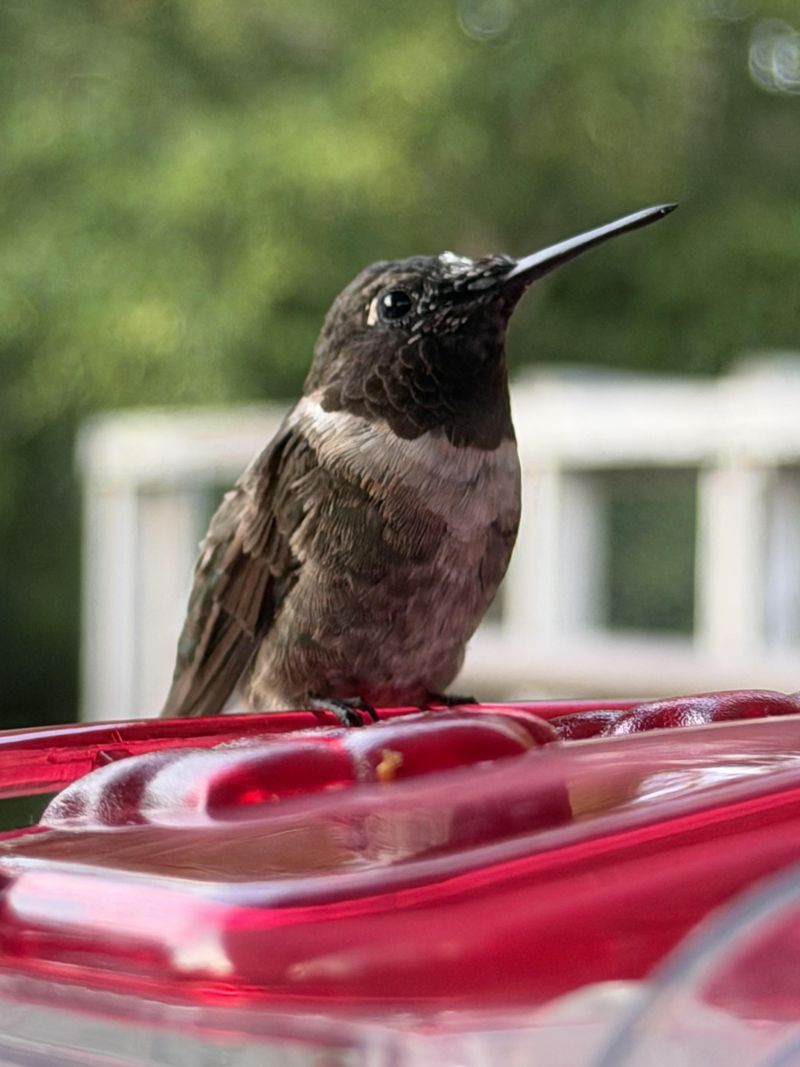
Late August in New York brings a buzz you can almost feel. Feeders that seemed quiet in June suddenly turn into busy little airports.
Ruby-throated hummingbirds start heading south in late summer and early fall. Many travel all the way to Mexico or Central America.
Some brave birds even fly across the Gulf of Mexico without stopping. That trip can take around 18 to 22 hours of nonstop flapping.
To prepare, they bulk up fast. A hummingbird may nearly double its body weight by adding fat for the journey.
Your feeder becomes a refueling station for both local birds and travelers. Visitors from farther north stop by, and the locals are not thrilled.
More birds plus bigger hunger equals more chasing. You may see young birds from this year joining the scramble, too.
Keep feeders up well into fall to help late travelers. A good rule is to leave them out until two weeks after your last visitor.
Leaving feeders up will not stop birds from migrating. Daylight changes tell them when to go, not food supply.
So enjoy the frantic season while it lasts. By October, most of your feisty guests will be zooming toward warmer skies.
Aggression Spikes When Natural Nectar Runs Low
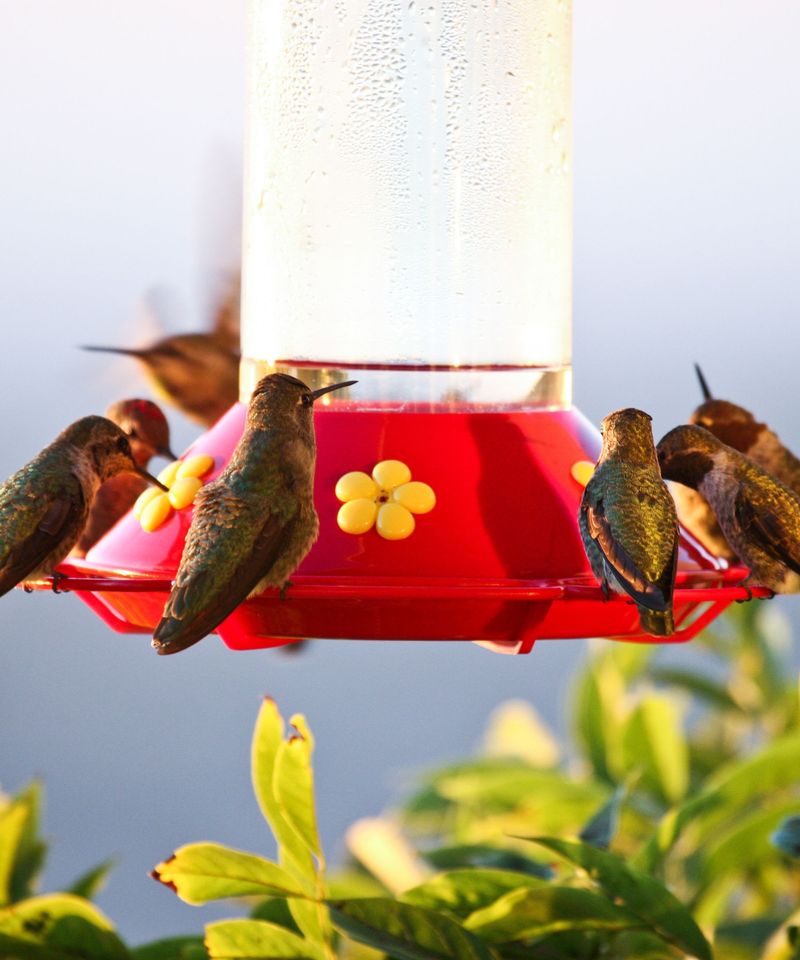
Think about a grocery store with only one shelf of food left. Shoppers might get a little pushy, and hummingbirds are no different.
Flowers produce nectar in cycles that depend on weather. Hot, dry spells can make many blossoms dry up quickly.
Midsummer droughts and early cold snaps can both shrink the wild menu. When flowers fade, birds lean harder on your feeder.
Suddenly the feeder is the only reliable meal around. Competition climbs, and so does the number of angry chases.
Rainy stretches can cause trouble as well. Heavy rain can wash nectar out of flowers, leaving birds hungry for a day or two.
Keep an eye on your garden as a clue to feeder traffic. If blooms look tired, expect your hummingbirds to get grumpier.
Watering nectar plants during dry weeks helps keep them blooming longer. Happier flowers mean less pressure on a single feeder.
Also, check that your feeder stays full during these lean times. An empty feeder during a drought can push birds to search far away.
Hummingbirds also eat tiny insects for protein, like gnats and spiders. Skipping pesticides keeps that food source healthy and plentiful.
A Single Feeder In Plain Sight Invites Fights
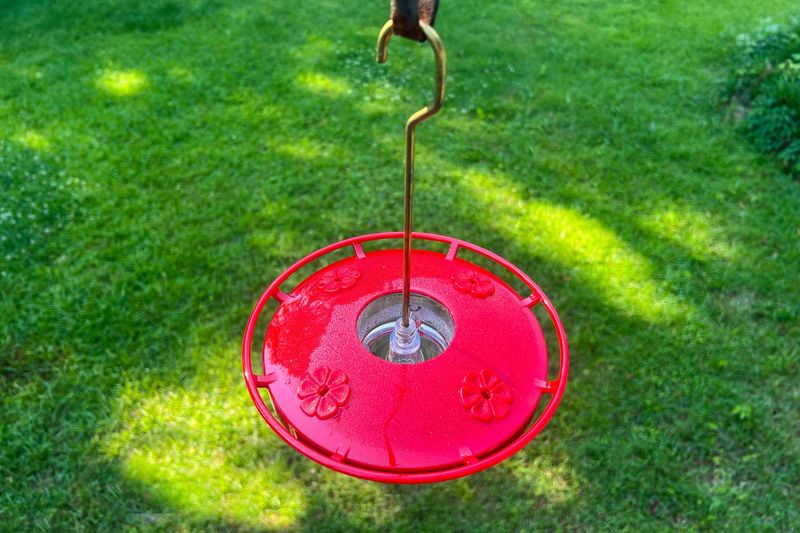
Hanging one feeder in the middle of an open yard seems sensible. To a hummingbird, though, it looks like a castle easy to defend.
An open spot lets a guard bird see every approaching rival. He can launch an attack the moment someone gets close.
Birds evolved to defend small, visible patches of flowers. A lone feeder in clear view fits that pattern perfectly.
Everything valuable sits in one spot, so one bird can watch it all. Fewer hiding places means fewer chances for others to sneak a sip.
Check your setup from a bird’s point of view. Is there a tall perch nearby with a great view of the feeder?
If so, you may have built the perfect lookout tower by accident. Moving the feeder a few feet can change everything.
Try hanging it closer to shrubs or under a tree branch. Partial cover gives timid birds a safer approach route.
Keep the feeder within about 10 feet of cover, but away from spots where cats lurk. Safety matters as much as easy access.
Small tweaks often bring calmer visits within a week. You may notice more birds getting a turn without a battle.
Chasing Is Mostly Display, Not Injury
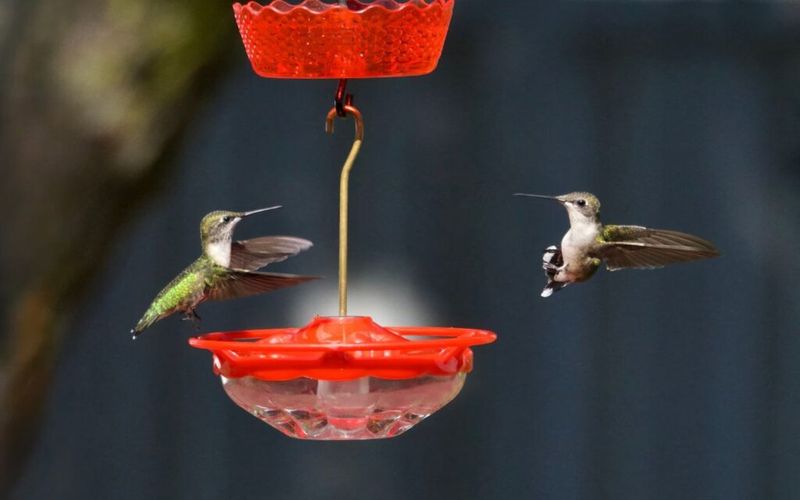
Relax, the high-speed drama looks scarier than it really is. Most chases end with one bird zooming off, totally unhurt.
Hummingbirds mainly use speed and noise to scare each other. Squeaky chatter and close fly-bys usually do the job.
Real contact does happen sometimes, with birds bumping or poking. Serious injuries, however, are quite rare.
Think of it like a loud argument instead of a fistfight. The goal is to send a rival packing, not to cause harm.
Fighting for real would waste energy and risk getting hurt. For a creature that weighs about three grams, that risk is not worth it.
Watch closely and you will notice chases often loop back around. The loser may return minutes later and try again.
Sometimes the chased bird even sneaks a sip while the guard is busy elsewhere. Persistence pays off for many feeder visitors.
If you ever find a hurt hummingbird, contact a licensed wildlife rehabber nearby. New York has many trained volunteers who can help.
For the most part, though, enjoy the show from your window. These aerial battles are some of the best free entertainment in nature.
More Feeders Out Of Sight Of Each Other Ease The Tension
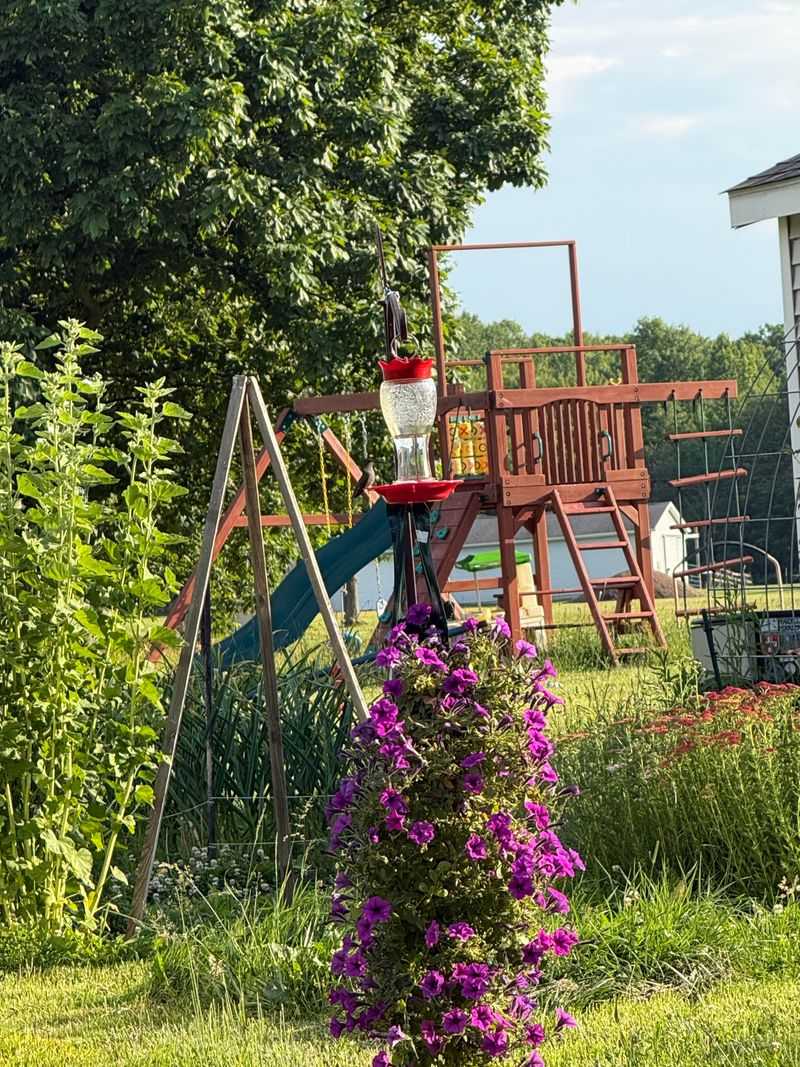
Here is the trick many experienced backyard birders swear by. Add feeders, but hide them from each other.
One bossy bird can only guard what it sees. Place a second feeder around a corner, and he cannot watch both.
Try one in the front yard and one in the back. A house, fence, or tall shrub makes a great visual wall.
Some birders space feeders at least 15 to 20 feet apart. Others use the opposite sides of a building for best results.
Bonus tip, a cluster of several feeders close together can also work. The bully gets overwhelmed when too many birds arrive at once.
Choose small feeders if you worry about wasted nectar. Fill them halfway, and refresh them more often in summer heat.
Saucer-style feeders are easy to clean and less likely to drip. Bright red parts help birds spot them quickly from above.
Many homeowners report more visitors within days of adding a second feeder. Shy females and young birds often benefit most.
Give the new setup some time and patience. Birds need a little while to discover fresh food spots in your yard.
Nectar Flowers Spread The Food Supply Around
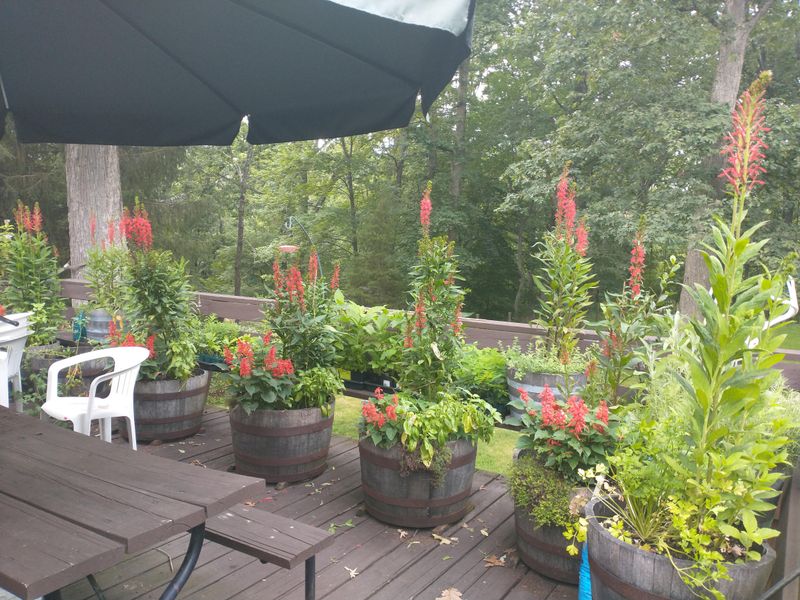
Flowers are nature’s original feeders, and they come with a bonus. They spread food across your whole yard, not just one spot.
When nectar is everywhere, one bird cannot guard it all. Rivals simply slip off to another patch and eat in peace.
Native New York plants are fantastic choices for hummingbirds. Try cardinal flower, wild bee balm, and wild columbine.
Trumpet honeysuckle, a native vine, is another favorite. Avoid invasive Japanese honeysuckle, which can crowd out local plants.
Red, orange, and pink tube-shaped blooms attract the most attention. Their shape fits a hummingbird bill like a key in a lock.
Plan for flowers blooming from spring to fall. Columbine starts early, bee balm fills summer, and cardinal flower shines in late season.
Spread plants in several clusters around your yard. Containers on a porch or balcony work great, even in tight city spaces.
Native plants also feed tiny insects that hummingbirds catch for protein. Your garden becomes a full menu instead of just dessert.
Visit a local native plant sale in spring for good options. Many county extension offices across the state share planting lists too.
Tail Flicks And Dive Displays Are Warnings
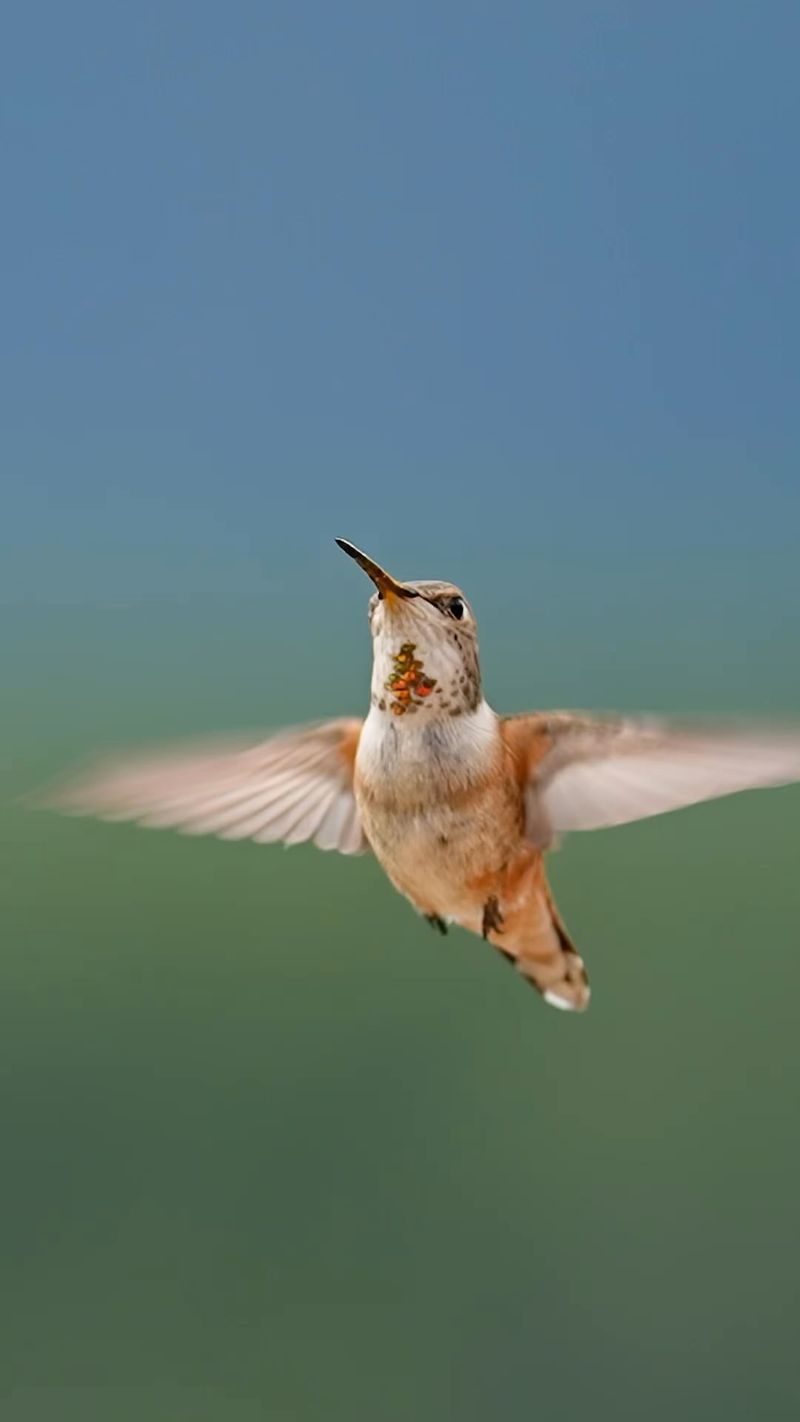
Long before a chase starts, a hummingbird often sends a message. Learning their body language turns you into a backyard detective.
Tail flaring is one of the clearest signals. A bird fans its tail feathers wide, showing off its size and patterns.
Spread wings and puffed throat feathers carry the same message. Basically, the bird is saying this spot belongs to me.
Listen for sharp chips and fast chattering sounds, too. Those squeaky calls often come right before a burst of action.
Male ruby-throats also perform dive displays shaped like a giant U. They swoop up high, then plunge down past a rival or female.
Each dive can stretch dozens of feet from top to bottom. The swinging motion looks almost like a pendulum in the air.
Most warnings work without any chase at all. The intruder backs off, and peace returns to the feeder.
Grab binoculars and watch for these signs on a calm morning. Jotting notes can help you predict which bird will claim the feeder.
Across the state, summer evenings are perfect for this kind of watching. You will soon read the drama like a pro.