Georgia Gardeners Can Skip The Tiller And Prep Fall Beds This Way
Dragging a heavy tiller across hard clay is one of the less enjoyable chores of fall in Georgia. It also churns up weed seeds buried deep enough to stay quiet.
Many gardeners skip that step and build new beds right on top of the ground. Layers of simple materials do the work over winter while the soil sits undisturbed.
Fallen leaves, which most yards have plenty of right now, can play a big part in the process.
Earthworms and soil life break things down slowly, and by spring the bed is often soft enough to plant.
Starting now gives those layers the months they need to settle and soften.
Mark out the spot you want for next year’s garden, and save your bags of leaves instead of leaving them curbside.
1. Bare Soil Does Not Need A Tiller To Be Ready For Planting
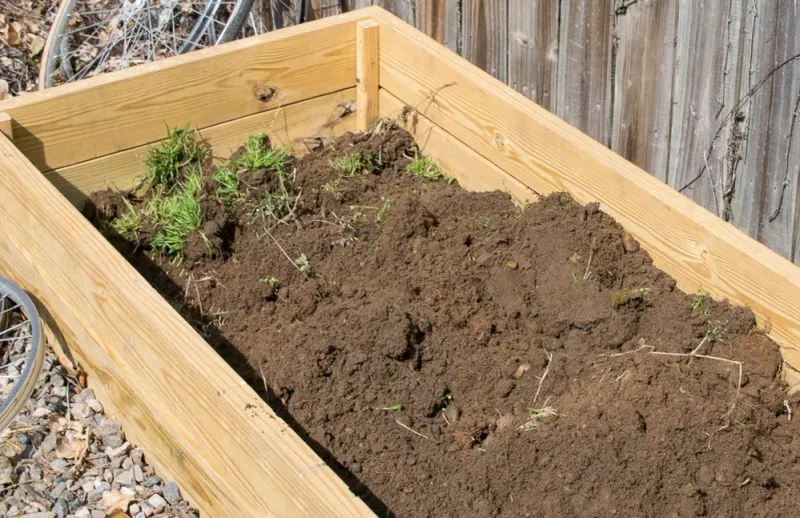
Rich, crumbly soil can form without a single pass of a tiller. Instead of breaking the ground apart, you simply cover the bed with organic matter and let nature take over from the top down.
Compost, shredded leaves, and aged manure all work well as a cover layer.
Once that material sits on the surface, soil organisms slowly pull it downward and mix it into the top few inches. Earthworms, beetles, fungi, and microbes each play a part in breaking it down.
Across much of Georgia, fall is a sensible time to start because cooler weather and rain keep the layer moist.
Some patience is required here. Depending on your soil, the material may take weeks or even months to blend in, especially in heavy clay.
Spread your layer a few inches deep and avoid stomping on the bed afterward. Foot traffic presses soil down and undoes some of the progress you are trying to make.
Hard, compacted ground is a different story, and a one-time loosening with a garden fork may help before you add the cover.
After that first step, the covered bed usually needs very little digging to stay workable. You can check progress by pulling back a corner and looking for darker, softer soil underneath.
2. A Layer Of Compost Adds Organic Matter Without Turning The Soil
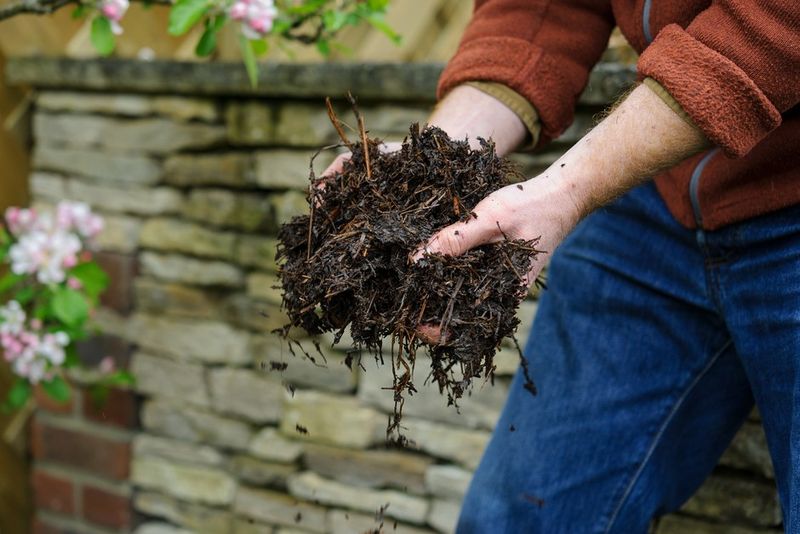
Think of compost as a slow meal for your soil. Spread on top, it feeds the ground gradually while leaving the layers underneath right where they belong.
Most home gardeners apply about one to three inches across the bed.
Finished compost should look dark and smell earthy rather than sour. Rough, half-done material can still work, but it may need more time to settle and soften before planting.
In Georgia clay, added organic matter can help improve drainage over time. Sandy soils near the coast may hold moisture a bit better as compost builds up.
Neither change happens overnight, and results vary from yard to yard.
Homemade compost is a great choice if you already keep a pile. Bagged compost from a garden center also works, though quality can differ between brands.
Watch out for manure that is fresh rather than aged, since it can be too strong for young plants.
Your Georgia Garden Changes Every Week. Your Plan Should Too.
Gardening in Georgia changes quickly throughout the season. Every Friday you’ll receive a simple weekly plan showing exactly what to plant, prune, fertilize, harvest, and protect so you never miss the right timing.
A soil test through your county Extension office can tell you whether your beds need more than compost alone. Some gardens still benefit from lime or specific nutrients, and a test helps you avoid guessing.
Top up the layer each year, and the soil usually keeps improving season after season.
3. Shredded Leaves Can Cover Bare Beds Through The Cooler Months
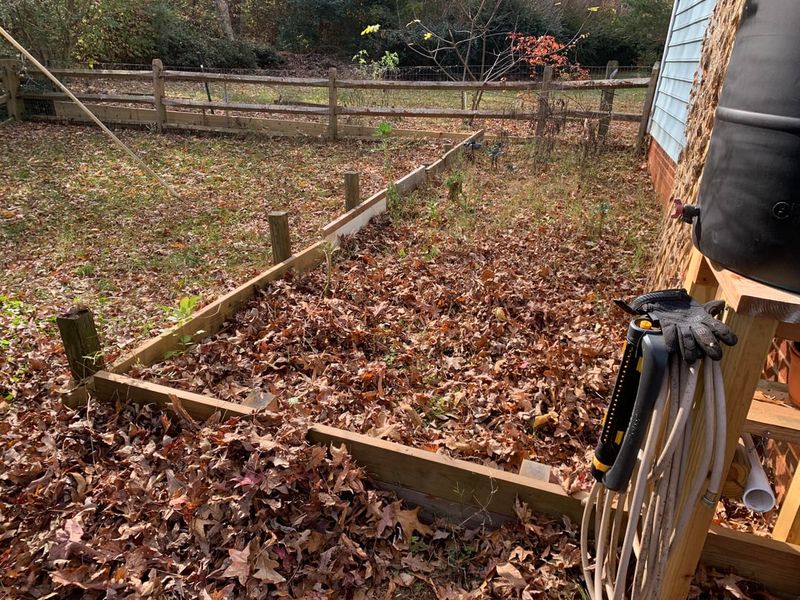
Free mulch falls from the sky every autumn. Oaks, maples, and other trees across Georgia drop piles of leaves that can protect your beds through winter.
Shredding them first makes a big difference.
Whole leaves tend to mat together into a soggy sheet that blocks air and water. Running them over with a mower or using a leaf shredder breaks them into smaller pieces that break down faster.
A few inches of shredded leaves can help shield bare soil from heavy rain and erosion.
That cover may also help hold in moisture and keep soil temperatures more even during cold snaps. Some weed seeds have a harder time sprouting when light cannot reach them.
Leaves are low in nitrogen, so they break down slowly on their own. Mixing them with a little compost or grass clippings can speed things along.
Avoid leaves from areas sprayed with herbicides, and skip any that look diseased.
By spring, much of the layer may have shrunk or softened. Whatever remains can be pushed aside for seeds or left around transplants as mulch.
Bag a few extra loads now if you have room. Stored leaves come in handy for top dressing later in the year.
4. Earthworms And Other Soil Organisms Work Beneath The Surface
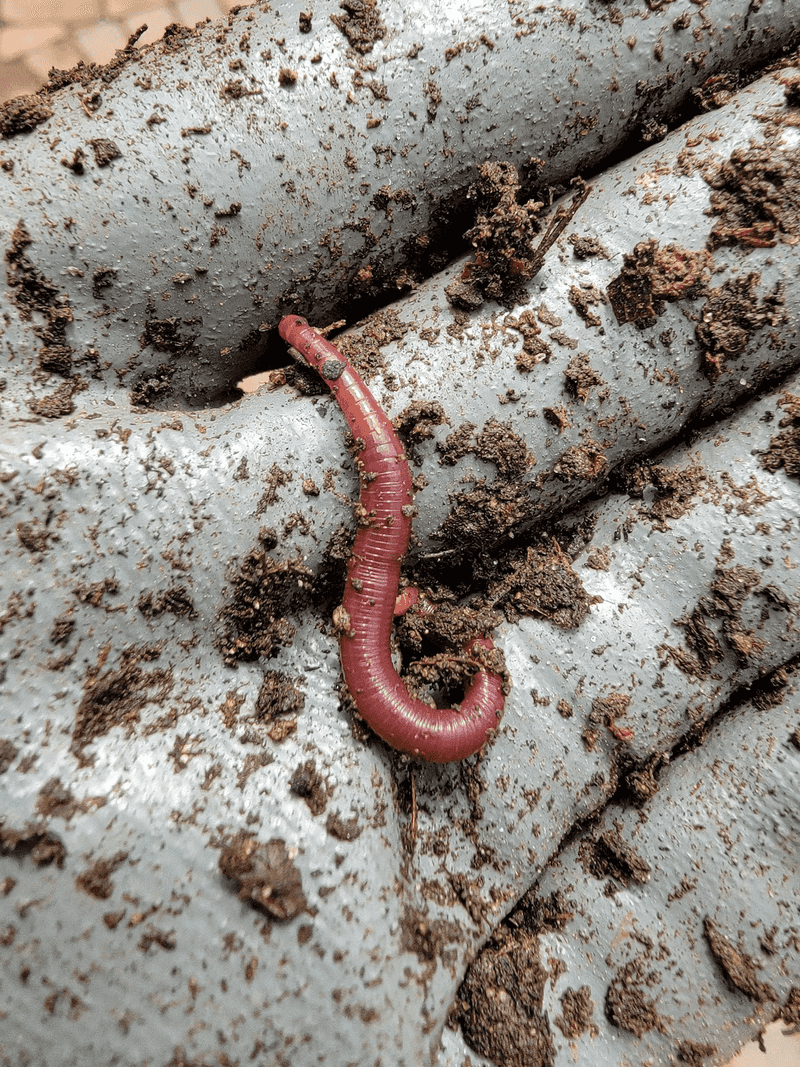
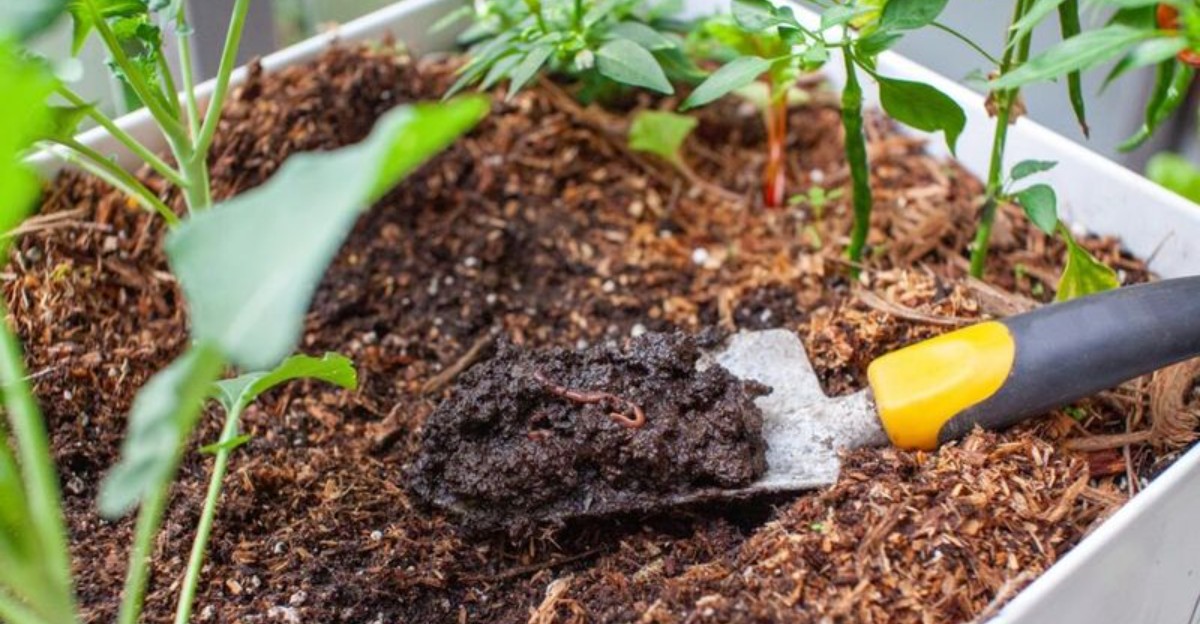
Underground, a busy crew is working while you rest. Earthworms tunnel through the soil, pulling bits of leaves and compost down from the surface.
Their tunnels can help air and water move deeper into the ground.
Worm castings, which are their droppings, add nutrients and help bind soil into small crumbs. Those crumbs give plant roots more space to spread.
Worms are only part of the picture, though.
Fungi send thin threads through the soil that help hold particles together. Bacteria, mites, and tiny insects also break organic matter into forms plants can use.
Tilling can break up fungal networks and disturb worm tunnels. Leaving beds covered and undisturbed tends to give these organisms a steadier home.
Activity often slows when soil gets very cold or very dry. In Georgia, mild winters may let some of this work continue at a slower pace, depending on your region and the weather.
Want to see if your soil is lively? Dig a small spadeful on a damp day and count the worms you find.
Finding only a few is common in new beds or heavy clay. Adding organic matter each year usually helps their numbers grow over time, though results vary.
5. Leaving Soil Undisturbed Helps Preserve Its Natural Structure
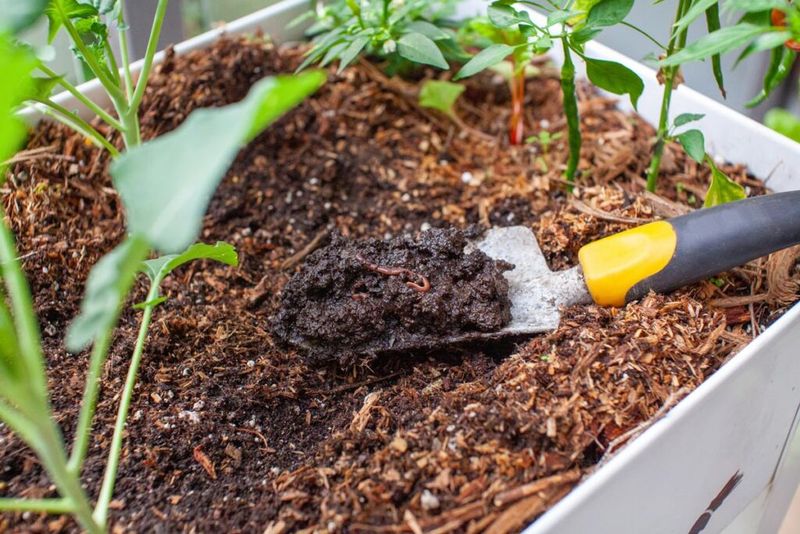
Healthy soil is not just dirt. It has a structure made of clumps, pores, and channels that let air, water, and roots move through it.
Tilling breaks that structure apart quickly.
Freshly tilled ground can look fluffy and soft at first. After a few hard rains, though, it may crust over or settle into a dense layer that drains poorly.
Repeated tilling can also create a hard layer just below the depth of the blades, sometimes called a plow pan.
Roots may struggle to push through that layer. Water can pool on top of it, especially in clay soils common in parts of Georgia.
Undisturbed beds keep their pore spaces and root channels in place. Old roots from past crops break down and leave behind small tunnels that help drainage.
Another benefit involves weeds.
Turning soil brings buried weed seeds up to the light, where many of them sprout. Leaving the soil in place keeps more of those seeds buried and quiet.
No method works perfectly in every yard. Very compacted or brand-new beds may still need some loosening once, but after that, a light touch often serves the soil better than heavy digging.
6. Cardboard Can Smother Existing Weeds Before New Planting Begins
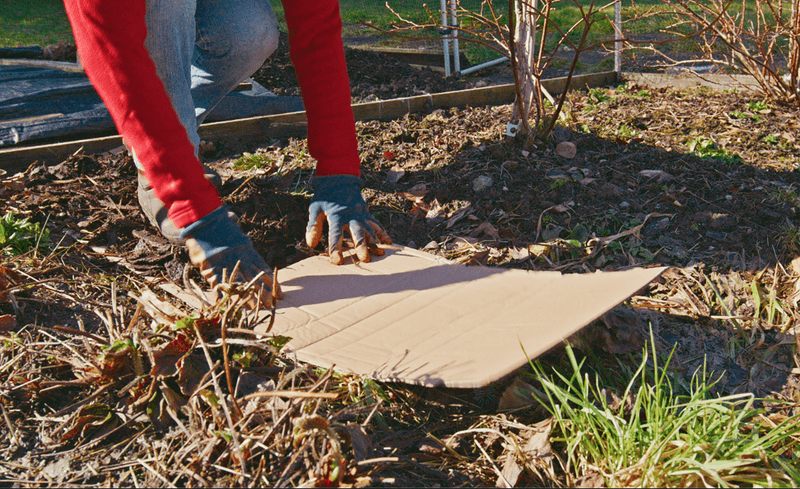
Got a patch of grass or weeds where you want a new bed? Plain brown cardboard can block the light those plants need to grow.
Remove tape, labels, and glossy printing before you start.
Mow or cut the weeds short first. Then lay the cardboard flat and overlap the edges by several inches so nothing sneaks through the gaps.
Soak the cardboard with water to help it settle against the ground.
Cover it with compost, leaves, or wood chips to hold it down and add organic matter. Bare cardboard can blow away and dries out fast in the sun.
Fall is a handy time to try this in Georgia because the layers have months to break down before spring planting.
Results vary with the weeds you face. Bermudagrass, nutsedge, and other tough perennials may push through edges or regrow, so watch closely and pull escapes early.
Earthworms are often drawn to the moist area under the cardboard. Over time, the cardboard softens and becomes part of the soil.
Some gardeners use newspaper in several layers instead. Either material works best when it stays damp and well covered.
7. Spring Planting Can Start With Less Digging And Soil Disturbance
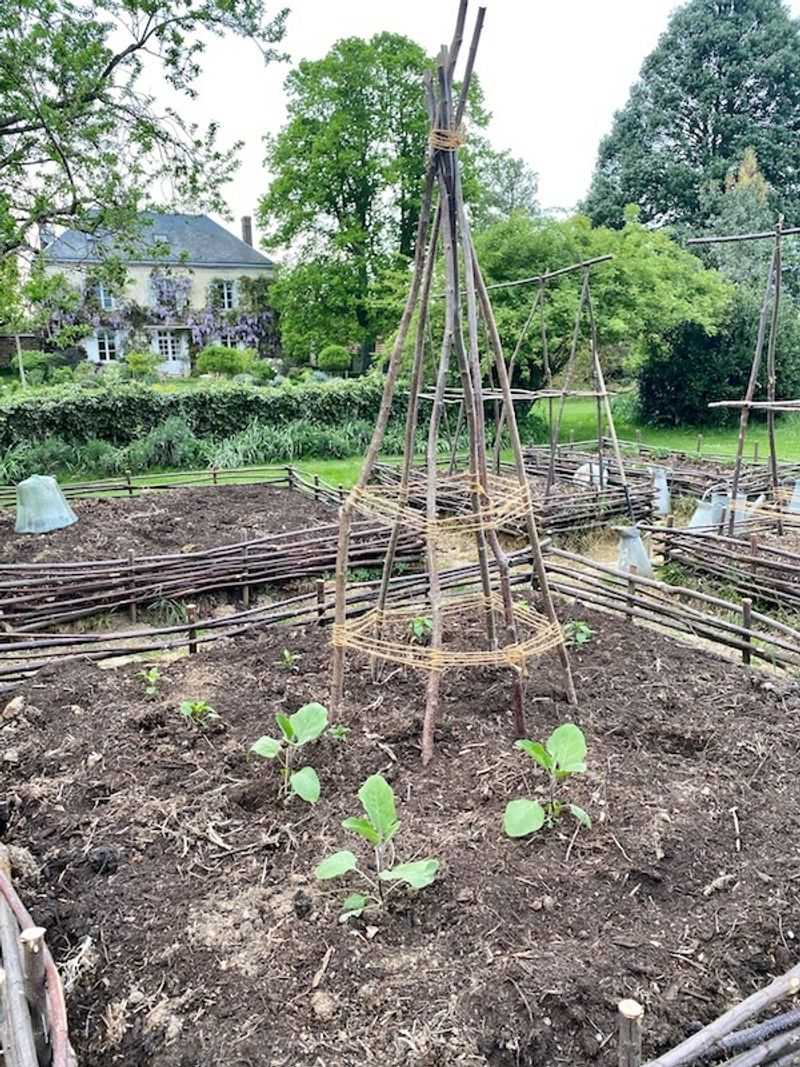
Spring arrives, and the hard work may already be behind you. Beds covered last fall often feel softer and easier to plant once the season warms.
Pull back the mulch only where you plan to plant.
For transplants like tomatoes or peppers, a hand trowel is usually enough to open a hole. Slip the plant in, firm the soil gently, and tuck the mulch back around it without touching the stem.
Seeds need a bit more space and light.
Rake mulch aside to make a narrow row, and sow seeds into the exposed soil. Small seeds like carrots or lettuce may struggle if leftover leaves are too thick.
Timing still matters. In Georgia, spring frost dates vary widely from the mountains to the coast, so check your local Extension guidance before setting out warm-season crops.
Covered soil can stay cooler and wetter in early spring. Pulling mulch back for a week or two may help warm the ground before planting.
Some beds will still have a few weeds or lumps. Spot-fix those areas instead of turning the whole bed.
Keep adding compost or mulch each fall, and the routine often gets easier every year.