What Every Pennsylvania Gardener Should Plant In Containers Before Winter Nights Arrive
Pansies can freeze solid on a January night, sit under a blanket of snow, and still perk up with fresh blooms when the weather warms.
Few flowers are that stubborn. They’re proof that empty pots don’t have to be part of a Pennsylvania winter.
Many gardeners clear out their containers once the summer annuals fade. But fall is a great time to replant them with tougher options.
Cold-hardy flowers, colorful foliage, small evergreens, and even a few herbs and leafy greens can handle frosty nights with ease. Some will brighten your porch through the holidays.
Others will hold on quietly through winter and burst back to life in early spring. A few can even be layered with bulbs for a surprise show once the snow melts.
Getting them planted before the coldest nights arrive gives roots a chance to settle in and keeps your containers working all year.
1. Pansies Bring Bold Color To Chilly Porches
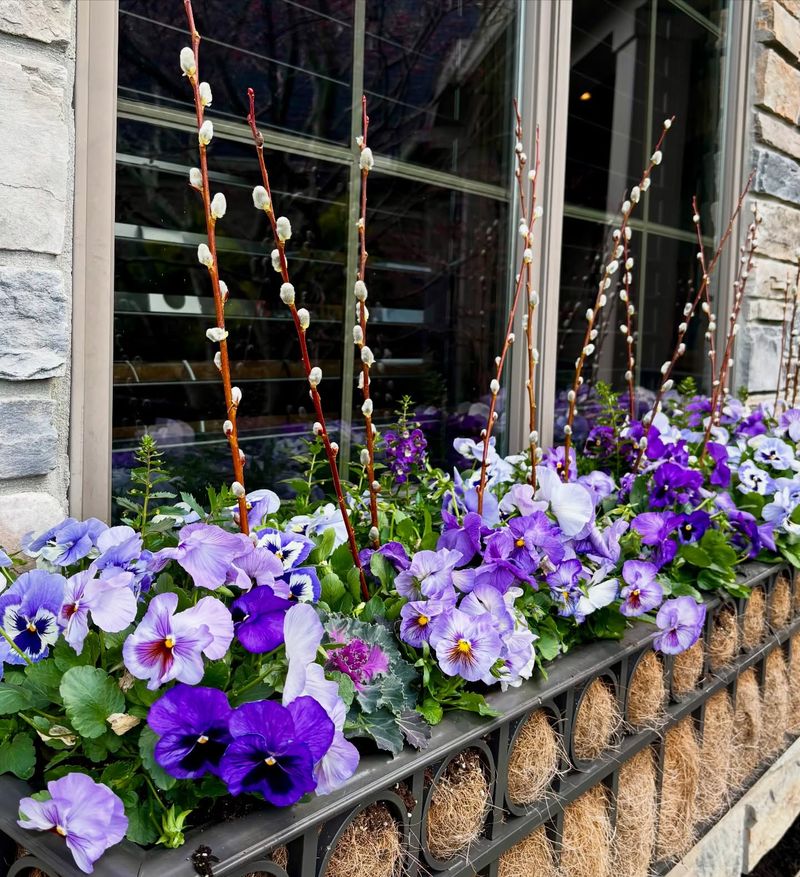
Few flowers shrug off frost quite like the humble pansy. You might walk outside on a November morning and find the petals coated in ice. By lunchtime, they perk right back up like nothing happened.
Pansies are one of the toughest blooms for Pennsylvania containers. They flower through fall, often rest under the snow, and then bloom again in early spring.
That means one planting can give you color for many months. Not many flowers can claim that kind of staying power.
Colors come in nearly every shade you can think of. You can find deep purple, sunny yellow, bright orange, soft blue, and even near black. Many have cute dark markings that look like little faces. Kids often love spotting the faces in each bloom.
Planting early gives pansies the best start. Aim for September or early October so roots can settle in before the ground gets cold.
Use fresh potting mix and a pot with drainage holes. Soggy soil is a bigger problem for pansies than cold air.
Sun matters too. Place your pots where they get at least six hours of light each day. Pinch off faded flowers to keep new buds coming. A light feeding with a liquid fertilizer every few weeks in fall helps them stay strong.
Winter care is simple. Move pots close to the house or against a wall to block harsh winds. A layer of mulch or straw over the soil helps protect the roots. Water during dry spells when the soil is not frozen.
Fun fact: the name pansy comes from the French word pensee, which means thought. Gardeners long ago believed the flower looked like a thoughtful face.
2. Ornamental Kale And Cabbage Steal The Fall Spotlight
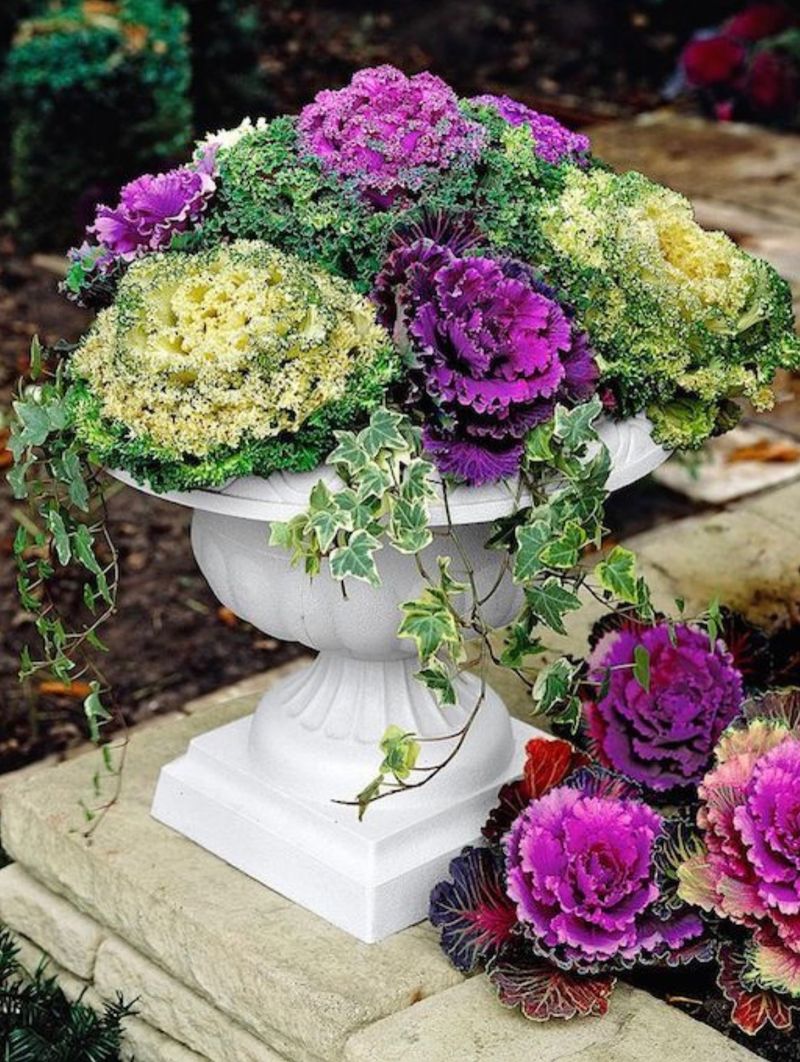
Talk about a plant that gets better with age. Ornamental kale and cabbage start out mostly green in early fall. Then, as Pennsylvania nights turn crisp, their centers blush with purple, pink, and creamy white.
Cold weather is the secret behind their show. Nighttime temperatures below about 50 degrees trigger those bright colors.
The colder it gets, the bolder they look. They can handle frost with ease and often look great until temperatures drop into the low 20s.
Your Pennsylvania Garden Changes Every Week. Your Plan Should Too.
Gardening in Pennsylvania changes quickly throughout the season. Every Friday you’ll receive a simple weekly plan showing exactly what to plant, prune, fertilize, harvest, and protect so you never miss the right timing.
Big rosettes make these plants perfect for porch pots. One large plant can fill a container all by itself. You can also pair them with pansies or small grasses for a fuller look. Their round shapes look a bit like giant flowers.
Shopping tips can save you some trouble. Pick plants with tight, healthy leaves and no yellow spots.
Buy them in September or early October so they have time to settle before the deep cold. Plant them a little deeper than they sat in the nursery pot to help keep them steady.
Care is pretty easy. Give them full sun and water when the top inch of soil feels dry. Skip heavy feeding in fall, since too much fertilizer can slow down the color change. Pull off any old or damaged leaves at the bottom.
Rabbits and deer may take a nibble, so keep pots close to the house if critters visit often. Cabbage worms sometimes show up early in the season. Pick them off by hand or rinse the leaves with water.
Here is a neat bonus. These plants are edible, but they are grown for looks, so the leaves taste tough and bitter.
3. Spring Bulbs Layered For A Surprise Show
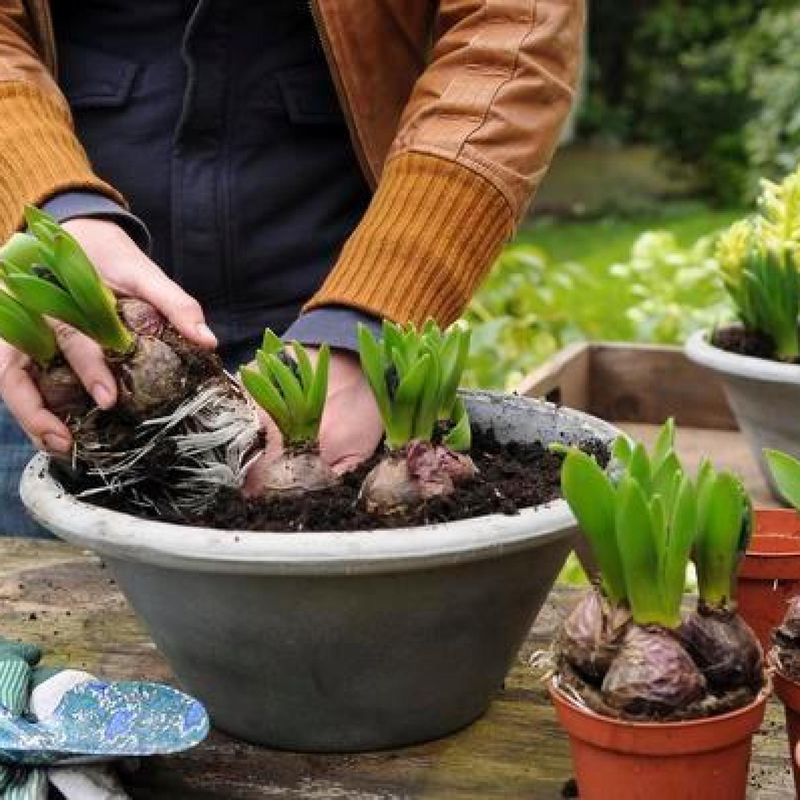
Think of it as a gift you wrap in fall and open in spring. Planting bulbs in containers now sets up weeks of bright blooms later. The best part is that the hard work happens before the snow flies.
Tulips, daffodils, crocuses, and hyacinths all grow well in pots. Many gardeners use a fun trick called a bulb lasagna.
You stack bulbs in layers at different depths, just like noodles and sauce in a pan. Each layer blooms at its own time, so the color keeps coming.
Building one is simple. Start with a deep pot that has good drainage and a few inches of potting mix. Place big bulbs like tulips and daffodils on the bottom, then add soil. Next comes hyacinths, more soil, and finally small crocuses near the top.
Pointy ends should face up. Pack bulbs close together, but do not let them touch. Water well after planting so the soil settles around them. October and early November are great times to plant in Pennsylvania.
Bulbs need a long winter chill to bloom. They usually need about 12 to 16 weeks of cold. The catch is that pots can freeze solid, which harms the bulbs. Storing them in an unheated garage or shed keeps them cold but not frozen.
No shed? Tuck the pots against a sheltered wall and cover them with straw or leaves. Check now and then and water lightly if the soil feels bone dry.
Once spring arrives and shoots appear, move the pots into the sun. Then sit back and enjoy the show. Squirrels love tulip bulbs, so a piece of wire mesh on top can help.
4. Dwarf Alberta Spruce Stands Tall All Winter
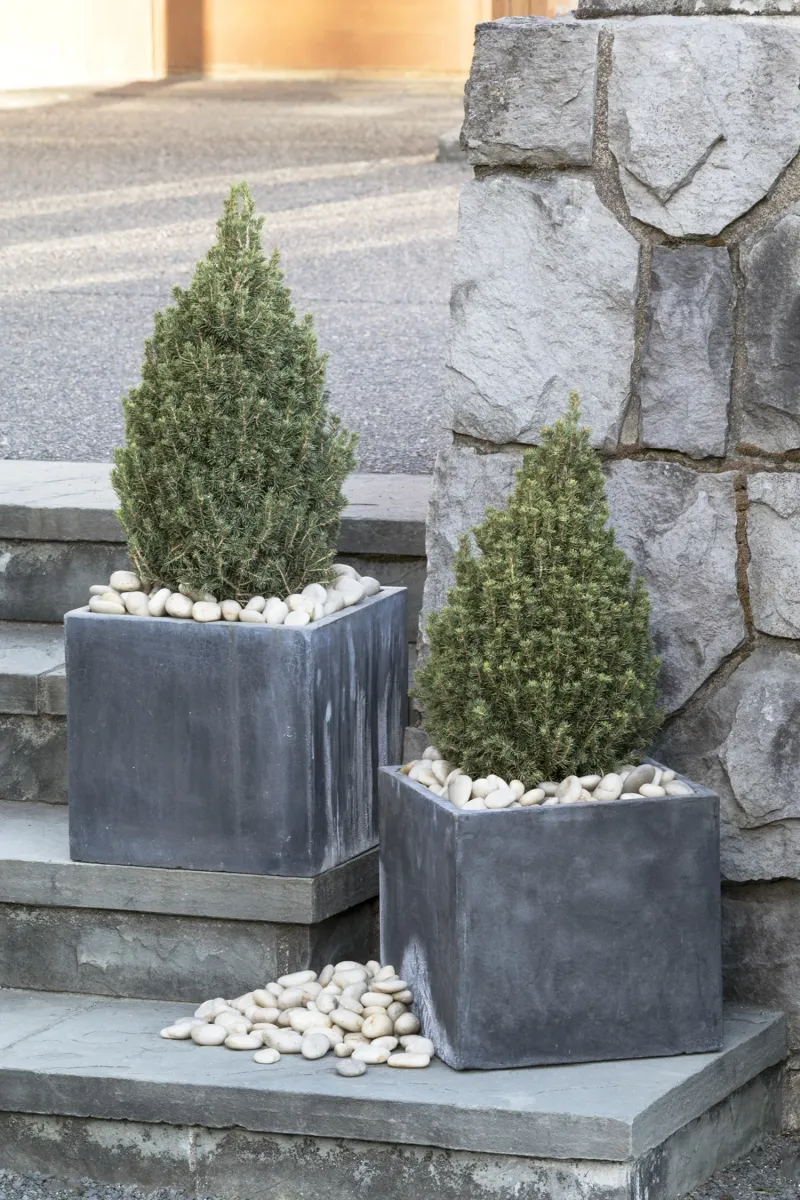
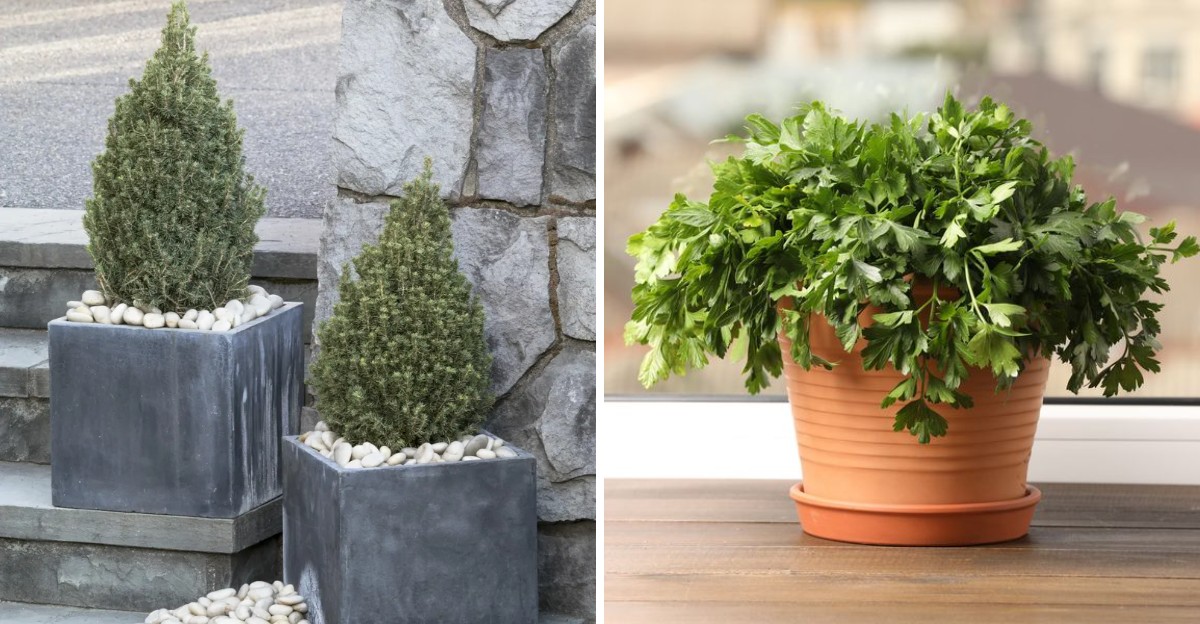
Every great winter container needs a star, and the dwarf Alberta spruce happily takes center stage. Its neat cone shape looks like a tiny Christmas tree. Many people buy one for the holidays and keep it for years.
Slow growth is one of its best traits. It only grows a few inches each year. That means it can live in the same pot for a long time without getting too big. You will not need to trim it much at all.
Cold hardiness really matters with potted plants. Roots in containers are much more exposed to freezing air than roots in the ground.
The dwarf Alberta spruce can handle tough cold, which makes it a smart pick for Pennsylvania winters. Choose a pot at least two sizes bigger than the nursery pot for extra root protection.
Pot choice is important here. Skip thin clay pots, which can crack when water freezes inside them. Go with fiberglass, thick plastic, or frost-proof ceramic instead. Make sure there are drainage holes in the bottom.
Watering is easy to forget in winter. Evergreens still lose moisture through their needles, even in cold weather. Give the soil a drink on mild days when it is not frozen. Dry roots in winter can lead to brown needles in spring.
Decorating is half the fun. Add small lights, red ribbon, or pinecones in December. Tuck pansies, ivy, or wintergreen around the base for extra color. Swap the decorations for spring flowers when the weather warms.
One thing to watch is spider mites in hot, dry summers. A strong spray of water now and then helps keep them away. Partial afternoon shade in summer also keeps it happy.
5. Wintergreen Adds Native Charm And Red Berries
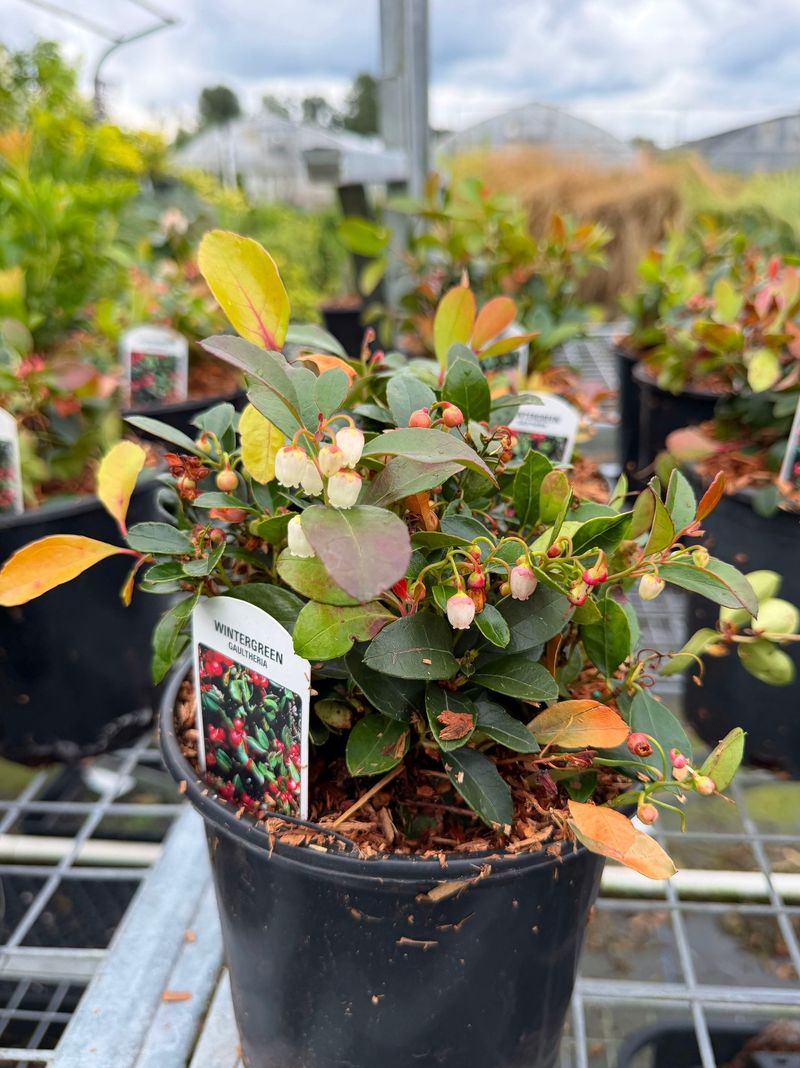
Long before store-bought holiday decorations, Pennsylvania forests had their own. Wintergreen grows wild in shady woods across the state. Its bright red berries and shiny leaves have cheered up winter walks for generations.
Low and spreading, wintergreen only grows a few inches tall. Its glossy green leaves often turn a rich reddish purple once cold weather sets in.
Small red berries form in fall and can hang on all winter. That combo makes it a perfect filler plant for festive containers.
Native plants like wintergreen are built for local weather. They know how to handle Pennsylvania cold. They also support local wildlife, since birds and small animals sometimes snack on the berries.
Soil is the key to success. Wintergreen likes acidic soil, the kind found under pine and oak trees. Use a potting mix made for azaleas or other acid-loving plants. Keep the soil evenly moist but never soggy.
Light needs are gentle. Partial shade or bright, filtered light works best. Hot afternoon sun can scorch the leaves in summer. A spot on a shady porch or under a tree is just right.
Mixing it into containers is easy. Tuck a few plants around the edge of a pot with a small evergreen in the middle.
Let the stems spill over the sides for a soft, natural look. Add pinecones or birch branches for a woodsy holiday feel.
Did you know? Crushed wintergreen leaves smell like mint. The plant was once used to flavor candy, gum, and root beer. Even so, keep the berries away from small kids and pets, since eating a lot can upset the stomach.
6. Coral Bells Keep The Leaves Looking Lively
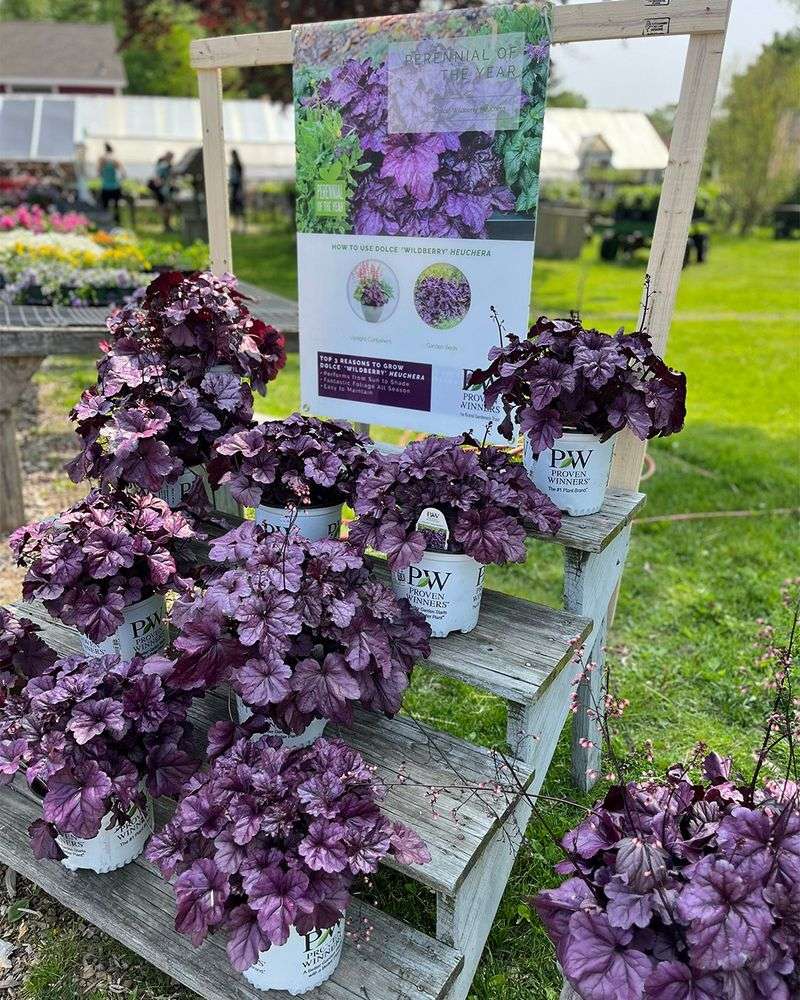
Some plants are all about flowers. Coral bells take a different path and let their leaves do the talking. Their ruffled foliage comes in colors that look almost painted on.
Shades range from deep purple and burgundy to caramel, peach, and bright lime green. Some have silver patterns or speckles too.
These colors hold up well into late fall, long after many summer plants have faded. They make mixed containers look rich and full.
Pairing colors is where the fun begins. Try a lime green coral bell next to purple pansies for strong contrast. A caramel one looks warm and cozy beside ornamental kale. Mixing two or three types in one big pot creates a quilt of color.
Planting is pretty straightforward. Choose a pot with good drainage, since coral bells hate wet feet. Set the crown, where the leaves meet the roots, right at soil level. Burying it too deep can cause rot.
Light needs depend on the leaf color. Darker purple types handle more sun. Lighter colors like lime and caramel prefer some shade, especially in the afternoon. In fall, the cooler sun is easier on all of them.
Here is a money-saving tip. Coral bells are perennials, so they come back year after year. When your fall display is done, you can move them into the garden. Plant them before the ground freezes, or wait until spring.
Winter can push the roots up out of the soil, a problem called frost heave. A layer of mulch helps hold them in place. Native to North America, coral bells feel right at home in Pennsylvania yards.
7. Parsley Keeps Fresh Flavor Close To The Kitchen
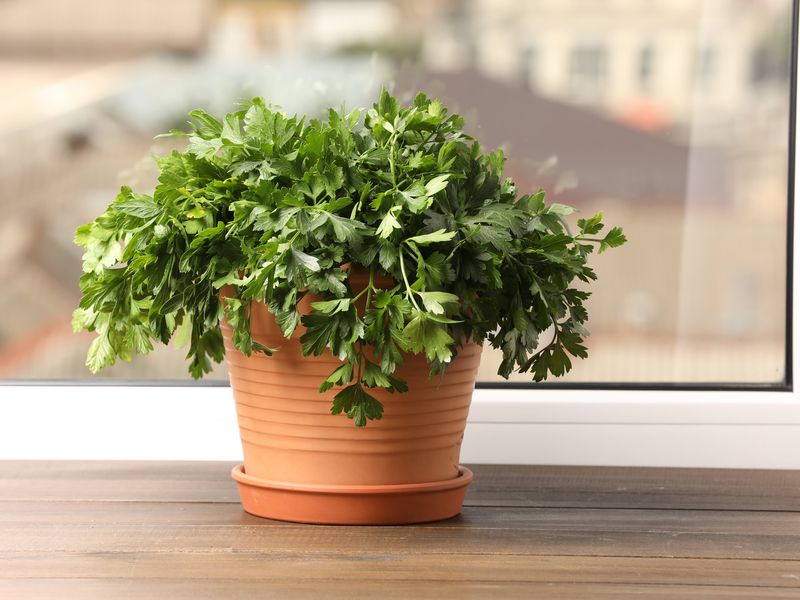
Nothing beats snipping fresh herbs for dinner on a cold night. Most herbs give up once the frost hits. Parsley, on the other hand, keeps right on growing.
Cold hardy and tough, parsley can be harvested from pots well into late fall. In mild Pennsylvania winters, it may even keep going until spring.
A light frost often makes the leaves taste a little sweeter. That makes it a cook’s best friend in chilly months.
Two main types are worth knowing. Curly parsley has frilly leaves and looks great as a garnish. Flat-leaf, also called Italian parsley, has a stronger flavor that many cooks prefer. Why not grow both in one pot?
Location makes a big difference. Keep your pot near the kitchen door so harvesting is quick and easy. You will be more likely to use it if it sits just a few steps away. A spot with morning sun and some wind shelter works great.
Harvest from the outside of the plant first. Cut stems near the base and let the center keep growing. Taking a little at a time keeps the plant full and healthy. Never cut more than a third of it at once.
Watering needs are simple. Keep the soil lightly moist, but do not let it stay soggy. On very cold nights, cover the pot with an old sheet or move it into a garage. Bring it back out when the weather warms.
Here is a fun fact. Parsley grows for two years. In its second spring it sends up flowers that attract helpful insects, including swallowtail butterfly caterpillars. Many gardeners plant a little extra just for them.