Georgia Gardeners Can Plant This Unusual Flower Now For Spring Color
Neighbors stopping on the sidewalk to ask what is blooming in your bed is a good sign you picked something different.
Most spring gardens lean on the same familiar bulbs, so anything new gets noticed. One less common flower fits that role well, and its planting window is open now.
It goes in the ground during fall and spends the cooler months building roots. By spring, it is ready to bloom while many summer flowers are still seedlings at the garden center.
Its shape and color tend to catch attention, partly because few nearby yards will have it.
Georgia’s mild winters give it time to settle in without much protection in most areas.
Pick a sunny spot with soil that drains well, since soggy winter ground can set it back.
1. This Unusual Flower Can Start From Seed In Fall
Meet love-in-a-mist, a cottage garden favorite known to botanists as Nigella damascena. It is a hardy annual, which means it grows, blooms, and sets seed within one season, and young plants can often handle cool weather.
Gardeners in many parts of Georgia can sow it directly in the garden during fall. Seedlings may sprout before winter, stay low through the cold months, and then grow quickly as days warm.
Fall sowing gives roots a head start that spring planting cannot match.
Timing still depends on where you live and what the weather does in a given year. Your local county Extension office can help you match sowing time to your area.
Seeds are small and black, so a light hand works best when scattering them. Press them gently onto loose soil, or cover them with only a very thin layer.
Results can vary from one garden to the next. Heavy rain may wash seeds away, and an unusually hard freeze can set back some seedlings, so a few gardeners sow a second small batch in late winter as backup.
Keep the seedbed lightly moist until sprouts appear, and mark the spot so you do not mistake the fine seedlings for weeds later.
2. Delicate Blue Flowers Rise Above Fine Fernlike Foliage
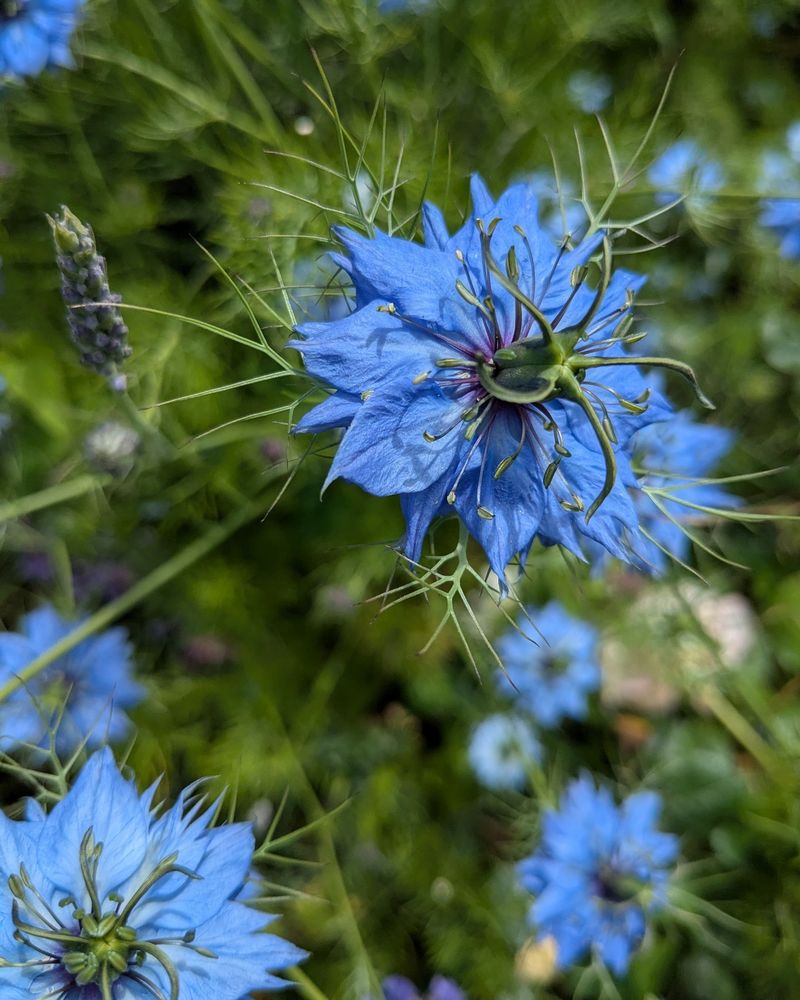
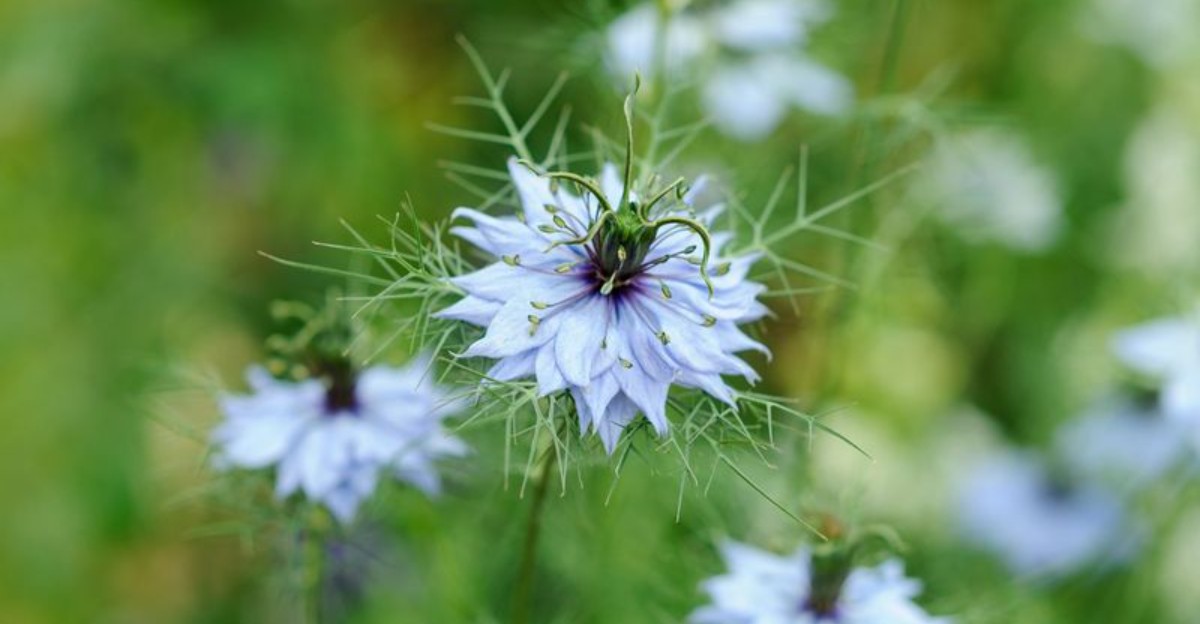
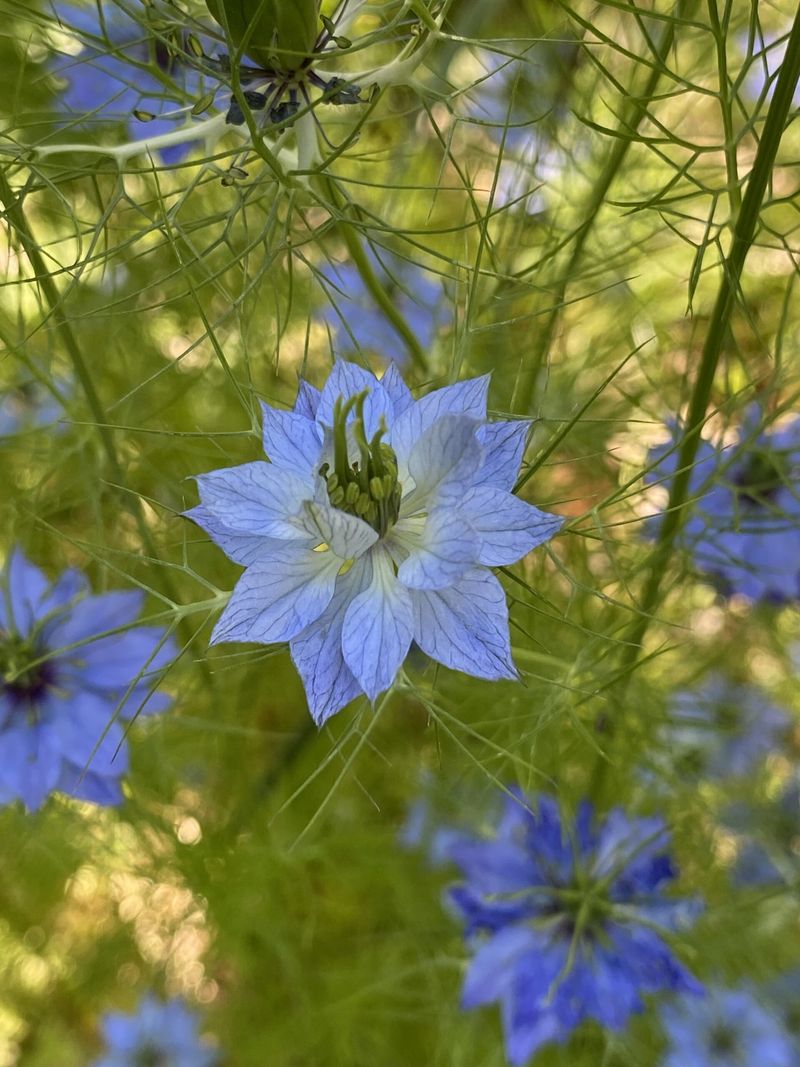
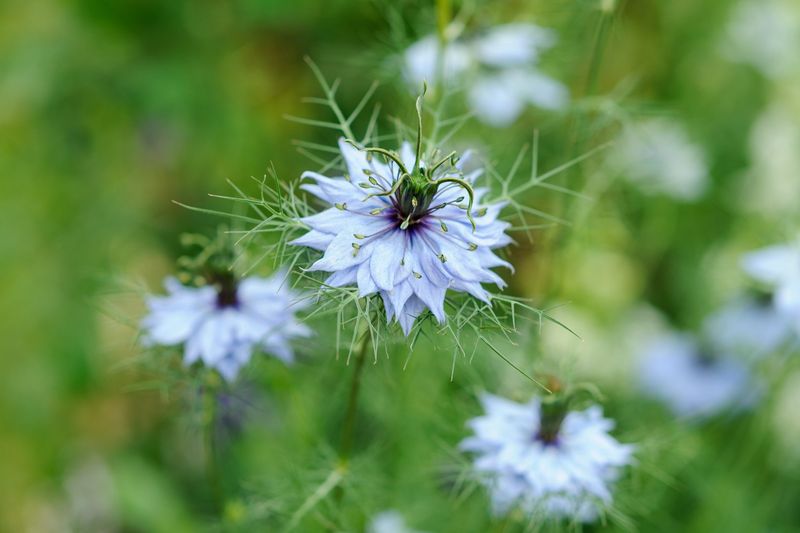
Picture a pale blue star caught inside a green cloud. That is pretty much what a love-in-a-mist bloom looks like up close.
Each flower sits within a frilly collar of thin, threadlike bracts, which gives the plant its misty name.
Leaves are finely divided and feathery, a bit like fennel or dill. Even before buds open, the foliage adds a soft texture that blends well with bolder spring plants.
Blue is the classic color, but seed mixes also offer white, pink, and deep purple shades. Named strains such as Miss Jekyll are popular choices if you want a reliable blue.
Plants usually stay fairly compact, often around one to two feet tall, though height can shift with soil and sunlight.
In Georgia, fall-sown plants commonly bloom in mid to late spring. Bloom time is not fixed, since a warm spring can speed things up and a cool one can slow them down.
Your Georgia Garden Changes Every Week. Your Plan Should Too.
Gardening in Georgia changes quickly throughout the season. Every Friday you’ll receive a simple weekly plan showing exactly what to plant, prune, fertilize, harvest, and protect so you never miss the right timing.
Flowers work nicely in small bouquets, and cutting a few stems will not hurt the plant.
Try tucking them between roses, poppies, or larkspur for a relaxed cottage look. Their airy habit fills gaps without crowding neighbors too much.
3. Seeds Do Best When Sown Directly Where Plants Will Grow
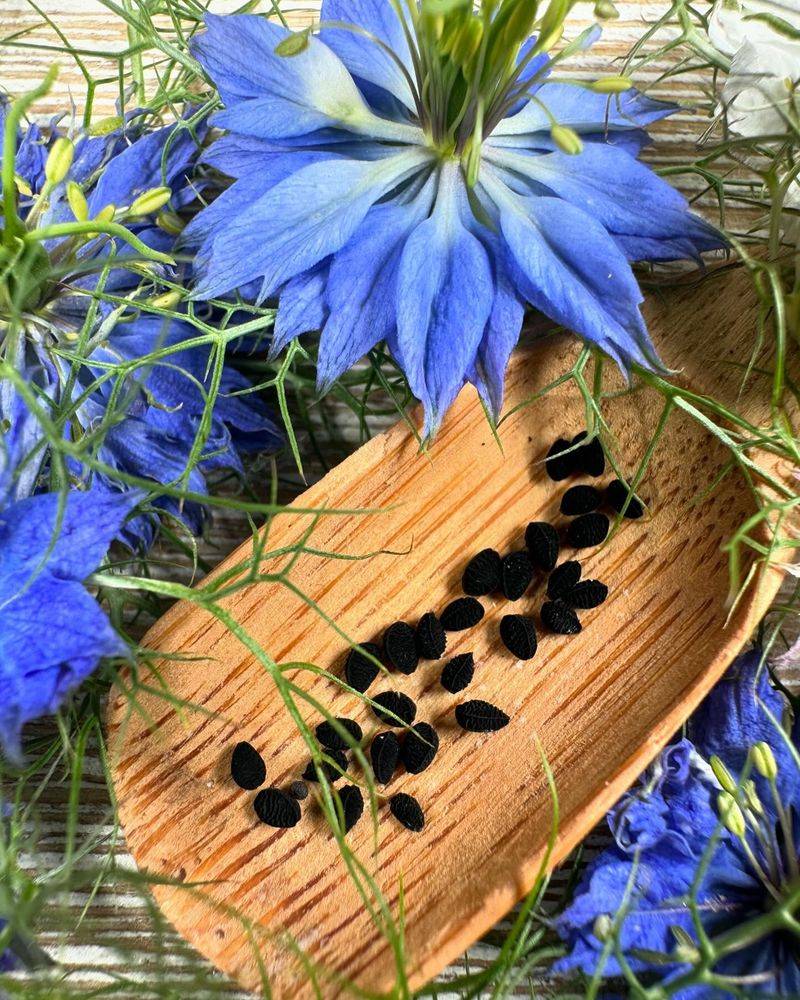
Skip the seed trays. Love-in-a-mist has a taproot that dislikes being disturbed, so transplanting often sets it back.
Sowing seeds right where you want flowers is the simplest path to healthy plants.
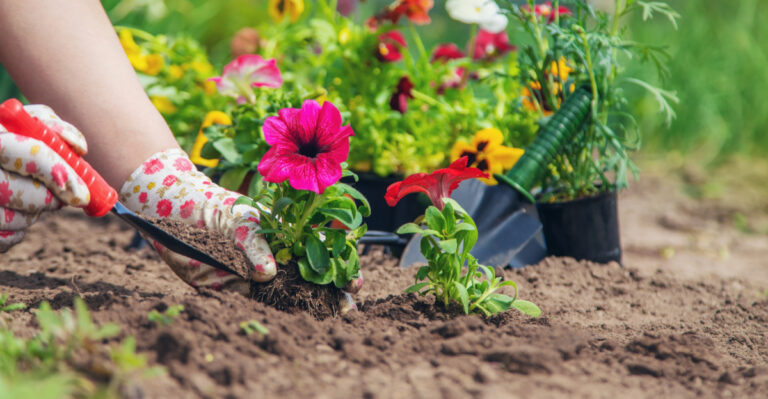
Start by clearing weeds and loosening the top few inches of soil with a rake. A smooth, crumbly surface helps tiny seeds make good contact with the ground.
Seed packets usually suggest a light covering, since the seeds need darkness to sprout well. Follow the packet directions for depth and spacing, because brands can differ slightly.
Scatter seeds in drifts or short rows rather than one at a time.
Once seedlings show a few true leaves, thin them so each plant has some breathing room. Crowded plants may grow weak and flower less, especially when air movement is poor.
Some Georgia gardeners sow along a path edge or in front of shrubs, where the soft foliage softens hard lines. Choose a spot with full sun to light shade.
Water gently with a fine spray so seeds stay in place. After that, steady natural rainfall through fall and winter often keeps the soil moist enough, though dry spells may call for an occasional drink.
4. Southern Areas Offer The Best Conditions For Fall Sowing
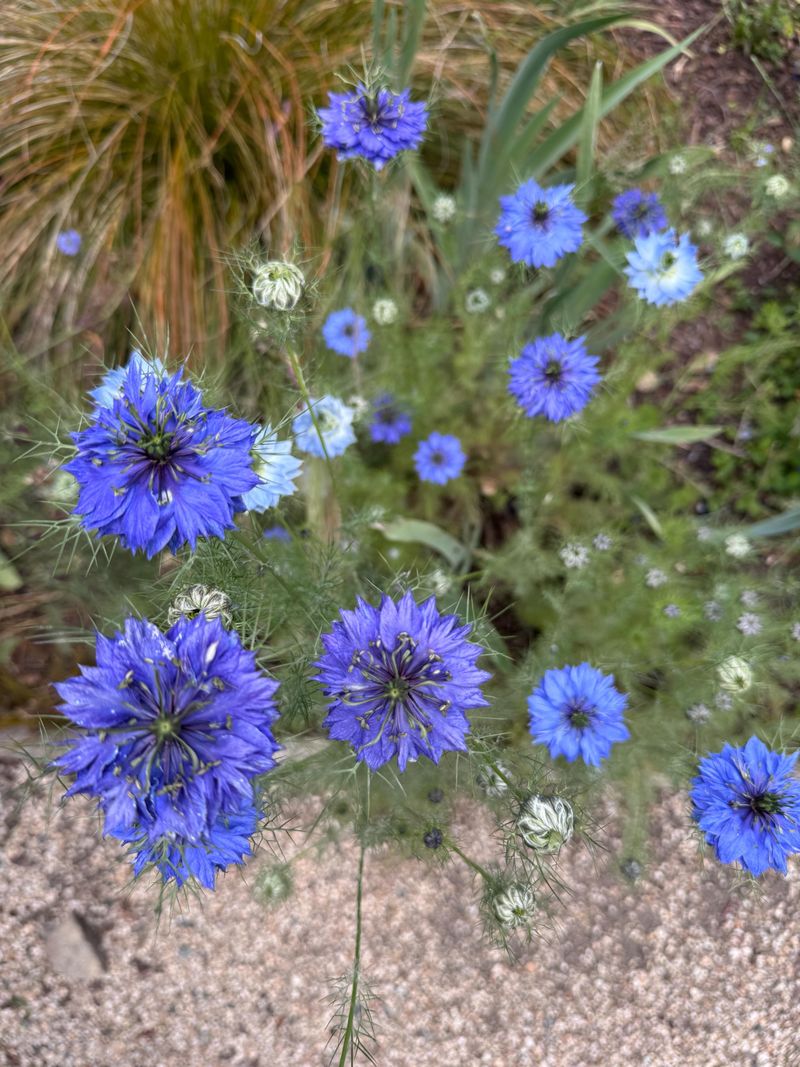
Location matters more than the calendar here. South Georgia and much of the central part of the state have mild winters that suit fall sowing well.
In these warmer zones, seedlings can grow slowly through winter and be ready to bloom as spring arrives.
North Georgia is a different story, especially in the mountains. Colder nights and harder freezes there can be tougher on young seedlings, though the plant is fairly cold tolerant.
Gardeners in higher elevations may have better luck sowing in late winter or very early spring instead.
Some northern growers still try fall sowing and get good results in a mild year. Others find spring sowing more dependable, so watching your own garden over a season or two is the best guide.
Heat is the other limit worth knowing. Love-in-a-mist tends to fade once hot, humid summer weather settles in, which is one reason early growth matters across the South.
Fall-sown plants usually bloom before that heat peaks, giving them a longer, fuller show.
Checking your USDA hardiness zone and typical first frost dates can guide your planning. Your county Extension agent can also share timing tips based on local conditions.
5. Well Drained Soil Helps Plants Handle Wet Winter Periods
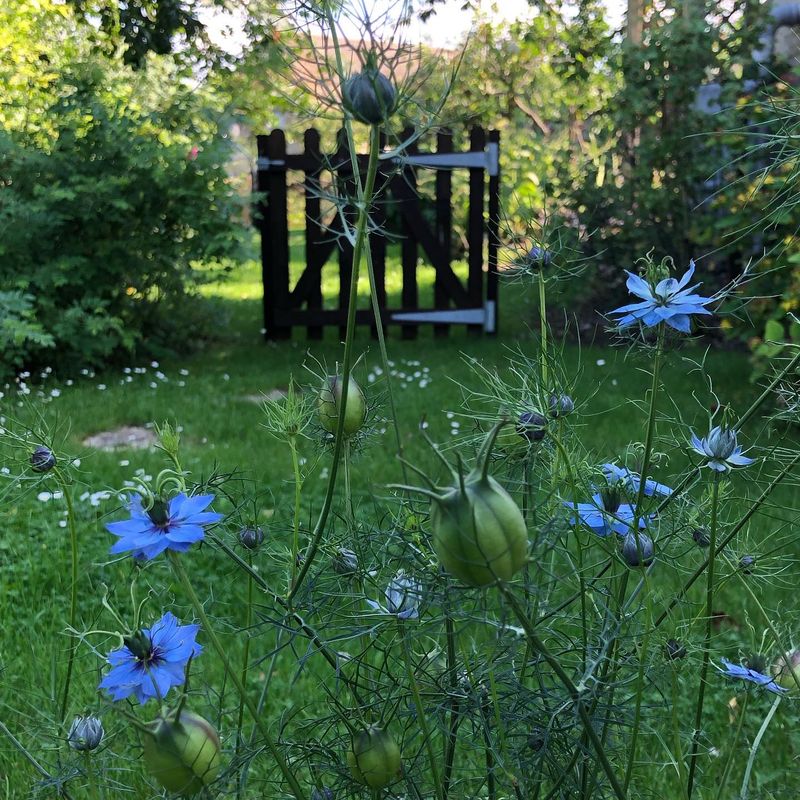
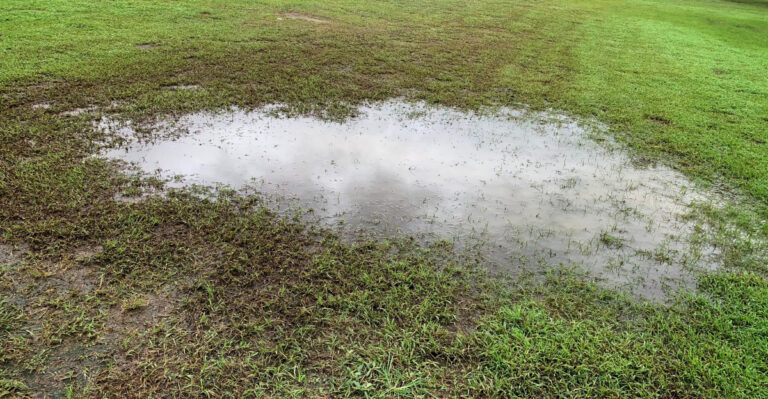
Soggy ground can trouble young plants more than cold does. Winter rains are common across much of the Southeast, and roots sitting in water may rot.
Love-in-a-mist prefers soil that drains freely while holding a little moisture.
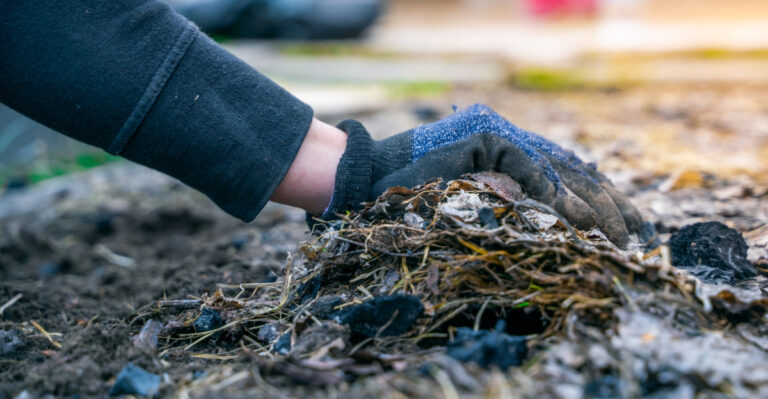
Heavy red clay is common in Georgia, and it can stay wet for days after a storm. Mixing in compost helps loosen clay and improves how water moves through it over time.
Raised beds are another practical fix if your yard tends to puddle. Even a slightly mounded row can keep seedlings above the wettest spots.
Notice where water collects after a heavy rain before you sow.
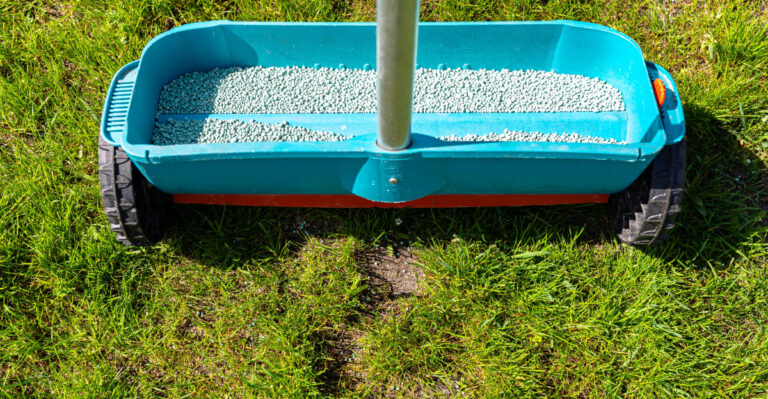
Rich soil is not required for this plant. Moderate fertility usually works fine, and heavy feeding may push leafy growth instead of flowers, though results vary with each garden.
Very sandy soil has the opposite problem, since it dries quickly. Adding some organic matter helps it hold enough moisture for steady growth.
A soil test through your local Extension office can show your pH and nutrient levels. That small step helps you avoid guessing and adding things the soil does not need.
6. Distinctive Seed Pods Keep The Display Interesting After Flowering
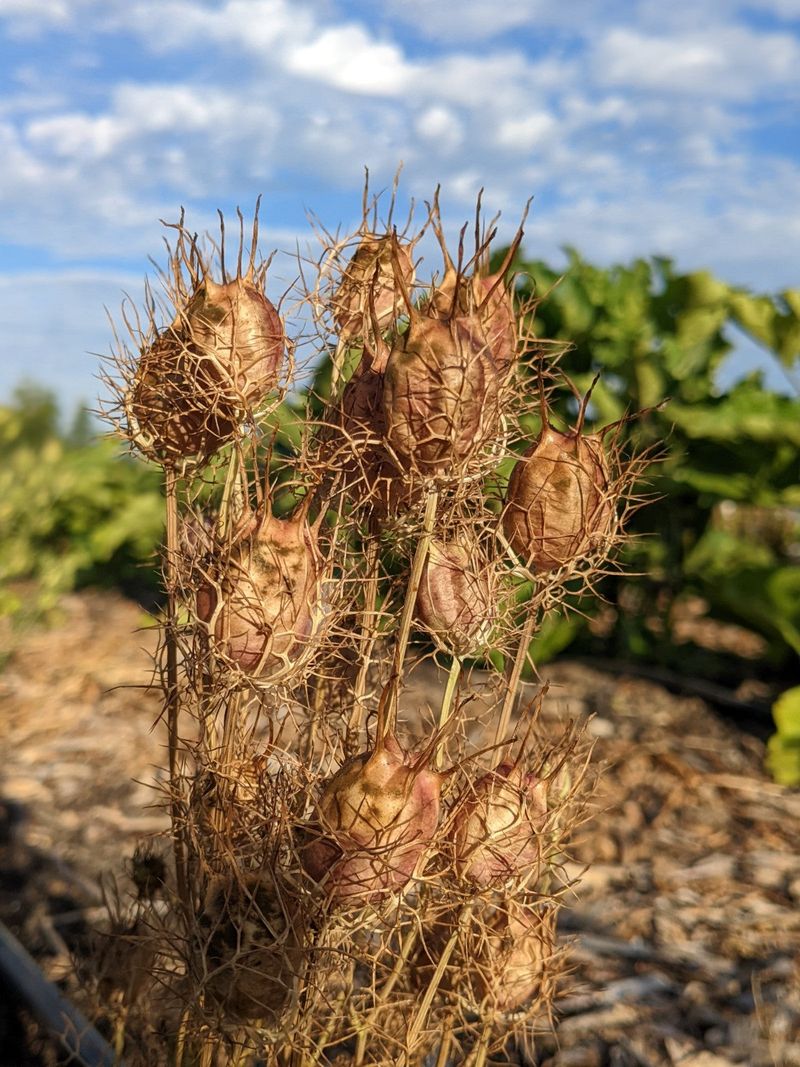
Petals fall, but the show keeps going. Once a bloom fades, love-in-a-mist forms a round, puffy seed pod that looks like a tiny striped balloon.
Pods often carry green and purple tones, with thin horns poking out from the top.
Gardeners who enjoy unusual textures tend to love this stage as much as the flowers. Pods stay on the plant for a while, adding interest to beds as spring rolls toward summer.
Flower arrangers prize these pods for dried bouquets. Cut stems once pods look full and firm, then hang them upside down in a dry, shady place.
Color in dried pods can shift as they age, so expect some fading.
In Georgia, pods usually form in late spring as temperatures climb. Plants begin to yellow and decline once summer heat arrives, which is normal for this annual.
Leaving a few plants standing a bit longer keeps the garden looking full during that transition. Pull them when they look too ragged for your taste.
Pods mixed with fresh flowers also make a nice contrast in a vase. Their papery shells add shape that most spring blooms lack.
7. Letting Some Pods Mature Can Bring New Seedlings Later
Patience pays off with this plant. Pods left on the stem eventually dry, turn tan, and release small black seeds onto the ground.
Those seeds may sprout on their own once cooler weather returns in fall.
Self-sowing like this can give you flowers year after year without buying new packets. Still, it is not certain, since mulch, weeding, and weather all affect how many seeds actually grow.
Some gardeners prefer more control over where plants appear. Snipping dry pods and shaking the seeds into a paper bag lets you sow them exactly where you want.
Store saved seeds in a cool, dry spot until fall planting time arrives.
Colors from saved seed may not match the parent plant, especially if you grew a mix. Expect some surprises in shade and flower form over time.
Volunteers can pop up in paths or crowded corners. Thin or pull extras early, while seedlings are small and easy to remove.
Across Georgia, many cottage gardens keep a patch of love-in-a-mist going this way for years. A little editing each spring keeps it charming rather than weedy.