Why You Can See More Juncos In Pennsylvania Every October
There’s an old saying among Pennsylvania backyard birders. When the juncos show up, winter isn’t far behind.
They might be onto something. Every October, these small gray-and-white birds start appearing under feeders, along hedges, and in quiet corners of the yard.
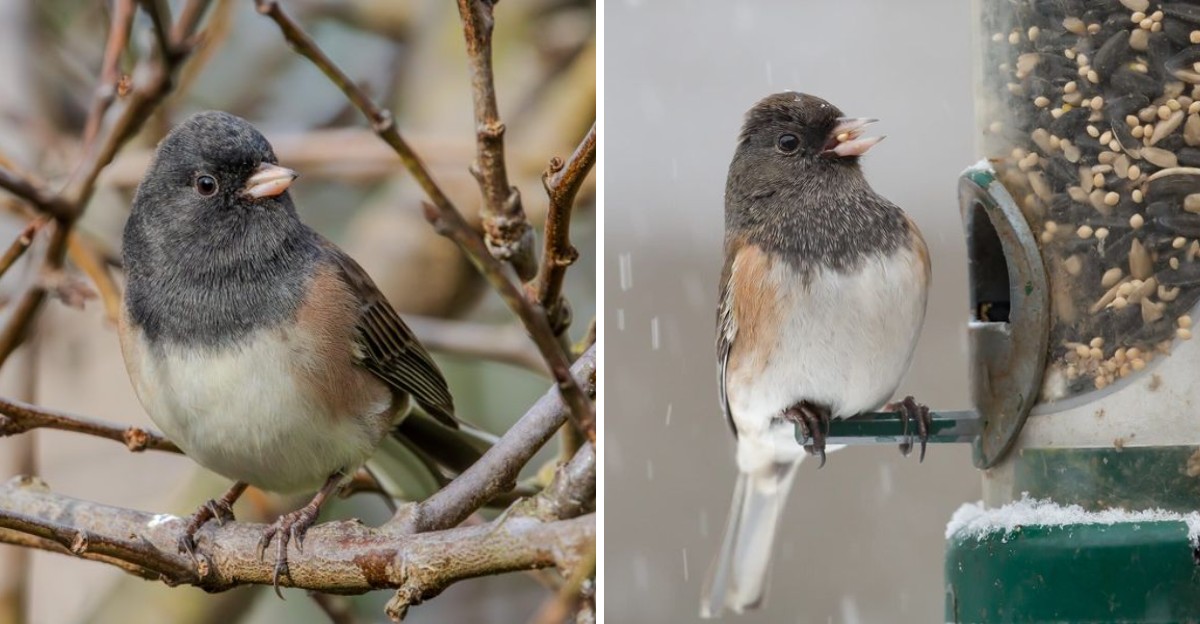
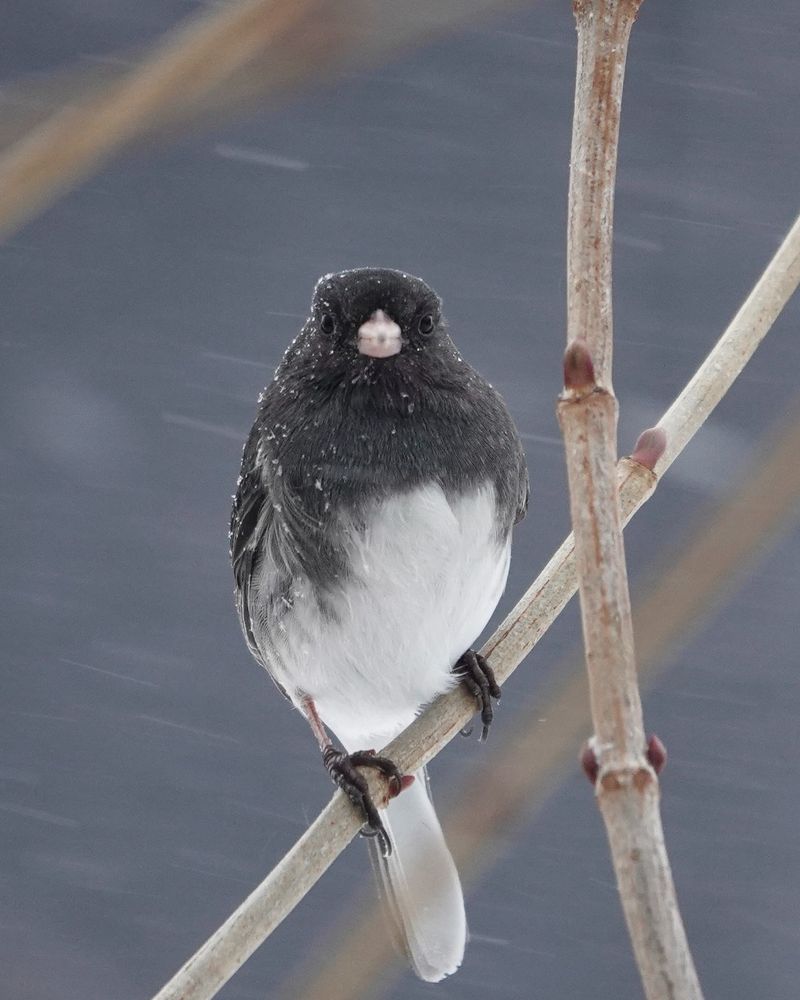
One day there are none, and the next, a whole flock is hopping across the lawn. Their nickname, “snowbirds,” fits them perfectly. Their dark gray backs and bright white bellies look a bit like a winter sky over a snowy field.
Most of them spent the summer far to the north, raising their young in the forests of Canada and northern New England. As the days shorten, they head south to spend the cold months somewhere a little milder.
For many of them, that’s your backyard. Their arrival is one of the surest signs that the season is changing.
1. Northern Birds Are Arriving For Winter
Every fall, a big bird parade heads south, and juncos are part of it. Most dark-eyed juncos spend their summers far to the north. They nest across Canada and in cool northern forests.
Some juncos even nest right here in Pennsylvania. You can find them in summer on high, chilly ridges in the northern part of the state. Places with tall hemlocks and cool mountain air feel a lot like Canada to them.
When fall comes, things change fast up north. Snow starts to cover the ground, and food gets hard to reach.
So the birds pack up and fly south, often traveling at night. Many of them stop in Pennsylvania and decide to stay.
October is the big arrival month. In most of the state, you might see none in September and dozens by the end of October. Bird watchers often say the first junco of fall is like a weather report with feathers.
Here is a fun fact. Scientists once grouped juncos into several different species because they look so different from place to place. The ones in Pennsylvania are mostly the slate-colored type, with smooth gray coats.
Want to catch the first arrivals? Start watching your yard in early October. Look low, near the ground, since juncos rarely sit high in trees. Listen for a soft, clicking tick sound or a quick musical trill.
Keep a simple notebook by the window. Write down the date you see your first junco each year. After a few seasons, you will have your own record of their return. You might be surprised at how close the dates are from year to year.
2. Shorter Days Trigger Their Migration
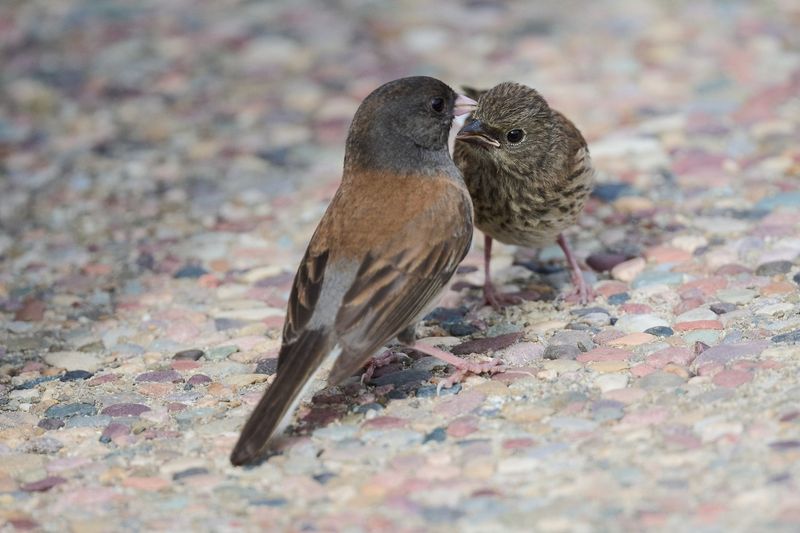
Nature has its own alarm clock, and for juncos, it rings with the setting sun. As fall moves along, each day gets a little shorter. Birds can sense this change in daylight very clearly.
Inside a junco’s body, less light sets off a chain of changes. The bird starts eating more and storing fat. It also gets restless, especially at night.
Scientists call this restless feeling migratory urge. It tells the bird it is time to go.
Your Pennsylvania Garden Changes Every Week. Your Plan Should Too.
Gardening in Pennsylvania changes quickly throughout the season. Every Friday you’ll receive a simple weekly plan showing exactly what to plant, prune, fertilize, harvest, and protect so you never miss the right timing.
Daylight is a smart signal to follow. Temperature can jump up and down from week to week. A warm October afternoon could trick a bird into staying too long. But day length changes the same way every single year, so it is very reliable.
Of course, weather still plays a part. Juncos often ride cold fronts south. When a chilly wind blows in from the north, it gives them a helpful push. That is why many people spot their first juncos right after the first real cold snap.
You can use this pattern to your advantage. Check the weather forecast in October. When you see a cold front coming with north winds, plan to look outside the next morning. There is a good chance new birds dropped in overnight.
Did you know? Many small songbirds, including juncos, migrate mostly at night. The darkness helps them avoid hawks, and the cool air keeps them from overheating. They then spend the day resting and refueling.
So the next time you notice it getting dark before dinner, think of the juncos. That early sunset is their signal to head your way.
3. Fall Fields Are Full Of Seeds
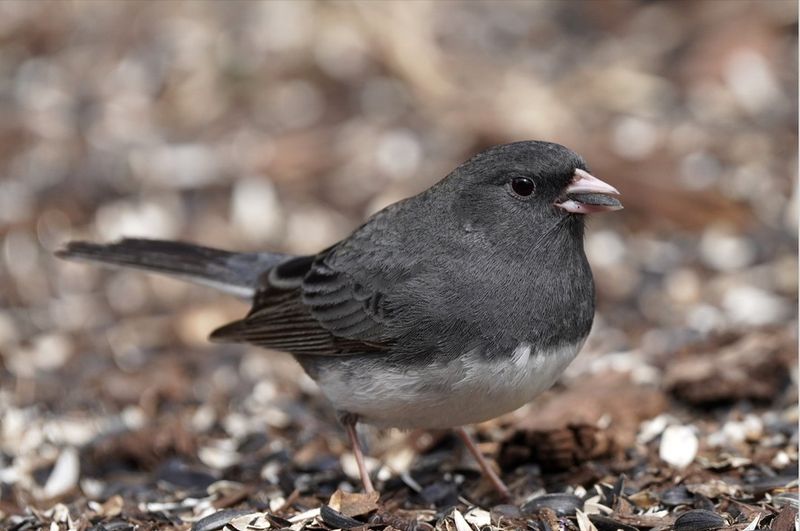
Walk past a weedy field in October and you are looking at a giant snack bar. Plants that bloomed all summer are now loaded with ripe seeds. For a junco, that is the perfect menu.
Juncos eat mostly seeds once the weather cools. In summer they also eat insects, which give their chicks lots of protein. But by fall, bugs are fading away, and seeds take over as their main food.
Pennsylvania has plenty of seed plants. Ragweed, foxtail grass, lamb’s quarters, and goldenrod all produce tons of tiny seeds.
Many of these grow along roads, fences, and the edges of farm fields. Gardens that are left a bit messy help too.
Watch a junco feed and you will see a funny little move. It hops forward, then kicks both feet backward to scratch away leaves. Then it grabs whatever seeds pop up. It looks a bit like a tiny dance.
Here is a great tip for your own yard. Do not rush to clean up every flower bed in the fall. Leave sunflowers, coneflowers, and black-eyed Susans standing. Their seed heads will feed juncos for weeks.
You can also let a small corner of your lawn grow wild. Native grasses and wildflowers create a natural feeding spot. It saves you work and helps the birds at the same time.
Fun fact: one junco can eat a surprising number of weed seeds each day. That means these birds may actually help farmers and gardeners by keeping some weeds in check. Not bad for a bird that weighs less than an ounce.
4. Bird Feeders Offer Easy Meals
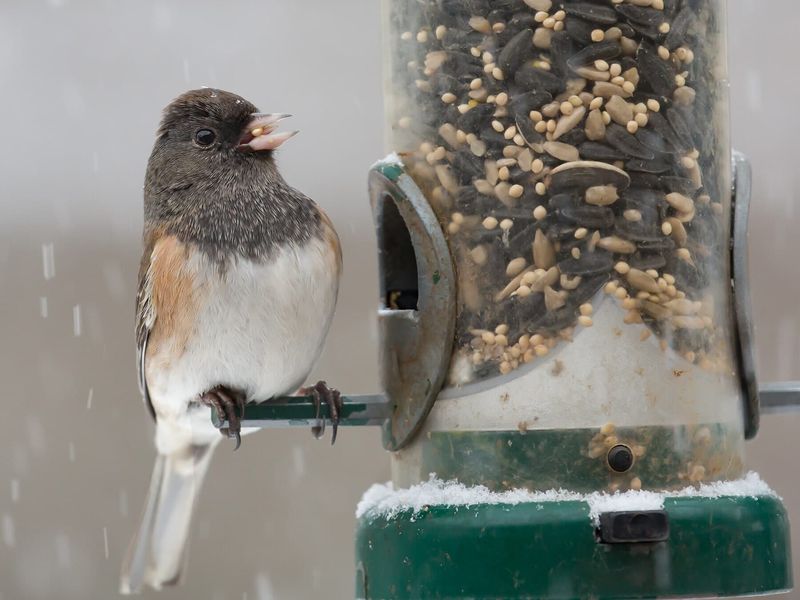
Ask any backyard bird fan, and they will tell you juncos are the floor sweepers of the feeder crowd. While chickadees and finches grab seeds up high, juncos stay down below. They pick up everything the other birds drop.
Juncos are ground feeders by nature. They feel most comfortable hopping around on soil, leaves, or snow. Hanging tube feeders are not really their style. That is why setting up your feeding area the right way makes a big difference.
So what do they like best? White proso millet is a top choice. Cracked corn is another favorite.
They will also happily eat sunflower hearts and bits of black oil sunflower seed that fall from above. Try these simple ideas to attract more juncos:
Scatter a handful of millet directly on the ground each morning. Use a low platform feeder that sits just a few inches high. Place a tray under your hanging feeder to catch spills.
Keep things clean, though. Wet seed on the ground can grow mold, which is bad for birds. Only put out what they can eat in a day or so. Rake away old shells and soggy piles now and then.
Snowy days are when feeders matter most. Deep snow covers up the seeds in fields. On those days, you may see far more juncos than usual. Brush a patch of ground clear and sprinkle seed there.
A quick note: juncos are not picky about fancy mixes. Cheap millet works just fine for them. Save the pricey blends for other birds, and keep a big bag of millet ready for your gray guests.
5. They Prefer Yards With Brushy Cover
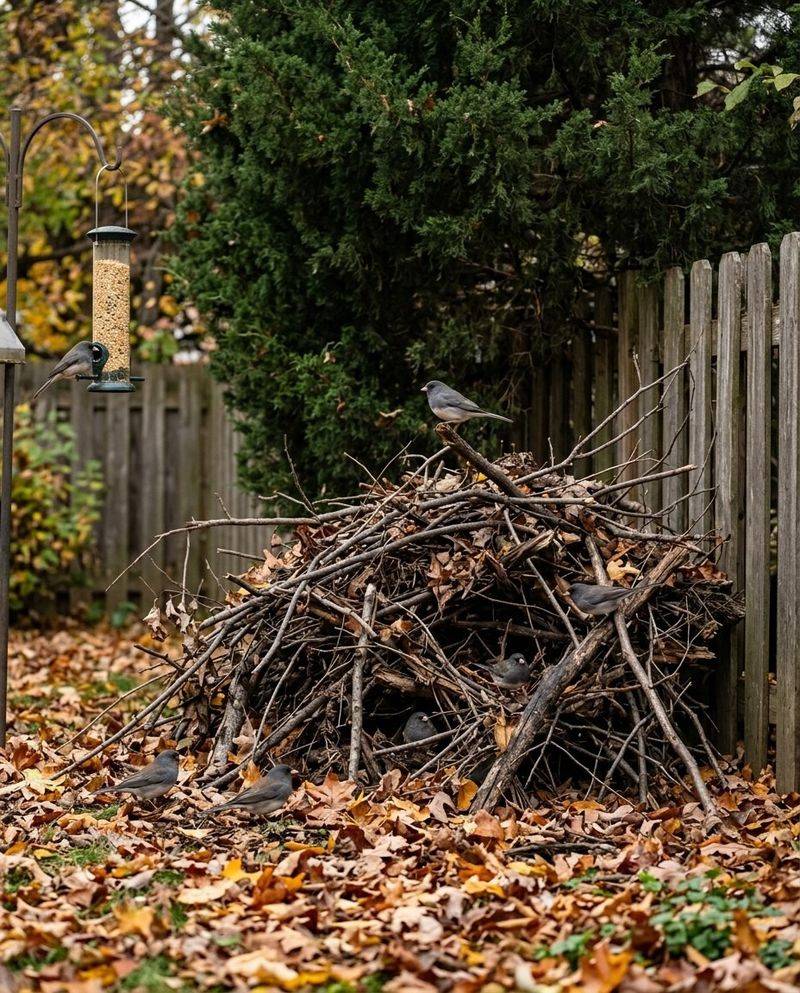
Life is a little nerve-racking when you are a small bird. Hawks, house cats, and other hunters are always looking for an easy meal. So juncos never wander too far from a good hiding spot.
Picture yourself in their tiny shoes for a second. You are pecking at seeds out in the open. Suddenly a shadow swoops overhead.
You need somewhere to dash, and fast. A thick bush a few feet away is the perfect escape.
That is why juncos love yards with shrubs, hedges, and brush piles. They feed in open spots but stay close to cover. When danger appears, they zip into the branches with a flash of white tail feathers.
Those white tail flashes are actually clever. Some experts think they help warn other flock members. They may also confuse a predator for a split second while the bird darts away.
Making your yard safer is pretty easy. Pile fallen branches and sticks into a loose brush pile near your feeders. Plant evergreen shrubs like holly, juniper, or arborvitae. These stay thick all winter and block cold wind too.
Distance matters. Try to keep cover about ten feet from where the birds eat. That is close enough for a quick escape. But it is not so close that cats can hide there and pounce.
If you own a cat, keeping it indoors is one of the best things you can do for backyard birds. Your juncos will feel calmer, stay longer, and visit more often. A safe yard quickly becomes a favorite winter hangout.
6. Many Return To The Same Wintering Spots
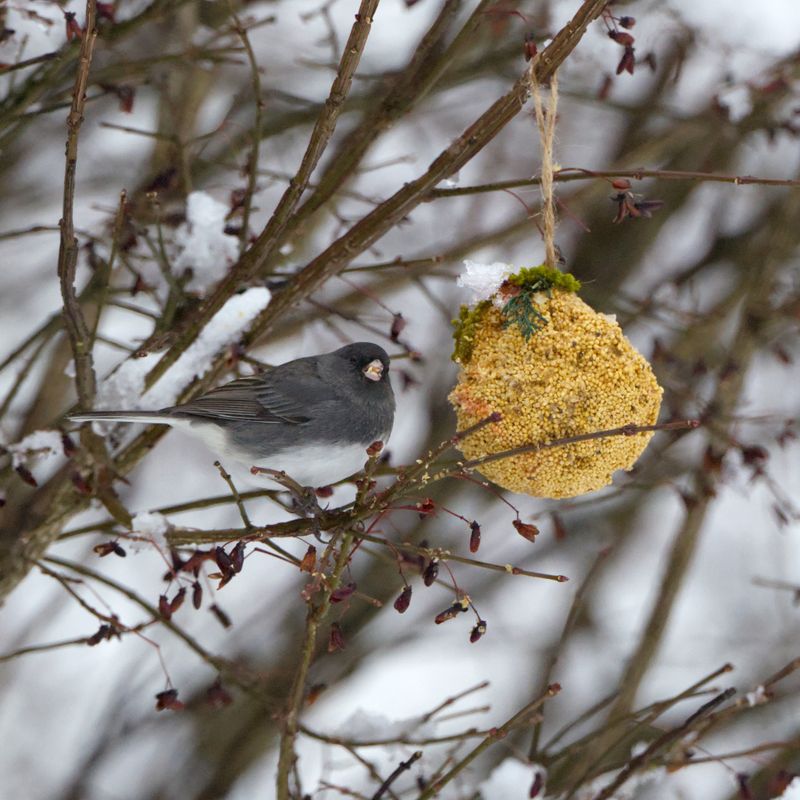
Some guests come back year after year, and juncos can be just like that. Research shows many of them return to the same general area each winter. Your yard might be on their yearly travel plan.
How do they remember? Birds have amazing navigation skills. They use the sun, the stars, and even the Earth’s magnetic field to find their way. Along the route, they also learn landmarks like rivers, ridges, and coastlines.
Once they arrive, familiar places give them a big advantage. A bird that already knows where food, water, and safe shelter are can settle in faster. It does not have to waste energy searching a brand-new area.
Bird banders have proven this over many years. They place tiny, lightweight bands on a bird’s leg, each with its own number. Later, the same banded junco is sometimes caught in the very same spot a year or more after.
So if juncos visited your yard last winter, there is a decent chance a few of the same birds are back. It is a little like seeing old friends return after a long trip. That thought makes winter bird watching feel extra special.
You can help them find you again. Keep your feeders in the same spots from year to year. Leave your brush piles and shrubs in place. Start offering seed by early October so the returning birds find food right away.
Consistency is the secret. Birds count on reliable spots. If your yard stays steady and welcoming, it can become a winter home that juncos depend on for many seasons.
7. They Travel In Winter Flocks
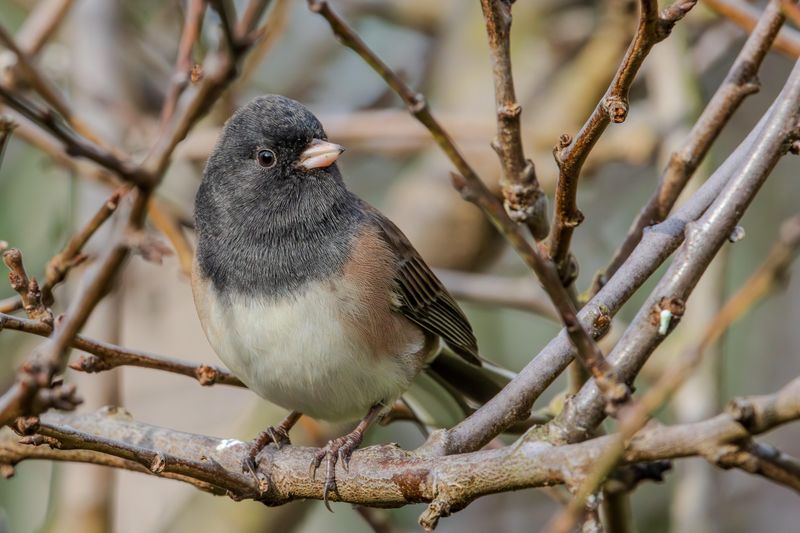
One junco is cute, but a whole flock is a show. In winter, these birds gather in groups that can hold anywhere from a handful to a few dozen birds. They move together through yards, fields, and woodland edges.
Living in a group has real benefits. More eyes mean someone is always watching for danger. While some birds eat, others keep a lookout. If one spots a hawk, the whole flock scatters in an instant.
Flocks also have a pecking order. Some birds are bosses, and they get the best feeding spots.
Lower-ranking birds wait their turn or feed on the edges. Watch closely and you may see little chases and wing flicks as they sort things out.
Now for a fascinating twist. Female juncos tend to migrate farther south than males. Many females keep flying to states like Virginia, Georgia, or beyond. A lot of males stop sooner and stay farther north.
Why would they do that? One idea is that males want to stay closer to their breeding grounds. In spring, they can get back early and claim the best nesting spots. Males are also a bit larger, which may help them handle colder weather.
That means flocks in Pennsylvania often include more males. You can test this yourself. Males usually look dark, crisp gray. Females are often lighter, with a brownish wash on their backs and sides.
Try counting the birds in your flock and sorting them by color. It is a fun project for kids and adults. You might discover your yard is hosting a winter boys’ club.